

Navigating Compliance and Standards in Magnetocaloric Tech
APR 24, 20269 MIN READ
Generate Your Research Report Instantly with AI Agent
PatSnap Eureka helps you evaluate technical feasibility & market potential.
Magnetocaloric Technology Background and Compliance Goals
Magnetocaloric technology represents a revolutionary approach to solid-state cooling and heating systems, leveraging the magnetocaloric effect where certain materials exhibit temperature changes when subjected to varying magnetic fields. This phenomenon, first discovered in iron by Emil Warburg in 1881, has evolved from a scientific curiosity into a promising alternative to conventional vapor-compression refrigeration systems. The technology operates on the principle that magnetocaloric materials absorb or release heat when magnetized or demagnetized, offering potential advantages in energy efficiency, environmental sustainability, and operational reliability.
The historical development of magnetocaloric technology has progressed through distinct phases, beginning with fundamental research in the early 20th century and accelerating significantly after the discovery of the giant magnetocaloric effect in Gd5Si2Ge2 compounds in 1997. This breakthrough demonstrated that room-temperature magnetic refrigeration could achieve practical cooling capacities, sparking renewed industrial interest and investment in the field.
Current technological objectives center on achieving commercial viability through improved material performance, enhanced system efficiency, and cost-effective manufacturing processes. Key targets include developing magnetocaloric materials with larger temperature spans, higher cooling power densities, and reduced hysteresis losses. Additionally, the industry aims to create compact, reliable magnetic refrigeration systems capable of competing with traditional cooling technologies across various applications, from household appliances to industrial cooling systems.
The compliance landscape for magnetocaloric technology encompasses multiple regulatory frameworks addressing safety, environmental impact, and performance standards. Primary compliance goals include meeting electromagnetic compatibility requirements, ensuring material safety standards for rare earth elements commonly used in magnetocaloric compounds, and adhering to energy efficiency regulations. Environmental compliance focuses on lifecycle assessment protocols, recyclability standards, and reduction of greenhouse gas emissions compared to conventional refrigeration systems.
Standardization efforts aim to establish unified testing methodologies for magnetocaloric materials, performance benchmarking protocols for magnetic refrigeration systems, and safety guidelines for permanent magnet assemblies used in these applications. These standards are essential for facilitating technology adoption, ensuring consumer safety, and enabling fair market competition among manufacturers developing magnetocaloric solutions.
The historical development of magnetocaloric technology has progressed through distinct phases, beginning with fundamental research in the early 20th century and accelerating significantly after the discovery of the giant magnetocaloric effect in Gd5Si2Ge2 compounds in 1997. This breakthrough demonstrated that room-temperature magnetic refrigeration could achieve practical cooling capacities, sparking renewed industrial interest and investment in the field.
Current technological objectives center on achieving commercial viability through improved material performance, enhanced system efficiency, and cost-effective manufacturing processes. Key targets include developing magnetocaloric materials with larger temperature spans, higher cooling power densities, and reduced hysteresis losses. Additionally, the industry aims to create compact, reliable magnetic refrigeration systems capable of competing with traditional cooling technologies across various applications, from household appliances to industrial cooling systems.
The compliance landscape for magnetocaloric technology encompasses multiple regulatory frameworks addressing safety, environmental impact, and performance standards. Primary compliance goals include meeting electromagnetic compatibility requirements, ensuring material safety standards for rare earth elements commonly used in magnetocaloric compounds, and adhering to energy efficiency regulations. Environmental compliance focuses on lifecycle assessment protocols, recyclability standards, and reduction of greenhouse gas emissions compared to conventional refrigeration systems.
Standardization efforts aim to establish unified testing methodologies for magnetocaloric materials, performance benchmarking protocols for magnetic refrigeration systems, and safety guidelines for permanent magnet assemblies used in these applications. These standards are essential for facilitating technology adoption, ensuring consumer safety, and enabling fair market competition among manufacturers developing magnetocaloric solutions.
Market Demand for Magnetocaloric Cooling Solutions
The magnetocaloric cooling market is experiencing significant growth driven by increasing environmental regulations and the global phase-out of hydrofluorocarbon refrigerants under the Montreal Protocol and its Kigali Amendment. Traditional vapor-compression cooling systems face mounting pressure due to their high global warming potential and energy consumption, creating substantial market opportunities for alternative cooling technologies.
Data centers represent one of the most promising market segments for magnetocaloric cooling solutions. The exponential growth in cloud computing, artificial intelligence, and cryptocurrency mining has led to unprecedented cooling demands in data centers worldwide. These facilities require precise temperature control and energy-efficient cooling systems to manage operational costs and meet sustainability targets. Magnetocaloric technology offers the potential for significant energy savings compared to conventional cooling methods, making it particularly attractive for hyperscale data center operators.
The automotive industry presents another substantial market opportunity, particularly in electric vehicle thermal management systems. As electric vehicle adoption accelerates globally, manufacturers seek innovative cooling solutions for battery packs, power electronics, and cabin climate control. Magnetocaloric cooling systems can provide more efficient and compact solutions compared to traditional automotive air conditioning systems, addressing both performance and space constraints in electric vehicles.
Residential and commercial HVAC markets show growing interest in magnetocaloric cooling technology as building energy efficiency standards become more stringent. Green building certifications and net-zero energy requirements are driving demand for high-efficiency cooling systems. The technology's potential for near-room-temperature operation and reduced environmental impact aligns well with sustainable building design principles.
Industrial process cooling applications also demonstrate significant market potential, particularly in sectors requiring precise temperature control such as pharmaceuticals, food processing, and chemical manufacturing. These industries face increasing regulatory pressure to reduce their environmental footprint while maintaining strict quality standards, making magnetocaloric cooling an attractive alternative.
Market adoption faces challenges including higher initial capital costs compared to conventional cooling systems and the need for specialized maintenance expertise. However, the total cost of ownership advantages through reduced energy consumption and environmental compliance benefits are driving continued market interest and investment in magnetocaloric cooling technology development.
Data centers represent one of the most promising market segments for magnetocaloric cooling solutions. The exponential growth in cloud computing, artificial intelligence, and cryptocurrency mining has led to unprecedented cooling demands in data centers worldwide. These facilities require precise temperature control and energy-efficient cooling systems to manage operational costs and meet sustainability targets. Magnetocaloric technology offers the potential for significant energy savings compared to conventional cooling methods, making it particularly attractive for hyperscale data center operators.
The automotive industry presents another substantial market opportunity, particularly in electric vehicle thermal management systems. As electric vehicle adoption accelerates globally, manufacturers seek innovative cooling solutions for battery packs, power electronics, and cabin climate control. Magnetocaloric cooling systems can provide more efficient and compact solutions compared to traditional automotive air conditioning systems, addressing both performance and space constraints in electric vehicles.
Residential and commercial HVAC markets show growing interest in magnetocaloric cooling technology as building energy efficiency standards become more stringent. Green building certifications and net-zero energy requirements are driving demand for high-efficiency cooling systems. The technology's potential for near-room-temperature operation and reduced environmental impact aligns well with sustainable building design principles.
Industrial process cooling applications also demonstrate significant market potential, particularly in sectors requiring precise temperature control such as pharmaceuticals, food processing, and chemical manufacturing. These industries face increasing regulatory pressure to reduce their environmental footprint while maintaining strict quality standards, making magnetocaloric cooling an attractive alternative.
Market adoption faces challenges including higher initial capital costs compared to conventional cooling systems and the need for specialized maintenance expertise. However, the total cost of ownership advantages through reduced energy consumption and environmental compliance benefits are driving continued market interest and investment in magnetocaloric cooling technology development.
Current Standards and Regulatory Challenges in Magnetocaloric Tech
The magnetocaloric technology sector currently operates within a fragmented regulatory landscape where no unified international standards specifically address magnetocaloric materials and devices. This absence of dedicated frameworks creates significant compliance challenges for manufacturers and researchers attempting to commercialize magnetocaloric cooling systems and heat pumps.
Existing regulatory oversight primarily relies on adapting standards from adjacent industries, including traditional refrigeration systems, magnetic materials, and energy efficiency appliances. The International Electrotechnical Commission (IEC) and International Organization for Standardization (ISO) provide foundational guidelines for magnetic materials testing and energy efficiency metrics, but these standards lack specific provisions for magnetocaloric effect characterization and performance evaluation.
Safety certification presents a particularly complex challenge, as magnetocaloric devices often incorporate strong permanent magnets and operate under varying magnetic field conditions. Current safety standards from organizations like Underwriters Laboratories (UL) and the European Committee for Electrotechnical Standardization (CENELEC) require extensive adaptation to address magnetic field exposure limits, material stability under cyclic magnetic loading, and electromagnetic compatibility requirements.
Environmental regulations add another layer of complexity, particularly regarding rare earth element usage in magnetocaloric materials. The European Union's RoHS Directive and REACH Regulation impose restrictions on hazardous substances and require comprehensive material safety documentation. These requirements significantly impact material selection and supply chain management for magnetocaloric device manufacturers.
Energy efficiency standards present both opportunities and challenges for the industry. While magnetocaloric technology offers superior theoretical efficiency compared to vapor compression systems, the lack of standardized testing protocols makes it difficult to demonstrate compliance with energy efficiency regulations such as the EU's Ecodesign Directive or ENERGY STAR requirements in the United States.
The medical device sector faces additional regulatory hurdles when implementing magnetocaloric technology in therapeutic applications. FDA approval processes and CE marking requirements demand extensive clinical testing and safety validation, which current standards do not adequately address for magnetocaloric-based medical devices.
Regional variations in regulatory approaches further complicate global market entry strategies. While the European Union tends toward comprehensive environmental and safety regulations, Asian markets often prioritize performance standards, and North American regulations focus heavily on energy efficiency metrics and consumer safety protocols.
Existing regulatory oversight primarily relies on adapting standards from adjacent industries, including traditional refrigeration systems, magnetic materials, and energy efficiency appliances. The International Electrotechnical Commission (IEC) and International Organization for Standardization (ISO) provide foundational guidelines for magnetic materials testing and energy efficiency metrics, but these standards lack specific provisions for magnetocaloric effect characterization and performance evaluation.
Safety certification presents a particularly complex challenge, as magnetocaloric devices often incorporate strong permanent magnets and operate under varying magnetic field conditions. Current safety standards from organizations like Underwriters Laboratories (UL) and the European Committee for Electrotechnical Standardization (CENELEC) require extensive adaptation to address magnetic field exposure limits, material stability under cyclic magnetic loading, and electromagnetic compatibility requirements.
Environmental regulations add another layer of complexity, particularly regarding rare earth element usage in magnetocaloric materials. The European Union's RoHS Directive and REACH Regulation impose restrictions on hazardous substances and require comprehensive material safety documentation. These requirements significantly impact material selection and supply chain management for magnetocaloric device manufacturers.
Energy efficiency standards present both opportunities and challenges for the industry. While magnetocaloric technology offers superior theoretical efficiency compared to vapor compression systems, the lack of standardized testing protocols makes it difficult to demonstrate compliance with energy efficiency regulations such as the EU's Ecodesign Directive or ENERGY STAR requirements in the United States.
The medical device sector faces additional regulatory hurdles when implementing magnetocaloric technology in therapeutic applications. FDA approval processes and CE marking requirements demand extensive clinical testing and safety validation, which current standards do not adequately address for magnetocaloric-based medical devices.
Regional variations in regulatory approaches further complicate global market entry strategies. While the European Union tends toward comprehensive environmental and safety regulations, Asian markets often prioritize performance standards, and North American regulations focus heavily on energy efficiency metrics and consumer safety protocols.
Current Compliance Solutions for Magnetocaloric Systems
01 Magnetocaloric materials and alloy compositions
Development of specialized magnetic materials and alloy compositions that exhibit strong magnetocaloric effects. These materials undergo temperature changes when subjected to magnetic field variations, with specific compositions optimized for enhanced thermal response and efficiency in cooling applications.- Magnetocaloric materials and alloy compositions: Development of specialized magnetic materials and alloy compositions that exhibit strong magnetocaloric effects. These materials undergo temperature changes when subjected to magnetic field variations, with specific compositions optimized for enhanced thermal response and efficiency in cooling applications.
- Magnetocaloric refrigeration systems and apparatus: Complete refrigeration systems utilizing magnetocaloric technology for cooling applications. These systems integrate magnetic field generation, heat exchange mechanisms, and control systems to create efficient cooling devices that can replace traditional vapor-compression refrigeration in various applications.
- Heat exchange and thermal management methods: Techniques for optimizing heat transfer and thermal management in magnetocaloric systems. These methods focus on improving heat exchange efficiency, thermal cycling processes, and temperature regulation to maximize the cooling performance of magnetocaloric devices.
- Magnetic field generation and control systems: Systems and methods for generating and controlling magnetic fields in magnetocaloric applications. These technologies include permanent magnet arrangements, electromagnetic field control, and field modulation techniques to optimize the magnetocaloric effect and system performance.
- Manufacturing processes and device fabrication: Methods for manufacturing magnetocaloric materials and fabricating magnetocaloric devices. These processes include material synthesis techniques, device assembly methods, and quality control procedures for producing efficient and reliable magnetocaloric cooling systems.
02 Magnetocaloric refrigeration systems and apparatus
Complete refrigeration systems utilizing magnetocaloric technology for cooling applications. These systems integrate magnetic field generation, heat exchange mechanisms, and control systems to create efficient cooling devices that can replace traditional vapor-compression refrigeration methods.Expand Specific Solutions03 Heat exchange and thermal management methods
Techniques for optimizing heat transfer and thermal management in magnetocaloric devices. These methods focus on improving heat exchange efficiency, thermal cycling processes, and temperature regulation to maximize the cooling performance of magnetocaloric systems.Expand Specific Solutions04 Magnetic field generation and control systems
Systems and methods for generating and controlling magnetic fields in magnetocaloric applications. These technologies include permanent magnet arrangements, electromagnetic field control, and field modulation techniques to optimize the magnetocaloric effect and system performance.Expand Specific Solutions05 Manufacturing processes and device fabrication
Methods for manufacturing magnetocaloric devices and processing magnetocaloric materials. These processes include fabrication techniques, material processing methods, and assembly procedures for creating efficient magnetocaloric cooling devices and components.Expand Specific Solutions
Key Players in Magnetocaloric Technology and Standards Bodies
The magnetocaloric technology sector is in its early commercialization phase, transitioning from research-intensive development to market-ready applications. The market remains relatively niche but shows significant growth potential, particularly in energy-efficient cooling systems and specialized industrial applications. Technology maturity varies considerably across players, with established industrial giants like Siemens AG, BASF Corp., and Samsung Electronics leveraging their extensive R&D capabilities and manufacturing infrastructure to advance magnetocaloric materials and systems. Specialized companies such as Cooltech Applications SAS focus exclusively on magnetic refrigeration solutions, while semiconductor leaders like Taiwan Semiconductor Manufacturing and Texas Instruments contribute enabling technologies. Academic institutions including Southeast University and University of Ljubljana drive fundamental research breakthroughs. The competitive landscape reflects a convergence of materials science expertise, thermal management technologies, and manufacturing scalability, with compliance standards still evolving as the technology matures toward broader commercial adoption.
BASF Corp.
Technical Solution: BASF has developed specialized compliance protocols for magnetocaloric materials as a leading chemical manufacturer, focusing on material safety data sheets, chemical registration requirements, and environmental impact assessments. Their approach encompasses REACH compliance for rare earth elements and magnetic compounds, ensuring proper classification and labeling of magnetocaloric materials throughout the supply chain. The company has established comprehensive testing procedures for material toxicity, environmental persistence, and bioaccumulation potential of magnetocaloric compounds. BASF's compliance strategy includes lifecycle assessment methodologies that evaluate environmental impact from raw material extraction through end-of-life disposal, supporting circular economy initiatives and sustainability reporting requirements.
Strengths: Deep materials science expertise, established chemical industry compliance systems, global regulatory knowledge. Weaknesses: Limited system-level integration experience, focus primarily on material-level compliance.
Cooltech Applications SAS
Technical Solution: Cooltech Applications has developed comprehensive compliance frameworks for magnetocaloric cooling systems, focusing on environmental regulations and energy efficiency standards. Their approach integrates ISO 14001 environmental management systems with specific magnetocaloric technology requirements, ensuring adherence to European Union RoHS directives and REACH regulations for rare earth materials used in magnetocaloric compounds. The company has established testing protocols that align with IEC standards for magnetic field exposure limits and electromagnetic compatibility. Their compliance strategy includes lifecycle assessment methodologies to meet circular economy requirements and carbon footprint regulations. They maintain certification processes for both residential and commercial applications, with particular emphasis on refrigeration safety standards and magnetic field containment protocols.
Strengths: Established European market presence with deep regulatory knowledge, comprehensive testing facilities. Weaknesses: Limited global regulatory expertise outside EU markets, high compliance costs for smaller applications.
Core Standards and Certification Requirements Analysis
Magnetocaloric generator
PatentActiveUS12111083B1
Innovation
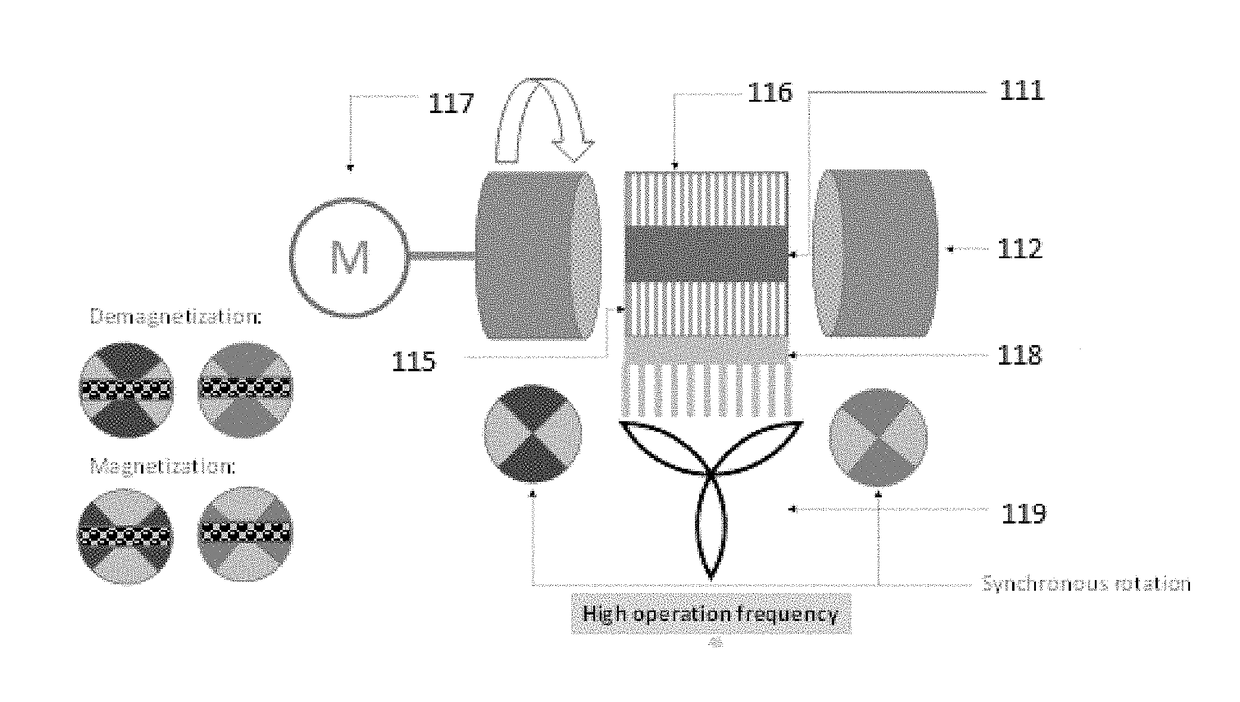
- A magnetocaloric generator design featuring concentric, magnetically synchronous external and internal magnetic rotors with a mechanical and magnetic coupling, optimized for maximum magnetic field variation and energy utilization, reduced friction, and improved heat transfer through a porous MCM structure with a heat-transfer circuit.


Solid state cooling device
PatentActiveUS20180066875A1
Innovation
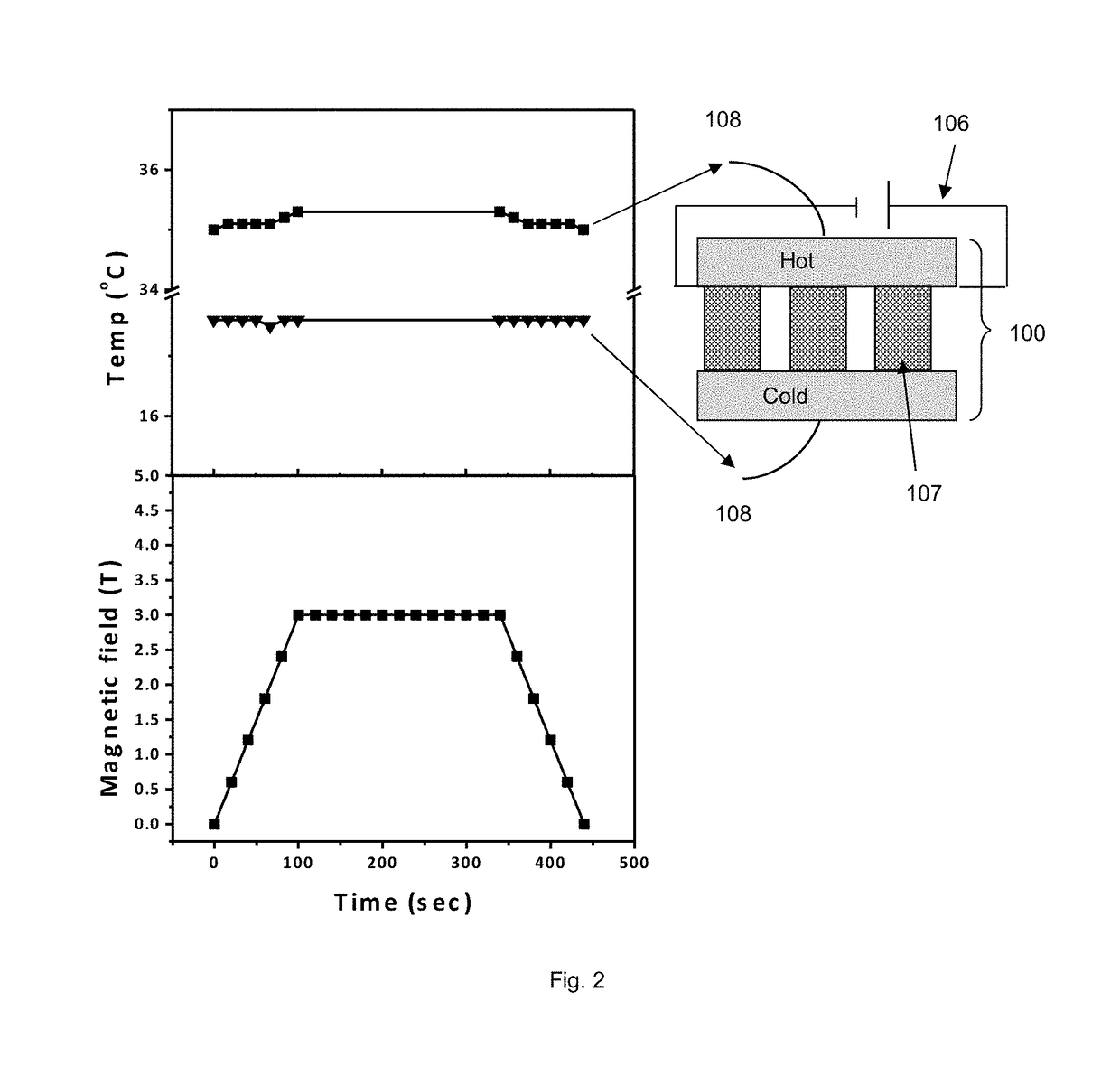
- A cooling device utilizing high thermal conductivity magnetocaloric composites in conjunction with thermoelectric elements, where the magnetocaloric composite is positioned between thermoelectric layers and subjected to a magnetization and demagnetization cycle, enabling the use of larger quantities of magnetocaloric material for enhanced cooling efficiency.

International Regulatory Harmonization for Magnetocaloric Tech
The magnetocaloric technology sector faces significant challenges in achieving international regulatory harmonization due to the nascent nature of the field and varying national approaches to emerging cooling technologies. Currently, magnetocaloric devices fall into regulatory gaps between traditional refrigeration standards and magnetic field exposure guidelines, creating uncertainty for manufacturers seeking global market access.
The European Union has taken preliminary steps through the Ecodesign Directive framework, establishing energy efficiency benchmarks that could accommodate magnetocaloric systems. However, these regulations primarily address performance metrics rather than safety protocols specific to magnetic materials and rare earth elements commonly used in magnetocaloric devices. The EU's REACH regulation also impacts material selection and supply chain compliance for magnetocaloric components.
In North America, the regulatory landscape remains fragmented between the United States and Canada. The EPA's SNAP program provides pathways for alternative refrigeration technologies, while Health Canada maintains separate magnetic field exposure limits. This divergence creates compliance complexities for manufacturers targeting the North American market, particularly regarding electromagnetic compatibility and worker safety standards.
Asian markets present additional harmonization challenges, with Japan's voluntary efficiency standards contrasting sharply with China's mandatory certification requirements. South Korea has introduced specific regulations for magnetic cooling applications in commercial settings, while India continues to rely on adapted traditional refrigeration codes that may not adequately address magnetocaloric technology characteristics.
The International Electrotechnical Commission has initiated working groups to develop unified standards for magnetocaloric devices, focusing on safety classifications and testing methodologies. These efforts aim to establish common technical specifications that could facilitate mutual recognition agreements between major markets. However, progress remains slow due to limited commercial deployment data and varying national priorities regarding energy efficiency versus safety considerations.
Achieving effective regulatory harmonization will require coordinated efforts between industry stakeholders and international standards organizations to develop comprehensive frameworks that address both technical performance and safety requirements while maintaining flexibility for technological innovation in this rapidly evolving field.
The European Union has taken preliminary steps through the Ecodesign Directive framework, establishing energy efficiency benchmarks that could accommodate magnetocaloric systems. However, these regulations primarily address performance metrics rather than safety protocols specific to magnetic materials and rare earth elements commonly used in magnetocaloric devices. The EU's REACH regulation also impacts material selection and supply chain compliance for magnetocaloric components.
In North America, the regulatory landscape remains fragmented between the United States and Canada. The EPA's SNAP program provides pathways for alternative refrigeration technologies, while Health Canada maintains separate magnetic field exposure limits. This divergence creates compliance complexities for manufacturers targeting the North American market, particularly regarding electromagnetic compatibility and worker safety standards.
Asian markets present additional harmonization challenges, with Japan's voluntary efficiency standards contrasting sharply with China's mandatory certification requirements. South Korea has introduced specific regulations for magnetic cooling applications in commercial settings, while India continues to rely on adapted traditional refrigeration codes that may not adequately address magnetocaloric technology characteristics.
The International Electrotechnical Commission has initiated working groups to develop unified standards for magnetocaloric devices, focusing on safety classifications and testing methodologies. These efforts aim to establish common technical specifications that could facilitate mutual recognition agreements between major markets. However, progress remains slow due to limited commercial deployment data and varying national priorities regarding energy efficiency versus safety considerations.
Achieving effective regulatory harmonization will require coordinated efforts between industry stakeholders and international standards organizations to develop comprehensive frameworks that address both technical performance and safety requirements while maintaining flexibility for technological innovation in this rapidly evolving field.
Environmental and Safety Standards Impact Assessment
Environmental and safety standards represent critical regulatory frameworks that significantly influence the development, manufacturing, and deployment of magnetocaloric technologies. These standards encompass a broad spectrum of requirements, from material safety protocols to environmental impact assessments, directly affecting the commercial viability and market acceptance of magnetocaloric systems.
The primary environmental standards impacting magnetocaloric technology include energy efficiency regulations such as the European Union's Ecodesign Directive and similar frameworks in North America and Asia. These regulations mandate specific energy performance criteria for cooling and heating systems, positioning magnetocaloric technology favorably due to its inherently high efficiency compared to conventional vapor-compression systems. However, compliance requires extensive testing and certification processes that can extend development timelines and increase costs.
Material safety standards present another significant consideration, particularly regarding the rare earth elements commonly used in magnetocaloric materials. Regulations governing the extraction, processing, and disposal of these materials vary significantly across jurisdictions, creating complex compliance landscapes for manufacturers. The REACH regulation in Europe and similar chemical safety frameworks globally require comprehensive documentation of material properties and potential environmental impacts throughout the product lifecycle.
Refrigerant regulations, while traditionally focused on fluorinated gases, increasingly influence magnetocaloric technology adoption. As governments implement stricter controls on high global warming potential refrigerants, magnetocaloric systems gain competitive advantages due to their solid-state operation and elimination of harmful refrigerants. This regulatory shift creates market opportunities while simultaneously imposing new performance benchmarks.
Safety standards for magnetic field exposure represent a unique challenge for magnetocaloric technology. International guidelines from organizations such as the International Commission on Non-Ionizing Radiation Protection establish exposure limits that directly impact system design parameters. Compliance requires careful magnetic field containment and shielding strategies, influencing both product architecture and manufacturing costs.
The cumulative impact of these environmental and safety standards creates both opportunities and constraints for magnetocaloric technology development. While regulatory trends generally favor environmentally sustainable cooling solutions, the complexity of multi-jurisdictional compliance requirements necessitates strategic planning and significant investment in certification processes. Companies must balance innovation speed with regulatory compliance to successfully navigate this evolving landscape.
The primary environmental standards impacting magnetocaloric technology include energy efficiency regulations such as the European Union's Ecodesign Directive and similar frameworks in North America and Asia. These regulations mandate specific energy performance criteria for cooling and heating systems, positioning magnetocaloric technology favorably due to its inherently high efficiency compared to conventional vapor-compression systems. However, compliance requires extensive testing and certification processes that can extend development timelines and increase costs.
Material safety standards present another significant consideration, particularly regarding the rare earth elements commonly used in magnetocaloric materials. Regulations governing the extraction, processing, and disposal of these materials vary significantly across jurisdictions, creating complex compliance landscapes for manufacturers. The REACH regulation in Europe and similar chemical safety frameworks globally require comprehensive documentation of material properties and potential environmental impacts throughout the product lifecycle.
Refrigerant regulations, while traditionally focused on fluorinated gases, increasingly influence magnetocaloric technology adoption. As governments implement stricter controls on high global warming potential refrigerants, magnetocaloric systems gain competitive advantages due to their solid-state operation and elimination of harmful refrigerants. This regulatory shift creates market opportunities while simultaneously imposing new performance benchmarks.
Safety standards for magnetic field exposure represent a unique challenge for magnetocaloric technology. International guidelines from organizations such as the International Commission on Non-Ionizing Radiation Protection establish exposure limits that directly impact system design parameters. Compliance requires careful magnetic field containment and shielding strategies, influencing both product architecture and manufacturing costs.
The cumulative impact of these environmental and safety standards creates both opportunities and constraints for magnetocaloric technology development. While regulatory trends generally favor environmentally sustainable cooling solutions, the complexity of multi-jurisdictional compliance requirements necessitates strategic planning and significant investment in certification processes. Companies must balance innovation speed with regulatory compliance to successfully navigate this evolving landscape.
Unlock deeper insights with PatSnap Eureka Quick Research — get a full tech report to explore trends and direct your research. Try now!
Generate Your Research Report Instantly with AI Agent
Supercharge your innovation with PatSnap Eureka AI Agent Platform!