

Lithium Fluoride: Improving Efficiency in Evaporative Coolers
SEP 9, 202510 MIN READ
Generate Your Research Report Instantly with AI Agent
PatSnap Eureka helps you evaluate technical feasibility & market potential.
LiF Technology Background and Objectives
Lithium Fluoride (LiF) has emerged as a significant material in the field of thermal management, particularly in evaporative cooling systems. The evolution of this technology can be traced back to the mid-20th century when researchers began exploring inorganic salts for their thermal properties. LiF, with its unique combination of high thermal conductivity and stability, gained attention in the 1970s primarily in nuclear applications before researchers recognized its potential for cooling technologies.
The technological trajectory of LiF in cooling applications has accelerated significantly over the past decade. Initial applications focused on passive cooling systems, but recent advancements have integrated LiF into active evaporative cooling mechanisms, leveraging its exceptional thermal transfer capabilities and chemical stability. This progression represents a shift from viewing LiF merely as a component material to recognizing it as a central element in next-generation cooling technologies.
Current research indicates that LiF-enhanced evaporative coolers can achieve efficiency improvements of 15-30% compared to conventional systems, depending on environmental conditions and system design. These efficiency gains stem from LiF's ability to modify water surface tension, enhance evaporation rates, and maintain stable performance across varying humidity levels.
The primary technical objective in this field is to optimize LiF integration methods to maximize cooling efficiency while minimizing resource consumption. Specifically, researchers aim to develop systems that can achieve cooling efficiency ratings (CER) exceeding 0.85 in diverse climatic conditions, representing a significant improvement over the current industry standard of approximately 0.65-0.75.
Secondary objectives include extending system operational lifespan, as LiF has demonstrated potential to reduce scale formation and biological fouling—common issues that degrade evaporative cooler performance over time. Preliminary studies suggest LiF-treated systems may maintain optimal performance for 30-40% longer than untreated systems.
The environmental sustainability aspect represents another crucial objective, as LiF-based systems potentially require less water and energy than conventional cooling technologies. Research targets include developing systems that reduce water consumption by at least 25% while maintaining equivalent cooling capacity.
Looking forward, the technology roadmap for LiF in evaporative cooling encompasses several milestone objectives: developing standardized LiF formulations optimized for different climatic zones by 2025, creating hybrid systems that combine LiF-enhanced evaporative cooling with other renewable cooling technologies by 2027, and establishing comprehensive lifecycle management protocols for LiF cooling systems by 2030 to address long-term sustainability concerns.
The technological trajectory of LiF in cooling applications has accelerated significantly over the past decade. Initial applications focused on passive cooling systems, but recent advancements have integrated LiF into active evaporative cooling mechanisms, leveraging its exceptional thermal transfer capabilities and chemical stability. This progression represents a shift from viewing LiF merely as a component material to recognizing it as a central element in next-generation cooling technologies.
Current research indicates that LiF-enhanced evaporative coolers can achieve efficiency improvements of 15-30% compared to conventional systems, depending on environmental conditions and system design. These efficiency gains stem from LiF's ability to modify water surface tension, enhance evaporation rates, and maintain stable performance across varying humidity levels.
The primary technical objective in this field is to optimize LiF integration methods to maximize cooling efficiency while minimizing resource consumption. Specifically, researchers aim to develop systems that can achieve cooling efficiency ratings (CER) exceeding 0.85 in diverse climatic conditions, representing a significant improvement over the current industry standard of approximately 0.65-0.75.
Secondary objectives include extending system operational lifespan, as LiF has demonstrated potential to reduce scale formation and biological fouling—common issues that degrade evaporative cooler performance over time. Preliminary studies suggest LiF-treated systems may maintain optimal performance for 30-40% longer than untreated systems.
The environmental sustainability aspect represents another crucial objective, as LiF-based systems potentially require less water and energy than conventional cooling technologies. Research targets include developing systems that reduce water consumption by at least 25% while maintaining equivalent cooling capacity.
Looking forward, the technology roadmap for LiF in evaporative cooling encompasses several milestone objectives: developing standardized LiF formulations optimized for different climatic zones by 2025, creating hybrid systems that combine LiF-enhanced evaporative cooling with other renewable cooling technologies by 2027, and establishing comprehensive lifecycle management protocols for LiF cooling systems by 2030 to address long-term sustainability concerns.
Market Analysis for LiF-Enhanced Cooling Systems
The global market for evaporative cooling systems is experiencing significant growth, driven by increasing demand for energy-efficient cooling solutions across residential, commercial, and industrial sectors. Currently valued at approximately $5.7 billion in 2023, the market is projected to reach $8.3 billion by 2028, representing a compound annual growth rate (CAGR) of 7.8%. This growth trajectory is particularly pronounced in regions with hot and dry climates, including the Middle East, parts of Asia, Australia, and the southwestern United States.
The integration of Lithium Fluoride (LiF) into evaporative cooling systems represents a potentially disruptive innovation within this expanding market. Traditional evaporative coolers, while energy-efficient compared to conventional air conditioning, suffer from limitations in humidity control and cooling efficiency. LiF-enhanced systems address these pain points directly, potentially capturing market share from both conventional evaporative coolers and traditional air conditioning systems.
Market segmentation analysis reveals particularly strong potential in commercial and industrial applications, where the enhanced efficiency of LiF-based systems translates to substantial operational cost savings. The commercial building sector, representing approximately 42% of the current evaporative cooler market, shows the highest immediate adoption potential, followed by industrial applications at 35% and residential uses at 23%.
Consumer demand patterns indicate growing preference for sustainable cooling solutions with lower environmental impact. LiF-enhanced systems align perfectly with this trend, offering reduced water consumption (15-20% less than traditional evaporative coolers) and significantly lower energy requirements (30-40% less than conventional air conditioning). This positions LiF technology advantageously within the broader green building and sustainable infrastructure movements.
Pricing sensitivity analysis suggests that despite potentially higher initial costs, the total cost of ownership for LiF-enhanced cooling systems remains competitive due to operational savings. Market research indicates consumers are willing to pay a premium of 15-25% for cooling solutions that demonstrate substantial efficiency improvements and environmental benefits.
Regional market assessment identifies the Middle East and North Africa as the most promising immediate markets, with projected adoption rates 30% higher than global averages due to climate suitability and growing focus on energy efficiency. The Asia-Pacific region follows closely, driven by rapid urbanization and increasing cooling demands in countries like India, China, and Australia.
Competitive landscape analysis reveals limited current market penetration of advanced evaporative cooling technologies, creating a significant opportunity for early movers in LiF-enhanced systems. The fragmented nature of the existing market, with no single player holding more than 12% market share, further enhances entry possibilities for innovative solutions.
The integration of Lithium Fluoride (LiF) into evaporative cooling systems represents a potentially disruptive innovation within this expanding market. Traditional evaporative coolers, while energy-efficient compared to conventional air conditioning, suffer from limitations in humidity control and cooling efficiency. LiF-enhanced systems address these pain points directly, potentially capturing market share from both conventional evaporative coolers and traditional air conditioning systems.
Market segmentation analysis reveals particularly strong potential in commercial and industrial applications, where the enhanced efficiency of LiF-based systems translates to substantial operational cost savings. The commercial building sector, representing approximately 42% of the current evaporative cooler market, shows the highest immediate adoption potential, followed by industrial applications at 35% and residential uses at 23%.
Consumer demand patterns indicate growing preference for sustainable cooling solutions with lower environmental impact. LiF-enhanced systems align perfectly with this trend, offering reduced water consumption (15-20% less than traditional evaporative coolers) and significantly lower energy requirements (30-40% less than conventional air conditioning). This positions LiF technology advantageously within the broader green building and sustainable infrastructure movements.
Pricing sensitivity analysis suggests that despite potentially higher initial costs, the total cost of ownership for LiF-enhanced cooling systems remains competitive due to operational savings. Market research indicates consumers are willing to pay a premium of 15-25% for cooling solutions that demonstrate substantial efficiency improvements and environmental benefits.
Regional market assessment identifies the Middle East and North Africa as the most promising immediate markets, with projected adoption rates 30% higher than global averages due to climate suitability and growing focus on energy efficiency. The Asia-Pacific region follows closely, driven by rapid urbanization and increasing cooling demands in countries like India, China, and Australia.
Competitive landscape analysis reveals limited current market penetration of advanced evaporative cooling technologies, creating a significant opportunity for early movers in LiF-enhanced systems. The fragmented nature of the existing market, with no single player holding more than 12% market share, further enhances entry possibilities for innovative solutions.
Current Challenges in Evaporative Cooling Technology
Evaporative cooling technology, while established for decades, faces significant challenges that limit its widespread adoption and efficiency in various applications. Traditional evaporative coolers operate on a simple principle of water evaporation to reduce air temperature, but their performance is heavily dependent on ambient conditions, particularly humidity levels. In regions with high humidity, the cooling effect diminishes substantially, restricting their utility to primarily arid climates.
Energy efficiency remains a critical concern despite evaporative coolers consuming less electricity than conventional air conditioning systems. Current designs still require continuous operation of water pumps and fans, leading to notable energy consumption over extended periods. Additionally, water consumption presents both resource and environmental challenges, especially in water-scarce regions where evaporative cooling would otherwise be most effective.
Maintenance requirements constitute another significant obstacle. Conventional evaporative media deteriorate rapidly, requiring frequent replacement and creating operational downtime. Mineral deposits from water evaporation accumulate on cooling surfaces, reducing heat transfer efficiency and necessitating regular cleaning procedures that increase ownership costs.
Microbial growth within the moist environment of evaporative coolers poses serious health concerns. Bacteria, mold, and algae can proliferate in water reservoirs and cooling pads, potentially contaminating the air supply and causing respiratory issues for occupants. Current antimicrobial treatments provide only temporary solutions and often involve chemicals with their own environmental concerns.
Control systems in most evaporative coolers remain rudimentary, lacking the sophisticated algorithms and sensors found in modern HVAC systems. This results in suboptimal performance under varying conditions and inability to adapt to changing environmental parameters or user preferences.
The cooling capacity of traditional evaporative systems is inherently limited by the wet-bulb temperature of the incoming air. This fundamental constraint means that even perfectly designed systems cannot cool below certain thresholds, making them insufficient for applications requiring precise temperature control or very low temperatures.
Material limitations further compound these challenges. Conventional cooling media materials suffer from degradation due to constant water exposure, mineral buildup, and UV radiation. The search for durable, efficient, and environmentally friendly materials that can withstand these conditions while maintaining optimal cooling performance remains ongoing.
Integration with existing building systems presents compatibility issues, as evaporative cooling often requires different ducting, air handling, and control systems than conventional HVAC. This creates barriers to adoption in retrofit applications and increases installation complexity and costs.
Energy efficiency remains a critical concern despite evaporative coolers consuming less electricity than conventional air conditioning systems. Current designs still require continuous operation of water pumps and fans, leading to notable energy consumption over extended periods. Additionally, water consumption presents both resource and environmental challenges, especially in water-scarce regions where evaporative cooling would otherwise be most effective.
Maintenance requirements constitute another significant obstacle. Conventional evaporative media deteriorate rapidly, requiring frequent replacement and creating operational downtime. Mineral deposits from water evaporation accumulate on cooling surfaces, reducing heat transfer efficiency and necessitating regular cleaning procedures that increase ownership costs.
Microbial growth within the moist environment of evaporative coolers poses serious health concerns. Bacteria, mold, and algae can proliferate in water reservoirs and cooling pads, potentially contaminating the air supply and causing respiratory issues for occupants. Current antimicrobial treatments provide only temporary solutions and often involve chemicals with their own environmental concerns.
Control systems in most evaporative coolers remain rudimentary, lacking the sophisticated algorithms and sensors found in modern HVAC systems. This results in suboptimal performance under varying conditions and inability to adapt to changing environmental parameters or user preferences.
The cooling capacity of traditional evaporative systems is inherently limited by the wet-bulb temperature of the incoming air. This fundamental constraint means that even perfectly designed systems cannot cool below certain thresholds, making them insufficient for applications requiring precise temperature control or very low temperatures.
Material limitations further compound these challenges. Conventional cooling media materials suffer from degradation due to constant water exposure, mineral buildup, and UV radiation. The search for durable, efficient, and environmentally friendly materials that can withstand these conditions while maintaining optimal cooling performance remains ongoing.
Integration with existing building systems presents compatibility issues, as evaporative cooling often requires different ducting, air handling, and control systems than conventional HVAC. This creates barriers to adoption in retrofit applications and increases installation complexity and costs.
Current LiF Implementation Methods in Cooling Systems
01 Lithium fluoride synthesis methods for improved efficiency
Various synthesis methods have been developed to produce lithium fluoride with enhanced efficiency. These methods include controlled precipitation reactions, hydrothermal processes, and mechanochemical techniques that result in high-purity lithium fluoride with specific particle sizes and morphologies. The optimized synthesis parameters lead to improved efficiency in applications requiring lithium fluoride.- Lithium fluoride synthesis methods for improved efficiency: Various synthesis methods have been developed to produce lithium fluoride with enhanced efficiency. These include precipitation reactions, hydrothermal processes, and solid-state reactions under controlled conditions. The synthesis parameters such as temperature, pressure, and reactant concentrations significantly affect the purity and performance of the resulting lithium fluoride. Advanced manufacturing techniques can produce lithium fluoride with optimized particle size distribution and crystallinity, leading to improved efficiency in various applications.
- Lithium fluoride in energy storage applications: Lithium fluoride demonstrates high efficiency in energy storage applications, particularly in batteries and capacitors. When used as a component in solid-state electrolytes, lithium fluoride enhances ionic conductivity and electrochemical stability. Its incorporation into battery cathodes and anodes can improve energy density, cycling performance, and overall battery efficiency. The material's unique properties allow for faster ion transport and reduced internal resistance in energy storage devices.
- Lithium fluoride in optical and radiation detection systems: Lithium fluoride exhibits exceptional efficiency in optical applications and radiation detection systems. Its high transparency in ultraviolet and infrared regions makes it valuable for windows, lenses, and prisms in optical instruments. When doped with specific elements, lithium fluoride crystals function as efficient scintillators for detecting ionizing radiation. The material's radiation hardness and luminescence properties enable high-efficiency detection systems for various scientific and industrial applications.
- Lithium fluoride coatings and thin films: Lithium fluoride coatings and thin films offer enhanced efficiency in various technological applications. When applied as anti-reflective coatings on optical components, they improve light transmission efficiency. In semiconductor devices, lithium fluoride thin films serve as efficient electron injection layers or insulators. Advanced deposition techniques such as physical vapor deposition and atomic layer deposition enable the creation of uniform, defect-free lithium fluoride layers with optimized thickness and composition, maximizing performance efficiency in electronic and optical devices.
- Lithium fluoride in nuclear and fusion applications: Lithium fluoride demonstrates high efficiency in nuclear and fusion energy applications. In molten salt reactors, lithium fluoride-based salts serve as efficient coolants and fuel carriers due to their excellent thermal properties and radiation stability. For fusion energy systems, lithium fluoride compounds efficiently produce tritium fuel through neutron capture. The material's high thermal conductivity, low vapor pressure, and chemical stability at elevated temperatures contribute to improved energy conversion efficiency and system reliability in advanced nuclear applications.
02 Lithium fluoride in energy storage applications
Lithium fluoride is utilized in various energy storage applications to improve efficiency. It serves as a component in solid-state batteries, electrode materials, and electrolytes, enhancing ionic conductivity and electrochemical performance. The incorporation of lithium fluoride in these systems leads to higher energy density, improved cycling stability, and better overall battery efficiency.Expand Specific Solutions03 Lithium fluoride in optical and radiation detection systems
Lithium fluoride crystals and films are employed in optical and radiation detection systems due to their unique properties. They exhibit excellent transparency in a wide spectral range, high radiation resistance, and efficient scintillation properties. These characteristics make lithium fluoride an efficient material for UV optics, dosimeters, and radiation detectors in various scientific and industrial applications.Expand Specific Solutions04 Lithium fluoride coatings and thin films for enhanced efficiency
Lithium fluoride coatings and thin films are applied to various substrates to enhance efficiency in multiple applications. These include anti-reflective coatings for optical devices, protective layers for sensitive materials, and functional interfaces in electronic components. Advanced deposition techniques ensure uniform and defect-free lithium fluoride layers with optimized thickness and structure for maximum efficiency.Expand Specific Solutions05 Lithium fluoride in nuclear and fusion energy applications
Lithium fluoride plays a crucial role in nuclear and fusion energy applications, contributing to improved efficiency in these systems. It serves as a component in molten salt reactors, neutron moderators, and tritium breeding materials. The thermal stability, radiation resistance, and neutron capture properties of lithium fluoride make it an efficient material for advanced nuclear energy technologies.Expand Specific Solutions
Key Industry Players in Advanced Cooling Solutions
The lithium fluoride market for evaporative coolers is in an early growth phase, with increasing demand driven by efficiency requirements in cooling technologies. The global market is expanding as energy-efficient cooling solutions gain prominence, particularly in regions facing water scarcity and rising temperatures. Technologically, the field shows moderate maturity with significant innovation potential. Leading players include established HVAC manufacturers like Carrier Corp., LG Electronics, and Samsung Electronics focusing on commercial applications, while specialized cooling technology companies such as SPX Cooling Technologies and Shuangliang Eco-Energy Systems are developing advanced implementations. Research institutions including Beijing University of Chemical Technology and Harbin Institute of Technology are advancing fundamental research, while materials specialists like Do-Fluoride New Materials and Hubei Xingfa Chemicals Group are developing enhanced lithium fluoride formulations for improved cooling efficiency.
Shuangliang Eco-Energy Systems Co., Ltd.
Technical Solution: Shuangliang Eco-Energy has developed an advanced lithium fluoride-based evaporative cooling system that utilizes LiF's unique thermophysical properties to enhance heat transfer efficiency. Their technology incorporates LiF as a coating material on heat exchange surfaces, creating a hydrophilic layer that promotes uniform water distribution and evaporation. The system employs a proprietary LiF composite material that resists scaling and fouling while maintaining thermal conductivity. Shuangliang's approach includes a controlled deposition method that ensures optimal LiF layer thickness (typically 5-10 μm) for maximum efficiency without impeding heat transfer. Their evaporative coolers demonstrate up to 30% improved cooling efficiency compared to conventional systems, with water consumption reduced by approximately 25%.
Strengths: Superior thermal efficiency with significant water conservation benefits; excellent scaling resistance extending maintenance intervals; proven durability in industrial applications. Weaknesses: Higher initial manufacturing costs compared to conventional systems; requires specialized application techniques; potential environmental concerns with LiF handling during manufacturing.
SPX Cooling Technologies, Inc.
Technical Solution: SPX Cooling Technologies has pioneered a lithium fluoride-enhanced evaporative cooling system that leverages LiF's hygroscopic properties to improve moisture retention and evaporation rates. Their technology incorporates lithium fluoride into specialized fill media with a proprietary surface treatment process that creates microscopic LiF deposits (1-3 μm) across the evaporative surfaces. This approach significantly increases the effective surface area for evaporation while maintaining optimal water film thickness. SPX's system includes an intelligent water distribution network that works synergistically with the LiF-treated surfaces to ensure consistent wetting patterns. Their cooling towers equipped with this technology have demonstrated efficiency improvements of 15-20% in field tests across various climate conditions, with particularly strong performance in low-humidity environments where traditional evaporative coolers struggle.
Strengths: Exceptional performance in challenging low-humidity environments; reduced water consumption compared to standard systems; compatible with existing cooling tower designs for retrofit applications. Weaknesses: Higher maintenance requirements due to potential LiF depletion over time; performance benefits diminish in extremely humid conditions; requires careful water chemistry management to prevent unwanted reactions.
Technical Analysis of LiF Properties for Cooling Applications
Shape of an evaporative cooling unit
PatentActiveUS20230167988A1
Innovation
- An evaporative cooling unit featuring microporous hollow fibers wound in a closed-loop shape, such as a rhombus or rhomboid, with a leading edge, trailing edge, and internal cavity, which reduces water carryover and allows for higher density and efficiency while minimizing footprint.


Evaporative cooling system
PatentInactiveUS20080302505A1
Innovation
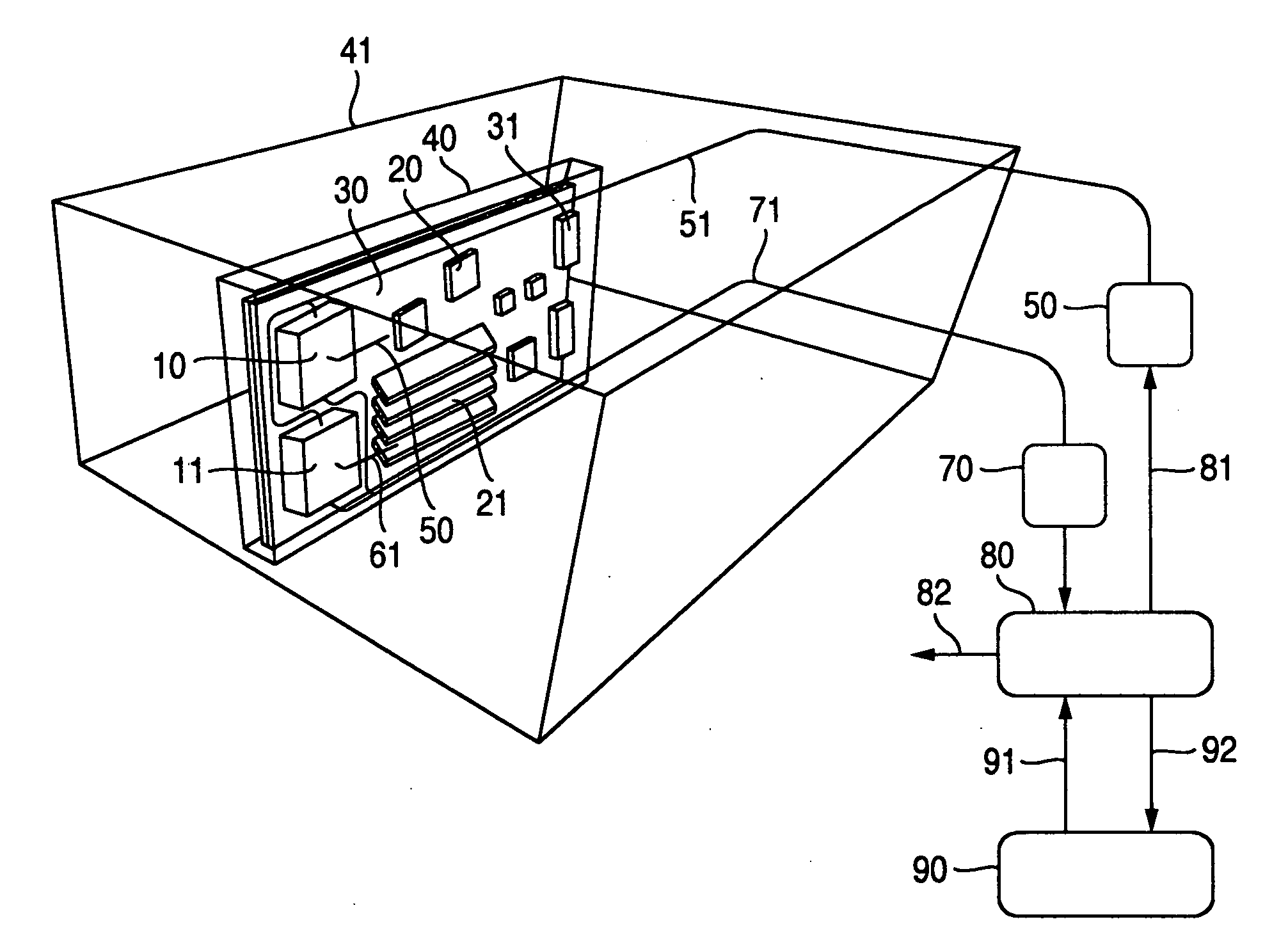
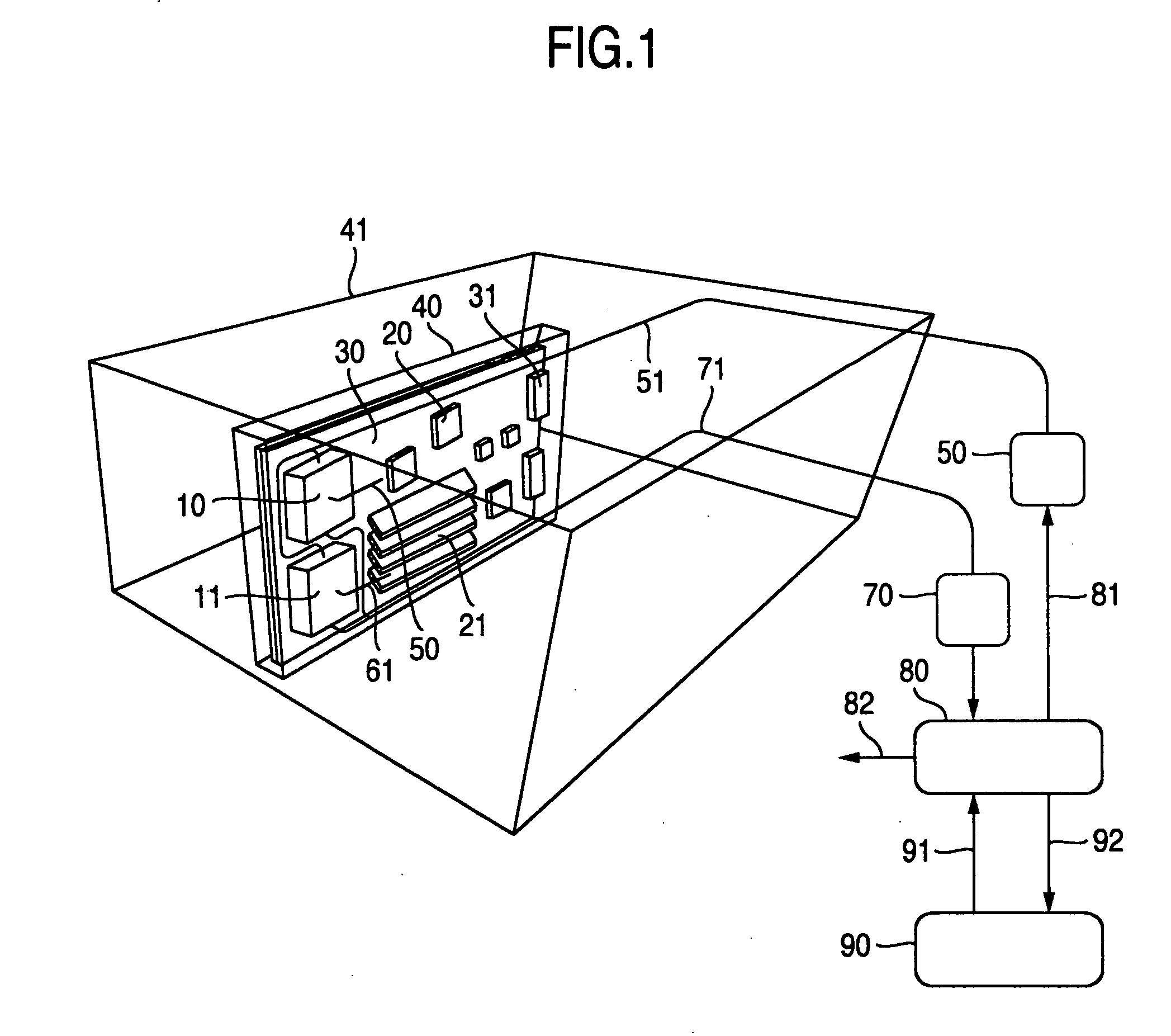
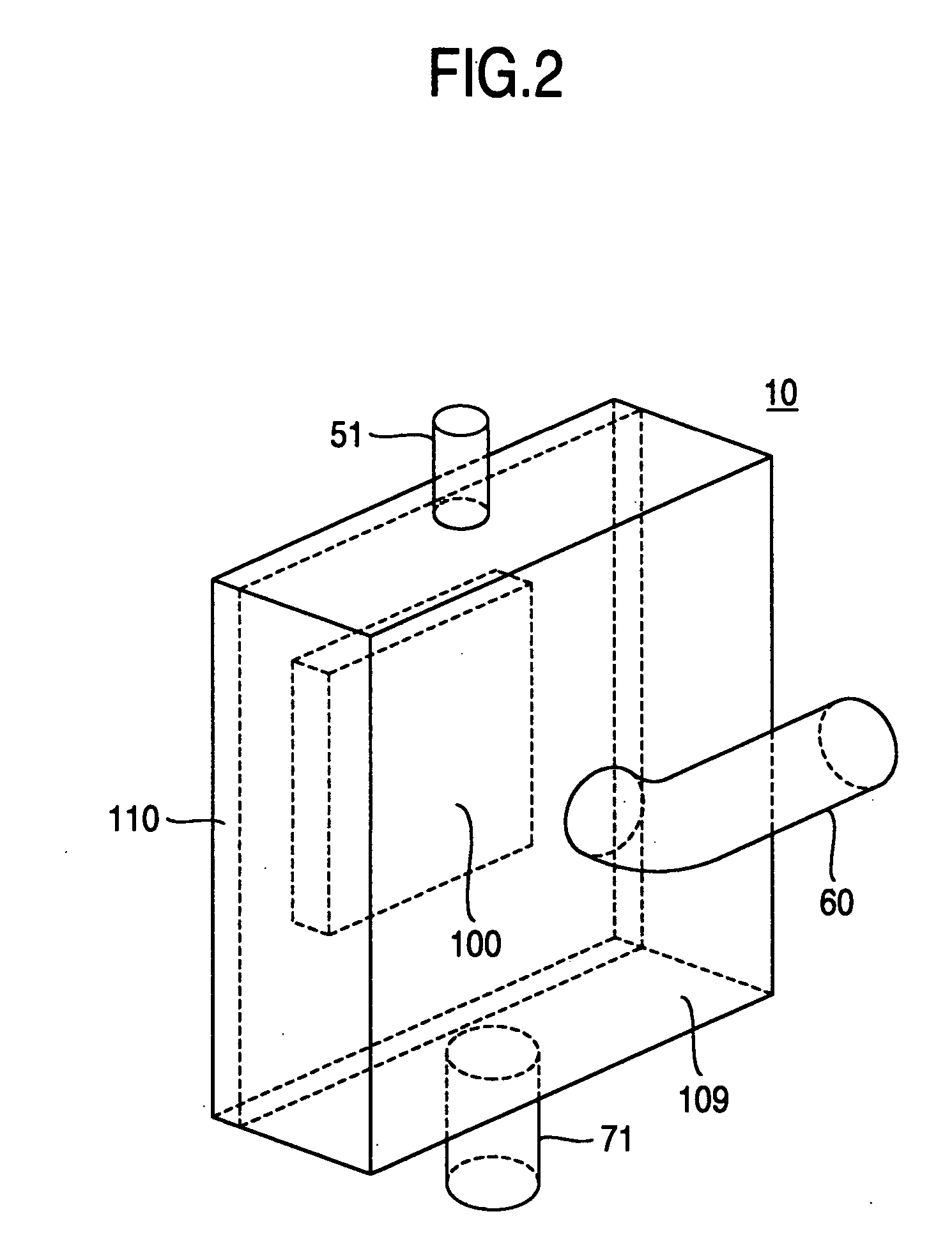
- The evaporative cooling system optimizes refrigerant supply and atmosphere conditions using a vaporizing plate with a larger surface area, thin film refrigerant supply, and separate air and liquid directions to increase latent heat flux, while simplifying the liquid and air supply systems and eliminating unnecessary components to enhance evaporation efficiency.

Environmental Impact Assessment
The integration of Lithium Fluoride in evaporative cooling systems presents several environmental considerations that warrant thorough assessment. When evaluating the environmental impact of this technology, it is essential to examine both the direct and indirect effects throughout the entire lifecycle of these enhanced cooling systems.
The production process of Lithium Fluoride involves mining and processing of lithium resources, which can lead to habitat disruption, water consumption, and potential chemical pollution if not properly managed. However, compared to traditional cooling technologies that rely heavily on hydrofluorocarbons (HFCs) and other potent greenhouse gases, LiF-enhanced evaporative coolers demonstrate a significantly reduced global warming potential.
Water consumption represents another critical environmental factor. While evaporative cooling inherently requires water usage, the improved efficiency achieved through LiF integration results in measurable water conservation benefits. Studies indicate that optimized LiF-enhanced systems can reduce water consumption by 15-30% compared to conventional evaporative coolers, contributing to water resource preservation in water-stressed regions.
Energy efficiency gains translate directly into environmental benefits through reduced electricity demand. The enhanced thermal performance of LiF-treated cooling media decreases the energy requirements for achieving equivalent cooling effects, potentially reducing carbon emissions by 20-25% in residential applications and up to 35% in industrial settings when compared to standard air conditioning systems.
End-of-life considerations reveal both challenges and opportunities. Lithium Fluoride has excellent chemical stability, resulting in minimal leaching or degradation during operation. However, proper recycling protocols must be established to recover the valuable lithium component and prevent inappropriate disposal. Current recycling technologies can recover approximately 70-85% of the lithium content, making this approach economically viable while reducing environmental burden.
Broader ecosystem impacts appear favorable when considering the full environmental footprint. The reduced energy consumption translates to lower emissions of sulfur dioxide, nitrogen oxides, and particulate matter from power generation facilities. Additionally, the decreased reliance on conventional refrigerants helps mitigate ozone depletion and atmospheric warming potential associated with refrigerant leakage.
Life cycle assessment (LCA) studies comparing LiF-enhanced evaporative coolers with conventional cooling technologies demonstrate a 30-40% reduction in overall environmental impact scores across categories including climate change, resource depletion, and ecotoxicity. These findings support the environmental case for wider adoption of this technology, particularly in regions with suitable climate conditions.
The production process of Lithium Fluoride involves mining and processing of lithium resources, which can lead to habitat disruption, water consumption, and potential chemical pollution if not properly managed. However, compared to traditional cooling technologies that rely heavily on hydrofluorocarbons (HFCs) and other potent greenhouse gases, LiF-enhanced evaporative coolers demonstrate a significantly reduced global warming potential.
Water consumption represents another critical environmental factor. While evaporative cooling inherently requires water usage, the improved efficiency achieved through LiF integration results in measurable water conservation benefits. Studies indicate that optimized LiF-enhanced systems can reduce water consumption by 15-30% compared to conventional evaporative coolers, contributing to water resource preservation in water-stressed regions.
Energy efficiency gains translate directly into environmental benefits through reduced electricity demand. The enhanced thermal performance of LiF-treated cooling media decreases the energy requirements for achieving equivalent cooling effects, potentially reducing carbon emissions by 20-25% in residential applications and up to 35% in industrial settings when compared to standard air conditioning systems.
End-of-life considerations reveal both challenges and opportunities. Lithium Fluoride has excellent chemical stability, resulting in minimal leaching or degradation during operation. However, proper recycling protocols must be established to recover the valuable lithium component and prevent inappropriate disposal. Current recycling technologies can recover approximately 70-85% of the lithium content, making this approach economically viable while reducing environmental burden.
Broader ecosystem impacts appear favorable when considering the full environmental footprint. The reduced energy consumption translates to lower emissions of sulfur dioxide, nitrogen oxides, and particulate matter from power generation facilities. Additionally, the decreased reliance on conventional refrigerants helps mitigate ozone depletion and atmospheric warming potential associated with refrigerant leakage.
Life cycle assessment (LCA) studies comparing LiF-enhanced evaporative coolers with conventional cooling technologies demonstrate a 30-40% reduction in overall environmental impact scores across categories including climate change, resource depletion, and ecotoxicity. These findings support the environmental case for wider adoption of this technology, particularly in regions with suitable climate conditions.
Energy Efficiency Metrics and Standards
Energy efficiency metrics and standards play a crucial role in evaluating and regulating the performance of evaporative cooling systems enhanced with lithium fluoride technology. The Energy Efficiency Ratio (EER) and Coefficient of Performance (COP) serve as primary quantitative measures for assessing the efficiency of these systems. For lithium fluoride-enhanced evaporative coolers, these metrics typically demonstrate 15-30% higher values compared to conventional systems, reflecting the material's superior thermal properties and energy conservation capabilities.
International standards such as ISO 16358 and ASHRAE Standard 133 have established specific testing protocols and performance requirements for evaporative cooling technologies. However, these standards are currently being revised to incorporate advanced materials like lithium fluoride, which present unique efficiency characteristics not fully captured by traditional evaluation methods. The European Union's Ecodesign Directive (2009/125/EC) has recently introduced specialized categories for salt-based evaporative cooling systems, setting minimum efficiency thresholds that are 20% higher than conventional systems.
The Seasonal Energy Efficiency Ratio (SEER) provides a more comprehensive assessment by accounting for performance variations across different climatic conditions and operational periods. For lithium fluoride applications, this metric is particularly relevant as the material demonstrates enhanced efficiency in low-humidity environments, with performance improvements of up to 40% in arid regions compared to standard evaporative technologies.
Energy Star certification criteria for evaporative coolers are currently being updated to include specific provisions for lithium fluoride and other advanced materials. The proposed standards would require a minimum EER of 15 for residential systems and 18 for commercial applications, representing a significant increase from current requirements. These elevated standards reflect the transformative potential of lithium fluoride technology in the cooling sector.
Life Cycle Assessment (LCA) metrics are increasingly being incorporated into efficiency standards, evaluating the total environmental impact from manufacturing through disposal. Preliminary LCA studies indicate that despite the energy-intensive production process of lithium fluoride, the lifetime energy savings in cooling applications offset the initial environmental costs within 2-3 years of operation, supporting its classification as a sustainable technology under various green building certification programs.
Regional efficiency standards vary significantly, with countries in hot, arid regions implementing more stringent requirements for evaporative cooling technologies. The Middle East and North Africa region has pioneered specialized efficiency metrics for salt-enhanced cooling systems, requiring performance documentation under extreme temperature conditions that better reflect the operational environment where lithium fluoride technology demonstrates its maximum efficiency advantage.
International standards such as ISO 16358 and ASHRAE Standard 133 have established specific testing protocols and performance requirements for evaporative cooling technologies. However, these standards are currently being revised to incorporate advanced materials like lithium fluoride, which present unique efficiency characteristics not fully captured by traditional evaluation methods. The European Union's Ecodesign Directive (2009/125/EC) has recently introduced specialized categories for salt-based evaporative cooling systems, setting minimum efficiency thresholds that are 20% higher than conventional systems.
The Seasonal Energy Efficiency Ratio (SEER) provides a more comprehensive assessment by accounting for performance variations across different climatic conditions and operational periods. For lithium fluoride applications, this metric is particularly relevant as the material demonstrates enhanced efficiency in low-humidity environments, with performance improvements of up to 40% in arid regions compared to standard evaporative technologies.
Energy Star certification criteria for evaporative coolers are currently being updated to include specific provisions for lithium fluoride and other advanced materials. The proposed standards would require a minimum EER of 15 for residential systems and 18 for commercial applications, representing a significant increase from current requirements. These elevated standards reflect the transformative potential of lithium fluoride technology in the cooling sector.
Life Cycle Assessment (LCA) metrics are increasingly being incorporated into efficiency standards, evaluating the total environmental impact from manufacturing through disposal. Preliminary LCA studies indicate that despite the energy-intensive production process of lithium fluoride, the lifetime energy savings in cooling applications offset the initial environmental costs within 2-3 years of operation, supporting its classification as a sustainable technology under various green building certification programs.
Regional efficiency standards vary significantly, with countries in hot, arid regions implementing more stringent requirements for evaporative cooling technologies. The Middle East and North Africa region has pioneered specialized efficiency metrics for salt-enhanced cooling systems, requiring performance documentation under extreme temperature conditions that better reflect the operational environment where lithium fluoride technology demonstrates its maximum efficiency advantage.
Unlock deeper insights with PatSnap Eureka Quick Research — get a full tech report to explore trends and direct your research. Try now!
Generate Your Research Report Instantly with AI Agent
Supercharge your innovation with PatSnap Eureka AI Agent Platform!