

Logic Chips for Space Exploration: Robustness and Reliability
APR 2, 20269 MIN READ
Generate Your Research Report Instantly with AI Agent
PatSnap Eureka helps you evaluate technical feasibility & market potential.
Space Logic Chip Requirements and Mission Goals
Space exploration missions impose unprecedented demands on electronic systems, requiring logic chips to operate reliably in environments characterized by extreme temperatures, intense radiation, vacuum conditions, and mechanical stress. These harsh conditions necessitate specialized design approaches that prioritize fault tolerance, radiation hardening, and long-term operational stability over conventional performance metrics.
The primary technical requirements for space-grade logic chips center on radiation tolerance, as cosmic radiation and solar particle events can cause single-event upsets, latch-up conditions, and cumulative damage to semiconductor devices. Total ionizing dose resistance typically ranges from 100 krad to 1 Mrad depending on mission duration and orbital characteristics. Additionally, single-event effect immunity becomes critical for maintaining computational integrity during high-energy particle strikes.
Temperature resilience represents another fundamental requirement, with operational ranges extending from -180°C in deep space to +125°C in direct solar exposure. This thermal cycling demands specialized packaging solutions, material selection, and circuit design techniques that maintain performance across extreme temperature gradients while preventing thermal stress-induced failures.
Mission-specific objectives drive varying reliability standards across different space applications. Earth observation satellites require continuous data processing capabilities with minimal downtime, demanding redundant processing architectures and error correction mechanisms. Deep space exploration missions prioritize ultra-long-term reliability, often requiring operational lifespans exceeding 15-20 years without maintenance possibilities.
Interplanetary missions introduce additional complexity through extended communication delays and autonomous operation requirements. Logic chips must incorporate sophisticated fault detection and recovery mechanisms, enabling spacecraft to diagnose and correct system anomalies independently. This autonomy requirement drives the integration of artificial intelligence capabilities and adaptive control algorithms directly into hardware architectures.
Power efficiency emerges as a critical constraint, particularly for missions relying on solar panels or radioisotope thermoelectric generators. Logic chips must deliver maximum computational performance while minimizing power consumption, often requiring specialized low-power design methodologies and dynamic power management systems.
The overarching mission goal involves enabling reliable, autonomous spacecraft operation across diverse exploration scenarios while maintaining data integrity and system functionality throughout extended mission durations in the most challenging environments known to engineering.
The primary technical requirements for space-grade logic chips center on radiation tolerance, as cosmic radiation and solar particle events can cause single-event upsets, latch-up conditions, and cumulative damage to semiconductor devices. Total ionizing dose resistance typically ranges from 100 krad to 1 Mrad depending on mission duration and orbital characteristics. Additionally, single-event effect immunity becomes critical for maintaining computational integrity during high-energy particle strikes.
Temperature resilience represents another fundamental requirement, with operational ranges extending from -180°C in deep space to +125°C in direct solar exposure. This thermal cycling demands specialized packaging solutions, material selection, and circuit design techniques that maintain performance across extreme temperature gradients while preventing thermal stress-induced failures.
Mission-specific objectives drive varying reliability standards across different space applications. Earth observation satellites require continuous data processing capabilities with minimal downtime, demanding redundant processing architectures and error correction mechanisms. Deep space exploration missions prioritize ultra-long-term reliability, often requiring operational lifespans exceeding 15-20 years without maintenance possibilities.
Interplanetary missions introduce additional complexity through extended communication delays and autonomous operation requirements. Logic chips must incorporate sophisticated fault detection and recovery mechanisms, enabling spacecraft to diagnose and correct system anomalies independently. This autonomy requirement drives the integration of artificial intelligence capabilities and adaptive control algorithms directly into hardware architectures.
Power efficiency emerges as a critical constraint, particularly for missions relying on solar panels or radioisotope thermoelectric generators. Logic chips must deliver maximum computational performance while minimizing power consumption, often requiring specialized low-power design methodologies and dynamic power management systems.
The overarching mission goal involves enabling reliable, autonomous spacecraft operation across diverse exploration scenarios while maintaining data integrity and system functionality throughout extended mission durations in the most challenging environments known to engineering.
Market Demand for Radiation-Hardened Logic Chips
The space industry's demand for radiation-hardened logic chips has experienced unprecedented growth driven by the rapid expansion of commercial space activities and increasing government investments in space exploration programs. Traditional commercial-off-the-shelf semiconductors fail catastrophically when exposed to the harsh radiation environment of space, creating an essential market for specialized radiation-hardened components that can withstand cosmic rays, solar particle events, and trapped radiation belts.
Government space agencies represent the largest market segment, with NASA, ESA, ROSCOSMOS, and emerging national space programs requiring radiation-hardened logic chips for deep space missions, planetary exploration rovers, and long-duration orbital platforms. These applications demand chips capable of operating reliably for decades without maintenance while exposed to cumulative radiation doses that would destroy conventional electronics within hours.
The commercial satellite industry has emerged as a rapidly growing market driver, particularly with the proliferation of mega-constellations for global internet coverage and Earth observation services. While low Earth orbit satellites experience less radiation exposure than deep space missions, the sheer volume of satellites being deployed creates substantial demand for cost-effective radiation-tolerant solutions that balance performance with economic viability.
Military and defense applications constitute another significant market segment, encompassing missile defense systems, reconnaissance satellites, and strategic communication networks. These applications often require the highest levels of radiation hardness combined with advanced processing capabilities, driving demand for cutting-edge radiation-hardened processors and field-programmable gate arrays.
The NewSpace economy has introduced novel market dynamics, with private companies developing lunar landers, asteroid mining platforms, and Mars exploration vehicles. These ventures require radiation-hardened logic chips that offer superior performance-to-cost ratios compared to traditional aerospace-grade components, pushing manufacturers to develop innovative hardening techniques and manufacturing processes.
Market growth is further accelerated by the increasing complexity of space missions, which demand more sophisticated onboard computing capabilities for autonomous navigation, real-time data processing, and artificial intelligence applications. This trend necessitates radiation-hardened versions of advanced logic architectures, including multi-core processors, graphics processing units, and specialized machine learning accelerators.
Supply chain considerations significantly influence market demand patterns, as the limited number of qualified radiation-hardened chip suppliers creates bottlenecks and long lead times. This scarcity drives customers to secure long-term supply agreements and invest in alternative sourcing strategies, including the development of radiation-tolerant commercial components for less critical applications.
Government space agencies represent the largest market segment, with NASA, ESA, ROSCOSMOS, and emerging national space programs requiring radiation-hardened logic chips for deep space missions, planetary exploration rovers, and long-duration orbital platforms. These applications demand chips capable of operating reliably for decades without maintenance while exposed to cumulative radiation doses that would destroy conventional electronics within hours.
The commercial satellite industry has emerged as a rapidly growing market driver, particularly with the proliferation of mega-constellations for global internet coverage and Earth observation services. While low Earth orbit satellites experience less radiation exposure than deep space missions, the sheer volume of satellites being deployed creates substantial demand for cost-effective radiation-tolerant solutions that balance performance with economic viability.
Military and defense applications constitute another significant market segment, encompassing missile defense systems, reconnaissance satellites, and strategic communication networks. These applications often require the highest levels of radiation hardness combined with advanced processing capabilities, driving demand for cutting-edge radiation-hardened processors and field-programmable gate arrays.
The NewSpace economy has introduced novel market dynamics, with private companies developing lunar landers, asteroid mining platforms, and Mars exploration vehicles. These ventures require radiation-hardened logic chips that offer superior performance-to-cost ratios compared to traditional aerospace-grade components, pushing manufacturers to develop innovative hardening techniques and manufacturing processes.
Market growth is further accelerated by the increasing complexity of space missions, which demand more sophisticated onboard computing capabilities for autonomous navigation, real-time data processing, and artificial intelligence applications. This trend necessitates radiation-hardened versions of advanced logic architectures, including multi-core processors, graphics processing units, and specialized machine learning accelerators.
Supply chain considerations significantly influence market demand patterns, as the limited number of qualified radiation-hardened chip suppliers creates bottlenecks and long lead times. This scarcity drives customers to secure long-term supply agreements and invest in alternative sourcing strategies, including the development of radiation-tolerant commercial components for less critical applications.
Current State of Space-Grade Logic Chip Technology
Space-grade logic chips represent a specialized segment of semiconductor technology designed to withstand the extreme conditions of space environments. Current space-qualified processors primarily utilize mature silicon-based technologies, with radiation-hardened versions of commercial processors dominating the market. These chips typically operate on older process nodes, ranging from 180nm to 65nm, prioritizing reliability over cutting-edge performance.
The radiation hardening approaches currently employed fall into three main categories: radiation-hardened by design (RHBD), radiation-hardened by process (RHBP), and radiation-hardened by shielding (RHBS). RHBD techniques incorporate circuit-level modifications such as triple modular redundancy and error correction codes. RHBP involves manufacturing modifications including silicon-on-insulator substrates and specialized doping profiles to enhance radiation tolerance.
Leading space-grade logic chip manufacturers include BAE Systems, Microchip Technology, and Cobham Advanced Electronic Solutions. These companies produce processors based on established architectures like SPARC V8, ARM Cortex-A9, and PowerPC, with operating frequencies typically ranging from 50MHz to 400MHz. The conservative approach reflects the critical need for proven reliability over performance optimization.
Current space missions predominantly rely on processors such as the RAD750, based on IBM's PowerPC 750 architecture, and the more recent RAD5545, utilizing dual-core ARM Cortex-A9 technology. These processors demonstrate radiation tolerance levels exceeding 1 Mrad total ionizing dose and single-event upset rates below specified mission requirements.
Emerging trends include the adoption of commercial off-the-shelf components with software-based fault tolerance and the development of reconfigurable computing platforms using radiation-tolerant FPGAs. However, qualification processes remain lengthy and expensive, often requiring 3-5 years for full space certification. The industry faces ongoing challenges in balancing the demand for increased computational performance with stringent reliability requirements and cost constraints inherent in space applications.
The radiation hardening approaches currently employed fall into three main categories: radiation-hardened by design (RHBD), radiation-hardened by process (RHBP), and radiation-hardened by shielding (RHBS). RHBD techniques incorporate circuit-level modifications such as triple modular redundancy and error correction codes. RHBP involves manufacturing modifications including silicon-on-insulator substrates and specialized doping profiles to enhance radiation tolerance.
Leading space-grade logic chip manufacturers include BAE Systems, Microchip Technology, and Cobham Advanced Electronic Solutions. These companies produce processors based on established architectures like SPARC V8, ARM Cortex-A9, and PowerPC, with operating frequencies typically ranging from 50MHz to 400MHz. The conservative approach reflects the critical need for proven reliability over performance optimization.
Current space missions predominantly rely on processors such as the RAD750, based on IBM's PowerPC 750 architecture, and the more recent RAD5545, utilizing dual-core ARM Cortex-A9 technology. These processors demonstrate radiation tolerance levels exceeding 1 Mrad total ionizing dose and single-event upset rates below specified mission requirements.
Emerging trends include the adoption of commercial off-the-shelf components with software-based fault tolerance and the development of reconfigurable computing platforms using radiation-tolerant FPGAs. However, qualification processes remain lengthy and expensive, often requiring 3-5 years for full space certification. The industry faces ongoing challenges in balancing the demand for increased computational performance with stringent reliability requirements and cost constraints inherent in space applications.
Existing Radiation-Hardening Solutions for Logic Chips
01 Redundancy and fault-tolerant design techniques
Logic chips can incorporate redundancy mechanisms and fault-tolerant architectures to enhance robustness and reliability. These techniques include redundant logic circuits, error detection and correction codes, and backup pathways that allow the chip to continue functioning even when certain components fail. By implementing multiple parallel processing units or duplicate critical circuits, the system can detect errors and switch to backup resources automatically, ensuring continuous operation under adverse conditions.- Redundancy and fault-tolerant design techniques: Logic chips can incorporate redundancy mechanisms and fault-tolerant architectures to enhance robustness and reliability. These techniques include duplicate circuit paths, error detection and correction circuits, and redundant logic elements that can compensate for failures. By implementing redundant structures, the chip can continue to operate correctly even when individual components fail, significantly improving overall system reliability and extending operational lifetime.
- Built-in self-test and diagnostic capabilities: Integration of self-test mechanisms and diagnostic circuits enables logic chips to monitor their own health and detect potential failures before they cause system malfunctions. These capabilities include built-in test pattern generators, signature analyzers, and performance monitoring circuits that can identify degradation or faults during operation. Such features allow for proactive maintenance and improve the overall reliability of the chip by enabling early detection of issues.
- Radiation hardening and environmental protection: Logic chips designed for harsh environments can be hardened against radiation, electromagnetic interference, and extreme temperatures to maintain reliability. Techniques include special circuit layouts, shielding structures, and the use of radiation-tolerant materials and processes. These hardening methods protect the chip from single-event upsets, latch-up conditions, and other environmental stresses that could compromise functionality in aerospace, military, or industrial applications.
- Advanced packaging and thermal management: Robust packaging solutions and effective thermal management strategies are critical for maintaining logic chip reliability under various operating conditions. These approaches include advanced heat dissipation structures, thermal interface materials, and package designs that minimize stress and protect against moisture and contaminants. Proper thermal management prevents overheating-related failures and ensures stable performance across the chip's operational temperature range.
- Process variation compensation and adaptive circuits: Logic chips can employ adaptive circuit techniques and process variation compensation methods to maintain consistent performance and reliability across manufacturing variations. These techniques include adaptive voltage scaling, body biasing, and self-calibrating circuits that adjust operating parameters based on detected process, voltage, and temperature variations. By compensating for manufacturing inconsistencies and environmental changes, these methods ensure reliable operation across different chip instances and operating conditions.
02 Built-in self-test and diagnostic capabilities
Incorporating self-test mechanisms and diagnostic features into logic chips enables real-time monitoring and detection of potential failures. These capabilities allow chips to perform periodic self-checks, identify degraded components, and report status information. Advanced diagnostic circuits can detect timing violations, voltage fluctuations, and other anomalies that may indicate reliability issues. This proactive approach helps prevent catastrophic failures and enables predictive maintenance strategies.Expand Specific Solutions03 Radiation hardening and environmental protection
Logic chips designed for harsh environments can be hardened against radiation, electromagnetic interference, and extreme temperatures. Techniques include specialized manufacturing processes, shielding structures, and circuit designs that minimize sensitivity to external disturbances. These approaches are particularly important for aerospace, military, and industrial applications where chips must operate reliably under challenging conditions. Protection mechanisms may include error-correcting memory, voltage regulators, and isolation techniques.Expand Specific Solutions04 Aging and wear-out mitigation strategies
Long-term reliability of logic chips can be improved through techniques that address aging effects and wear-out mechanisms. These strategies include adaptive voltage and frequency scaling, workload balancing across different circuit regions, and monitoring of degradation indicators. By dynamically adjusting operating parameters and distributing stress more evenly, chips can extend their operational lifetime. Advanced designs may incorporate sensors to track temperature, voltage stress, and other factors that contribute to aging.Expand Specific Solutions05 Power management and thermal control
Effective power management and thermal control are critical for maintaining logic chip reliability. Techniques include dynamic power gating, clock gating, and intelligent thermal management systems that prevent overheating and thermal stress. By monitoring temperature distributions and adjusting power consumption in real-time, chips can avoid hot spots and thermal cycling that degrade reliability. Advanced designs may incorporate on-chip temperature sensors, adaptive cooling strategies, and power distribution networks optimized for reliability.Expand Specific Solutions
Key Players in Space Electronics and Logic Chip Industry
The logic chips for space exploration market represents a specialized segment within the broader semiconductor industry, currently in a mature development phase driven by increasing space missions and satellite deployments. The market demonstrates steady growth with significant investment from both government space agencies and private aerospace companies, reflecting the critical importance of radiation-hardened and fault-tolerant semiconductor solutions. Technology maturity varies significantly across players, with established semiconductor giants like Intel, AMD, Samsung Electronics, and GlobalFoundries leveraging their advanced manufacturing capabilities to develop space-qualified variants of their terrestrial products. Chinese institutions including China Academy of Space Technology, Beijing Institute of Control Engineering, and MXTronics represent emerging regional capabilities in space-grade electronics. Research institutions like Harbin Institute of Technology and Northwestern Polytechnical University contribute fundamental research, while specialized companies such as Maxwell Technologies focus on ruggedized power solutions. The competitive landscape shows a clear divide between established Western semiconductor leaders with proven space heritage and rapidly advancing Chinese aerospace electronics capabilities, indicating a technology race in space-qualified computing solutions.
Samsung Electronics Co., Ltd.
Technical Solution: Samsung develops space-qualified memory and logic solutions using advanced manufacturing processes with radiation-hardening techniques. Their space-grade chips incorporate specialized design methodologies including layout hardening, temporal redundancy, and built-in self-test capabilities. Samsung's logic chips for space applications feature enhanced latch-up protection and single-event transient mitigation through circuit-level hardening techniques. The company leverages its advanced packaging technologies to provide improved thermal dissipation and mechanical reliability for harsh space environments.
Strengths: Advanced semiconductor manufacturing capabilities, cost-effective solutions through high-volume production, innovative packaging technologies. Weaknesses: Limited heritage in space-specific applications compared to traditional aerospace suppliers, longer qualification processes for space certification.
China Academy of Space Technology
Technical Solution: CAST develops specialized radiation-hardened logic chips tailored for Chinese space missions, focusing on autonomous navigation and control systems. Their approach emphasizes domestic supply chain independence with custom ASIC designs incorporating fault-tolerant architectures and real-time processing capabilities. CAST's logic solutions feature integrated radiation monitoring and adaptive error correction algorithms specifically optimized for deep space exploration missions. The organization collaborates with domestic semiconductor manufacturers to ensure long-term availability and support for extended space missions.
Strengths: Deep understanding of space mission requirements, integrated system-level approach, strong government support for space programs. Weaknesses: Limited commercial availability, potentially lower technology maturity compared to established semiconductor companies.
Core Innovations in Space-Qualified Logic Design
Hardware fault detection method based on reducing program
PatentInactiveCN101751334A
Innovation
- By defining reducible operation instructions and restoration operation instructions, inserting restoration operation instruction sequences and checkpoint instructions, comparing the restored input data with the original input data to improve the fault detection rate, and preprocessing and constructing atomic data tables and data instructions Association tables, restorable program block tables and operation relationship diagrams are used to find the optimal restoration path, and fault-tolerant instructions are inserted to increase the difference between source programs and redundant programs.
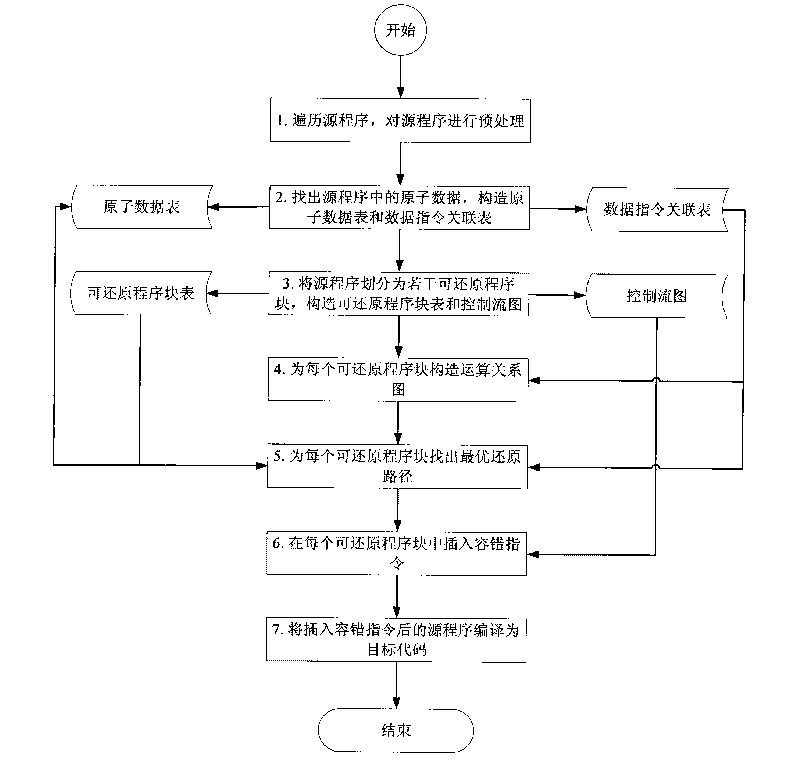
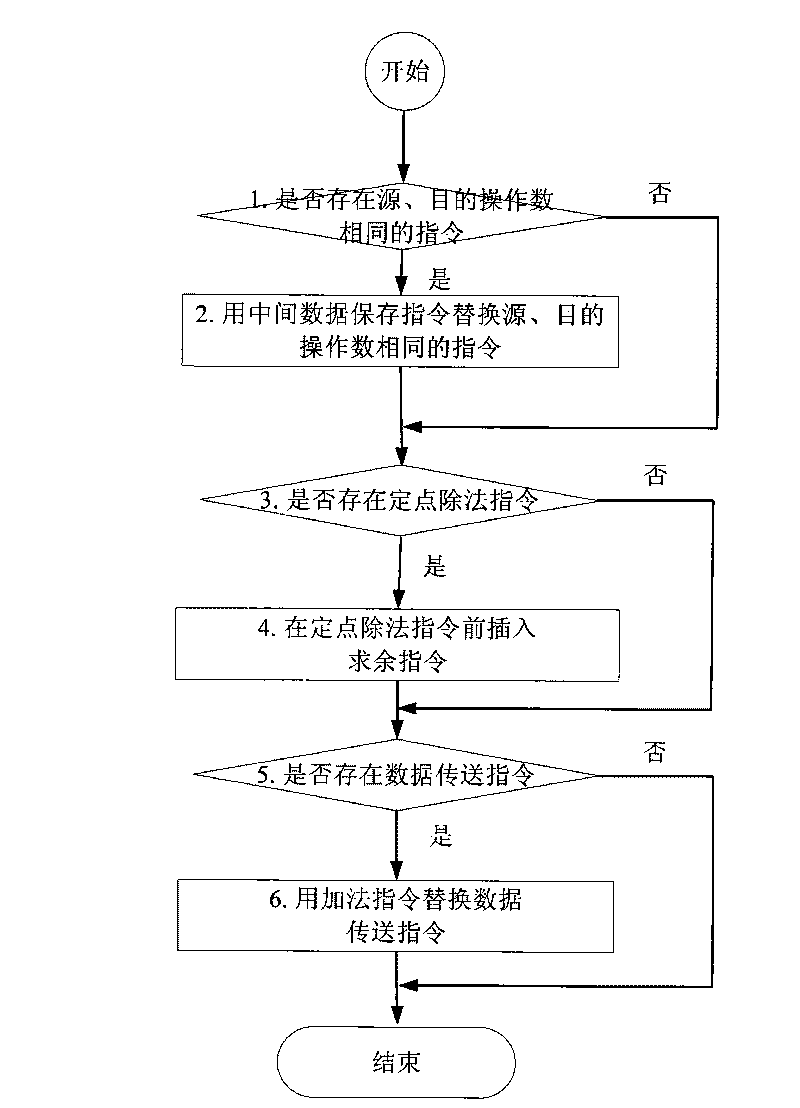
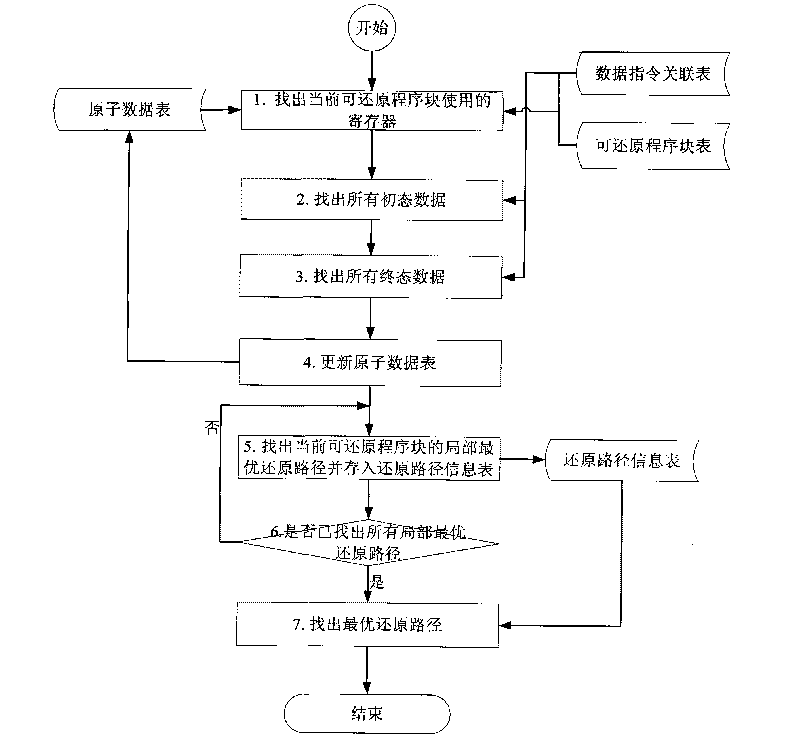

Method and device for repairing single event upset in field programmable logic gate array
PatentInactiveCN101551763B
Innovation
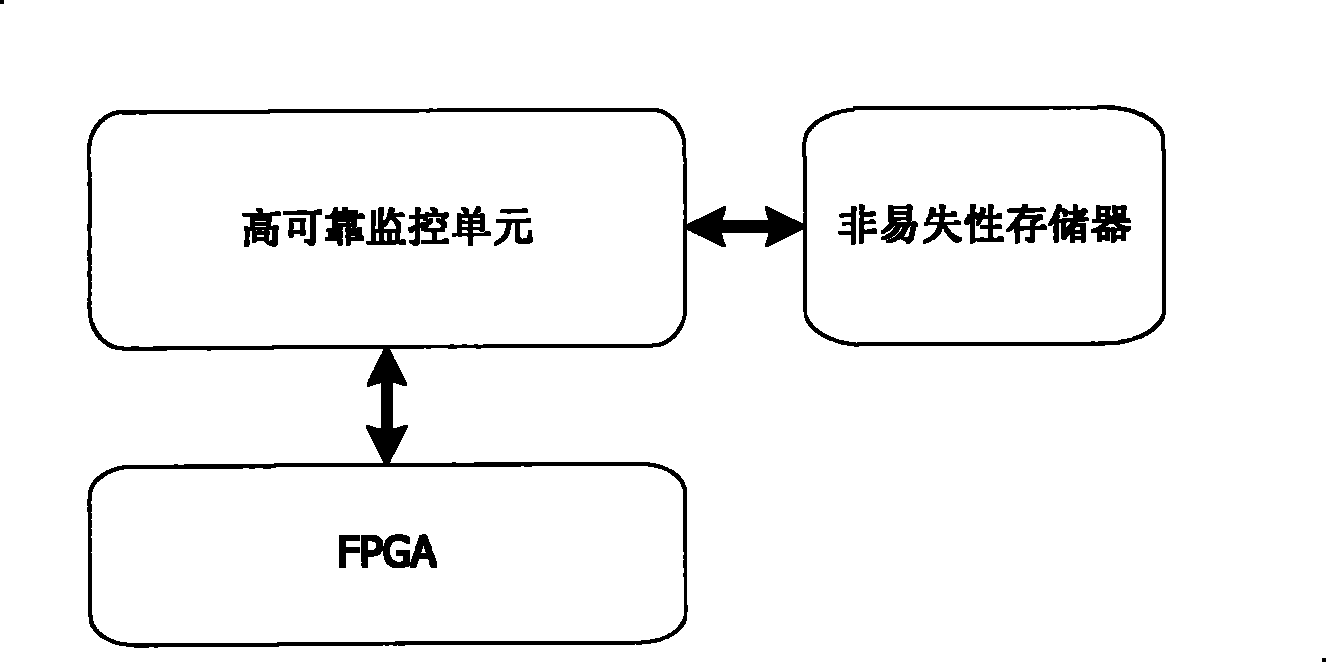
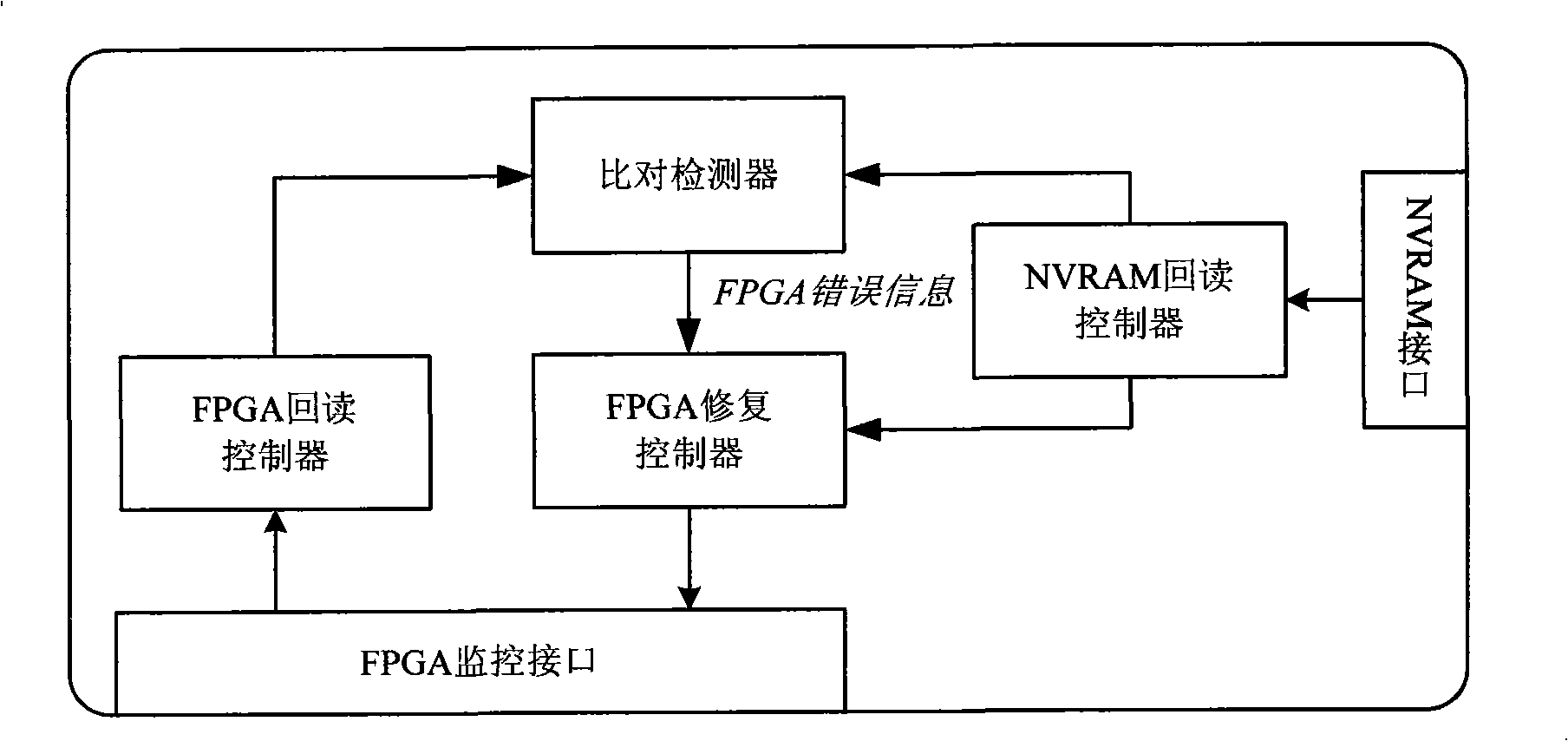
- Design a highly reliable monitoring unit that is connected to a field programmable logic gate array to implement the single event flip detection and repair process. It uses non-volatile memory to read the original configuration frame and compare it with the current configuration frame to repair the incorrect configuration. frames to ensure the stability and reliability of FPGA.
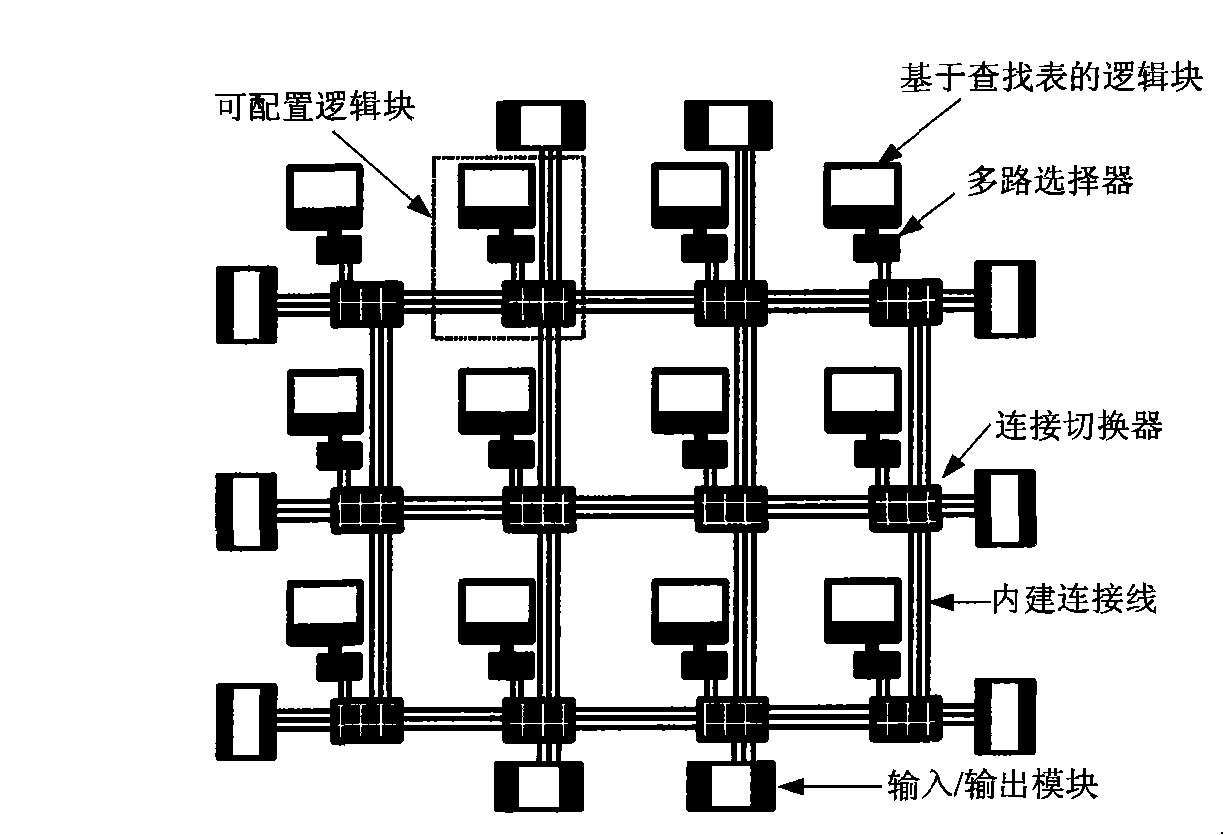

Space Mission Certification Standards and Requirements
Space mission certification standards for logic chips represent one of the most stringent and comprehensive regulatory frameworks in the electronics industry. These standards are primarily governed by NASA's EEE-INST-002 specification, ESA's ECSS standards, and military specifications such as MIL-PRF-38535 for space-grade integrated circuits. The certification process encompasses multiple phases including design qualification, manufacturing screening, and lot acceptance testing, with each phase requiring extensive documentation and traceability.
The qualification testing requirements for space-grade logic chips are exceptionally rigorous, involving total ionizing dose testing up to 300 krad, single event effects characterization, and thermal cycling across extreme temperature ranges from -55°C to +125°C. Radiation hardness assurance protocols mandate comprehensive testing for latch-up immunity, upset tolerance, and burnout resistance. These tests must be conducted using approved facilities with calibrated radiation sources and standardized test methodologies.
Manufacturing certification demands adherence to Class S screening flows, which include 100% electrical testing at multiple temperature points, hermetic seal verification, and internal visual inspection. Supply chain qualification requires manufacturers to maintain detailed genealogy records, implement statistical process control, and undergo periodic audits by space agencies. The certification process typically spans 18-24 months and costs between $2-5 million per device family.
Mission-specific requirements add additional layers of complexity, with human-rated missions requiring enhanced screening protocols and extended burn-in procedures. Deep space missions impose stricter radiation tolerance thresholds due to prolonged exposure beyond Earth's magnetosphere. Critical subsystems such as guidance computers and communication processors must meet fault tolerance requirements, often necessitating triple modular redundancy implementations.
The emerging trend toward commercial off-the-shelf adaptation has introduced new certification pathways, including upscreening protocols and radiation lot acceptance testing. However, these approaches require extensive characterization data and mission-specific risk assessments to ensure reliability standards are maintained while reducing development timelines and costs.
The qualification testing requirements for space-grade logic chips are exceptionally rigorous, involving total ionizing dose testing up to 300 krad, single event effects characterization, and thermal cycling across extreme temperature ranges from -55°C to +125°C. Radiation hardness assurance protocols mandate comprehensive testing for latch-up immunity, upset tolerance, and burnout resistance. These tests must be conducted using approved facilities with calibrated radiation sources and standardized test methodologies.
Manufacturing certification demands adherence to Class S screening flows, which include 100% electrical testing at multiple temperature points, hermetic seal verification, and internal visual inspection. Supply chain qualification requires manufacturers to maintain detailed genealogy records, implement statistical process control, and undergo periodic audits by space agencies. The certification process typically spans 18-24 months and costs between $2-5 million per device family.
Mission-specific requirements add additional layers of complexity, with human-rated missions requiring enhanced screening protocols and extended burn-in procedures. Deep space missions impose stricter radiation tolerance thresholds due to prolonged exposure beyond Earth's magnetosphere. Critical subsystems such as guidance computers and communication processors must meet fault tolerance requirements, often necessitating triple modular redundancy implementations.
The emerging trend toward commercial off-the-shelf adaptation has introduced new certification pathways, including upscreening protocols and radiation lot acceptance testing. However, these approaches require extensive characterization data and mission-specific risk assessments to ensure reliability standards are maintained while reducing development timelines and costs.
Cost-Performance Trade-offs in Space Logic Systems
The cost-performance paradigm in space logic systems represents one of the most critical decision-making frameworks in aerospace engineering. Unlike terrestrial applications where performance optimization often takes precedence, space missions must carefully balance computational capabilities against stringent cost constraints, weight limitations, and reliability requirements. This trade-off becomes particularly complex when considering the extended mission durations and the impossibility of hardware replacement or repair in space environments.
Traditional commercial-off-the-shelf processors offer exceptional performance per dollar in terrestrial applications but fail to meet the radiation tolerance and temperature stability requirements of space environments. Radiation-hardened processors, while providing the necessary robustness, typically operate at performance levels that lag several generations behind their commercial counterparts while commanding prices that can be 10 to 100 times higher. This creates a fundamental tension between mission computational requirements and budget constraints.
The emergence of radiation-tolerant design approaches has introduced new possibilities for optimizing cost-performance ratios. Triple modular redundancy systems, error-correcting code implementations, and software-based fault tolerance techniques enable the use of less expensive components while maintaining acceptable reliability levels. However, these approaches introduce their own trade-offs, including increased power consumption, additional weight, and greater system complexity.
Mission-specific requirements significantly influence cost-performance optimization strategies. Deep space exploration missions with decades-long operational periods may justify higher upfront costs for proven radiation-hardened solutions, while shorter-duration missions or those operating in less harsh radiation environments might benefit from innovative hybrid approaches that combine commercial components with protective design methodologies.
The evolving landscape of space logic systems increasingly favors modular architectures that allow for graduated performance scaling based on mission criticality and budget availability. This approach enables mission planners to allocate premium radiation-hardened processors to critical functions while utilizing cost-effective radiation-tolerant solutions for less critical computational tasks, thereby optimizing the overall system cost-performance ratio while maintaining mission success probability.
Traditional commercial-off-the-shelf processors offer exceptional performance per dollar in terrestrial applications but fail to meet the radiation tolerance and temperature stability requirements of space environments. Radiation-hardened processors, while providing the necessary robustness, typically operate at performance levels that lag several generations behind their commercial counterparts while commanding prices that can be 10 to 100 times higher. This creates a fundamental tension between mission computational requirements and budget constraints.
The emergence of radiation-tolerant design approaches has introduced new possibilities for optimizing cost-performance ratios. Triple modular redundancy systems, error-correcting code implementations, and software-based fault tolerance techniques enable the use of less expensive components while maintaining acceptable reliability levels. However, these approaches introduce their own trade-offs, including increased power consumption, additional weight, and greater system complexity.
Mission-specific requirements significantly influence cost-performance optimization strategies. Deep space exploration missions with decades-long operational periods may justify higher upfront costs for proven radiation-hardened solutions, while shorter-duration missions or those operating in less harsh radiation environments might benefit from innovative hybrid approaches that combine commercial components with protective design methodologies.
The evolving landscape of space logic systems increasingly favors modular architectures that allow for graduated performance scaling based on mission criticality and budget availability. This approach enables mission planners to allocate premium radiation-hardened processors to critical functions while utilizing cost-effective radiation-tolerant solutions for less critical computational tasks, thereby optimizing the overall system cost-performance ratio while maintaining mission success probability.
Unlock deeper insights with PatSnap Eureka Quick Research — get a full tech report to explore trends and direct your research. Try now!
Generate Your Research Report Instantly with AI Agent
Supercharge your innovation with PatSnap Eureka AI Agent Platform!