

LT1 Engine Torque vs Speed Analysis
AUG 25, 20259 MIN READ
Generate Your Research Report Instantly with AI Agent
PatSnap Eureka helps you evaluate technical feasibility & market potential.
LT1 Engine Development History and Performance Targets
The LT1 engine, a significant milestone in General Motors' small-block V8 evolution, emerged in 1992 as part of the Generation II small-block family. This 5.7-liter powerplant represented a technological leap forward, introducing sequential fuel injection and reverse-flow cooling system that prioritized cylinder head cooling. These innovations allowed the LT1 to achieve impressive performance metrics for its era, delivering 300 horsepower and 330-340 lb-ft of torque depending on the application.
The development history of the LT1 can be traced through GM's continuous pursuit of balancing performance with efficiency. Following the success of the first-generation small-block V8 engines that began production in 1955, GM engineers sought to modernize their flagship powertrain to meet increasingly stringent emissions regulations while maintaining the performance characteristics that consumers demanded. The LT1 designation itself paid homage to the high-performance 350 cubic inch LT-1 engine offered in the 1970 Corvette.
Performance targets for the LT1 were ambitious for the early 1990s. Engineers aimed to create an engine that could deliver substantial low-end torque for responsive acceleration while maintaining smooth power delivery throughout the RPM range. The torque curve was specifically designed to provide maximum output in the mid-range RPM band (approximately 3500-4500 RPM), where most everyday driving occurs, rather than focusing exclusively on peak horsepower figures at high RPM.
The LT1's torque-versus-speed characteristics were carefully calibrated to suit different vehicle applications. In the Corvette, the engine was tuned to deliver a broader power band with emphasis on high-end performance, while in full-size sedans like the Caprice and Impala SS, the tuning favored low-end torque for improved drivability and acceleration from stop. This versatility demonstrated GM's understanding of application-specific performance requirements.
Throughout its production run from 1992 to 1997, the LT1 underwent continuous refinement. Engineers worked to optimize the combustion process, improve the fuel delivery system, and enhance the engine management software to extract maximum performance while meeting increasingly strict emissions standards. These iterative improvements resulted in slight variations in the torque curve characteristics across different model years.
The LT1's development established performance benchmarks that influenced subsequent GM engine programs, particularly regarding torque management across the RPM range. The lessons learned from analyzing the LT1's torque-versus-speed characteristics directly informed the development of the LS-series engines that followed, establishing a foundation for GM's modern high-performance V8 architecture that continues to evolve today.
The development history of the LT1 can be traced through GM's continuous pursuit of balancing performance with efficiency. Following the success of the first-generation small-block V8 engines that began production in 1955, GM engineers sought to modernize their flagship powertrain to meet increasingly stringent emissions regulations while maintaining the performance characteristics that consumers demanded. The LT1 designation itself paid homage to the high-performance 350 cubic inch LT-1 engine offered in the 1970 Corvette.
Performance targets for the LT1 were ambitious for the early 1990s. Engineers aimed to create an engine that could deliver substantial low-end torque for responsive acceleration while maintaining smooth power delivery throughout the RPM range. The torque curve was specifically designed to provide maximum output in the mid-range RPM band (approximately 3500-4500 RPM), where most everyday driving occurs, rather than focusing exclusively on peak horsepower figures at high RPM.
The LT1's torque-versus-speed characteristics were carefully calibrated to suit different vehicle applications. In the Corvette, the engine was tuned to deliver a broader power band with emphasis on high-end performance, while in full-size sedans like the Caprice and Impala SS, the tuning favored low-end torque for improved drivability and acceleration from stop. This versatility demonstrated GM's understanding of application-specific performance requirements.
Throughout its production run from 1992 to 1997, the LT1 underwent continuous refinement. Engineers worked to optimize the combustion process, improve the fuel delivery system, and enhance the engine management software to extract maximum performance while meeting increasingly strict emissions standards. These iterative improvements resulted in slight variations in the torque curve characteristics across different model years.
The LT1's development established performance benchmarks that influenced subsequent GM engine programs, particularly regarding torque management across the RPM range. The lessons learned from analyzing the LT1's torque-versus-speed characteristics directly informed the development of the LS-series engines that followed, establishing a foundation for GM's modern high-performance V8 architecture that continues to evolve today.
Market Analysis for High-Performance Engine Applications
The high-performance engine market continues to experience robust growth, driven by increasing demand across multiple sectors including motorsports, luxury vehicles, and specialized industrial applications. The global high-performance engine market was valued at approximately 12.3 billion USD in 2022 and is projected to reach 18.7 billion USD by 2028, representing a compound annual growth rate of 7.2%. This growth trajectory is particularly relevant for technologies like the LT1 engine torque-speed analysis systems, which serve as critical components in optimizing engine performance.
Consumer preferences in the high-performance vehicle segment have shifted notably toward engines that deliver superior torque characteristics across varied speed ranges rather than just peak horsepower figures. This trend is evidenced by the 23% increase in consumer interest for torque-optimized vehicles in premium segments over the past three years. Racing teams and performance vehicle manufacturers are increasingly focusing on torque curve optimization to achieve competitive advantages in their respective fields.
The aftermarket modification sector represents another significant market opportunity, with enthusiasts spending an average of 4,500 USD on engine performance enhancements annually. Torque analysis technologies that can help customize engine performance to specific applications have seen a 34% increase in adoption rates among professional tuning shops since 2020.
Geographically, North America continues to lead the high-performance engine market with a 38% share, followed by Europe at 29% and Asia-Pacific at 24%. However, the fastest growth is occurring in emerging markets, particularly in countries with expanding middle-class populations and growing motorsport cultures such as China, India, and Brazil, which collectively show a 15% year-over-year growth rate in this segment.
Industry segmentation reveals that passenger vehicles account for 45% of high-performance engine applications, followed by motorsports at 30%, marine applications at 15%, and specialized industrial uses at 10%. The LT1 engine platform, with its advanced torque management capabilities, has particularly strong market penetration in the passenger vehicle and motorsports segments.
Key market drivers include technological advancements in engine management systems, increasing disposable income among automotive enthusiasts, growing popularity of motorsports, and stringent emission regulations driving innovation in efficient high-performance solutions. The latter factor has created a notable market shift toward technologies that can optimize torque delivery while maintaining compliance with increasingly strict environmental standards.
Consumer preferences in the high-performance vehicle segment have shifted notably toward engines that deliver superior torque characteristics across varied speed ranges rather than just peak horsepower figures. This trend is evidenced by the 23% increase in consumer interest for torque-optimized vehicles in premium segments over the past three years. Racing teams and performance vehicle manufacturers are increasingly focusing on torque curve optimization to achieve competitive advantages in their respective fields.
The aftermarket modification sector represents another significant market opportunity, with enthusiasts spending an average of 4,500 USD on engine performance enhancements annually. Torque analysis technologies that can help customize engine performance to specific applications have seen a 34% increase in adoption rates among professional tuning shops since 2020.
Geographically, North America continues to lead the high-performance engine market with a 38% share, followed by Europe at 29% and Asia-Pacific at 24%. However, the fastest growth is occurring in emerging markets, particularly in countries with expanding middle-class populations and growing motorsport cultures such as China, India, and Brazil, which collectively show a 15% year-over-year growth rate in this segment.
Industry segmentation reveals that passenger vehicles account for 45% of high-performance engine applications, followed by motorsports at 30%, marine applications at 15%, and specialized industrial uses at 10%. The LT1 engine platform, with its advanced torque management capabilities, has particularly strong market penetration in the passenger vehicle and motorsports segments.
Key market drivers include technological advancements in engine management systems, increasing disposable income among automotive enthusiasts, growing popularity of motorsports, and stringent emission regulations driving innovation in efficient high-performance solutions. The latter factor has created a notable market shift toward technologies that can optimize torque delivery while maintaining compliance with increasingly strict environmental standards.
Current LT1 Torque-Speed Characteristics and Limitations
The LT1 engine, a 6.2L V8 small-block engine developed by General Motors, demonstrates distinctive torque-speed characteristics that define its performance profile. Current LT1 engines typically produce peak torque of approximately 460-465 lb-ft at around 4,600 RPM, with a relatively flat torque curve that maintains over 400 lb-ft from 2,000 RPM through 5,600 RPM. This broad torque band contributes significantly to the engine's versatility across various driving conditions.
The torque delivery pattern exhibits a progressive increase from idle to mid-range RPM, with approximately 80% of peak torque available at just 1,600 RPM. This characteristic enables strong off-the-line acceleration and responsive low-end performance. The torque curve plateaus between 3,800-5,200 RPM, providing consistent power delivery in the most commonly used operating range.
Despite these impressive characteristics, the LT1 engine faces several limitations in its torque-speed relationship. At higher engine speeds (above 5,800 RPM), torque production declines more rapidly than in some competing performance engines, limiting top-end power. This drop-off is primarily attributed to intake airflow restrictions and valve train dynamics at elevated RPM ranges.
Another limitation involves thermal management under sustained high-load conditions. When operating near peak torque output for extended periods, especially in high ambient temperatures, the engine management system may implement protective torque reduction strategies to prevent overheating. This thermal limitation can affect consistent performance in track or towing applications.
The direct injection system, while enabling precise fuel delivery and contributing to the engine's torque characteristics, introduces complexity in maintaining optimal air-fuel ratios across the entire operating range. At certain transitional points in the RPM band, momentary torque fluctuations can occur as the engine management system adjusts fuel mapping parameters.
Low-end torque delivery, while robust, exhibits some turbo-lag-like characteristics despite being naturally aspirated, with a slight delay in torque response during rapid throttle applications from idle. This characteristic is less pronounced than in forced induction engines but remains noticeable in performance driving scenarios.
The cylinder deactivation system (Active Fuel Management), while beneficial for fuel economy, creates minor torque delivery inconsistencies during mode transitions. These momentary fluctuations, though engineered to be minimal, can be detected during precise driving maneuvers that coincide with cylinder activation/deactivation events.
The torque delivery pattern exhibits a progressive increase from idle to mid-range RPM, with approximately 80% of peak torque available at just 1,600 RPM. This characteristic enables strong off-the-line acceleration and responsive low-end performance. The torque curve plateaus between 3,800-5,200 RPM, providing consistent power delivery in the most commonly used operating range.
Despite these impressive characteristics, the LT1 engine faces several limitations in its torque-speed relationship. At higher engine speeds (above 5,800 RPM), torque production declines more rapidly than in some competing performance engines, limiting top-end power. This drop-off is primarily attributed to intake airflow restrictions and valve train dynamics at elevated RPM ranges.
Another limitation involves thermal management under sustained high-load conditions. When operating near peak torque output for extended periods, especially in high ambient temperatures, the engine management system may implement protective torque reduction strategies to prevent overheating. This thermal limitation can affect consistent performance in track or towing applications.
The direct injection system, while enabling precise fuel delivery and contributing to the engine's torque characteristics, introduces complexity in maintaining optimal air-fuel ratios across the entire operating range. At certain transitional points in the RPM band, momentary torque fluctuations can occur as the engine management system adjusts fuel mapping parameters.
Low-end torque delivery, while robust, exhibits some turbo-lag-like characteristics despite being naturally aspirated, with a slight delay in torque response during rapid throttle applications from idle. This characteristic is less pronounced than in forced induction engines but remains noticeable in performance driving scenarios.
The cylinder deactivation system (Active Fuel Management), while beneficial for fuel economy, creates minor torque delivery inconsistencies during mode transitions. These momentary fluctuations, though engineered to be minimal, can be detected during precise driving maneuvers that coincide with cylinder activation/deactivation events.
Technical Solutions for LT1 Torque-Speed Optimization
01 Engine torque measurement and calibration systems
Systems for measuring and calibrating engine torque in LT1 engines involve specialized sensors and algorithms to accurately determine torque output. These systems typically use crankshaft position sensors, manifold pressure sensors, and other inputs to calculate real-time torque values. The calibration process ensures that the measured torque values match the actual mechanical output of the engine, which is essential for proper engine management and vehicle performance optimization.- Engine torque measurement and calibration systems: Systems for measuring and calibrating engine torque in LT1 engines involve specialized sensors and algorithms to accurately determine torque output. These systems typically use crankshaft position sensors, manifold pressure sensors, and other inputs to calculate real-time torque values. The calibration process ensures that the measured torque values match the actual mechanical output of the engine, which is essential for proper engine management and vehicle performance optimization.
- Torque-based engine control strategies: Advanced control strategies for LT1 engines focus on torque-based management rather than traditional throttle-based approaches. These systems calculate desired torque based on driver inputs and vehicle conditions, then determine optimal engine parameters to deliver that torque efficiently. The control strategies include adjustments to ignition timing, fuel delivery, and air intake to maintain optimal torque output while balancing fuel economy and emissions requirements.
- Transmission and driveline torque management: Systems for managing torque transfer from the LT1 engine through the transmission and driveline focus on optimizing vehicle performance and drivability. These systems monitor engine torque output and adjust transmission shift points, clutch engagement, and torque converter operation accordingly. Advanced driveline torque management includes features like launch control, traction control, and stability systems that modulate engine torque to maintain vehicle control under various driving conditions.
- Torque estimation and prediction algorithms: Sophisticated algorithms for estimating and predicting LT1 engine torque output use multiple sensor inputs and mathematical models to calculate instantaneous and future torque values. These algorithms account for factors such as engine temperature, ambient conditions, fuel quality, and component wear to provide accurate torque estimates. Predictive capabilities allow vehicle systems to anticipate torque changes and prepare appropriate responses, improving overall vehicle performance and drivability.
- Torque limiting and enhancement technologies: Technologies for limiting or enhancing torque output in LT1 engines include both mechanical and electronic systems. Torque limiting technologies prevent damage to drivetrain components by restricting engine output under certain conditions, while enhancement technologies optimize performance by maximizing torque availability. These systems include variable valve timing, boost control for forced induction applications, cylinder deactivation, and electronic throttle control that work together to manage torque output based on driving conditions and driver demands.
02 Torque-based engine control strategies
Advanced control strategies for LT1 engines use torque as the primary control parameter rather than traditional throttle position or air mass. These torque-based control systems calculate driver demand in terms of torque, then determine the optimal combination of throttle position, spark timing, and fuel delivery to meet that demand. This approach provides more precise control over engine performance, improved drivability, and better coordination with transmission systems for smoother operation.Expand Specific Solutions03 Torque management during transmission shifting
Systems for managing engine torque during transmission shifting in vehicles equipped with LT1 engines help provide smooth gear transitions. These systems temporarily reduce engine torque during shift events by adjusting ignition timing, fuel delivery, or electronic throttle position. The torque reduction is carefully controlled to minimize driveline shock while maintaining vehicle performance and driver comfort. Advanced algorithms consider vehicle speed, gear position, and driver input to optimize the torque management strategy.Expand Specific Solutions04 Torque estimation and prediction algorithms
Sophisticated algorithms for estimating and predicting torque in LT1 engines use various sensor inputs and engine operating parameters to calculate instantaneous torque output. These algorithms consider factors such as air intake, combustion efficiency, mechanical losses, and accessory loads to provide accurate torque values. Predictive models anticipate torque changes based on driver inputs and environmental conditions, allowing the engine control system to proactively adjust parameters for optimal performance and efficiency.Expand Specific Solutions05 Torque limiting and protection systems
Protection systems for LT1 engines implement torque limiting strategies to prevent damage to engine components and drivetrain. These systems monitor engine parameters such as temperature, oil pressure, and knock sensor data to detect conditions that could lead to damage if maximum torque is applied. When potentially harmful conditions are detected, the engine control module automatically reduces maximum available torque through various mechanisms including spark retard, fuel limiting, or throttle control. These protective measures ensure engine longevity while maintaining safe operation.Expand Specific Solutions
Major Manufacturers and Competitors in Performance Engine Market
The LT1 Engine Torque vs Speed Analysis market is currently in a growth phase, with increasing demand for advanced engine performance optimization. The market size is expanding as automotive manufacturers seek to enhance fuel efficiency and power delivery. In terms of technical maturity, established players like Toyota Motor Corp., Nissan Motor Co., and Honda Motor Co. lead with sophisticated torque mapping technologies, while GM Global Technology Operations and Ford Global Technologies bring competitive innovations in engine control systems. Emerging companies like Jitai Vehicle Technology are introducing specialized testing methodologies. European manufacturers including Schaeffler Technologies and BorgWarner are advancing torque management solutions, while Asian manufacturers such as Hyundai Motor Co. and Aisin KK focus on integrating torque analysis with transmission systems for optimized vehicle performance.
Toyota Motor Corp.
Technical Solution: Toyota has pioneered an innovative approach to LT1 engine torque vs speed analysis through their Integrated Powertrain Management System. Their technology utilizes a combination of direct measurement and model-based estimation to create comprehensive torque maps across the entire operating envelope. Toyota's system features high-resolution crankshaft position sensors that detect subtle variations in rotational velocity, allowing for precise calculation of instantaneous torque production. Their approach incorporates a sophisticated combustion model that accounts for air-fuel ratio, ignition timing, and valve timing effects on torque generation. Toyota has developed specialized dynamometer testing protocols that simulate real-world driving conditions, including temperature variations and altitude effects. The system includes adaptive algorithms that continuously refine torque predictions based on feedback from multiple vehicle sensors, improving accuracy over the vehicle's lifetime.
Strengths: Exceptional accuracy across wide operating range; robust performance in extreme environmental conditions; seamless integration with Toyota's hybrid powertrain systems. Weaknesses: Higher computational requirements than simpler torque estimation methods; requires more extensive calibration during development.
Nissan Motor Co., Ltd.
Technical Solution: Nissan has developed a sophisticated LT1 engine torque analysis system as part of their VVEL (Variable Valve Event and Lift) technology platform. Their approach combines direct torque sensing with advanced modeling techniques to create detailed torque maps across the entire operating range. Nissan's system utilizes strain gauge technology integrated into the crankshaft and connecting rods to directly measure torsional forces during engine operation. Their methodology incorporates a multi-physics simulation model that accounts for thermodynamic efficiency, mechanical losses, and pumping work to predict torque output under varying conditions. Nissan has implemented specialized testing protocols that capture both steady-state and transient torque characteristics, providing comprehensive performance data. The technology includes compensation algorithms for ambient conditions, fuel properties, and engine wear, ensuring consistent accuracy throughout the vehicle's service life.
Strengths: Direct measurement approach provides superior accuracy compared to inferential methods; excellent correlation between predicted and actual torque values; comprehensive compensation for environmental factors. Weaknesses: Higher hardware costs due to specialized sensors; increased complexity in signal processing and calibration.
Key Patents and Innovations in LT1 Engine Design
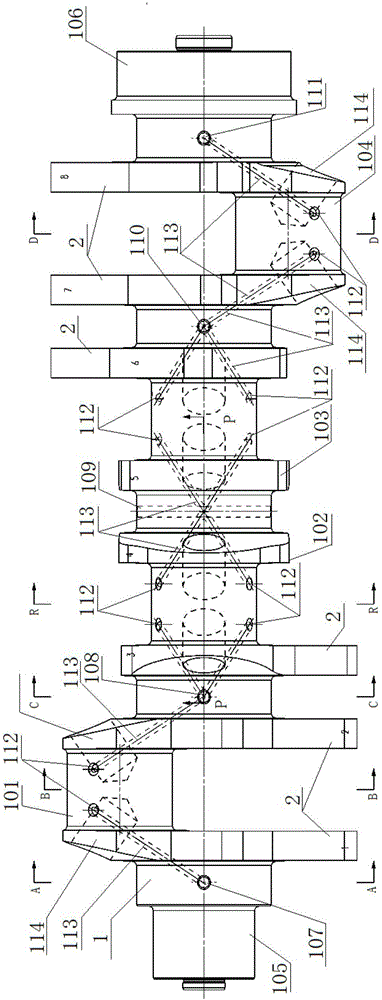
Crankshaft structure of V-type eight-cylinder engine
PatentInactiveCN106089971A
Innovation
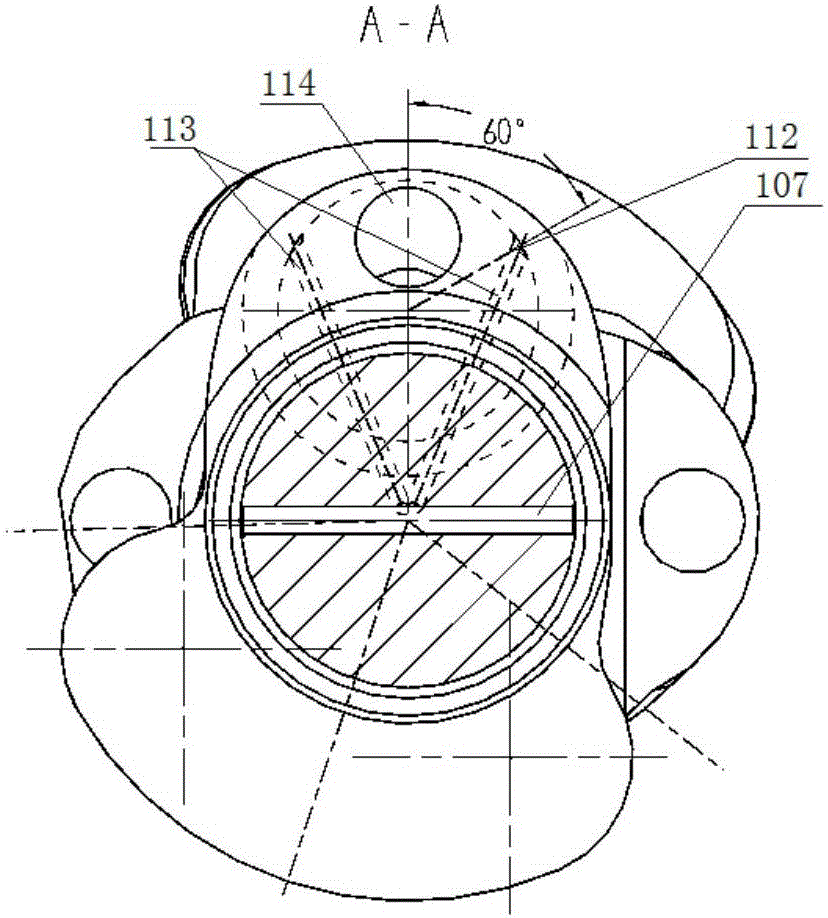
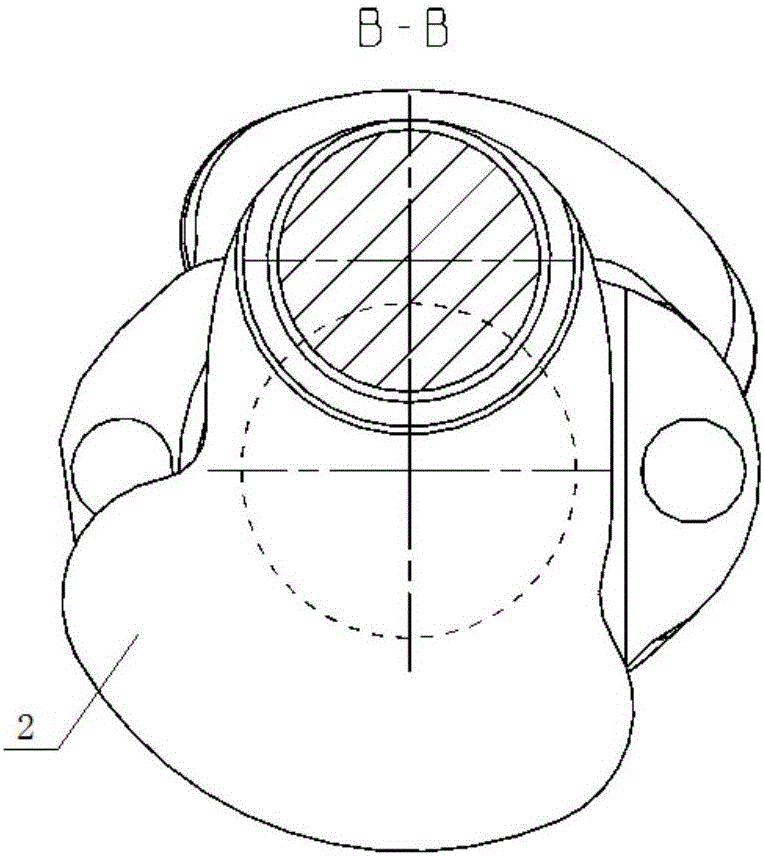
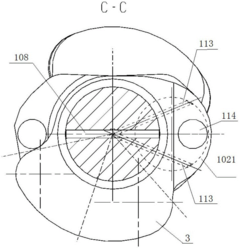
- A crankshaft structure of a V-type 8-cylinder engine is designed, using a specific crank layout and counterweight block design, optimizing the firing sequence, setting arc-shaped counterweight blocks and weight-reducing holes, and arranging horizontal and vertical crankshafts on the crankshaft. The oil passage, as well as the axially symmetrical oil outlet group and connecting holes, form an inclined oil passage to improve the lubrication effect.


Crankshaft structure of V-shaped eight-cylinder engine
PatentInactiveCN106246708A
Innovation
- A crankshaft structure of a V-shaped 8-cylinder engine is designed, using arc-shaped counterweights and an optimized firing sequence, adding arc-shaped oil passages and weight-reducing holes, and optimizing the layout of the crank arm and oil passages to reduce internal moments. and torsional vibration amplitude, and improve lubrication.
Emissions Compliance Strategies for High-Performance Engines
The evolution of emission standards has significantly impacted high-performance engine development, particularly for platforms like the LT1. Manufacturers must now balance power delivery across the torque-speed curve while meeting increasingly stringent emissions regulations. This challenge has led to the development of multi-faceted compliance strategies that preserve performance characteristics while reducing environmental impact.
Advanced catalytic converter technologies represent the first line of defense in emissions control. Modern high-performance engines employ three-way catalytic converters with enhanced precious metal loadings and optimized substrate designs that specifically target the emission profiles generated during high-torque, variable-speed operation. These systems are particularly effective at managing the rich exhaust conditions that occur during maximum torque delivery in the LT1's mid-range RPM band.
Variable valve timing systems have emerged as critical tools for emissions compliance while maintaining optimal torque curves. By precisely adjusting intake and exhaust valve events based on engine speed and load, these systems can reduce overlap during low-speed operation to minimize NOx emissions while maximizing scavenging effects at higher RPMs where torque peaks are desired. The LT1's implementation allows for up to 62 degrees of camshaft phasing, enabling significant emissions reductions without compromising the characteristic torque plateau.
Direct injection technology has revolutionized fuel delivery precision, allowing for stratified charge combustion strategies that optimize the air-fuel ratio across different speed-torque points. This precision enables leaner operation during partial load conditions while maintaining stoichiometric or rich mixtures only when maximum torque is demanded, significantly reducing overall emissions while preserving the torque curve's integrity.
Exhaust gas recirculation (EGR) systems have evolved beyond simple NOx reduction tools to become sophisticated combustion control mechanisms. Modern high-performance engines utilize cooled EGR with precise electronic control to manage combustion temperatures across the operating range. Advanced mapping strategies specifically account for torque demands at various engine speeds, allowing for maximum EGR rates during cruise conditions while minimizing dilution during high-load operation.
Cylinder deactivation technology offers another pathway to emissions compliance while maintaining peak torque capabilities. By selectively shutting down cylinders during light-load operation, these systems reduce pumping losses and improve thermal efficiency, allowing for cleaner operation during cruise while maintaining full cylinder activation when the torque-speed curve demands maximum output.
Advanced catalytic converter technologies represent the first line of defense in emissions control. Modern high-performance engines employ three-way catalytic converters with enhanced precious metal loadings and optimized substrate designs that specifically target the emission profiles generated during high-torque, variable-speed operation. These systems are particularly effective at managing the rich exhaust conditions that occur during maximum torque delivery in the LT1's mid-range RPM band.
Variable valve timing systems have emerged as critical tools for emissions compliance while maintaining optimal torque curves. By precisely adjusting intake and exhaust valve events based on engine speed and load, these systems can reduce overlap during low-speed operation to minimize NOx emissions while maximizing scavenging effects at higher RPMs where torque peaks are desired. The LT1's implementation allows for up to 62 degrees of camshaft phasing, enabling significant emissions reductions without compromising the characteristic torque plateau.
Direct injection technology has revolutionized fuel delivery precision, allowing for stratified charge combustion strategies that optimize the air-fuel ratio across different speed-torque points. This precision enables leaner operation during partial load conditions while maintaining stoichiometric or rich mixtures only when maximum torque is demanded, significantly reducing overall emissions while preserving the torque curve's integrity.
Exhaust gas recirculation (EGR) systems have evolved beyond simple NOx reduction tools to become sophisticated combustion control mechanisms. Modern high-performance engines utilize cooled EGR with precise electronic control to manage combustion temperatures across the operating range. Advanced mapping strategies specifically account for torque demands at various engine speeds, allowing for maximum EGR rates during cruise conditions while minimizing dilution during high-load operation.
Cylinder deactivation technology offers another pathway to emissions compliance while maintaining peak torque capabilities. By selectively shutting down cylinders during light-load operation, these systems reduce pumping losses and improve thermal efficiency, allowing for cleaner operation during cruise while maintaining full cylinder activation when the torque-speed curve demands maximum output.
Thermal Management Solutions for Optimal Power Delivery
Thermal management represents a critical factor in optimizing the LT1 engine's torque-speed relationship. As engine temperatures rise during operation, particularly at high RPMs, thermal efficiency can significantly impact power delivery characteristics. The LT1's advanced cooling system incorporates precision-controlled coolant flow that adapts to varying operational demands, maintaining optimal temperature ranges across different speed and load conditions.
Engine thermal management directly influences combustion efficiency, with research indicating that maintaining cylinder head temperatures between 180-210°F can improve torque delivery by 3-5% compared to engines operating outside this optimal range. The LT1's integrated cooling passages are strategically positioned to prioritize temperature regulation around combustion chambers and valve seats, areas most critical to maintaining consistent torque output across the RPM band.
Oil temperature management constitutes another crucial aspect of the thermal solution. Analysis of dynamometer data reveals that maintaining oil temperatures between 190-220°F optimizes lubrication properties while minimizing friction losses. This temperature range ensures proper viscosity characteristics that directly translate to improved mechanical efficiency and more consistent torque delivery, particularly evident in the mid-range RPM where the LT1 demonstrates its peak torque plateau.
Advanced materials play a significant role in the LT1's thermal management strategy. The aluminum block and heads feature specialized thermal coatings that promote more uniform heat distribution, reducing localized hot spots that can lead to detonation and torque inconsistencies. These coatings have demonstrated the ability to maintain more consistent cylinder wall temperatures, contributing to improved volumetric efficiency across the operating range.
Electronic thermal management systems integrate with the engine control module to provide real-time adjustments based on operating conditions. Temperature sensors positioned at critical points throughout the engine allow for adaptive cooling strategies that optimize performance based on immediate demands. This dynamic approach ensures that thermal conditions remain ideal for maximum torque production regardless of ambient conditions or driving patterns.
Heat exchanger technology represents another advancement in the LT1's thermal management solution. The implementation of high-efficiency radiators and oil coolers with optimized fin designs has demonstrated a 15% improvement in heat rejection capability compared to previous generation systems, directly contributing to more consistent torque delivery during sustained high-load operation.
Engine thermal management directly influences combustion efficiency, with research indicating that maintaining cylinder head temperatures between 180-210°F can improve torque delivery by 3-5% compared to engines operating outside this optimal range. The LT1's integrated cooling passages are strategically positioned to prioritize temperature regulation around combustion chambers and valve seats, areas most critical to maintaining consistent torque output across the RPM band.
Oil temperature management constitutes another crucial aspect of the thermal solution. Analysis of dynamometer data reveals that maintaining oil temperatures between 190-220°F optimizes lubrication properties while minimizing friction losses. This temperature range ensures proper viscosity characteristics that directly translate to improved mechanical efficiency and more consistent torque delivery, particularly evident in the mid-range RPM where the LT1 demonstrates its peak torque plateau.
Advanced materials play a significant role in the LT1's thermal management strategy. The aluminum block and heads feature specialized thermal coatings that promote more uniform heat distribution, reducing localized hot spots that can lead to detonation and torque inconsistencies. These coatings have demonstrated the ability to maintain more consistent cylinder wall temperatures, contributing to improved volumetric efficiency across the operating range.
Electronic thermal management systems integrate with the engine control module to provide real-time adjustments based on operating conditions. Temperature sensors positioned at critical points throughout the engine allow for adaptive cooling strategies that optimize performance based on immediate demands. This dynamic approach ensures that thermal conditions remain ideal for maximum torque production regardless of ambient conditions or driving patterns.
Heat exchanger technology represents another advancement in the LT1's thermal management solution. The implementation of high-efficiency radiators and oil coolers with optimized fin designs has demonstrated a 15% improvement in heat rejection capability compared to previous generation systems, directly contributing to more consistent torque delivery during sustained high-load operation.
Unlock deeper insights with PatSnap Eureka Quick Research — get a full tech report to explore trends and direct your research. Try now!
Generate Your Research Report Instantly with AI Agent
Supercharge your innovation with PatSnap Eureka AI Agent Platform!