Optimize Active Alignment Techniques for Data Centers
APR 15, 20269 MIN READ
Generate Your Research Report Instantly with AI Agent
Patsnap Eureka helps you evaluate technical feasibility & market potential.
Active Alignment Technology Background and Objectives
Active alignment technology has emerged as a critical component in modern data center infrastructure, addressing the fundamental challenge of maintaining precise optical connections in high-speed fiber optic communication systems. This technology represents a sophisticated approach to automatically adjusting and maintaining optimal alignment between optical components, particularly in fiber-to-fiber connections, laser-to-fiber coupling, and optical switching systems.
The evolution of active alignment techniques stems from the exponential growth in data center traffic and the corresponding demand for higher bandwidth, lower latency, and improved reliability. Traditional passive alignment methods, while cost-effective, often fall short in meeting the stringent performance requirements of contemporary data centers operating at 100G, 400G, and emerging 800G speeds. The microscopic tolerances required for optimal optical performance, often measured in sub-micron precision, necessitate dynamic adjustment capabilities that only active alignment systems can provide.
Current active alignment implementations in data centers primarily focus on several key areas: optical transceiver modules, fiber optic patch panels, optical cross-connects, and high-density fiber management systems. These systems utilize various feedback mechanisms, including photodiode monitoring, beam profiling, and power optimization algorithms, to continuously maintain optimal alignment conditions despite environmental fluctuations such as temperature variations, mechanical vibrations, and thermal expansion.
The primary technical objectives driving active alignment optimization include achieving maximum optical coupling efficiency, minimizing insertion losses, reducing crosstalk between adjacent channels, and maintaining stable performance across varying environmental conditions. Additionally, the technology aims to enable higher port densities while preserving signal integrity, supporting the data center industry's push toward more compact and efficient infrastructure designs.
From a strategic perspective, optimized active alignment techniques are positioned to address several critical data center challenges: reducing operational expenditures through improved energy efficiency, minimizing downtime caused by optical misalignment issues, and enabling seamless scalability for future bandwidth requirements. The technology also supports the industry's transition toward disaggregated optical systems and software-defined networking architectures.
The convergence of artificial intelligence and machine learning with active alignment systems represents a significant advancement opportunity, enabling predictive maintenance capabilities and autonomous optimization protocols. These intelligent systems can learn from historical performance data to anticipate alignment drift and proactively adjust parameters before performance degradation occurs, ultimately contributing to improved service level agreements and reduced maintenance overhead in large-scale data center operations.
The evolution of active alignment techniques stems from the exponential growth in data center traffic and the corresponding demand for higher bandwidth, lower latency, and improved reliability. Traditional passive alignment methods, while cost-effective, often fall short in meeting the stringent performance requirements of contemporary data centers operating at 100G, 400G, and emerging 800G speeds. The microscopic tolerances required for optimal optical performance, often measured in sub-micron precision, necessitate dynamic adjustment capabilities that only active alignment systems can provide.
Current active alignment implementations in data centers primarily focus on several key areas: optical transceiver modules, fiber optic patch panels, optical cross-connects, and high-density fiber management systems. These systems utilize various feedback mechanisms, including photodiode monitoring, beam profiling, and power optimization algorithms, to continuously maintain optimal alignment conditions despite environmental fluctuations such as temperature variations, mechanical vibrations, and thermal expansion.
The primary technical objectives driving active alignment optimization include achieving maximum optical coupling efficiency, minimizing insertion losses, reducing crosstalk between adjacent channels, and maintaining stable performance across varying environmental conditions. Additionally, the technology aims to enable higher port densities while preserving signal integrity, supporting the data center industry's push toward more compact and efficient infrastructure designs.
From a strategic perspective, optimized active alignment techniques are positioned to address several critical data center challenges: reducing operational expenditures through improved energy efficiency, minimizing downtime caused by optical misalignment issues, and enabling seamless scalability for future bandwidth requirements. The technology also supports the industry's transition toward disaggregated optical systems and software-defined networking architectures.
The convergence of artificial intelligence and machine learning with active alignment systems represents a significant advancement opportunity, enabling predictive maintenance capabilities and autonomous optimization protocols. These intelligent systems can learn from historical performance data to anticipate alignment drift and proactively adjust parameters before performance degradation occurs, ultimately contributing to improved service level agreements and reduced maintenance overhead in large-scale data center operations.
Data Center Optical Interconnect Market Demand Analysis
The global data center optical interconnect market is experiencing unprecedented growth driven by the exponential increase in data traffic and the proliferation of cloud computing services. Hyperscale data centers, which form the backbone of major cloud service providers, are generating massive demand for high-speed optical connections to handle bandwidth-intensive applications such as artificial intelligence, machine learning, and real-time analytics. The shift toward edge computing architectures is further amplifying the need for efficient optical interconnect solutions that can support distributed computing environments.
Enterprise digital transformation initiatives are creating substantial market opportunities for advanced optical interconnect technologies. Organizations are migrating critical workloads to cloud-native architectures, requiring robust interconnect infrastructure capable of supporting high-throughput data transfers between servers, storage systems, and networking equipment. The growing adoption of virtualization technologies and software-defined networking is driving demand for flexible optical solutions that can adapt to dynamic traffic patterns and varying bandwidth requirements.
The telecommunications industry's transition to 5G networks is generating significant demand for optical interconnects in data centers that support network function virtualization and edge computing deployments. These applications require ultra-low latency connections and high reliability, making active alignment optimization crucial for meeting stringent performance requirements. The increasing deployment of content delivery networks and the growth of streaming services are further contributing to market expansion.
Emerging technologies such as quantum computing, augmented reality, and Internet of Things applications are creating new market segments that demand specialized optical interconnect solutions. These applications often require precise optical alignment and minimal signal degradation, highlighting the importance of advanced active alignment techniques. The market is also being shaped by sustainability concerns, as data center operators seek energy-efficient optical solutions that can reduce operational costs while maintaining high performance standards.
The competitive landscape is characterized by intense innovation cycles, with market participants investing heavily in research and development to address evolving customer requirements. The demand for higher data rates, improved power efficiency, and enhanced reliability is driving continuous technological advancement in active alignment methodologies and optical interconnect architectures.
Enterprise digital transformation initiatives are creating substantial market opportunities for advanced optical interconnect technologies. Organizations are migrating critical workloads to cloud-native architectures, requiring robust interconnect infrastructure capable of supporting high-throughput data transfers between servers, storage systems, and networking equipment. The growing adoption of virtualization technologies and software-defined networking is driving demand for flexible optical solutions that can adapt to dynamic traffic patterns and varying bandwidth requirements.
The telecommunications industry's transition to 5G networks is generating significant demand for optical interconnects in data centers that support network function virtualization and edge computing deployments. These applications require ultra-low latency connections and high reliability, making active alignment optimization crucial for meeting stringent performance requirements. The increasing deployment of content delivery networks and the growth of streaming services are further contributing to market expansion.
Emerging technologies such as quantum computing, augmented reality, and Internet of Things applications are creating new market segments that demand specialized optical interconnect solutions. These applications often require precise optical alignment and minimal signal degradation, highlighting the importance of advanced active alignment techniques. The market is also being shaped by sustainability concerns, as data center operators seek energy-efficient optical solutions that can reduce operational costs while maintaining high performance standards.
The competitive landscape is characterized by intense innovation cycles, with market participants investing heavily in research and development to address evolving customer requirements. The demand for higher data rates, improved power efficiency, and enhanced reliability is driving continuous technological advancement in active alignment methodologies and optical interconnect architectures.
Current Active Alignment Challenges in Data Centers
Data center active alignment systems face significant thermal management challenges that directly impact optical component performance and system reliability. High-density server configurations generate substantial heat loads, creating temperature gradients that cause mechanical expansion and contraction of optical assemblies. These thermal fluctuations lead to misalignment between optical fibers and transceivers, resulting in signal degradation and increased bit error rates. Current cooling solutions often create localized temperature variations that exacerbate alignment instability.
Mechanical vibration represents another critical challenge affecting active alignment precision in data center environments. Server fans, cooling systems, and mechanical infrastructure generate continuous vibrations that propagate through rack structures and optical mounting systems. These vibrations cause micro-movements in optical components, disrupting carefully calibrated alignments and requiring constant readjustment. The cumulative effect of multiple vibration sources creates complex resonance patterns that are difficult to predict and mitigate.
Power consumption constraints significantly limit the sophistication of active alignment systems deployed in data centers. Traditional high-precision alignment mechanisms require substantial electrical power for servo motors, feedback sensors, and control electronics. Data centers operating under strict power usage effectiveness targets cannot accommodate energy-intensive alignment solutions, forcing compromises between alignment precision and power efficiency. This limitation particularly affects large-scale deployments where cumulative power consumption becomes prohibitive.
Scalability issues emerge when implementing active alignment across thousands of optical connections within modern hyperscale data centers. Current alignment technologies often require individual calibration and maintenance procedures that become operationally complex at scale. The lack of standardized interfaces and control protocols complicates centralized management of alignment systems, leading to increased operational overhead and maintenance costs.
Real-time monitoring and feedback systems face bandwidth and latency constraints that limit their effectiveness in dynamic data center environments. Existing alignment sensors generate substantial data streams that can overwhelm network management systems, while processing delays in feedback loops reduce the responsiveness of alignment corrections. The integration of alignment monitoring with existing data center management platforms remains technically challenging due to protocol incompatibilities and data format inconsistencies.
Environmental contamination poses ongoing challenges for maintaining optical alignment precision. Data center environments contain airborne particles, dust, and chemical contaminants that accumulate on optical surfaces and mechanical components. These contaminants interfere with optical signal transmission and degrade the performance of alignment sensors, requiring frequent cleaning procedures that disrupt operations and increase maintenance complexity.
Mechanical vibration represents another critical challenge affecting active alignment precision in data center environments. Server fans, cooling systems, and mechanical infrastructure generate continuous vibrations that propagate through rack structures and optical mounting systems. These vibrations cause micro-movements in optical components, disrupting carefully calibrated alignments and requiring constant readjustment. The cumulative effect of multiple vibration sources creates complex resonance patterns that are difficult to predict and mitigate.
Power consumption constraints significantly limit the sophistication of active alignment systems deployed in data centers. Traditional high-precision alignment mechanisms require substantial electrical power for servo motors, feedback sensors, and control electronics. Data centers operating under strict power usage effectiveness targets cannot accommodate energy-intensive alignment solutions, forcing compromises between alignment precision and power efficiency. This limitation particularly affects large-scale deployments where cumulative power consumption becomes prohibitive.
Scalability issues emerge when implementing active alignment across thousands of optical connections within modern hyperscale data centers. Current alignment technologies often require individual calibration and maintenance procedures that become operationally complex at scale. The lack of standardized interfaces and control protocols complicates centralized management of alignment systems, leading to increased operational overhead and maintenance costs.
Real-time monitoring and feedback systems face bandwidth and latency constraints that limit their effectiveness in dynamic data center environments. Existing alignment sensors generate substantial data streams that can overwhelm network management systems, while processing delays in feedback loops reduce the responsiveness of alignment corrections. The integration of alignment monitoring with existing data center management platforms remains technically challenging due to protocol incompatibilities and data format inconsistencies.
Environmental contamination poses ongoing challenges for maintaining optical alignment precision. Data center environments contain airborne particles, dust, and chemical contaminants that accumulate on optical surfaces and mechanical components. These contaminants interfere with optical signal transmission and degrade the performance of alignment sensors, requiring frequent cleaning procedures that disrupt operations and increase maintenance complexity.
Current Active Alignment Solutions for Data Centers
01 Vision-based active alignment systems
Active alignment techniques utilize vision systems and image processing to detect and correct misalignment in real-time. These systems employ cameras or optical sensors to capture alignment data, which is then processed to calculate position errors. Feedback control mechanisms adjust the position of components iteratively until optimal alignment is achieved. This approach is particularly effective for precision assembly in optical and photonic devices.- Vision-based active alignment systems: Active alignment techniques utilize vision systems and image processing to detect and correct misalignment in real-time. These systems typically employ cameras or optical sensors to capture alignment information, which is then processed to generate feedback signals for precise positioning adjustments. The vision-based approach enables high-precision alignment by continuously monitoring the alignment status and making dynamic corrections during the assembly process.
- Multi-axis positioning and adjustment mechanisms: Active alignment systems incorporate multi-axis positioning stages that allow for precise movement and adjustment in multiple degrees of freedom. These mechanisms enable fine-tuning of component positions in X, Y, Z axes as well as rotational adjustments. The multi-axis capability is essential for achieving optimal alignment in complex optical and electronic assemblies, where multiple parameters must be simultaneously optimized.
- Automated feedback control systems: Automated feedback control systems are employed to continuously monitor alignment parameters and make real-time adjustments. These systems use sensors to measure alignment quality metrics and employ control algorithms to drive actuators for corrective movements. The automation reduces human intervention, improves repeatability, and enables high-throughput manufacturing processes with consistent alignment accuracy.
- Optical coupling optimization techniques: Specialized techniques are used to optimize optical coupling efficiency during active alignment processes. These methods involve measuring optical power transmission or signal quality while adjusting component positions to maximize coupling performance. The optimization process may use various algorithms to find the optimal alignment position that yields the best optical performance, which is particularly important in fiber optic and photonic device assembly.
- Precision fixation and bonding after alignment: After achieving optimal alignment through active techniques, components must be permanently fixed in position while maintaining the achieved alignment accuracy. Various fixation methods are employed, including adhesive bonding, laser welding, or mechanical clamping. These techniques must ensure that the alignment is preserved during and after the fixation process, accounting for factors such as adhesive shrinkage, thermal effects, and mechanical stress.
02 Multi-axis positioning and adjustment mechanisms
Active alignment systems incorporate multi-axis positioning stages that enable precise movement in multiple degrees of freedom. These mechanisms allow for translational and rotational adjustments to achieve optimal component alignment. Actuators such as piezoelectric elements or stepper motors provide fine control over positioning. The systems can compensate for manufacturing tolerances and achieve sub-micron level accuracy in component placement.Expand Specific Solutions03 Automated feedback control algorithms
Advanced control algorithms process alignment data and automatically adjust component positions to maximize performance metrics. These algorithms may employ optimization techniques to find the best alignment configuration by iteratively testing different positions. Machine learning approaches can be integrated to improve alignment speed and accuracy over time. The automated nature reduces human intervention and increases manufacturing throughput.Expand Specific Solutions04 Fiber optic and photonic component alignment
Specialized active alignment techniques are designed for coupling optical fibers to photonic components such as lasers, photodetectors, and waveguides. These methods monitor optical power transmission or signal quality during the alignment process. The alignment system adjusts the fiber position to maximize coupling efficiency and minimize insertion loss. This approach is critical for telecommunications and data communication applications requiring high optical performance.Expand Specific Solutions05 Hybrid passive-active alignment approaches
Some alignment techniques combine passive alignment features with active adjustment capabilities to balance cost and performance. Initial coarse alignment is achieved through mechanical features or fixtures, followed by fine active adjustment. This hybrid approach reduces the range of active adjustment needed while maintaining high precision. The method is suitable for high-volume manufacturing where both speed and accuracy are important.Expand Specific Solutions
Key Players in Active Alignment and Data Center Industry
The active alignment techniques for data centers market is experiencing rapid growth driven by increasing demand for precision infrastructure management and energy efficiency optimization. The industry is in an expansion phase with significant market potential as organizations prioritize operational excellence and sustainability. Technology maturity varies considerably across market participants, with established technology giants like IBM, Siemens, and Samsung Electronics leading advanced automation and AI-driven alignment solutions. Telecommunications leaders including China Mobile and NTT demonstrate strong infrastructure capabilities, while specialized firms like Kyndryl and FARO Technologies offer targeted precision measurement and IT transformation services. Academic institutions such as RWTH Aachen University and Xidian University contribute foundational research, indicating ongoing innovation. The competitive landscape shows a mix of mature enterprise solutions and emerging specialized technologies, suggesting the market is transitioning from early adoption to mainstream implementation across diverse industry verticals.
International Business Machines Corp.
Technical Solution: IBM implements advanced active alignment techniques through their hybrid cloud infrastructure management platform, utilizing AI-driven workload optimization and automated resource allocation algorithms. Their solution incorporates machine learning models that continuously monitor data center performance metrics including power consumption, thermal distribution, and computational load balancing. The system employs predictive analytics to anticipate alignment requirements and automatically adjusts server configurations, cooling systems, and network routing to maintain optimal performance. IBM's approach integrates with their Watson AI platform to provide real-time decision-making capabilities for dynamic resource alignment across distributed data center environments.
Strengths: Comprehensive AI integration, proven enterprise scalability, strong automation capabilities. Weaknesses: High implementation complexity, significant initial investment requirements, dependency on proprietary IBM ecosystem.
Siemens AG
Technical Solution: Siemens develops active alignment solutions through their digital twin technology and industrial IoT platform, focusing on precision mechanical alignment systems for data center infrastructure. Their approach combines advanced sensor networks with real-time monitoring algorithms to detect and correct misalignments in server racks, cooling systems, and power distribution units. The solution utilizes predictive maintenance algorithms that analyze vibration patterns, thermal signatures, and electrical load distributions to proactively identify potential alignment issues before they impact system performance. Siemens integrates their MindSphere platform to provide centralized monitoring and control capabilities across multiple data center facilities.
Strengths: Strong industrial automation expertise, robust sensor integration, excellent predictive maintenance capabilities. Weaknesses: Limited focus on software-based alignment, higher emphasis on hardware solutions, complex integration with existing IT infrastructure.
Core Patents in Active Alignment Optimization
Active alignment using continuous motion sweeps and temporal interpolation
PatentActiveEP2836869A1
Innovation
- A computer-implemented method using continuous motion sweeps and temporal interpolation to actively align optical elements by scanning along trajectories, acquiring alignment data, and estimating the desired alignment position based on collected data, allowing for precise positioning and orientation adjustments.
Optical Connecting Structure
PatentInactiveUS20220350084A1
Innovation
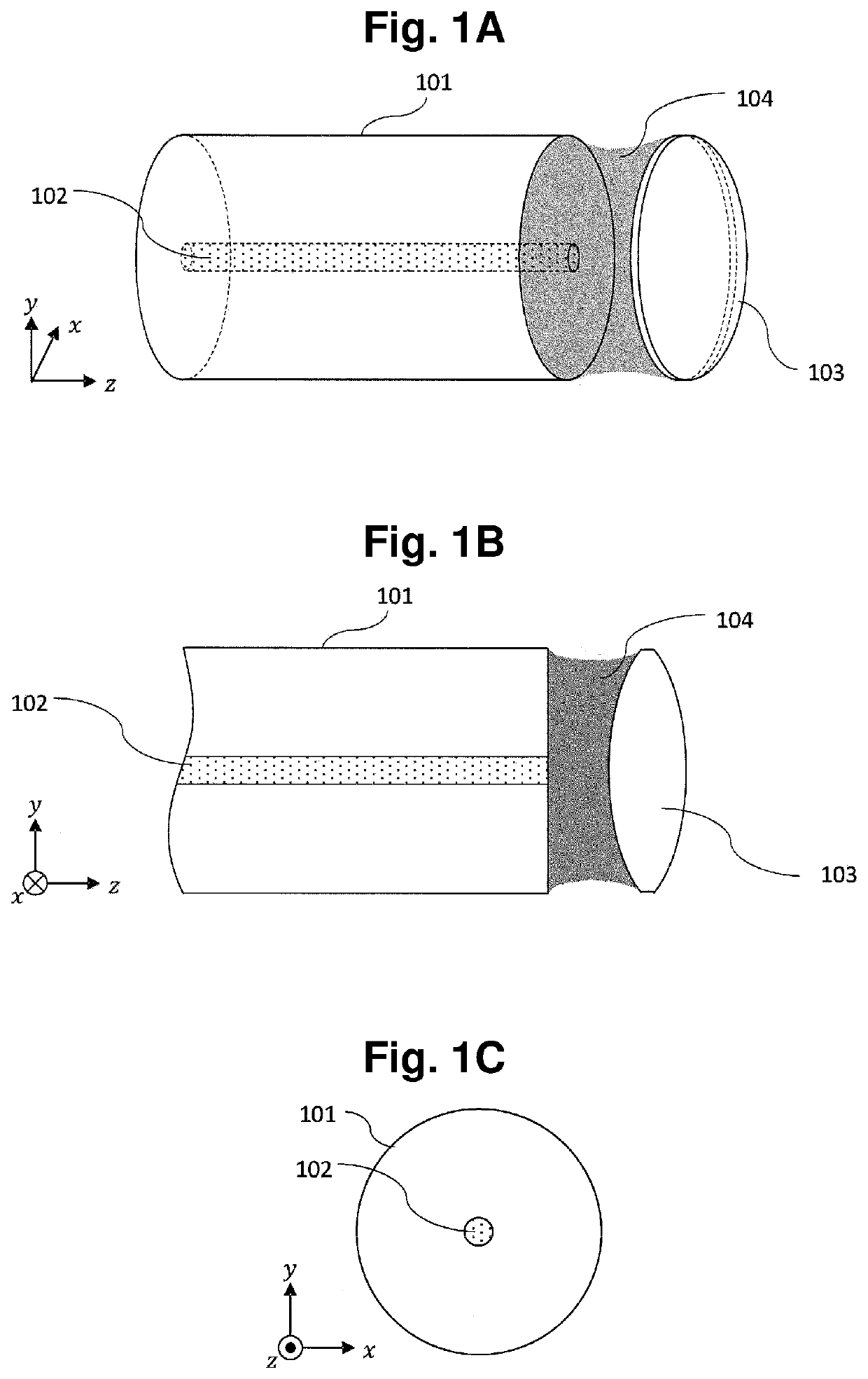
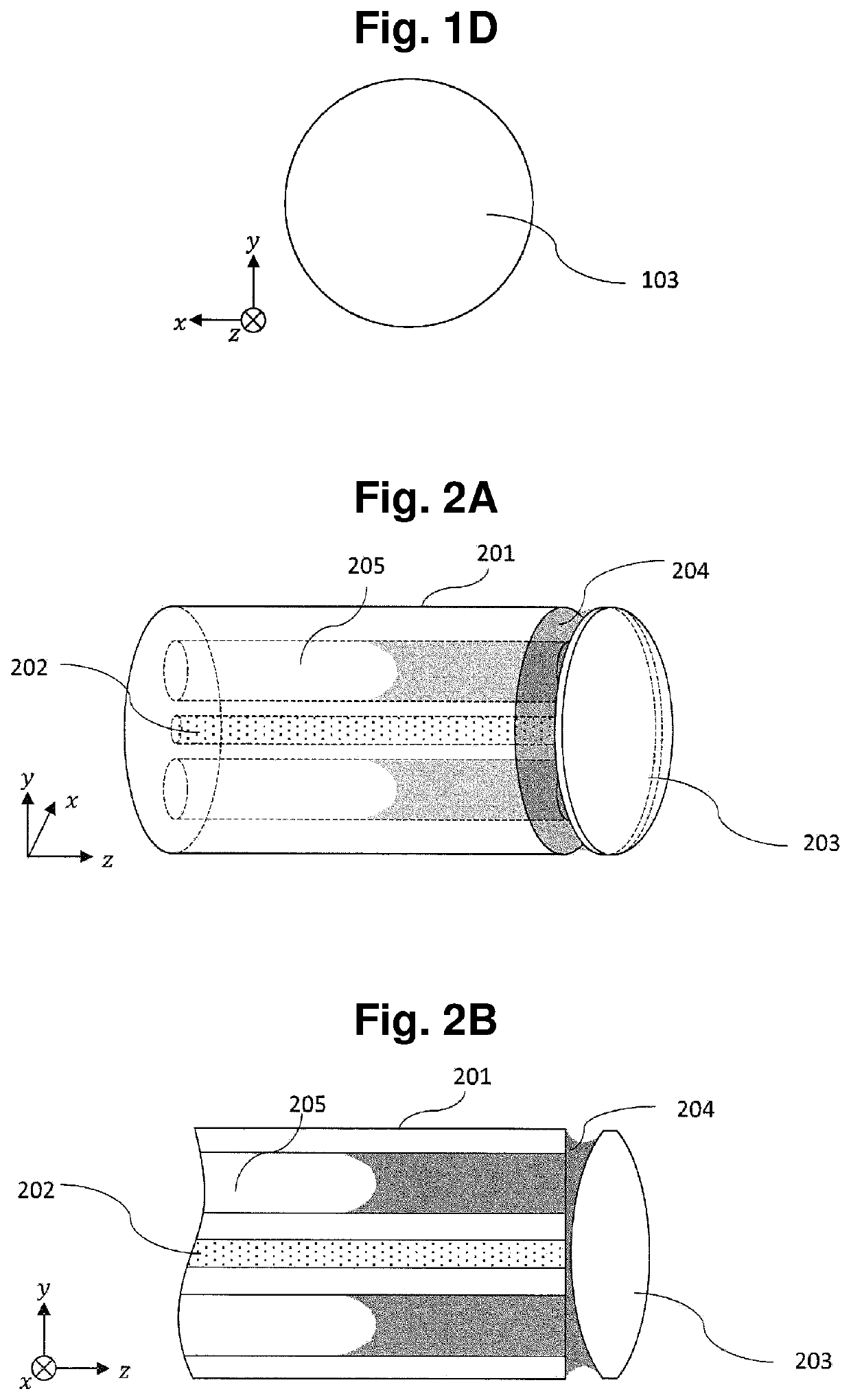
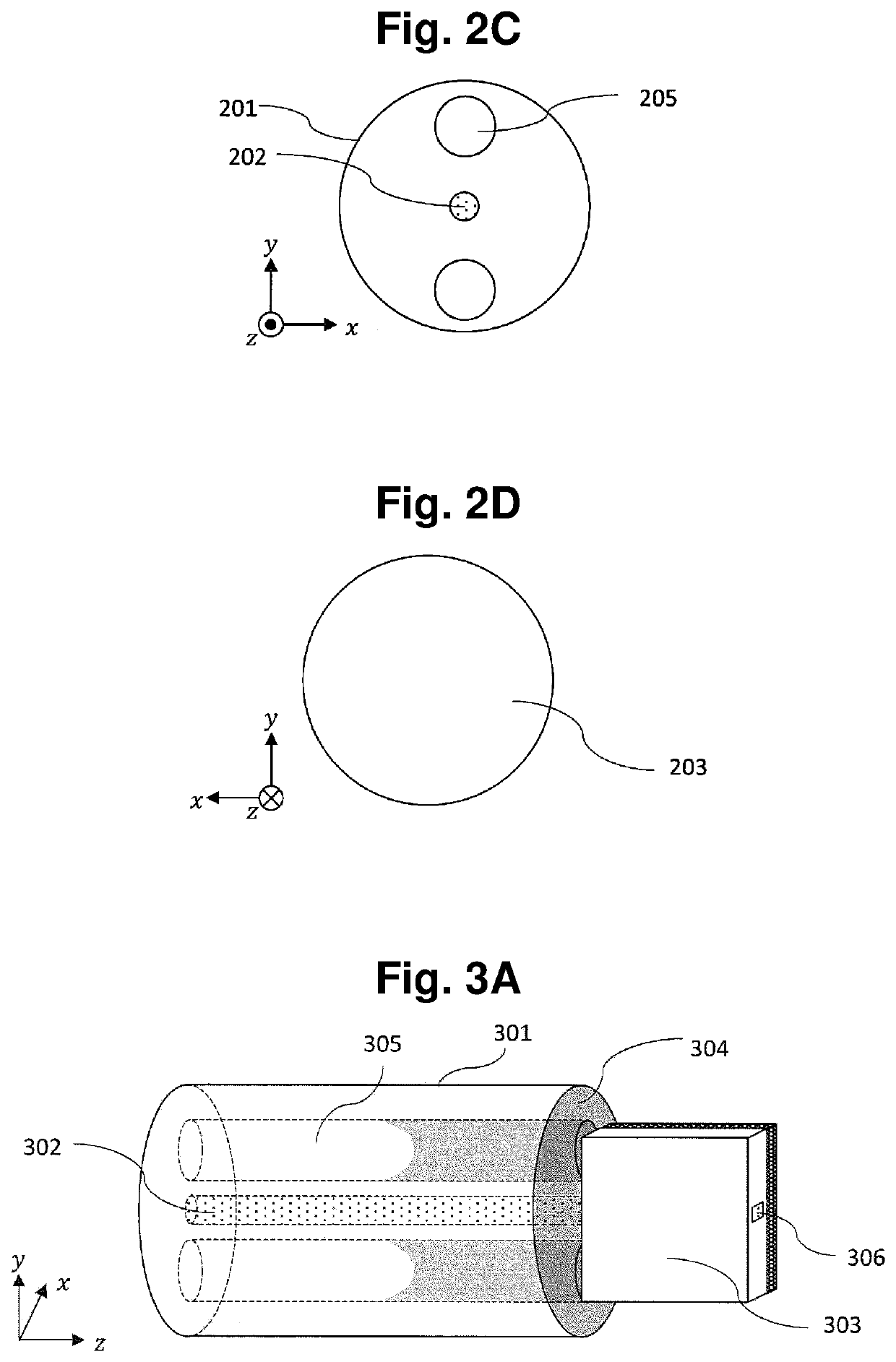
- A passive alignment method using an adhesive agent with contact angles less than 90 degrees between the optical element and fiber surfaces, leveraging surface tension for spontaneous alignment and stable coupling.

Energy Efficiency Standards for Data Center Equipment
Energy efficiency standards for data center equipment have become increasingly critical as organizations seek to optimize active alignment techniques while maintaining operational excellence. The implementation of comprehensive energy efficiency frameworks directly impacts the effectiveness of active alignment systems, creating a symbiotic relationship between power management and optical precision.
Current international standards, including ENERGY STAR specifications and the European Code of Conduct for Data Centres, establish baseline requirements for equipment power consumption and thermal management. These standards specifically address cooling systems, power distribution units, and server hardware that support active alignment infrastructure. The integration of these efficiency protocols ensures that active alignment mechanisms operate within optimal thermal envelopes while minimizing energy overhead.
The IEEE 802.3 standards family provides specific guidelines for optical transceiver power consumption, directly influencing active alignment system design. These specifications mandate maximum power draw limits for different transceiver categories, forcing manufacturers to develop more efficient alignment actuators and control circuits. Advanced power management features, such as dynamic voltage scaling and sleep mode capabilities, are now standard requirements for alignment control systems.
Emerging efficiency standards focus on holistic system optimization rather than individual component performance. The Open Compute Project has introduced specifications that emphasize thermal-aware active alignment, where alignment systems adjust their operational parameters based on ambient temperature and cooling capacity. This approach reduces overall facility energy consumption while maintaining alignment precision.
Compliance with efficiency standards requires sophisticated monitoring and reporting capabilities. Modern active alignment systems must integrate with data center infrastructure management platforms to provide real-time power consumption data and efficiency metrics. These systems enable automated optimization routines that balance alignment accuracy with energy consumption based on traffic demands and thermal conditions.
Future efficiency standards are expected to incorporate artificial intelligence-driven optimization protocols, enabling active alignment systems to predict and adapt to changing operational conditions while maintaining compliance with evolving energy efficiency requirements.
Current international standards, including ENERGY STAR specifications and the European Code of Conduct for Data Centres, establish baseline requirements for equipment power consumption and thermal management. These standards specifically address cooling systems, power distribution units, and server hardware that support active alignment infrastructure. The integration of these efficiency protocols ensures that active alignment mechanisms operate within optimal thermal envelopes while minimizing energy overhead.
The IEEE 802.3 standards family provides specific guidelines for optical transceiver power consumption, directly influencing active alignment system design. These specifications mandate maximum power draw limits for different transceiver categories, forcing manufacturers to develop more efficient alignment actuators and control circuits. Advanced power management features, such as dynamic voltage scaling and sleep mode capabilities, are now standard requirements for alignment control systems.
Emerging efficiency standards focus on holistic system optimization rather than individual component performance. The Open Compute Project has introduced specifications that emphasize thermal-aware active alignment, where alignment systems adjust their operational parameters based on ambient temperature and cooling capacity. This approach reduces overall facility energy consumption while maintaining alignment precision.
Compliance with efficiency standards requires sophisticated monitoring and reporting capabilities. Modern active alignment systems must integrate with data center infrastructure management platforms to provide real-time power consumption data and efficiency metrics. These systems enable automated optimization routines that balance alignment accuracy with energy consumption based on traffic demands and thermal conditions.
Future efficiency standards are expected to incorporate artificial intelligence-driven optimization protocols, enabling active alignment systems to predict and adapt to changing operational conditions while maintaining compliance with evolving energy efficiency requirements.
Scalability Considerations for High-Density Data Centers
The scalability of active alignment techniques in high-density data centers presents unique challenges that require careful consideration of both physical and operational constraints. As data center densities continue to increase, traditional alignment methods face significant limitations in terms of space utilization, power consumption, and maintenance accessibility. The transition from low-density facilities to hyperscale environments demands a fundamental rethinking of how active alignment systems are designed and deployed.
Physical space constraints represent the primary scalability bottleneck in high-density environments. Active alignment systems must operate within increasingly compact form factors while maintaining precision and reliability. The challenge intensifies when considering the need for simultaneous alignment of multiple optical connections in dense fiber arrays. Traditional bulky alignment mechanisms become impractical when dealing with hundreds or thousands of connections per rack unit.
Power consumption scaling becomes critical as the number of active alignment systems grows exponentially with connection density. Each active alignment mechanism requires dedicated power for motors, sensors, and control electronics. In hyperscale deployments, the cumulative power overhead can significantly impact overall data center efficiency. Advanced power management strategies, including selective activation and intelligent sleep modes, become essential for maintaining acceptable power usage effectiveness ratios.
Thermal management complexity increases substantially in high-density scenarios where active alignment systems generate additional heat loads. The proximity of multiple active components creates thermal coupling effects that can compromise alignment accuracy and system longevity. Effective thermal design must account for both direct heat generation from alignment mechanisms and indirect effects on optical component performance.
Control system architecture must evolve to handle the coordination of thousands of active alignment units simultaneously. Centralized control approaches face bandwidth and latency limitations, while fully distributed systems may lack global optimization capabilities. Hybrid architectures incorporating hierarchical control structures and edge intelligence offer promising solutions for managing large-scale deployments while maintaining real-time responsiveness.
Maintenance and serviceability considerations become paramount when scaling to high-density environments. Traditional manual intervention approaches become impractical due to physical access limitations and the sheer number of components requiring attention. Automated diagnostic capabilities, predictive maintenance algorithms, and modular replacement strategies are essential for maintaining operational efficiency at scale.
Physical space constraints represent the primary scalability bottleneck in high-density environments. Active alignment systems must operate within increasingly compact form factors while maintaining precision and reliability. The challenge intensifies when considering the need for simultaneous alignment of multiple optical connections in dense fiber arrays. Traditional bulky alignment mechanisms become impractical when dealing with hundreds or thousands of connections per rack unit.
Power consumption scaling becomes critical as the number of active alignment systems grows exponentially with connection density. Each active alignment mechanism requires dedicated power for motors, sensors, and control electronics. In hyperscale deployments, the cumulative power overhead can significantly impact overall data center efficiency. Advanced power management strategies, including selective activation and intelligent sleep modes, become essential for maintaining acceptable power usage effectiveness ratios.
Thermal management complexity increases substantially in high-density scenarios where active alignment systems generate additional heat loads. The proximity of multiple active components creates thermal coupling effects that can compromise alignment accuracy and system longevity. Effective thermal design must account for both direct heat generation from alignment mechanisms and indirect effects on optical component performance.
Control system architecture must evolve to handle the coordination of thousands of active alignment units simultaneously. Centralized control approaches face bandwidth and latency limitations, while fully distributed systems may lack global optimization capabilities. Hybrid architectures incorporating hierarchical control structures and edge intelligence offer promising solutions for managing large-scale deployments while maintaining real-time responsiveness.
Maintenance and serviceability considerations become paramount when scaling to high-density environments. Traditional manual intervention approaches become impractical due to physical access limitations and the sheer number of components requiring attention. Automated diagnostic capabilities, predictive maintenance algorithms, and modular replacement strategies are essential for maintaining operational efficiency at scale.
Unlock deeper insights with Patsnap Eureka Quick Research — get a full tech report to explore trends and direct your research. Try now!
Generate Your Research Report Instantly with AI Agent
Supercharge your innovation with Patsnap Eureka AI Agent Platform!