

Optimizing Edge Intelligence for Scalable Healthcare Applications
MAY 21, 20269 MIN READ
Generate Your Research Report Instantly with AI Agent
Patsnap Eureka helps you evaluate technical feasibility & market potential.
Edge Intelligence Healthcare Background and Objectives
Edge intelligence represents a paradigm shift in healthcare technology, combining artificial intelligence capabilities with edge computing infrastructure to process data closer to its source. This convergence addresses critical challenges in modern healthcare systems, including latency-sensitive medical applications, data privacy concerns, and bandwidth limitations inherent in traditional cloud-centric approaches. The healthcare sector generates massive volumes of data through IoT medical devices, wearable sensors, imaging equipment, and electronic health records, creating unprecedented opportunities for intelligent data processing at the network edge.
The evolution of edge intelligence in healthcare has been driven by several technological convergences. Advanced machine learning algorithms have become increasingly lightweight and optimized for resource-constrained environments. Simultaneously, edge computing hardware has evolved to support sophisticated AI workloads while maintaining power efficiency and compact form factors. This technological maturation coincides with growing demands for real-time healthcare analytics, personalized treatment protocols, and continuous patient monitoring systems.
Healthcare applications present unique requirements that make edge intelligence particularly compelling. Medical devices require ultra-low latency responses for critical patient monitoring and emergency interventions. Patient data privacy regulations, such as HIPAA and GDPR, create strong incentives for local data processing to minimize sensitive information transmission. Additionally, healthcare facilities often operate in environments with limited or unreliable internet connectivity, making edge-based processing essential for continuous operation.
The primary objective of optimizing edge intelligence for scalable healthcare applications encompasses multiple dimensions. Technical objectives include developing efficient AI model compression techniques, implementing robust edge orchestration frameworks, and creating seamless integration protocols between edge nodes and existing healthcare infrastructure. Performance objectives focus on achieving real-time processing capabilities while maintaining clinical-grade accuracy and reliability standards.
Scalability represents a fundamental challenge requiring innovative architectural approaches. Healthcare systems must accommodate varying computational demands across different facility sizes, from small clinics to large hospital networks. The optimization framework must support dynamic resource allocation, automated model deployment, and intelligent workload distribution across heterogeneous edge environments.
Security and compliance objectives are paramount in healthcare edge intelligence implementations. Systems must incorporate advanced encryption, secure model inference, and comprehensive audit trails while maintaining operational efficiency. The optimization strategy must balance computational performance with stringent healthcare data protection requirements, ensuring patient privacy without compromising analytical capabilities.
The evolution of edge intelligence in healthcare has been driven by several technological convergences. Advanced machine learning algorithms have become increasingly lightweight and optimized for resource-constrained environments. Simultaneously, edge computing hardware has evolved to support sophisticated AI workloads while maintaining power efficiency and compact form factors. This technological maturation coincides with growing demands for real-time healthcare analytics, personalized treatment protocols, and continuous patient monitoring systems.
Healthcare applications present unique requirements that make edge intelligence particularly compelling. Medical devices require ultra-low latency responses for critical patient monitoring and emergency interventions. Patient data privacy regulations, such as HIPAA and GDPR, create strong incentives for local data processing to minimize sensitive information transmission. Additionally, healthcare facilities often operate in environments with limited or unreliable internet connectivity, making edge-based processing essential for continuous operation.
The primary objective of optimizing edge intelligence for scalable healthcare applications encompasses multiple dimensions. Technical objectives include developing efficient AI model compression techniques, implementing robust edge orchestration frameworks, and creating seamless integration protocols between edge nodes and existing healthcare infrastructure. Performance objectives focus on achieving real-time processing capabilities while maintaining clinical-grade accuracy and reliability standards.
Scalability represents a fundamental challenge requiring innovative architectural approaches. Healthcare systems must accommodate varying computational demands across different facility sizes, from small clinics to large hospital networks. The optimization framework must support dynamic resource allocation, automated model deployment, and intelligent workload distribution across heterogeneous edge environments.
Security and compliance objectives are paramount in healthcare edge intelligence implementations. Systems must incorporate advanced encryption, secure model inference, and comprehensive audit trails while maintaining operational efficiency. The optimization strategy must balance computational performance with stringent healthcare data protection requirements, ensuring patient privacy without compromising analytical capabilities.
Market Demand for Scalable Edge Healthcare Solutions
The global healthcare industry is experiencing unprecedented demand for scalable edge intelligence solutions, driven by the convergence of aging populations, rising chronic disease prevalence, and the imperative for cost-effective care delivery. Healthcare systems worldwide face mounting pressure to extend quality care beyond traditional clinical settings while managing resource constraints and improving patient outcomes.
Remote patient monitoring represents one of the fastest-growing segments within edge healthcare applications. The proliferation of wearable devices, IoT sensors, and mobile health platforms has created substantial market opportunities for real-time health data processing at the network edge. Healthcare providers increasingly seek solutions that can process vital signs, medication adherence data, and behavioral patterns locally, reducing latency and enabling immediate clinical interventions.
Telemedicine and virtual care platforms constitute another significant demand driver for edge intelligence solutions. The shift toward distributed healthcare delivery models requires robust edge computing capabilities to support high-quality video consultations, real-time diagnostic imaging analysis, and seamless electronic health record integration. Healthcare organizations prioritize solutions that can maintain service quality while accommodating fluctuating patient volumes and geographic distribution challenges.
Emergency response and critical care applications demonstrate particularly acute demand for scalable edge solutions. First responders and emergency medical services require instant access to patient data, predictive analytics, and decision support tools that function reliably in resource-constrained environments. The ability to process medical imaging, vital signs monitoring, and treatment protocols at the point of care has become essential for improving emergency outcomes.
Healthcare data privacy and regulatory compliance requirements significantly influence market demand patterns. Organizations seek edge intelligence solutions that can process sensitive health information locally while maintaining HIPAA compliance and other regulatory standards. This regulatory landscape creates substantial market opportunities for solutions that combine advanced analytics capabilities with robust security and privacy protection mechanisms.
The market demand extends beyond traditional healthcare providers to include pharmaceutical companies, medical device manufacturers, and health insurance organizations. These stakeholders require scalable edge solutions for clinical trial monitoring, drug adherence tracking, population health management, and risk assessment applications. The convergence of these diverse market segments creates a substantial addressable market for optimized edge intelligence platforms specifically designed for healthcare applications.
Remote patient monitoring represents one of the fastest-growing segments within edge healthcare applications. The proliferation of wearable devices, IoT sensors, and mobile health platforms has created substantial market opportunities for real-time health data processing at the network edge. Healthcare providers increasingly seek solutions that can process vital signs, medication adherence data, and behavioral patterns locally, reducing latency and enabling immediate clinical interventions.
Telemedicine and virtual care platforms constitute another significant demand driver for edge intelligence solutions. The shift toward distributed healthcare delivery models requires robust edge computing capabilities to support high-quality video consultations, real-time diagnostic imaging analysis, and seamless electronic health record integration. Healthcare organizations prioritize solutions that can maintain service quality while accommodating fluctuating patient volumes and geographic distribution challenges.
Emergency response and critical care applications demonstrate particularly acute demand for scalable edge solutions. First responders and emergency medical services require instant access to patient data, predictive analytics, and decision support tools that function reliably in resource-constrained environments. The ability to process medical imaging, vital signs monitoring, and treatment protocols at the point of care has become essential for improving emergency outcomes.
Healthcare data privacy and regulatory compliance requirements significantly influence market demand patterns. Organizations seek edge intelligence solutions that can process sensitive health information locally while maintaining HIPAA compliance and other regulatory standards. This regulatory landscape creates substantial market opportunities for solutions that combine advanced analytics capabilities with robust security and privacy protection mechanisms.
The market demand extends beyond traditional healthcare providers to include pharmaceutical companies, medical device manufacturers, and health insurance organizations. These stakeholders require scalable edge solutions for clinical trial monitoring, drug adherence tracking, population health management, and risk assessment applications. The convergence of these diverse market segments creates a substantial addressable market for optimized edge intelligence platforms specifically designed for healthcare applications.
Current State and Challenges of Edge AI in Healthcare
Edge AI in healthcare has experienced remarkable growth over the past decade, driven by the convergence of advanced machine learning algorithms, miniaturized computing hardware, and the increasing digitization of medical services. Current implementations span diverse applications including real-time patient monitoring through wearable devices, medical imaging analysis at point-of-care locations, and predictive analytics for early disease detection. Major healthcare institutions have begun deploying edge computing solutions to process sensitive patient data locally, reducing latency and enhancing privacy compliance.
The technological landscape is dominated by specialized AI chips designed for healthcare applications, including NVIDIA's Clara platform, Intel's OpenVINO toolkit, and custom ASIC solutions from emerging startups. These platforms enable real-time processing of complex medical algorithms on resource-constrained devices, from portable ultrasound machines to smart hospital beds equipped with continuous monitoring capabilities.
Despite significant progress, several critical challenges impede widespread adoption and scalability. Computational limitations remain a primary constraint, as sophisticated deep learning models often exceed the processing capabilities of edge devices, forcing compromises between model accuracy and inference speed. Power consumption presents another significant hurdle, particularly for battery-operated medical devices that must maintain continuous operation while running AI algorithms.
Data heterogeneity across different healthcare systems creates substantial integration challenges. Medical devices from various manufacturers often use proprietary data formats and communication protocols, making it difficult to develop standardized edge AI solutions that can seamlessly operate across diverse healthcare environments. This fragmentation limits the scalability potential of edge intelligence systems.
Regulatory compliance adds another layer of complexity, as healthcare AI systems must meet stringent FDA approval processes and maintain compliance with HIPAA privacy regulations. The distributed nature of edge computing complicates audit trails and data governance, creating uncertainty around regulatory pathways for novel edge AI applications.
Interoperability issues persist between legacy healthcare infrastructure and modern edge AI systems. Many hospitals operate on decades-old electronic health record systems that lack the APIs and data standards necessary for seamless integration with contemporary AI platforms. This technological gap requires significant investment in system upgrades and staff training.
Security vulnerabilities represent a growing concern as edge devices often lack robust cybersecurity measures found in centralized systems. The distributed deployment of AI-enabled medical devices creates multiple attack vectors that could compromise patient safety and data integrity, requiring comprehensive security frameworks specifically designed for healthcare edge environments.
The technological landscape is dominated by specialized AI chips designed for healthcare applications, including NVIDIA's Clara platform, Intel's OpenVINO toolkit, and custom ASIC solutions from emerging startups. These platforms enable real-time processing of complex medical algorithms on resource-constrained devices, from portable ultrasound machines to smart hospital beds equipped with continuous monitoring capabilities.
Despite significant progress, several critical challenges impede widespread adoption and scalability. Computational limitations remain a primary constraint, as sophisticated deep learning models often exceed the processing capabilities of edge devices, forcing compromises between model accuracy and inference speed. Power consumption presents another significant hurdle, particularly for battery-operated medical devices that must maintain continuous operation while running AI algorithms.
Data heterogeneity across different healthcare systems creates substantial integration challenges. Medical devices from various manufacturers often use proprietary data formats and communication protocols, making it difficult to develop standardized edge AI solutions that can seamlessly operate across diverse healthcare environments. This fragmentation limits the scalability potential of edge intelligence systems.
Regulatory compliance adds another layer of complexity, as healthcare AI systems must meet stringent FDA approval processes and maintain compliance with HIPAA privacy regulations. The distributed nature of edge computing complicates audit trails and data governance, creating uncertainty around regulatory pathways for novel edge AI applications.
Interoperability issues persist between legacy healthcare infrastructure and modern edge AI systems. Many hospitals operate on decades-old electronic health record systems that lack the APIs and data standards necessary for seamless integration with contemporary AI platforms. This technological gap requires significant investment in system upgrades and staff training.
Security vulnerabilities represent a growing concern as edge devices often lack robust cybersecurity measures found in centralized systems. The distributed deployment of AI-enabled medical devices creates multiple attack vectors that could compromise patient safety and data integrity, requiring comprehensive security frameworks specifically designed for healthcare edge environments.
Existing Edge AI Optimization Solutions for Healthcare
01 Edge computing architectures and frameworks
Systems and methods for implementing distributed computing architectures that bring computation and data storage closer to the sources of data. These frameworks enable processing at the network edge to reduce latency, improve response times, and enhance overall system performance. The architectures typically involve edge nodes, gateways, and distributed processing units that work together to handle computational tasks locally rather than relying solely on centralized cloud resources.- Edge computing architectures and frameworks: Systems and methods for implementing distributed computing architectures that bring computation and data storage closer to the location where it is needed. These frameworks enable processing at the edge of networks to reduce latency, improve response times, and enhance overall system performance. The architectures typically involve edge nodes, gateways, and distributed processing units that work together to handle computational tasks locally rather than relying solely on centralized cloud services.
- Machine learning and AI at the edge: Implementation of artificial intelligence and machine learning algorithms directly on edge devices to enable real-time decision making and data processing. This approach allows for intelligent processing without requiring constant connectivity to cloud services, enabling autonomous operation and reduced bandwidth requirements. The systems can perform inference, pattern recognition, and adaptive learning locally on resource-constrained devices.
- Edge device management and orchestration: Systems for managing, coordinating, and orchestrating multiple edge devices and their computational resources. These solutions provide centralized control and monitoring capabilities while maintaining distributed processing benefits. The management systems handle resource allocation, task scheduling, device provisioning, and performance optimization across edge computing networks.
- Data processing and analytics at network edge: Methods and systems for performing real-time data processing, analysis, and filtering at the edge of networks before transmitting to central systems. This includes techniques for data aggregation, preprocessing, and intelligent filtering to reduce bandwidth usage and improve response times. The systems enable local data insights and decision-making while maintaining data quality and relevance.
- Edge security and privacy protection: Security frameworks and privacy protection mechanisms specifically designed for edge computing environments. These systems address unique security challenges in distributed edge networks, including device authentication, secure communication protocols, data encryption at the edge, and privacy-preserving computation methods. The solutions ensure data protection while maintaining the performance benefits of edge processing.
02 Machine learning and AI at the edge
Implementation of artificial intelligence and machine learning algorithms directly on edge devices to enable real-time decision making and data processing. This approach allows for intelligent processing without requiring constant connectivity to cloud services, enabling autonomous operation and reduced bandwidth requirements. The systems can perform inference, pattern recognition, and predictive analytics locally on edge hardware.Expand Specific Solutions03 Edge device management and orchestration
Systems for managing, monitoring, and coordinating multiple edge devices and their computational resources. These solutions provide centralized control over distributed edge infrastructure, including device provisioning, software updates, resource allocation, and performance monitoring. The management systems ensure optimal utilization of edge resources and maintain system reliability across the distributed network.Expand Specific Solutions04 Edge data processing and analytics
Methods and systems for processing, analyzing, and extracting insights from data directly at the edge of the network. These solutions enable real-time data analytics, filtering, and preprocessing before data transmission to central systems. The processing capabilities include data aggregation, compression, and intelligent filtering to optimize bandwidth usage and provide immediate actionable insights.Expand Specific Solutions05 Edge security and privacy protection
Security frameworks and privacy protection mechanisms specifically designed for edge computing environments. These systems address the unique security challenges of distributed edge infrastructure, including device authentication, data encryption, secure communication protocols, and privacy-preserving computation. The solutions ensure data protection and system integrity while maintaining the performance benefits of edge processing.Expand Specific Solutions
Key Players in Edge Healthcare Intelligence Market
The edge intelligence for healthcare applications market is experiencing rapid growth, driven by increasing demand for real-time medical data processing and remote patient monitoring. The industry is in an expansion phase with significant market potential, as healthcare digitization accelerates globally. Technology maturity varies considerably across players, with established tech giants like Huawei, Samsung Electronics, Intel, and IBM leading in advanced edge computing solutions and AI integration. Telecommunications providers including Ericsson, China Unicom, and NEC contribute robust network infrastructure capabilities. Healthcare-focused companies like Fresenius Vial and Shanghai Shumu Medical bring domain expertise, while consulting firms such as Accenture and TCS offer implementation services. Academic institutions including University of Texas System, Tongji University, and University of South Florida drive research innovation. The competitive landscape shows a convergence of hardware manufacturers, software developers, and service providers, indicating a maturing ecosystem with diverse technological approaches and varying levels of healthcare-specific optimization.
Huawei Technologies Co., Ltd.
Technical Solution: Huawei has developed a comprehensive edge intelligence platform for healthcare applications, featuring their Ascend AI processors and MindSpore framework optimized for medical data processing. Their solution includes federated learning capabilities that enable distributed model training across healthcare institutions while maintaining data privacy. The platform supports real-time medical image analysis, patient monitoring, and predictive analytics at the edge, reducing latency from cloud processing by up to 80%. Their Atlas edge computing series provides specialized hardware acceleration for medical AI workloads, with power consumption optimized for hospital environments and mobile healthcare devices.
Strengths: Strong hardware-software integration, proven federated learning implementation, comprehensive ecosystem. Weaknesses: Limited market access in some regions due to regulatory restrictions, higher initial deployment costs.
Samsung Electronics Co., Ltd.
Technical Solution: Samsung's healthcare edge intelligence platform combines their Exynos processors with custom neural processing units designed for medical applications. Their solution emphasizes mobile and wearable healthcare devices, enabling continuous patient monitoring and real-time health analytics. The platform supports advanced sensor fusion for multi-modal health data collection, including ECG, blood pressure, and glucose monitoring with edge-based AI processing. Samsung's approach includes secure enclave technology for protecting sensitive health data and supports 5G connectivity for seamless integration with hospital networks and telemedicine platforms.
Strengths: Strong mobile and wearable device integration, advanced sensor technologies, secure data processing capabilities. Weaknesses: Limited enterprise healthcare infrastructure experience, smaller ecosystem compared to traditional IT vendors.
Core Technologies in Healthcare Edge Intelligence
Edge intelligence platform, and internet of things sensor streams system
PatentActiveUS10007513B2
Innovation
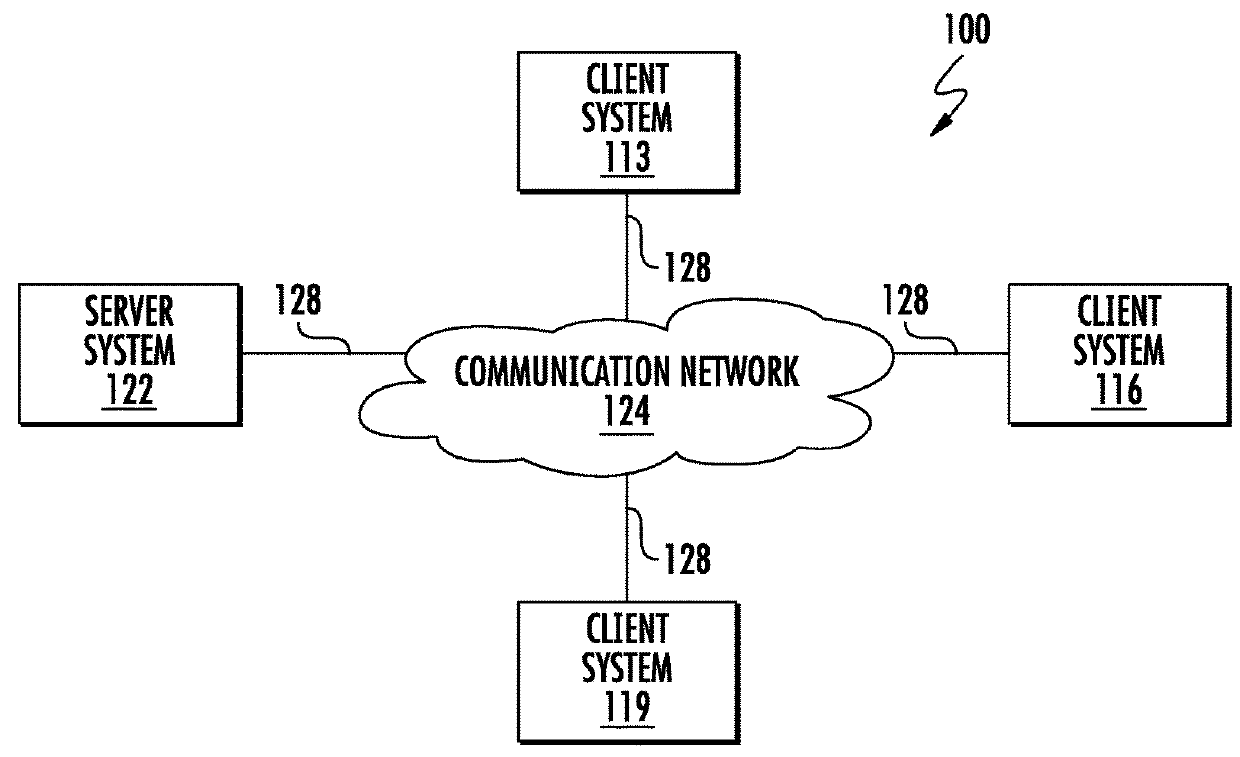
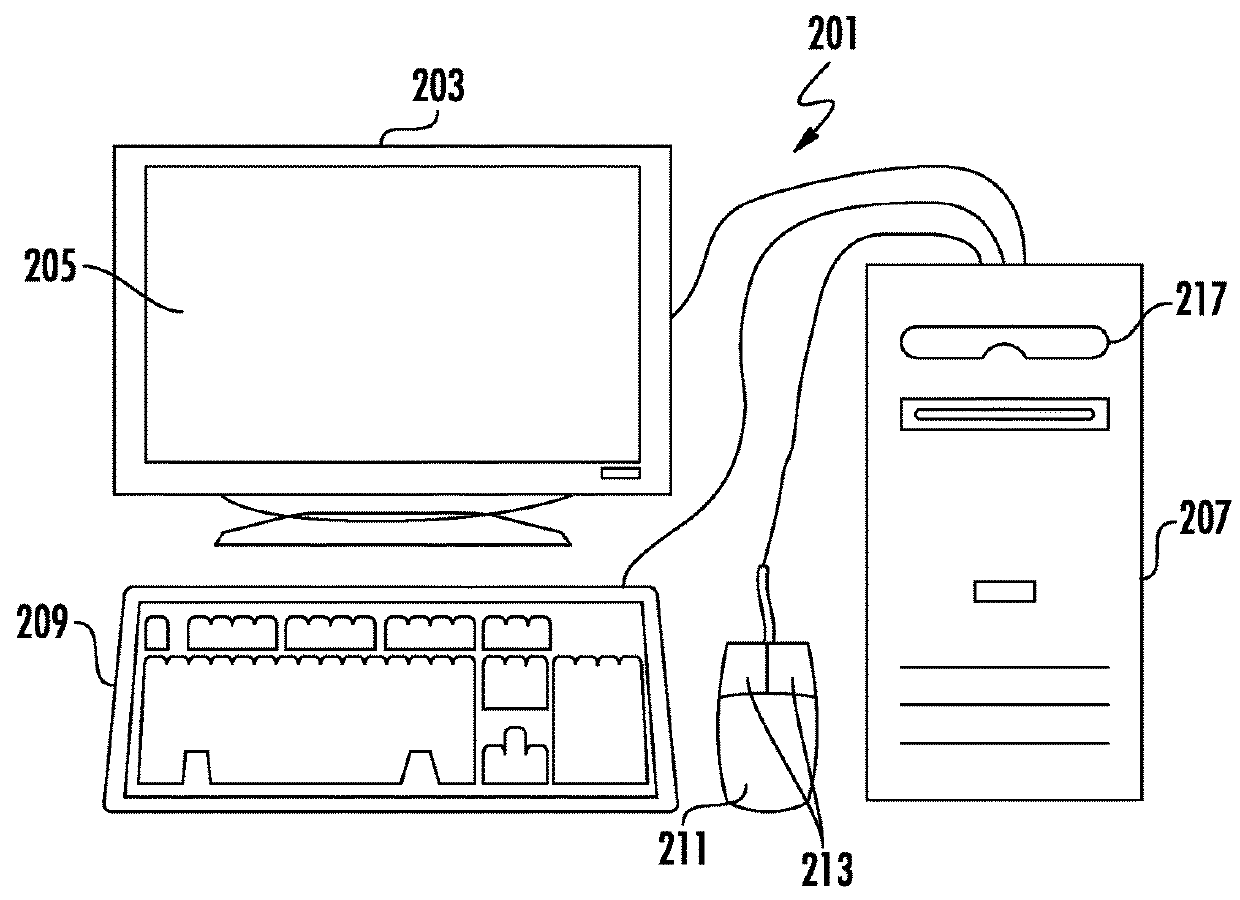
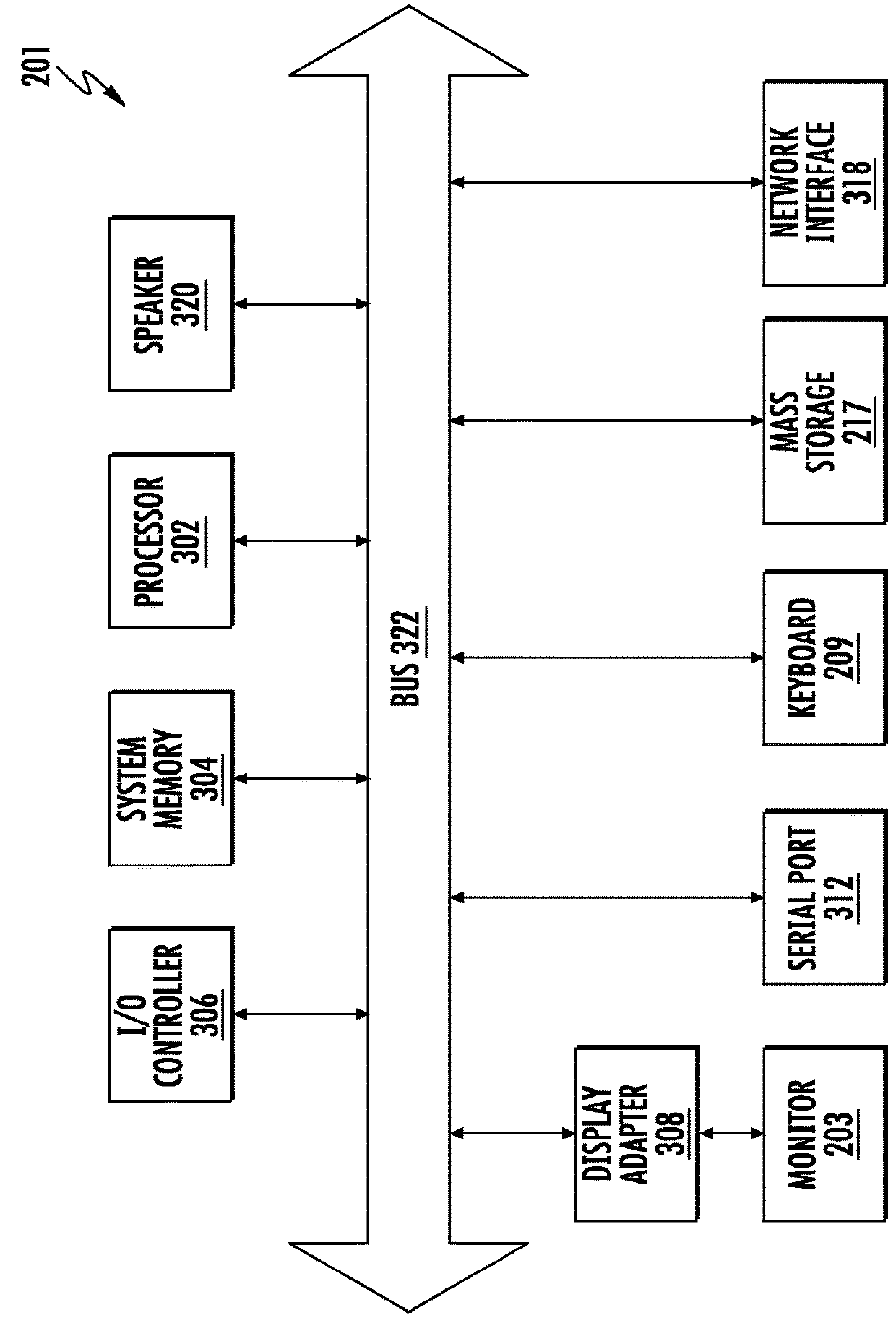
- The implementation of an edge computing platform that processes and analyzes data closer to the source using a software layer hosted on gateway devices or embedded systems, enabling real-time analytics and automated responses through a highly expressive computer language and a complex event processing engine, while also allowing data to be published to the cloud for further machine learning.

Healthcare Data Privacy and Regulatory Compliance
Healthcare data privacy and regulatory compliance represent critical foundational elements for implementing edge intelligence in scalable healthcare applications. The healthcare sector operates under stringent regulatory frameworks that vary significantly across jurisdictions, with HIPAA in the United States, GDPR in Europe, and similar data protection laws worldwide establishing mandatory requirements for patient data handling, storage, and transmission.
Edge computing architectures in healthcare environments must navigate complex compliance landscapes where patient data sovereignty becomes paramount. Unlike centralized cloud systems, edge deployments distribute sensitive health information across multiple nodes, creating additional compliance checkpoints and audit requirements. Each edge device processing patient data must maintain encryption standards, access controls, and audit trails that satisfy regulatory mandates while ensuring real-time processing capabilities.
The distributed nature of edge intelligence introduces unique privacy challenges, particularly regarding data minimization principles and purpose limitation requirements. Healthcare organizations must implement privacy-by-design frameworks that ensure only necessary patient data reaches edge nodes, with automated anonymization and pseudonymization processes occurring at the data source. This approach requires sophisticated data governance mechanisms that can dynamically classify and route healthcare information based on sensitivity levels and regulatory requirements.
Regulatory compliance in edge healthcare deployments demands robust consent management systems that can operate across distributed infrastructures. Patients must maintain granular control over their data usage, with consent preferences propagated seamlessly across edge nodes. This requirement necessitates standardized consent frameworks that can accommodate varying regional regulations while maintaining interoperability between healthcare systems and edge computing platforms.
Cross-border data transfer regulations pose additional complexity for scalable healthcare edge deployments. Healthcare organizations operating across multiple jurisdictions must implement data localization strategies that ensure patient information remains within appropriate geographical boundaries while maintaining system functionality. This challenge requires sophisticated data routing algorithms and regional edge infrastructure that can support healthcare applications without compromising regulatory compliance or system performance.
Edge computing architectures in healthcare environments must navigate complex compliance landscapes where patient data sovereignty becomes paramount. Unlike centralized cloud systems, edge deployments distribute sensitive health information across multiple nodes, creating additional compliance checkpoints and audit requirements. Each edge device processing patient data must maintain encryption standards, access controls, and audit trails that satisfy regulatory mandates while ensuring real-time processing capabilities.
The distributed nature of edge intelligence introduces unique privacy challenges, particularly regarding data minimization principles and purpose limitation requirements. Healthcare organizations must implement privacy-by-design frameworks that ensure only necessary patient data reaches edge nodes, with automated anonymization and pseudonymization processes occurring at the data source. This approach requires sophisticated data governance mechanisms that can dynamically classify and route healthcare information based on sensitivity levels and regulatory requirements.
Regulatory compliance in edge healthcare deployments demands robust consent management systems that can operate across distributed infrastructures. Patients must maintain granular control over their data usage, with consent preferences propagated seamlessly across edge nodes. This requirement necessitates standardized consent frameworks that can accommodate varying regional regulations while maintaining interoperability between healthcare systems and edge computing platforms.
Cross-border data transfer regulations pose additional complexity for scalable healthcare edge deployments. Healthcare organizations operating across multiple jurisdictions must implement data localization strategies that ensure patient information remains within appropriate geographical boundaries while maintaining system functionality. This challenge requires sophisticated data routing algorithms and regional edge infrastructure that can support healthcare applications without compromising regulatory compliance or system performance.
Clinical Validation and Safety Standards for Edge AI
Clinical validation and safety standards represent critical gatekeepers for edge AI deployment in healthcare environments. The regulatory landscape requires comprehensive validation protocols that address both algorithmic performance and patient safety considerations. Current frameworks demand rigorous testing across diverse patient populations, clinical settings, and use cases to ensure robust performance before deployment.
The FDA's Software as Medical Device (SaMD) framework provides foundational guidance for edge AI validation, establishing risk-based classification systems that determine validation requirements. High-risk applications such as diagnostic imaging AI require extensive clinical trials with statistical significance, while lower-risk monitoring applications may follow streamlined pathways. European MDR regulations impose additional requirements for post-market surveillance and continuous monitoring of AI performance.
Safety standards for edge AI encompass multiple dimensions including data integrity, algorithmic transparency, and fail-safe mechanisms. ISO 14155 clinical investigation standards apply to AI systems, requiring detailed protocols for patient consent, data collection, and adverse event reporting. The emerging ISO/IEC 23053 framework specifically addresses AI system lifecycle processes, emphasizing validation throughout development and deployment phases.
Edge deployment introduces unique validation challenges compared to cloud-based systems. Limited computational resources may affect model performance, requiring validation across different hardware configurations and network conditions. Real-time processing constraints demand validation of latency-sensitive applications under various operational scenarios, ensuring consistent performance regardless of edge infrastructure variations.
Interoperability standards such as HL7 FHIR and DICOM become crucial for edge AI integration within existing healthcare workflows. Validation protocols must verify seamless data exchange and compatibility with electronic health record systems. Security validation following HIPAA and GDPR requirements ensures patient data protection throughout the edge processing pipeline.
Continuous monitoring frameworks enable post-deployment validation, tracking model drift and performance degradation over time. Automated quality assurance systems can detect anomalies in AI outputs, triggering alerts for clinical review. These systems must balance sensitivity with specificity to avoid alert fatigue while maintaining patient safety standards.
The FDA's Software as Medical Device (SaMD) framework provides foundational guidance for edge AI validation, establishing risk-based classification systems that determine validation requirements. High-risk applications such as diagnostic imaging AI require extensive clinical trials with statistical significance, while lower-risk monitoring applications may follow streamlined pathways. European MDR regulations impose additional requirements for post-market surveillance and continuous monitoring of AI performance.
Safety standards for edge AI encompass multiple dimensions including data integrity, algorithmic transparency, and fail-safe mechanisms. ISO 14155 clinical investigation standards apply to AI systems, requiring detailed protocols for patient consent, data collection, and adverse event reporting. The emerging ISO/IEC 23053 framework specifically addresses AI system lifecycle processes, emphasizing validation throughout development and deployment phases.
Edge deployment introduces unique validation challenges compared to cloud-based systems. Limited computational resources may affect model performance, requiring validation across different hardware configurations and network conditions. Real-time processing constraints demand validation of latency-sensitive applications under various operational scenarios, ensuring consistent performance regardless of edge infrastructure variations.
Interoperability standards such as HL7 FHIR and DICOM become crucial for edge AI integration within existing healthcare workflows. Validation protocols must verify seamless data exchange and compatibility with electronic health record systems. Security validation following HIPAA and GDPR requirements ensures patient data protection throughout the edge processing pipeline.
Continuous monitoring frameworks enable post-deployment validation, tracking model drift and performance degradation over time. Automated quality assurance systems can detect anomalies in AI outputs, triggering alerts for clinical review. These systems must balance sensitivity with specificity to avoid alert fatigue while maintaining patient safety standards.
Unlock deeper insights with Patsnap Eureka Quick Research — get a full tech report to explore trends and direct your research. Try now!
Generate Your Research Report Instantly with AI Agent
Supercharge your innovation with Patsnap Eureka AI Agent Platform!