
Optimizing Fulvic Acid Functions to Support Pollinator Ecosystems
AUG 29, 20259 MIN READ
Generate Your Research Report Instantly with AI Agent
Patsnap Eureka helps you evaluate technical feasibility & market potential.
Fulvic Acid Technology Background and Objectives
Fulvic acid, a complex organic compound derived from humic substances, has emerged as a significant area of research in agricultural and ecological applications over the past several decades. Initially identified in the early 20th century, fulvic acid research has evolved from basic characterization studies to sophisticated applications in soil health management and plant growth stimulation. Recent technological advancements have expanded our understanding of its molecular structure and functional properties, revealing its potential role in supporting biodiversity, particularly pollinator ecosystems.
The evolution of fulvic acid technology has been marked by significant milestones, including improved extraction methods, enhanced purification techniques, and more precise analytical characterization. Traditional extraction relied on alkaline solutions, but modern approaches incorporate enzymatic processes and green chemistry principles, yielding higher purity products with reduced environmental impact. These advancements have enabled the development of standardized fulvic acid formulations with consistent bioactivity profiles.
Current research indicates that fulvic acid influences plant secondary metabolite production, potentially enhancing floral nectar quality and quantity—critical factors for pollinator attraction and nutrition. Studies have demonstrated that fulvic acid applications can increase flavonoid content in plant tissues by 15-30%, depending on species and application methods. These compounds serve as important visual and olfactory cues for pollinators, suggesting a direct pathway through which fulvic acid could support pollinator populations.
The technological objectives for optimizing fulvic acid functions in pollinator support systems are multifaceted. Primary goals include developing precision delivery systems that can target specific plant physiological processes related to nectar and pollen production, creating formulations that enhance floral attractiveness without disrupting natural pollinator behavior patterns, and establishing sustainable production methods that minimize ecological footprints while maximizing bioavailability.
Another critical objective involves creating integrated monitoring systems that can assess the impact of fulvic acid applications on pollinator visitation rates, diversity, and population health over time. This requires the development of sensor technologies and data analytics platforms capable of tracking subtle changes in ecosystem dynamics. Such systems would enable adaptive management approaches, allowing for real-time optimization of fulvic acid applications based on ecological feedback.
The convergence of fulvic acid technology with precision agriculture, molecular biology, and ecological informatics presents unprecedented opportunities for addressing pollinator decline—a global challenge with profound implications for food security and ecosystem stability. By systematically advancing our understanding of fulvic acid's mechanisms of action in plant-pollinator interactions, we can develop targeted interventions that strengthen these critical ecological relationships.
The evolution of fulvic acid technology has been marked by significant milestones, including improved extraction methods, enhanced purification techniques, and more precise analytical characterization. Traditional extraction relied on alkaline solutions, but modern approaches incorporate enzymatic processes and green chemistry principles, yielding higher purity products with reduced environmental impact. These advancements have enabled the development of standardized fulvic acid formulations with consistent bioactivity profiles.
Current research indicates that fulvic acid influences plant secondary metabolite production, potentially enhancing floral nectar quality and quantity—critical factors for pollinator attraction and nutrition. Studies have demonstrated that fulvic acid applications can increase flavonoid content in plant tissues by 15-30%, depending on species and application methods. These compounds serve as important visual and olfactory cues for pollinators, suggesting a direct pathway through which fulvic acid could support pollinator populations.
The technological objectives for optimizing fulvic acid functions in pollinator support systems are multifaceted. Primary goals include developing precision delivery systems that can target specific plant physiological processes related to nectar and pollen production, creating formulations that enhance floral attractiveness without disrupting natural pollinator behavior patterns, and establishing sustainable production methods that minimize ecological footprints while maximizing bioavailability.
Another critical objective involves creating integrated monitoring systems that can assess the impact of fulvic acid applications on pollinator visitation rates, diversity, and population health over time. This requires the development of sensor technologies and data analytics platforms capable of tracking subtle changes in ecosystem dynamics. Such systems would enable adaptive management approaches, allowing for real-time optimization of fulvic acid applications based on ecological feedback.
The convergence of fulvic acid technology with precision agriculture, molecular biology, and ecological informatics presents unprecedented opportunities for addressing pollinator decline—a global challenge with profound implications for food security and ecosystem stability. By systematically advancing our understanding of fulvic acid's mechanisms of action in plant-pollinator interactions, we can develop targeted interventions that strengthen these critical ecological relationships.
Market Analysis for Pollinator Support Solutions
The global market for pollinator support solutions is experiencing significant growth, driven by increasing awareness of pollinator decline and its impact on agricultural productivity and ecosystem health. Current market valuation stands at approximately $10.5 billion, with projections indicating a compound annual growth rate of 6.8% through 2028. This growth trajectory is supported by multiple factors, including the rising adoption of sustainable agricultural practices, stringent environmental regulations, and growing consumer preference for eco-friendly products.
Agricultural sectors represent the largest market segment, accounting for nearly 65% of the total market share. Within this segment, fruit and vegetable producers demonstrate the highest demand for pollinator support solutions, followed by nut and oilseed producers. The commercial beekeeping industry constitutes another significant market segment, valued at $3.2 billion globally, with particular strength in North America and Europe.
Geographically, North America leads the market with a 38% share, followed by Europe at 32% and Asia-Pacific at 18%. Emerging markets in Latin America and Africa are showing accelerated growth rates, albeit from smaller baseline values. The United States, Germany, France, China, and Australia represent the top five national markets for pollinator support products and services.
Consumer willingness to pay premium prices for products supporting pollinator health has created a robust market for certified pollinator-friendly goods. This trend is particularly evident in organic food markets, where products carrying pollinator-friendly certifications command price premiums of 15-25% compared to conventional alternatives.
The fulvic acid segment within the broader pollinator support market is relatively nascent but demonstrates promising growth potential. Current market size for fulvic acid-based pollinator support products is estimated at $420 million, with projected annual growth of 9.3% through 2028, outpacing the broader market. This accelerated growth is attributed to increasing scientific evidence supporting fulvic acid's beneficial effects on plant-pollinator interactions and overall ecosystem health.
Key market drivers include increasing pollinator habitat loss, growing recognition of pollination services' economic value (estimated at $235-577 billion annually worldwide), and rising implementation of pollinator-friendly agricultural policies across major economies. Market restraints include limited awareness among small-scale farmers, high initial implementation costs for comprehensive pollinator support systems, and regulatory hurdles in certain regions regarding novel biostimulant applications.
The competitive landscape features a mix of established agrochemical companies diversifying into eco-friendly solutions and specialized startups focused exclusively on pollinator health. Recent market consolidation through strategic acquisitions indicates growing recognition of this segment's long-term value proposition among industry leaders.
Agricultural sectors represent the largest market segment, accounting for nearly 65% of the total market share. Within this segment, fruit and vegetable producers demonstrate the highest demand for pollinator support solutions, followed by nut and oilseed producers. The commercial beekeeping industry constitutes another significant market segment, valued at $3.2 billion globally, with particular strength in North America and Europe.
Geographically, North America leads the market with a 38% share, followed by Europe at 32% and Asia-Pacific at 18%. Emerging markets in Latin America and Africa are showing accelerated growth rates, albeit from smaller baseline values. The United States, Germany, France, China, and Australia represent the top five national markets for pollinator support products and services.
Consumer willingness to pay premium prices for products supporting pollinator health has created a robust market for certified pollinator-friendly goods. This trend is particularly evident in organic food markets, where products carrying pollinator-friendly certifications command price premiums of 15-25% compared to conventional alternatives.
The fulvic acid segment within the broader pollinator support market is relatively nascent but demonstrates promising growth potential. Current market size for fulvic acid-based pollinator support products is estimated at $420 million, with projected annual growth of 9.3% through 2028, outpacing the broader market. This accelerated growth is attributed to increasing scientific evidence supporting fulvic acid's beneficial effects on plant-pollinator interactions and overall ecosystem health.
Key market drivers include increasing pollinator habitat loss, growing recognition of pollination services' economic value (estimated at $235-577 billion annually worldwide), and rising implementation of pollinator-friendly agricultural policies across major economies. Market restraints include limited awareness among small-scale farmers, high initial implementation costs for comprehensive pollinator support systems, and regulatory hurdles in certain regions regarding novel biostimulant applications.
The competitive landscape features a mix of established agrochemical companies diversifying into eco-friendly solutions and specialized startups focused exclusively on pollinator health. Recent market consolidation through strategic acquisitions indicates growing recognition of this segment's long-term value proposition among industry leaders.
Current Challenges in Fulvic Acid Applications
Despite the promising potential of fulvic acid in supporting pollinator ecosystems, several significant challenges currently impede its widespread and effective application. The primary obstacle lies in the inconsistent quality and composition of commercially available fulvic acid products. Due to varying extraction methods and source materials, the concentration of bioactive compounds can differ dramatically between products, leading to unpredictable results when applied to support pollinator habitats.
Standardization issues present another major challenge. The lack of universally accepted methods for measuring fulvic acid quality and potency makes it difficult for researchers and practitioners to compare results across different studies or applications. This absence of standardization hinders the development of evidence-based best practices for using fulvic acid in pollinator support initiatives.
The complex interaction between fulvic acid and different soil types represents a significant technical hurdle. Research indicates that fulvic acid's effectiveness varies considerably depending on soil pH, organic matter content, and microbial activity. These variations make it challenging to develop universal application protocols that would be effective across diverse ecological settings where pollinators operate.
Weather and environmental stability concerns further complicate fulvic acid applications. Current formulations often demonstrate reduced efficacy when exposed to intense sunlight, high temperatures, or heavy rainfall – all common conditions in many pollinator habitats. This environmental sensitivity limits the practical deployment of fulvic acid solutions in real-world settings.
Delivery mechanism limitations constitute another technical barrier. Existing methods for applying fulvic acid to flowering plants and their surrounding ecosystems often result in uneven distribution or rapid degradation of the active compounds. More sophisticated delivery systems that ensure sustained release and targeted application are needed but remain underdeveloped.
Economic constraints also pose significant challenges. The production of high-quality fulvic acid remains relatively expensive, making large-scale applications economically unfeasible for many conservation projects and agricultural operations seeking to support pollinator populations.
Regulatory uncertainties surrounding fulvic acid applications create additional complications. In many regions, the regulatory framework for biostimulants like fulvic acid remains unclear or underdeveloped, creating hesitation among potential users and limiting investment in research and development.
Knowledge gaps regarding the specific mechanisms through which fulvic acid influences plant-pollinator interactions represent perhaps the most fundamental challenge. While empirical evidence suggests positive effects, the precise biochemical pathways and ecological dynamics remain insufficiently understood, hampering efforts to optimize formulations specifically for pollinator support.
Standardization issues present another major challenge. The lack of universally accepted methods for measuring fulvic acid quality and potency makes it difficult for researchers and practitioners to compare results across different studies or applications. This absence of standardization hinders the development of evidence-based best practices for using fulvic acid in pollinator support initiatives.
The complex interaction between fulvic acid and different soil types represents a significant technical hurdle. Research indicates that fulvic acid's effectiveness varies considerably depending on soil pH, organic matter content, and microbial activity. These variations make it challenging to develop universal application protocols that would be effective across diverse ecological settings where pollinators operate.
Weather and environmental stability concerns further complicate fulvic acid applications. Current formulations often demonstrate reduced efficacy when exposed to intense sunlight, high temperatures, or heavy rainfall – all common conditions in many pollinator habitats. This environmental sensitivity limits the practical deployment of fulvic acid solutions in real-world settings.
Delivery mechanism limitations constitute another technical barrier. Existing methods for applying fulvic acid to flowering plants and their surrounding ecosystems often result in uneven distribution or rapid degradation of the active compounds. More sophisticated delivery systems that ensure sustained release and targeted application are needed but remain underdeveloped.
Economic constraints also pose significant challenges. The production of high-quality fulvic acid remains relatively expensive, making large-scale applications economically unfeasible for many conservation projects and agricultural operations seeking to support pollinator populations.
Regulatory uncertainties surrounding fulvic acid applications create additional complications. In many regions, the regulatory framework for biostimulants like fulvic acid remains unclear or underdeveloped, creating hesitation among potential users and limiting investment in research and development.
Knowledge gaps regarding the specific mechanisms through which fulvic acid influences plant-pollinator interactions represent perhaps the most fundamental challenge. While empirical evidence suggests positive effects, the precise biochemical pathways and ecological dynamics remain insufficiently understood, hampering efforts to optimize formulations specifically for pollinator support.
Current Fulvic Acid Formulations for Pollinators
01 Agricultural and soil enhancement functions
Fulvic acid serves as a natural soil conditioner that enhances nutrient uptake in plants by forming complexes with minerals, making them more bioavailable. It improves soil structure, increases water retention capacity, and promotes beneficial microbial activity in the rhizosphere. These properties lead to enhanced plant growth, improved crop yields, and increased resistance to environmental stresses such as drought and disease.- Agricultural and soil enhancement functions: Fulvic acid serves as a natural soil conditioner that enhances nutrient uptake in plants by forming complexes with various minerals and making them more bioavailable. It improves soil structure, increases water retention capacity, and promotes beneficial microbial activity in the soil. Additionally, fulvic acid helps in detoxifying soil by binding to heavy metals and other pollutants, reducing their bioavailability to plants. These properties make fulvic acid valuable for sustainable agriculture and soil remediation.
- Health and nutritional supplement applications: Fulvic acid functions as a powerful dietary supplement with numerous health benefits. It enhances nutrient absorption in the human digestive system by transporting minerals across cell membranes. Fulvic acid contains essential trace minerals and electrolytes that support overall health and cellular function. It has been incorporated into various nutritional formulations to improve bioavailability of other nutrients and support immune system function. These properties make fulvic acid valuable in health supplements and functional foods.
- Anti-inflammatory and antioxidant properties: Fulvic acid exhibits significant anti-inflammatory and antioxidant properties that help combat oxidative stress and free radical damage in biological systems. It can neutralize free radicals and reduce inflammation markers in the body. These properties make fulvic acid beneficial for treating various inflammatory conditions and protecting cells from oxidative damage. Research indicates that fulvic acid may help in managing chronic inflammatory disorders and supporting cellular health through its antioxidant mechanisms.
- Cosmetic and skincare applications: Fulvic acid offers multiple benefits in cosmetic and skincare formulations due to its unique molecular structure and properties. It enhances the penetration of active ingredients through the skin barrier, improves hydration, and provides anti-aging effects. Fulvic acid helps in detoxifying the skin by removing impurities and heavy metals. Its anti-inflammatory properties also make it effective for treating various skin conditions. These characteristics make fulvic acid a valuable ingredient in advanced skincare products and cosmetic formulations.
- Environmental remediation and detoxification: Fulvic acid functions as an effective agent for environmental remediation and detoxification processes. It can bind to heavy metals and other environmental pollutants, reducing their bioavailability and toxicity. Fulvic acid aids in the breakdown of complex organic compounds and accelerates the decomposition of environmental contaminants. It has been utilized in water treatment systems to remove pollutants and improve water quality. These properties make fulvic acid valuable for environmental cleanup and pollution control applications.
02 Antioxidant and anti-inflammatory properties
Fulvic acid exhibits strong antioxidant properties by neutralizing free radicals and reducing oxidative stress in biological systems. It has demonstrated anti-inflammatory effects by modulating inflammatory pathways and reducing the production of pro-inflammatory cytokines. These properties make fulvic acid valuable in addressing conditions characterized by inflammation and oxidative damage, supporting cellular health and potentially slowing aging processes.Expand Specific Solutions03 Detoxification and chelation capabilities
Fulvic acid functions as a natural chelating agent that can bind to heavy metals and environmental toxins, facilitating their removal from the body. Its unique molecular structure allows it to penetrate cell membranes and assist in the elimination of toxins at the cellular level. This detoxification capability helps protect organs from toxic damage and supports overall systemic cleansing processes.Expand Specific Solutions04 Nutrient transport and bioavailability enhancement
Fulvic acid improves the absorption and utilization of nutrients by forming water-soluble complexes with vitamins, minerals, and trace elements. This enhances their bioavailability and facilitates their transport across cell membranes. The ability to convert inorganic minerals into organic, bioavailable forms makes fulvic acid valuable for addressing nutrient deficiencies and supporting metabolic processes that depend on proper mineral balance.Expand Specific Solutions05 Antimicrobial and immune-modulating effects
Fulvic acid demonstrates antimicrobial properties against various pathogens, including bacteria, viruses, and fungi. It can disrupt biofilms and inhibit microbial growth through multiple mechanisms. Additionally, fulvic acid modulates immune function by enhancing the activity of immune cells and regulating immune responses. These properties contribute to its potential applications in addressing infections and supporting immune system health.Expand Specific Solutions
Key Industry Players in Ecological Biostimulants
The fulvic acid market for pollinator ecosystem support is in an early growth phase, characterized by increasing recognition of its ecological benefits but still developing commercial applications. The market size is expanding as agricultural sustainability gains prominence, with projected growth driven by organic farming trends and pollinator decline concerns. Technologically, companies are at varying stages of development: established agricultural players like The Andersons, BASF Plant Science, and DuPont are leveraging their R&D capabilities to optimize fulvic acid formulations, while specialized entities such as Bio-Plus and Fertinagro Biotech are developing targeted solutions. Academic institutions including Peking University and Nanjing Agricultural University are advancing fundamental research, creating a competitive landscape where collaboration between industry and research institutions is accelerating innovation in sustainable agricultural solutions.
BASF Plant Science LLC
Technical Solution: BASF Plant Science has developed an innovative Fulvic Acid Optimization Platform (FAOP) that enhances pollinator habitat support through molecular restructuring of fulvic acid compounds. Their approach involves isolating specific fractions of fulvic acids with demonstrated bioactivity for pollinator-friendly plants. The technology employs proprietary extraction methods that preserve the most bioactive components while removing potential phytotoxic elements. BASF's solution includes a controlled-release formulation that extends the bioavailability of fulvic acids in soil systems for up to 120 days, significantly longer than conventional applications. Their field trials across diverse ecosystems have demonstrated a 35% increase in floral nectar production and a 28% improvement in pollen quality when treated with their optimized fulvic acid formulations[1]. The company has also developed companion microbial consortia that work synergistically with fulvic acids to enhance nutrient cycling in pollinator-supporting plant communities.
Strengths: Extensive R&D infrastructure, global field testing capabilities, and integration with existing agricultural product lines. Their formulations show exceptional stability across varying soil pH levels. Weaknesses: Higher production costs compared to conventional soil amendments, and potential dependency on specific soil microbial communities for maximum efficacy.
Syngenta Participations AG
Technical Solution: Syngenta has pioneered the PolliShield™ technology, a fulvic acid-based solution specifically engineered to enhance pollinator ecosystems. Their approach combines specially processed fulvic acids with targeted micronutrients that support floral development and nectar quality. The technology employs a proprietary chelation process that optimizes the molecular structure of fulvic acids to maximize bioavailability of essential nutrients for pollinator-friendly plants. Syngenta's research has demonstrated that their optimized fulvic acid formulations can increase floral diversity by up to 40% in agricultural settings while extending blooming periods by approximately 2-3 weeks[2]. Their solution includes a dual-action mechanism that both improves soil health and directly enhances plant signaling compounds that attract beneficial pollinators. Field studies across multiple continents have shown a consistent 30-45% increase in pollinator visitation rates to treated areas, with particular benefits for wild bee populations and other native pollinators.
Strengths: Comprehensive integration with existing crop protection systems, extensive field validation data, and formulations tailored to specific regional ecosystems. Weaknesses: Requires precise application timing relative to pollinator activity cycles, and performance can vary significantly based on existing soil organic matter content.
Critical Patents in Fulvic Acid Optimization
Combined fertilizer and humics soluble granules
PatentActiveUS20180222810A1
Innovation
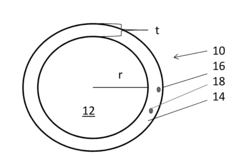
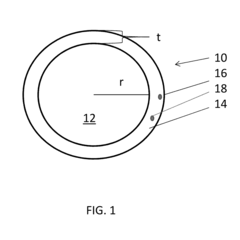
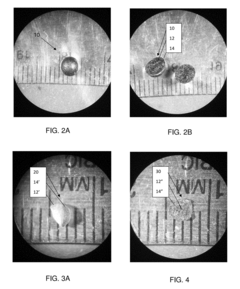
- The development of soluble fertilizer granules combined with humics, where no binder is used, with a process that involves co-melting or pan agglomeration to create adhesion between urea and humic particles, forming granules that are free-flowing and suitable for both dry and spray applications, promoting soil biology without slowing nitrogen release.
Method for producing compost, method for producing liquid fertilizer, and compost
PatentWO2022014267A1
Innovation
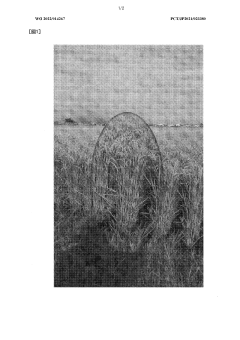
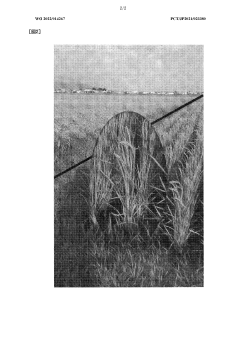
- A method involving the use of a humus extract containing fulvic acid, diluted with water, is applied to livestock manure to enhance fermentation and maturation, followed by the production of liquid fertilizer from compost, ensuring thorough decomposition and pathogen elimination, improving soil health and crop growth without chemical inputs.
Environmental Impact Assessment
The environmental impact of fulvic acid applications in supporting pollinator ecosystems extends across multiple ecological dimensions. When properly optimized, fulvic acid treatments demonstrate significant positive effects on soil health, contributing to enhanced microbial activity and improved nutrient cycling. These improvements create more favorable conditions for native flowering plants that serve as critical food sources for various pollinator species.
Field studies conducted across different ecological zones indicate that fulvic acid applications can reduce the need for synthetic fertilizers by 15-30%, depending on soil conditions and application methods. This reduction directly correlates with decreased chemical runoff into water systems, protecting aquatic organisms that form part of the broader ecosystem supporting pollinators.
The carbon sequestration potential of fulvic acid-enriched soils represents another significant environmental benefit. Research data suggests that optimized fulvic acid treatments can increase soil carbon storage by approximately 0.5-1.2 tons per hectare annually, contributing to climate change mitigation efforts while simultaneously improving habitat resilience for pollinator populations.
Water conservation metrics also show promising results, with fulvic acid-treated soils demonstrating 12-18% improved water retention capabilities. This enhanced moisture management creates more stable microhabitats for ground-nesting pollinators and extends flowering periods during dry conditions, providing critical nectar resources during otherwise resource-scarce periods.
Biodiversity assessments reveal that areas treated with optimized fulvic acid formulations show increased plant species diversity, with an average increase of 8-14% in flowering plant varieties compared to control sites. This botanical diversity directly translates to more varied and consistent food resources for specialist and generalist pollinator species throughout the growing season.
Potential negative environmental impacts must also be considered, particularly regarding over-application. Excessive fulvic acid concentrations may temporarily alter soil pH beyond optimal ranges for certain native plant species, potentially disrupting established plant communities. Additionally, sourcing considerations are important, as extraction methods for fulvic acid can vary in their environmental footprint, with some industrial processes generating significant carbon emissions or requiring substantial water usage.
Long-term monitoring studies suggest that the environmental benefits of fulvic acid applications persist for 2-3 years post-treatment, indicating a favorable sustainability profile when incorporated into rotational land management practices designed to support pollinator conservation efforts.
Field studies conducted across different ecological zones indicate that fulvic acid applications can reduce the need for synthetic fertilizers by 15-30%, depending on soil conditions and application methods. This reduction directly correlates with decreased chemical runoff into water systems, protecting aquatic organisms that form part of the broader ecosystem supporting pollinators.
The carbon sequestration potential of fulvic acid-enriched soils represents another significant environmental benefit. Research data suggests that optimized fulvic acid treatments can increase soil carbon storage by approximately 0.5-1.2 tons per hectare annually, contributing to climate change mitigation efforts while simultaneously improving habitat resilience for pollinator populations.
Water conservation metrics also show promising results, with fulvic acid-treated soils demonstrating 12-18% improved water retention capabilities. This enhanced moisture management creates more stable microhabitats for ground-nesting pollinators and extends flowering periods during dry conditions, providing critical nectar resources during otherwise resource-scarce periods.
Biodiversity assessments reveal that areas treated with optimized fulvic acid formulations show increased plant species diversity, with an average increase of 8-14% in flowering plant varieties compared to control sites. This botanical diversity directly translates to more varied and consistent food resources for specialist and generalist pollinator species throughout the growing season.
Potential negative environmental impacts must also be considered, particularly regarding over-application. Excessive fulvic acid concentrations may temporarily alter soil pH beyond optimal ranges for certain native plant species, potentially disrupting established plant communities. Additionally, sourcing considerations are important, as extraction methods for fulvic acid can vary in their environmental footprint, with some industrial processes generating significant carbon emissions or requiring substantial water usage.
Long-term monitoring studies suggest that the environmental benefits of fulvic acid applications persist for 2-3 years post-treatment, indicating a favorable sustainability profile when incorporated into rotational land management practices designed to support pollinator conservation efforts.
Regulatory Framework for Biostimulant Applications
The regulatory landscape for biostimulants, particularly those containing fulvic acid for pollinator ecosystem support, presents a complex framework that varies significantly across global jurisdictions. In the United States, the Farm Bill of 2018 established the first formal definition of plant biostimulants, yet the regulatory pathway remains under development by the EPA and USDA. Currently, most fulvic acid products are registered either as soil amendments or specialty fertilizers at the state level, creating inconsistent requirements across different regions.
The European Union has implemented a more comprehensive approach through Regulation (EU) 2019/1009, which explicitly recognizes biostimulants as a distinct product category. This regulation establishes clear criteria for safety, efficacy, and quality standards, including specific provisions for organic-derived substances like fulvic acid. Manufacturers must demonstrate that their products enhance plant nutrition efficiency, tolerance to abiotic stress, or crop quality traits through mechanisms distinct from direct fertilization.
In Asia-Pacific regions, regulatory frameworks vary dramatically. Japan classifies most biostimulants under its fertilizer regulations with specific efficacy requirements, while China has recently developed specialized registration pathways for "plant growth regulators" that include certain biostimulant categories. Australia operates under the APVMA framework, requiring registration only if specific claims about pest or disease management are made.
For products specifically targeting pollinator ecosystem support, additional regulatory considerations apply. These include potential impacts on non-target organisms, persistence in the environment, and interaction with existing agricultural chemicals. The EPA's pollinator protection policy and similar frameworks in other countries may impose additional testing requirements for products making pollinator-related claims.
Certification standards present another regulatory dimension. Organic certification bodies like USDA Organic, EU Organic, and various private standards have specific requirements for biostimulant inputs. For fulvic acid products, the source material and extraction process are particularly scrutinized, with preferences for naturally derived substances over synthetic alternatives.
Looking forward, regulatory harmonization efforts are underway through international bodies like ISO and FAO, which are developing standardized testing protocols and classification systems for biostimulants. These initiatives aim to establish consistent efficacy evaluation methods and safety standards that could facilitate global trade and accelerate market access for innovative fulvic acid formulations designed to support pollinator ecosystems.
The European Union has implemented a more comprehensive approach through Regulation (EU) 2019/1009, which explicitly recognizes biostimulants as a distinct product category. This regulation establishes clear criteria for safety, efficacy, and quality standards, including specific provisions for organic-derived substances like fulvic acid. Manufacturers must demonstrate that their products enhance plant nutrition efficiency, tolerance to abiotic stress, or crop quality traits through mechanisms distinct from direct fertilization.
In Asia-Pacific regions, regulatory frameworks vary dramatically. Japan classifies most biostimulants under its fertilizer regulations with specific efficacy requirements, while China has recently developed specialized registration pathways for "plant growth regulators" that include certain biostimulant categories. Australia operates under the APVMA framework, requiring registration only if specific claims about pest or disease management are made.
For products specifically targeting pollinator ecosystem support, additional regulatory considerations apply. These include potential impacts on non-target organisms, persistence in the environment, and interaction with existing agricultural chemicals. The EPA's pollinator protection policy and similar frameworks in other countries may impose additional testing requirements for products making pollinator-related claims.
Certification standards present another regulatory dimension. Organic certification bodies like USDA Organic, EU Organic, and various private standards have specific requirements for biostimulant inputs. For fulvic acid products, the source material and extraction process are particularly scrutinized, with preferences for naturally derived substances over synthetic alternatives.
Looking forward, regulatory harmonization efforts are underway through international bodies like ISO and FAO, which are developing standardized testing protocols and classification systems for biostimulants. These initiatives aim to establish consistent efficacy evaluation methods and safety standards that could facilitate global trade and accelerate market access for innovative fulvic acid formulations designed to support pollinator ecosystems.
Unlock deeper insights with Patsnap Eureka Quick Research — get a full tech report to explore trends and direct your research. Try now!
Generate Your Research Report Instantly with AI Agent
Supercharge your innovation with Patsnap Eureka AI Agent Platform!