

Optimizing Software Development with Digital Technology
FEB 25, 20269 MIN READ
Generate Your Research Report Instantly with AI Agent
Patsnap Eureka helps you evaluate technical feasibility & market potential.
Digital Software Development Background and Objectives
The evolution of software development has undergone a profound transformation over the past several decades, transitioning from traditional waterfall methodologies to modern agile and DevOps practices. This transformation has been significantly accelerated by the integration of digital technologies, which have fundamentally reshaped how software is conceived, developed, tested, and deployed. The historical progression from manual coding processes to automated, intelligent development environments represents a paradigm shift that continues to define the industry's trajectory.
Digital technology integration in software development encompasses a broad spectrum of innovations, including artificial intelligence-powered code generation, cloud-native development platforms, automated testing frameworks, and intelligent project management systems. These technologies have emerged as critical enablers for addressing the increasing complexity of modern software systems while simultaneously reducing development cycles and improving code quality. The convergence of machine learning, automation, and collaborative platforms has created unprecedented opportunities for optimization across the entire software development lifecycle.
The primary objective of optimizing software development through digital technology centers on achieving enhanced productivity, improved code quality, and accelerated time-to-market delivery. Organizations seek to leverage digital tools to eliminate repetitive manual tasks, reduce human error, and enable development teams to focus on high-value creative and strategic activities. This optimization extends beyond mere efficiency gains to encompass fundamental improvements in software reliability, maintainability, and scalability.
Contemporary development environments increasingly emphasize the integration of intelligent automation tools that can predict potential issues, suggest optimal solutions, and facilitate seamless collaboration among distributed teams. The objective framework includes establishing continuous integration and continuous deployment pipelines that leverage digital technologies to ensure rapid, reliable software delivery while maintaining rigorous quality standards.
The strategic goals encompass creating adaptive development ecosystems that can respond dynamically to changing requirements, market conditions, and technological advances. This involves implementing data-driven decision-making processes, establishing metrics-based performance evaluation systems, and fostering innovation through experimental digital tool adoption. The ultimate aim is to transform software development from a traditionally labor-intensive process into an intelligent, automated, and highly efficient operation that maximizes both human creativity and technological capability.
Digital technology integration in software development encompasses a broad spectrum of innovations, including artificial intelligence-powered code generation, cloud-native development platforms, automated testing frameworks, and intelligent project management systems. These technologies have emerged as critical enablers for addressing the increasing complexity of modern software systems while simultaneously reducing development cycles and improving code quality. The convergence of machine learning, automation, and collaborative platforms has created unprecedented opportunities for optimization across the entire software development lifecycle.
The primary objective of optimizing software development through digital technology centers on achieving enhanced productivity, improved code quality, and accelerated time-to-market delivery. Organizations seek to leverage digital tools to eliminate repetitive manual tasks, reduce human error, and enable development teams to focus on high-value creative and strategic activities. This optimization extends beyond mere efficiency gains to encompass fundamental improvements in software reliability, maintainability, and scalability.
Contemporary development environments increasingly emphasize the integration of intelligent automation tools that can predict potential issues, suggest optimal solutions, and facilitate seamless collaboration among distributed teams. The objective framework includes establishing continuous integration and continuous deployment pipelines that leverage digital technologies to ensure rapid, reliable software delivery while maintaining rigorous quality standards.
The strategic goals encompass creating adaptive development ecosystems that can respond dynamically to changing requirements, market conditions, and technological advances. This involves implementing data-driven decision-making processes, establishing metrics-based performance evaluation systems, and fostering innovation through experimental digital tool adoption. The ultimate aim is to transform software development from a traditionally labor-intensive process into an intelligent, automated, and highly efficient operation that maximizes both human creativity and technological capability.
Market Demand for Digital Development Solutions
The global software development industry is experiencing unprecedented transformation driven by digital technology adoption across all sectors. Organizations worldwide are increasingly recognizing the critical need for optimized development processes to maintain competitive advantage in rapidly evolving markets. This demand stems from mounting pressure to deliver high-quality software products faster while managing complex technological ecosystems and evolving customer expectations.
Enterprise digital transformation initiatives have become a primary catalyst for market growth in digital development solutions. Companies across industries are modernizing legacy systems, adopting cloud-native architectures, and implementing DevOps practices to accelerate time-to-market. The shift toward remote and hybrid work models has further intensified the need for collaborative development platforms and automated workflow solutions that enable distributed teams to maintain productivity and code quality.
The rise of artificial intelligence and machine learning applications has created substantial demand for specialized development tools and platforms. Organizations require sophisticated solutions for managing AI model development lifecycles, automated testing frameworks, and intelligent code generation capabilities. This trend is particularly pronounced in sectors such as healthcare, finance, and autonomous systems where software reliability and performance are paramount.
Cloud computing adoption continues to drive market expansion as organizations migrate from traditional on-premises development environments to cloud-based platforms. The demand for containerization technologies, microservices architectures, and serverless computing solutions reflects the industry's shift toward more scalable and flexible development approaches. Infrastructure-as-Code and Platform-as-a-Service offerings are experiencing significant growth as organizations seek to standardize and automate their development environments.
Cybersecurity concerns have elevated the importance of secure development practices, creating robust demand for integrated security testing tools and compliance management solutions. Organizations are investing heavily in DevSecOps platforms that embed security considerations throughout the development lifecycle rather than treating security as an afterthought.
The increasing complexity of modern software systems has generated strong market demand for advanced monitoring, debugging, and performance optimization tools. Real-time analytics platforms and intelligent error detection systems are becoming essential components of development workflows as organizations strive to maintain system reliability and user experience quality in production environments.
Enterprise digital transformation initiatives have become a primary catalyst for market growth in digital development solutions. Companies across industries are modernizing legacy systems, adopting cloud-native architectures, and implementing DevOps practices to accelerate time-to-market. The shift toward remote and hybrid work models has further intensified the need for collaborative development platforms and automated workflow solutions that enable distributed teams to maintain productivity and code quality.
The rise of artificial intelligence and machine learning applications has created substantial demand for specialized development tools and platforms. Organizations require sophisticated solutions for managing AI model development lifecycles, automated testing frameworks, and intelligent code generation capabilities. This trend is particularly pronounced in sectors such as healthcare, finance, and autonomous systems where software reliability and performance are paramount.
Cloud computing adoption continues to drive market expansion as organizations migrate from traditional on-premises development environments to cloud-based platforms. The demand for containerization technologies, microservices architectures, and serverless computing solutions reflects the industry's shift toward more scalable and flexible development approaches. Infrastructure-as-Code and Platform-as-a-Service offerings are experiencing significant growth as organizations seek to standardize and automate their development environments.
Cybersecurity concerns have elevated the importance of secure development practices, creating robust demand for integrated security testing tools and compliance management solutions. Organizations are investing heavily in DevSecOps platforms that embed security considerations throughout the development lifecycle rather than treating security as an afterthought.
The increasing complexity of modern software systems has generated strong market demand for advanced monitoring, debugging, and performance optimization tools. Real-time analytics platforms and intelligent error detection systems are becoming essential components of development workflows as organizations strive to maintain system reliability and user experience quality in production environments.
Current State of Digital Software Development Technologies
The current landscape of digital software development technologies is characterized by a fundamental shift toward cloud-native architectures and distributed computing paradigms. Modern development environments increasingly leverage containerization technologies such as Docker and Kubernetes, enabling developers to create consistent, scalable, and portable applications across diverse infrastructure environments. This technological foundation has become essential for organizations seeking to optimize their development workflows and deployment strategies.
Artificial intelligence and machine learning integration represents a transformative force in contemporary software development practices. AI-powered code generation tools, including GitHub Copilot and similar platforms, are revolutionizing how developers approach coding tasks by providing intelligent suggestions and automated code completion. These technologies significantly reduce development time while improving code quality through pattern recognition and best practice recommendations.
DevOps and continuous integration/continuous deployment (CI/CD) pipelines have matured into sophisticated automation frameworks that streamline the entire software development lifecycle. Modern CI/CD platforms integrate seamlessly with version control systems, automated testing suites, and deployment orchestration tools, creating end-to-end automation that minimizes human error and accelerates time-to-market for software products.
Low-code and no-code development platforms are democratizing software creation by enabling non-technical stakeholders to participate in application development. These platforms provide visual development interfaces and pre-built components that significantly reduce the technical barrier to entry while maintaining professional-grade functionality and security standards.
Microservices architecture has become the dominant design pattern for enterprise-scale applications, supported by advanced API management tools and service mesh technologies. This architectural approach enables teams to develop, deploy, and scale individual application components independently, improving overall system resilience and development team productivity.
Cloud computing platforms continue to evolve with increasingly sophisticated development tools and services. Platform-as-a-Service (PaaS) offerings provide comprehensive development environments that include integrated databases, analytics tools, and deployment automation, allowing development teams to focus on core business logic rather than infrastructure management.
Despite these technological advances, significant challenges persist in areas such as security integration, performance optimization across distributed systems, and managing the complexity of increasingly sophisticated development toolchains. The rapid pace of technological change also creates ongoing challenges in skill development and technology adoption across development organizations.
Artificial intelligence and machine learning integration represents a transformative force in contemporary software development practices. AI-powered code generation tools, including GitHub Copilot and similar platforms, are revolutionizing how developers approach coding tasks by providing intelligent suggestions and automated code completion. These technologies significantly reduce development time while improving code quality through pattern recognition and best practice recommendations.
DevOps and continuous integration/continuous deployment (CI/CD) pipelines have matured into sophisticated automation frameworks that streamline the entire software development lifecycle. Modern CI/CD platforms integrate seamlessly with version control systems, automated testing suites, and deployment orchestration tools, creating end-to-end automation that minimizes human error and accelerates time-to-market for software products.
Low-code and no-code development platforms are democratizing software creation by enabling non-technical stakeholders to participate in application development. These platforms provide visual development interfaces and pre-built components that significantly reduce the technical barrier to entry while maintaining professional-grade functionality and security standards.
Microservices architecture has become the dominant design pattern for enterprise-scale applications, supported by advanced API management tools and service mesh technologies. This architectural approach enables teams to develop, deploy, and scale individual application components independently, improving overall system resilience and development team productivity.
Cloud computing platforms continue to evolve with increasingly sophisticated development tools and services. Platform-as-a-Service (PaaS) offerings provide comprehensive development environments that include integrated databases, analytics tools, and deployment automation, allowing development teams to focus on core business logic rather than infrastructure management.
Despite these technological advances, significant challenges persist in areas such as security integration, performance optimization across distributed systems, and managing the complexity of increasingly sophisticated development toolchains. The rapid pace of technological change also creates ongoing challenges in skill development and technology adoption across development organizations.
Current Digital Development Optimization Solutions
01 Digital communication and network technology
This category encompasses technologies related to digital communication systems, network infrastructure, and data transmission methods. It includes innovations in wireless communication protocols, network architecture design, and signal processing techniques that enable efficient data exchange across digital platforms. These technologies form the backbone of modern connectivity solutions and facilitate seamless information transfer between devices and systems.- Digital communication and network technology: This category encompasses technologies related to digital communication systems, network infrastructure, and data transmission methods. It includes innovations in wireless communication protocols, network architecture design, and signal processing techniques that enable efficient data exchange across digital platforms. These technologies form the backbone of modern connectivity solutions and facilitate seamless information transfer between devices and systems.
- Digital data processing and computing systems: This classification covers advancements in computational methods, data processing algorithms, and system architectures for handling digital information. It includes techniques for optimizing processing efficiency, managing computational resources, and implementing advanced computing paradigms. These innovations enable faster and more reliable execution of complex digital operations across various applications.
- Digital security and authentication mechanisms: This area focuses on technologies designed to protect digital assets, verify user identities, and ensure secure transactions in digital environments. It encompasses encryption methods, access control systems, and authentication protocols that safeguard sensitive information from unauthorized access. These solutions are critical for maintaining trust and integrity in digital ecosystems.
- Digital content management and distribution: This category addresses systems and methods for organizing, storing, and delivering digital content across various platforms. It includes technologies for content indexing, metadata management, and efficient distribution mechanisms that ensure content reaches end users effectively. These innovations support the growing demand for digital media consumption and content accessibility.
- Digital interface and user interaction technologies: This classification encompasses innovations in human-computer interaction, user interface design, and interactive digital systems. It includes technologies that enhance user experience through intuitive controls, responsive displays, and adaptive interaction methods. These advancements enable more natural and efficient engagement with digital devices and applications.
02 Digital data processing and management systems
Technologies in this area focus on methods and systems for processing, storing, and managing digital information. This includes database management solutions, data analytics platforms, and information retrieval systems that enable efficient handling of large volumes of digital data. The innovations address challenges in data organization, access control, and computational efficiency in digital environments.Expand Specific Solutions03 Digital security and authentication mechanisms
This classification covers technologies designed to protect digital assets and verify user identities in digital systems. It includes encryption methods, authentication protocols, access control systems, and security frameworks that safeguard digital information from unauthorized access and cyber threats. These solutions are critical for maintaining trust and integrity in digital transactions and communications.Expand Specific Solutions04 Digital interface and user interaction technologies
Technologies related to how users interact with digital systems and devices are grouped here. This includes user interface design, input methods, display technologies, and human-computer interaction frameworks that enhance user experience in digital environments. These innovations focus on making digital technology more accessible, intuitive, and responsive to user needs.Expand Specific Solutions05 Digital content creation and distribution platforms
This category encompasses systems and methods for creating, editing, and distributing digital content across various platforms. It includes multimedia processing technologies, content management systems, and digital publishing solutions that enable efficient production and dissemination of digital media. These technologies support the digital content ecosystem and facilitate creative expression in digital formats.Expand Specific Solutions
Major Players in Digital Software Development Platforms
The software development optimization landscape is experiencing rapid evolution driven by digital transformation imperatives across industries. The market has reached significant maturity with substantial investment from both established technology giants and specialized solution providers. Major players like IBM, Microsoft Technology Licensing, and Siemens demonstrate the integration of AI, cloud computing, and automation technologies into development workflows. Technology maturity varies significantly across segments, with companies like Engineer.ai and strong.network pioneering AI-powered development platforms, while traditional providers such as TCS, Cognizant, and Fujitsu focus on enterprise-scale digital transformation services. The competitive landscape spans from hardware manufacturers like Samsung Electronics and Qualcomm enabling mobile-first development, to specialized firms like Kyndryl offering infrastructure modernization. Financial institutions including Bank of America and ICBC are driving demand through their digital initiatives, while automation leaders like ABB and robotics solutions indicate growing convergence between software development and industrial applications, suggesting a maturing but rapidly diversifying market.
International Business Machines Corp.
Technical Solution: IBM focuses on AI-driven software development optimization through Watson AI platform and Red Hat OpenShift container orchestration. Their DevSecOps approach integrates security throughout the development lifecycle, while IBM Cloud Pak for Applications provides modernization tools for legacy systems. The company's quantum computing research explores future optimization possibilities for complex algorithmic problems. IBM's hybrid cloud strategy enables seamless integration between on-premises and cloud environments, supporting agile development methodologies and automated deployment processes across enterprise-scale applications.
Strengths: Strong enterprise focus, robust security integration, quantum computing research capabilities. Weaknesses: Complex implementation, higher costs, slower adoption of modern development practices.
Siemens AG
Technical Solution: Siemens implements digital twin technology and IoT integration for industrial software development optimization. Their MindSphere platform provides edge-to-cloud connectivity for real-time data processing and analytics-driven development decisions. The company's Xcelerator portfolio includes low-code development tools and simulation-based testing environments. Siemens focuses on Industry 4.0 applications, utilizing predictive maintenance algorithms and machine learning models to optimize software performance in manufacturing and infrastructure systems. Their digital factory approach integrates virtual commissioning and automated testing protocols.
Strengths: Strong industrial domain expertise, comprehensive IoT integration, advanced simulation capabilities. Weaknesses: Limited consumer software focus, complex integration requirements, industry-specific solutions.
Core Digital Technologies for Development Enhancement
System and method for optimizing software quality assurance during software development process
PatentActiveIN201941050955A
Innovation
- A system and method that utilizes machine learning models generated from historical data to automate defect identification and quality assurance processes across various software development phases, eliminating the need for technical expertise and enabling seamless integration with standard software development platforms.


Providing customized and targeted performance improvement recommendations for software development teams
PatentActiveUS20190012166A1
Innovation
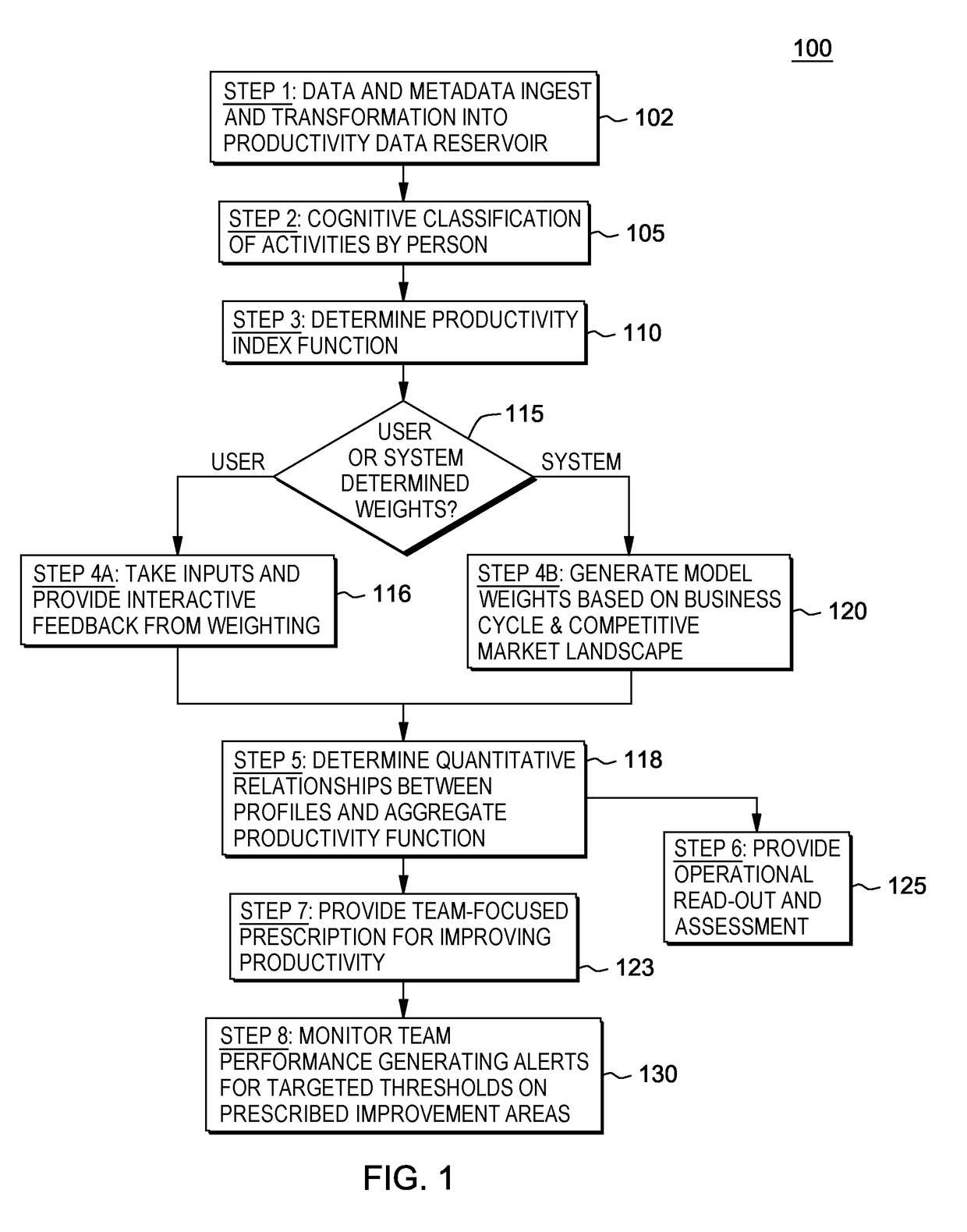
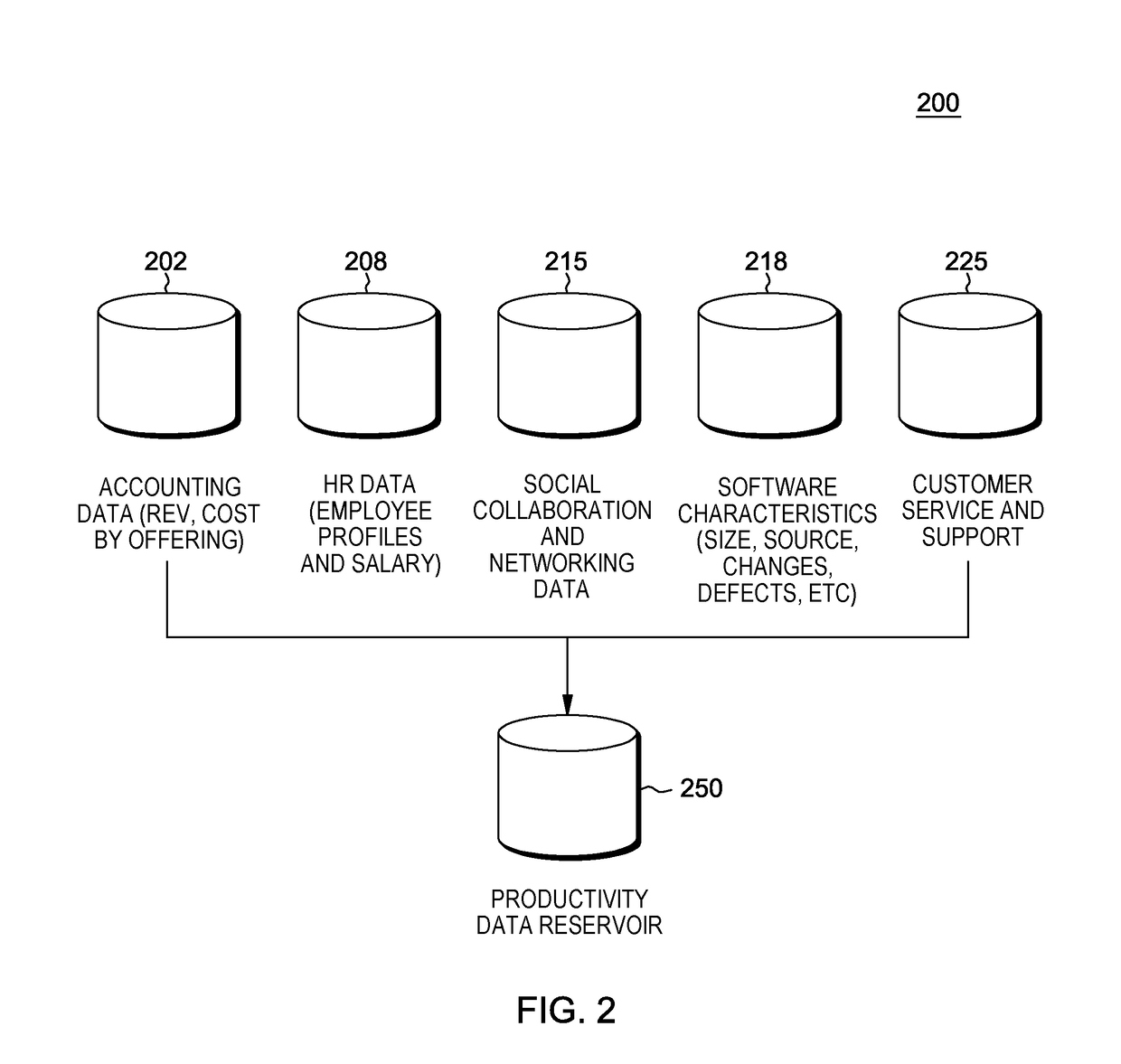
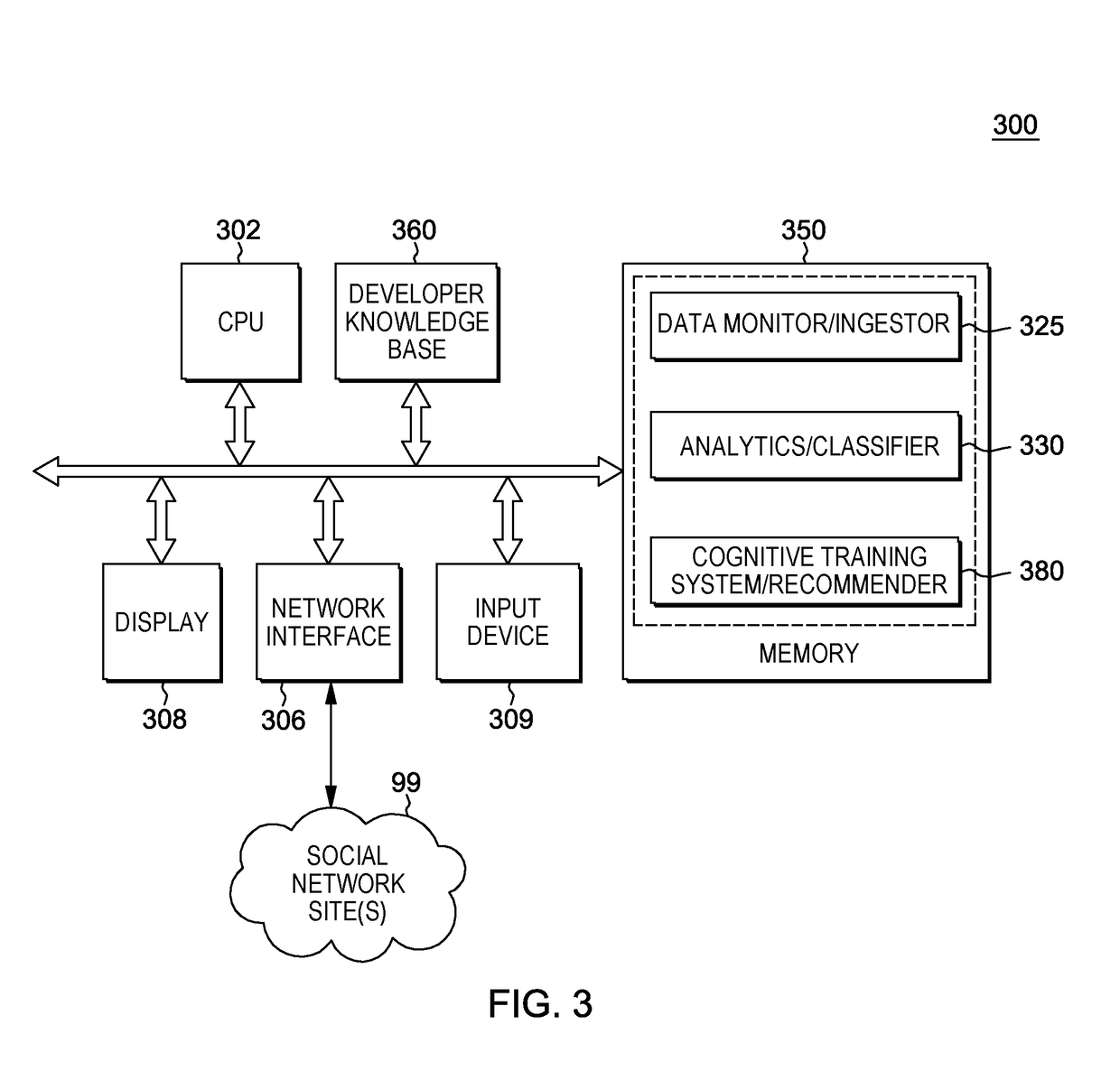
- A system and method that processes structured and unstructured team data to generate a productivity index, recommending Key Performance Indicators (KPIs) for improvement by correlating team profiles with those of most productive teams, using cognitive classification and machine learning algorithms to provide data-driven recommendations.

AI Integration in Software Development Workflows
The integration of artificial intelligence into software development workflows represents a paradigm shift that fundamentally transforms how development teams approach coding, testing, and deployment processes. Modern AI technologies are being seamlessly embedded into existing development environments, creating intelligent systems that can assist developers at every stage of the software lifecycle.
AI-powered code generation tools have emerged as primary workflow integrators, with platforms like GitHub Copilot and Amazon CodeWhisperer providing real-time coding assistance directly within integrated development environments. These tools analyze context from existing codebases and generate relevant code snippets, function implementations, and even complete modules based on natural language descriptions or partial code inputs.
Automated testing workflows now incorporate AI-driven test case generation and execution systems that can identify potential failure points and create comprehensive test suites without manual intervention. Machine learning algorithms analyze code changes and automatically prioritize testing efforts, focusing on areas most likely to contain defects based on historical data and code complexity metrics.
Continuous integration and deployment pipelines are being enhanced with AI-powered decision-making capabilities that can automatically approve or reject code merges based on quality assessments, security vulnerability scans, and performance impact predictions. These systems learn from past deployment outcomes to improve their decision accuracy over time.
Code review processes are being augmented with AI assistants that can identify potential bugs, security vulnerabilities, and code quality issues before human reviewers examine the changes. Natural language processing capabilities enable these systems to understand code comments and documentation, ensuring consistency between implementation and intended functionality.
Project management workflows are incorporating AI-driven estimation and resource allocation tools that analyze team productivity patterns, task complexity, and historical project data to provide more accurate timeline predictions and workload distribution recommendations. These systems continuously adapt to team dynamics and project requirements, optimizing development velocity and resource utilization across multiple concurrent projects.
AI-powered code generation tools have emerged as primary workflow integrators, with platforms like GitHub Copilot and Amazon CodeWhisperer providing real-time coding assistance directly within integrated development environments. These tools analyze context from existing codebases and generate relevant code snippets, function implementations, and even complete modules based on natural language descriptions or partial code inputs.
Automated testing workflows now incorporate AI-driven test case generation and execution systems that can identify potential failure points and create comprehensive test suites without manual intervention. Machine learning algorithms analyze code changes and automatically prioritize testing efforts, focusing on areas most likely to contain defects based on historical data and code complexity metrics.
Continuous integration and deployment pipelines are being enhanced with AI-powered decision-making capabilities that can automatically approve or reject code merges based on quality assessments, security vulnerability scans, and performance impact predictions. These systems learn from past deployment outcomes to improve their decision accuracy over time.
Code review processes are being augmented with AI assistants that can identify potential bugs, security vulnerabilities, and code quality issues before human reviewers examine the changes. Natural language processing capabilities enable these systems to understand code comments and documentation, ensuring consistency between implementation and intended functionality.
Project management workflows are incorporating AI-driven estimation and resource allocation tools that analyze team productivity patterns, task complexity, and historical project data to provide more accurate timeline predictions and workload distribution recommendations. These systems continuously adapt to team dynamics and project requirements, optimizing development velocity and resource utilization across multiple concurrent projects.
Security Considerations in Digital Development Environments
Digital development environments present unique security challenges that require comprehensive risk assessment and mitigation strategies. The integration of cloud-based development platforms, containerized applications, and continuous integration/continuous deployment (CI/CD) pipelines introduces multiple attack vectors that traditional security models may not adequately address. Organizations must evaluate threats ranging from code injection vulnerabilities to supply chain attacks targeting development dependencies and third-party libraries.
Authentication and access control mechanisms form the foundation of secure digital development environments. Multi-factor authentication (MFA) implementation across all development tools and platforms significantly reduces unauthorized access risks. Role-based access control (RBAC) systems ensure developers maintain appropriate permissions aligned with their responsibilities, while privileged access management (PAM) solutions protect administrative credentials and sensitive system configurations.
Code security practices require systematic implementation throughout the development lifecycle. Static Application Security Testing (SAST) tools analyze source code for vulnerabilities before compilation, while Dynamic Application Security Testing (DAST) evaluates running applications for security flaws. Interactive Application Security Testing (IAST) combines both approaches, providing real-time vulnerability detection during application execution and testing phases.
Container security presents distinct challenges in modern development environments. Image scanning tools must validate base images and dependencies for known vulnerabilities before deployment. Runtime protection mechanisms monitor container behavior for anomalous activities, while network segmentation isolates containerized applications from critical infrastructure components. Kubernetes security configurations require careful attention to pod security policies and network policies.
Data protection strategies encompass both data-at-rest and data-in-transit encryption protocols. Development databases containing sensitive information require encryption keys managed through dedicated key management systems. Secure communication channels between development tools and repositories prevent man-in-the-middle attacks and unauthorized data interception during code transfers and deployments.
Supply chain security demands rigorous validation of third-party components and dependencies. Software composition analysis tools identify vulnerable libraries and outdated packages within application codebases. Dependency scanning automation ensures continuous monitoring of newly discovered vulnerabilities affecting project dependencies, enabling rapid response and remediation efforts.
Incident response procedures specifically tailored for development environments enable rapid threat containment and recovery. Automated security monitoring systems detect suspicious activities across development infrastructure, while forensic capabilities preserve evidence for post-incident analysis and compliance requirements.
Authentication and access control mechanisms form the foundation of secure digital development environments. Multi-factor authentication (MFA) implementation across all development tools and platforms significantly reduces unauthorized access risks. Role-based access control (RBAC) systems ensure developers maintain appropriate permissions aligned with their responsibilities, while privileged access management (PAM) solutions protect administrative credentials and sensitive system configurations.
Code security practices require systematic implementation throughout the development lifecycle. Static Application Security Testing (SAST) tools analyze source code for vulnerabilities before compilation, while Dynamic Application Security Testing (DAST) evaluates running applications for security flaws. Interactive Application Security Testing (IAST) combines both approaches, providing real-time vulnerability detection during application execution and testing phases.
Container security presents distinct challenges in modern development environments. Image scanning tools must validate base images and dependencies for known vulnerabilities before deployment. Runtime protection mechanisms monitor container behavior for anomalous activities, while network segmentation isolates containerized applications from critical infrastructure components. Kubernetes security configurations require careful attention to pod security policies and network policies.
Data protection strategies encompass both data-at-rest and data-in-transit encryption protocols. Development databases containing sensitive information require encryption keys managed through dedicated key management systems. Secure communication channels between development tools and repositories prevent man-in-the-middle attacks and unauthorized data interception during code transfers and deployments.
Supply chain security demands rigorous validation of third-party components and dependencies. Software composition analysis tools identify vulnerable libraries and outdated packages within application codebases. Dependency scanning automation ensures continuous monitoring of newly discovered vulnerabilities affecting project dependencies, enabling rapid response and remediation efforts.
Incident response procedures specifically tailored for development environments enable rapid threat containment and recovery. Automated security monitoring systems detect suspicious activities across development infrastructure, while forensic capabilities preserve evidence for post-incident analysis and compliance requirements.
Unlock deeper insights with Patsnap Eureka Quick Research — get a full tech report to explore trends and direct your research. Try now!
Generate Your Research Report Instantly with AI Agent
Supercharge your innovation with Patsnap Eureka AI Agent Platform!