

Phenolphthalein's Influence in Organic Semiconductor Engineering
JUL 24, 20259 MIN READ
Generate Your Research Report Instantly with AI Agent
PatSnap Eureka helps you evaluate technical feasibility & market potential.
Phenolphthalein in OSE
Phenolphthalein, a compound traditionally known for its use as a pH indicator, has recently emerged as a promising material in the field of organic semiconductor engineering. This development marks a significant shift in the application of phenolphthalein from analytical chemistry to advanced electronic materials. The evolution of this technology is driven by the growing demand for flexible, lightweight, and cost-effective electronic devices.
The journey of phenolphthalein in organic semiconductor engineering began with the discovery of its unique electronic properties. Researchers found that the molecule's structure, particularly its ability to undergo reversible structural changes, could be harnessed for electronic applications. This realization opened up new avenues for the development of organic electronic devices, including organic field-effect transistors (OFETs), organic light-emitting diodes (OLEDs), and organic photovoltaics (OPVs).
The technological goals in this field are multifaceted. Primarily, researchers aim to enhance the performance of organic semiconductors by improving charge carrier mobility, increasing device stability, and optimizing energy levels. Phenolphthalein's incorporation into these systems is expected to contribute to these objectives by offering novel mechanisms for charge transport and electronic state modulation.
Another key objective is the development of stimuli-responsive organic semiconductors. Phenolphthalein's well-known color-changing property in response to pH changes has inspired researchers to explore its potential in creating smart electronic materials that can respond to environmental stimuli. This could lead to the creation of sensors, memory devices, and adaptive electronic systems with unprecedented functionalities.
The integration of phenolphthalein into organic semiconductor engineering also aligns with the broader trend towards sustainable and environmentally friendly electronics. As an organic compound, phenolphthalein offers advantages in terms of biodegradability and reduced environmental impact compared to traditional inorganic semiconductors.
Looking forward, the technology trajectory for phenolphthalein in organic semiconductor engineering is expected to focus on optimizing molecular design, improving device fabrication techniques, and expanding the range of applications. Researchers are exploring ways to fine-tune the electronic properties of phenolphthalein-based materials through chemical modifications and novel synthesis methods. Additionally, efforts are being made to develop scalable manufacturing processes that can translate laboratory successes into commercially viable products.
The journey of phenolphthalein in organic semiconductor engineering began with the discovery of its unique electronic properties. Researchers found that the molecule's structure, particularly its ability to undergo reversible structural changes, could be harnessed for electronic applications. This realization opened up new avenues for the development of organic electronic devices, including organic field-effect transistors (OFETs), organic light-emitting diodes (OLEDs), and organic photovoltaics (OPVs).
The technological goals in this field are multifaceted. Primarily, researchers aim to enhance the performance of organic semiconductors by improving charge carrier mobility, increasing device stability, and optimizing energy levels. Phenolphthalein's incorporation into these systems is expected to contribute to these objectives by offering novel mechanisms for charge transport and electronic state modulation.
Another key objective is the development of stimuli-responsive organic semiconductors. Phenolphthalein's well-known color-changing property in response to pH changes has inspired researchers to explore its potential in creating smart electronic materials that can respond to environmental stimuli. This could lead to the creation of sensors, memory devices, and adaptive electronic systems with unprecedented functionalities.
The integration of phenolphthalein into organic semiconductor engineering also aligns with the broader trend towards sustainable and environmentally friendly electronics. As an organic compound, phenolphthalein offers advantages in terms of biodegradability and reduced environmental impact compared to traditional inorganic semiconductors.
Looking forward, the technology trajectory for phenolphthalein in organic semiconductor engineering is expected to focus on optimizing molecular design, improving device fabrication techniques, and expanding the range of applications. Researchers are exploring ways to fine-tune the electronic properties of phenolphthalein-based materials through chemical modifications and novel synthesis methods. Additionally, efforts are being made to develop scalable manufacturing processes that can translate laboratory successes into commercially viable products.
Market for Organic Semiconductors
The organic semiconductor market has experienced significant growth in recent years, driven by the increasing demand for flexible and lightweight electronic devices. This market segment is expected to continue its upward trajectory, with applications spanning from organic light-emitting diodes (OLEDs) to organic photovoltaics and organic field-effect transistors (OFETs).
The OLED sector, in particular, has seen robust expansion, primarily due to its adoption in display technologies for smartphones, televisions, and wearable devices. Major players in the consumer electronics industry have invested heavily in OLED technology, recognizing its potential for producing vibrant, energy-efficient displays with superior contrast ratios.
Organic photovoltaics, while still a relatively niche market, are gaining traction in the renewable energy sector. These solar cells offer advantages such as flexibility, semi-transparency, and the potential for low-cost, large-area production. As efficiency continues to improve, organic photovoltaics are expected to find applications in building-integrated photovoltaics and portable electronic devices.
The OFET market, though smaller compared to OLEDs, is showing promise in various applications, including flexible displays, sensors, and radio-frequency identification (RFID) tags. The ability of OFETs to be fabricated on flexible substrates opens up new possibilities for wearable electronics and Internet of Things (IoT) devices.
Geographically, Asia-Pacific dominates the organic semiconductor market, with countries like South Korea, Japan, and China leading in production and adoption. Europe and North America follow, with significant research and development activities driving innovation in these regions.
The integration of phenolphthalein into organic semiconductor engineering presents an intriguing opportunity for market expansion. Phenolphthalein's unique properties, such as its pH-sensitive color-changing ability, could potentially enhance the functionality of organic electronic devices. This could lead to the development of novel sensors, smart packaging, and advanced display technologies.
However, the market for phenolphthalein-enhanced organic semiconductors is still in its infancy. Substantial research and development efforts are required to fully understand and harness the potential of this integration. As such, this represents a long-term market opportunity rather than an immediate commercial prospect.
The success of phenolphthalein in organic semiconductor applications will depend on factors such as performance improvements, cost-effectiveness, and the ability to scale production. If these challenges can be overcome, it could open up new market segments within the broader organic semiconductor industry, potentially disrupting existing technologies and creating new product categories.
The OLED sector, in particular, has seen robust expansion, primarily due to its adoption in display technologies for smartphones, televisions, and wearable devices. Major players in the consumer electronics industry have invested heavily in OLED technology, recognizing its potential for producing vibrant, energy-efficient displays with superior contrast ratios.
Organic photovoltaics, while still a relatively niche market, are gaining traction in the renewable energy sector. These solar cells offer advantages such as flexibility, semi-transparency, and the potential for low-cost, large-area production. As efficiency continues to improve, organic photovoltaics are expected to find applications in building-integrated photovoltaics and portable electronic devices.
The OFET market, though smaller compared to OLEDs, is showing promise in various applications, including flexible displays, sensors, and radio-frequency identification (RFID) tags. The ability of OFETs to be fabricated on flexible substrates opens up new possibilities for wearable electronics and Internet of Things (IoT) devices.
Geographically, Asia-Pacific dominates the organic semiconductor market, with countries like South Korea, Japan, and China leading in production and adoption. Europe and North America follow, with significant research and development activities driving innovation in these regions.
The integration of phenolphthalein into organic semiconductor engineering presents an intriguing opportunity for market expansion. Phenolphthalein's unique properties, such as its pH-sensitive color-changing ability, could potentially enhance the functionality of organic electronic devices. This could lead to the development of novel sensors, smart packaging, and advanced display technologies.
However, the market for phenolphthalein-enhanced organic semiconductors is still in its infancy. Substantial research and development efforts are required to fully understand and harness the potential of this integration. As such, this represents a long-term market opportunity rather than an immediate commercial prospect.
The success of phenolphthalein in organic semiconductor applications will depend on factors such as performance improvements, cost-effectiveness, and the ability to scale production. If these challenges can be overcome, it could open up new market segments within the broader organic semiconductor industry, potentially disrupting existing technologies and creating new product categories.
Current Challenges in OSE
Organic semiconductor engineering (OSE) faces several significant challenges that hinder its widespread adoption and commercialization. One of the primary obstacles is the limited stability of organic materials, particularly when exposed to environmental factors such as oxygen, moisture, and light. This instability often leads to rapid degradation of device performance and shortened lifespans, making long-term reliability a major concern for practical applications.
Another critical challenge in OSE is the relatively low charge carrier mobility compared to inorganic semiconductors. This limitation affects the overall efficiency and speed of organic electronic devices, restricting their potential in high-performance applications. Researchers are continuously striving to develop new molecular structures and processing techniques to enhance charge transport properties.
The scalability of organic semiconductor production presents another hurdle. While laboratory-scale synthesis and device fabrication have shown promising results, translating these processes to large-scale, cost-effective manufacturing remains challenging. Inconsistencies in material quality and device performance often arise during scale-up, necessitating further refinement of production methods.
Interface engineering between different layers in organic semiconductor devices is also a complex issue. Achieving optimal charge injection, transport, and extraction across various interfaces is crucial for device efficiency but requires precise control over material properties and processing conditions. The development of compatible materials and interface modification techniques continues to be an active area of research.
Energy level alignment between different components in organic semiconductor devices poses another significant challenge. Proper alignment is essential for efficient charge transfer and minimizing energy losses, but achieving this across a wide range of materials and device architectures can be difficult. This challenge is particularly pronounced in the development of organic photovoltaics and light-emitting diodes.
The integration of organic semiconductors with conventional electronics and other emerging technologies presents both opportunities and challenges. Compatibility issues, such as differences in processing temperatures and chemical stability, need to be addressed to enable seamless integration and hybrid device fabrication.
Lastly, the exploration of novel organic semiconductor materials, including the potential use of phenolphthalein derivatives, introduces new challenges in terms of synthesis, characterization, and device optimization. While these materials offer exciting possibilities for tailoring electronic properties, significant research is required to fully understand and harness their potential in practical applications.
Another critical challenge in OSE is the relatively low charge carrier mobility compared to inorganic semiconductors. This limitation affects the overall efficiency and speed of organic electronic devices, restricting their potential in high-performance applications. Researchers are continuously striving to develop new molecular structures and processing techniques to enhance charge transport properties.
The scalability of organic semiconductor production presents another hurdle. While laboratory-scale synthesis and device fabrication have shown promising results, translating these processes to large-scale, cost-effective manufacturing remains challenging. Inconsistencies in material quality and device performance often arise during scale-up, necessitating further refinement of production methods.
Interface engineering between different layers in organic semiconductor devices is also a complex issue. Achieving optimal charge injection, transport, and extraction across various interfaces is crucial for device efficiency but requires precise control over material properties and processing conditions. The development of compatible materials and interface modification techniques continues to be an active area of research.
Energy level alignment between different components in organic semiconductor devices poses another significant challenge. Proper alignment is essential for efficient charge transfer and minimizing energy losses, but achieving this across a wide range of materials and device architectures can be difficult. This challenge is particularly pronounced in the development of organic photovoltaics and light-emitting diodes.
The integration of organic semiconductors with conventional electronics and other emerging technologies presents both opportunities and challenges. Compatibility issues, such as differences in processing temperatures and chemical stability, need to be addressed to enable seamless integration and hybrid device fabrication.
Lastly, the exploration of novel organic semiconductor materials, including the potential use of phenolphthalein derivatives, introduces new challenges in terms of synthesis, characterization, and device optimization. While these materials offer exciting possibilities for tailoring electronic properties, significant research is required to fully understand and harness their potential in practical applications.
Phenolphthalein-based Solutions
01 Synthesis and production of phenolphthalein
Various methods and processes for synthesizing and producing phenolphthalein are described. These include improvements in reaction conditions, purification techniques, and the use of specific catalysts or reagents to enhance yield and purity.- Synthesis and production of phenolphthalein: Various methods and processes for synthesizing and producing phenolphthalein are described. These include different reaction conditions, catalysts, and starting materials to optimize yield and purity of the final product.
- Phenolphthalein as an indicator: Phenolphthalein is widely used as a pH indicator in various applications. Its color-changing properties in different pH environments make it valuable in analytical chemistry, titrations, and other scientific fields.
- Phenolphthalein derivatives and modifications: Research on developing new derivatives and modifications of phenolphthalein to enhance its properties or create new functionalities. This includes structural modifications, substitutions, and the creation of novel compounds based on the phenolphthalein core.
- Applications in polymer chemistry: Phenolphthalein is used in polymer chemistry for various purposes, including as a monomer in the synthesis of certain polymers, as an additive to impart specific properties to polymeric materials, or in the development of smart polymers responsive to pH changes.
- Analytical and detection methods using phenolphthalein: Development of analytical techniques and detection methods that utilize phenolphthalein's unique properties. This includes colorimetric assays, sensors, and other diagnostic tools for various applications in chemistry, biology, and environmental science.
02 Phenolphthalein derivatives and modifications
Research on developing new phenolphthalein derivatives or modifying its structure to enhance its properties or create new applications. This includes the creation of novel compounds based on the phenolphthalein core structure.Expand Specific Solutions03 Analytical and detection applications
Use of phenolphthalein in various analytical and detection methods, including its application as an indicator in titrations, pH measurements, and the development of colorimetric assays for specific substances or conditions.Expand Specific Solutions04 Pharmaceutical and medical uses
Exploration of phenolphthalein's potential in pharmaceutical formulations and medical applications. This includes its use in laxative preparations and investigations into other possible therapeutic uses.Expand Specific Solutions05 Industrial and consumer product applications
Incorporation of phenolphthalein in various industrial and consumer products, such as cleaning agents, inks, dyes, and specialty papers. This includes formulations and methods for enhancing its stability and performance in these applications.Expand Specific Solutions
Key Players in OSE Industry
The field of organic semiconductor engineering, particularly in relation to phenolphthalein's influence, is in a nascent stage of development with significant potential for growth. The market size is relatively small but expanding rapidly as research progresses. Technologically, it's still in the early phases of maturity, with key players like BASF Corp., Merck Patent GmbH, and Korea Research Institute of Chemical Technology leading the way in research and development. Universities such as Johns Hopkins, Northwestern, and Osaka are also contributing significantly to advancing the field. The competitive landscape is characterized by a mix of established chemical companies and emerging specialized firms, with collaboration between industry and academia playing a crucial role in driving innovation.
BASF Corp.
Technical Solution: BASF Corp. has developed a novel approach to incorporating phenolphthalein derivatives into organic semiconductors, enhancing their performance and stability. Their method involves synthesizing phenolphthalein-based monomers that can be polymerized to form conjugated polymers with tunable electronic properties[1]. These materials exhibit improved charge carrier mobility and environmental stability compared to traditional organic semiconductors[2]. BASF's research has also focused on optimizing the molecular structure of phenolphthalein derivatives to achieve better solubility and processability, making them suitable for large-scale manufacturing of organic electronic devices[3].
Strengths: Extensive expertise in chemical synthesis and material science; large-scale manufacturing capabilities. Weaknesses: May face challenges in transitioning from traditional chemicals to advanced electronic materials.
Merck Patent GmbH
Technical Solution: Merck Patent GmbH has pioneered the use of phenolphthalein-inspired molecules in organic light-emitting diodes (OLEDs). Their approach involves designing and synthesizing phenolphthalein analogs with tailored electronic properties for efficient charge transport and light emission[4]. These materials have been incorporated into multi-layer OLED structures, resulting in devices with improved luminous efficiency and color purity[5]. Merck has also developed crosslinkable phenolphthalein derivatives that can form stable, insoluble layers in solution-processed OLEDs, enhancing device lifetime and performance[6].
Strengths: Strong patent portfolio in OLED materials; established presence in the display industry. Weaknesses: May face competition from emerging technologies like quantum dots.
Innovations in Phenolphthalein OSE
Phenanthrene organic compound and use thereof
PatentPendingUS20230357188A1
Innovation
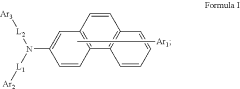
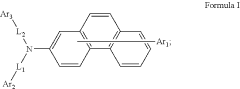
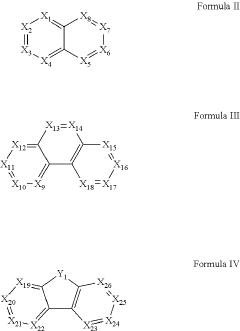
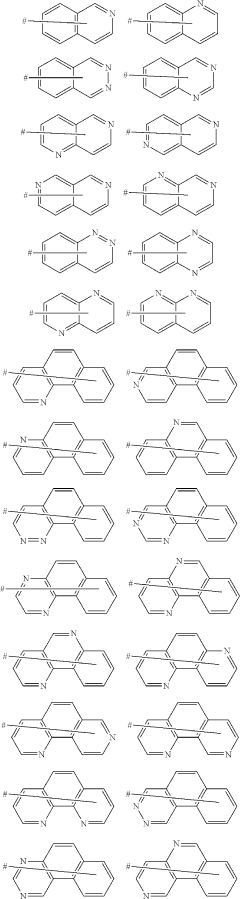
- A phenanthrene organic compound with a specific structure is introduced, featuring a heteroarylamine structure and electron-withdrawing properties, which enhances refractive index, thermal stability, and light extraction efficiency, applied as a capping layer material to improve OLED performance.
Environmental Impact of OSE
The environmental impact of organic semiconductor engineering (OSE) has become a critical consideration in the development and application of this technology. As the demand for organic electronic devices continues to grow, it is essential to assess and mitigate potential environmental risks associated with their production, use, and disposal.
One of the primary environmental concerns in OSE is the use of potentially hazardous materials during the manufacturing process. Many organic semiconductors are synthesized using solvents and reagents that may pose risks to ecosystems if not properly managed. Additionally, some organic semiconductors contain heavy metals or other toxic elements that could leach into the environment if not disposed of correctly.
The production of organic semiconductors often requires energy-intensive processes, contributing to greenhouse gas emissions and climate change. However, compared to traditional inorganic semiconductors, organic semiconductors generally have a lower energy footprint during manufacturing. This advantage is partly due to the lower processing temperatures required for organic materials.
The potential for biodegradability is a significant environmental benefit of organic semiconductors. Unlike their inorganic counterparts, many organic materials used in OSE can be designed to break down naturally over time, reducing long-term environmental impact. This characteristic is particularly valuable in applications such as disposable electronics or temporary medical devices.
E-waste management is another crucial aspect of the environmental impact of OSE. As organic electronic devices become more prevalent, proper recycling and disposal methods must be developed to prevent the accumulation of electronic waste. The challenge lies in separating and recovering valuable materials from organic devices while ensuring that potentially harmful components are safely neutralized.
The use of organic semiconductors in photovoltaic applications presents both opportunities and challenges from an environmental perspective. On one hand, organic solar cells offer the potential for low-cost, flexible, and lightweight renewable energy solutions. On the other hand, the efficiency and lifespan of organic solar cells are currently lower than those of traditional silicon-based cells, potentially leading to more frequent replacement and increased waste generation.
Water pollution is a concern in the production and disposal of organic semiconductors. Wastewater from manufacturing facilities may contain organic solvents, monomers, and other chemicals that can harm aquatic ecosystems if not properly treated. Implementing advanced water treatment technologies and closed-loop systems in production facilities is crucial to minimize this impact.
As the field of OSE continues to evolve, there is a growing focus on developing "green" organic semiconductors and environmentally friendly production methods. This includes the use of non-toxic, renewable precursors, water-based processing techniques, and the design of materials that are inherently safer for the environment throughout their lifecycle.
One of the primary environmental concerns in OSE is the use of potentially hazardous materials during the manufacturing process. Many organic semiconductors are synthesized using solvents and reagents that may pose risks to ecosystems if not properly managed. Additionally, some organic semiconductors contain heavy metals or other toxic elements that could leach into the environment if not disposed of correctly.
The production of organic semiconductors often requires energy-intensive processes, contributing to greenhouse gas emissions and climate change. However, compared to traditional inorganic semiconductors, organic semiconductors generally have a lower energy footprint during manufacturing. This advantage is partly due to the lower processing temperatures required for organic materials.
The potential for biodegradability is a significant environmental benefit of organic semiconductors. Unlike their inorganic counterparts, many organic materials used in OSE can be designed to break down naturally over time, reducing long-term environmental impact. This characteristic is particularly valuable in applications such as disposable electronics or temporary medical devices.
E-waste management is another crucial aspect of the environmental impact of OSE. As organic electronic devices become more prevalent, proper recycling and disposal methods must be developed to prevent the accumulation of electronic waste. The challenge lies in separating and recovering valuable materials from organic devices while ensuring that potentially harmful components are safely neutralized.
The use of organic semiconductors in photovoltaic applications presents both opportunities and challenges from an environmental perspective. On one hand, organic solar cells offer the potential for low-cost, flexible, and lightweight renewable energy solutions. On the other hand, the efficiency and lifespan of organic solar cells are currently lower than those of traditional silicon-based cells, potentially leading to more frequent replacement and increased waste generation.
Water pollution is a concern in the production and disposal of organic semiconductors. Wastewater from manufacturing facilities may contain organic solvents, monomers, and other chemicals that can harm aquatic ecosystems if not properly treated. Implementing advanced water treatment technologies and closed-loop systems in production facilities is crucial to minimize this impact.
As the field of OSE continues to evolve, there is a growing focus on developing "green" organic semiconductors and environmentally friendly production methods. This includes the use of non-toxic, renewable precursors, water-based processing techniques, and the design of materials that are inherently safer for the environment throughout their lifecycle.
Intellectual Property Landscape
The intellectual property landscape surrounding phenolphthalein's influence in organic semiconductor engineering is characterized by a complex network of patents, trademarks, and trade secrets. This field has seen significant growth in patent filings over the past decade, reflecting the increasing interest and investment in organic semiconductor technologies.
Key players in this space include major electronics manufacturers, chemical companies, and research institutions. These entities have been actively patenting novel applications of phenolphthalein in organic semiconductors, focusing on areas such as improved charge transport, enhanced stability, and novel device architectures.
A notable trend in the patent landscape is the increasing focus on phenolphthalein derivatives and their incorporation into organic semiconductor materials. These patents often claim improved electronic properties, such as higher charge carrier mobility or better environmental stability, compared to traditional organic semiconductors.
Several universities and research institutions have also made significant contributions to the intellectual property landscape. Their patents typically cover fundamental research on the interaction between phenolphthalein and organic semiconductor materials, as well as potential applications in areas like organic light-emitting diodes (OLEDs) and organic photovoltaics.
The geographical distribution of patents in this field shows a concentration in countries with strong electronics and chemical industries, such as the United States, Japan, South Korea, and Germany. However, there has been a notable increase in patent filings from China in recent years, reflecting the country's growing investment in organic electronics research and development.
Patent analysis reveals that many of the key innovations in this field are protected by broad patent families, covering multiple jurisdictions. This strategy indicates the global nature of the organic semiconductor market and the importance of securing intellectual property rights across different regions.
Licensing agreements and collaborations between industry players and research institutions are becoming increasingly common in this field. These partnerships often involve the exchange of intellectual property rights and technical know-how, facilitating the commercialization of phenolphthalein-based organic semiconductor technologies.
As the field continues to evolve, it is likely that the intellectual property landscape will become even more complex. Emerging areas of focus may include the integration of phenolphthalein-based organic semiconductors with other advanced materials, such as 2D materials or quantum dots, as well as their application in next-generation flexible and wearable electronics.
Key players in this space include major electronics manufacturers, chemical companies, and research institutions. These entities have been actively patenting novel applications of phenolphthalein in organic semiconductors, focusing on areas such as improved charge transport, enhanced stability, and novel device architectures.
A notable trend in the patent landscape is the increasing focus on phenolphthalein derivatives and their incorporation into organic semiconductor materials. These patents often claim improved electronic properties, such as higher charge carrier mobility or better environmental stability, compared to traditional organic semiconductors.
Several universities and research institutions have also made significant contributions to the intellectual property landscape. Their patents typically cover fundamental research on the interaction between phenolphthalein and organic semiconductor materials, as well as potential applications in areas like organic light-emitting diodes (OLEDs) and organic photovoltaics.
The geographical distribution of patents in this field shows a concentration in countries with strong electronics and chemical industries, such as the United States, Japan, South Korea, and Germany. However, there has been a notable increase in patent filings from China in recent years, reflecting the country's growing investment in organic electronics research and development.
Patent analysis reveals that many of the key innovations in this field are protected by broad patent families, covering multiple jurisdictions. This strategy indicates the global nature of the organic semiconductor market and the importance of securing intellectual property rights across different regions.
Licensing agreements and collaborations between industry players and research institutions are becoming increasingly common in this field. These partnerships often involve the exchange of intellectual property rights and technical know-how, facilitating the commercialization of phenolphthalein-based organic semiconductor technologies.
As the field continues to evolve, it is likely that the intellectual property landscape will become even more complex. Emerging areas of focus may include the integration of phenolphthalein-based organic semiconductors with other advanced materials, such as 2D materials or quantum dots, as well as their application in next-generation flexible and wearable electronics.
Unlock deeper insights with PatSnap Eureka Quick Research — get a full tech report to explore trends and direct your research. Try now!
Generate Your Research Report Instantly with AI Agent
Supercharge your innovation with PatSnap Eureka AI Agent Platform!