

Photodiode utilization in voice and audio processing equipment
AUG 21, 20259 MIN READ
Generate Your Research Report Instantly with AI Agent
PatSnap Eureka helps you evaluate technical feasibility & market potential.
Photodiode Audio Tech Evolution and Objectives
Photodiodes have played a pivotal role in the evolution of voice and audio processing equipment, marking significant milestones in the field of optoelectronics and audio technology. The journey of integrating photodiodes into audio systems began in the mid-20th century, with the primary objective of enhancing signal quality and reducing noise in audio transmission and reproduction.
The initial application of photodiodes in audio equipment focused on optical isolation, aiming to eliminate ground loops and reduce electromagnetic interference. This breakthrough allowed for cleaner audio signals and improved overall sound quality in professional audio systems. As technology progressed, the objectives expanded to include more sophisticated applications, such as optical audio transmission in digital audio interfaces and fiber optic communication systems.
In recent years, the integration of photodiodes in audio processing has taken a quantum leap with the development of photonic microphones. These innovative devices utilize light modulation techniques to convert sound waves into electrical signals, offering superior performance in terms of frequency response, dynamic range, and immunity to electromagnetic interference compared to traditional microphones.
The current technological landscape sees photodiodes being employed in a wide array of audio applications, from high-fidelity sound reproduction systems to advanced noise-cancellation headphones. The primary objectives driving this technological evolution include achieving higher signal-to-noise ratios, expanding frequency response ranges, and minimizing distortion in audio signals.
Looking ahead, the future objectives for photodiode utilization in voice and audio processing equipment are ambitious and multifaceted. Researchers and engineers are focusing on developing more sensitive and faster-responding photodiodes to capture even the most subtle nuances in sound. There is also a push towards miniaturization, aiming to integrate photodiode-based audio processing systems into smaller, more portable devices without compromising on performance.
Another key objective is the exploration of novel materials and structures for photodiodes, such as quantum dots and nanowires, which promise to enhance sensitivity and expand the spectral range of these devices. This could potentially lead to audio systems capable of capturing and processing a wider range of frequencies, including those beyond human hearing, opening up new possibilities in audio analysis and reproduction.
Furthermore, the integration of artificial intelligence and machine learning algorithms with photodiode-based audio systems is an emerging trend. This combination aims to create more adaptive and intelligent audio processing equipment, capable of real-time sound enhancement, noise reduction, and acoustic environment optimization.
The initial application of photodiodes in audio equipment focused on optical isolation, aiming to eliminate ground loops and reduce electromagnetic interference. This breakthrough allowed for cleaner audio signals and improved overall sound quality in professional audio systems. As technology progressed, the objectives expanded to include more sophisticated applications, such as optical audio transmission in digital audio interfaces and fiber optic communication systems.
In recent years, the integration of photodiodes in audio processing has taken a quantum leap with the development of photonic microphones. These innovative devices utilize light modulation techniques to convert sound waves into electrical signals, offering superior performance in terms of frequency response, dynamic range, and immunity to electromagnetic interference compared to traditional microphones.
The current technological landscape sees photodiodes being employed in a wide array of audio applications, from high-fidelity sound reproduction systems to advanced noise-cancellation headphones. The primary objectives driving this technological evolution include achieving higher signal-to-noise ratios, expanding frequency response ranges, and minimizing distortion in audio signals.
Looking ahead, the future objectives for photodiode utilization in voice and audio processing equipment are ambitious and multifaceted. Researchers and engineers are focusing on developing more sensitive and faster-responding photodiodes to capture even the most subtle nuances in sound. There is also a push towards miniaturization, aiming to integrate photodiode-based audio processing systems into smaller, more portable devices without compromising on performance.
Another key objective is the exploration of novel materials and structures for photodiodes, such as quantum dots and nanowires, which promise to enhance sensitivity and expand the spectral range of these devices. This could potentially lead to audio systems capable of capturing and processing a wider range of frequencies, including those beyond human hearing, opening up new possibilities in audio analysis and reproduction.
Furthermore, the integration of artificial intelligence and machine learning algorithms with photodiode-based audio systems is an emerging trend. This combination aims to create more adaptive and intelligent audio processing equipment, capable of real-time sound enhancement, noise reduction, and acoustic environment optimization.
Audio Processing Market Demand Analysis
The audio processing market has experienced significant growth in recent years, driven by the increasing demand for high-quality sound in various applications. The integration of photodiodes in voice and audio processing equipment has opened up new possibilities for enhancing audio quality and expanding the capabilities of audio devices.
The global audio processing market is projected to continue its upward trajectory, with a compound annual growth rate (CAGR) expected to remain strong over the next five years. This growth is primarily fueled by the rising adoption of smart devices, the proliferation of streaming services, and the increasing popularity of voice-controlled devices.
Consumer electronics, particularly smartphones, tablets, and smart speakers, represent a substantial portion of the market demand for audio processing technologies. The incorporation of photodiodes in these devices has enabled improved noise cancellation, enhanced voice recognition, and more accurate sound localization, meeting the growing consumer expectations for superior audio experiences.
The automotive sector has emerged as another significant driver of demand for advanced audio processing solutions. As vehicles become more connected and autonomous, the need for high-quality audio systems and voice recognition technologies has intensified. Photodiode-based audio processing systems in cars offer improved voice command functionality and noise reduction, contributing to safer and more enjoyable driving experiences.
Professional audio equipment, including recording studios, live sound reinforcement systems, and broadcast equipment, also contribute to the market demand. The integration of photodiodes in these applications has led to more precise audio capture and processing, meeting the exacting standards of audio professionals.
The healthcare industry has shown increasing interest in audio processing technologies, particularly in hearing aids and diagnostic equipment. Photodiode-based systems in these devices offer enhanced sound quality and improved speech recognition, significantly benefiting individuals with hearing impairments.
Emerging technologies such as virtual and augmented reality (VR/AR) are creating new opportunities for audio processing solutions. The demand for immersive audio experiences in these applications is driving the development of more sophisticated audio processing technologies, including those utilizing photodiodes for spatial audio and 3D sound positioning.
The market demand for audio processing technologies is also influenced by regional factors. Developed markets like North America and Europe show a strong appetite for high-end audio solutions, while emerging markets in Asia-Pacific and Latin America are experiencing rapid growth due to increasing disposable incomes and the adoption of smart devices.
As the Internet of Things (IoT) ecosystem expands, the demand for voice-controlled devices and smart home systems is expected to surge, further driving the need for advanced audio processing technologies. The integration of photodiodes in these systems promises to deliver more accurate voice recognition and improved ambient noise filtering, enhancing the overall user experience in smart home environments.
The global audio processing market is projected to continue its upward trajectory, with a compound annual growth rate (CAGR) expected to remain strong over the next five years. This growth is primarily fueled by the rising adoption of smart devices, the proliferation of streaming services, and the increasing popularity of voice-controlled devices.
Consumer electronics, particularly smartphones, tablets, and smart speakers, represent a substantial portion of the market demand for audio processing technologies. The incorporation of photodiodes in these devices has enabled improved noise cancellation, enhanced voice recognition, and more accurate sound localization, meeting the growing consumer expectations for superior audio experiences.
The automotive sector has emerged as another significant driver of demand for advanced audio processing solutions. As vehicles become more connected and autonomous, the need for high-quality audio systems and voice recognition technologies has intensified. Photodiode-based audio processing systems in cars offer improved voice command functionality and noise reduction, contributing to safer and more enjoyable driving experiences.
Professional audio equipment, including recording studios, live sound reinforcement systems, and broadcast equipment, also contribute to the market demand. The integration of photodiodes in these applications has led to more precise audio capture and processing, meeting the exacting standards of audio professionals.
The healthcare industry has shown increasing interest in audio processing technologies, particularly in hearing aids and diagnostic equipment. Photodiode-based systems in these devices offer enhanced sound quality and improved speech recognition, significantly benefiting individuals with hearing impairments.
Emerging technologies such as virtual and augmented reality (VR/AR) are creating new opportunities for audio processing solutions. The demand for immersive audio experiences in these applications is driving the development of more sophisticated audio processing technologies, including those utilizing photodiodes for spatial audio and 3D sound positioning.
The market demand for audio processing technologies is also influenced by regional factors. Developed markets like North America and Europe show a strong appetite for high-end audio solutions, while emerging markets in Asia-Pacific and Latin America are experiencing rapid growth due to increasing disposable incomes and the adoption of smart devices.
As the Internet of Things (IoT) ecosystem expands, the demand for voice-controlled devices and smart home systems is expected to surge, further driving the need for advanced audio processing technologies. The integration of photodiodes in these systems promises to deliver more accurate voice recognition and improved ambient noise filtering, enhancing the overall user experience in smart home environments.
Photodiode Integration Challenges in Audio Equipment
The integration of photodiodes into voice and audio processing equipment presents several significant challenges that require careful consideration and innovative solutions. One of the primary obstacles is the miniaturization of photodiode components to fit within the compact form factors of modern audio devices. As consumer demand for sleeker and more portable audio equipment continues to grow, engineers must develop novel approaches to reduce the size of photodiodes without compromising their performance or sensitivity.
Another critical challenge lies in optimizing the signal-to-noise ratio (SNR) of photodiode-based audio systems. Ambient light interference and electrical noise can significantly impact the quality of audio signals detected by photodiodes. Addressing this issue requires the implementation of advanced noise reduction techniques, such as optical filtering, signal processing algorithms, and shielding mechanisms, to ensure clear and accurate audio reproduction.
Power consumption is a crucial consideration in the integration of photodiodes into audio equipment, particularly for battery-powered devices. Photodiodes and their associated circuitry must be designed to operate efficiently, minimizing power draw while maintaining high performance. This challenge necessitates the development of low-power photodiode technologies and energy-efficient signal processing techniques to extend battery life and improve overall device sustainability.
The cost-effectiveness of photodiode integration poses another significant hurdle. While photodiodes offer unique advantages in audio processing, their incorporation must be economically viable for mass-market adoption. Manufacturers face the challenge of balancing the enhanced functionality provided by photodiodes with the increased production costs, requiring innovative manufacturing processes and material choices to maintain competitive pricing.
Ensuring consistent performance across various environmental conditions is a complex challenge in photodiode integration. Audio equipment is often used in diverse settings with varying light levels, temperatures, and humidity. Engineers must design robust photodiode systems that can adapt to these changing conditions while maintaining reliable audio processing capabilities. This may involve the implementation of adaptive gain control mechanisms and temperature compensation techniques.
Lastly, the integration of photodiodes into audio equipment must address electromagnetic compatibility (EMC) concerns. Photodiodes and their associated circuitry can be sensitive to electromagnetic interference, potentially affecting audio quality. Careful PCB layout design, proper shielding, and EMC testing are essential to mitigate these issues and ensure compliance with regulatory standards.
Another critical challenge lies in optimizing the signal-to-noise ratio (SNR) of photodiode-based audio systems. Ambient light interference and electrical noise can significantly impact the quality of audio signals detected by photodiodes. Addressing this issue requires the implementation of advanced noise reduction techniques, such as optical filtering, signal processing algorithms, and shielding mechanisms, to ensure clear and accurate audio reproduction.
Power consumption is a crucial consideration in the integration of photodiodes into audio equipment, particularly for battery-powered devices. Photodiodes and their associated circuitry must be designed to operate efficiently, minimizing power draw while maintaining high performance. This challenge necessitates the development of low-power photodiode technologies and energy-efficient signal processing techniques to extend battery life and improve overall device sustainability.
The cost-effectiveness of photodiode integration poses another significant hurdle. While photodiodes offer unique advantages in audio processing, their incorporation must be economically viable for mass-market adoption. Manufacturers face the challenge of balancing the enhanced functionality provided by photodiodes with the increased production costs, requiring innovative manufacturing processes and material choices to maintain competitive pricing.
Ensuring consistent performance across various environmental conditions is a complex challenge in photodiode integration. Audio equipment is often used in diverse settings with varying light levels, temperatures, and humidity. Engineers must design robust photodiode systems that can adapt to these changing conditions while maintaining reliable audio processing capabilities. This may involve the implementation of adaptive gain control mechanisms and temperature compensation techniques.
Lastly, the integration of photodiodes into audio equipment must address electromagnetic compatibility (EMC) concerns. Photodiodes and their associated circuitry can be sensitive to electromagnetic interference, potentially affecting audio quality. Careful PCB layout design, proper shielding, and EMC testing are essential to mitigate these issues and ensure compliance with regulatory standards.
Current Photodiode Solutions for Audio Processing
01 Photodiode structure and fabrication
Photodiodes are semiconductor devices that convert light into electrical current. Their structure typically includes a p-n junction or PIN structure. Advanced fabrication techniques can improve their performance, such as using specific materials or creating unique geometries to enhance light absorption and charge collection efficiency.- Photodiode structure and fabrication: Photodiodes are semiconductor devices that convert light into electrical current. Their structure typically includes a p-n junction or PIN structure. Fabrication techniques involve epitaxial growth, doping, and various deposition methods to create the active layers and electrodes. Advanced designs may incorporate multiple layers or novel materials to enhance performance.
- Integration with CMOS technology: Photodiodes are often integrated with CMOS (Complementary Metal-Oxide-Semiconductor) technology to create image sensors and other optoelectronic devices. This integration allows for the combination of light sensing capabilities with signal processing on a single chip, enabling applications such as digital cameras and optical communication systems.
- Avalanche photodiodes: Avalanche photodiodes (APDs) are a specialized type of photodiode that provides internal gain through avalanche multiplication. These devices operate at high reverse bias voltages and are capable of detecting very low light levels, making them suitable for applications in optical communication, LIDAR, and scientific instrumentation.
- Photodiode arrays and imaging applications: Photodiode arrays consist of multiple photodiodes arranged in a grid or linear configuration. These arrays are used in various imaging applications, including spectroscopy, medical imaging, and industrial inspection. Advanced designs may incorporate on-chip processing, color filters, or microlenses to enhance imaging capabilities.
- Photodiode performance optimization: Improving photodiode performance involves various techniques such as reducing dark current, increasing quantum efficiency, and expanding spectral response. This may include the use of novel materials, optimized doping profiles, anti-reflection coatings, and advanced packaging techniques. Researchers also focus on enhancing speed, sensitivity, and noise characteristics for specific applications.
02 Integration with other optical components
Photodiodes are often integrated with other optical components to create more complex optoelectronic systems. This integration can include combining photodiodes with light sources, waveguides, or optical filters to enhance functionality or create specialized sensing devices.Expand Specific Solutions03 Avalanche photodiodes
Avalanche photodiodes (APDs) are a specific type of photodiode that provides internal gain through avalanche multiplication. These devices are particularly useful in low-light conditions and high-speed applications. Design considerations include optimizing the multiplication region and managing noise characteristics.Expand Specific Solutions04 Photodiode arrays and imaging applications
Photodiode arrays consist of multiple photodiodes arranged in a specific pattern, often used in imaging applications. These arrays can be designed for various purposes, including scientific imaging, medical diagnostics, and consumer electronics. Key considerations include pixel size, fill factor, and readout circuitry.Expand Specific Solutions05 Specialized photodiode applications
Photodiodes find use in various specialized applications beyond general light detection. These can include optical communication systems, radiation detection, and environmental sensing. Specific designs may incorporate unique features such as wavelength selectivity or high-temperature operation to meet application requirements.Expand Specific Solutions
Key Players in Photodiode-based Audio Processing
The photodiode utilization in voice and audio processing equipment market is in a growth phase, driven by increasing demand for high-quality audio devices and advancements in sensor technology. The global market size is expanding, with projections indicating significant growth in the coming years. Technologically, the field is evolving rapidly, with companies like NEC Corp., Samsung Electronics, and Sony Group Corp. leading innovation. These firms are developing more sensitive and efficient photodiodes, integrating them into sophisticated audio processing systems. Emerging players like OmniVision Technologies and W&Wsens Devices are also contributing to technological advancements, particularly in miniaturization and enhanced performance of photodiode sensors for audio applications.
Sony Group Corp.
Technical Solution: Sony has developed advanced photodiode technology for voice and audio processing equipment, focusing on high-sensitivity and low-noise performance. Their approach integrates silicon photodiodes with specialized readout circuits to achieve superior signal-to-noise ratios. Sony's photodiodes feature a unique structure that maximizes light absorption while minimizing dark current, resulting in improved audio quality in various applications[1]. The company has also implemented advanced packaging techniques to reduce parasitic capacitance, further enhancing the photodiode's response time and overall performance in audio processing systems[3].
Strengths: High sensitivity, low noise, and fast response time. Weaknesses: Potentially higher cost due to advanced manufacturing processes and specialized packaging.
Huawei Technologies Co., Ltd.
Technical Solution: Huawei has developed innovative photodiode solutions for voice and audio processing equipment, focusing on miniaturization and integration. Their approach combines high-performance photodiodes with advanced signal processing algorithms to enhance audio quality in compact devices. Huawei's photodiodes feature a novel design that optimizes quantum efficiency while maintaining a small form factor, making them ideal for use in smartphones and wearable devices[2]. The company has also implemented AI-driven noise reduction techniques that work in conjunction with the photodiode sensors to improve voice clarity in challenging acoustic environments[4].
Strengths: Compact design, AI-enhanced processing, and versatility for mobile applications. Weaknesses: May require significant computational resources for AI-driven algorithms.
Core Innovations in Photodiode Audio Technology
Photodiode and manufacturing method thereof
PatentInactiveUS20210167233A1
Innovation
- A photodiode with a comb-like conductive channel structure and a light-absorbing layer pattern is designed, increasing the junction area and absorbing light effectively to enhance photo-generated current while maintaining response speed.


Light emitters using nanotubes and methods of making same
PatentInactiveUS20080036356A1
Innovation
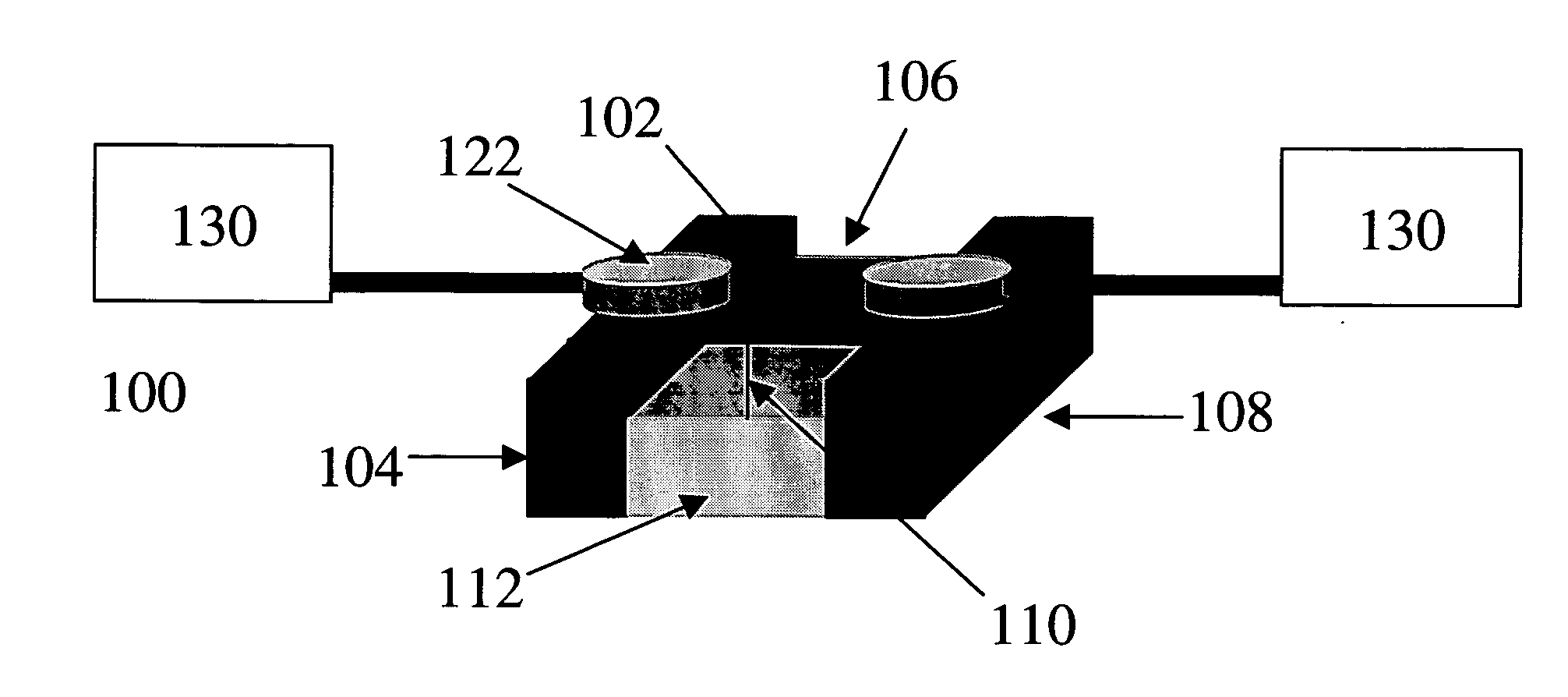
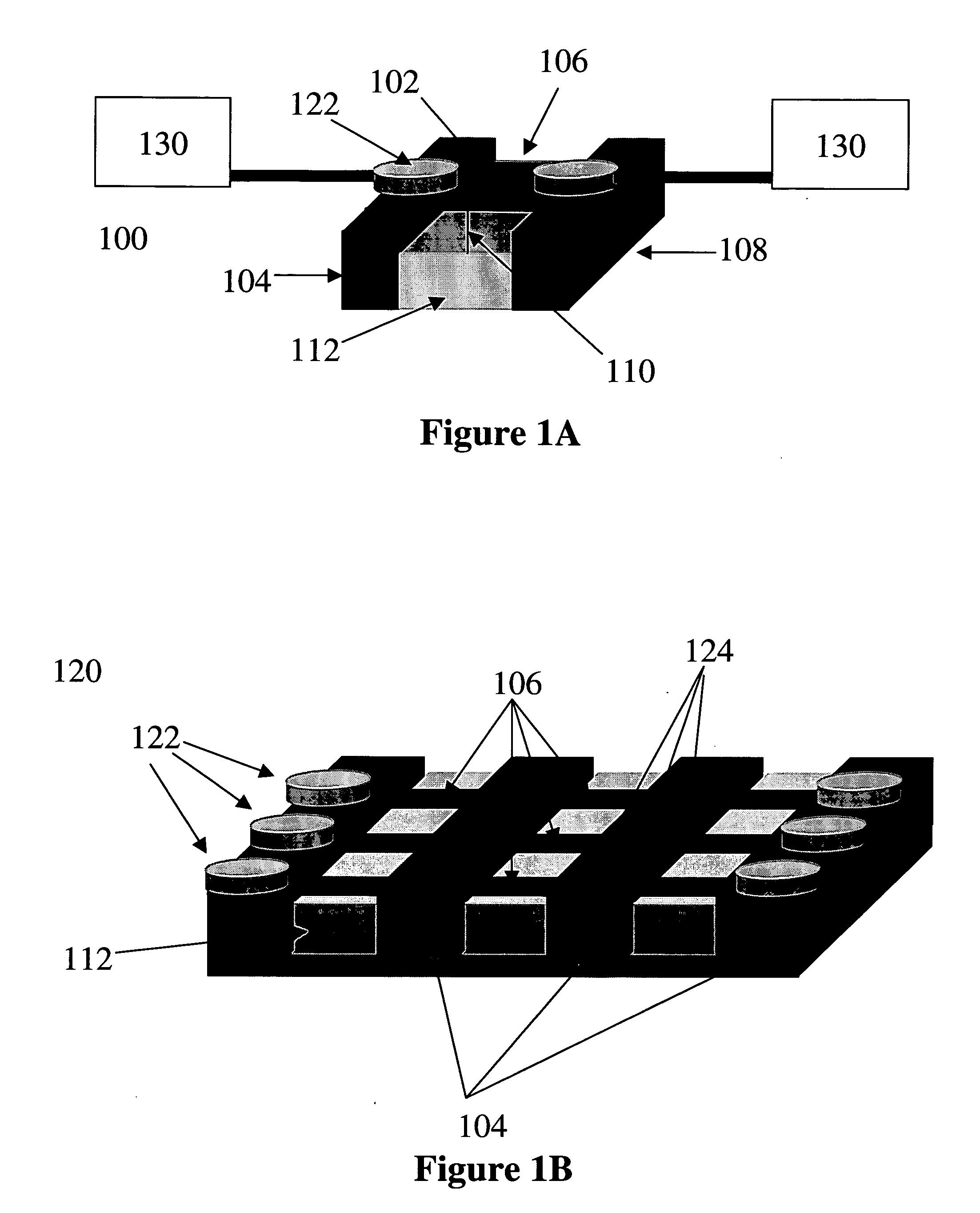
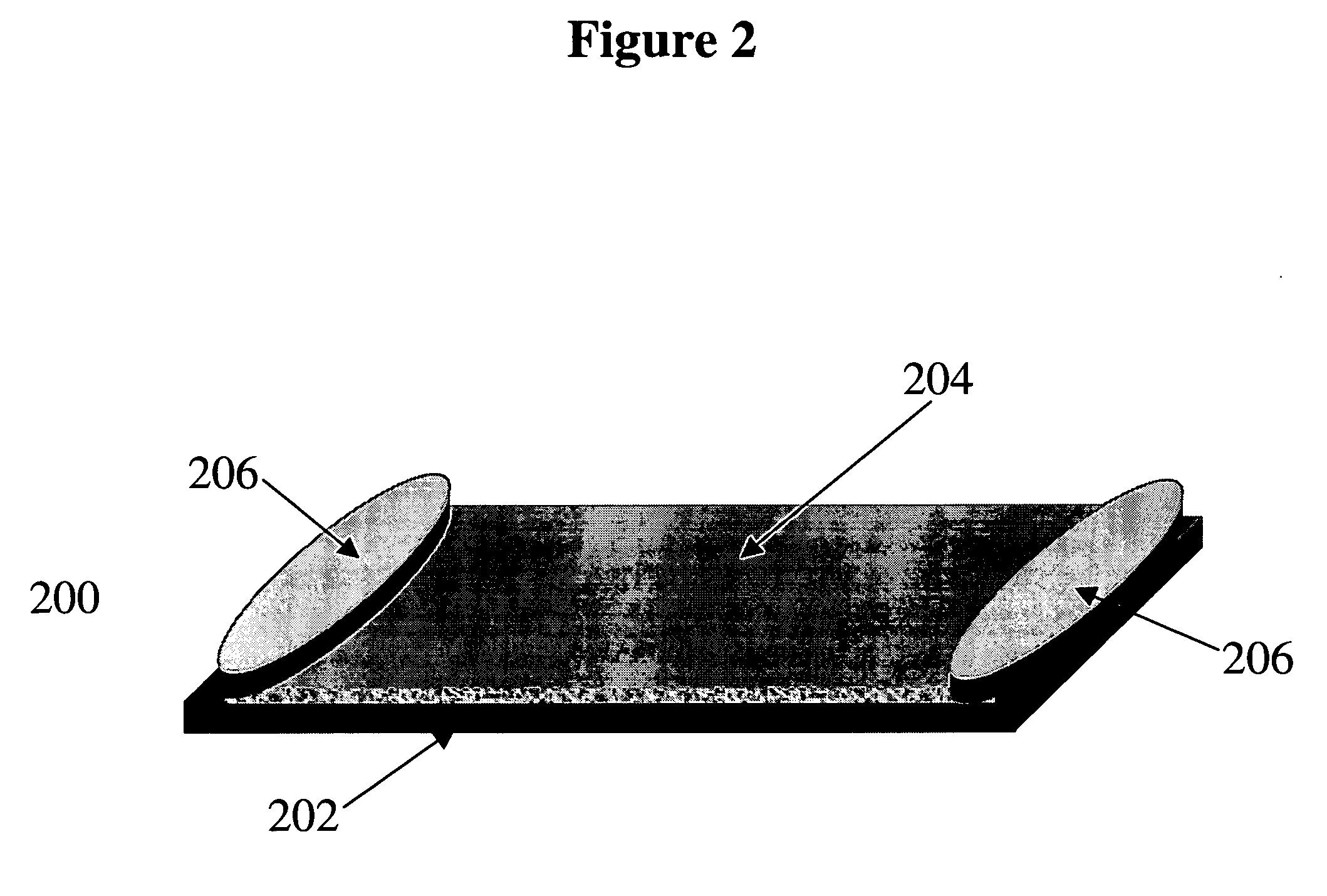
- The development of nanotube-based light emitters, where a nanotube article is integrated with a substrate and a stimulus circuit to induce light emission, allowing for monolithic integration and individual control of light emission in ultradense arrays, enabling optical interconnects and ultradense displays.

Acoustic-Optical Conversion Efficiency Analysis
The acoustic-optical conversion efficiency in photodiode-based voice and audio processing equipment is a critical factor determining the overall performance of these systems. This efficiency is primarily influenced by the photodiode's responsivity and the design of the optical system.
Photodiodes used in audio applications typically operate in the near-infrared spectrum, with wavelengths ranging from 850 to 940 nm. The conversion efficiency is directly related to the photodiode's quantum efficiency, which represents the number of electron-hole pairs generated per incident photon. Modern silicon photodiodes can achieve quantum efficiencies exceeding 90% in this wavelength range.
The optical system design plays a crucial role in maximizing the conversion efficiency. Factors such as the focusing lens quality, optical path alignment, and minimization of reflective losses contribute significantly to the overall efficiency. Advanced designs incorporate anti-reflective coatings and precision optical components to optimize light transmission and collection.
Environmental factors also impact the conversion efficiency. Temperature fluctuations can affect the photodiode's responsivity and noise characteristics. Implementing temperature compensation mechanisms or utilizing temperature-stable photodiode materials can help maintain consistent performance across varying operating conditions.
The modulation scheme employed in the acoustic-optical system influences the conversion efficiency. Intensity modulation is commonly used due to its simplicity, but phase modulation techniques can offer improved efficiency in certain applications. The choice of modulation method depends on factors such as required bandwidth, signal-to-noise ratio, and system complexity.
Recent advancements in photodiode technology have led to improved conversion efficiencies. Avalanche photodiodes (APDs) offer internal gain mechanisms that can enhance sensitivity, particularly in low-light conditions. However, their use in audio applications must be carefully considered due to potential noise implications.
Integrated photonic solutions are emerging as a promising approach to enhance conversion efficiency. These solutions combine multiple optical components on a single chip, reducing losses associated with discrete component interfaces and improving overall system performance.
To quantify the acoustic-optical conversion efficiency, metrics such as responsivity (measured in A/W) and noise equivalent power (NEP) are commonly used. These parameters provide a comprehensive view of the photodiode's performance in converting optical signals to electrical outputs while considering noise limitations.
Photodiodes used in audio applications typically operate in the near-infrared spectrum, with wavelengths ranging from 850 to 940 nm. The conversion efficiency is directly related to the photodiode's quantum efficiency, which represents the number of electron-hole pairs generated per incident photon. Modern silicon photodiodes can achieve quantum efficiencies exceeding 90% in this wavelength range.
The optical system design plays a crucial role in maximizing the conversion efficiency. Factors such as the focusing lens quality, optical path alignment, and minimization of reflective losses contribute significantly to the overall efficiency. Advanced designs incorporate anti-reflective coatings and precision optical components to optimize light transmission and collection.
Environmental factors also impact the conversion efficiency. Temperature fluctuations can affect the photodiode's responsivity and noise characteristics. Implementing temperature compensation mechanisms or utilizing temperature-stable photodiode materials can help maintain consistent performance across varying operating conditions.
The modulation scheme employed in the acoustic-optical system influences the conversion efficiency. Intensity modulation is commonly used due to its simplicity, but phase modulation techniques can offer improved efficiency in certain applications. The choice of modulation method depends on factors such as required bandwidth, signal-to-noise ratio, and system complexity.
Recent advancements in photodiode technology have led to improved conversion efficiencies. Avalanche photodiodes (APDs) offer internal gain mechanisms that can enhance sensitivity, particularly in low-light conditions. However, their use in audio applications must be carefully considered due to potential noise implications.
Integrated photonic solutions are emerging as a promising approach to enhance conversion efficiency. These solutions combine multiple optical components on a single chip, reducing losses associated with discrete component interfaces and improving overall system performance.
To quantify the acoustic-optical conversion efficiency, metrics such as responsivity (measured in A/W) and noise equivalent power (NEP) are commonly used. These parameters provide a comprehensive view of the photodiode's performance in converting optical signals to electrical outputs while considering noise limitations.
Noise Reduction Techniques in Photodiode Audio Systems
Noise reduction techniques in photodiode audio systems have evolved significantly over the years, addressing the inherent challenges of converting light signals to audio with minimal interference. One of the primary approaches involves the use of advanced filtering algorithms. These algorithms are designed to distinguish between the desired audio signal and unwanted noise, effectively separating them in the digital domain.
Adaptive noise cancellation is another crucial technique employed in photodiode audio systems. This method utilizes reference signals to dynamically adjust the noise cancellation parameters, allowing the system to respond to changing environmental conditions. By continuously monitoring and adapting to the noise profile, these systems can maintain high audio quality even in variable acoustic environments.
Signal amplification and conditioning play a vital role in noise reduction. Low-noise amplifiers are used to boost the weak signals from photodiodes while minimizing the introduction of additional noise. Careful circuit design and component selection are essential to optimize the signal-to-noise ratio at this stage.
Optical shielding and isolation techniques are implemented to reduce interference from ambient light sources. This may involve the use of specialized enclosures, light baffles, or optical filters to ensure that only the intended light signal reaches the photodiode. Such measures are particularly important in environments with varying or intense lighting conditions.
Digital signal processing (DSP) techniques have become increasingly sophisticated in photodiode audio systems. Advanced DSP algorithms can perform real-time noise analysis and suppression, often utilizing machine learning approaches to identify and mitigate complex noise patterns. These techniques can adapt to different types of noise, from constant background hum to intermittent impulse noise.
Frequency domain analysis and filtering are employed to target specific noise frequencies that are common in photodiode systems. By identifying and attenuating these frequencies, the overall audio quality can be significantly improved without compromising the integrity of the desired signal.
Multi-sensor arrays and beamforming techniques are being explored to enhance noise reduction capabilities. By using multiple photodiodes in a carefully arranged configuration, these systems can spatially filter out noise sources and focus on the desired audio signal, similar to techniques used in advanced microphone arrays.
Adaptive noise cancellation is another crucial technique employed in photodiode audio systems. This method utilizes reference signals to dynamically adjust the noise cancellation parameters, allowing the system to respond to changing environmental conditions. By continuously monitoring and adapting to the noise profile, these systems can maintain high audio quality even in variable acoustic environments.
Signal amplification and conditioning play a vital role in noise reduction. Low-noise amplifiers are used to boost the weak signals from photodiodes while minimizing the introduction of additional noise. Careful circuit design and component selection are essential to optimize the signal-to-noise ratio at this stage.
Optical shielding and isolation techniques are implemented to reduce interference from ambient light sources. This may involve the use of specialized enclosures, light baffles, or optical filters to ensure that only the intended light signal reaches the photodiode. Such measures are particularly important in environments with varying or intense lighting conditions.
Digital signal processing (DSP) techniques have become increasingly sophisticated in photodiode audio systems. Advanced DSP algorithms can perform real-time noise analysis and suppression, often utilizing machine learning approaches to identify and mitigate complex noise patterns. These techniques can adapt to different types of noise, from constant background hum to intermittent impulse noise.
Frequency domain analysis and filtering are employed to target specific noise frequencies that are common in photodiode systems. By identifying and attenuating these frequencies, the overall audio quality can be significantly improved without compromising the integrity of the desired signal.
Multi-sensor arrays and beamforming techniques are being explored to enhance noise reduction capabilities. By using multiple photodiodes in a carefully arranged configuration, these systems can spatially filter out noise sources and focus on the desired audio signal, similar to techniques used in advanced microphone arrays.
Unlock deeper insights with PatSnap Eureka Quick Research — get a full tech report to explore trends and direct your research. Try now!
Generate Your Research Report Instantly with AI Agent
Supercharge your innovation with PatSnap Eureka AI Agent Platform!