

Photodiode-assisted models in vehicle sensor optimization
AUG 21, 20259 MIN READ
Generate Your Research Report Instantly with AI Agent
PatSnap Eureka helps you evaluate technical feasibility & market potential.
Photodiode-Assisted Vehicle Sensing: Background and Objectives
Photodiode-assisted models have emerged as a crucial component in the optimization of vehicle sensors, marking a significant advancement in automotive technology. The evolution of this technology can be traced back to the early 2000s when the automotive industry began exploring more sophisticated sensing mechanisms to enhance vehicle safety and performance.
The primary objective of photodiode-assisted models in vehicle sensor optimization is to improve the accuracy, reliability, and efficiency of various sensing systems in modern vehicles. These models leverage the unique properties of photodiodes, which are semiconductor devices capable of converting light into electrical current, to enhance the capabilities of existing sensor technologies.
Over the past two decades, the automotive industry has witnessed a rapid increase in the integration of advanced driver assistance systems (ADAS) and autonomous driving features. This trend has driven the demand for more precise and responsive sensing technologies, particularly in areas such as object detection, distance measurement, and environmental perception.
Photodiode-assisted models have found applications in a wide range of vehicle sensing systems, including LiDAR (Light Detection and Ranging), adaptive headlights, rain sensors, and ambient light sensors. The technology has proven particularly effective in improving the performance of these systems under varying light conditions and in challenging environments.
One of the key advantages of photodiode-assisted models is their ability to operate at high speeds with low noise, making them ideal for real-time sensing applications in vehicles. This characteristic has been instrumental in enhancing the responsiveness of safety-critical systems such as collision avoidance and emergency braking.
As the automotive industry continues to move towards higher levels of vehicle autonomy, the role of photodiode-assisted models in sensor optimization is expected to become increasingly important. Research in this field aims to further improve the sensitivity, dynamic range, and integration capabilities of photodiode-based sensing systems.
The ongoing development of photodiode-assisted models also aligns with broader industry trends, such as the push for more energy-efficient vehicles and the integration of advanced materials in automotive design. These factors contribute to the growing interest in optimizing vehicle sensors using photodiode-assisted technologies.
In conclusion, the background and objectives of research on photodiode-assisted models in vehicle sensor optimization reflect a critical area of technological advancement in the automotive sector. This field of study holds significant promise for enhancing vehicle safety, performance, and autonomy, driving innovation in the broader context of smart transportation systems.
The primary objective of photodiode-assisted models in vehicle sensor optimization is to improve the accuracy, reliability, and efficiency of various sensing systems in modern vehicles. These models leverage the unique properties of photodiodes, which are semiconductor devices capable of converting light into electrical current, to enhance the capabilities of existing sensor technologies.
Over the past two decades, the automotive industry has witnessed a rapid increase in the integration of advanced driver assistance systems (ADAS) and autonomous driving features. This trend has driven the demand for more precise and responsive sensing technologies, particularly in areas such as object detection, distance measurement, and environmental perception.
Photodiode-assisted models have found applications in a wide range of vehicle sensing systems, including LiDAR (Light Detection and Ranging), adaptive headlights, rain sensors, and ambient light sensors. The technology has proven particularly effective in improving the performance of these systems under varying light conditions and in challenging environments.
One of the key advantages of photodiode-assisted models is their ability to operate at high speeds with low noise, making them ideal for real-time sensing applications in vehicles. This characteristic has been instrumental in enhancing the responsiveness of safety-critical systems such as collision avoidance and emergency braking.
As the automotive industry continues to move towards higher levels of vehicle autonomy, the role of photodiode-assisted models in sensor optimization is expected to become increasingly important. Research in this field aims to further improve the sensitivity, dynamic range, and integration capabilities of photodiode-based sensing systems.
The ongoing development of photodiode-assisted models also aligns with broader industry trends, such as the push for more energy-efficient vehicles and the integration of advanced materials in automotive design. These factors contribute to the growing interest in optimizing vehicle sensors using photodiode-assisted technologies.
In conclusion, the background and objectives of research on photodiode-assisted models in vehicle sensor optimization reflect a critical area of technological advancement in the automotive sector. This field of study holds significant promise for enhancing vehicle safety, performance, and autonomy, driving innovation in the broader context of smart transportation systems.
Market Analysis for Advanced Vehicle Sensor Systems
The advanced vehicle sensor systems market is experiencing rapid growth, driven by increasing demand for safer and more autonomous vehicles. This market segment encompasses a wide range of sensor technologies, including LiDAR, radar, cameras, and ultrasonic sensors, with photodiode-assisted models playing a crucial role in enhancing sensor performance and reliability.
The global market for advanced vehicle sensors is projected to expand significantly over the next decade. This growth is primarily fueled by stringent safety regulations, rising consumer expectations for advanced driver assistance systems (ADAS), and the push towards fully autonomous vehicles. Major automotive markets such as North America, Europe, and Asia-Pacific are leading this trend, with China emerging as a key player in both production and adoption of advanced sensor technologies.
Photodiode-assisted models are gaining traction in vehicle sensor optimization due to their ability to improve light detection and ranging capabilities. These models enhance the sensitivity and accuracy of sensors, particularly in challenging lighting conditions and adverse weather scenarios. The integration of photodiodes in LiDAR systems, for instance, has led to more precise object detection and improved depth perception, critical factors in the development of reliable autonomous driving technologies.
The market demand for photodiode-assisted sensor models is closely tied to the broader trends in vehicle electrification and connectivity. As electric vehicles become more prevalent and cars increasingly serve as mobile data hubs, the need for sophisticated sensor systems that can operate efficiently and accurately in various environments is escalating. This trend is further amplified by the growing emphasis on smart city infrastructure and vehicle-to-everything (V2X) communication systems.
Industry analysts predict that the market for photodiode-assisted sensor models in vehicles will see double-digit growth rates in the coming years. This growth is expected to be particularly strong in premium vehicle segments, where advanced safety features and autonomous capabilities are often introduced first. However, as production scales up and costs decrease, these technologies are likely to penetrate mid-range and entry-level vehicle markets as well.
The competitive landscape in this market is characterized by a mix of established automotive suppliers, specialized sensor manufacturers, and tech companies entering the automotive space. Collaborations between traditional automotive players and technology firms are becoming increasingly common, as companies seek to combine domain expertise with cutting-edge sensor and data processing capabilities.
In conclusion, the market for advanced vehicle sensor systems, particularly those incorporating photodiode-assisted models, presents significant opportunities for growth and innovation. As the automotive industry continues its transformation towards more intelligent and autonomous vehicles, the demand for high-performance, reliable sensor systems is expected to surge, making this a key area of focus for both established players and new entrants in the automotive technology sector.
The global market for advanced vehicle sensors is projected to expand significantly over the next decade. This growth is primarily fueled by stringent safety regulations, rising consumer expectations for advanced driver assistance systems (ADAS), and the push towards fully autonomous vehicles. Major automotive markets such as North America, Europe, and Asia-Pacific are leading this trend, with China emerging as a key player in both production and adoption of advanced sensor technologies.
Photodiode-assisted models are gaining traction in vehicle sensor optimization due to their ability to improve light detection and ranging capabilities. These models enhance the sensitivity and accuracy of sensors, particularly in challenging lighting conditions and adverse weather scenarios. The integration of photodiodes in LiDAR systems, for instance, has led to more precise object detection and improved depth perception, critical factors in the development of reliable autonomous driving technologies.
The market demand for photodiode-assisted sensor models is closely tied to the broader trends in vehicle electrification and connectivity. As electric vehicles become more prevalent and cars increasingly serve as mobile data hubs, the need for sophisticated sensor systems that can operate efficiently and accurately in various environments is escalating. This trend is further amplified by the growing emphasis on smart city infrastructure and vehicle-to-everything (V2X) communication systems.
Industry analysts predict that the market for photodiode-assisted sensor models in vehicles will see double-digit growth rates in the coming years. This growth is expected to be particularly strong in premium vehicle segments, where advanced safety features and autonomous capabilities are often introduced first. However, as production scales up and costs decrease, these technologies are likely to penetrate mid-range and entry-level vehicle markets as well.
The competitive landscape in this market is characterized by a mix of established automotive suppliers, specialized sensor manufacturers, and tech companies entering the automotive space. Collaborations between traditional automotive players and technology firms are becoming increasingly common, as companies seek to combine domain expertise with cutting-edge sensor and data processing capabilities.
In conclusion, the market for advanced vehicle sensor systems, particularly those incorporating photodiode-assisted models, presents significant opportunities for growth and innovation. As the automotive industry continues its transformation towards more intelligent and autonomous vehicles, the demand for high-performance, reliable sensor systems is expected to surge, making this a key area of focus for both established players and new entrants in the automotive technology sector.
Current Challenges in Vehicle Sensor Optimization
Vehicle sensor optimization faces several significant challenges in the current technological landscape. One of the primary issues is the integration of diverse sensor types, including cameras, LiDAR, radar, and ultrasonic sensors, to create a cohesive and accurate perception system. Each sensor type has its strengths and limitations, and achieving seamless fusion of data from these various sources remains a complex task.
Environmental factors pose another substantial challenge. Sensors must perform reliably under a wide range of conditions, including varying light levels, adverse weather conditions such as rain, snow, or fog, and different road surfaces. These factors can significantly impact sensor performance, potentially leading to misinterpretations or missed detections.
The need for real-time processing of vast amounts of sensor data presents a formidable challenge. As vehicles become more autonomous, the volume of data generated by sensors increases exponentially. Processing this data with minimal latency is crucial for safe and effective vehicle operation, putting significant strain on onboard computing systems.
Calibration and maintenance of sensors over the vehicle's lifetime is another ongoing challenge. Sensors can become misaligned or degraded over time due to environmental factors or physical impacts, necessitating regular recalibration to ensure optimal performance. Developing robust self-calibration methods and easy maintenance protocols is essential for long-term sensor reliability.
Cost considerations also play a significant role in sensor optimization. While high-end sensors can provide excellent performance, their cost may be prohibitive for mass-market vehicles. Striking a balance between sensor capability and affordability is crucial for widespread adoption of advanced driver assistance systems (ADAS) and autonomous vehicles.
Power consumption is another critical factor, particularly for electric vehicles where energy efficiency is paramount. Optimizing sensor power usage while maintaining high performance is a delicate balance that engineers must strike.
Lastly, the challenge of sensor miniaturization and integration into vehicle design without compromising aesthetics or aerodynamics is becoming increasingly important. As vehicles incorporate more sensors, finding ways to seamlessly integrate them into the vehicle's structure without creating unsightly protrusions or negatively impacting the vehicle's appearance is a growing concern for manufacturers.
Environmental factors pose another substantial challenge. Sensors must perform reliably under a wide range of conditions, including varying light levels, adverse weather conditions such as rain, snow, or fog, and different road surfaces. These factors can significantly impact sensor performance, potentially leading to misinterpretations or missed detections.
The need for real-time processing of vast amounts of sensor data presents a formidable challenge. As vehicles become more autonomous, the volume of data generated by sensors increases exponentially. Processing this data with minimal latency is crucial for safe and effective vehicle operation, putting significant strain on onboard computing systems.
Calibration and maintenance of sensors over the vehicle's lifetime is another ongoing challenge. Sensors can become misaligned or degraded over time due to environmental factors or physical impacts, necessitating regular recalibration to ensure optimal performance. Developing robust self-calibration methods and easy maintenance protocols is essential for long-term sensor reliability.
Cost considerations also play a significant role in sensor optimization. While high-end sensors can provide excellent performance, their cost may be prohibitive for mass-market vehicles. Striking a balance between sensor capability and affordability is crucial for widespread adoption of advanced driver assistance systems (ADAS) and autonomous vehicles.
Power consumption is another critical factor, particularly for electric vehicles where energy efficiency is paramount. Optimizing sensor power usage while maintaining high performance is a delicate balance that engineers must strike.
Lastly, the challenge of sensor miniaturization and integration into vehicle design without compromising aesthetics or aerodynamics is becoming increasingly important. As vehicles incorporate more sensors, finding ways to seamlessly integrate them into the vehicle's structure without creating unsightly protrusions or negatively impacting the vehicle's appearance is a growing concern for manufacturers.
Existing Photodiode-Assisted Sensor Models
01 Optimization of photodiode sensor models
Advanced techniques for optimizing photodiode sensor models, including improved sensitivity, reduced noise, and enhanced performance in various lighting conditions. These methods involve sophisticated algorithms and machine learning approaches to refine sensor response and accuracy.- Optimization of photodiode sensor models: Advanced techniques for optimizing photodiode sensor models, including improved sensitivity, reduced noise, and enhanced performance in various lighting conditions. These methods involve sophisticated algorithms and machine learning approaches to refine sensor response and accuracy.
- Integration of photodiodes in complex sensing systems: Innovative approaches to integrating photodiodes into larger sensing systems, such as image sensors, spectral analyzers, and multi-modal detection arrays. These integrations aim to enhance overall system performance and enable new applications in fields like autonomous vehicles, medical imaging, and environmental monitoring.
- Machine learning for photodiode signal processing: Application of machine learning algorithms to process and interpret signals from photodiode sensors, improving detection accuracy, reducing false positives, and enabling adaptive sensing capabilities. These techniques can enhance the performance of photodiode-based systems in challenging environments.
- Photodiode array design and optimization: Advanced methods for designing and optimizing photodiode arrays, including novel geometries, materials, and fabrication techniques. These innovations aim to improve spatial resolution, dynamic range, and overall sensor performance in applications such as scientific instrumentation and industrial process control.
- Calibration and compensation techniques for photodiode sensors: Development of sophisticated calibration and compensation techniques to address non-linearity, temperature sensitivity, and other factors affecting photodiode sensor accuracy. These methods may involve real-time adjustments, self-calibration algorithms, and advanced error correction mechanisms to ensure consistent and reliable sensor performance across varying operating conditions.
02 Integration of photodiodes in complex sensing systems
Innovative approaches to integrating photodiodes into larger sensing systems, such as image sensors, spectral analyzers, and multi-modal detection arrays. These integrations aim to enhance overall system performance and enable new applications in fields like autonomous vehicles, medical imaging, and environmental monitoring.Expand Specific Solutions03 Machine learning for photodiode signal processing
Application of machine learning algorithms to process and interpret signals from photodiode sensors. This includes techniques for noise reduction, pattern recognition, and adaptive calibration, leading to improved sensor performance and more accurate data interpretation in real-time applications.Expand Specific Solutions04 Photodiode array design and optimization
Advanced design strategies for photodiode arrays, focusing on optimizing layout, size, and spacing to maximize sensitivity and minimize crosstalk. These approaches consider factors such as quantum efficiency, dark current, and spectral response to create high-performance sensor arrays for various applications.Expand Specific Solutions05 Adaptive sensing techniques for photodiodes
Development of adaptive sensing techniques that allow photodiode-based sensors to dynamically adjust their parameters based on environmental conditions or specific application requirements. This includes methods for automatic gain control, dynamic range expansion, and intelligent power management to optimize sensor performance across diverse operating scenarios.Expand Specific Solutions
Key Players in Automotive Sensor Industry
The research on photodiode-assisted models in vehicle sensor optimization is in a rapidly evolving phase, with the market showing significant growth potential. The automotive industry's shift towards advanced driver assistance systems and autonomous vehicles is driving demand for sophisticated sensor technologies. Companies like Robert Bosch GmbH, Continental AG, and Qualcomm are leading the charge, leveraging their extensive R&D capabilities to develop cutting-edge solutions. The technology's maturity varies, with established players like BMW and Daimler Truck AG integrating these systems into their vehicles, while newer entrants like ZKW Group and OmniVision Technologies are pushing boundaries in sensor design. The competitive landscape is diverse, spanning traditional automotive suppliers, semiconductor manufacturers, and specialized optoelectronics firms, indicating a complex and dynamic market environment.
Robert Bosch GmbH
Technical Solution: Bosch has developed advanced photodiode-assisted models for vehicle sensor optimization, focusing on improving the performance of LiDAR systems. Their approach integrates high-sensitivity photodiodes with sophisticated signal processing algorithms to enhance detection range and accuracy in various lighting conditions. The company has implemented a novel avalanche photodiode (APD) design that significantly improves the signal-to-noise ratio in low-light environments[1]. Additionally, Bosch has developed a multi-pixel photon counter (MPPC) technology that allows for better depth perception and object recognition in complex driving scenarios[3]. These innovations have been integrated into their latest generation of automotive LiDAR sensors, providing a more robust and reliable sensing solution for autonomous vehicles.
Strengths: Industry-leading expertise in automotive sensors, extensive R&D resources, and a strong track record of innovation. Weaknesses: High development costs and potential challenges in scaling production to meet growing market demand.
QUALCOMM, Inc.
Technical Solution: Qualcomm has made significant strides in photodiode-assisted models for vehicle sensor optimization, particularly in the realm of advanced driver assistance systems (ADAS). Their approach leverages the company's expertise in mobile technology to develop highly integrated sensor solutions. Qualcomm's Snapdragon Ride Platform incorporates specialized image signal processors (ISPs) that work in conjunction with optimized photodiode arrays to enhance low-light performance and reduce motion blur in automotive cameras[2]. The company has also developed a proprietary Time-of-Flight (ToF) sensor technology that uses high-efficiency photodiodes and advanced algorithms to improve depth sensing accuracy and range[4]. Furthermore, Qualcomm's sensor fusion techniques combine data from multiple photodiode-based sensors to create a more comprehensive and reliable environmental perception system for autonomous vehicles.
Strengths: Strong background in mobile and wireless technologies, ability to create highly integrated solutions. Weaknesses: Relatively new entrant to the automotive sensor market, facing competition from established players.
Core Innovations in Photodiode-Vehicle Sensor Integration
Locating and detecting device comprising a plurality of photodiodes
PatentWO2019057834A1
Innovation
- The device employs multiple optical sensors with accumulative fields, each comprising several photodiodes connected to a control unit that generates a stronger signal by summing signals from multiple photodiodes, while subtracting a secondary signal to reduce noise, and incorporates a control circuit for deviation measurement and periodic photodiode permutation for error filtering.


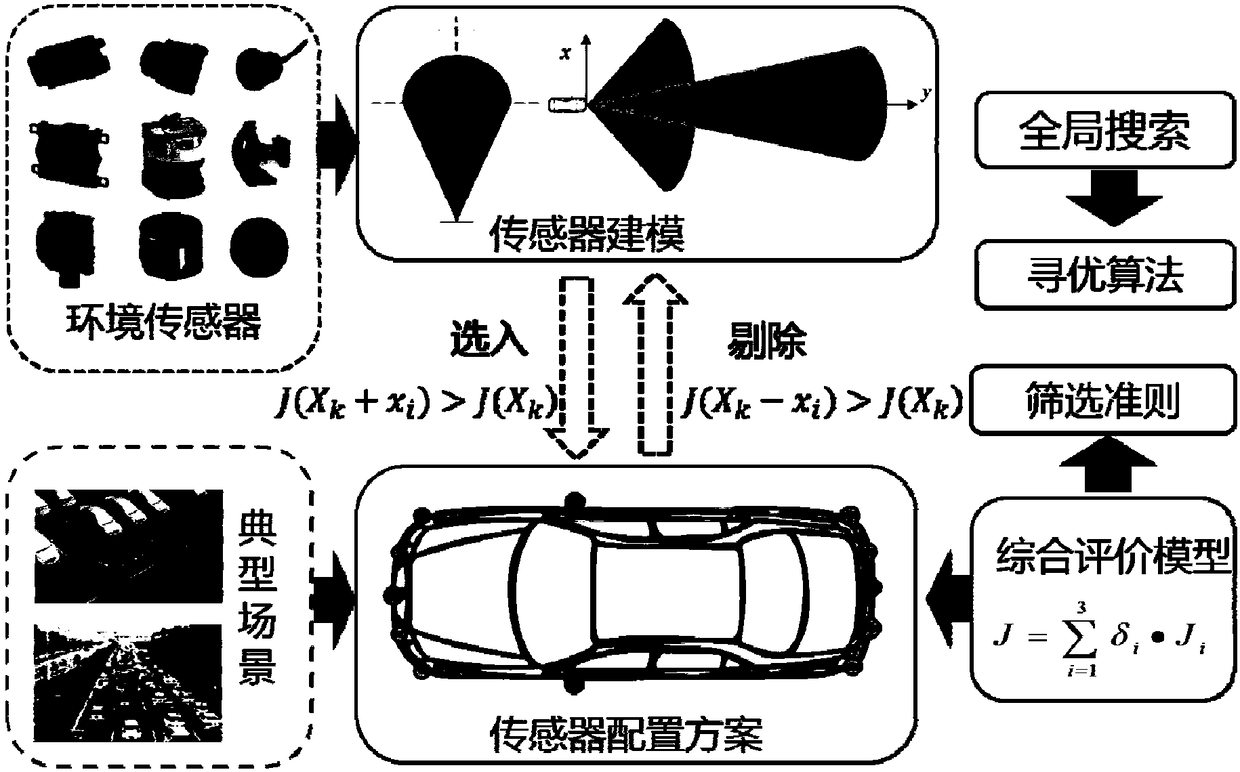
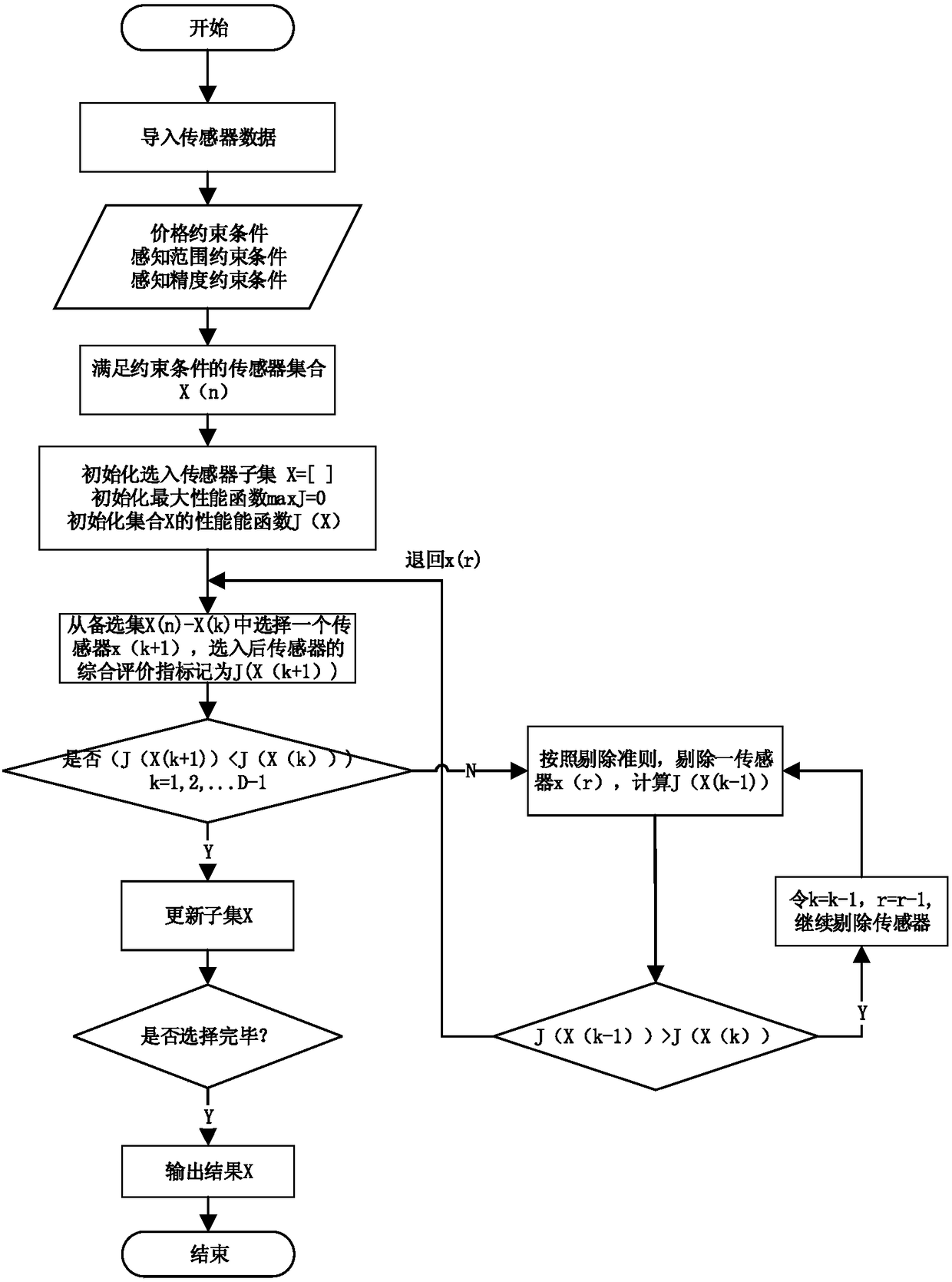
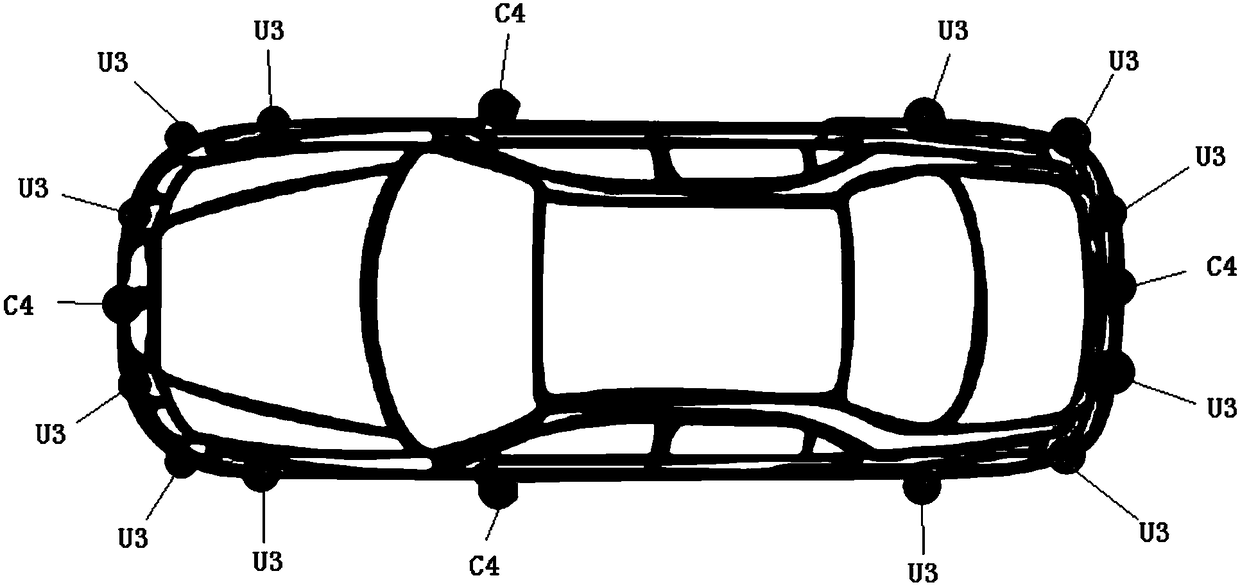
Optimization configuration method for automobile driving assistance system sensor
PatentActiveCN108304605A
Innovation
- The multi-dimensional comprehensive evaluation index model and global search algorithm are used to screen and optimize the selection and installation location of sensors according to the functional positioning and environmental information requirements of the automotive driving assistance system to achieve the optimal configuration of sensors.

Regulatory Framework for Automotive Sensing Technologies
The regulatory framework for automotive sensing technologies is evolving rapidly to keep pace with advancements in vehicle sensor systems, including photodiode-assisted models. Governments and regulatory bodies worldwide are developing and updating guidelines to ensure the safety, reliability, and ethical use of these technologies in vehicles.
In the United States, the National Highway Traffic Safety Administration (NHTSA) has been at the forefront of establishing regulations for automotive sensing technologies. The agency has issued guidelines for automated driving systems, which include provisions for sensor technologies. These guidelines emphasize the importance of robust testing and validation processes for sensor systems, including those utilizing photodiodes.
The European Union has also been proactive in developing regulations for automotive sensing technologies. The EU's General Safety Regulation, which came into effect in 2022, mandates the inclusion of advanced safety features in new vehicles, many of which rely on sophisticated sensor systems. This regulation has implications for the development and implementation of photodiode-assisted models in vehicle sensors.
In Asia, countries like Japan and South Korea have established their own regulatory frameworks for automotive sensing technologies. The Japanese government, through its Ministry of Land, Infrastructure, Transport and Tourism, has implemented guidelines for autonomous vehicle testing, which include specific requirements for sensor systems. Similarly, South Korea's Ministry of Land, Infrastructure and Transport has developed regulations to govern the testing and deployment of vehicles with advanced sensing capabilities.
International standards organizations, such as the International Organization for Standardization (ISO) and the Society of Automotive Engineers (SAE), play a crucial role in shaping the regulatory landscape for automotive sensing technologies. These organizations develop technical standards that often form the basis for national and regional regulations. For instance, ISO 26262 provides guidelines for functional safety in automotive systems, including sensor technologies.
As the technology behind photodiode-assisted models in vehicle sensors continues to advance, regulators are faced with the challenge of balancing innovation with safety concerns. Many regulatory bodies are adopting a flexible approach, allowing for the testing and deployment of new sensor technologies while maintaining strict safety standards. This approach often involves close collaboration between regulatory agencies, automotive manufacturers, and technology developers to ensure that regulations keep pace with technological advancements.
The regulatory framework also addresses data privacy and cybersecurity concerns associated with advanced vehicle sensing technologies. As these systems collect and process large amounts of data, regulations are being developed to protect consumer privacy and prevent unauthorized access to vehicle systems. This aspect of regulation is particularly relevant to photodiode-assisted models, which may capture and process sensitive environmental data.
In the United States, the National Highway Traffic Safety Administration (NHTSA) has been at the forefront of establishing regulations for automotive sensing technologies. The agency has issued guidelines for automated driving systems, which include provisions for sensor technologies. These guidelines emphasize the importance of robust testing and validation processes for sensor systems, including those utilizing photodiodes.
The European Union has also been proactive in developing regulations for automotive sensing technologies. The EU's General Safety Regulation, which came into effect in 2022, mandates the inclusion of advanced safety features in new vehicles, many of which rely on sophisticated sensor systems. This regulation has implications for the development and implementation of photodiode-assisted models in vehicle sensors.
In Asia, countries like Japan and South Korea have established their own regulatory frameworks for automotive sensing technologies. The Japanese government, through its Ministry of Land, Infrastructure, Transport and Tourism, has implemented guidelines for autonomous vehicle testing, which include specific requirements for sensor systems. Similarly, South Korea's Ministry of Land, Infrastructure and Transport has developed regulations to govern the testing and deployment of vehicles with advanced sensing capabilities.
International standards organizations, such as the International Organization for Standardization (ISO) and the Society of Automotive Engineers (SAE), play a crucial role in shaping the regulatory landscape for automotive sensing technologies. These organizations develop technical standards that often form the basis for national and regional regulations. For instance, ISO 26262 provides guidelines for functional safety in automotive systems, including sensor technologies.
As the technology behind photodiode-assisted models in vehicle sensors continues to advance, regulators are faced with the challenge of balancing innovation with safety concerns. Many regulatory bodies are adopting a flexible approach, allowing for the testing and deployment of new sensor technologies while maintaining strict safety standards. This approach often involves close collaboration between regulatory agencies, automotive manufacturers, and technology developers to ensure that regulations keep pace with technological advancements.
The regulatory framework also addresses data privacy and cybersecurity concerns associated with advanced vehicle sensing technologies. As these systems collect and process large amounts of data, regulations are being developed to protect consumer privacy and prevent unauthorized access to vehicle systems. This aspect of regulation is particularly relevant to photodiode-assisted models, which may capture and process sensitive environmental data.
Environmental Impact of Advanced Vehicle Sensor Systems
The integration of advanced vehicle sensor systems, particularly those incorporating photodiode-assisted models, has significant implications for environmental sustainability. These cutting-edge technologies contribute to reduced emissions and improved energy efficiency in vehicles, aligning with global efforts to combat climate change and promote eco-friendly transportation solutions.
Photodiode-assisted models in vehicle sensors play a crucial role in optimizing various aspects of vehicle performance, including engine management, fuel consumption, and emissions control. By providing precise and real-time data on light intensity, ambient conditions, and other environmental factors, these sensors enable more accurate and responsive vehicle systems. This enhanced accuracy leads to more efficient fuel utilization and reduced emissions, directly contributing to a lower environmental footprint.
The implementation of these advanced sensor systems also facilitates the development of more sophisticated driver assistance features and autonomous driving capabilities. These technologies have the potential to optimize traffic flow, reduce congestion, and minimize idle time, all of which contribute to lower overall emissions from vehicles. Additionally, the improved safety features enabled by these sensors can lead to fewer accidents, reducing the environmental impact associated with vehicle repairs and replacements.
Furthermore, the use of photodiode-assisted models in vehicle sensors supports the transition towards electric and hybrid vehicles. These sensors can provide critical data for battery management systems, helping to extend battery life and improve overall vehicle efficiency. This not only enhances the performance of electric vehicles but also contributes to their long-term sustainability by reducing the frequency of battery replacements and associated environmental costs.
However, it is important to consider the potential environmental impact of manufacturing and disposing of these advanced sensor systems. The production of photodiodes and other electronic components involves the use of rare earth elements and energy-intensive processes. As the adoption of these technologies increases, it becomes crucial to develop sustainable manufacturing practices and effective recycling strategies to mitigate any negative environmental effects associated with their lifecycle.
In conclusion, while the environmental benefits of advanced vehicle sensor systems are significant, a holistic approach is necessary to ensure their overall positive impact. This includes considering the entire lifecycle of these technologies, from production to disposal, and continuously improving their design and implementation to maximize their environmental benefits while minimizing potential drawbacks.
Photodiode-assisted models in vehicle sensors play a crucial role in optimizing various aspects of vehicle performance, including engine management, fuel consumption, and emissions control. By providing precise and real-time data on light intensity, ambient conditions, and other environmental factors, these sensors enable more accurate and responsive vehicle systems. This enhanced accuracy leads to more efficient fuel utilization and reduced emissions, directly contributing to a lower environmental footprint.
The implementation of these advanced sensor systems also facilitates the development of more sophisticated driver assistance features and autonomous driving capabilities. These technologies have the potential to optimize traffic flow, reduce congestion, and minimize idle time, all of which contribute to lower overall emissions from vehicles. Additionally, the improved safety features enabled by these sensors can lead to fewer accidents, reducing the environmental impact associated with vehicle repairs and replacements.
Furthermore, the use of photodiode-assisted models in vehicle sensors supports the transition towards electric and hybrid vehicles. These sensors can provide critical data for battery management systems, helping to extend battery life and improve overall vehicle efficiency. This not only enhances the performance of electric vehicles but also contributes to their long-term sustainability by reducing the frequency of battery replacements and associated environmental costs.
However, it is important to consider the potential environmental impact of manufacturing and disposing of these advanced sensor systems. The production of photodiodes and other electronic components involves the use of rare earth elements and energy-intensive processes. As the adoption of these technologies increases, it becomes crucial to develop sustainable manufacturing practices and effective recycling strategies to mitigate any negative environmental effects associated with their lifecycle.
In conclusion, while the environmental benefits of advanced vehicle sensor systems are significant, a holistic approach is necessary to ensure their overall positive impact. This includes considering the entire lifecycle of these technologies, from production to disposal, and continuously improving their design and implementation to maximize their environmental benefits while minimizing potential drawbacks.
Unlock deeper insights with PatSnap Eureka Quick Research — get a full tech report to explore trends and direct your research. Try now!
Generate Your Research Report Instantly with AI Agent
Supercharge your innovation with PatSnap Eureka AI Agent Platform!