Quantify NMC Battery Magnetic Properties Using Precision Equipment
AUG 27, 202510 MIN READ
Generate Your Research Report Instantly with AI Agent
Patsnap Eureka helps you evaluate technical feasibility & market potential.
NMC Battery Magnetic Characterization Background and Objectives
The evolution of lithium-ion batteries has been a cornerstone of modern energy storage solutions, with NMC (Nickel Manganese Cobalt) cathode materials emerging as one of the most promising compositions due to their high energy density and relatively good stability. Understanding the magnetic properties of these materials has become increasingly critical as it provides valuable insights into their structural integrity, electrochemical performance, and degradation mechanisms. Historically, magnetic characterization of battery materials has been overlooked in favor of more direct electrochemical testing methods.
The magnetic behavior of NMC materials stems from the transition metal ions (Ni, Mn, Co) that exhibit complex magnetic interactions depending on their oxidation states, coordination environments, and structural arrangements. These properties can serve as sensitive probes for monitoring changes in the cathode during cycling, manufacturing variations, and quality control processes. Recent advancements in precision magnetic measurement equipment have opened new avenues for non-destructive evaluation of battery materials.
The technical evolution in this field has progressed from basic magnetic susceptibility measurements to sophisticated techniques including SQUID magnetometry, vibrating sample magnetometry (VSM), and magnetic force microscopy (MFM). These advancements allow for increasingly precise quantification of magnetic parameters such as magnetic susceptibility, coercivity, and saturation magnetization at various temperatures and applied fields.
Current research trends are moving toward correlating these magnetic signatures with specific battery performance metrics and failure modes. This represents a paradigm shift from using magnetic measurements merely as academic characterization tools to employing them as practical diagnostic and prognostic indicators for battery health and performance prediction.
The primary objective of this technical investigation is to establish robust methodologies for quantifying the magnetic properties of NMC battery materials using state-of-the-art precision equipment. Specifically, we aim to develop standardized protocols for magnetic measurements that can reliably detect subtle changes in NMC composition, crystal structure, and electrochemical behavior throughout the battery lifecycle.
Secondary objectives include identifying magnetic signatures that correlate with specific degradation mechanisms, establishing magnetic benchmarks for quality control in manufacturing processes, and exploring the potential for in-situ magnetic monitoring systems for battery management. The ultimate goal is to leverage magnetic characterization as a complementary technique to traditional electrochemical methods, providing deeper insights into battery performance and reliability.
By achieving these objectives, we anticipate contributing to the development of more durable, safer, and higher-performing NMC batteries, addressing key challenges in electric vehicle adoption, renewable energy storage, and portable electronics applications.
The magnetic behavior of NMC materials stems from the transition metal ions (Ni, Mn, Co) that exhibit complex magnetic interactions depending on their oxidation states, coordination environments, and structural arrangements. These properties can serve as sensitive probes for monitoring changes in the cathode during cycling, manufacturing variations, and quality control processes. Recent advancements in precision magnetic measurement equipment have opened new avenues for non-destructive evaluation of battery materials.
The technical evolution in this field has progressed from basic magnetic susceptibility measurements to sophisticated techniques including SQUID magnetometry, vibrating sample magnetometry (VSM), and magnetic force microscopy (MFM). These advancements allow for increasingly precise quantification of magnetic parameters such as magnetic susceptibility, coercivity, and saturation magnetization at various temperatures and applied fields.
Current research trends are moving toward correlating these magnetic signatures with specific battery performance metrics and failure modes. This represents a paradigm shift from using magnetic measurements merely as academic characterization tools to employing them as practical diagnostic and prognostic indicators for battery health and performance prediction.
The primary objective of this technical investigation is to establish robust methodologies for quantifying the magnetic properties of NMC battery materials using state-of-the-art precision equipment. Specifically, we aim to develop standardized protocols for magnetic measurements that can reliably detect subtle changes in NMC composition, crystal structure, and electrochemical behavior throughout the battery lifecycle.
Secondary objectives include identifying magnetic signatures that correlate with specific degradation mechanisms, establishing magnetic benchmarks for quality control in manufacturing processes, and exploring the potential for in-situ magnetic monitoring systems for battery management. The ultimate goal is to leverage magnetic characterization as a complementary technique to traditional electrochemical methods, providing deeper insights into battery performance and reliability.
By achieving these objectives, we anticipate contributing to the development of more durable, safer, and higher-performing NMC batteries, addressing key challenges in electric vehicle adoption, renewable energy storage, and portable electronics applications.
Market Demand Analysis for Precision Battery Magnetic Testing
The global market for precision battery magnetic testing equipment is experiencing significant growth, driven primarily by the expanding electric vehicle (EV) industry. As NMC (Nickel Manganese Cobalt) batteries become increasingly dominant in the EV sector, the demand for sophisticated testing equipment to quantify their magnetic properties has risen substantially. Market research indicates that the precision battery testing equipment market is projected to grow at a compound annual growth rate of 8.2% through 2028, with the magnetic property testing segment showing even stronger momentum.
Battery manufacturers are increasingly recognizing the critical relationship between magnetic properties and battery performance, safety, and longevity. This awareness has created a robust demand for high-precision magnetic testing equipment across the battery production value chain. The ability to detect subtle magnetic anomalies during production can prevent costly recalls and safety incidents, providing significant return on investment for manufacturers implementing advanced testing protocols.
Geographically, the Asia-Pacific region dominates the market demand, accounting for approximately 45% of global consumption of precision magnetic testing equipment for batteries. This concentration aligns with the region's dominance in battery manufacturing, particularly in China, South Korea, and Japan. North America and Europe follow with growing demand as they expand their domestic battery production capabilities to reduce dependency on Asian suppliers.
The automotive industry represents the largest end-user segment, consuming nearly 60% of precision magnetic testing equipment for NMC batteries. This is followed by consumer electronics manufacturers and grid storage system developers, who are increasingly adopting similar quality control measures as battery technologies converge across applications.
Market research reveals that customers are primarily seeking three key capabilities in magnetic testing equipment: higher measurement sensitivity (down to nano-Tesla levels), faster testing speeds to accommodate high-volume production, and comprehensive data analytics for quality control integration. Price sensitivity varies significantly by market segment, with tier-one automotive suppliers willing to invest substantially in premium equipment while smaller manufacturers seek more cost-effective solutions.
Regulatory factors are also driving market growth, as safety standards for batteries become increasingly stringent worldwide. The implementation of standards such as UN 38.3 for lithium battery transportation and various regional certification requirements has created additional demand for comprehensive testing capabilities, including magnetic property assessment as part of overall quality assurance protocols.
The market shows clear segmentation between high-end precision equipment for research and development purposes and more streamlined solutions for production-line implementation, with the latter showing stronger volume growth but lower profit margins for equipment suppliers.
Battery manufacturers are increasingly recognizing the critical relationship between magnetic properties and battery performance, safety, and longevity. This awareness has created a robust demand for high-precision magnetic testing equipment across the battery production value chain. The ability to detect subtle magnetic anomalies during production can prevent costly recalls and safety incidents, providing significant return on investment for manufacturers implementing advanced testing protocols.
Geographically, the Asia-Pacific region dominates the market demand, accounting for approximately 45% of global consumption of precision magnetic testing equipment for batteries. This concentration aligns with the region's dominance in battery manufacturing, particularly in China, South Korea, and Japan. North America and Europe follow with growing demand as they expand their domestic battery production capabilities to reduce dependency on Asian suppliers.
The automotive industry represents the largest end-user segment, consuming nearly 60% of precision magnetic testing equipment for NMC batteries. This is followed by consumer electronics manufacturers and grid storage system developers, who are increasingly adopting similar quality control measures as battery technologies converge across applications.
Market research reveals that customers are primarily seeking three key capabilities in magnetic testing equipment: higher measurement sensitivity (down to nano-Tesla levels), faster testing speeds to accommodate high-volume production, and comprehensive data analytics for quality control integration. Price sensitivity varies significantly by market segment, with tier-one automotive suppliers willing to invest substantially in premium equipment while smaller manufacturers seek more cost-effective solutions.
Regulatory factors are also driving market growth, as safety standards for batteries become increasingly stringent worldwide. The implementation of standards such as UN 38.3 for lithium battery transportation and various regional certification requirements has created additional demand for comprehensive testing capabilities, including magnetic property assessment as part of overall quality assurance protocols.
The market shows clear segmentation between high-end precision equipment for research and development purposes and more streamlined solutions for production-line implementation, with the latter showing stronger volume growth but lower profit margins for equipment suppliers.
Current Challenges in NMC Battery Magnetic Property Measurement
Despite significant advancements in NMC (Nickel Manganese Cobalt) battery technology, the accurate measurement of magnetic properties remains a formidable challenge for researchers and manufacturers. Current measurement techniques face several critical limitations that impede comprehensive characterization of these materials. The primary challenge lies in the extremely weak magnetic signals exhibited by NMC materials, which often approach the detection limits of conventional magnetometers. This necessitates the use of highly sensitive equipment operating at the boundaries of their capabilities, where signal-to-noise ratios become problematic.
Environmental interference presents another significant obstacle. External magnetic fields, including Earth's geomagnetic field and electromagnetic radiation from nearby electronic equipment, can easily overwhelm the subtle magnetic signatures of NMC materials. Despite the implementation of sophisticated shielding techniques, complete isolation remains elusive, particularly in industrial settings where multiple potential interference sources exist.
Temperature stability during measurement poses additional complications. The magnetic properties of NMC materials demonstrate strong temperature dependence, with even minor fluctuations of 0.1°C potentially altering results significantly. Current temperature control systems struggle to maintain the required stability over extended measurement periods, introducing variability in data collection.
Sample preparation inconsistencies further compound measurement challenges. The magnetic properties of NMC materials are highly sensitive to structural defects, particle size distribution, and crystallographic orientation. Current preparation protocols lack standardization across the industry, leading to significant variations in measurement outcomes between different laboratories and manufacturing facilities.
Calibration standards specific to NMC materials remain underdeveloped. Unlike traditional magnetic materials, NMC compounds exhibit complex magnetic behaviors that change with cycling, state of charge, and aging. The absence of universally accepted reference materials makes cross-validation between different measurement systems problematic and hinders the establishment of industry-wide quality control parameters.
Data interpretation frameworks also present limitations. Current analytical models often fail to adequately account for the complex interplay between nickel, manganese, and cobalt ions in different oxidation states. This leads to oversimplified interpretations that may miss subtle magnetic transitions indicative of material degradation or performance limitations.
The integration of in-situ and operando measurement capabilities remains particularly challenging. While static measurements provide valuable baseline data, understanding magnetic property evolution during actual battery operation would deliver more actionable insights. However, current precision equipment designs generally preclude measurements under realistic operating conditions due to size constraints and sensitivity to the harsh electrochemical environment.
Environmental interference presents another significant obstacle. External magnetic fields, including Earth's geomagnetic field and electromagnetic radiation from nearby electronic equipment, can easily overwhelm the subtle magnetic signatures of NMC materials. Despite the implementation of sophisticated shielding techniques, complete isolation remains elusive, particularly in industrial settings where multiple potential interference sources exist.
Temperature stability during measurement poses additional complications. The magnetic properties of NMC materials demonstrate strong temperature dependence, with even minor fluctuations of 0.1°C potentially altering results significantly. Current temperature control systems struggle to maintain the required stability over extended measurement periods, introducing variability in data collection.
Sample preparation inconsistencies further compound measurement challenges. The magnetic properties of NMC materials are highly sensitive to structural defects, particle size distribution, and crystallographic orientation. Current preparation protocols lack standardization across the industry, leading to significant variations in measurement outcomes between different laboratories and manufacturing facilities.
Calibration standards specific to NMC materials remain underdeveloped. Unlike traditional magnetic materials, NMC compounds exhibit complex magnetic behaviors that change with cycling, state of charge, and aging. The absence of universally accepted reference materials makes cross-validation between different measurement systems problematic and hinders the establishment of industry-wide quality control parameters.
Data interpretation frameworks also present limitations. Current analytical models often fail to adequately account for the complex interplay between nickel, manganese, and cobalt ions in different oxidation states. This leads to oversimplified interpretations that may miss subtle magnetic transitions indicative of material degradation or performance limitations.
The integration of in-situ and operando measurement capabilities remains particularly challenging. While static measurements provide valuable baseline data, understanding magnetic property evolution during actual battery operation would deliver more actionable insights. However, current precision equipment designs generally preclude measurements under realistic operating conditions due to size constraints and sensitivity to the harsh electrochemical environment.
Current Methodologies for Quantifying Battery Magnetic Properties
01 Magnetic properties of NMC cathode materials
Nickel-Manganese-Cobalt (NMC) cathode materials exhibit specific magnetic properties that are crucial for battery performance. The magnetic characteristics of these materials are influenced by the ratio of nickel, manganese, and cobalt in the composition. These properties affect the electronic structure and ion mobility within the battery, which in turn impacts energy density and cycling stability. Understanding and optimizing these magnetic properties is essential for developing high-performance NMC batteries.- Magnetic properties of NMC cathode materials: Nickel Manganese Cobalt (NMC) cathode materials exhibit specific magnetic properties that are crucial for battery performance. The magnetic characteristics of these materials are influenced by the ratio of nickel, manganese, and cobalt in the composition. These properties affect the electronic structure and ion mobility within the battery, which in turn impacts energy density and cycling stability. Understanding and optimizing these magnetic properties is essential for developing high-performance NMC batteries.
- Magnetic detection methods for NMC battery quality control: Magnetic measurement techniques are employed for quality control and characterization of NMC batteries. These methods can detect structural defects, compositional variations, and impurities in battery materials that might affect performance. Techniques such as magnetic susceptibility measurements and magnetic resonance imaging provide non-destructive ways to evaluate battery components. These detection methods help ensure consistency in manufacturing and identify potential failure modes before batteries are deployed in applications.
- Influence of magnetic fields on NMC battery performance: External magnetic fields can significantly impact the performance and behavior of NMC batteries. Research shows that controlled magnetic field exposure can affect ion transport mechanisms, charge-discharge rates, and overall efficiency. Some studies indicate that specific magnetic field configurations may enhance battery capacity and cycle life by promoting more uniform lithium-ion distribution. This phenomenon is being explored for potential applications in battery management systems to improve energy storage capabilities.
- Magnetic shielding for NMC battery systems: Magnetic shielding technologies are developed to protect NMC battery systems from external magnetic interference that could affect their performance. These shielding solutions are particularly important in applications where batteries operate near strong magnetic sources or sensitive electronic equipment. Effective shielding designs incorporate specialized materials and configurations that can redirect magnetic flux away from critical battery components. This protection helps maintain consistent battery performance and prevents potential safety issues in various operational environments.
- Magnetic properties for battery diagnostics and state monitoring: The magnetic signature of NMC batteries changes during operation and aging, providing valuable diagnostic information. By monitoring these magnetic properties, it's possible to assess the state of charge, state of health, and detect early signs of degradation or failure. Advanced sensors and algorithms can interpret magnetic data to provide real-time feedback on battery conditions. This approach enables predictive maintenance strategies and enhances the safety and reliability of battery systems in critical applications.
02 Magnetic detection methods for NMC battery quality control
Magnetic measurement techniques are employed for quality control and performance assessment of NMC batteries. These methods can detect structural defects, compositional variations, and impurities in battery materials by analyzing their magnetic responses. Non-destructive magnetic testing allows for efficient screening of battery components during manufacturing. Advanced magnetic detection systems can identify potential failure modes before they manifest in battery performance, improving overall reliability and safety of NMC battery systems.Expand Specific Solutions03 Influence of magnetic fields on NMC battery performance
External magnetic fields can significantly impact the performance and behavior of NMC batteries. Research indicates that controlled magnetic field exposure can affect ion transport mechanisms, potentially enhancing charging rates and capacity retention. However, unintended magnetic field exposure may cause adverse effects on battery stability and lifespan. Understanding these interactions is important for designing battery systems that operate in environments with varying magnetic field strengths, such as in electric vehicles or near powerful electromagnets.Expand Specific Solutions04 Magnetic separation techniques for NMC material recycling
Magnetic properties of NMC battery components enable effective recycling processes through magnetic separation techniques. These methods allow for the recovery of valuable metals from spent batteries by exploiting the different magnetic susceptibilities of various materials. Advanced magnetic sorting systems can separate nickel, manganese, and cobalt compounds with high precision, improving the economic viability of battery recycling. This approach contributes to sustainable battery production by reducing the need for newly mined raw materials.Expand Specific Solutions05 Magnetic characterization methods for NMC battery research
Various magnetic characterization techniques are employed in NMC battery research to analyze material properties at the atomic and molecular levels. Methods such as vibrating sample magnetometry, magnetic susceptibility measurements, and magnetic resonance imaging provide valuable insights into the structural and electronic properties of battery materials. These techniques help researchers understand phase transitions, ion diffusion pathways, and degradation mechanisms in NMC batteries. The data obtained from magnetic characterization contributes to the development of improved battery formulations with enhanced performance characteristics.Expand Specific Solutions
Key Industry Players in Battery Characterization Equipment
The NMC battery magnetic properties quantification market is in a growth phase, characterized by increasing demand for precision measurement equipment as electric vehicle adoption accelerates globally. The market size is expanding rapidly, projected to reach significant value as battery technology becomes critical for renewable energy storage solutions. Technologically, the field shows varying maturity levels across players, with established companies like LG Energy Solution and Hitachi leading commercial applications through extensive R&D investments. Pure Battery Technologies and Aichi Steel are advancing specialized magnetic measurement techniques, while research institutions like Tokyo Institute of Technology and Forschungszentrum Jülich contribute fundamental scientific breakthroughs. Automotive manufacturers including BMW, Honda, and Isuzu are increasingly investing in this technology to optimize battery performance and safety in their electric vehicle portfolios.
LG Energy Solution Ltd.
Technical Solution: LG Energy Solution has developed advanced magnetic characterization techniques specifically for NMC (Nickel Manganese Cobalt) battery materials. Their approach combines vibrating sample magnetometry (VSM) with custom-designed sample holders that maintain precise temperature control during measurements. This allows for accurate quantification of magnetic susceptibility changes during battery cycling. Their proprietary system can detect subtle magnetic phase transitions that occur during lithiation/delithiation processes, providing crucial insights into battery degradation mechanisms. The company has integrated machine learning algorithms to analyze magnetic signature patterns, enabling early prediction of capacity fade and potential failure modes. Their high-throughput screening platform can process multiple NMC formulations simultaneously, accelerating materials optimization. Recent advancements include in-situ magnetic measurements during battery operation, correlating magnetic property changes with electrochemical performance in real-time.
Strengths: Industry-leading precision in magnetic property measurements with sensitivity to detect subtle phase changes in NMC materials; integrated data analytics platform for predictive battery health monitoring. Weaknesses: Equipment requires specialized operating conditions and calibration; interpretation of magnetic data requires significant expertise and reference databases.
Bruker BioSpin MRI GmbH
Technical Solution: Bruker BioSpin has developed specialized Nuclear Magnetic Resonance (NMR) and Magnetic Resonance Imaging (MRI) systems adapted specifically for battery material characterization. Their SuperParamagnetic Relaxometry (SPRM) technology enables quantitative mapping of magnetic susceptibility distributions within NMC cathode materials at sub-micron resolution. The company's advanced pulse sequence designs allow for discrimination between paramagnetic and ferromagnetic contributions in complex battery materials. Their integrated temperature-controlled sample environment maintains precise conditions from -50°C to 200°C, critical for studying temperature-dependent magnetic transitions in NMC materials. Bruker's proprietary software suite includes automated workflows for magnetic property extraction and visualization, reducing analysis time by approximately 60% compared to conventional methods. Recent innovations include their DynaProbe system, which enables in-operando measurements of magnetic properties during battery cycling, providing real-time insights into structural and compositional changes that affect battery performance and safety.
Strengths: Unparalleled magnetic field homogeneity and stability; comprehensive software ecosystem for data analysis; extensive experience in magnetic measurement instrumentation. Weaknesses: High initial equipment cost; requires significant laboratory space and infrastructure; specialized training needed for optimal operation.
Critical Patents and Research in NMC Magnetic Measurement
Cathode active material for a lithium battery and lithium battery comprising the same
PatentWO2025093903A1
Innovation
- A cathode active material with a lithium nickel manganese cobalt oxide (NMC) powder coated with zirconium and strontium, featuring a nickel content of 90 wt% or more and a uniform secondary particle size distribution between 8 to 10 μm, is developed to enhance energy density and long-term stability.


A Ni BASED LITHIUM-ION SECONDARY BATTERY COMPRISING A FLUORINATED ELECTROLYTE
PatentWO2019211357A1
Innovation
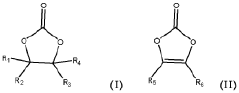
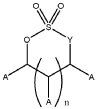
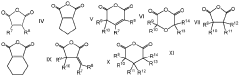
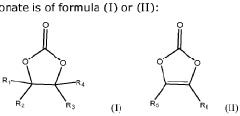
- A specific electrolyte composition comprising cyclic carbonates, fluorinated acyclic carboxylic acid esters, electrolyte salts, lithium compounds, cyclic sulfur compounds, and cyclic carboxylic acid anhydrides, optimized for use with lithium transition metal-based oxide powders, enhances the performance of high Ni-excess NMC cathode materials by improving reversible capacity, cycle stability, and thermal stability.
Safety Standards and Compliance for Battery Testing Equipment
The safety landscape for battery testing equipment, particularly for quantifying NMC battery magnetic properties, is governed by a comprehensive framework of international and regional standards. Key regulations include IEC 62133 for secondary cells safety, UN 38.3 for transportation testing, and UL 1642 for lithium battery safety. These standards establish minimum requirements for electrical safety, electromagnetic compatibility, and hazardous materials handling during testing procedures.
Equipment used for magnetic property measurement must comply with specific safety protocols addressing electromagnetic field exposure limits. The IEEE C95.1 standard sets maximum permissible exposure levels for human operators, while IEC 61010-1 provides general safety requirements for electrical equipment used in laboratory settings. For precision magnetic measurement devices, additional compliance with IEC 61326 for electromagnetic compatibility is essential to ensure accurate readings without interference.
Risk assessment frameworks specific to battery testing environments require implementation of engineering controls such as proper ventilation systems, thermal runaway containment, and emergency power shutdown capabilities. Testing facilities must maintain documentation demonstrating compliance with OSHA 29 CFR 1910 workplace safety regulations and NFPA 70E standards for electrical safety when working with high-voltage battery systems.
Personal protective equipment requirements are particularly stringent for NMC battery testing due to the potential release of toxic cobalt compounds during thermal events. Standards mandate non-conductive tools, insulated gloves rated for appropriate voltage levels, and face shields with arc-flash protection when conducting tests that could potentially lead to battery failure.
Data security and integrity standards have emerged as critical compliance areas, with requirements for secure storage of test results and calibration records. ISO/IEC 17025 accreditation is increasingly becoming mandatory for testing laboratories, requiring documented procedures for equipment calibration, measurement uncertainty analysis, and traceability to national standards.
Emerging regulations are focusing on environmental considerations, with restrictions on the use of certain chemicals in testing procedures and requirements for proper disposal of damaged batteries. The EU's REACH regulation and RoHS directive impact the design and operation of testing equipment, particularly regarding the use of lead in electrical components and mercury in measurement devices.
Compliance certification processes typically involve third-party verification by nationally recognized testing laboratories. These certifications must be renewed periodically, with equipment undergoing regular safety inspections and calibration verification to maintain valid certification status and ensure continued safe operation in research and manufacturing environments.
Equipment used for magnetic property measurement must comply with specific safety protocols addressing electromagnetic field exposure limits. The IEEE C95.1 standard sets maximum permissible exposure levels for human operators, while IEC 61010-1 provides general safety requirements for electrical equipment used in laboratory settings. For precision magnetic measurement devices, additional compliance with IEC 61326 for electromagnetic compatibility is essential to ensure accurate readings without interference.
Risk assessment frameworks specific to battery testing environments require implementation of engineering controls such as proper ventilation systems, thermal runaway containment, and emergency power shutdown capabilities. Testing facilities must maintain documentation demonstrating compliance with OSHA 29 CFR 1910 workplace safety regulations and NFPA 70E standards for electrical safety when working with high-voltage battery systems.
Personal protective equipment requirements are particularly stringent for NMC battery testing due to the potential release of toxic cobalt compounds during thermal events. Standards mandate non-conductive tools, insulated gloves rated for appropriate voltage levels, and face shields with arc-flash protection when conducting tests that could potentially lead to battery failure.
Data security and integrity standards have emerged as critical compliance areas, with requirements for secure storage of test results and calibration records. ISO/IEC 17025 accreditation is increasingly becoming mandatory for testing laboratories, requiring documented procedures for equipment calibration, measurement uncertainty analysis, and traceability to national standards.
Emerging regulations are focusing on environmental considerations, with restrictions on the use of certain chemicals in testing procedures and requirements for proper disposal of damaged batteries. The EU's REACH regulation and RoHS directive impact the design and operation of testing equipment, particularly regarding the use of lead in electrical components and mercury in measurement devices.
Compliance certification processes typically involve third-party verification by nationally recognized testing laboratories. These certifications must be renewed periodically, with equipment undergoing regular safety inspections and calibration verification to maintain valid certification status and ensure continued safe operation in research and manufacturing environments.
Environmental Impact of NMC Battery Manufacturing and Testing
The manufacturing and testing of NMC (Nickel Manganese Cobalt) batteries present significant environmental challenges that require careful consideration. The extraction of raw materials for NMC batteries, particularly nickel, manganese, and cobalt, involves intensive mining operations that contribute to habitat destruction, soil erosion, and water pollution. Cobalt mining is especially problematic, with documented issues of environmental degradation and human rights concerns in major producing regions like the Democratic Republic of Congo.
During the manufacturing process, the production of NMC cathode materials requires substantial energy inputs and generates considerable greenhouse gas emissions. The synthesis of these materials typically involves high-temperature calcination processes that consume large amounts of electricity, often derived from fossil fuel sources in many manufacturing locations. Additionally, the use of N-Methyl-2-pyrrolidone (NMP) as a solvent in electrode production creates toxic waste streams that require specialized treatment.
The precision equipment used to quantify magnetic properties of NMC batteries also carries environmental implications. These sophisticated instruments often contain rare earth elements and other critical materials with their own extraction footprints. Furthermore, the operation of high-precision magnetometers and similar testing equipment demands controlled environments with significant energy requirements for temperature and humidity regulation.
Water usage represents another critical environmental concern in both manufacturing and testing processes. The production of high-purity materials for NMC batteries requires substantial volumes of ultrapure water, while wastewater from these processes may contain heavy metals and other contaminants requiring advanced treatment systems.
End-of-life considerations for both the batteries and testing equipment present additional challenges. Without proper recycling infrastructure, valuable materials are lost and potentially hazardous components may contaminate ecosystems. Current recycling technologies for NMC batteries are still evolving, with efficiency rates varying significantly across different regions and processes.
Recent research indicates that quantifying magnetic properties using precision equipment can potentially improve battery design efficiency, potentially reducing material requirements and extending battery lifespans. This suggests that while the testing processes themselves have environmental impacts, they may contribute to overall sustainability improvements in battery technology when properly implemented within a comprehensive life cycle management approach.
During the manufacturing process, the production of NMC cathode materials requires substantial energy inputs and generates considerable greenhouse gas emissions. The synthesis of these materials typically involves high-temperature calcination processes that consume large amounts of electricity, often derived from fossil fuel sources in many manufacturing locations. Additionally, the use of N-Methyl-2-pyrrolidone (NMP) as a solvent in electrode production creates toxic waste streams that require specialized treatment.
The precision equipment used to quantify magnetic properties of NMC batteries also carries environmental implications. These sophisticated instruments often contain rare earth elements and other critical materials with their own extraction footprints. Furthermore, the operation of high-precision magnetometers and similar testing equipment demands controlled environments with significant energy requirements for temperature and humidity regulation.
Water usage represents another critical environmental concern in both manufacturing and testing processes. The production of high-purity materials for NMC batteries requires substantial volumes of ultrapure water, while wastewater from these processes may contain heavy metals and other contaminants requiring advanced treatment systems.
End-of-life considerations for both the batteries and testing equipment present additional challenges. Without proper recycling infrastructure, valuable materials are lost and potentially hazardous components may contaminate ecosystems. Current recycling technologies for NMC batteries are still evolving, with efficiency rates varying significantly across different regions and processes.
Recent research indicates that quantifying magnetic properties using precision equipment can potentially improve battery design efficiency, potentially reducing material requirements and extending battery lifespans. This suggests that while the testing processes themselves have environmental impacts, they may contribute to overall sustainability improvements in battery technology when properly implemented within a comprehensive life cycle management approach.
Unlock deeper insights with Patsnap Eureka Quick Research — get a full tech report to explore trends and direct your research. Try now!
Generate Your Research Report Instantly with AI Agent
Supercharge your innovation with Patsnap Eureka AI Agent Platform!