Dielectric Breakdown vs Electrode Material
MAR 26, 20268 MIN READ
Generate Your Research Report Instantly with AI Agent
PatSnap Eureka helps you evaluate technical feasibility & market potential.
Dielectric Breakdown Research Background and Objectives
Dielectric breakdown represents a critical failure mechanism in electrical systems where insulating materials lose their ability to prevent current flow under high electric field stress. This phenomenon occurs when the applied electric field exceeds the material's dielectric strength, leading to permanent damage and potential system failure. The relationship between electrode materials and dielectric breakdown behavior has emerged as a fundamental research area, particularly as electronic devices continue to miniaturize while demanding higher performance and reliability.
The significance of electrode material selection extends beyond simple conductivity considerations. Different electrode materials exhibit varying work functions, surface roughness characteristics, and chemical reactivity with dielectric layers. These properties directly influence local electric field distributions, charge injection mechanisms, and interfacial stability under electrical stress. Understanding these interactions becomes increasingly critical as device dimensions shrink to nanoscale levels, where interfacial effects dominate bulk material properties.
Historical investigations have revealed that electrode materials significantly affect breakdown initiation mechanisms. Metal electrodes with different work functions create varying barrier heights at the electrode-dielectric interface, influencing charge injection and accumulation patterns. Noble metals like gold and platinum demonstrate different breakdown characteristics compared to reactive metals such as aluminum or copper, which may form native oxide layers that alter the effective electrode-dielectric interface.
The primary objective of this research domain focuses on establishing comprehensive relationships between electrode material properties and dielectric breakdown phenomena. This includes quantifying how electrode work function, surface morphology, and chemical composition influence breakdown voltage, failure modes, and long-term reliability. Advanced characterization techniques enable detailed analysis of breakdown mechanisms at the microscopic level, revealing the role of electrode-induced field enhancement and interfacial charge dynamics.
Contemporary research aims to develop predictive models that correlate electrode material characteristics with dielectric performance metrics. These models must account for temperature dependencies, frequency effects, and aging mechanisms that influence long-term device reliability. The ultimate goal involves optimizing electrode-dielectric combinations for specific applications, ranging from high-voltage power electronics to ultra-low-power microelectronic devices, ensuring both immediate performance and extended operational lifetime.
The significance of electrode material selection extends beyond simple conductivity considerations. Different electrode materials exhibit varying work functions, surface roughness characteristics, and chemical reactivity with dielectric layers. These properties directly influence local electric field distributions, charge injection mechanisms, and interfacial stability under electrical stress. Understanding these interactions becomes increasingly critical as device dimensions shrink to nanoscale levels, where interfacial effects dominate bulk material properties.
Historical investigations have revealed that electrode materials significantly affect breakdown initiation mechanisms. Metal electrodes with different work functions create varying barrier heights at the electrode-dielectric interface, influencing charge injection and accumulation patterns. Noble metals like gold and platinum demonstrate different breakdown characteristics compared to reactive metals such as aluminum or copper, which may form native oxide layers that alter the effective electrode-dielectric interface.
The primary objective of this research domain focuses on establishing comprehensive relationships between electrode material properties and dielectric breakdown phenomena. This includes quantifying how electrode work function, surface morphology, and chemical composition influence breakdown voltage, failure modes, and long-term reliability. Advanced characterization techniques enable detailed analysis of breakdown mechanisms at the microscopic level, revealing the role of electrode-induced field enhancement and interfacial charge dynamics.
Contemporary research aims to develop predictive models that correlate electrode material characteristics with dielectric performance metrics. These models must account for temperature dependencies, frequency effects, and aging mechanisms that influence long-term device reliability. The ultimate goal involves optimizing electrode-dielectric combinations for specific applications, ranging from high-voltage power electronics to ultra-low-power microelectronic devices, ensuring both immediate performance and extended operational lifetime.
Market Demand for Advanced Dielectric Materials
The global market for advanced dielectric materials is experiencing unprecedented growth driven by the critical need for enhanced electrical insulation performance across multiple high-technology sectors. This demand surge stems from the fundamental relationship between dielectric breakdown characteristics and electrode material selection, which directly impacts device reliability, operational efficiency, and safety standards in modern electronic systems.
Power electronics and energy storage applications represent the largest market segment demanding superior dielectric materials. The transition toward renewable energy systems, electric vehicles, and smart grid infrastructure requires dielectric materials capable of withstanding extreme electric field conditions while maintaining stable performance across varying electrode configurations. These applications particularly emphasize materials that demonstrate consistent breakdown voltage characteristics regardless of electrode material variations.
The semiconductor industry drives substantial demand for specialized dielectric materials optimized for specific electrode interfaces. Advanced packaging technologies, high-frequency devices, and next-generation processors require dielectric materials engineered to complement metallic and compound semiconductor electrodes. The miniaturization trend intensifies requirements for materials that maintain breakdown strength at reduced thicknesses while accommodating diverse electrode material systems.
Aerospace and defense sectors generate significant market demand for dielectric materials capable of reliable performance under extreme conditions. These applications require materials that maintain consistent breakdown characteristics across temperature ranges, radiation exposure, and mechanical stress while interfacing with specialized electrode materials including refractory metals and conductive ceramics.
The telecommunications infrastructure expansion, particularly fifth-generation wireless networks and satellite communications, creates growing demand for high-frequency dielectric materials. These applications require materials optimized for specific electrode configurations that minimize signal loss while preventing breakdown under high-power transmission conditions.
Medical device manufacturing represents an emerging high-value market segment requiring biocompatible dielectric materials with predictable breakdown behavior. Implantable devices, diagnostic equipment, and therapeutic systems demand materials that maintain electrical integrity while interfacing with specialized biocompatible electrode materials over extended operational periods.
Market growth is further accelerated by increasing regulatory requirements for electrical safety standards across industries. These regulations drive demand for dielectric materials with well-characterized breakdown properties and documented compatibility with standard electrode materials, creating opportunities for materials that offer superior performance predictability and reliability certification.
Power electronics and energy storage applications represent the largest market segment demanding superior dielectric materials. The transition toward renewable energy systems, electric vehicles, and smart grid infrastructure requires dielectric materials capable of withstanding extreme electric field conditions while maintaining stable performance across varying electrode configurations. These applications particularly emphasize materials that demonstrate consistent breakdown voltage characteristics regardless of electrode material variations.
The semiconductor industry drives substantial demand for specialized dielectric materials optimized for specific electrode interfaces. Advanced packaging technologies, high-frequency devices, and next-generation processors require dielectric materials engineered to complement metallic and compound semiconductor electrodes. The miniaturization trend intensifies requirements for materials that maintain breakdown strength at reduced thicknesses while accommodating diverse electrode material systems.
Aerospace and defense sectors generate significant market demand for dielectric materials capable of reliable performance under extreme conditions. These applications require materials that maintain consistent breakdown characteristics across temperature ranges, radiation exposure, and mechanical stress while interfacing with specialized electrode materials including refractory metals and conductive ceramics.
The telecommunications infrastructure expansion, particularly fifth-generation wireless networks and satellite communications, creates growing demand for high-frequency dielectric materials. These applications require materials optimized for specific electrode configurations that minimize signal loss while preventing breakdown under high-power transmission conditions.
Medical device manufacturing represents an emerging high-value market segment requiring biocompatible dielectric materials with predictable breakdown behavior. Implantable devices, diagnostic equipment, and therapeutic systems demand materials that maintain electrical integrity while interfacing with specialized biocompatible electrode materials over extended operational periods.
Market growth is further accelerated by increasing regulatory requirements for electrical safety standards across industries. These regulations drive demand for dielectric materials with well-characterized breakdown properties and documented compatibility with standard electrode materials, creating opportunities for materials that offer superior performance predictability and reliability certification.
Current State of Electrode-Dielectric Interface Challenges
The electrode-dielectric interface represents one of the most critical failure points in electrical insulation systems, where complex physicochemical processes determine the overall breakdown performance. Current research reveals that interface degradation mechanisms are fundamentally different from bulk dielectric breakdown, involving charge injection, accumulation, and localized field enhancement that can trigger premature failure at voltages significantly below the theoretical breakdown strength of the dielectric material.
Metal electrode surfaces exhibit inherent roughness and microstructural irregularities that create localized electric field concentrations at the interface. These field enhancement effects are particularly pronounced at sharp edges, grain boundaries, and surface asperities, where field strengths can exceed the average applied field by factors of 10 or more. The resulting non-uniform field distribution leads to preferential charge injection sites and accelerated degradation pathways that compromise long-term reliability.
Charge injection from electrodes into dielectric materials remains poorly understood, with injection mechanisms varying significantly based on electrode work function, surface treatment, and interfacial chemistry. Traditional Schottky emission and Fowler-Nordheim tunneling models often fail to accurately predict injection behavior under practical operating conditions, particularly when considering the influence of surface oxides, contamination layers, and time-dependent interface evolution.
Interface contamination presents another major challenge, as even monolayer-level impurities can dramatically alter breakdown characteristics. Organic residues from manufacturing processes, atmospheric moisture absorption, and electrochemical reactions during operation create conductive pathways and charge trapping sites that facilitate breakdown initiation. Current cleaning and surface preparation techniques often prove inadequate for achieving the pristine interfaces required for optimal performance.
Thermal effects at electrode-dielectric interfaces compound these challenges, as localized heating from current flow and dielectric losses creates thermal gradients that induce mechanical stress and accelerate chemical degradation. The mismatch in thermal expansion coefficients between electrode and dielectric materials can generate interfacial delamination and void formation, creating additional sites for breakdown initiation.
Advanced characterization techniques reveal that interface properties evolve continuously during operation through electrochemical reactions, charge accumulation, and structural reorganization. This dynamic behavior makes it extremely difficult to predict long-term performance based on initial interface characterization, necessitating new approaches for understanding and controlling interface stability over extended operational lifetimes.
Metal electrode surfaces exhibit inherent roughness and microstructural irregularities that create localized electric field concentrations at the interface. These field enhancement effects are particularly pronounced at sharp edges, grain boundaries, and surface asperities, where field strengths can exceed the average applied field by factors of 10 or more. The resulting non-uniform field distribution leads to preferential charge injection sites and accelerated degradation pathways that compromise long-term reliability.
Charge injection from electrodes into dielectric materials remains poorly understood, with injection mechanisms varying significantly based on electrode work function, surface treatment, and interfacial chemistry. Traditional Schottky emission and Fowler-Nordheim tunneling models often fail to accurately predict injection behavior under practical operating conditions, particularly when considering the influence of surface oxides, contamination layers, and time-dependent interface evolution.
Interface contamination presents another major challenge, as even monolayer-level impurities can dramatically alter breakdown characteristics. Organic residues from manufacturing processes, atmospheric moisture absorption, and electrochemical reactions during operation create conductive pathways and charge trapping sites that facilitate breakdown initiation. Current cleaning and surface preparation techniques often prove inadequate for achieving the pristine interfaces required for optimal performance.
Thermal effects at electrode-dielectric interfaces compound these challenges, as localized heating from current flow and dielectric losses creates thermal gradients that induce mechanical stress and accelerate chemical degradation. The mismatch in thermal expansion coefficients between electrode and dielectric materials can generate interfacial delamination and void formation, creating additional sites for breakdown initiation.
Advanced characterization techniques reveal that interface properties evolve continuously during operation through electrochemical reactions, charge accumulation, and structural reorganization. This dynamic behavior makes it extremely difficult to predict long-term performance based on initial interface characterization, necessitating new approaches for understanding and controlling interface stability over extended operational lifetimes.
Existing Solutions for Electrode-Dielectric Optimization
01 High dielectric strength ceramic materials for electrodes
Ceramic materials with high dielectric breakdown strength are used as electrode materials or coatings to prevent electrical breakdown. These materials include alumina, zirconia, and other oxide ceramics that provide excellent insulation properties and can withstand high electric fields. The ceramic materials are selected for their ability to maintain structural integrity under extreme electrical stress while providing thermal stability.- High dielectric strength ceramic materials for electrodes: Ceramic materials with high dielectric breakdown strength can be used as electrode materials or coatings to prevent dielectric breakdown. These materials exhibit excellent insulation properties and can withstand high electric fields without failure. The use of advanced ceramic compositions and processing techniques can enhance the dielectric strength and thermal stability of electrode systems.
- Composite electrode materials with enhanced breakdown resistance: Composite electrode materials combining conductive and insulating phases can improve dielectric breakdown resistance. These materials utilize multi-layer structures or dispersed insulating particles within conductive matrices to increase breakdown voltage. The composite approach allows for tailored electrical properties while maintaining mechanical integrity and thermal management capabilities.
- Surface treatment and coating technologies for breakdown prevention: Surface modification techniques and protective coatings can significantly improve the dielectric breakdown characteristics of electrode materials. These treatments create barrier layers that prevent electrical discharge and enhance surface insulation. Various coating methods and materials can be applied to optimize the breakdown voltage and extend electrode service life under high voltage conditions.
- Nanostructured materials for improved dielectric properties: Nanostructured electrode materials with controlled morphology and composition can exhibit superior dielectric breakdown resistance. The nanoscale features provide enhanced charge distribution and reduced defect density, leading to higher breakdown voltages. These materials can be engineered through various synthesis methods to achieve optimal dielectric performance in electrode applications.
- Electrode design and geometry optimization for breakdown mitigation: Optimized electrode geometries and structural designs can minimize electric field concentration and reduce the risk of dielectric breakdown. Design strategies include edge rounding, field grading structures, and optimized spacing configurations. These approaches distribute electric stress more uniformly across the electrode system, thereby increasing the overall breakdown threshold and reliability.
02 Composite electrode materials with enhanced breakdown resistance
Composite electrode materials combining conductive and insulating phases are developed to improve dielectric breakdown resistance. These composites incorporate materials such as carbon, metals, and dielectric polymers or ceramics in specific ratios and configurations. The composite structure helps distribute electric field stress more uniformly and prevents localized breakdown by creating multiple barrier layers.Expand Specific Solutions03 Surface treatment and coating technologies for breakdown prevention
Surface modification techniques and protective coatings are applied to electrode materials to enhance their dielectric breakdown voltage. These treatments include plasma treatment, chemical vapor deposition, and application of thin film coatings. The surface layers act as barriers to prevent electron emission and reduce the likelihood of electrical breakdown initiation at the electrode surface.Expand Specific Solutions04 Nanostructured and porous electrode materials
Nanostructured electrode materials with controlled porosity are designed to improve dielectric properties and breakdown resistance. These materials feature nanoscale architectures that can trap charge carriers and distribute electric fields more effectively. The porous structure also provides pathways for heat dissipation, reducing thermal breakdown risks while maintaining electrical performance.Expand Specific Solutions05 Multilayer electrode structures with graded dielectric properties
Multilayer electrode designs incorporate materials with gradually varying dielectric constants to manage electric field distribution and prevent breakdown. These structures use alternating layers of materials with different electrical properties to create a graded interface that reduces field concentration. The layered approach allows for optimization of both conductivity and insulation properties in different regions of the electrode.Expand Specific Solutions
Core Patents in Electrode Material Selection
Method of making dielectric capacitors with increased dielectric breakdown strength
PatentActiveUS20130335882A1
Innovation
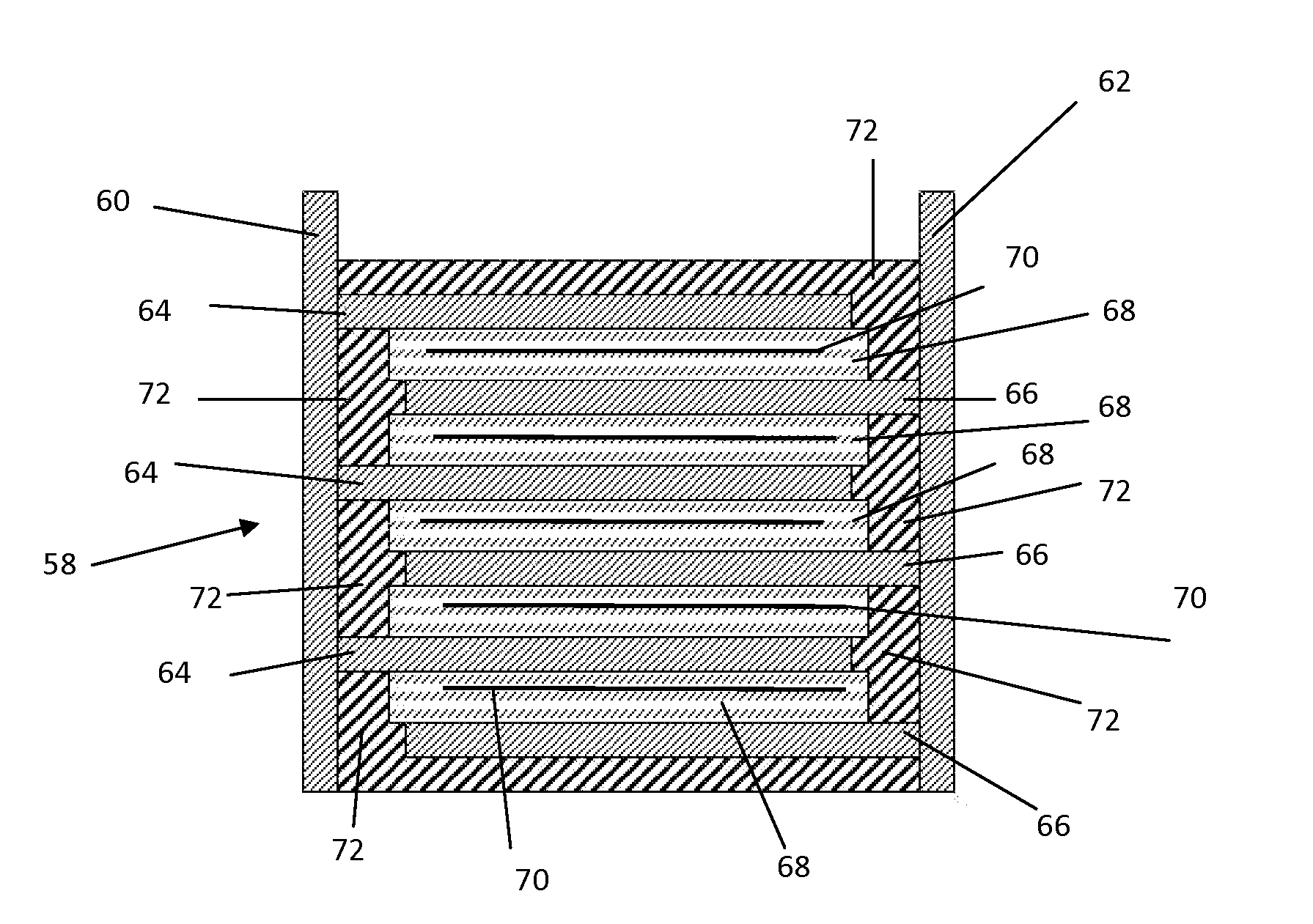
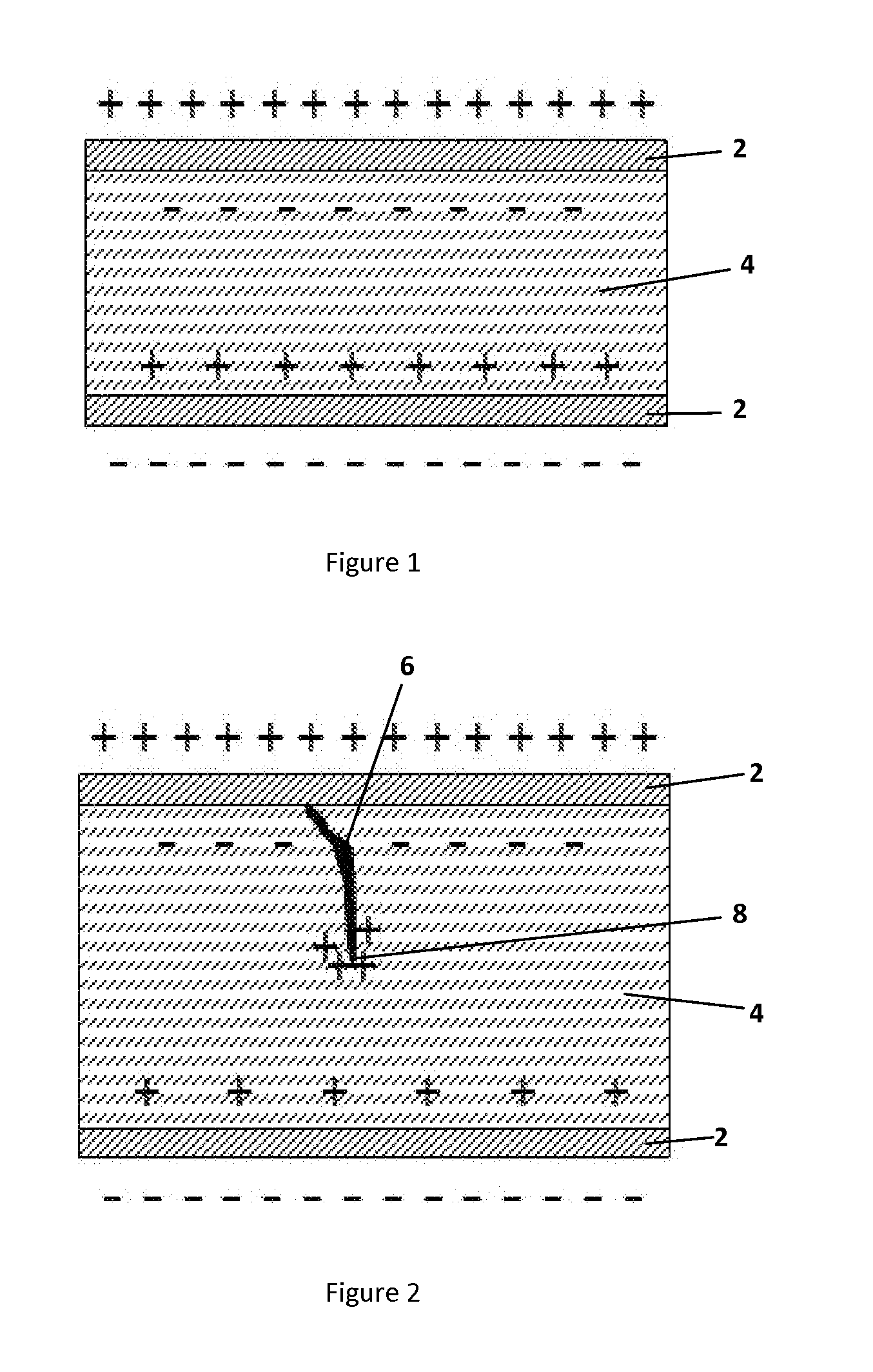
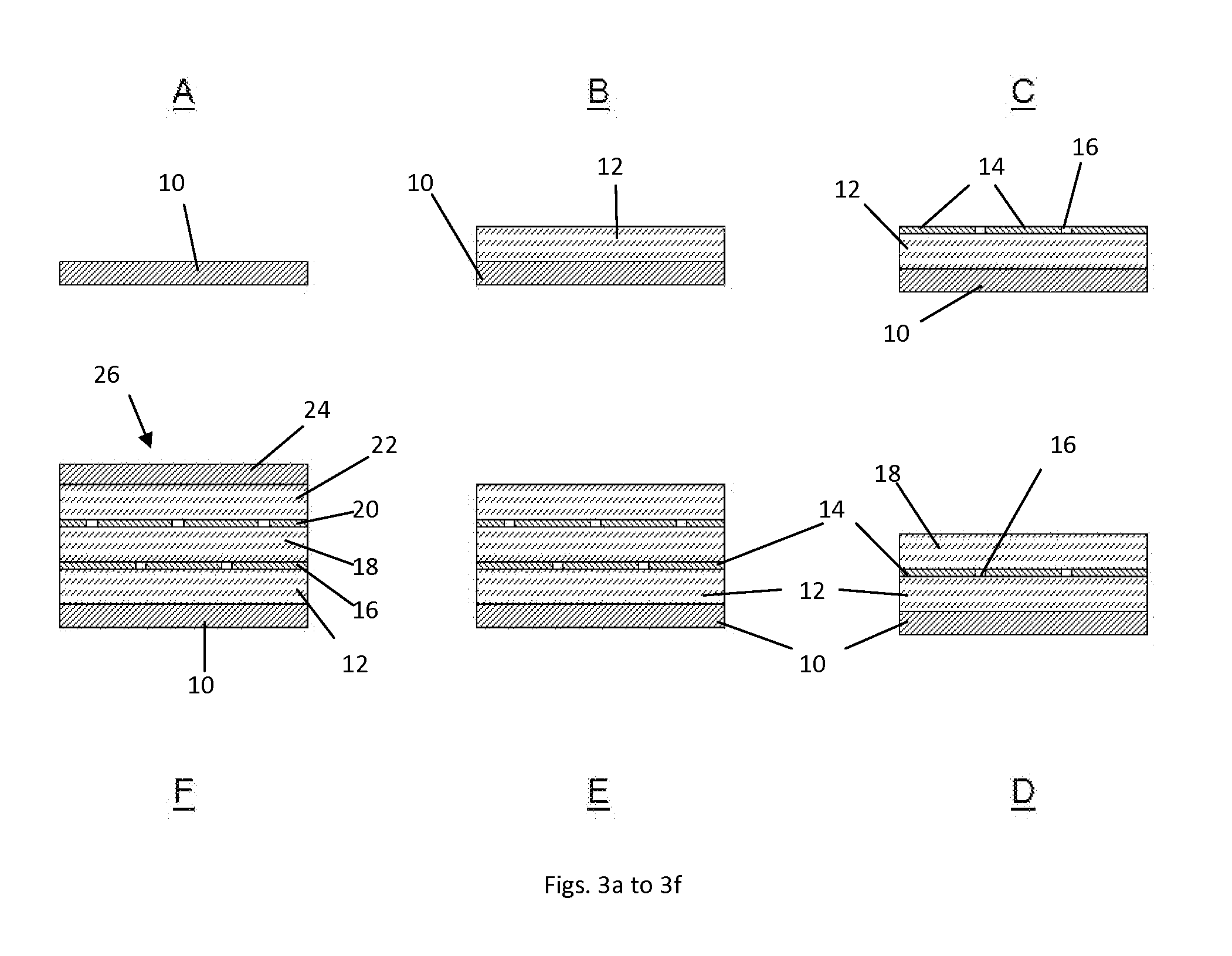
- Embedding thin conductive oxide layers within the ceramic dielectric material matrix to redistribute trapped charge and block the propagation of defects, thereby increasing dielectric breakdown strength and preventing rapid failure.

Electro-polarizable compound and capacitor
PatentActiveUS20190108944A1
Innovation
- Development of an electro-polarizable compound with a specific aromatic polycyclic conjugated molecule structure, incorporating electron donor and acceptor groups, electro-conductive oligomers, and ionic groups, which form a metadielectric layer that enhances nonlinear polarization and breakdown voltage, and is used in a meta-capacitor design with metal electrodes.


Safety Standards for High Voltage Applications
Safety standards for high voltage applications involving dielectric breakdown and electrode materials have evolved significantly to address the complex interactions between material properties and electrical performance. These standards establish critical frameworks for ensuring operational safety while maintaining system reliability across diverse industrial applications.
The International Electrotechnical Commission (IEC) has developed comprehensive standards such as IEC 60060 series for high voltage testing techniques and IEC 62271 for high voltage switchgear applications. These standards specifically address dielectric breakdown phenomena by establishing standardized test procedures that account for electrode material variations and their impact on breakdown voltage characteristics.
IEEE standards, particularly IEEE 4-2013 and IEEE C37 series, provide detailed guidelines for high voltage equipment design and testing protocols. These standards recognize that electrode material selection directly influences breakdown mechanisms, requiring specific safety margins and testing methodologies to ensure consistent performance across different material combinations.
Safety certification processes mandate rigorous evaluation of electrode-dielectric interfaces, as material compatibility significantly affects breakdown probability distributions. Standards require comprehensive documentation of material specifications, surface treatment procedures, and long-term aging characteristics to predict failure modes accurately.
Regulatory frameworks emphasize the importance of understanding how different electrode materials influence partial discharge inception voltages and breakdown field distributions. This knowledge is essential for establishing appropriate safety factors and operational limits in high voltage systems.
Current safety standards also address environmental factors that interact with electrode materials, including humidity, temperature cycling, and contamination effects on breakdown performance. These considerations are crucial for maintaining safety margins throughout equipment operational lifespans.
The integration of advanced materials in high voltage applications has prompted updates to existing safety standards, incorporating new testing protocols that better characterize novel electrode-dielectric combinations and their associated breakdown mechanisms.
The International Electrotechnical Commission (IEC) has developed comprehensive standards such as IEC 60060 series for high voltage testing techniques and IEC 62271 for high voltage switchgear applications. These standards specifically address dielectric breakdown phenomena by establishing standardized test procedures that account for electrode material variations and their impact on breakdown voltage characteristics.
IEEE standards, particularly IEEE 4-2013 and IEEE C37 series, provide detailed guidelines for high voltage equipment design and testing protocols. These standards recognize that electrode material selection directly influences breakdown mechanisms, requiring specific safety margins and testing methodologies to ensure consistent performance across different material combinations.
Safety certification processes mandate rigorous evaluation of electrode-dielectric interfaces, as material compatibility significantly affects breakdown probability distributions. Standards require comprehensive documentation of material specifications, surface treatment procedures, and long-term aging characteristics to predict failure modes accurately.
Regulatory frameworks emphasize the importance of understanding how different electrode materials influence partial discharge inception voltages and breakdown field distributions. This knowledge is essential for establishing appropriate safety factors and operational limits in high voltage systems.
Current safety standards also address environmental factors that interact with electrode materials, including humidity, temperature cycling, and contamination effects on breakdown performance. These considerations are crucial for maintaining safety margins throughout equipment operational lifespans.
The integration of advanced materials in high voltage applications has prompted updates to existing safety standards, incorporating new testing protocols that better characterize novel electrode-dielectric combinations and their associated breakdown mechanisms.
Environmental Impact of Electrode Material Choices
The environmental implications of electrode material selection in dielectric breakdown research extend far beyond immediate performance considerations, encompassing the entire lifecycle from raw material extraction to end-of-life disposal. Traditional electrode materials such as aluminum and copper, while offering excellent electrical conductivity, present significant environmental challenges through energy-intensive mining processes and substantial carbon footprints during production.
Manufacturing processes for conventional electrode materials typically involve high-temperature smelting and chemical treatments that generate considerable greenhouse gas emissions and toxic byproducts. The aluminum production industry, for instance, consumes approximately 3% of global electricity and releases perfluorocarbon gases with global warming potentials thousands of times greater than carbon dioxide. Similarly, copper extraction and refinement processes contribute to soil contamination and water pollution through acid mine drainage and heavy metal leaching.
Emerging sustainable alternatives are gaining attention within the research community, including bio-derived carbon electrodes, recycled metal composites, and novel conductive polymers synthesized from renewable feedstocks. These materials demonstrate promising dielectric properties while significantly reducing environmental impact through lower processing temperatures, reduced toxic waste generation, and enhanced recyclability potential.
The disposal phase presents additional environmental considerations, as traditional electrode materials often contain hazardous substances that require specialized waste management protocols. Improper disposal can lead to groundwater contamination and ecosystem disruption, particularly in regions with inadequate waste treatment infrastructure.
Life cycle assessment studies indicate that material choice can influence overall environmental impact by factors of 2-5x, depending on application requirements and regional manufacturing practices. Carbon-based electrodes derived from agricultural waste show particularly promising results, offering comparable electrical performance while achieving near-zero net carbon emissions through biomass utilization.
Regulatory frameworks are increasingly emphasizing environmental responsibility in material selection, with emerging standards requiring comprehensive environmental impact documentation for new electrode technologies. This regulatory shift is driving innovation toward greener alternatives and encouraging industry adoption of sustainable manufacturing practices.
Manufacturing processes for conventional electrode materials typically involve high-temperature smelting and chemical treatments that generate considerable greenhouse gas emissions and toxic byproducts. The aluminum production industry, for instance, consumes approximately 3% of global electricity and releases perfluorocarbon gases with global warming potentials thousands of times greater than carbon dioxide. Similarly, copper extraction and refinement processes contribute to soil contamination and water pollution through acid mine drainage and heavy metal leaching.
Emerging sustainable alternatives are gaining attention within the research community, including bio-derived carbon electrodes, recycled metal composites, and novel conductive polymers synthesized from renewable feedstocks. These materials demonstrate promising dielectric properties while significantly reducing environmental impact through lower processing temperatures, reduced toxic waste generation, and enhanced recyclability potential.
The disposal phase presents additional environmental considerations, as traditional electrode materials often contain hazardous substances that require specialized waste management protocols. Improper disposal can lead to groundwater contamination and ecosystem disruption, particularly in regions with inadequate waste treatment infrastructure.
Life cycle assessment studies indicate that material choice can influence overall environmental impact by factors of 2-5x, depending on application requirements and regional manufacturing practices. Carbon-based electrodes derived from agricultural waste show particularly promising results, offering comparable electrical performance while achieving near-zero net carbon emissions through biomass utilization.
Regulatory frameworks are increasingly emphasizing environmental responsibility in material selection, with emerging standards requiring comprehensive environmental impact documentation for new electrode technologies. This regulatory shift is driving innovation toward greener alternatives and encouraging industry adoption of sustainable manufacturing practices.
Unlock deeper insights with PatSnap Eureka Quick Research — get a full tech report to explore trends and direct your research. Try now!
Generate Your Research Report Instantly with AI Agent
Supercharge your innovation with PatSnap Eureka AI Agent Platform!