
Validate Ion Selective Electrode for Laboratory Research Accuracy
MAR 8, 20269 MIN READ
Generate Your Research Report Instantly with AI Agent
Patsnap Eureka helps you evaluate technical feasibility & market potential.
Ion Selective Electrode Development Background and Research Goals
Ion selective electrodes represent a cornerstone technology in analytical chemistry, with their development tracing back to the early 20th century when glass electrodes for pH measurement were first introduced. The fundamental principle relies on selective membrane permeability to specific ions, generating measurable potential differences that correlate directly with ion concentrations in solution. This electrochemical sensing approach has evolved from simple glass membrane systems to sophisticated polymer-based and solid-state configurations.
The evolution of ISE technology has been driven by the increasing demand for rapid, accurate, and cost-effective analytical methods across diverse laboratory applications. Traditional analytical techniques such as atomic absorption spectroscopy and inductively coupled plasma mass spectrometry, while highly accurate, often require extensive sample preparation, expensive instrumentation, and specialized expertise. ISEs emerged as a complementary technology offering real-time measurements with minimal sample manipulation.
Modern laboratory research environments face unprecedented challenges in analytical accuracy and reliability. The proliferation of complex sample matrices, trace-level detection requirements, and high-throughput screening demands have exposed limitations in current ISE validation methodologies. Interference from competing ions, membrane degradation over time, and temperature-dependent response characteristics continue to compromise measurement precision in critical applications.
The primary research goal centers on establishing comprehensive validation protocols that ensure ISE measurements meet stringent laboratory accuracy standards. This encompasses developing standardized calibration procedures, implementing robust quality control measures, and creating predictive models for electrode performance degradation. Secondary objectives include optimizing electrode selectivity coefficients, minimizing matrix effects, and extending operational lifetime under diverse analytical conditions.
Contemporary research initiatives focus on integrating advanced materials science with electrochemical theory to enhance ISE performance characteristics. Nanostructured membrane materials, molecularly imprinted polymers, and hybrid organic-inorganic composites represent promising avenues for achieving superior selectivity and stability. Additionally, the incorporation of machine learning algorithms for real-time performance monitoring and predictive maintenance is gaining significant attention.
The ultimate technological vision involves creating self-validating ISE systems capable of autonomous accuracy assessment and correction. Such systems would incorporate built-in reference standards, automated drift compensation, and intelligent diagnostic capabilities to ensure consistent analytical performance across extended operational periods.
The evolution of ISE technology has been driven by the increasing demand for rapid, accurate, and cost-effective analytical methods across diverse laboratory applications. Traditional analytical techniques such as atomic absorption spectroscopy and inductively coupled plasma mass spectrometry, while highly accurate, often require extensive sample preparation, expensive instrumentation, and specialized expertise. ISEs emerged as a complementary technology offering real-time measurements with minimal sample manipulation.
Modern laboratory research environments face unprecedented challenges in analytical accuracy and reliability. The proliferation of complex sample matrices, trace-level detection requirements, and high-throughput screening demands have exposed limitations in current ISE validation methodologies. Interference from competing ions, membrane degradation over time, and temperature-dependent response characteristics continue to compromise measurement precision in critical applications.
The primary research goal centers on establishing comprehensive validation protocols that ensure ISE measurements meet stringent laboratory accuracy standards. This encompasses developing standardized calibration procedures, implementing robust quality control measures, and creating predictive models for electrode performance degradation. Secondary objectives include optimizing electrode selectivity coefficients, minimizing matrix effects, and extending operational lifetime under diverse analytical conditions.
Contemporary research initiatives focus on integrating advanced materials science with electrochemical theory to enhance ISE performance characteristics. Nanostructured membrane materials, molecularly imprinted polymers, and hybrid organic-inorganic composites represent promising avenues for achieving superior selectivity and stability. Additionally, the incorporation of machine learning algorithms for real-time performance monitoring and predictive maintenance is gaining significant attention.
The ultimate technological vision involves creating self-validating ISE systems capable of autonomous accuracy assessment and correction. Such systems would incorporate built-in reference standards, automated drift compensation, and intelligent diagnostic capabilities to ensure consistent analytical performance across extended operational periods.
Market Demand for Accurate Laboratory Ion Analysis
The global laboratory analytical instrumentation market demonstrates robust demand for precise ion analysis capabilities across multiple sectors. Environmental monitoring laboratories require accurate ion detection for water quality assessment, soil contamination analysis, and air pollution studies. These facilities must comply with increasingly stringent regulatory standards that demand reliable measurement of specific ions including heavy metals, chlorides, and nutrient ions.
Pharmaceutical and biotechnology industries represent significant market segments driving demand for ion-selective electrode validation. Drug development processes require precise monitoring of ionic concentrations during formulation, stability testing, and quality control procedures. Biopharmaceutical manufacturing particularly depends on accurate ion analysis for cell culture media optimization and protein purification processes.
Clinical diagnostics laboratories constitute another major demand driver, where ion-selective electrodes enable critical measurements of electrolytes in blood, urine, and other biological samples. The growing prevalence of chronic diseases requiring regular electrolyte monitoring has expanded this market segment substantially. Point-of-care testing applications further amplify demand for validated, accurate ion measurement technologies.
Food and beverage industries increasingly rely on ion analysis for quality assurance, nutritional labeling accuracy, and safety compliance. Manufacturers must validate sodium, potassium, calcium, and other ionic content to meet consumer health requirements and regulatory mandates. The expanding functional food market particularly drives demand for precise ion quantification capabilities.
Academic and research institutions represent a growing market segment requiring validated ion-selective electrodes for diverse research applications. Materials science, environmental science, and biochemistry research programs depend on accurate ion measurements for experimental validity and publication credibility.
The market trend toward automation and high-throughput analysis creates additional demand for reliable, validated ion-selective electrode systems. Laboratories seek instruments that maintain accuracy across extended operational periods while minimizing manual calibration requirements. This trend particularly influences pharmaceutical and environmental testing facilities processing large sample volumes.
Emerging applications in battery research, renewable energy development, and advanced materials characterization are expanding market opportunities. These sectors require specialized ion analysis capabilities with validated accuracy for research and development activities.
Pharmaceutical and biotechnology industries represent significant market segments driving demand for ion-selective electrode validation. Drug development processes require precise monitoring of ionic concentrations during formulation, stability testing, and quality control procedures. Biopharmaceutical manufacturing particularly depends on accurate ion analysis for cell culture media optimization and protein purification processes.
Clinical diagnostics laboratories constitute another major demand driver, where ion-selective electrodes enable critical measurements of electrolytes in blood, urine, and other biological samples. The growing prevalence of chronic diseases requiring regular electrolyte monitoring has expanded this market segment substantially. Point-of-care testing applications further amplify demand for validated, accurate ion measurement technologies.
Food and beverage industries increasingly rely on ion analysis for quality assurance, nutritional labeling accuracy, and safety compliance. Manufacturers must validate sodium, potassium, calcium, and other ionic content to meet consumer health requirements and regulatory mandates. The expanding functional food market particularly drives demand for precise ion quantification capabilities.
Academic and research institutions represent a growing market segment requiring validated ion-selective electrodes for diverse research applications. Materials science, environmental science, and biochemistry research programs depend on accurate ion measurements for experimental validity and publication credibility.
The market trend toward automation and high-throughput analysis creates additional demand for reliable, validated ion-selective electrode systems. Laboratories seek instruments that maintain accuracy across extended operational periods while minimizing manual calibration requirements. This trend particularly influences pharmaceutical and environmental testing facilities processing large sample volumes.
Emerging applications in battery research, renewable energy development, and advanced materials characterization are expanding market opportunities. These sectors require specialized ion analysis capabilities with validated accuracy for research and development activities.
Current ISE Technology Status and Validation Challenges
Ion Selective Electrodes have established themselves as fundamental analytical instruments in laboratory research, offering direct potentiometric measurement of specific ion activities in solution. Current ISE technology encompasses various electrode types including glass membrane electrodes for pH and sodium, solid-state electrodes for halides, liquid membrane electrodes for calcium and potassium, and gas-sensing electrodes for dissolved gases. These devices operate on the Nernst equation principle, generating measurable potential differences proportional to logarithmic ion activity.
Modern ISE systems demonstrate detection limits ranging from 10^-6 to 10^-1 M for most ions, with response times typically between 10 seconds to several minutes depending on electrode type and sample conditions. Temperature compensation mechanisms and digital interfaces have significantly improved measurement reliability, while miniaturization efforts have produced micro-electrodes suitable for specialized applications including biological samples and limited-volume analyses.
Despite technological advances, ISE validation faces persistent challenges that compromise measurement accuracy in laboratory environments. Electrode drift represents a primary concern, with potential shifts of 1-5 mV per day affecting long-term stability and requiring frequent recalibration protocols. Interference from competing ions remains problematic, particularly in complex matrices where selectivity coefficients may not accurately predict real-world performance.
Matrix effects pose additional validation difficulties, as ionic strength variations, pH fluctuations, and the presence of complexing agents can significantly alter electrode response characteristics. Standard addition methods and multiple calibration approaches attempt to address these issues, but often require extensive method development and validation procedures that increase analytical complexity and time requirements.
Temperature sensitivity continues to challenge ISE accuracy, with typical temperature coefficients of 0.2-2.0% per degree Celsius necessitating precise thermal control or sophisticated compensation algorithms. Junction potential variations in reference electrodes introduce additional uncertainty, particularly when transitioning between different sample matrices or when liquid junction compositions change over time.
Calibration stability represents another critical validation challenge, as electrode slopes may deviate from theoretical Nernstian behavior due to membrane aging, contamination, or manufacturing variations. Quality control protocols must account for these deviations while maintaining measurement traceability to certified reference materials, creating ongoing validation burdens for laboratory operations seeking reliable analytical results.
Modern ISE systems demonstrate detection limits ranging from 10^-6 to 10^-1 M for most ions, with response times typically between 10 seconds to several minutes depending on electrode type and sample conditions. Temperature compensation mechanisms and digital interfaces have significantly improved measurement reliability, while miniaturization efforts have produced micro-electrodes suitable for specialized applications including biological samples and limited-volume analyses.
Despite technological advances, ISE validation faces persistent challenges that compromise measurement accuracy in laboratory environments. Electrode drift represents a primary concern, with potential shifts of 1-5 mV per day affecting long-term stability and requiring frequent recalibration protocols. Interference from competing ions remains problematic, particularly in complex matrices where selectivity coefficients may not accurately predict real-world performance.
Matrix effects pose additional validation difficulties, as ionic strength variations, pH fluctuations, and the presence of complexing agents can significantly alter electrode response characteristics. Standard addition methods and multiple calibration approaches attempt to address these issues, but often require extensive method development and validation procedures that increase analytical complexity and time requirements.
Temperature sensitivity continues to challenge ISE accuracy, with typical temperature coefficients of 0.2-2.0% per degree Celsius necessitating precise thermal control or sophisticated compensation algorithms. Junction potential variations in reference electrodes introduce additional uncertainty, particularly when transitioning between different sample matrices or when liquid junction compositions change over time.
Calibration stability represents another critical validation challenge, as electrode slopes may deviate from theoretical Nernstian behavior due to membrane aging, contamination, or manufacturing variations. Quality control protocols must account for these deviations while maintaining measurement traceability to certified reference materials, creating ongoing validation burdens for laboratory operations seeking reliable analytical results.
Existing ISE Validation Methods and Solutions
01 Electrode composition and membrane materials
The accuracy of ion selective electrodes can be improved through the selection and optimization of electrode composition and membrane materials. Specific membrane materials with enhanced selectivity and stability can reduce interference from other ions and improve the electrode's response characteristics. The use of specialized polymers, ionophores, and plasticizers in the membrane formulation can significantly enhance the accuracy and selectivity of ion measurements.- Electrode membrane composition and material optimization: The accuracy of ion selective electrodes can be improved by optimizing the composition and materials of the electrode membrane. This includes selecting appropriate ionophores, plasticizers, and polymer matrices that enhance selectivity and reduce interference from other ions. The membrane composition directly affects the electrode's response characteristics, stability, and sensitivity to target ions.
- Reference electrode design and stability: Enhancing the design and stability of reference electrodes is crucial for improving measurement accuracy. This involves using stable reference materials, optimizing junction designs, and minimizing potential drift over time. Proper reference electrode construction ensures consistent potential measurements and reduces errors in ion concentration determination.
- Temperature compensation and calibration methods: Implementing advanced temperature compensation techniques and calibration procedures significantly improves electrode accuracy. This includes automatic temperature correction algorithms, multi-point calibration protocols, and standardized calibration solutions. These methods account for temperature-dependent variations in electrode response and ensure accurate measurements across different operating conditions.
- Signal processing and interference reduction: Advanced signal processing techniques and interference reduction methods enhance measurement accuracy by filtering noise and compensating for cross-sensitivity to interfering ions. This includes digital signal processing algorithms, baseline correction methods, and mathematical models that account for ionic strength effects and activity coefficients.
- Electrode conditioning and maintenance protocols: Proper electrode conditioning procedures and maintenance protocols are essential for maintaining long-term accuracy. This includes pre-treatment methods, storage conditions, cleaning procedures, and periodic reconditioning techniques that restore electrode performance. Regular maintenance ensures consistent response characteristics and extends electrode lifetime.
02 Calibration and measurement methods
Implementing advanced calibration techniques and measurement protocols can significantly enhance the accuracy of ion selective electrodes. Multi-point calibration procedures, temperature compensation methods, and standardized measurement protocols help minimize errors and improve reproducibility. Regular calibration using standard solutions and proper electrode conditioning procedures are essential for maintaining measurement accuracy over time.Expand Specific Solutions03 Interference reduction and selectivity enhancement
Improving the selectivity of ion selective electrodes to reduce interference from competing ions is crucial for accuracy. This can be achieved through the development of highly selective ionophores, optimization of membrane composition, and implementation of interference correction algorithms. Enhanced selectivity coefficients and reduced cross-sensitivity to interfering ions result in more accurate measurements in complex sample matrices.Expand Specific Solutions04 Signal processing and error correction
Advanced signal processing techniques and error correction algorithms can improve the accuracy of ion selective electrode measurements. Digital signal processing, noise reduction methods, and mathematical correction models help compensate for drift, temperature effects, and other sources of measurement error. Implementation of automated correction procedures and real-time data processing enhances the overall measurement accuracy and reliability.Expand Specific Solutions05 Electrode design and construction optimization
The physical design and construction of ion selective electrodes play a critical role in measurement accuracy. Optimized electrode geometry, improved reference electrode systems, and enhanced electrical contact designs can reduce measurement errors. Innovations in electrode miniaturization, flow-through designs, and integrated reference systems contribute to improved accuracy, faster response times, and better long-term stability.Expand Specific Solutions
Key Players in ISE and Laboratory Equipment Industry
The ion selective electrode (ISE) validation market for laboratory research represents a mature yet evolving sector within analytical instrumentation. The industry has reached technological maturity with established players like Metrohm AG, Radiometer A/S, and Beckman Coulter dominating traditional applications, while emerging companies such as Guangzhou Yuxin Sensor Technology and Oxford Biosensors drive innovation in specialized electrochemical sensing. Major diagnostic corporations including Roche Diagnostics, Siemens Healthcare Diagnostics, and HORIBA Advanced Techno leverage their extensive R&D capabilities to enhance accuracy and automation. The market demonstrates steady growth driven by increasing laboratory automation demands and precision requirements. Academic institutions like Zhejiang University and South China University of Technology contribute fundamental research, while established manufacturers like Endress+Hauser and Unisense provide comprehensive validation solutions, creating a competitive landscape characterized by both technological advancement and market consolidation.
Roche Diagnostics GmbH
Technical Solution: Roche has developed advanced ion selective electrode systems integrated into their automated clinical chemistry analyzers, featuring multi-ion detection capabilities with sodium, potassium, chloride, and lithium electrodes. Their ISE technology incorporates temperature compensation algorithms and automated calibration protocols to ensure measurement accuracy within ±2% for critical electrolytes. The system utilizes solid-state membrane technology with enhanced selectivity coefficients and reduced interference from proteins and other biological matrices, making it highly suitable for laboratory research applications requiring precise ionic measurements.
Strengths: Excellent accuracy and precision with automated calibration, proven reliability in clinical settings. Weaknesses: Higher cost and complexity compared to standalone ISE systems.
Siemens Healthcare Diagnostics, Inc.
Technical Solution: Siemens offers comprehensive ISE solutions through their Dimension clinical chemistry systems, featuring direct and indirect measurement modes for enhanced flexibility in laboratory research. Their technology employs proprietary electrode membranes with optimized selectivity for various ions including sodium, potassium, chloride, CO2, and lithium. The system includes advanced drift compensation mechanisms and real-time quality control monitoring to maintain measurement accuracy over extended periods. Integration with laboratory information systems enables seamless data management and traceability for research applications.
Strengths: Robust quality control features and excellent system integration capabilities. Weaknesses: Limited customization options for specialized research applications.
Core Innovations in ISE Accuracy and Selectivity
Method for detecting erroneous measurement results obtained with ion-selective electrodes
PatentActiveUS7949473B2
Innovation
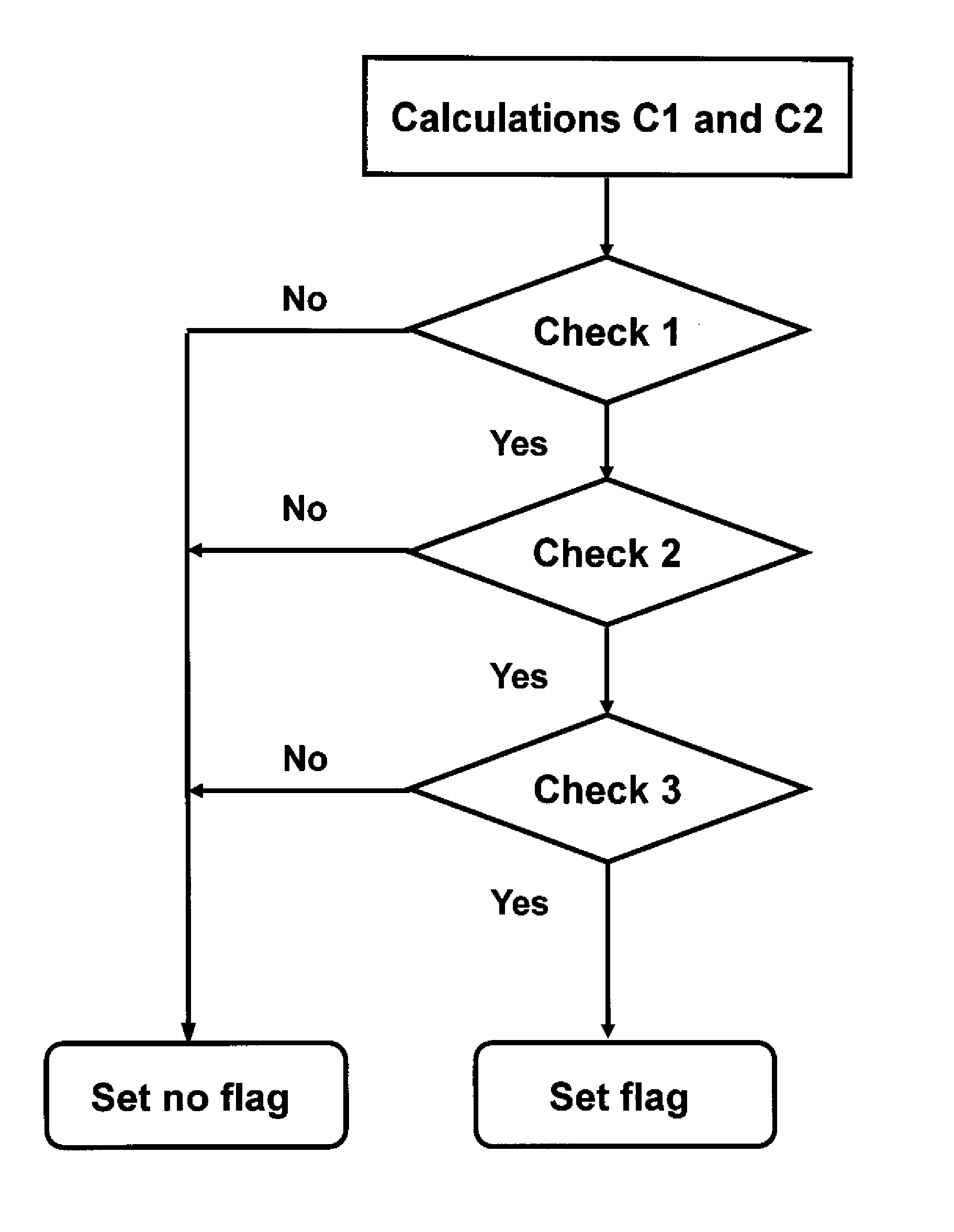
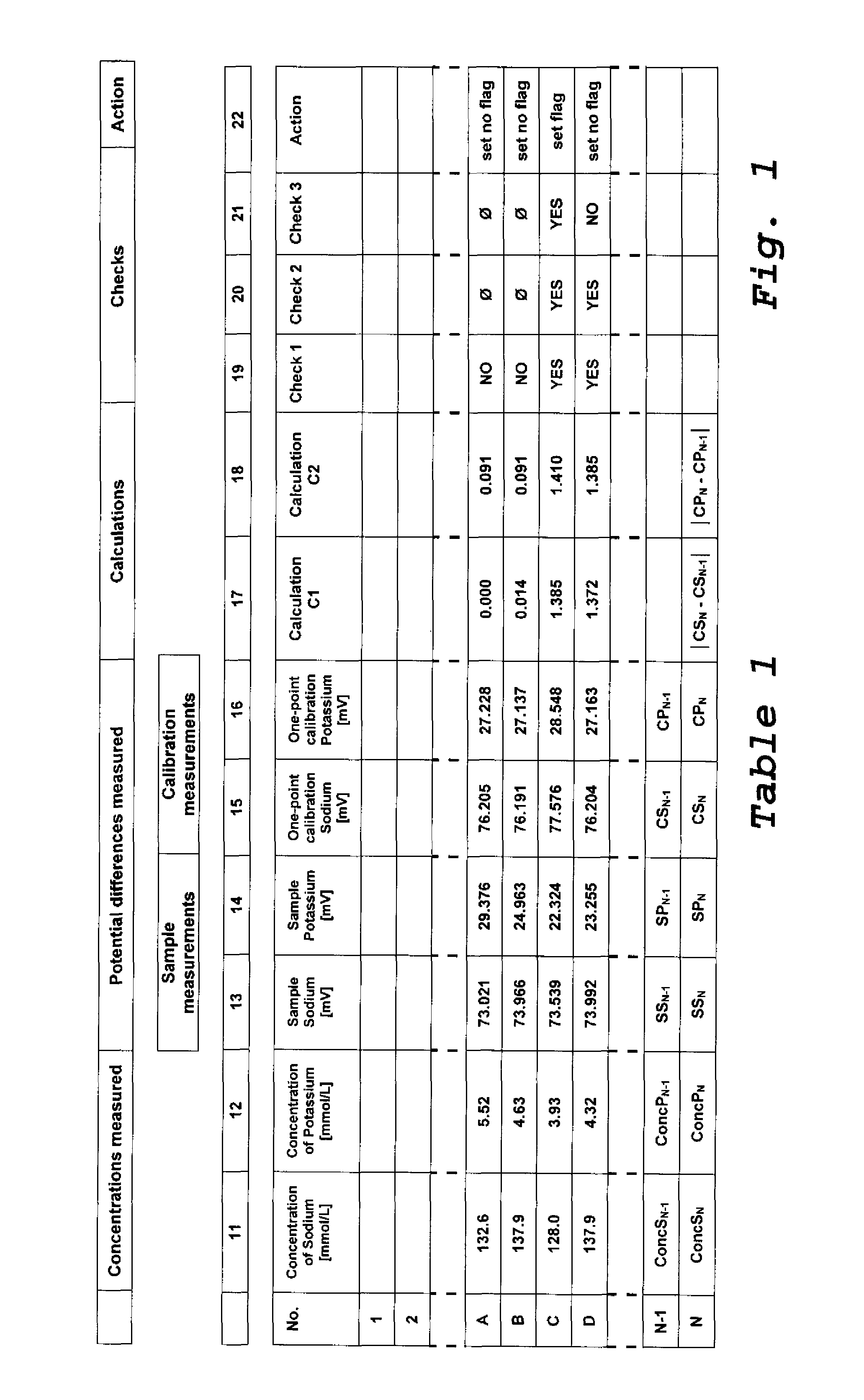
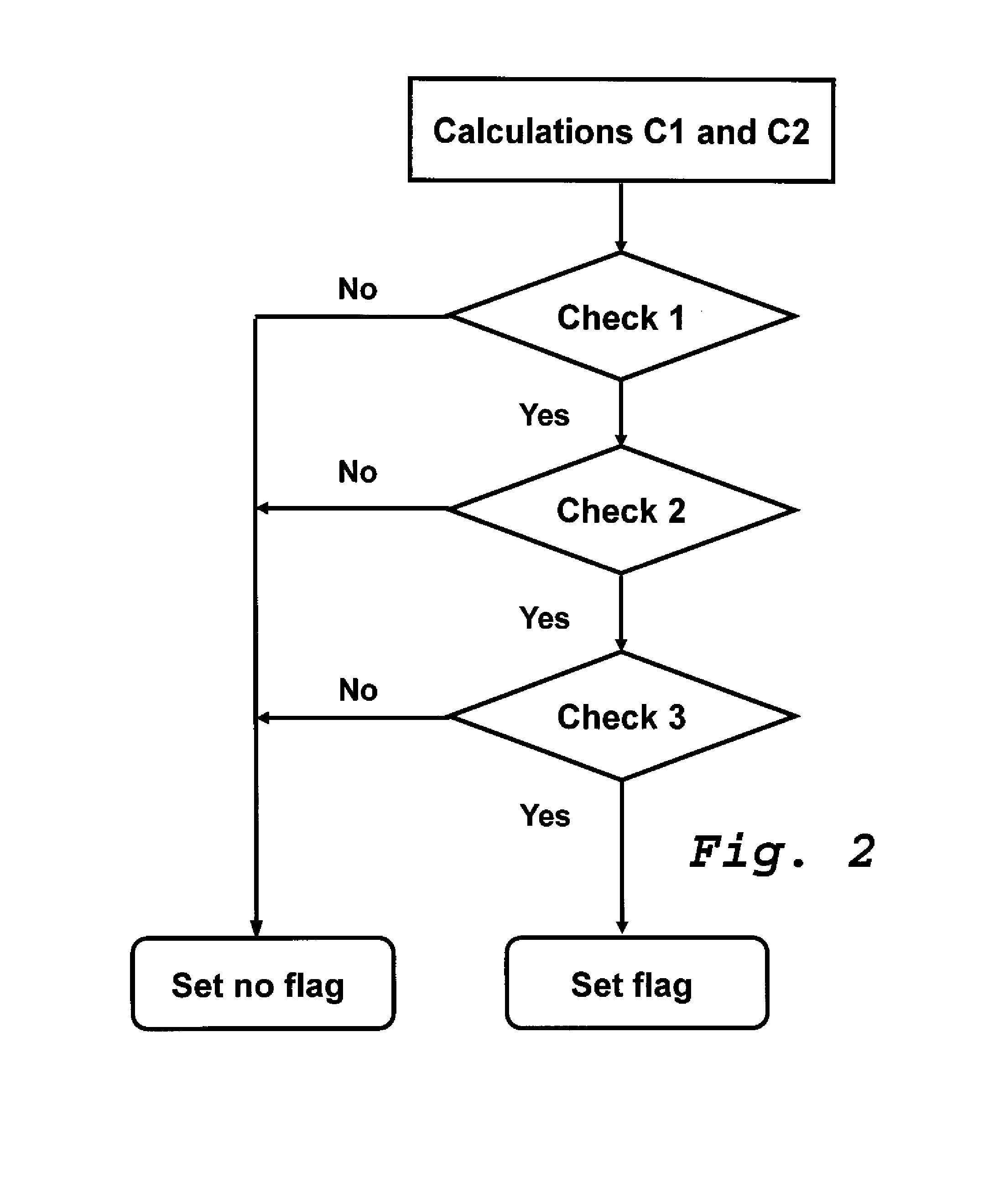
- A method involving the measurement of a series of biological samples and calibration standards to calculate and verify voltage differences, flagging results as doubtful if deviations exceed predetermined threshold values, ensuring accurate identification of questionable deviations and preventing erroneous reporting of valid results.

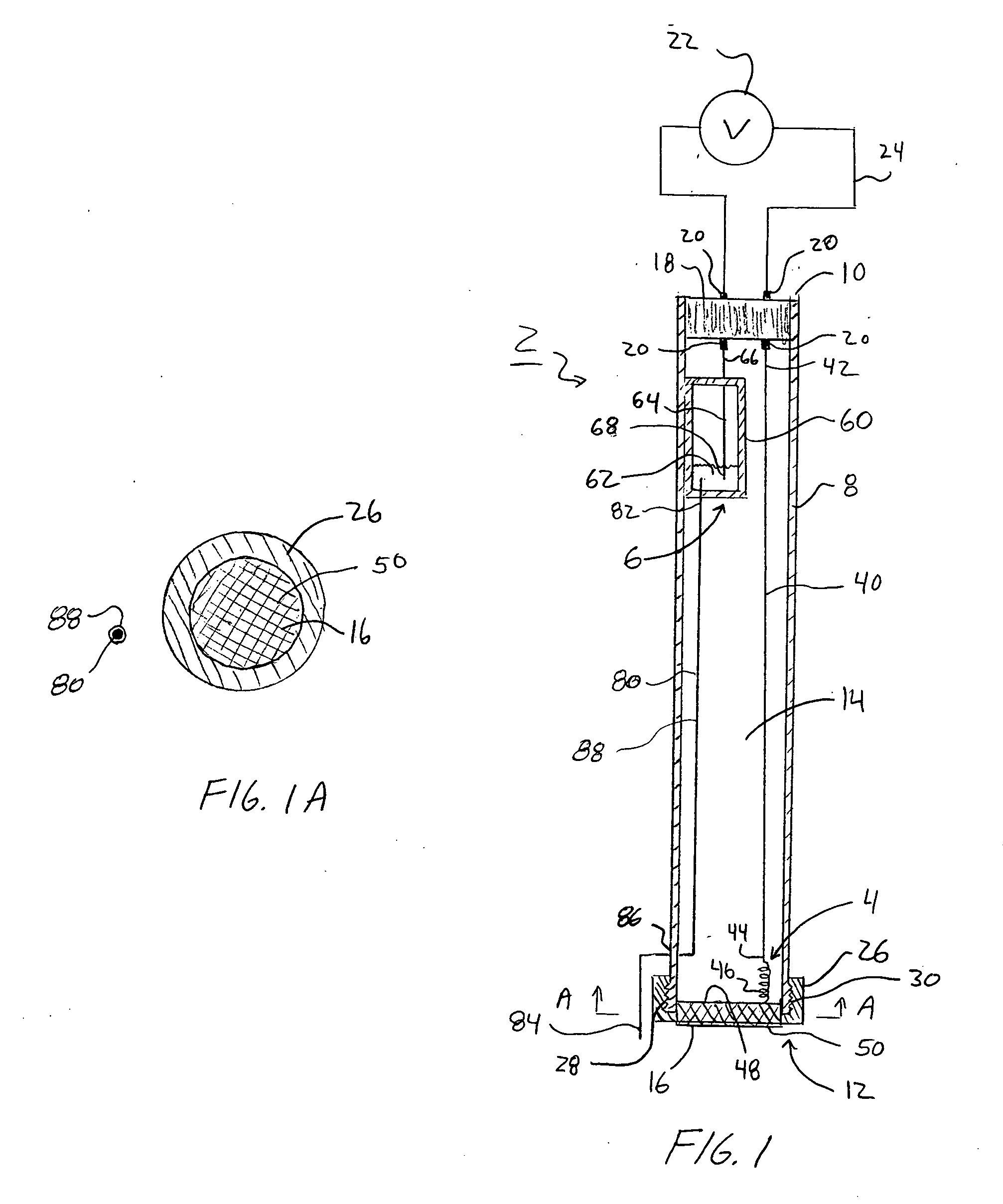
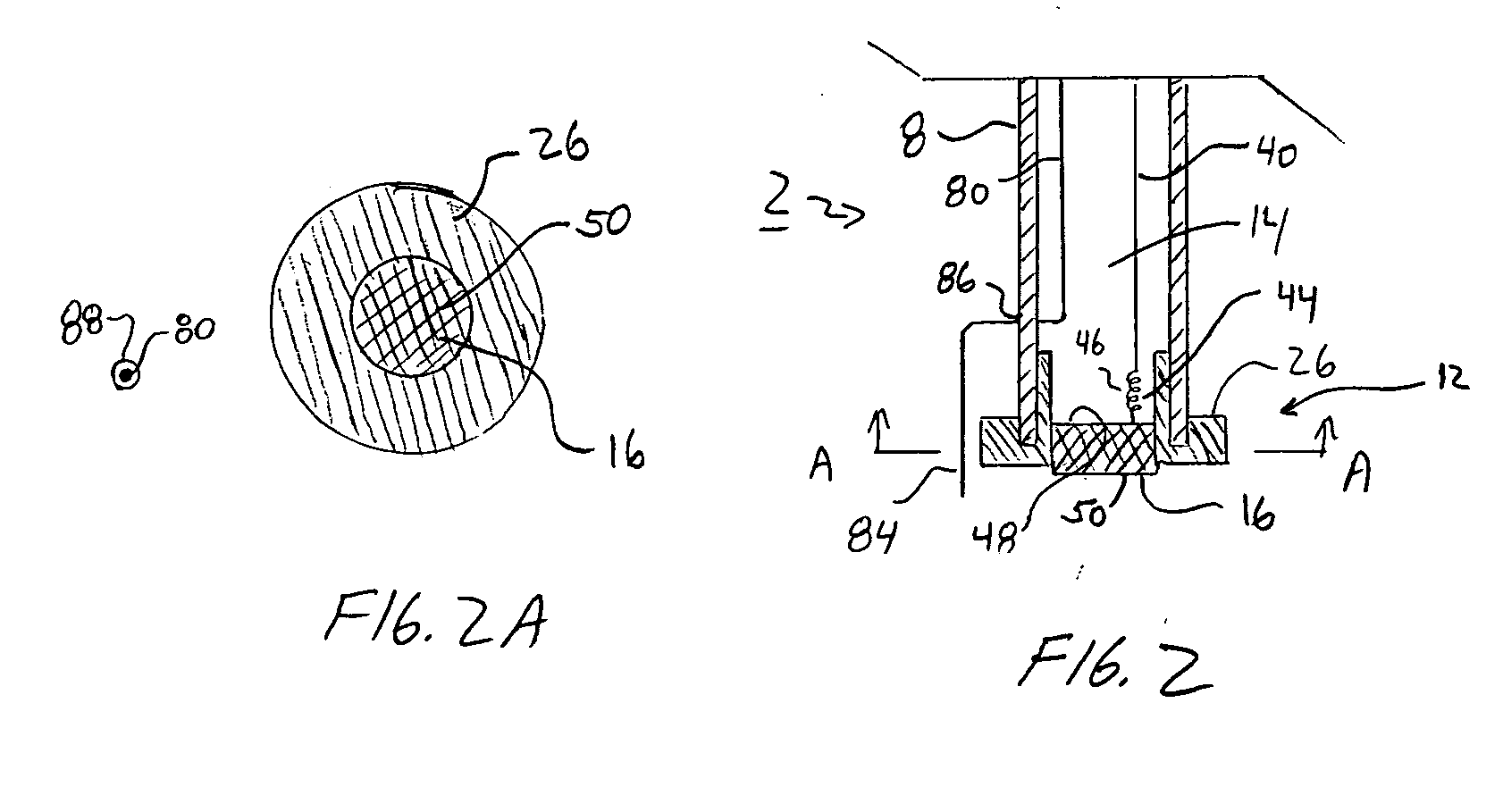
Ion selective electrode
PatentInactiveUS20070144919A1
Innovation
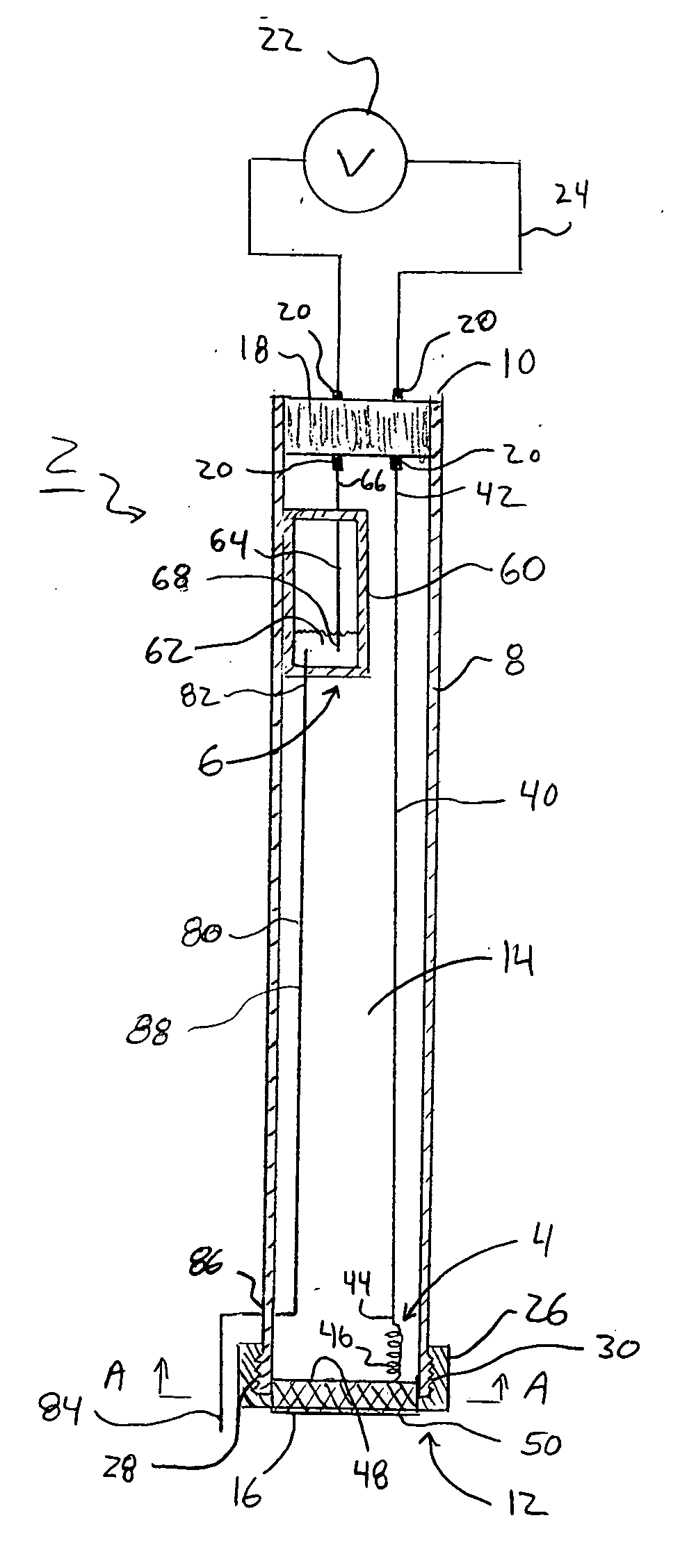
- The ISE design separates the reference electrode from the sample solution using a sealed vessel within the housing, eliminating direct contact and employing a conductive member to pass electrons, thereby avoiding the need for a salt bridge and maintaining the reference electrode's stability.

Laboratory Standards and Regulatory Requirements
The validation of ion selective electrodes (ISEs) for laboratory research accuracy operates within a comprehensive framework of established standards and regulatory requirements that ensure measurement reliability and data integrity across scientific applications.
International Organization for Standardization (ISO) provides fundamental guidelines through ISO 14911, which specifically addresses the performance requirements for ion selective electrodes. This standard establishes protocols for electrode characterization, including linearity assessment, detection limits, and response time specifications. Additionally, ISO 17025 governs general requirements for testing and calibration laboratories, mandating quality management systems that encompass ISE validation procedures.
The International Union of Pure and Applied Chemistry (IUPAC) has developed critical recommendations for ISE performance evaluation, particularly through their technical reports on potentiometric selectivity coefficients and electrode response characteristics. These guidelines establish standardized methodologies for determining electrode selectivity, interference effects, and measurement uncertainty calculations that are essential for research applications.
Regulatory bodies such as the Food and Drug Administration (FDA) and European Medicines Agency (EMA) impose specific requirements when ISEs are employed in pharmaceutical research or clinical applications. These regulations mandate validation protocols that demonstrate analytical method suitability, including accuracy, precision, specificity, and robustness testing under Good Laboratory Practice (GLP) conditions.
National Institute of Standards and Technology (NIST) provides reference materials and calibration standards that serve as traceability anchors for ISE measurements. Their Standard Reference Materials (SRMs) enable laboratories to establish measurement traceability and validate electrode performance against certified reference values.
Laboratory accreditation bodies require compliance with specific validation protocols that demonstrate ISE measurement capability. These requirements typically include documentation of calibration procedures, quality control measures, measurement uncertainty estimation, and proficiency testing participation to ensure consistent analytical performance across different research environments.
International Organization for Standardization (ISO) provides fundamental guidelines through ISO 14911, which specifically addresses the performance requirements for ion selective electrodes. This standard establishes protocols for electrode characterization, including linearity assessment, detection limits, and response time specifications. Additionally, ISO 17025 governs general requirements for testing and calibration laboratories, mandating quality management systems that encompass ISE validation procedures.
The International Union of Pure and Applied Chemistry (IUPAC) has developed critical recommendations for ISE performance evaluation, particularly through their technical reports on potentiometric selectivity coefficients and electrode response characteristics. These guidelines establish standardized methodologies for determining electrode selectivity, interference effects, and measurement uncertainty calculations that are essential for research applications.
Regulatory bodies such as the Food and Drug Administration (FDA) and European Medicines Agency (EMA) impose specific requirements when ISEs are employed in pharmaceutical research or clinical applications. These regulations mandate validation protocols that demonstrate analytical method suitability, including accuracy, precision, specificity, and robustness testing under Good Laboratory Practice (GLP) conditions.
National Institute of Standards and Technology (NIST) provides reference materials and calibration standards that serve as traceability anchors for ISE measurements. Their Standard Reference Materials (SRMs) enable laboratories to establish measurement traceability and validate electrode performance against certified reference values.
Laboratory accreditation bodies require compliance with specific validation protocols that demonstrate ISE measurement capability. These requirements typically include documentation of calibration procedures, quality control measures, measurement uncertainty estimation, and proficiency testing participation to ensure consistent analytical performance across different research environments.
Quality Assurance in ISE Research Applications
Quality assurance in ion selective electrode research applications encompasses a comprehensive framework of protocols, standards, and methodologies designed to ensure reliable and reproducible analytical results. The implementation of robust QA systems is critical for maintaining the integrity of electrochemical measurements and supporting regulatory compliance in laboratory environments.
Standardization protocols form the cornerstone of ISE quality assurance, requiring adherence to internationally recognized guidelines such as IUPAC recommendations and ISO standards. These protocols establish uniform procedures for electrode conditioning, calibration sequences, and measurement protocols that ensure consistency across different laboratory settings and research teams.
Calibration verification procedures represent a fundamental QA component, involving multi-point calibration using certified reference materials with known ionic concentrations. Regular calibration checks using independent standard solutions help identify electrode drift, contamination, or degradation that could compromise measurement accuracy. The implementation of control charts and statistical process control methods enables real-time monitoring of calibration performance trends.
Documentation and traceability systems ensure complete records of all QA activities, including calibration certificates, maintenance logs, and performance verification results. Electronic laboratory information management systems facilitate automated data capture and provide audit trails that support regulatory inspections and quality reviews.
Proficiency testing programs enable laboratories to benchmark their ISE performance against peer institutions through inter-laboratory comparison studies. These programs utilize blind samples with assigned values, allowing laboratories to assess their measurement capabilities and identify potential systematic errors or biases in their analytical procedures.
Quality control sample integration involves the routine analysis of reference materials, duplicate samples, and spiked matrices throughout analytical sequences. Statistical evaluation of QC results using control limits and trend analysis helps detect analytical problems before they impact research data quality.
Personnel competency assessment ensures that all operators possess adequate training and demonstrated proficiency in ISE techniques. Regular competency evaluations, including practical assessments and theoretical examinations, maintain consistent analytical performance across research teams and support continuous improvement initiatives in laboratory operations.
Standardization protocols form the cornerstone of ISE quality assurance, requiring adherence to internationally recognized guidelines such as IUPAC recommendations and ISO standards. These protocols establish uniform procedures for electrode conditioning, calibration sequences, and measurement protocols that ensure consistency across different laboratory settings and research teams.
Calibration verification procedures represent a fundamental QA component, involving multi-point calibration using certified reference materials with known ionic concentrations. Regular calibration checks using independent standard solutions help identify electrode drift, contamination, or degradation that could compromise measurement accuracy. The implementation of control charts and statistical process control methods enables real-time monitoring of calibration performance trends.
Documentation and traceability systems ensure complete records of all QA activities, including calibration certificates, maintenance logs, and performance verification results. Electronic laboratory information management systems facilitate automated data capture and provide audit trails that support regulatory inspections and quality reviews.
Proficiency testing programs enable laboratories to benchmark their ISE performance against peer institutions through inter-laboratory comparison studies. These programs utilize blind samples with assigned values, allowing laboratories to assess their measurement capabilities and identify potential systematic errors or biases in their analytical procedures.
Quality control sample integration involves the routine analysis of reference materials, duplicate samples, and spiked matrices throughout analytical sequences. Statistical evaluation of QC results using control limits and trend analysis helps detect analytical problems before they impact research data quality.
Personnel competency assessment ensures that all operators possess adequate training and demonstrated proficiency in ISE techniques. Regular competency evaluations, including practical assessments and theoretical examinations, maintain consistent analytical performance across research teams and support continuous improvement initiatives in laboratory operations.
Unlock deeper insights with Patsnap Eureka Quick Research — get a full tech report to explore trends and direct your research. Try now!
Generate Your Research Report Instantly with AI Agent
Supercharge your innovation with Patsnap Eureka AI Agent Platform!