Voltage Source Inverter for Energy-Efficient Building Systems
MAR 10, 20269 MIN READ
Generate Your Research Report Instantly with AI Agent
PatSnap Eureka helps you evaluate technical feasibility & market potential.
VSI Technology Background and Energy Efficiency Goals
Voltage Source Inverters have emerged as critical components in modern electrical systems, representing a fundamental shift from traditional power conversion technologies. The evolution of VSI technology traces back to the 1960s when semiconductor switches first enabled efficient DC-to-AC power conversion. Early implementations relied on thyristors and later evolved to incorporate more sophisticated switching devices such as IGBTs and MOSFETs, enabling higher switching frequencies and improved control precision.
The development trajectory of VSI technology has been closely intertwined with advances in semiconductor materials, control algorithms, and digital signal processing capabilities. Silicon carbide and gallium nitride semiconductors have revolutionized VSI performance by enabling higher switching frequencies, reduced switching losses, and improved thermal management. These material innovations have directly contributed to enhanced energy efficiency and reduced system footprint.
Contemporary VSI systems incorporate advanced control strategies including space vector modulation, predictive control, and adaptive algorithms that optimize power conversion efficiency across varying load conditions. The integration of artificial intelligence and machine learning techniques has further enhanced VSI performance by enabling real-time optimization and predictive maintenance capabilities.
Energy efficiency goals for VSI-based building systems are driven by increasingly stringent regulatory requirements and sustainability mandates. Modern building codes demand power conversion efficiencies exceeding 95% for grid-tied applications, with peak efficiency targets approaching 98% for premium systems. These efficiency standards directly impact building energy consumption, operational costs, and carbon footprint reduction objectives.
The primary energy efficiency objectives encompass minimizing conversion losses, optimizing power factor correction, and enabling seamless integration with renewable energy sources and energy storage systems. VSI technology must achieve these goals while maintaining power quality standards, ensuring grid stability, and providing reliable operation across diverse environmental conditions.
Future efficiency targets anticipate further improvements through advanced semiconductor technologies, enhanced thermal management solutions, and sophisticated control algorithms. The convergence of VSI technology with smart grid infrastructure and Internet of Things connectivity promises additional efficiency gains through system-level optimization and demand response capabilities.
The development trajectory of VSI technology has been closely intertwined with advances in semiconductor materials, control algorithms, and digital signal processing capabilities. Silicon carbide and gallium nitride semiconductors have revolutionized VSI performance by enabling higher switching frequencies, reduced switching losses, and improved thermal management. These material innovations have directly contributed to enhanced energy efficiency and reduced system footprint.
Contemporary VSI systems incorporate advanced control strategies including space vector modulation, predictive control, and adaptive algorithms that optimize power conversion efficiency across varying load conditions. The integration of artificial intelligence and machine learning techniques has further enhanced VSI performance by enabling real-time optimization and predictive maintenance capabilities.
Energy efficiency goals for VSI-based building systems are driven by increasingly stringent regulatory requirements and sustainability mandates. Modern building codes demand power conversion efficiencies exceeding 95% for grid-tied applications, with peak efficiency targets approaching 98% for premium systems. These efficiency standards directly impact building energy consumption, operational costs, and carbon footprint reduction objectives.
The primary energy efficiency objectives encompass minimizing conversion losses, optimizing power factor correction, and enabling seamless integration with renewable energy sources and energy storage systems. VSI technology must achieve these goals while maintaining power quality standards, ensuring grid stability, and providing reliable operation across diverse environmental conditions.
Future efficiency targets anticipate further improvements through advanced semiconductor technologies, enhanced thermal management solutions, and sophisticated control algorithms. The convergence of VSI technology with smart grid infrastructure and Internet of Things connectivity promises additional efficiency gains through system-level optimization and demand response capabilities.
Market Demand for Energy-Efficient Building Power Systems
The global building sector accounts for approximately 40% of total energy consumption and 36% of carbon dioxide emissions, creating substantial market pressure for energy-efficient power systems. This demand is primarily driven by increasingly stringent building energy codes, carbon reduction mandates, and rising electricity costs that compel building owners to seek more efficient power conversion solutions.
Commercial and industrial buildings represent the largest market segment for energy-efficient power systems, particularly those requiring reliable backup power, renewable energy integration, and advanced power quality management. Healthcare facilities, data centers, manufacturing plants, and large office complexes demonstrate the highest adoption rates due to their critical power requirements and substantial energy costs.
The residential sector shows accelerating demand growth, fueled by distributed solar installations, energy storage systems, and smart home technologies. Homeowners increasingly seek integrated power solutions that can optimize energy consumption, provide grid independence, and reduce utility bills while maintaining power reliability.
Regulatory frameworks significantly influence market demand patterns. Building energy efficiency standards such as ASHRAE 90.1, California Title 24, and European Energy Performance of Buildings Directive create mandatory requirements for high-efficiency power systems. Carbon pricing mechanisms and renewable energy mandates further accelerate adoption by making energy-efficient solutions economically attractive.
Market demand exhibits strong regional variations based on electricity pricing structures, grid stability, and regulatory environments. Regions with high electricity costs, frequent power outages, or aggressive renewable energy targets demonstrate the strongest demand for advanced power conversion systems.
The integration of renewable energy sources creates additional market drivers, as buildings require sophisticated power electronics to manage variable generation sources, energy storage systems, and grid interconnection. This trend particularly benefits voltage source inverter technologies that can provide bidirectional power flow and grid support functions.
Economic factors including declining technology costs, favorable financing options, and utility incentive programs continue expanding market accessibility. The total cost of ownership approach increasingly favors energy-efficient systems despite higher initial capital requirements, as operational savings and maintenance benefits provide attractive returns on investment.
Commercial and industrial buildings represent the largest market segment for energy-efficient power systems, particularly those requiring reliable backup power, renewable energy integration, and advanced power quality management. Healthcare facilities, data centers, manufacturing plants, and large office complexes demonstrate the highest adoption rates due to their critical power requirements and substantial energy costs.
The residential sector shows accelerating demand growth, fueled by distributed solar installations, energy storage systems, and smart home technologies. Homeowners increasingly seek integrated power solutions that can optimize energy consumption, provide grid independence, and reduce utility bills while maintaining power reliability.
Regulatory frameworks significantly influence market demand patterns. Building energy efficiency standards such as ASHRAE 90.1, California Title 24, and European Energy Performance of Buildings Directive create mandatory requirements for high-efficiency power systems. Carbon pricing mechanisms and renewable energy mandates further accelerate adoption by making energy-efficient solutions economically attractive.
Market demand exhibits strong regional variations based on electricity pricing structures, grid stability, and regulatory environments. Regions with high electricity costs, frequent power outages, or aggressive renewable energy targets demonstrate the strongest demand for advanced power conversion systems.
The integration of renewable energy sources creates additional market drivers, as buildings require sophisticated power electronics to manage variable generation sources, energy storage systems, and grid interconnection. This trend particularly benefits voltage source inverter technologies that can provide bidirectional power flow and grid support functions.
Economic factors including declining technology costs, favorable financing options, and utility incentive programs continue expanding market accessibility. The total cost of ownership approach increasingly favors energy-efficient systems despite higher initial capital requirements, as operational savings and maintenance benefits provide attractive returns on investment.
Current VSI Technology Status and Building Integration Challenges
Voltage Source Inverters have reached significant technological maturity in recent years, with modern systems achieving power conversion efficiencies exceeding 95% through advanced semiconductor technologies. Silicon carbide and gallium nitride devices have emerged as game-changing components, enabling higher switching frequencies, reduced power losses, and more compact designs compared to traditional silicon-based solutions. These wide-bandgap semiconductors operate effectively at elevated temperatures and voltages, making them particularly suitable for demanding building applications.
Current VSI architectures predominantly employ multilevel topologies, including neutral-point-clamped, flying capacitor, and cascaded H-bridge configurations. These designs minimize harmonic distortion and electromagnetic interference while improving power quality. Advanced control algorithms, such as model predictive control and space vector modulation, have enhanced dynamic response and grid synchronization capabilities. Real-time digital signal processors and field-programmable gate arrays enable sophisticated control strategies that optimize performance across varying load conditions.
Integration of VSI systems into building infrastructure presents multifaceted challenges that extend beyond pure technical considerations. Grid interconnection requirements mandate compliance with stringent standards including IEEE 1547 and IEC 61727, which govern power quality, islanding protection, and fault ride-through capabilities. These regulations necessitate sophisticated monitoring and protection systems that can detect abnormal grid conditions within milliseconds and respond appropriately to maintain system stability.
Thermal management represents a critical constraint in building-integrated VSI applications. Unlike utility-scale installations with dedicated cooling infrastructure, building systems must operate within confined spaces with limited ventilation. Heat dissipation challenges are compounded by the need for silent operation in occupied spaces, restricting the use of active cooling solutions. Innovative thermal interface materials and passive cooling strategies have become essential for maintaining optimal junction temperatures and ensuring long-term reliability.
Power density optimization remains a persistent challenge, particularly for retrofit applications where space constraints are severe. Modern VSI designs must balance efficiency, cost, and footprint while maintaining electromagnetic compatibility with sensitive building systems. Magnetic component miniaturization through high-frequency operation conflicts with efficiency requirements, creating complex design trade-offs that require careful optimization.
Interoperability with existing building management systems poses additional integration complexities. VSI controllers must communicate seamlessly with HVAC systems, lighting controls, and energy management platforms through standardized protocols such as BACnet, Modbus, and emerging IoT frameworks. This connectivity enables coordinated operation and demand response participation but introduces cybersecurity vulnerabilities that must be addressed through robust security architectures.
Current VSI architectures predominantly employ multilevel topologies, including neutral-point-clamped, flying capacitor, and cascaded H-bridge configurations. These designs minimize harmonic distortion and electromagnetic interference while improving power quality. Advanced control algorithms, such as model predictive control and space vector modulation, have enhanced dynamic response and grid synchronization capabilities. Real-time digital signal processors and field-programmable gate arrays enable sophisticated control strategies that optimize performance across varying load conditions.
Integration of VSI systems into building infrastructure presents multifaceted challenges that extend beyond pure technical considerations. Grid interconnection requirements mandate compliance with stringent standards including IEEE 1547 and IEC 61727, which govern power quality, islanding protection, and fault ride-through capabilities. These regulations necessitate sophisticated monitoring and protection systems that can detect abnormal grid conditions within milliseconds and respond appropriately to maintain system stability.
Thermal management represents a critical constraint in building-integrated VSI applications. Unlike utility-scale installations with dedicated cooling infrastructure, building systems must operate within confined spaces with limited ventilation. Heat dissipation challenges are compounded by the need for silent operation in occupied spaces, restricting the use of active cooling solutions. Innovative thermal interface materials and passive cooling strategies have become essential for maintaining optimal junction temperatures and ensuring long-term reliability.
Power density optimization remains a persistent challenge, particularly for retrofit applications where space constraints are severe. Modern VSI designs must balance efficiency, cost, and footprint while maintaining electromagnetic compatibility with sensitive building systems. Magnetic component miniaturization through high-frequency operation conflicts with efficiency requirements, creating complex design trade-offs that require careful optimization.
Interoperability with existing building management systems poses additional integration complexities. VSI controllers must communicate seamlessly with HVAC systems, lighting controls, and energy management platforms through standardized protocols such as BACnet, Modbus, and emerging IoT frameworks. This connectivity enables coordinated operation and demand response participation but introduces cybersecurity vulnerabilities that must be addressed through robust security architectures.
Existing VSI Solutions for Building Energy Management
01 Advanced switching control strategies for loss reduction
Implementation of optimized switching techniques and control algorithms to minimize switching losses in voltage source inverters. These strategies include pulse width modulation (PWM) optimization, dead-time reduction, and adaptive switching frequency control to enhance overall energy conversion efficiency. Advanced control methods can significantly reduce power dissipation during transistor switching operations.- Advanced switching control strategies for loss reduction: Implementation of sophisticated switching control methods to minimize switching losses and conduction losses in voltage source inverters. These strategies include optimized pulse width modulation (PWM) techniques, space vector modulation, and adaptive switching frequency control that reduce power dissipation during transistor switching events. The control algorithms can dynamically adjust switching patterns based on load conditions to maintain high efficiency across varying operating points.
- Topology optimization and multi-level inverter configurations: Use of advanced inverter topologies such as multi-level configurations, neutral-point-clamped structures, and cascaded H-bridge designs to improve energy efficiency. These topologies reduce voltage stress on switching devices, lower harmonic distortion, and decrease switching losses by distributing power conversion across multiple stages. The architectural improvements enable operation with reduced dv/dt stress and lower electromagnetic interference while maintaining higher overall system efficiency.
- Power semiconductor device selection and thermal management: Strategic selection of power semiconductor devices with low on-resistance and fast switching characteristics, combined with effective thermal management systems. This includes the use of wide bandgap semiconductors, optimized gate drive circuits, and advanced cooling solutions to reduce conduction and thermal losses. Proper device selection and thermal design ensure operation within optimal temperature ranges, minimizing temperature-dependent losses and improving long-term reliability.
- DC-link voltage optimization and energy storage integration: Optimization of DC-link voltage levels and integration of energy storage elements to improve power conversion efficiency. This approach includes adaptive DC-link voltage control, capacitor bank optimization, and the incorporation of auxiliary energy storage systems that reduce voltage ripple and minimize reactive power losses. The techniques enable better utilization of the DC bus and reduce losses associated with voltage regulation and filtering.
- Intelligent control algorithms and real-time efficiency monitoring: Implementation of intelligent control systems with real-time monitoring and adaptive optimization capabilities for maximizing inverter efficiency. These systems employ predictive algorithms, machine learning techniques, and feedback control mechanisms to continuously optimize operating parameters based on load conditions, temperature, and power quality requirements. The control strategies include loss minimization algorithms, efficiency mapping, and dynamic performance adjustment to maintain peak efficiency across diverse operating scenarios.
02 Power semiconductor device optimization
Utilization of advanced power semiconductor devices with lower conduction and switching losses to improve inverter efficiency. This includes the selection of wide bandgap semiconductors, optimized gate drive circuits, and thermal management solutions. Device-level improvements contribute to reduced energy losses and enhanced power conversion performance across various operating conditions.Expand Specific Solutions03 Multi-level inverter topologies
Employment of multi-level inverter configurations to reduce voltage stress on switching devices and improve output waveform quality. These topologies enable operation at lower switching frequencies while maintaining high power quality, thereby reducing switching losses. Multi-level structures also facilitate better harmonic performance and reduced electromagnetic interference.Expand Specific Solutions04 Energy recovery and regenerative systems
Integration of energy recovery mechanisms and regenerative capabilities to capture and reuse energy that would otherwise be dissipated. These systems enable bidirectional power flow and can return energy to the source during braking or deceleration operations. Implementation of such features significantly improves overall system efficiency in applications with variable load conditions.Expand Specific Solutions05 Intelligent thermal management and cooling systems
Development of advanced thermal management solutions to maintain optimal operating temperatures and reduce temperature-dependent losses. This includes active cooling systems, heat sink optimization, and thermal monitoring with adaptive control. Effective thermal management ensures sustained high efficiency operation and extends component lifetime while preventing thermal-induced performance degradation.Expand Specific Solutions
Key Players in VSI and Building Energy Systems Industry
The voltage source inverter market for energy-efficient building systems represents a rapidly maturing sector within the broader power electronics industry. The market is experiencing significant growth driven by increasing demand for renewable energy integration and smart building technologies. Key players demonstrate varying levels of technological sophistication, with established giants like Siemens AG, ABB Ltd., and Schneider Electric leading through comprehensive power conversion solutions and decades of industrial expertise. Solar-focused companies including SMA Solar Technology AG, Fronius International GmbH, and Enphase Energy Inc. have achieved high technical maturity in residential and commercial applications. Asian manufacturers such as Huawei Technologies and Ginlong Technologies are rapidly advancing with cost-effective solutions, while research institutions like Fraunhofer-Gesellschaft continue pushing technological boundaries. The competitive landscape shows a mature technology base with ongoing innovation in efficiency, grid integration, and smart building connectivity features.
SMA Solar Technology AG
Technical Solution: SMA specializes in voltage source inverters for building-integrated photovoltaic systems, featuring their Sunny Tripower series with integrated shade management and module-level optimization. Their inverters employ advanced reactive power control capabilities that support grid stabilization and voltage regulation in building microgrids. The system includes integrated communication gateways that enable remote monitoring and control through cloud-based platforms, providing building operators with real-time visibility into energy production and consumption patterns. SMA's inverters feature weather-resistant enclosures rated for outdoor installation and incorporate active thermal management systems that maintain optimal operating temperatures, ensuring consistent performance and extending equipment lifespan in diverse building environments.
Strengths: Excellent shade management, robust outdoor installation capabilities, comprehensive monitoring systems. Weaknesses: Limited integration with non-solar energy sources, higher complexity for multi-source building systems.
ABB Ltd.
Technical Solution: ABB develops advanced voltage source inverters featuring modular multilevel converter (MMC) technology for building energy systems. Their inverters incorporate intelligent power modules with integrated gate drivers and protection circuits, enabling high-frequency switching operations up to 20kHz for improved power quality. The system utilizes advanced control algorithms including space vector modulation and predictive current control to achieve power conversion efficiency exceeding 98%. ABB's inverters feature integrated energy management systems that optimize power flow between renewable sources, energy storage, and building loads, supporting both grid-tied and islanding operations for enhanced building energy independence.
Strengths: High efficiency exceeding 98%, robust modular design, advanced control algorithms. Weaknesses: Higher initial cost, complex installation requirements for advanced features.
Core VSI Innovations for Building System Optimization
Multilevel cascade voltage source inverter with seperate DC sources
PatentInactiveUSRE37126E1
Innovation
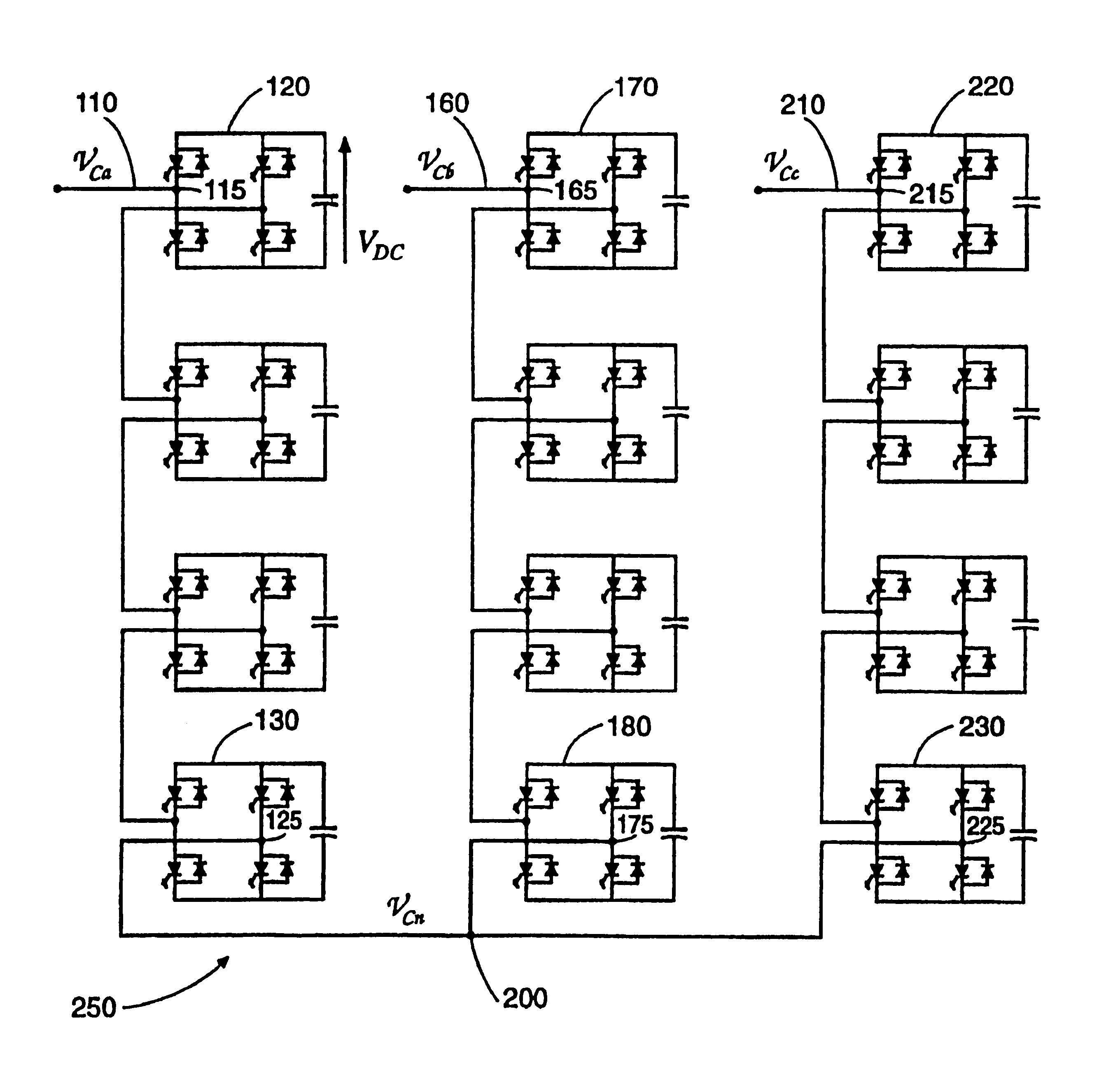
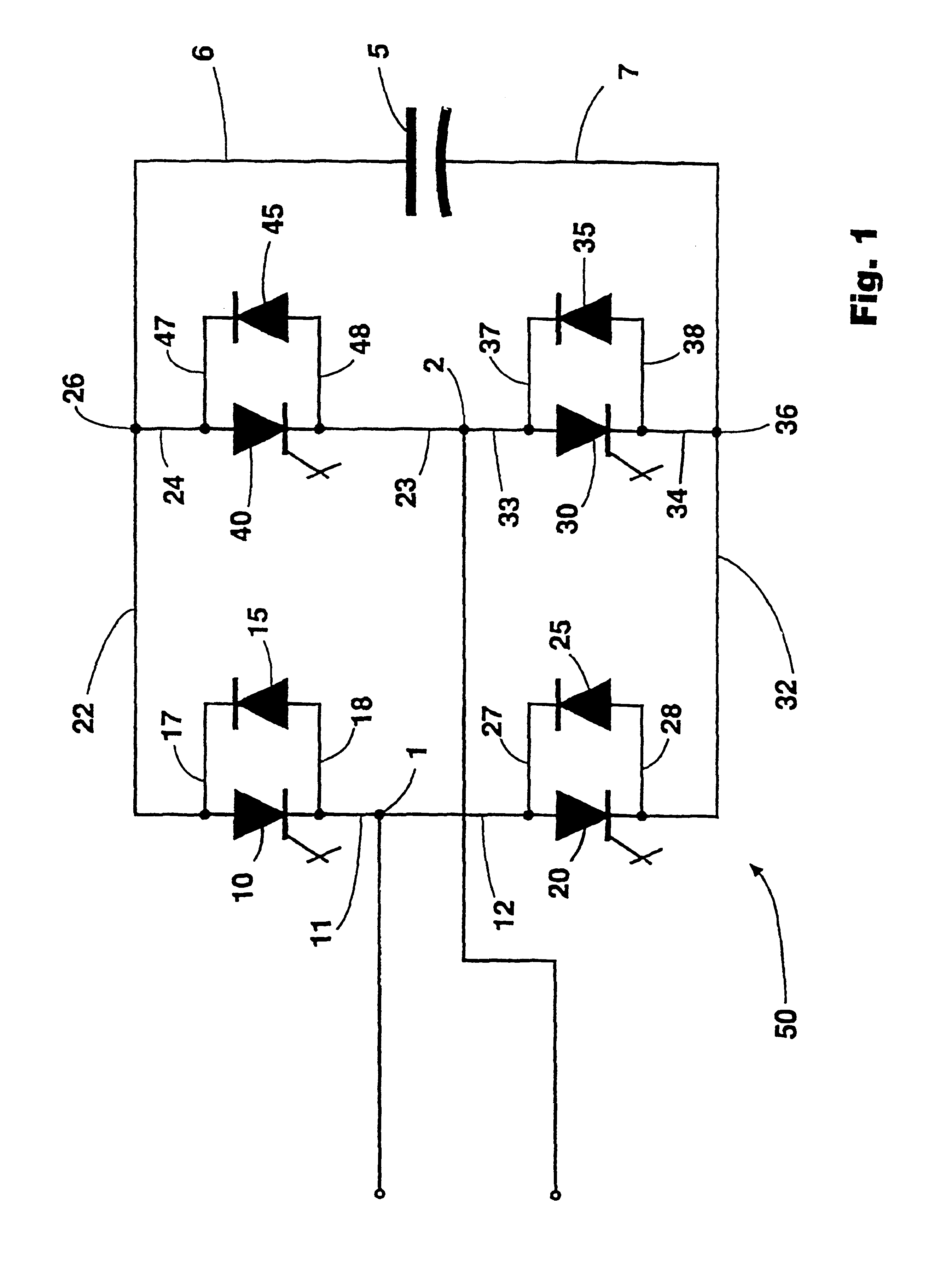
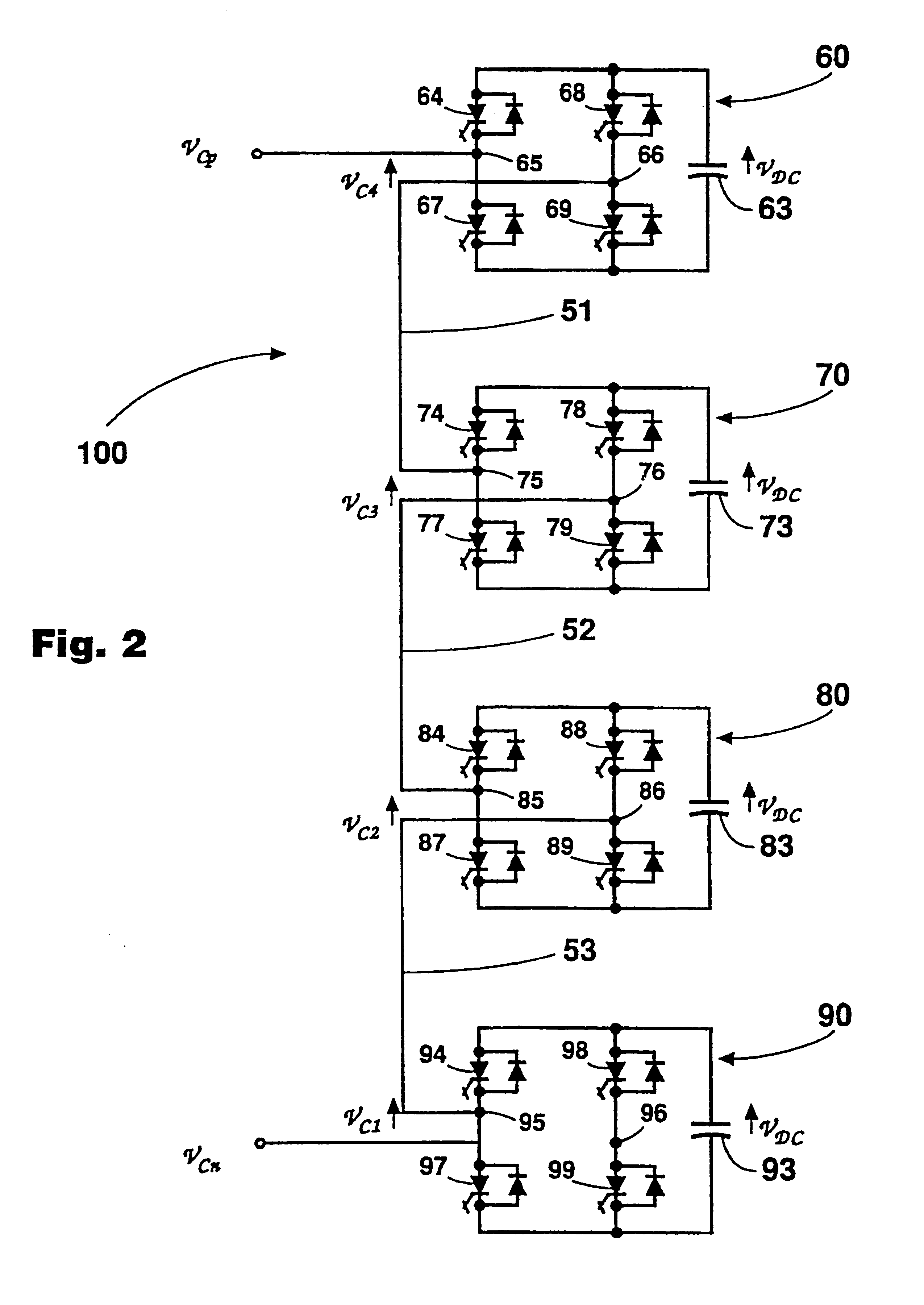
- A multilevel cascade voltage source inverter with separate DC sources, comprising a series connection of full bridge inverters, which generates a multistep staircase voltage waveform and approximates a sinusoidal output without the need for transformers, clamping diodes, or flying capacitors, simplifying system layout and control.

Voltage source inverter control for unbalanced and nonlinear loads
PatentActiveUS12374888B1
Innovation
- An interface circuit incorporating a switching inverter circuit, an output filter circuit, and a control circuit loop with a proportional-integral oscillator-based repetitive (PIOR) controller is used to convert DC power to AC power and regulate it for connection to a microgrid, enhancing stability and efficiency.


Energy Efficiency Standards and Building Code Requirements
Energy efficiency standards and building code requirements form the regulatory foundation that drives the adoption and implementation of voltage source inverters in modern building systems. These standards establish minimum performance thresholds and operational guidelines that directly influence inverter design specifications and deployment strategies across residential, commercial, and industrial applications.
The International Energy Conservation Code (IECC) and ASHRAE Standard 90.1 represent primary regulatory frameworks governing energy-efficient building systems in North America. These standards mandate specific efficiency ratings for power conversion equipment, typically requiring inverters to achieve minimum efficiency levels of 95-98% across various load conditions. European regulations, including the Energy Performance of Buildings Directive (EPBD) and EN 50549 standards, impose similar requirements while emphasizing grid integration capabilities and power quality metrics.
Building codes increasingly incorporate provisions for renewable energy integration and energy storage systems, creating new compliance requirements for voltage source inverters. The National Electrical Code (NEC) Article 705 and IEC 62109 safety standards establish critical safety protocols for inverter installations, including arc fault detection, rapid shutdown capabilities, and isolation requirements. These safety mandates directly impact inverter circuit design and control algorithms.
Emerging green building certification programs such as LEED, BREEAM, and Energy Star create additional performance incentives beyond minimum code compliance. These programs often reward buildings that exceed baseline efficiency requirements, driving demand for high-performance inverter technologies with advanced features like maximum power point tracking, reactive power compensation, and grid support functionalities.
Regional variations in building codes create diverse compliance landscapes that inverter manufacturers must navigate. California's Title 24 energy efficiency standards, for instance, mandate specific inverter efficiency curves and communication protocols for residential solar installations. Similarly, European member states implement varying interpretations of EU directives, resulting in country-specific technical requirements for inverter performance and grid interaction capabilities.
The evolution toward net-zero energy buildings and carbon neutrality targets is reshaping regulatory frameworks, with new standards emphasizing whole-building energy optimization rather than individual component efficiency. This shift requires voltage source inverters to demonstrate not only high conversion efficiency but also intelligent load management and grid interaction capabilities that support broader building energy management objectives.
The International Energy Conservation Code (IECC) and ASHRAE Standard 90.1 represent primary regulatory frameworks governing energy-efficient building systems in North America. These standards mandate specific efficiency ratings for power conversion equipment, typically requiring inverters to achieve minimum efficiency levels of 95-98% across various load conditions. European regulations, including the Energy Performance of Buildings Directive (EPBD) and EN 50549 standards, impose similar requirements while emphasizing grid integration capabilities and power quality metrics.
Building codes increasingly incorporate provisions for renewable energy integration and energy storage systems, creating new compliance requirements for voltage source inverters. The National Electrical Code (NEC) Article 705 and IEC 62109 safety standards establish critical safety protocols for inverter installations, including arc fault detection, rapid shutdown capabilities, and isolation requirements. These safety mandates directly impact inverter circuit design and control algorithms.
Emerging green building certification programs such as LEED, BREEAM, and Energy Star create additional performance incentives beyond minimum code compliance. These programs often reward buildings that exceed baseline efficiency requirements, driving demand for high-performance inverter technologies with advanced features like maximum power point tracking, reactive power compensation, and grid support functionalities.
Regional variations in building codes create diverse compliance landscapes that inverter manufacturers must navigate. California's Title 24 energy efficiency standards, for instance, mandate specific inverter efficiency curves and communication protocols for residential solar installations. Similarly, European member states implement varying interpretations of EU directives, resulting in country-specific technical requirements for inverter performance and grid interaction capabilities.
The evolution toward net-zero energy buildings and carbon neutrality targets is reshaping regulatory frameworks, with new standards emphasizing whole-building energy optimization rather than individual component efficiency. This shift requires voltage source inverters to demonstrate not only high conversion efficiency but also intelligent load management and grid interaction capabilities that support broader building energy management objectives.
Grid Integration and Smart Building Energy Management
The integration of voltage source inverters into modern electrical grids represents a fundamental shift toward distributed energy architecture, where buildings transition from passive energy consumers to active participants in grid operations. This transformation requires sophisticated coordination mechanisms that enable seamless bidirectional power flow while maintaining grid stability and reliability. Advanced grid-tie inverters equipped with smart communication protocols facilitate real-time data exchange between building systems and utility operators, creating opportunities for dynamic load balancing and demand response optimization.
Smart building energy management systems leverage artificial intelligence and machine learning algorithms to predict energy consumption patterns and optimize inverter operations accordingly. These systems continuously analyze occupancy data, weather forecasts, and electricity pricing signals to determine optimal charging and discharging schedules for energy storage systems. The integration of Internet of Things sensors throughout building infrastructure provides granular visibility into energy usage patterns, enabling predictive maintenance and performance optimization of inverter systems.
Grid-interactive efficient buildings utilize advanced control algorithms that coordinate multiple energy resources, including solar photovoltaic arrays, battery storage systems, and electric vehicle charging infrastructure. These systems employ model predictive control techniques to anticipate future energy demands and grid conditions, automatically adjusting inverter output to maximize economic benefits while supporting grid stability objectives. The implementation of virtual power plant concepts allows aggregated building resources to participate in ancillary services markets, providing frequency regulation and voltage support services to grid operators.
Cybersecurity considerations play a critical role in smart building energy management, as increased connectivity introduces potential vulnerabilities that could compromise both building operations and grid stability. Robust encryption protocols and secure communication channels ensure data integrity and prevent unauthorized access to critical control systems. Regular security audits and firmware updates maintain system resilience against evolving cyber threats.
The emergence of blockchain-based energy trading platforms enables peer-to-peer energy transactions between buildings, creating localized energy markets that reduce transmission losses and enhance grid resilience. These platforms utilize smart contracts to automate energy trading decisions based on predetermined criteria, optimizing economic outcomes for building owners while supporting broader grid decarbonization objectives.
Smart building energy management systems leverage artificial intelligence and machine learning algorithms to predict energy consumption patterns and optimize inverter operations accordingly. These systems continuously analyze occupancy data, weather forecasts, and electricity pricing signals to determine optimal charging and discharging schedules for energy storage systems. The integration of Internet of Things sensors throughout building infrastructure provides granular visibility into energy usage patterns, enabling predictive maintenance and performance optimization of inverter systems.
Grid-interactive efficient buildings utilize advanced control algorithms that coordinate multiple energy resources, including solar photovoltaic arrays, battery storage systems, and electric vehicle charging infrastructure. These systems employ model predictive control techniques to anticipate future energy demands and grid conditions, automatically adjusting inverter output to maximize economic benefits while supporting grid stability objectives. The implementation of virtual power plant concepts allows aggregated building resources to participate in ancillary services markets, providing frequency regulation and voltage support services to grid operators.
Cybersecurity considerations play a critical role in smart building energy management, as increased connectivity introduces potential vulnerabilities that could compromise both building operations and grid stability. Robust encryption protocols and secure communication channels ensure data integrity and prevent unauthorized access to critical control systems. Regular security audits and firmware updates maintain system resilience against evolving cyber threats.
The emergence of blockchain-based energy trading platforms enables peer-to-peer energy transactions between buildings, creating localized energy markets that reduce transmission losses and enhance grid resilience. These platforms utilize smart contracts to automate energy trading decisions based on predetermined criteria, optimizing economic outcomes for building owners while supporting broader grid decarbonization objectives.
Unlock deeper insights with PatSnap Eureka Quick Research — get a full tech report to explore trends and direct your research. Try now!
Generate Your Research Report Instantly with AI Agent
Supercharge your innovation with PatSnap Eureka AI Agent Platform!