
A low-energy scheduling method for task-synchronous sporadic tasks
A scheduling method and task synchronization technology, applied in the direction of instruments, electrical digital data processing, digital data processing components, etc., can solve problems such as poor energy saving effect and waste of system resources, so as to reduce replacement cycle, reduce production cost, and delay use the effect of time
Patent Information
- Authority / Receiving Office
- CN · China
- Patent Type
- Patents(China)
- Current Assignee / Owner
- Publication Date
- 2018-08-24
Smart Images
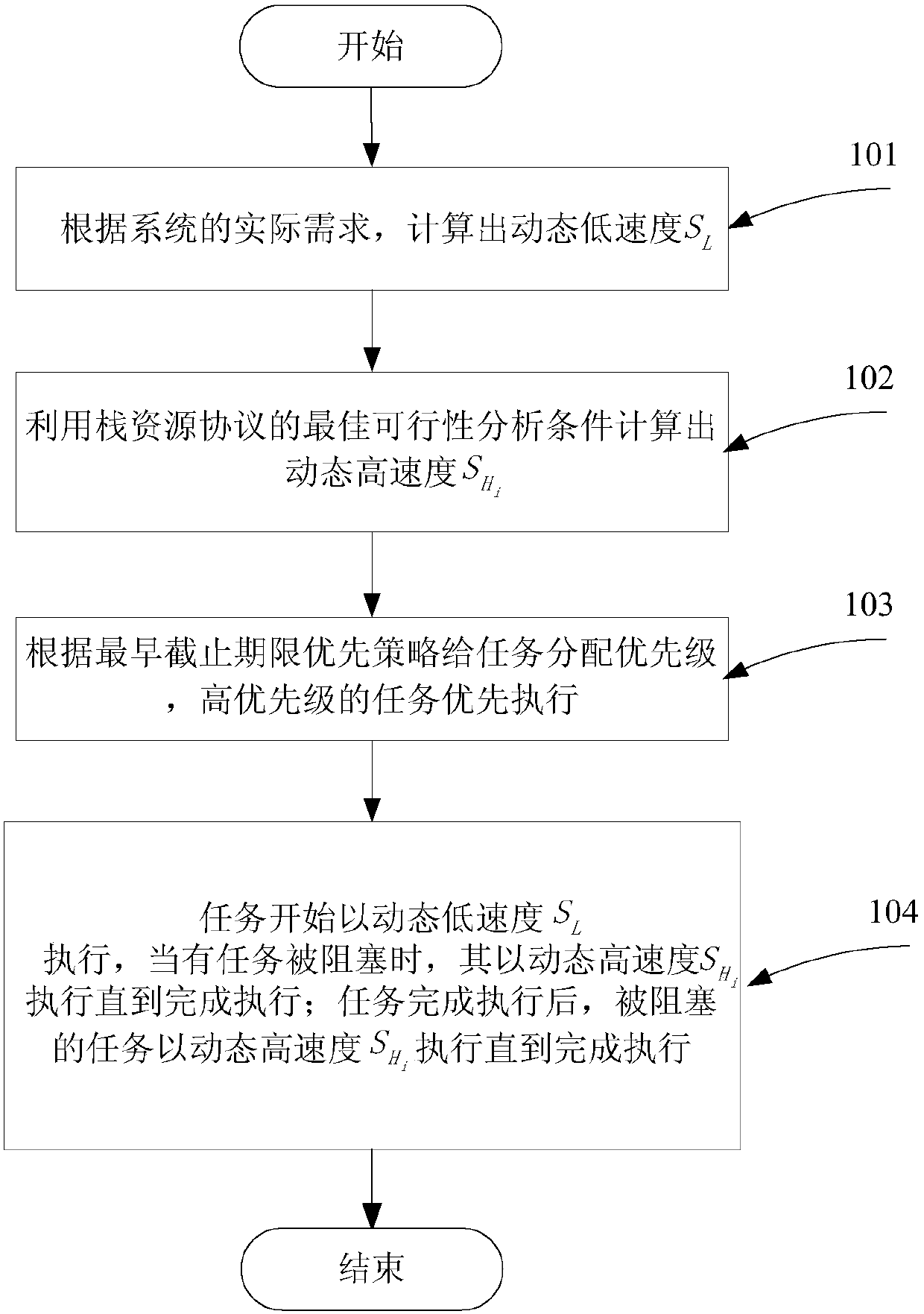
Figure 1 
Figure 2 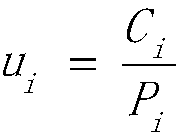
Figure 3
Abstract
Description
technical field
[0001] The invention relates to low-energy real-time scheduling of resource-limited sporadic tasks in the field of embedded systems, in particular to a low-energy scheduling method for task-synchronized sporadic tasks. Background technique
[0002] At present, most mobile and portable embedded devices are powered by batteries, but the capacity of batteries is limited, and the development speed of battery technology lags far behind the growth rate of energy consumption of embedded devices. Therefore, the energy consumption problem has become a key problem to be solved urgently in the embedded system. Dynamic Voltage Scaling (DVS) technology is an effective low power consumption technology by adjusting the speed of the processor according to the real-time load of the system, so that the energy consumption of the processor can be reduced by approximately the quadratic power.
[0003] In order to reduce system energy consumption, many researchers conduct researc...
Examples
Embodiment Construction
[0035] see figure 1 , a task synchronization sporadic task low energy scheduling method provided by the present invention, comprising the following steps:
[0036] Step 101: Calculate the dynamic low speed S according to the actual demand of the system L ;
[0037] Due to the uncertainty of the release interval of the sporadic task, here the dynamic low speed S is calculated according to the sporadic task releasing its task instance L ; When a sporadic task releases a task instance, if it belongs to the deferrable task set DTS, increase the dynamic low speed S L , the amount of increase is the utilization rate u of sporadic tasks i ; When the sporadic task exceeds its minimum release interval and has not released the task instance, and it does not belong to the deferrable task set DTS, reduce the dynamic low speed S L , the reduced amount is the utilization rate u of sporadic tasks i ; When the processor is idle, the dynamic low speed S L Set to 0. In this embodiment, t...