
Two-channel convolution neural network semantic segmentation method sensitive to small targets
A convolutional neural network and semantic segmentation technology, applied in the field of dual-channel convolutional neural network semantic segmentation, can solve problems such as unbalanced precision
Patent Information
- Authority / Receiving Office
- CN · China
- Patent Type
- Applications(China)
- Current Assignee / Owner
- Publication Date
- 2019-01-04
Smart Images
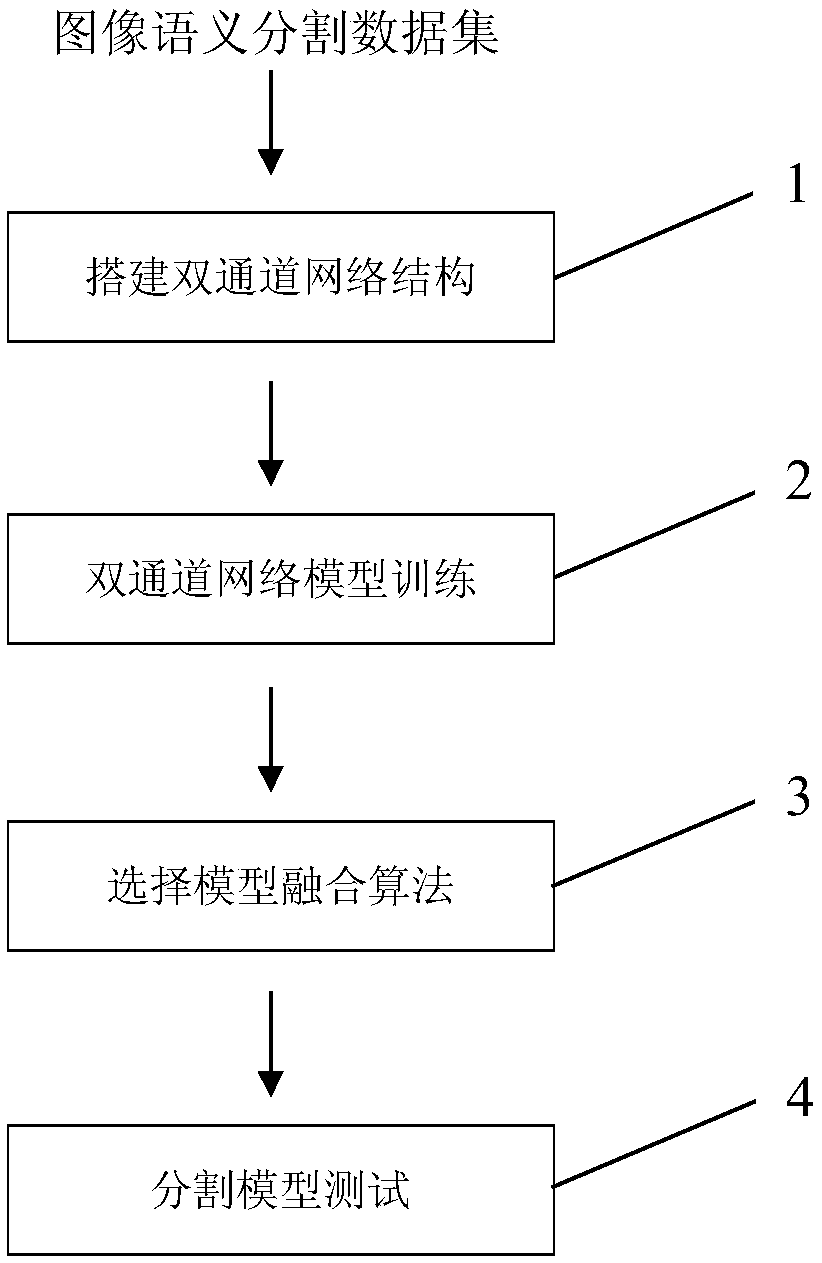
Figure 1 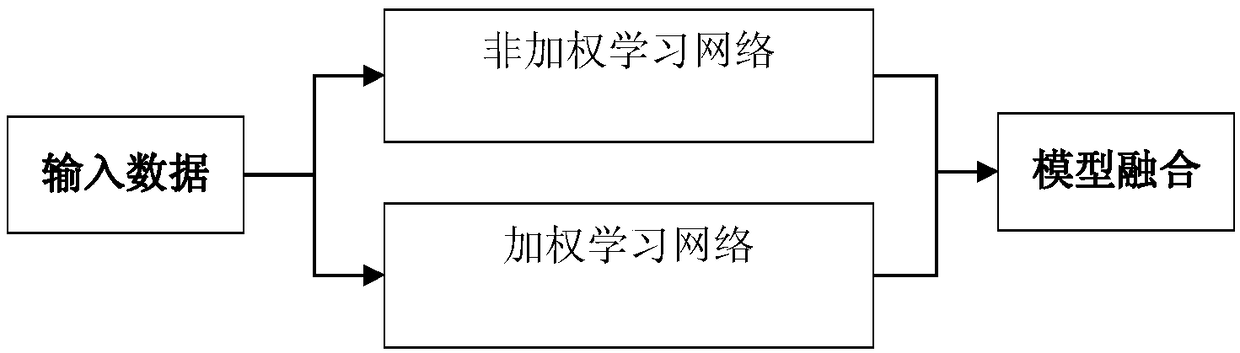
Figure 2 
Figure 3
Abstract
Description
technical field
[0001] The invention belongs to the technical field of image processing, and in particular relates to a small target-sensitive dual-channel convolutional neural network semantic segmentation method. Background technique
[0002] Image semantic segmentation is one of the three major tasks of computer vision. Its goal is to classify each pixel in the image and obtain a semantic segmentation map of the image. From the perspective of traditional image segmentation, image semantic segmentation is to segment the image into multiple regions at the semantic level, and then assign appropriate category labels to each region. At present, semantic segmentation has a wide range of applications in autonomous driving, real-time road monitoring, automatic virtual fitting, and medical disease systems. Before the rise of deep learning, the main method of semantic segmentation was to use the conditional random field model to build a probability graph model. In recent years, du...
Examples
Embodiment Construction
[0033] The technical solutions of the present invention will be described in detail below in conjunction with the accompanying drawings.
[0034] Such as figure 1 As shown, a kind of small target sensitive two-channel convolutional neural network semantic segmentation method proposed by the present invention comprises the following steps:
[0035] Step 1, use the Caffe deep learning framework to build a non-weighted learning network and a weighted learning network. Among them, the non-weighted learning network is used to segment the main part of the target in the image, and the weighted learning network is used to segment the small target in the image.
[0036] The algorithm architecture built is as follows figure 2 As shown, the algorithm contains two networks with similar structure: unweighted learning network and weighted learning network. Unweighted learning network means that the network uses ordinary loss function to train the network, which is responsible for segmen...