
Pump assembly and system for inducing negative pressure in portion of urinary tract of patient
A one-part, one-piece technology, applied in the field of pump assemblies and systems for inducing negative pressure in a part of a patient's urinary tract, can solve problems such as improved renal function, patients with cardio-renal syndrome, etc.
Patent Information
- Authority / Receiving Office
- CN · China
- Current Assignee / Owner
- Publication Date
- 2022-02-18
Smart Images
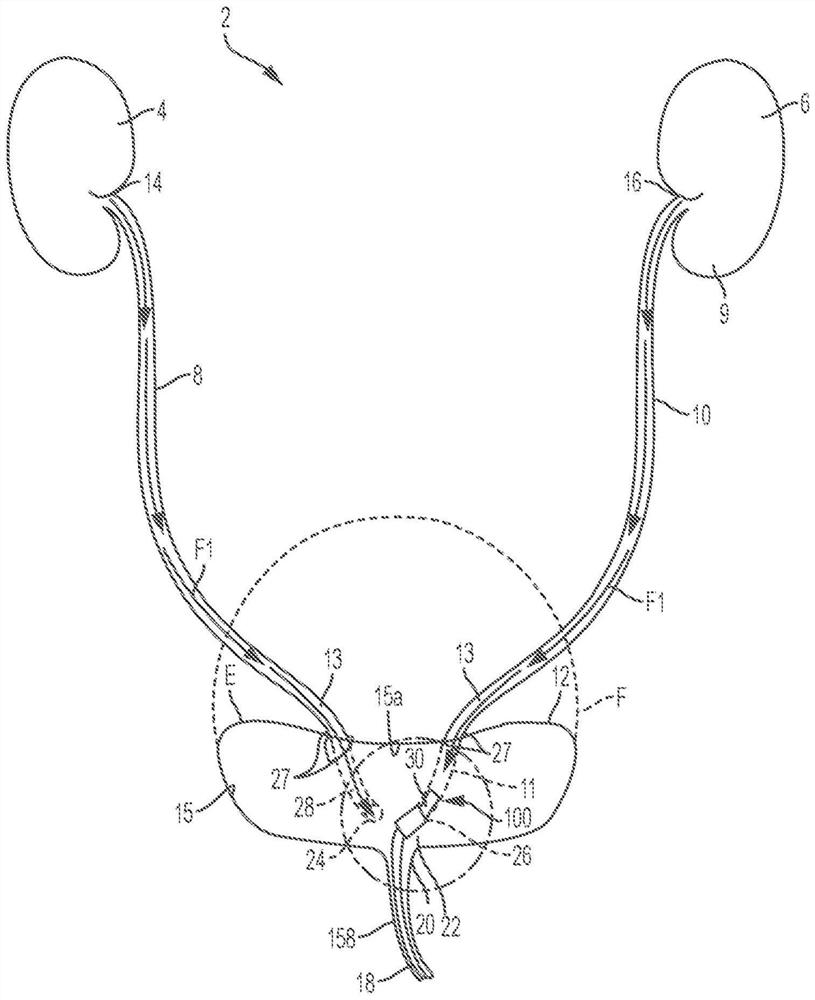
Figure 1 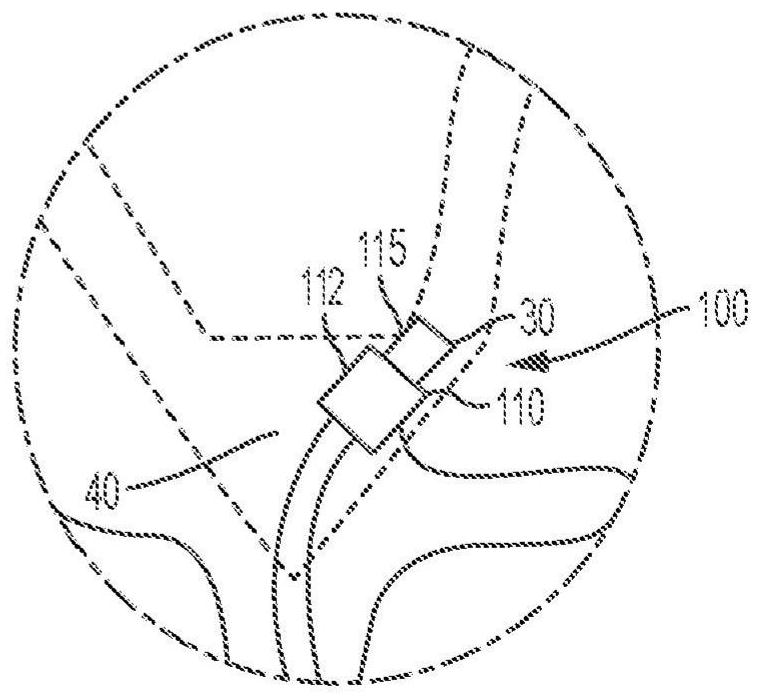
Figure 2 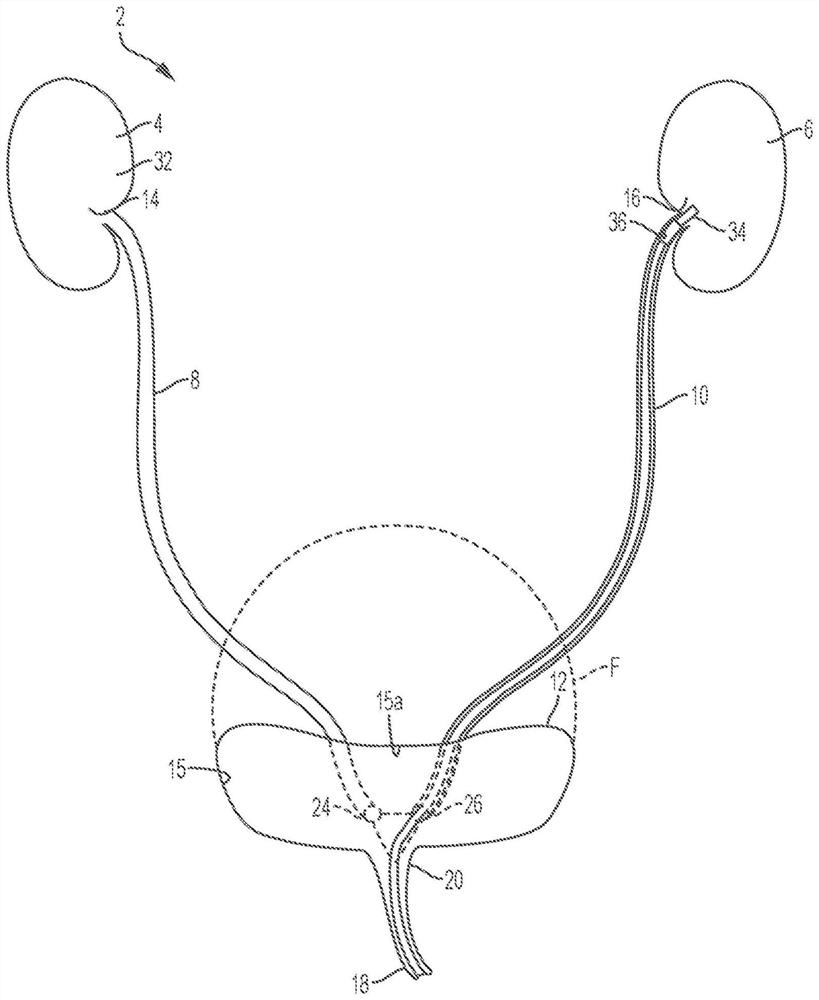
Figure 3
Abstract
Description
[0001] Cross References to Related Applications
[0002] This application is based on U.S. Patent Application No. 16 / 640210, entitled "Indwelling Pump for Facilitating Removal of Urine from the Urinary Tract," filed February 19, 2020 Continuation-in-Part of U.S. Patent Application No. 16 / 640210, which is the U.S. national phase of International Application No. PCT / IB2018 / 056444, filed August 24, 2018, and claims a U.S. provisional patent filed on August 25, 2017 Benefit of Application No. 62 / 550259, each of which is hereby incorporated by reference in its entirety.
[0003] This application also claims the patent application entitled "Implantable Pump for Inducing Negative Pressure in a Portion of a Urinary Tract of a Patient" filed on April 23, 2019 U.S. Provisional Patent Application No. 62 / 837,513, the disclosure of which is hereby incorporated by reference in its entirety.
[0004] background technical field
[0005] The present invention relates to a pump configured...
Examples
Embodiment Construction
[0164] As used herein, the singular forms "a", "an" and "the" include plural referents unless the context clearly dictates otherwise.
[0165] As used herein, the terms "right", "left", "overhead" and their derivatives shall refer to the present invention as they are oriented in the drawings. The term "proximal" refers to the portion of the catheter device that is manipulated or contacted by the user, and / or the portion of the indwelling catheter that is closest to the urinary tract access site, such as the urethra or percutaneous access opening in the patient. The term "distal" refers to the opposite end of the catheter device that is configured to be inserted into the patient's body, and / or the portion of the catheter device that is inserted most distally into the patient's urinary tract. It is to be understood, however, that the invention is capable of various alternative orientations and thus these words should not be viewed as limiting. Furthermore, it should be understo...