
An Optimal Controlled Rolling Method Using Ultra-rapid Cooling to Control Austenite Structure
A technology of ultra-fast cooling and optimized control, which is applied in the field of steel materials to achieve the effect of improving performance
Patent Information
- Authority / Receiving Office
- CN · China
- Patent Type
- Patents(China)
- Current Assignee / Owner
- Publication Date
- 2016-09-28
Smart Images
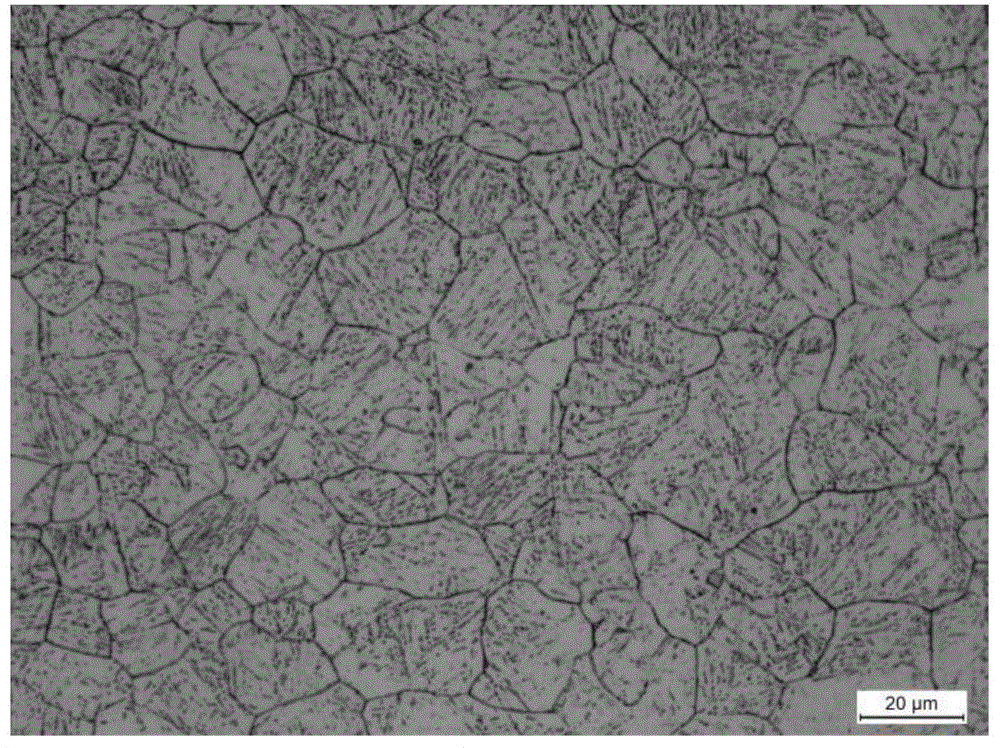
Figure 1 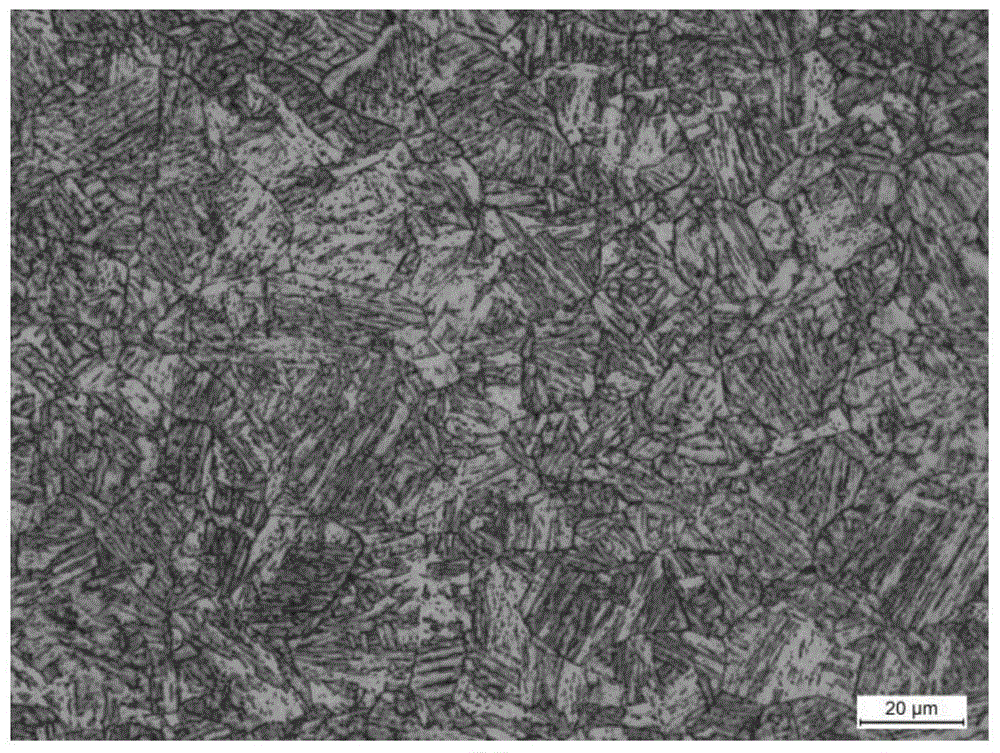
Figure 2 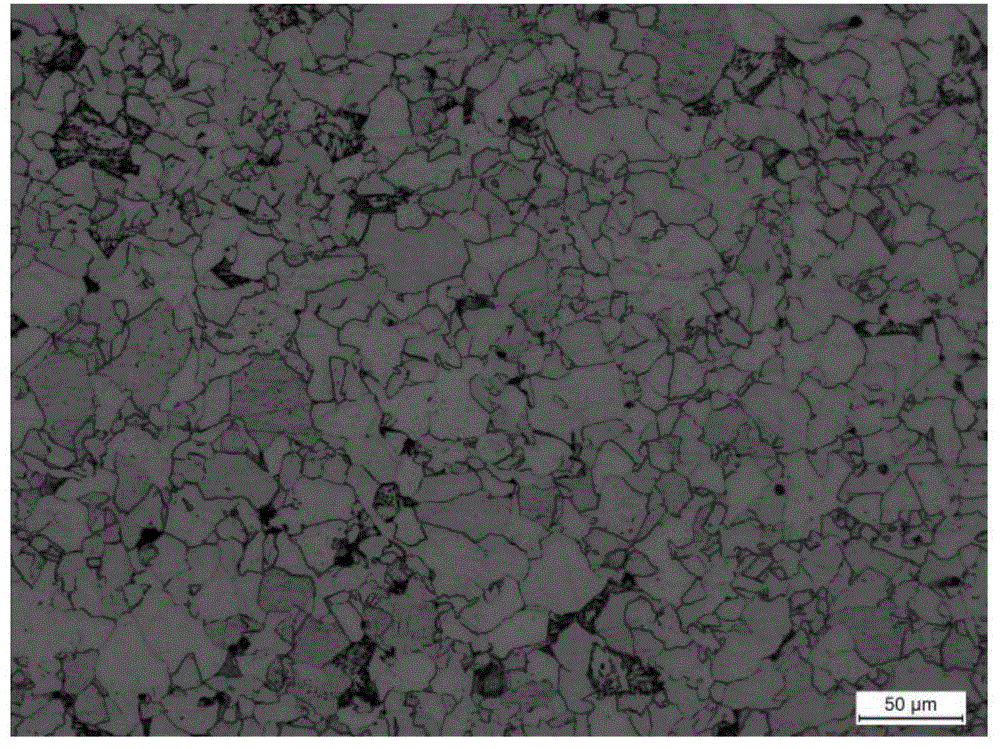
Figure 3
Abstract
Description
technical field
[0001] The invention belongs to the technical field of iron and steel materials, and in particular relates to an optimally controlled rolling method for controlling austenite structure by ultra-rapid cooling. Background technique
[0002] Controlled rolling and controlled cooling technology (Thermomechanical Control Process, TMCP) is one of the greatest achievements in the steel industry in the 20th century. Since the 1950s, TMCP technology has played a pivotal role in improving the comprehensive performance of hot-rolled products. The core features of the traditional TMCP technology are: ① "Low temperature and large reduction" and "addition of microalloying elements" to obtain hardened austenite to the greatest extent; ② Accelerated cooling after rolling (Accelerated Cooling, ACC), controlled hardening of austenite phase transition, refine the structure.
[0003] Japan's JFE Company developed the accelerated cooling process before other steel companies, and...
Examples
Embodiment 1
[0024] The chemical composition of bainitic steel for rolling is as follows: C: 0.04-0.06%, Si: 0.30-0.50%, Mn: 1.40-1.80%, P: ≤0.01%, S: ≤0.005%, Al: ≤0.03%, Ni: 0.20~0.40%, Cr: 0.40~0.60%, Cu: 0.30~0.50%, Ti: 0.02~0.03%, Nb: 0.03~0.05%, Mo: 0.15~0.18%, the balance is Fe And unavoidable impurities, the specific data are shown in Table 1.
[0025] After testing, the RLT of the bainite steel with the above composition is 990-1020°C; reheat the billet to 1200-1250°C and keep it warm for 1-2h, and carry out controlled rolling and controlled cooling on a 450mm two-roll hot rolling mill; The rolling temperature is 1150±10°C, the final rolling temperature is 1050±10°C, ultra-rapid cooling is adopted immediately after rolling, the cooling rate is 75±5°C / s, the steel plate is cooled to 400°C, and then air-cooled to room temperature, the typical steel plate Austenitic structure such as figure 1 As shown, the typical tissue characteristics at room temperature are as follows figure 2...
Embodiment 2
[0045] The chemical composition (mass fraction) of ferritic steel for rolling is: C: 0.05-0.07%, Si: 0.25-0.35%, Mn: 1.20-1.50%, P: ≤0.008%, S: ≤0.005%, Al : ≤0.06%, Ti: 0.09-0.12%, V: 0.05-0.07%, and the balance is Fe and unavoidable impurities. The specific data are shown in Table 6.
[0046] After testing, the RLT of the ferritic steel with the above composition is 960-1010°C; reheat the billet to 1200-1250°C and keep it warm for 1-2 hours, and carry out controlled rolling and controlled cooling on a 450mm two-roll hot rolling mill; The rolling temperature is 1155±5°C, and the final rolling temperature is 1030±5°C. Immediately after rolling, the steel plate is cooled to 700°C by ultra-rapid cooling at a cooling rate of 55±5°C / s, and then air-cooled to room temperature. body structure such as image 3As shown, the TEM morphology is as follows Figure 4 shown.
[0047] The controlled rolling process is shown in 7, and the mechanical properties are shown in Table 8.
[004...