
A data distribution method in the Internet of Vehicles
A data distribution and Internet of Vehicles technology, applied in the field of Internet of Vehicles, can solve the problems of increased traffic, high cost, large transmission, etc., and achieve the effect of reducing access conflicts, fast transmission, and low time complexity
Patent Information
- Authority / Receiving Office
- CN · China
- Patent Type
- Patents(China)
- Current Assignee / Owner
- Publication Date
- 2017-12-19
Smart Images
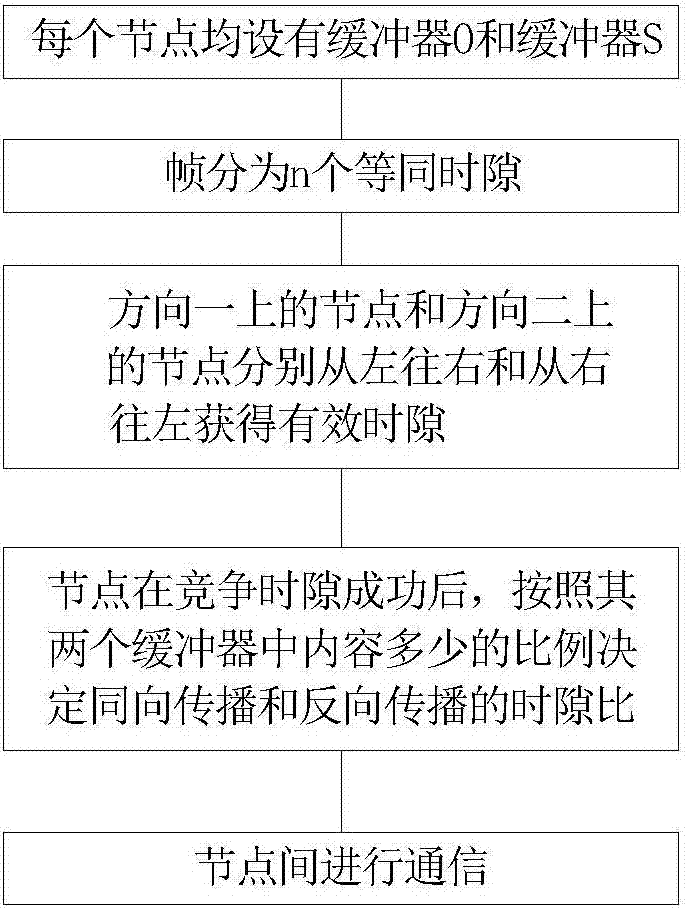
Figure 1 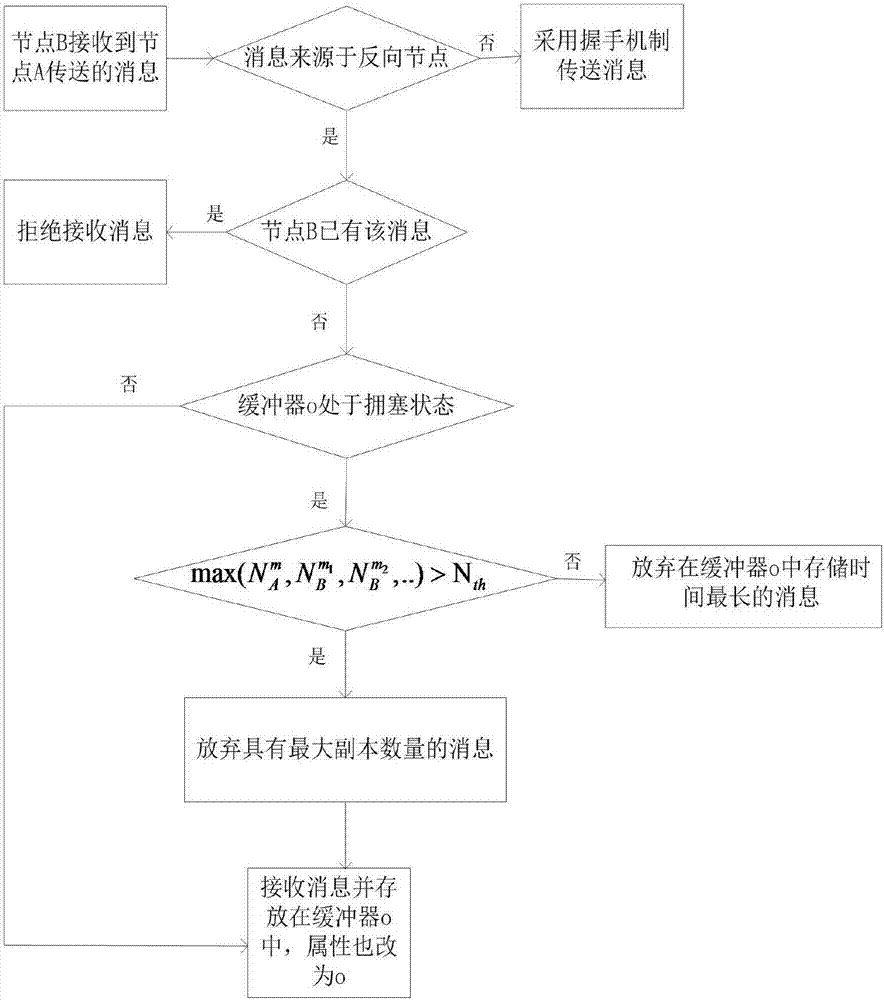
Figure 2 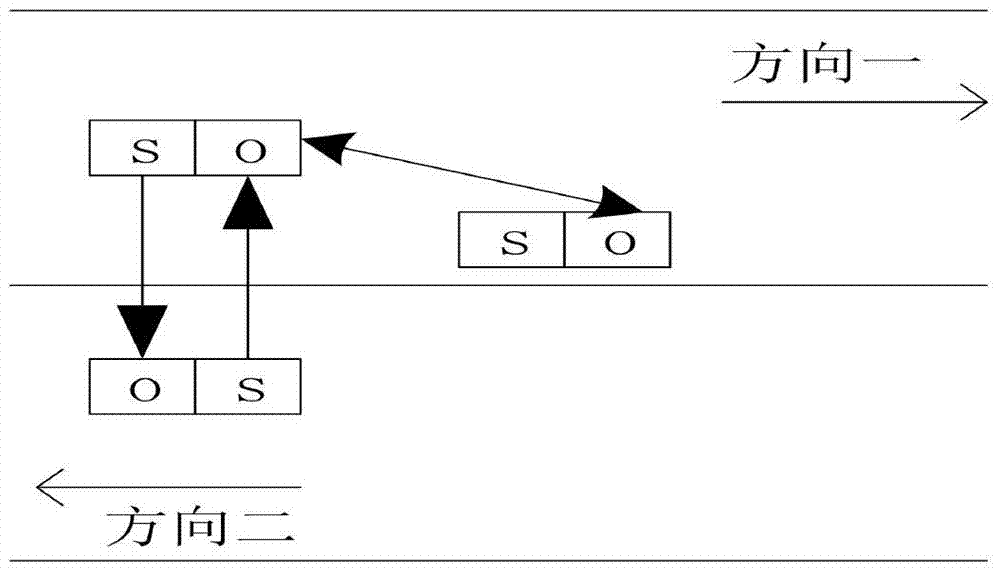
Figure 3
Abstract
Description
technical field
[0001] The invention relates to the technical field of the Internet of Vehicles, in particular to a data distribution method in the Internet of Vehicles. Background technique
[0002] In the Internet of Vehicles, nodes are required to be able to send information reliably and quickly, but the network discontinuity caused by the fast moving characteristics of vehicle nodes makes it difficult to meet this requirement. Vehicles need to communicate with each other to understand useful information for themselves, such as road conditions, weather conditions, whether there are accidents, etc., to reduce the probability of accidents. At the same time, vehicles in the city can share the latest news, tourist attractions, industry Advertisements are delivered in time to vehicles entering the city. However, during the driving process of the vehicle, the speed difference between the nodes traveling in the same direction is not large and the network is relatively stable, s...
Examples
Embodiment Construction
[0034] The present invention will be further described below in conjunction with the accompanying drawings. It should be noted that this embodiment is based on the technical solution, and provides detailed implementation and specific operation process, but the protection scope of the present invention is not limited to the present invention. Example.
[0035] Such as figure 1 As shown, the specific process of a data distribution method in the Internet of Vehicles is as follows:
[0036] Each node has two buffers (buffer) s and o, in which s stores the information detected by itself, which is only used to send to the node traveling in the opposite direction, and o stores the information sent by the source node for the node in the opposite direction message, which can be used by itself or transmitted to nodes that do not have the message in the same direction, such as image 3 shown. When the nodes in the opposite direction communicate, that is, when the messages in s are tra...