
A Data Reduction Method for Decision Table
A decision table and data technology, applied in the field of data processing, can solve the problems of wasting time and calculation times, and achieve the effect of good repeatability, simple calculation and fast calculation speed
Patent Information
- Authority / Receiving Office
- CN · China
- Patent Type
- Patents(China)
- Current Assignee / Owner
- Publication Date
- 2019-08-27
Smart Images
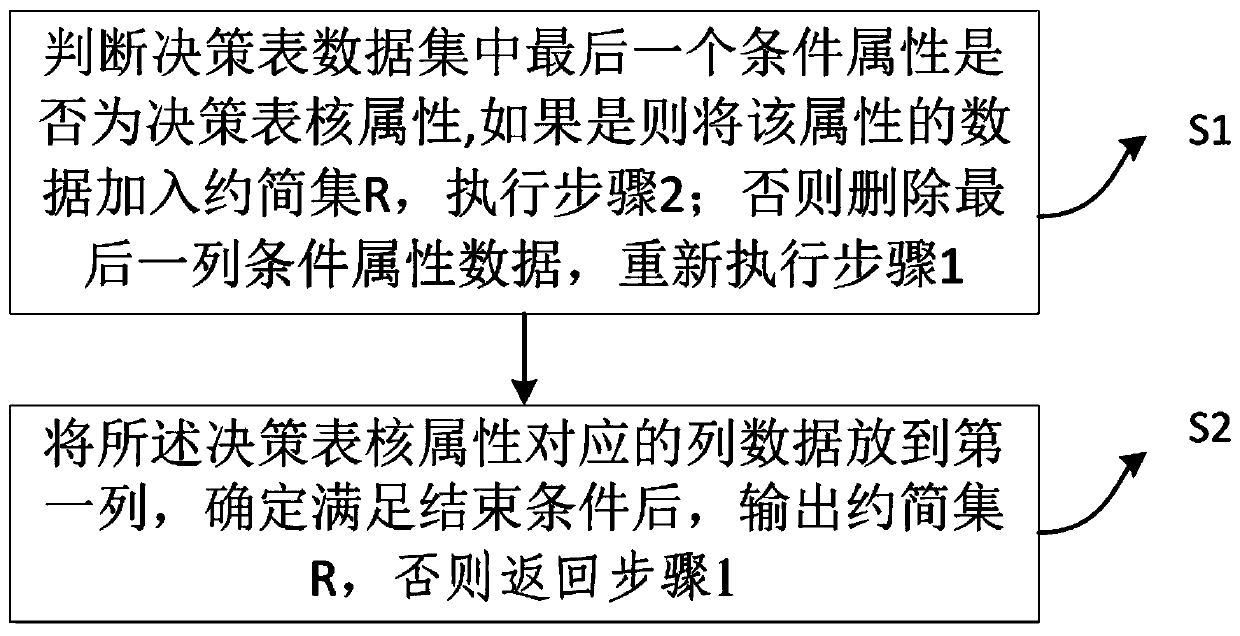
Figure 1 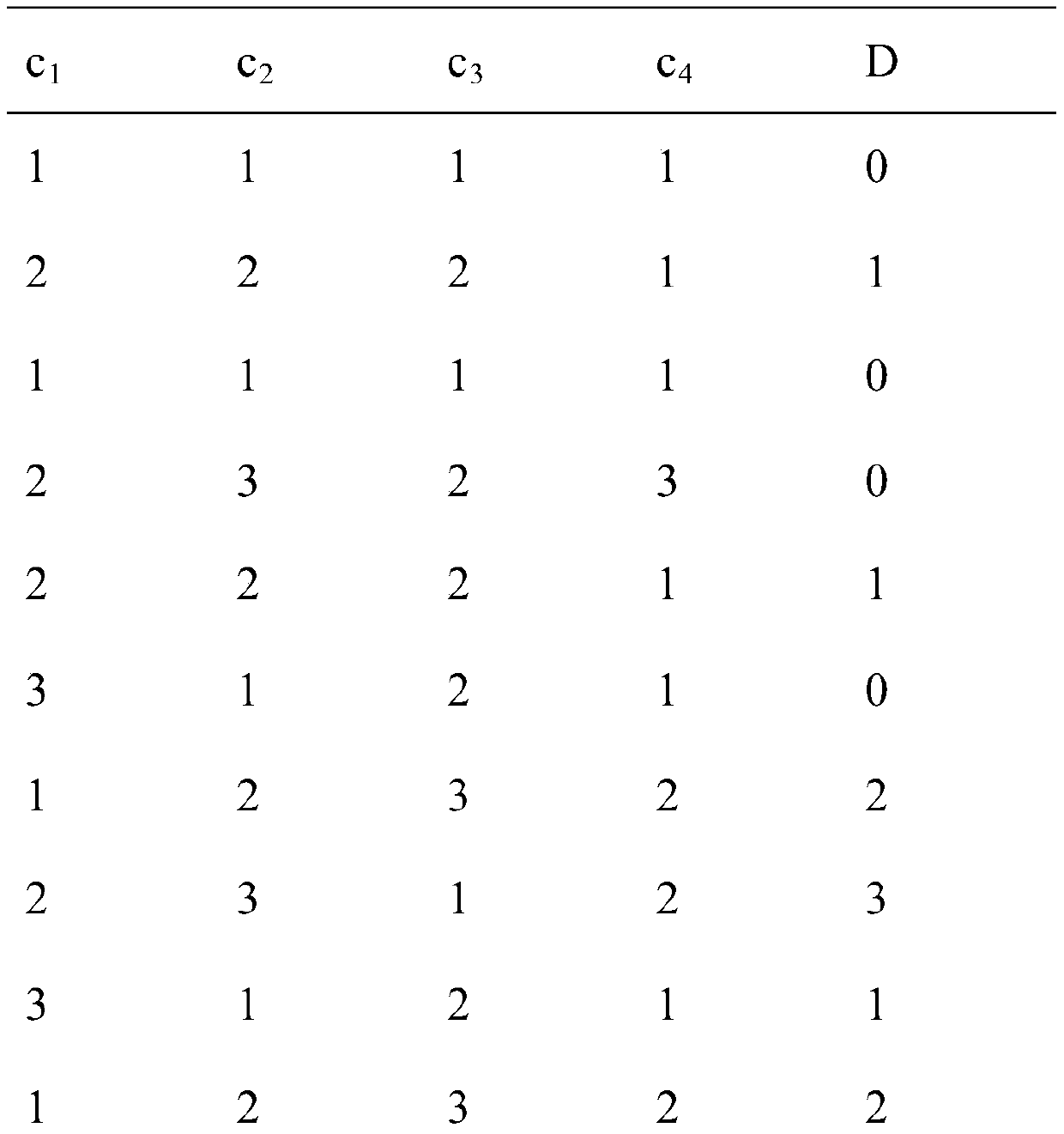
Figure 2 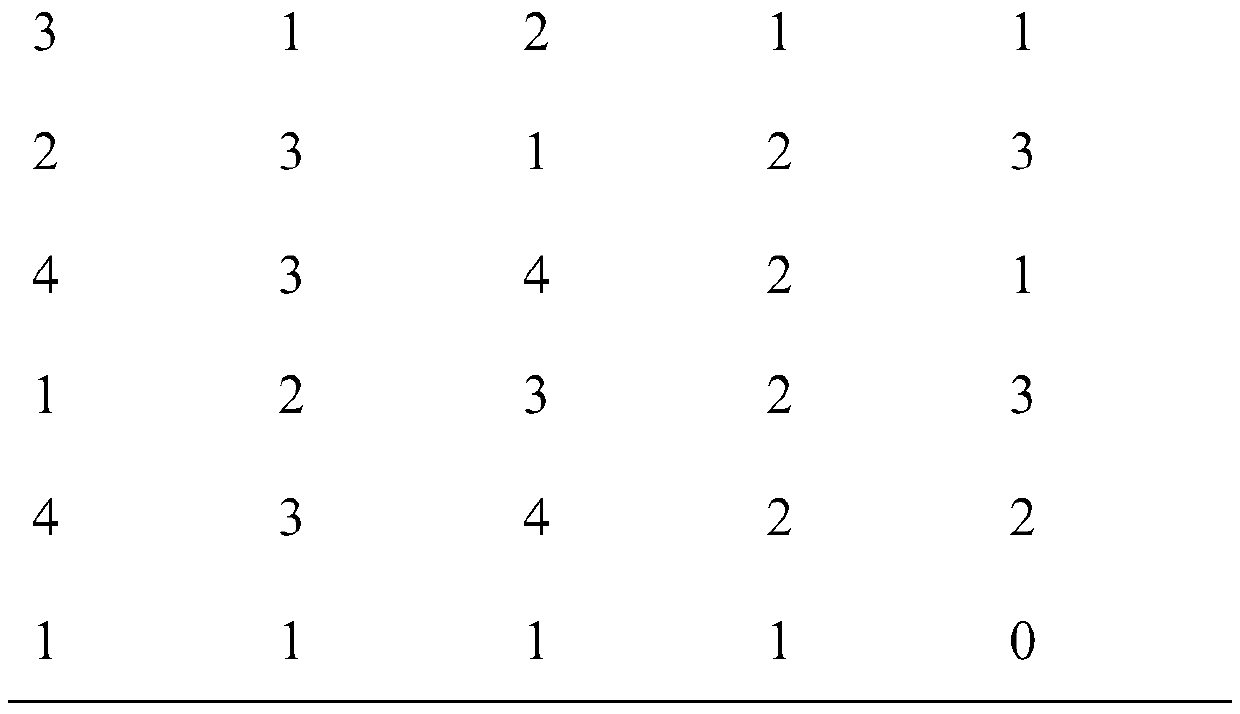
Figure 3
Abstract
Description
technical field
[0001] The present invention relates to the technical field of data processing, and more specifically, relates to a data reduction method of a decision table. Background technique
[0002] At present, with the rapid development of data acquisition and storage technology, the problem of data redundancy is becoming more and more serious. It not only wastes storage space greatly, but also significantly reduces the performance of data-based modeling and decision-making algorithms. Rough set theory is a theory that specifically reduces data and extracts effective information from data. The core of this theory lies in data reduction. By deleting unimportant and redundant data and attributes, a streamlined new data set containing complete information is obtained, providing high-quality data for data-based analysis, modeling, decision-making, etc. source data.
[0003] Traditional data reduction methods often adopt a heuristic reduction structure based on attribute...
Examples
Embodiment Construction
[0009] The specific implementation manners of the present invention will be further described in detail below in conjunction with the accompanying drawings and embodiments. The following examples are used to illustrate the present invention, but are not intended to limit the scope of the present invention.
[0010] The present invention mainly deals with decision table data, expressed as S=a |a∈At},{I a |a∈At}>, where U is the set of all samples, At=C∪D, C={c 1 ,c 2 ,...,c n} is called condition attribute set, D={d} is called decision attribute set.
[0011] figure 1 , in a specific embodiment of the present invention, shows the overall flow of a method for reducing decision table data. Generally speaking, it includes: step 1, judge whether the last conditional attribute in the decision table data set is the core attribute of the decision table, if so, add the data of this attribute to the reduction set R, and perform step 2; otherwise, delete the last column of condition...