
A convenient water cup
A portable water cup technology, which can be used in drinking utensils, table utensils, travel or camping equipment, etc., can solve problems such as inconvenient operation, and achieve the effect of simple and convenient operation
Patent Information
- Authority / Receiving Office
- CN · China
- Patent Type
- Patents(China)
- Current Assignee / Owner
- Publication Date
- 2021-08-31
Smart Images
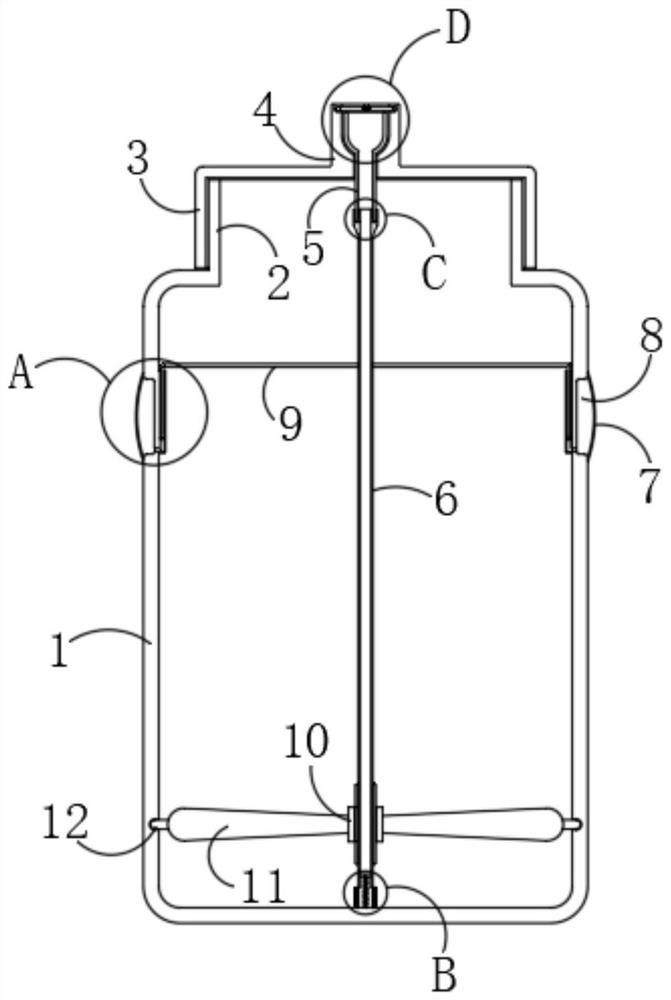
Figure 1 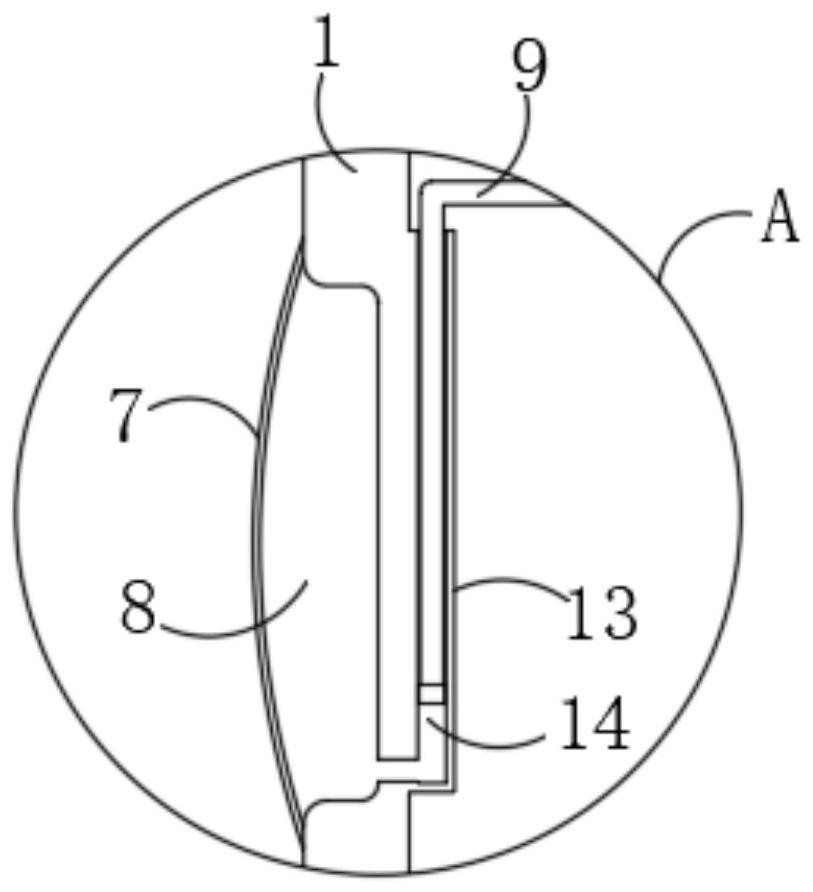
Figure 2 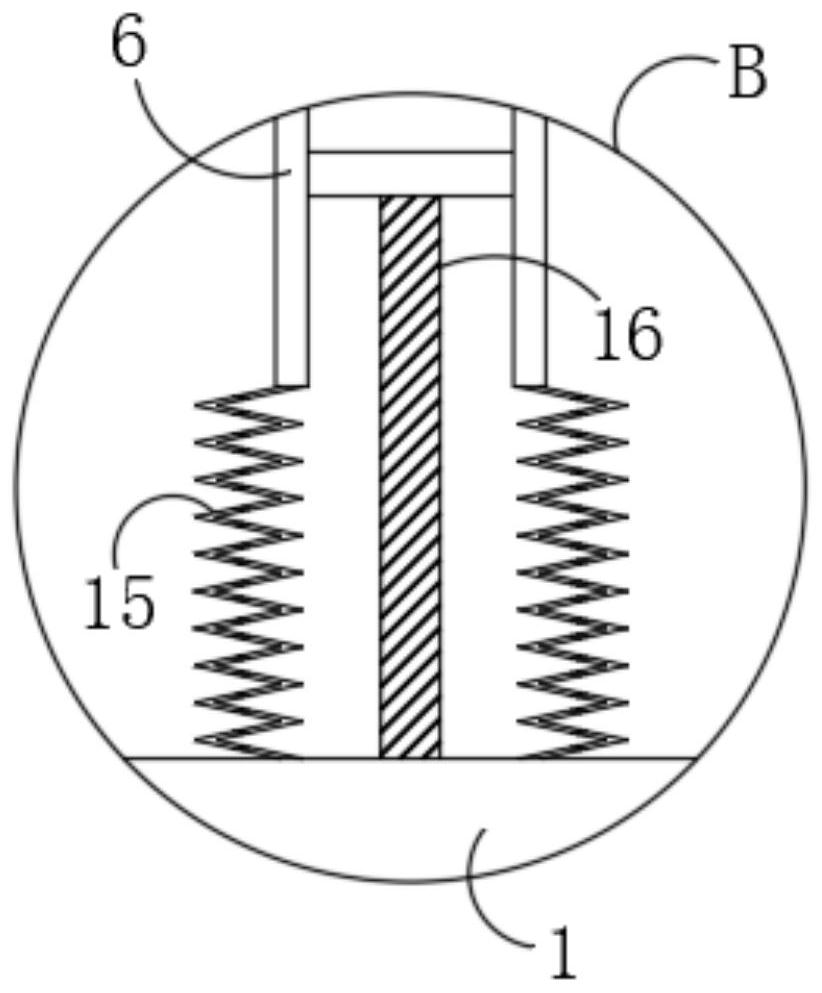
Figure 3
Abstract
Description
technical field
[0001] The invention belongs to the technical field of water cups, in particular to a portable water cup. Background technique
[0002] Water cup is the instrument that people are used for drinking water, and the water cup that can carry on the market is generally made up of cup body and bowl cover at present, and bowl cover thread is sleeved on the open end of cup body. Mainly divided into two types, one is the one-piece design of the cup cover, which needs to be turned down when drinking water, and the cup cover must be turned back on after drinking; the other is the cup cover with a drinking spout And a flip cover is installed, one side of the flip cover is rotated and installed on the cup cover through a return spring, and the other side is connected to the cup cover through a buckle. When drinking water, the flip cover will automatically pop open by pressing the buckle. After drinking, you need to press Flip the lid so it snaps shut.
[0003] In the fi...
Examples
Embodiment Construction
[0018] The following will clearly and completely describe the technical solutions in the embodiments of the present invention with reference to the accompanying drawings in the embodiments of the present invention. Obviously, the described embodiments are only some, not all, embodiments of the present invention.
[0019] In describing the present invention, it should be understood that the terms "center", "longitudinal", "transverse", "length", "width", "thickness", "upper", "lower", "front", " Orientation or position indicated by "back", "left", "right", "vertical", "horizontal", "top", "bottom", "inner", "outer", "clockwise", "counterclockwise", etc. The relationship is based on the orientation or positional relationship shown in the drawings, and is only for the convenience of describing the present invention and simplifying the description, rather than indicating or implying that the referred device or element must have a specific orientation, be constructed and operated in...