
Crimping device for steel-cored aluminum stranded wire
A technology of steel-cored aluminum stranded wire and crimping device, which is applied in the direction of connection, circuit/collector parts, electrical components, etc. Technical difficulty, the effect of ensuring uniformity
Patent Information
- Authority / Receiving Office
- CN · China
- Patent Type
- Applications(China)
- Current Assignee / Owner
- Publication Date
- 2020-11-20
- Estimated Expiration
- Not applicable · inactive patent
Smart Images
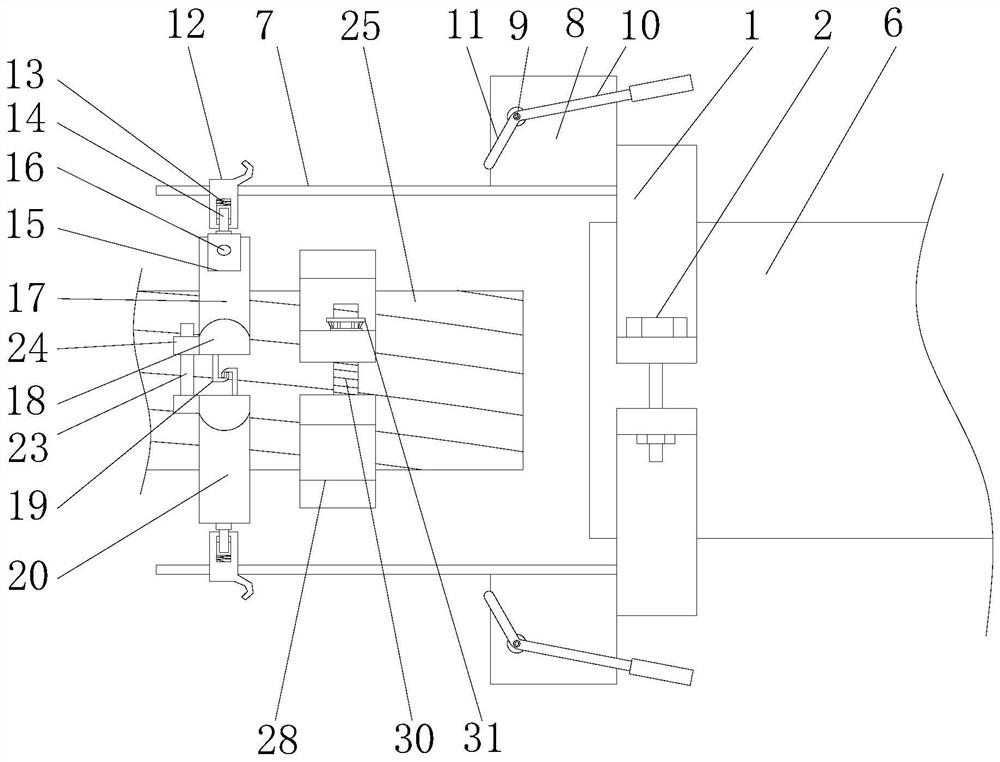
Figure 1 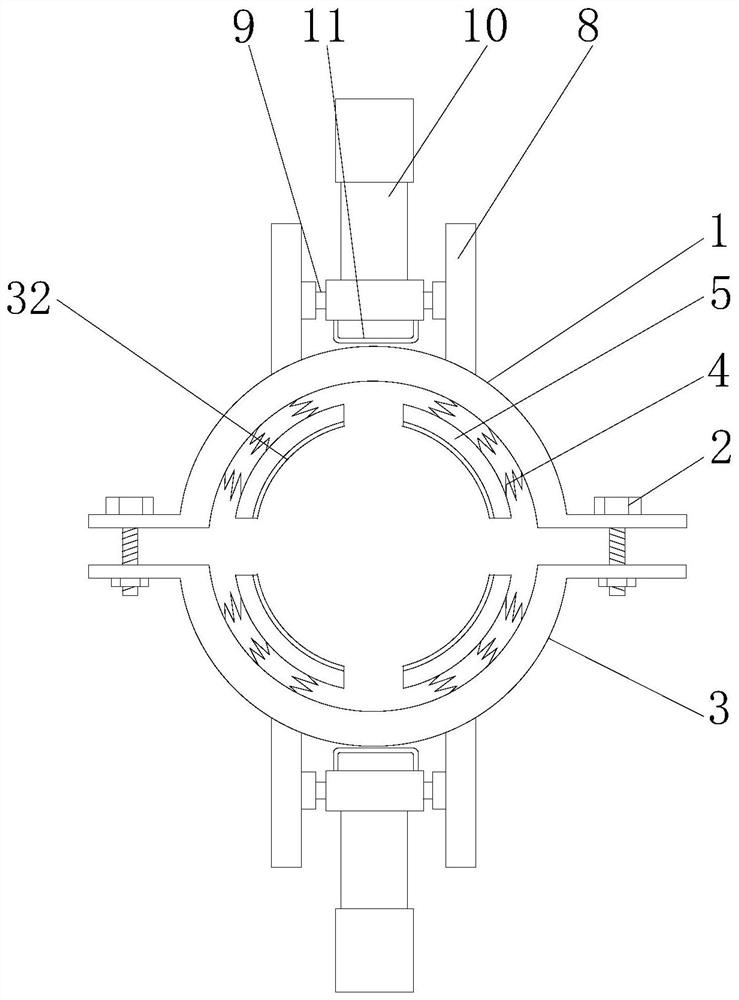
Figure 2 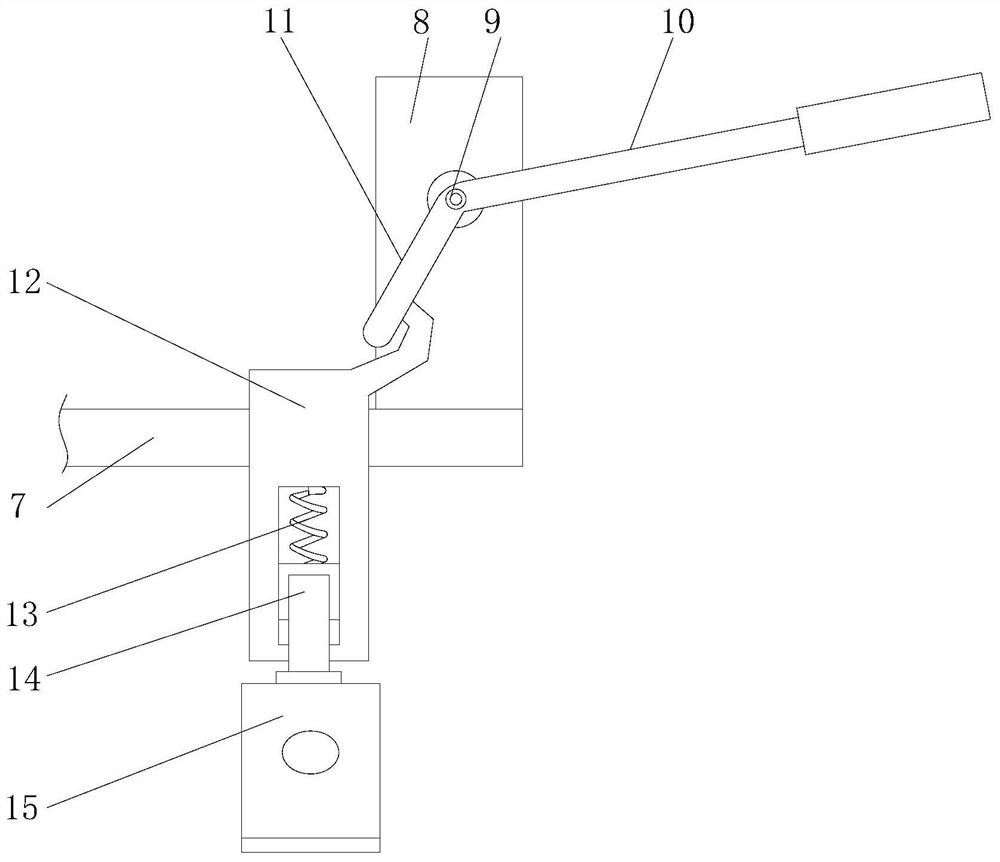
Figure 3
Abstract
Description
technical field
[0001] The invention belongs to the technical field of cable crimping, in particular to a crimping device for aluminum-steel-cored wires. Background technique
[0002] Steel-cored aluminum stranded wire is made of aluminum wire and steel wire, which is suitable for overhead transmission lines. It has a steel "core" inside, and aluminum wires are wound around the steel core by twisting on the outside; the steel core It mainly plays the role of increasing the strength. The aluminum stranded wire mainly plays the role of transmitting electric energy. During the crimping operation, one end of the stranded wire needs to be inserted into the crimping tube and crimped to complete the connection and use, which is convenient for multi-wire connection or protective installation of the joint. .
[0003] After retrieval, the Chinese patent authorization number is CN201320769786.4, which discloses a crimping device for aluminum-steel conductors for power conductor constr...
Examples
Embodiment Construction
[0034] Attached below Figure 1-5 , clearly and completely describe the technical solutions in the embodiments of the present invention, obviously, the described embodiments are only some of the embodiments of the present invention, not all of them. Based on the embodiments of the present invention, all other embodiments obtained by persons of ordinary skill in the art without making creative efforts belong to the protection scope of the present invention.
[0035] In describing the present invention, it should be understood that the terms "longitudinal", "transverse", "upper", "lower", "front", "rear", "left", "right", "vertical", The orientations or positional relationships indicated by "horizontal", "top", "bottom", "inner", "outer", etc. are based on the orientations or positional relationships shown in the drawings, and are only for the convenience of describing the present invention, rather than indicating or It should not be construed as limiting the invention by imply...