
Insurance risk scoring based on credit utilization ratio
a risk scoring and credit utilization ratio technology, applied in the field of insurance risk scoring based on credit utilization ratio, can solve the problems of not typically including credit report data in medical insurance underwriting, the use of credit history is often perceived to be in conflict with what, and the risk is sometimes difficult to achieve, so as to enhance the estimation accuracy of insurance loss ratio, restore risk to baseline, and mitigate the effect of inaccuracy in estimating the loss ratio
Patent Information
- Authority / Receiving Office
- US · United States
- Current Assignee / Owner
- Publication Date
- 2020-02-25
Smart Images
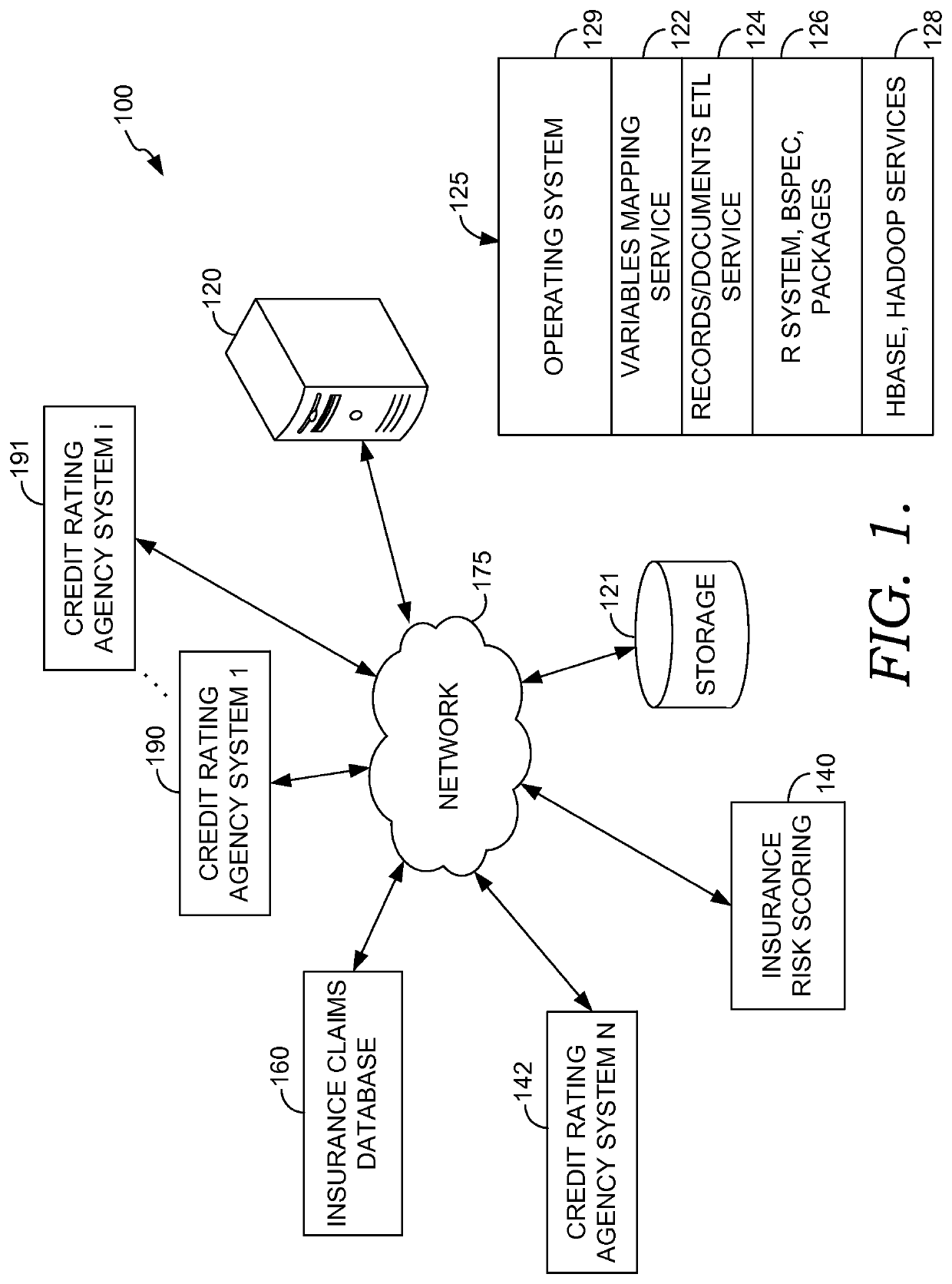
Figure 1 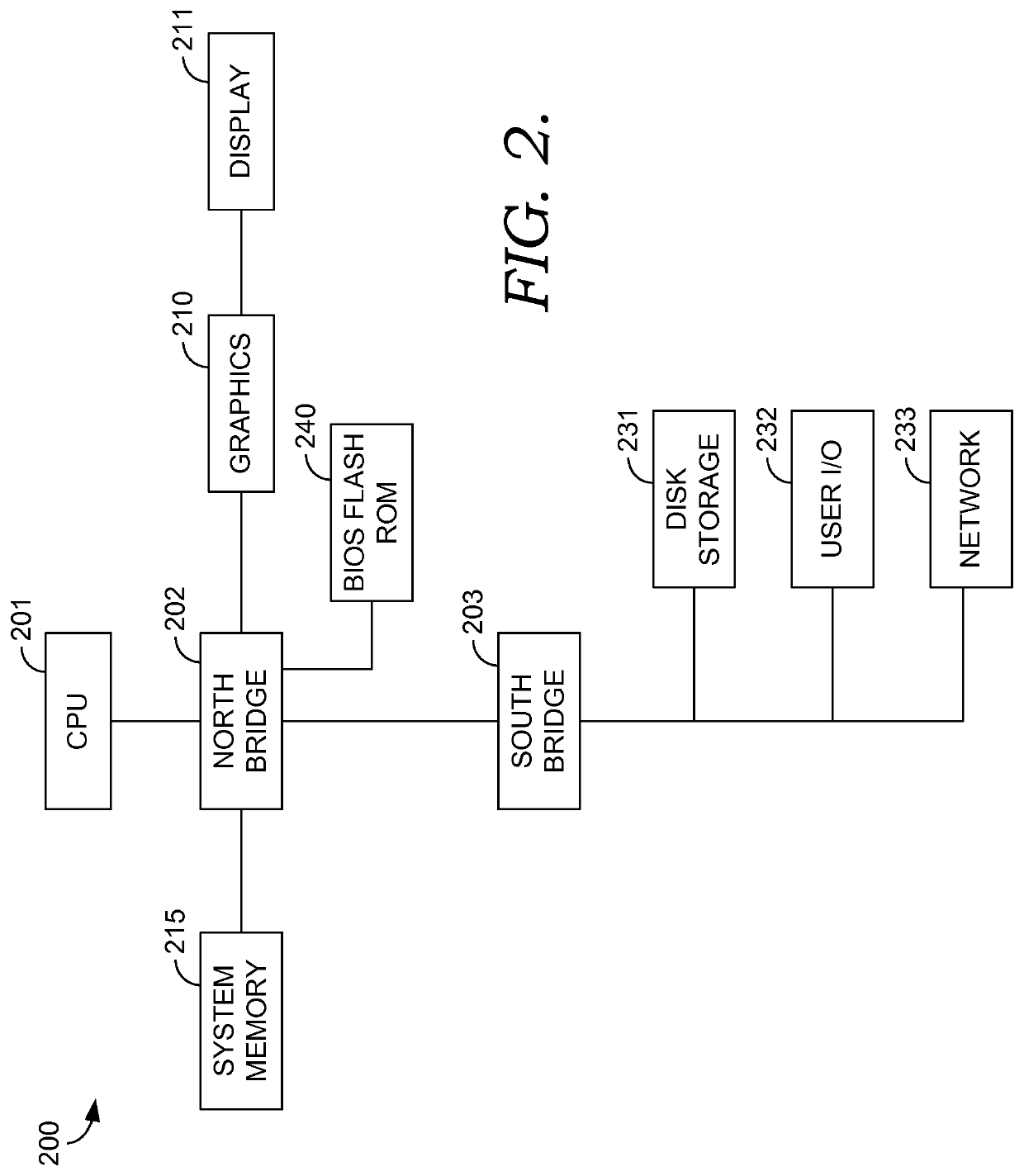
Figure 2 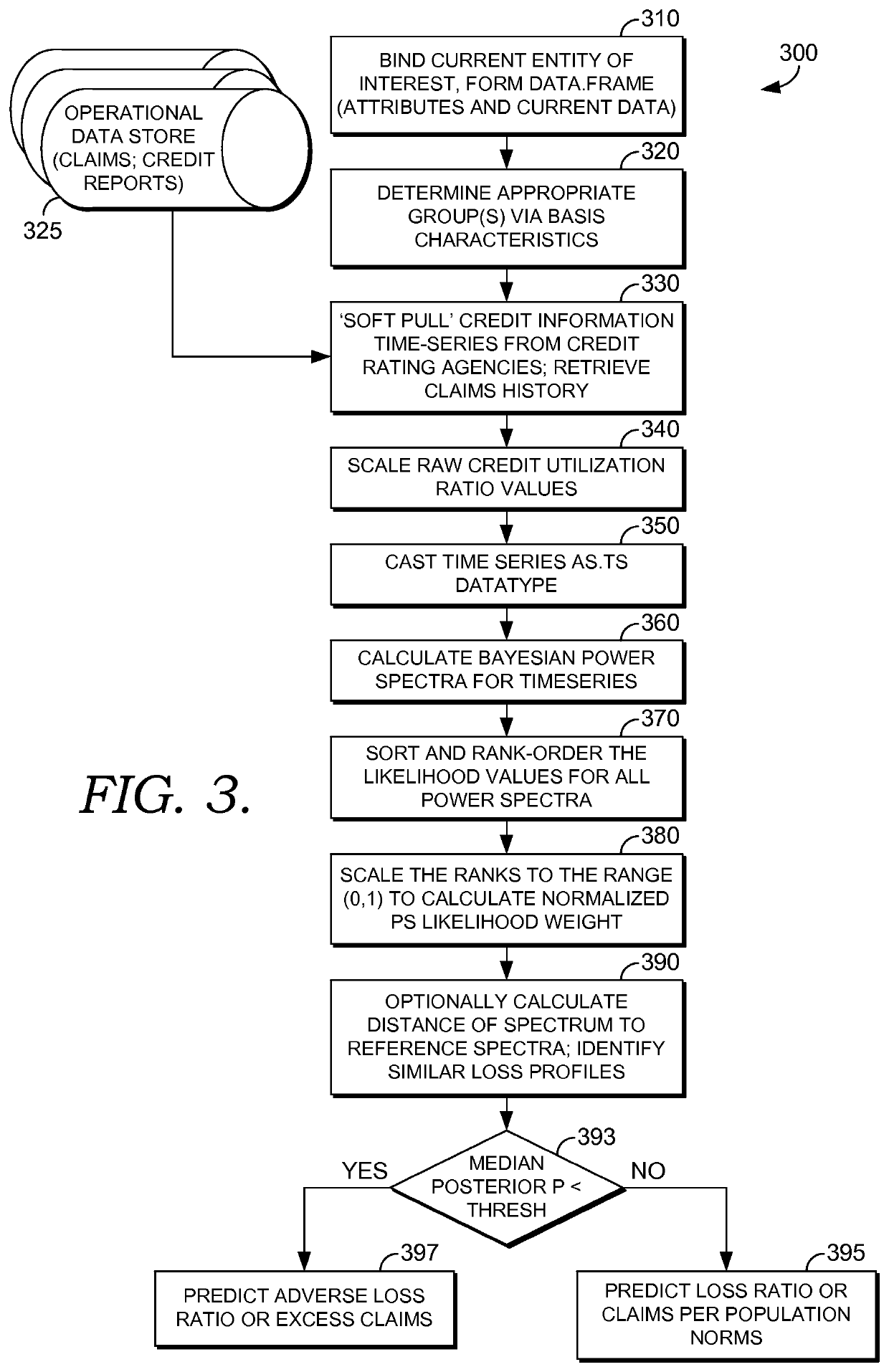
Figure 3
Abstract
Description
INTRODUCTIONInsurance Risk Scores are typically based exclusively on objective, factual credit report information, including consumer accounts such as credit cards, retail store cards, mortgages, and auto loans. Also included in typical insurance risk scores is public record information, including bankruptcies, liens and judgments, and collection accounts. Additionally, Insurance Risk Scores take into consideration consumer-initiated “hard pull” inquiries associated with their requests for new or increased lines of credit. Multiple consumer-generated “hard pull” credit inquiries associated with the shopping for a mortgage or auto loan are de-duplicated on a time horizon of 14 days, to minimize the impact on their score. All of this factual credit information is received by credit rating agencies such as Equifax, TransUnion, Experian, and FICO from tens of thousands of financial institutions, retailers, and court houses on a monthly basis. Typically consumer credit reports and the ca...
Examples
Embodiment Construction
The subject matter of the present invention is described with specificity herein to meet statutory requirements. However, the description itself is not intended to limit the scope of this patent. Rather, the inventor has contemplated that claimed subject matter might also be embodied in other ways, to include different steps or combinations of steps similar to the ones described in this document, in conjunction with other present or future technologies. Moreover, although the terms “step” and / or “block” may be used herein to connote different elements of methods employed, the terms should not be interpreted as implying any particular order among or between various steps herein disclosed unless and except when the order of individual steps is explicitly described.
As one skilled in the art will appreciate, embodiments of the invention may be embodied as, among other things, a method, system, or set of instructions embodied on one or more computer-readable media. Accordingly, the embod...