
Radiation detectable and protective articles
a detection and detection technology, applied in the field of radiation detection and protective articles, can solve the problems of difficult to effectively perform visual inspection of products manufactured on a high-speed assembly line, giving the human inspector enough time, and unable to effectively perform visual inspection, so as to achieve the effect of easy confirmation of attributes and presen
Patent Information
- Authority / Receiving Office
- US · United States
- Current Assignee / Owner
- Publication Date
- 2005-09-29
- Estimated Expiration
- Not applicable · inactive patent
Smart Images
Figure 1 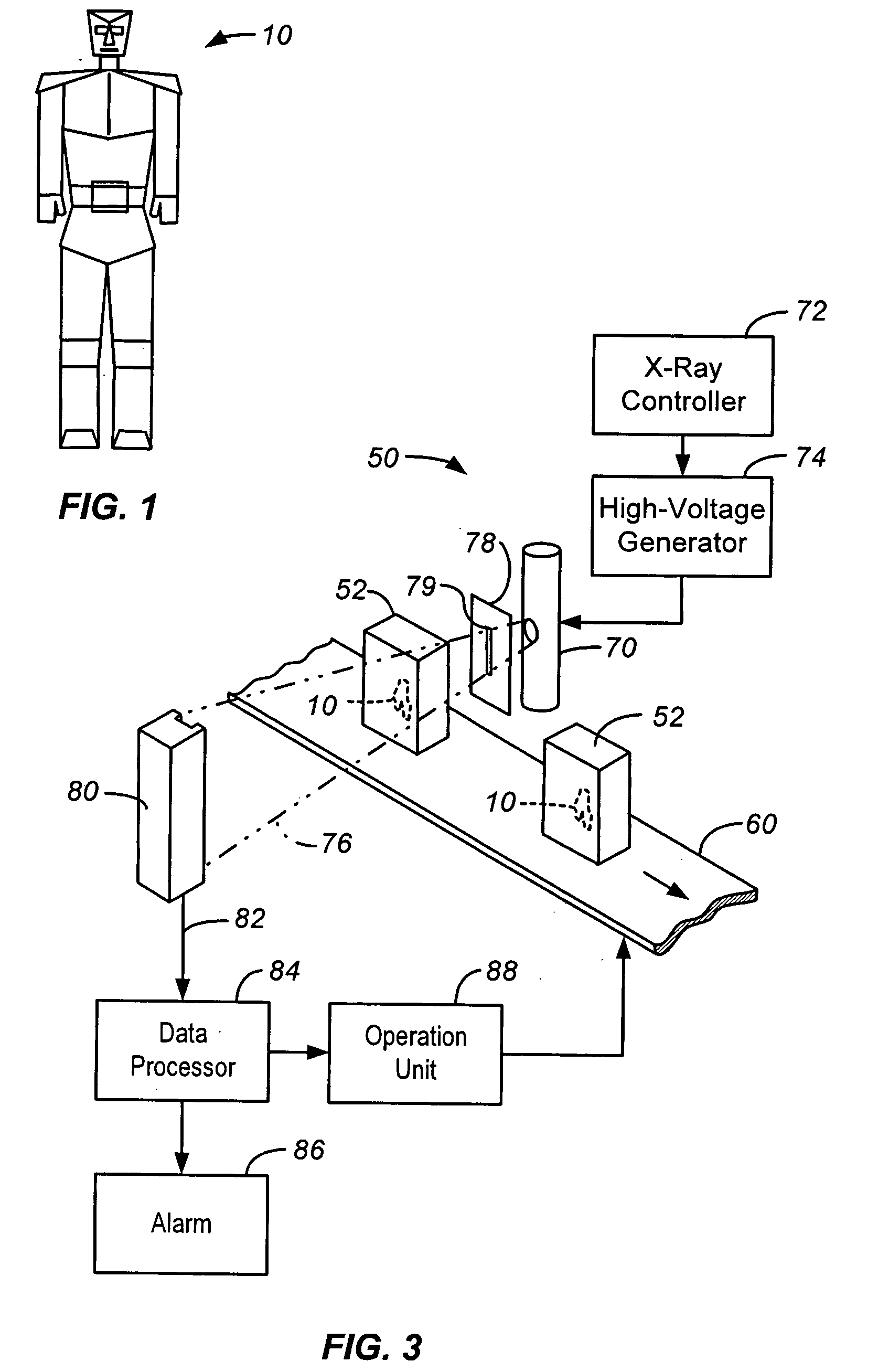
Figure 2 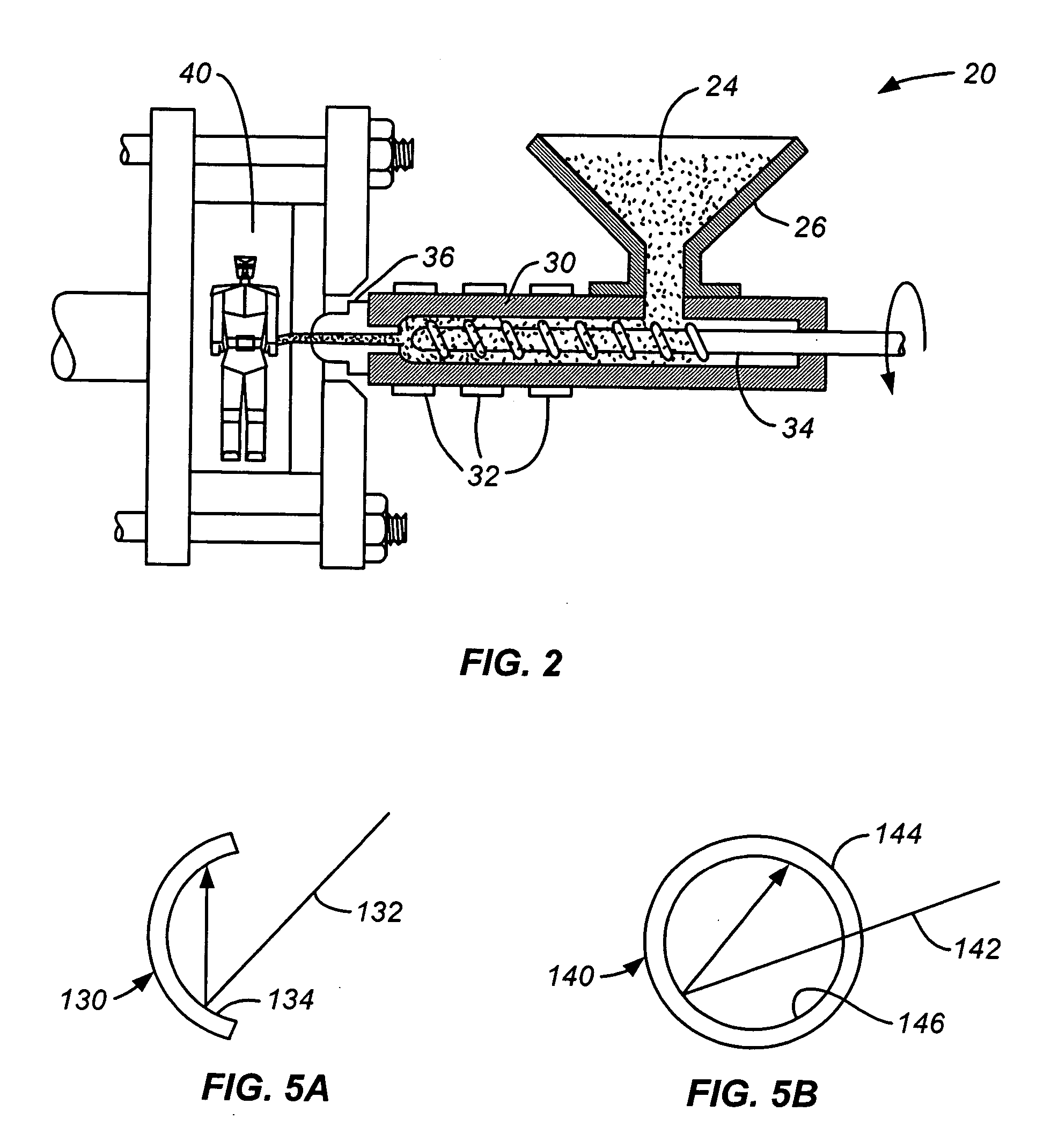
Figure 3
Abstract
Description
CROSS-REFERENCES TO RELATED APPLICATIONS
[0001] This application is a continuation-in-part of pending application Ser. No. 10 / 620,954, filed Jul. 16, 2003, entitled “Multiple Hazard Protection Articles And Methods For Making Them,” which is a continuation-in-part of application Ser. No. 10 / 238,160, filed Sep. 9, 2002, entitled “Lightweight Radiation Protective Articles And Methods For Making Them,” and issued as U.S. Pat. No. 6,828,578 B2 on Dec. 7, 2004, which is itself a continuation-in-part of application Ser. No. 09 / 940,681, filed Aug. 27, 2001, entitled “Lightweight Radiation Protective Garments,” and issued as U.S. Pat. No. 6,459,091 B1 on Oct. 1, 2002, which was a continuation-in-part of application Ser. No. 09 / 206,671, filed Dec. 7, 1998, entitled “Lightweight Radiation Protective Garments,” and issued as U.S. Pat. No. 6,281,515 on Aug. 28, 2001. The disclosures in each of these priority applications are hereby incorporated by reference.FIELD OF THE INVENTION
[0002] The pres...
Examples
Embodiment Construction
[0033] Referring now to FIG. 1, an example of a radiopaque polymeric article 10 of the present invention is shown. In this case, the radiopaque polymeric article 10 is a premium which can be inserted into cereal boxes taking the form of a plastic toy model. The radiopaque polymeric article 10 is preferably formed from a polymeric mixture, which includes one or more radiopaque materials and one or more polymers. The inclusion of one or more radiopaque materials is important for this polymeric mixture because polymers themselves are largely transparent to many forms of radiation, such as x-rays, and, as such, using a polymer alone will not produce an effective radiopaque polymeric article.
[0034] For the radiopaque materials, barium sulfate, tungsten and bismuth are preferred choices for the present invention because, as compared with lead, for example, they have fewer known heath hazards. Other radiopaque materials can also be used, including, but not limited to, barium, other barium...