
Access control for packet-oriented networks
a technology of access control and packet-oriented networks, applied in data switching networks, frequency-division multiplexes, instruments, etc., can solve the problems of loss of a large amount of original flexibility of ip networks, limited traffic volume, and inability to reliably control traffic volum
Patent Information
- Authority / Receiving Office
- US · United States
- Patent Type
- Applications(United States)
- Current Assignee / Owner
- Publication Date
- 2008-08-21
- Estimated Expiration
- Not applicable · inactive patent
Smart Images
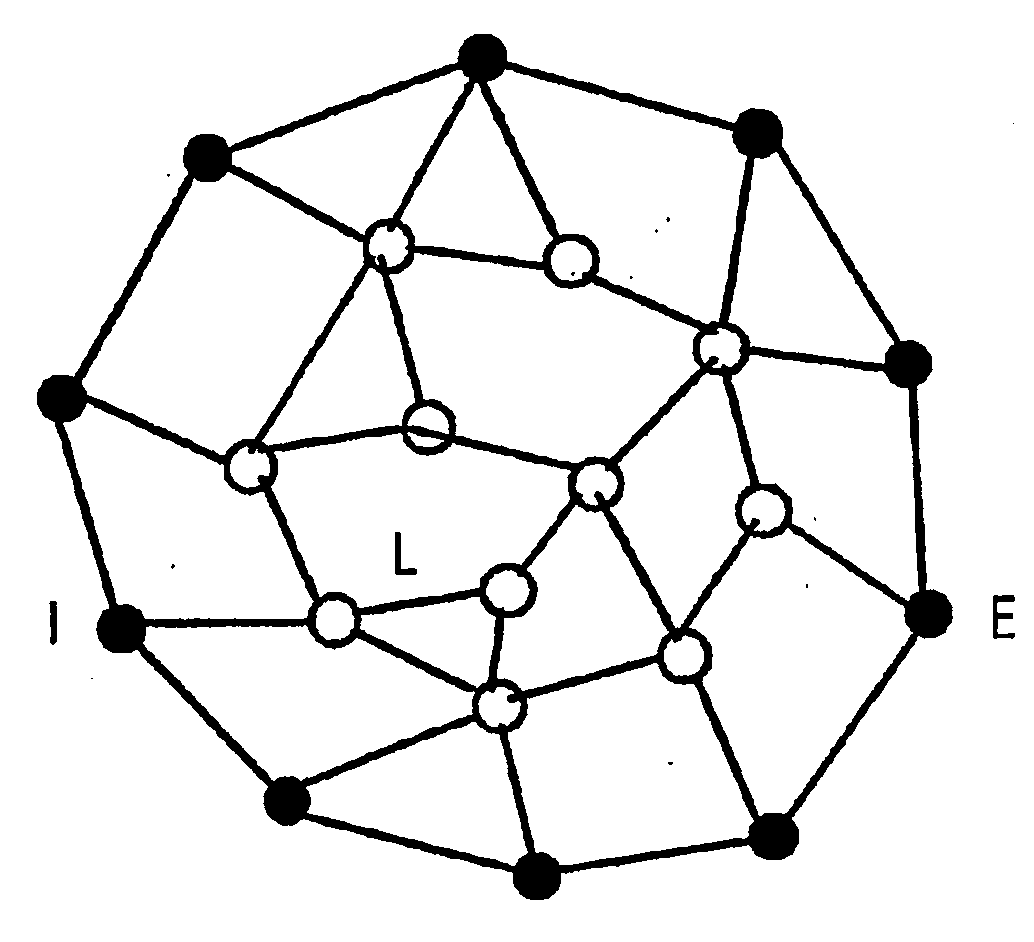
Figure 1 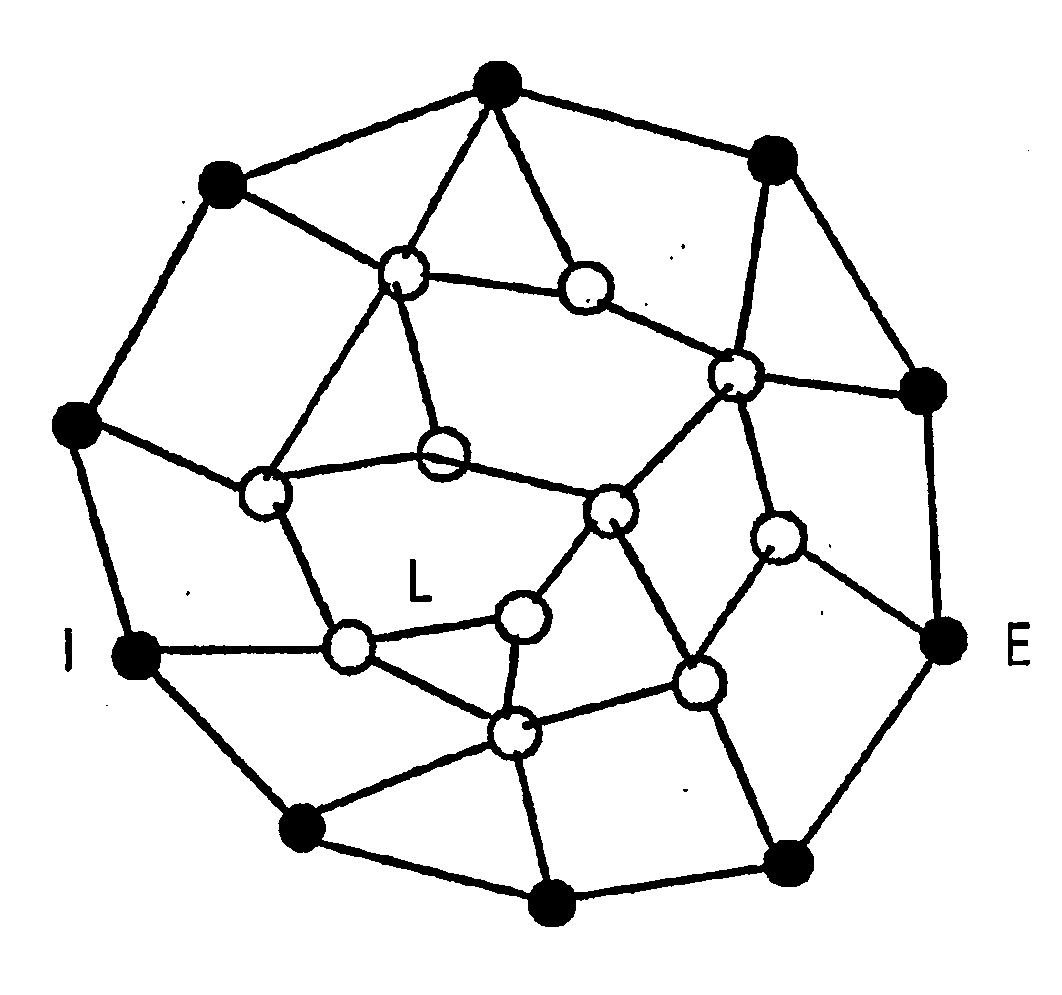
Figure 2
Abstract
Description
CROSS REFERENCE TO RELATED APPLICATIONS
[0001] This application is the US National Stage of International Application No. PCT / DE2003 / 002736, filed Aug. 14, 2003 and claims the benefit thereof. The International Application claims the benefits of German application No. 10237334.5 filed Aug. 14, 2002, both applications are incorporated by reference herein in their entirety.FIELD OF THE INVENTION
[0002] The invention relates to a method for limiting traffic in a packet-oriented network.BACKGROUND OF THE INVENTION
[0003] The development of technologies for packet-based networks is currently a central field of activity for engineers from the fields of network engineering, switching systems and Internet technologies.
[0004] The primary objective of this activity is to be able to use a packet-oriented network ideally for any services. Traditionally, non-time-critical data transmissions are performed via packet-oriented networks, including, for example, the transfer of files or electronic mail. Voi...
Examples
Embodiment Construction
[0029]The FIGURE shows a network according to the invention. Edge nodes are identified by solid circles, internal nodes by empty circles. Links are represented by connecting lines between the nodes. By way of example, an ingress node is identified by I, an egress node by E, and a link by L. Some of the traffic between the nodes I and E is transmitted via the link L. The admissibility checks at the ingress node I and possibly at the egress node E ensure, in combination with the other admissibility checks, that no overload occurs on the link L.
[0030]Mathematical relations for the method according to the invention are presented in the following. In practice, limits or threshold values are usually defined as a function of the maximum link capacities. In the interests of easier mathematical presentation, the reverse case is considered below, i.e. the dimensioning of the links is calculated as a function of the limits or threshold values. The solution of the reverse problem can then be ar...