

Organic Optoelectronic Component and Method for Operating the Organic Optoelectronic Component
a technology of optoelectronic components and organic materials, applied in the direction of electroluminescent light sources, basic electric elements, thermoelectric devices, etc., can solve the problems of reducing luminance, requiring a high complexity, damage to organic materials, etc., and achieve low complexity, less load, and circuitry outlay
Patent Information
- Authority / Receiving Office
- US · United States
- Patent Type
- Applications(United States)
- Current Assignee / Owner
- Publication Date
- 2015-09-24
Smart Images
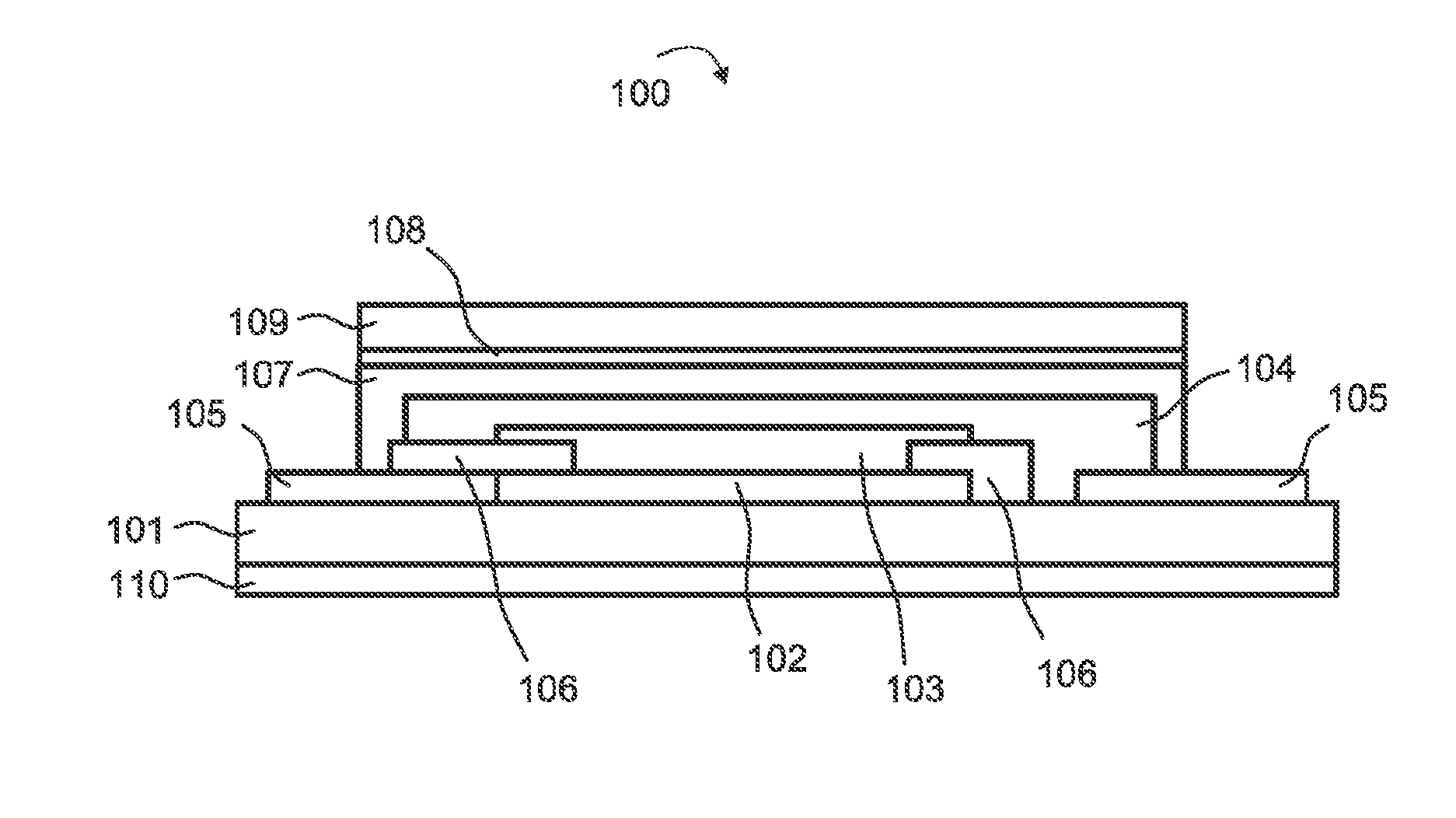
Figure 1 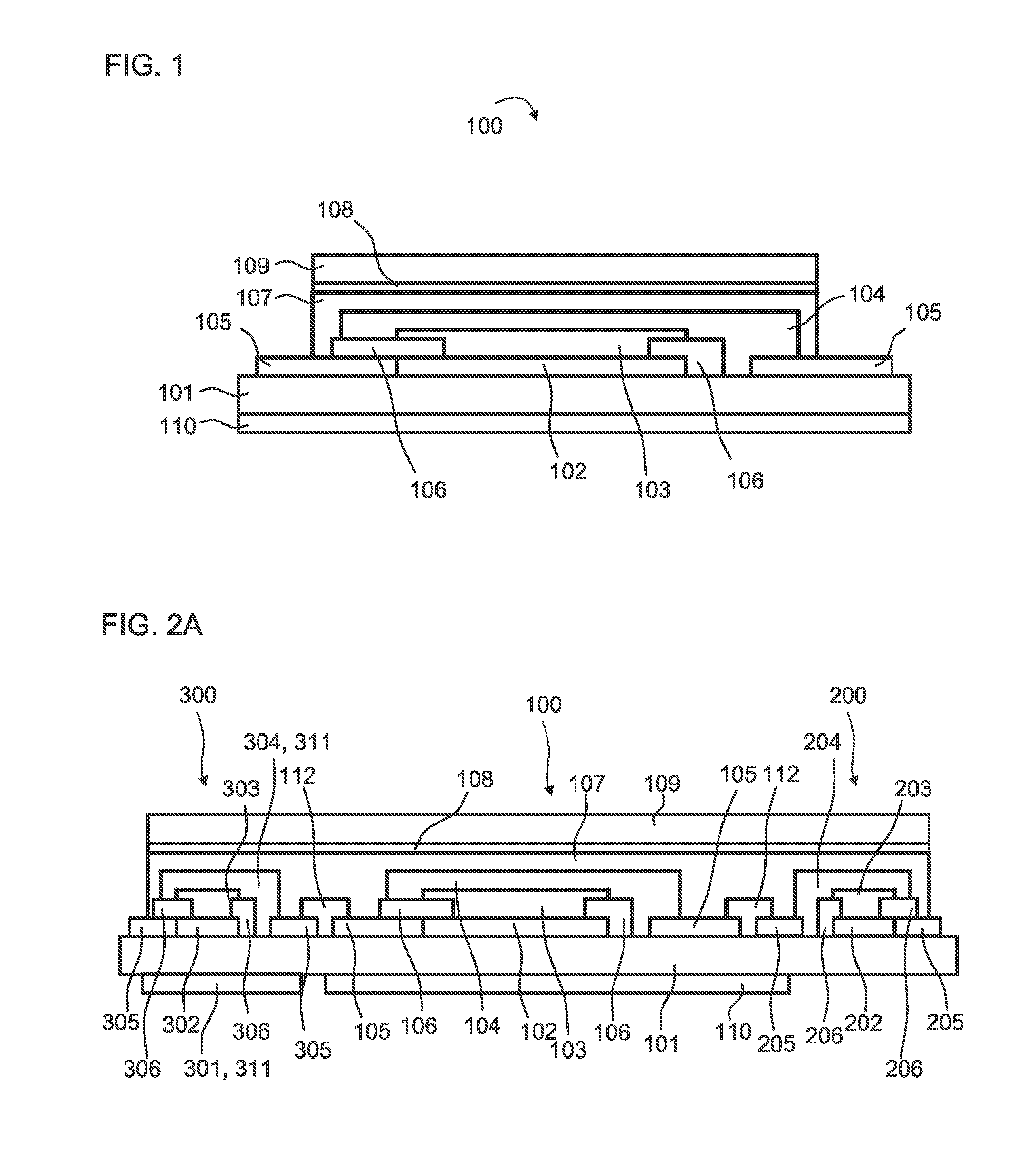
Figure 2 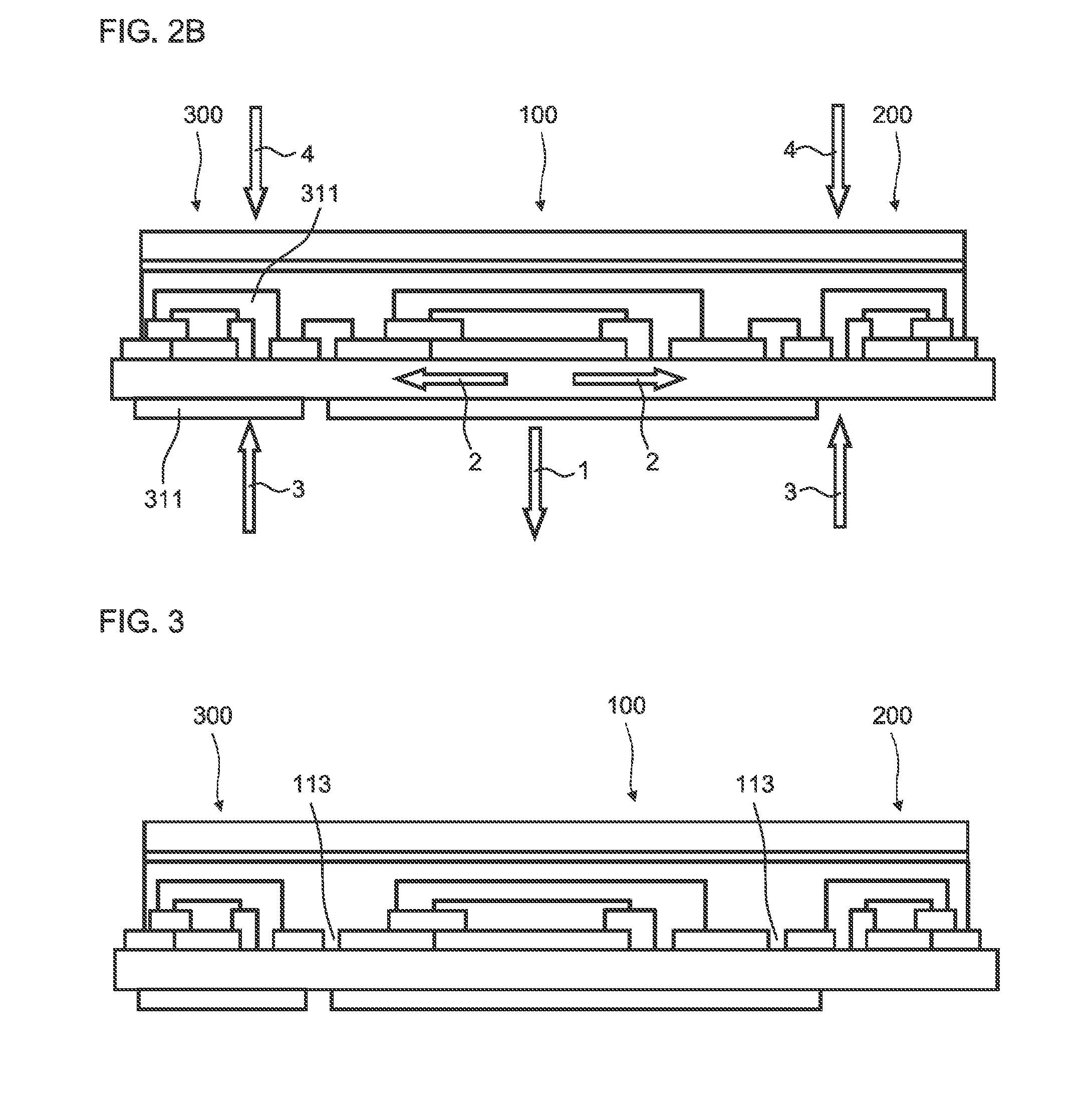
Figure 3
Abstract
Description
[0001] This patent application is a national phase filing under section 371 of PCT / EP2013 / 072320, filed Oct. 24, 2013, which claims the priority of German patent application 10 2012 220 056.8, filed Nov. 2, 2012, each of which is incorporated herein by reference in its entirety.TECHNICAL FIELD
[0002] An organic optoelectronic component and a method for operating the organic optoelectronic component are specified.BACKGROUND
[0003] In illuminated environments, changed ambient conditions can change the illumination conditions or brightnesses. By way of example, the ambient conditions can change with regard to the current illumination, which corresponds to short-term processes, and as a result of ageing processes in the luminous sources used, which corresponds to long-term processes. Changed ambient conditions with regard to the illumination arise, for example, in the case of changed light incidence through windows into an illuminated room at different times of day. Surface light sources suc...
Examples
Embodiment Construction
[0070]FIG. 1 shows, in accordance with one exemplary embodiment, the basic construction of an organic light emitting element 100 embodied as an organic light emitting diode (OLED).
[0071]The organic light emitting element 100, which may also be designated as OLED 100 hereinafter, comprises a substrate 101, on which an organic functional layer stack 103 having at least one organic light emitting layer is arranged between electrodes 102 and 104. At least one of the electrodes 102, 104 is embodied as transparent, such that light generated in the organic functional layer stack 103 during the operation of the OLED 100 can be radiated through the at least one transparent electrode.
[0072]In the OLED 100 shown in FIG. 1, the substrate 101 is embodied as transparent, for example, in the form of a glass plate or glass layer. As an alternative thereto, the substrate 101 can, for example, also comprise a transparent plastic or a glass-plastic laminate.
[0073]The electrode 102 applied on the subst...