
Mobile device-based keypad for enhanced security
a mobile device and keypad technology, applied in the field of information security, can solve problems such as the assumption of a terminal keypad as an untrusted user interfa
Patent Information
- Authority / Receiving Office
- US · United States
- Current Assignee / Owner
- Publication Date
- 2016-03-17
- Estimated Expiration
- Not applicable · inactive patent
Smart Images
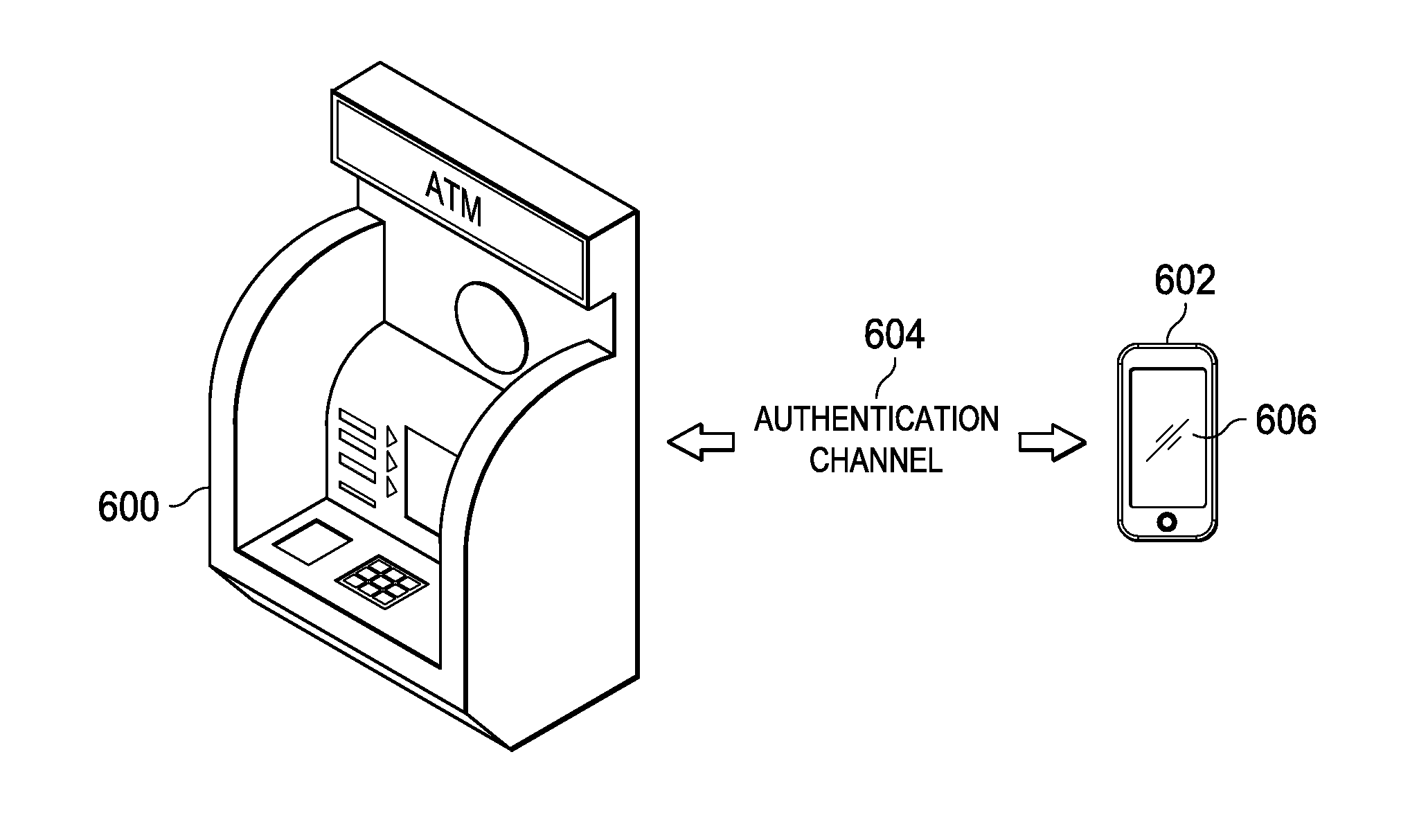
Figure 1 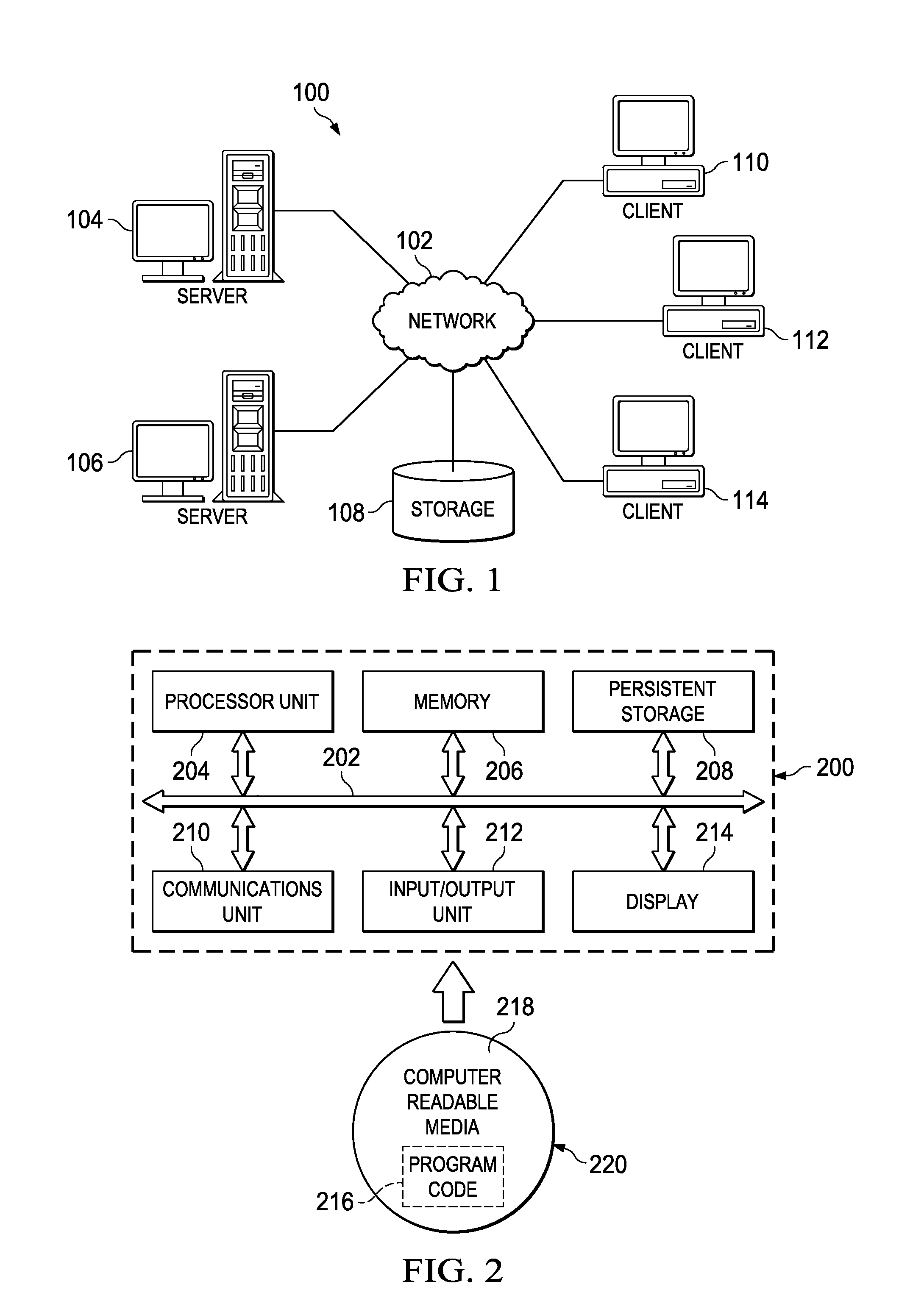
Figure 2 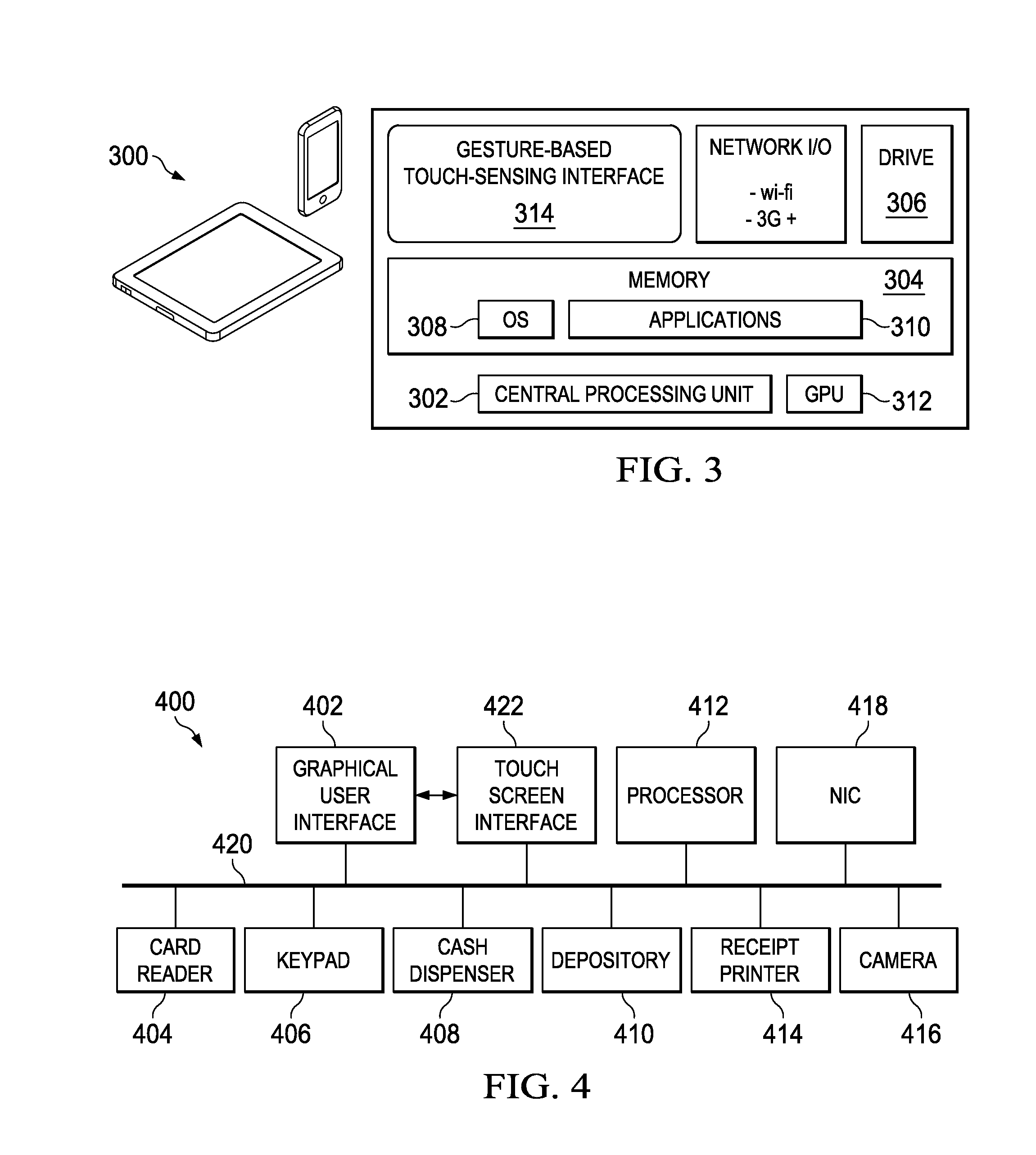
Figure 3
Abstract
Description
BACKGROUND OF THE INVENTION
[0001] 1. Technical Field
[0002] This disclosure relates generally to information security and, in particular, to access control schemes that are implemented using mobile devices.
[0003] 2. Background of the Related Art
[0004] The recent past has seen an enormous growth in the usage and capabilities of mobile devices, such as smartphones, tablets, and the like. Such devices comprise fast processors, large amounts of memory, gesture-based multi-touch screens, and integrated multi-media and GPS hardware chips. Many of these devices use open mobile operating systems, such as Android. The ubiquity, performance and low cost of mobile devices have opened the door for creation of a large variety of mobile applications.
[0005] There are numerous places where users are required to enter on a keypad passwords or personal identification numbers (PINs) to obtain products or physical access. A typical example is a keypad associated with an automated teller machine (ATM), or a k...
Examples
Embodiment Construction
[0018]With reference now to the drawings and in particular with reference to FIGS. 1-2, exemplary diagrams of data processing environments are provided in which illustrative embodiments of the disclosure may be implemented. It should be appreciated that FIGS. 1-2 are only exemplary and are not intended to assert or imply any limitation with regard to the environments in which aspects or embodiments of the disclosed subject matter may be implemented. Many modifications to the depicted environments may be made without departing from the spirit and scope of the present invention.
[0019]With reference now to the drawings, FIG. 1 depicts a pictorial representation of an exemplary distributed data processing system in which aspects of the illustrative embodiments may be implemented. Distributed data processing system 100 may include a network of computers in which aspects of the illustrative embodiments may be implemented. The distributed data processing system 10...