
Method and device for image display
a technology for image display and image, applied in the direction of lighting support devices, instruments, television systems, etc., can solve the problems of difficulty in obtaining a good view of the site of the operation, unable to provide any depth information, and surgeons find it difficult to work with the required precision
Patent Information
- Authority / Receiving Office
- US · United States
- Patent Type
- Patents(United States)
- Current Assignee / Owner
- Publication Date
- 2005-08-30
- Estimated Expiration
- Not applicable · inactive patent
Smart Images
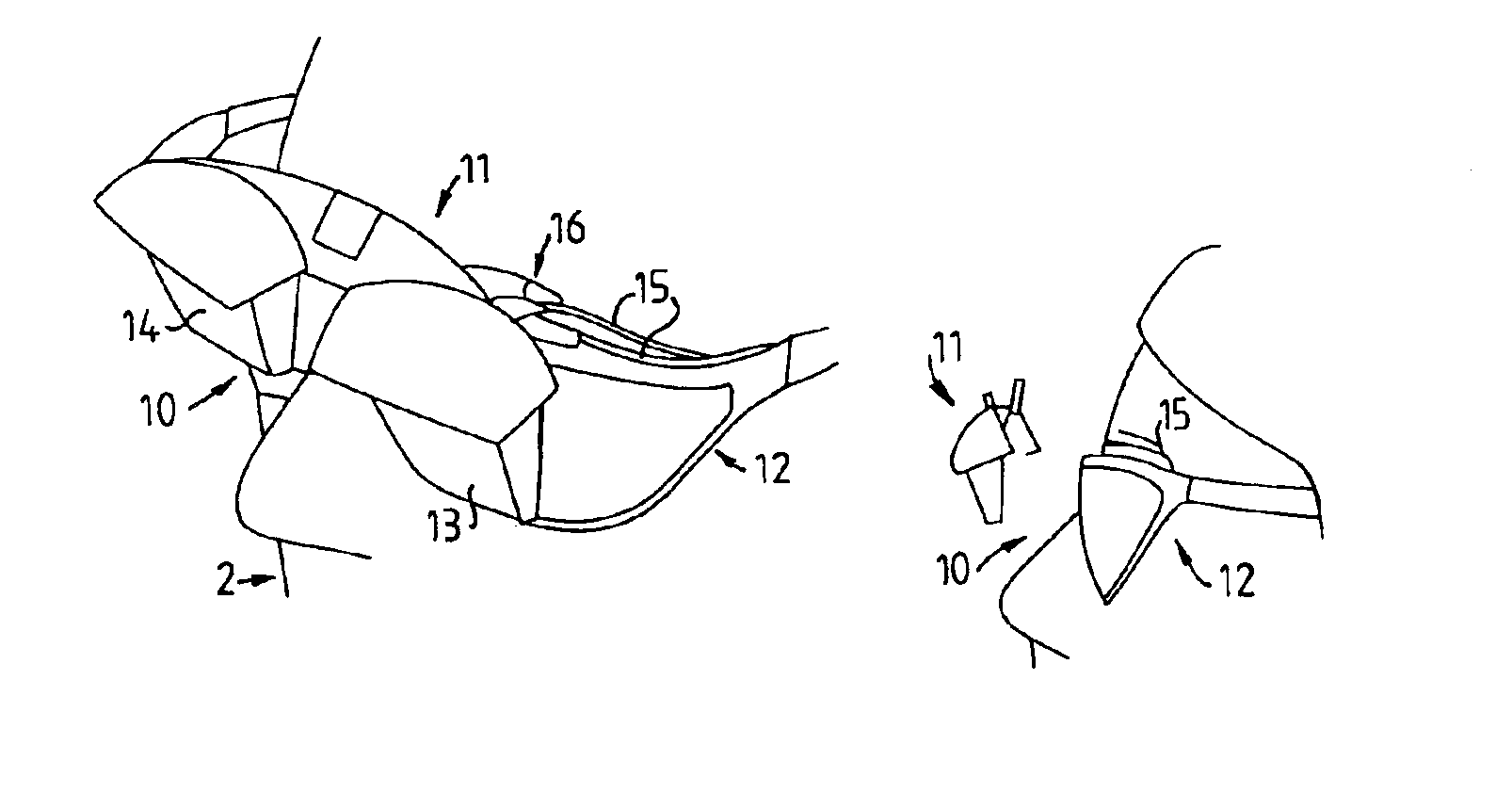
Figure 1 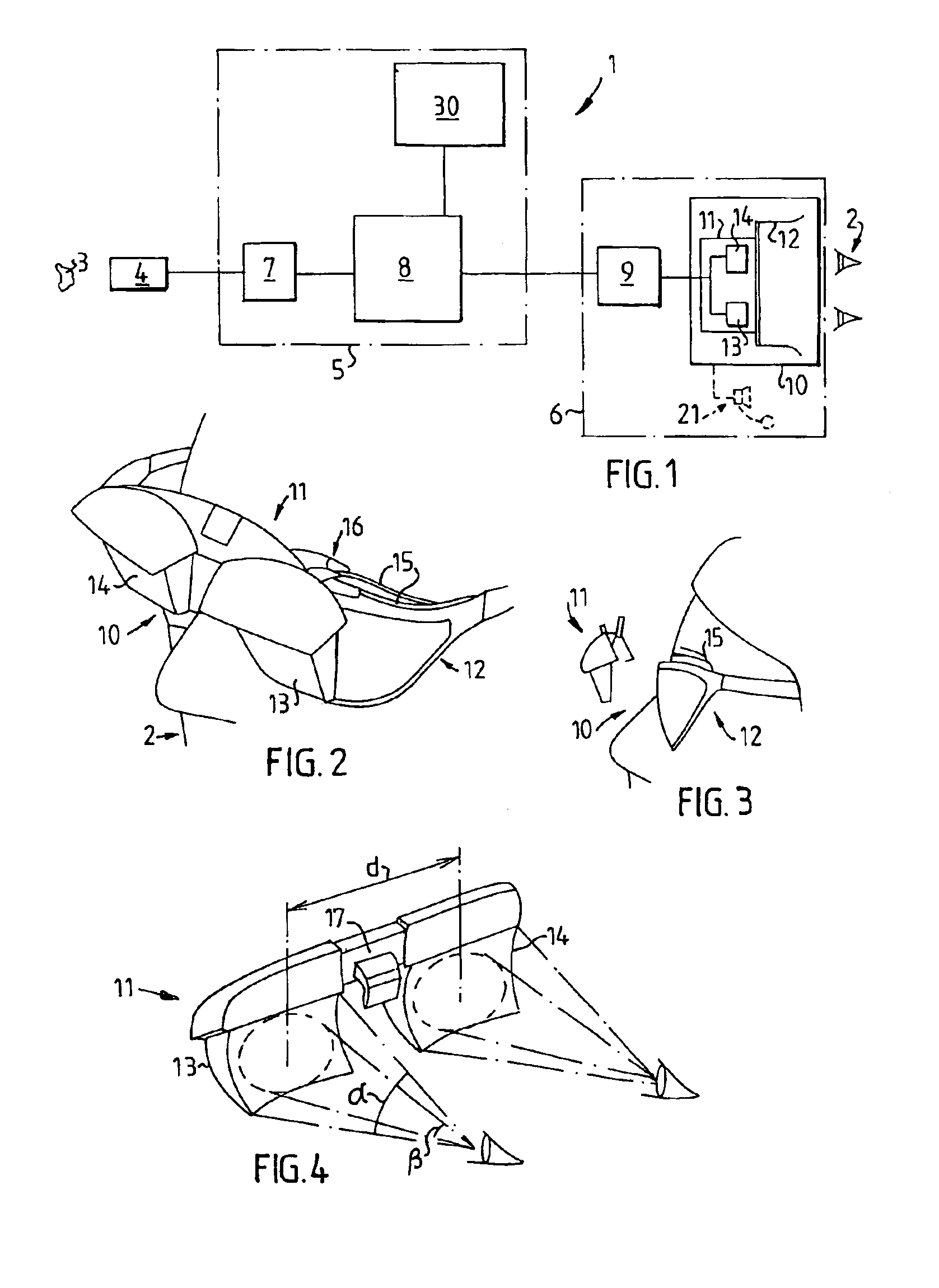
Figure 2 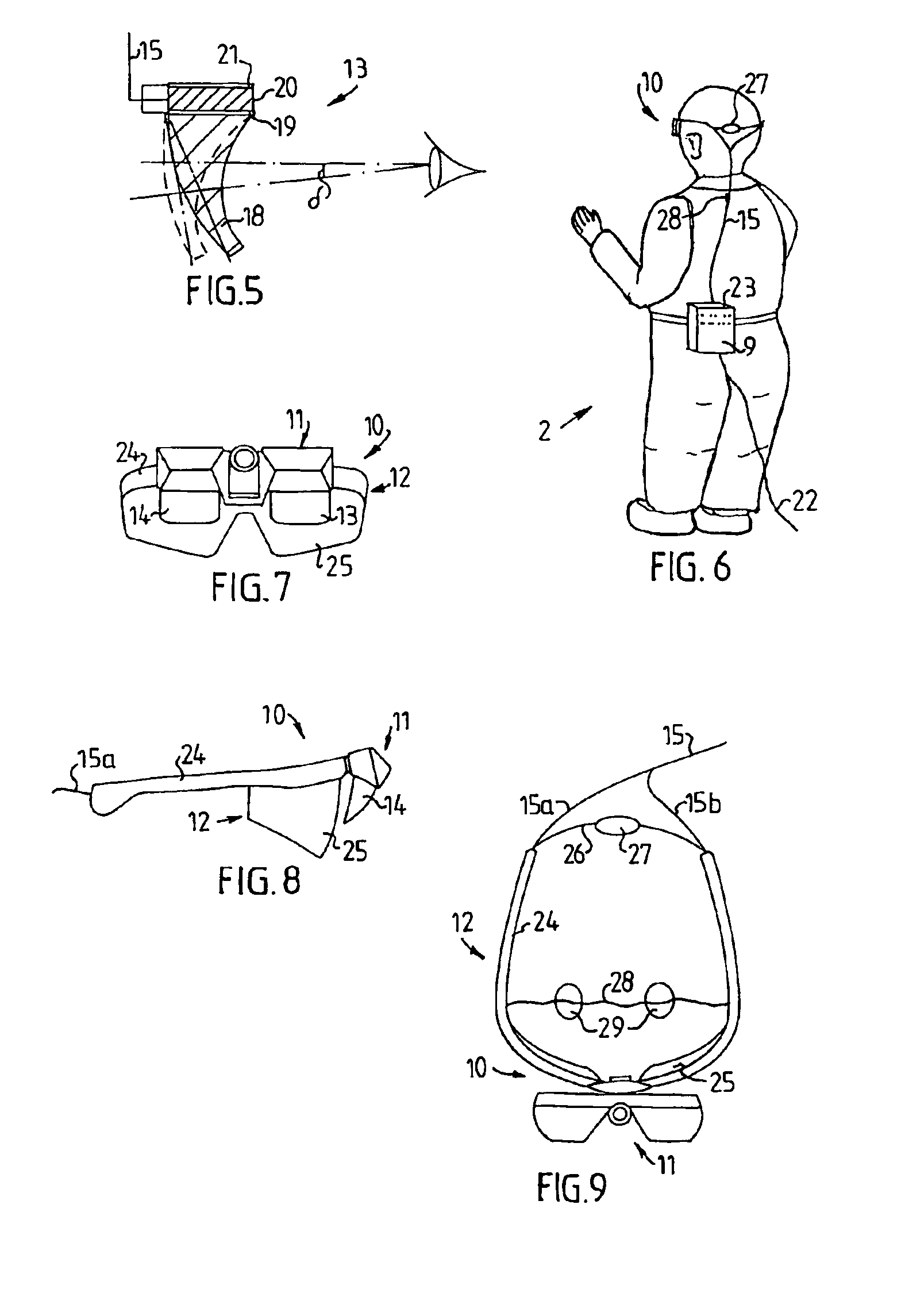
Figure 3
Abstract
Description
TECHNICAL FIELD
[0001] The invention relates to a method for image display and a device for image display.KNOWN TECHNOLOGY
[0002] In normal open surgical operations, the surgeon views the site of the operation directly with his eyes and can therefore carry out various actions with good precision using his normal stereoscopic vision. It is, however, becoming increasingly common to use closed surgery techniques where the operation is carried out inside the body via only a small external incision. This makes it difficult for the surgeon to obtain a good view of the site of the operation. In order to solve this problem, the technique has been utilized of inserting an endoscope to the site of the operation and of obtaining by means of this an image on a display screen that can be viewed by the surgeon. This type of imaging has, however, the disadvantage that it does not provide any depth information, and in addition the image is displaced from the site of the operation, with the result that ...
Examples
Embodiment Construction
[0007]These objects are achieved according to the invention by use of a method that has the characteristics described in claim 1 and also by means of a device that has the characteristics described in claim 10.
[0008]By using head-mounted equipment, where an image is projected in front of each eye, it is possible to create a perception of depth in the image, with the image at the required distance in front of the eyes. By also letting each of these image display positions take up a relatively limited part of the user's total field of vision, it is possible to achieve a free view both above and below the equipment and to the sides, which contributes to a great extent to allowing the user to retain a good orientation in the space where the equipment is used, which is particularly important during prolonged periods of work.
[0009]In addition, according to the invention, equipment is obtained that is easy to adapt to fit different individuals by changing one or more components, without al...