
Method for producing a pH enhanced comminuted meat product
a comminuted meat and meat technology, applied in the field of meat processing, can solve the problems of product undesirable to consumers, serious illness, and serious illness, and achieve the effect of reducing the content of live microorganisms and enhancing the comminuted meat produ
Patent Information
- Authority / Receiving Office
- US · United States
- Patent Type
- Patents(United States)
- Current Assignee / Owner
- Publication Date
- 2007-05-08
- Estimated Expiration
- Not applicable · inactive patent
Smart Images
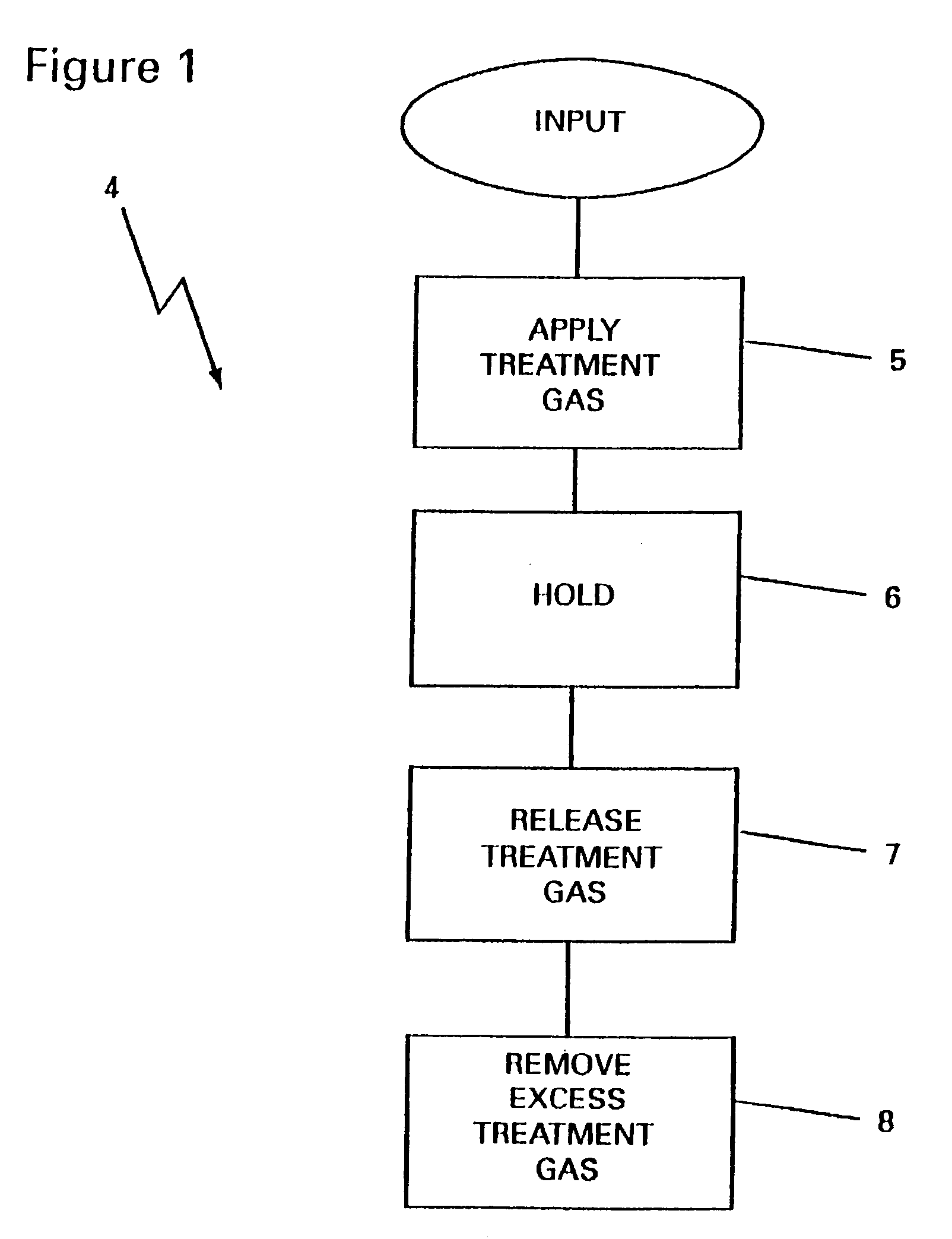
Figure 1 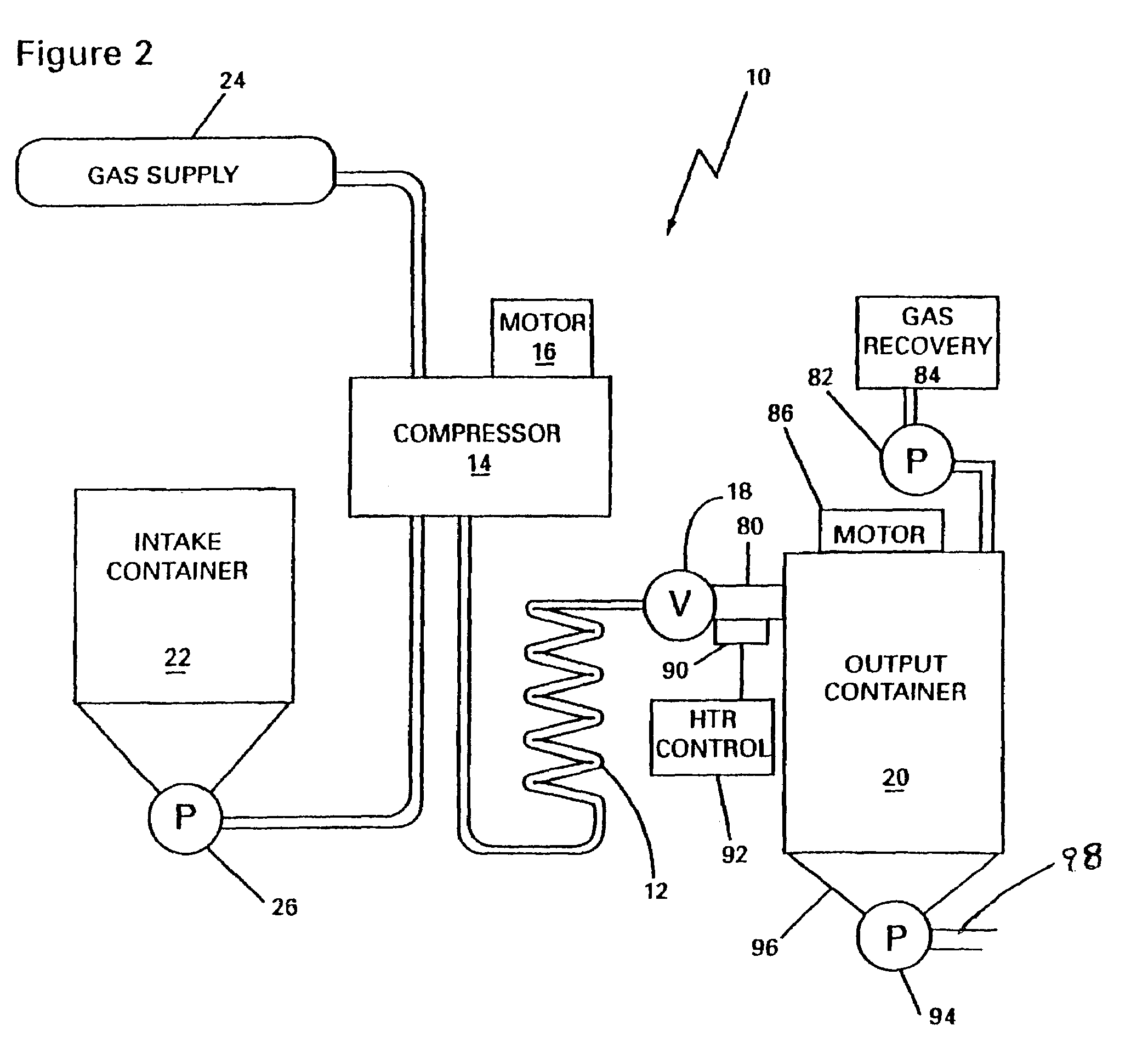
Figure 2 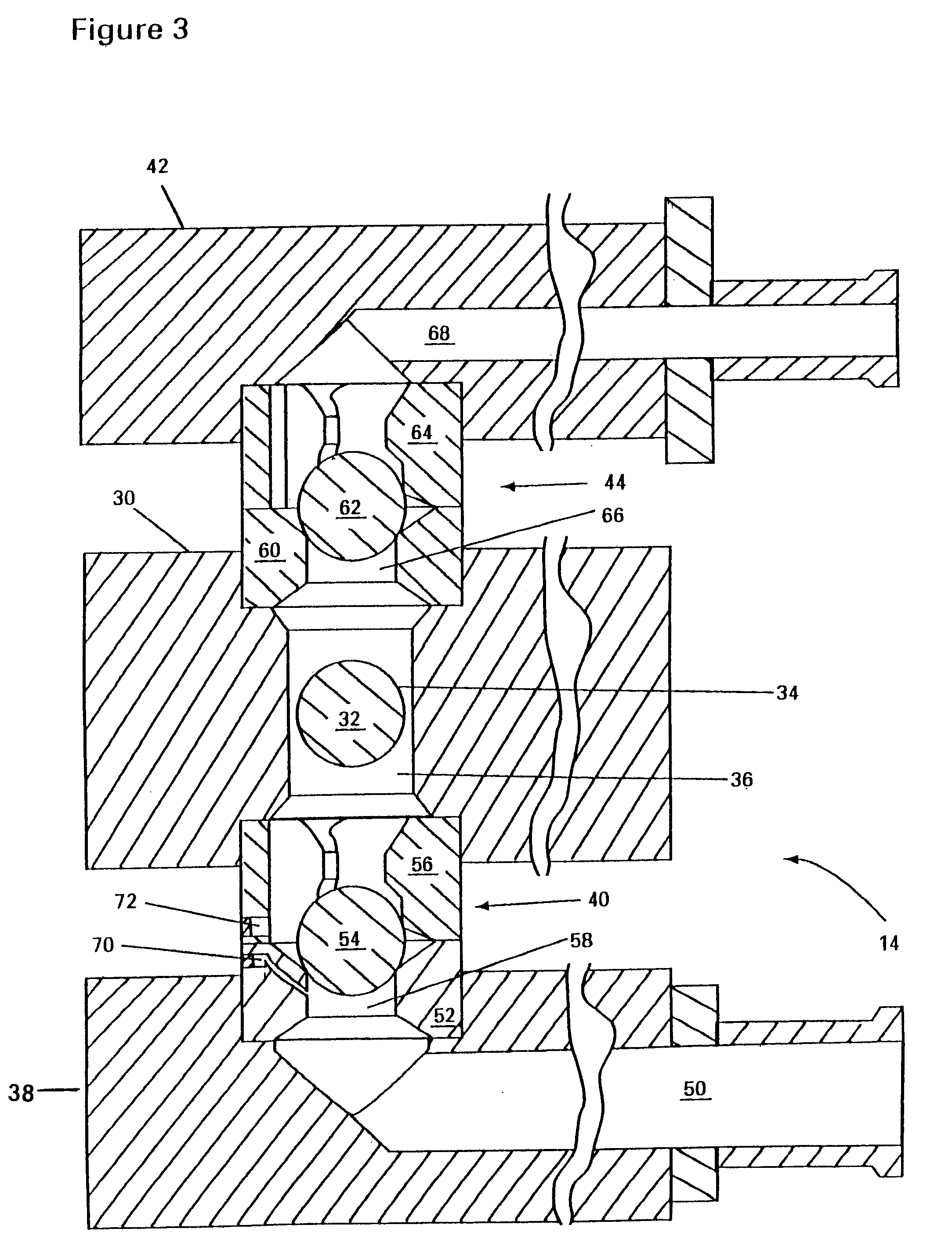
Figure 3
Abstract
Description
CROSS-REFERENCE TO RELATED APPLICATION
[0001] This application is a continuation of U.S. patent application Ser. No. 09 / 965,337, filed Sep. 27, 2001, and entitled “METHOD FOR PRODUCING A PH ENHANCED COMMINUTED MEAT PRODUCT,” now U.S. Pat. No. 6,713,108, which is a continuation of U.S. patent application Ser. No. 09 / 213,190, filed Dec. 17, 1998, now U.S. Pat. No. 6,389,838 B1, and entitled “APPARATUS AND METHOD FOR REDUCING MICROBE CONTENT IN FOODSTUFFS BY pH AND PHYSICAL MANIPULATION.” The Applicant claims the benefit of each of these applications pursuant to 35 U.S. C. §120. The entire content of each of these applications is incorporated herein by this reference. The entire content of U.S. Pat. No. 5,871,795 is also hereby incorporated herein by reference. The content of U.S. Pat. No. 5,871,795 was incorporated by reference in the parent application Ser. No. 09 / 213,190.TECHNICAL FIELD OF THE INVENTION
[0002] This invention relates to meat processing. More particularly, the invention r...
Examples
example no.1
EXAMPLE NO. 1
[0039]The method of improving the quality of meat according to the invention was tested in the production of Lean Finely Textured Beef from trimmings consisting of lean meat and approximately 70% fat. Pure anhydrous NH3 gas was injected into trimmings being processed through a pump apparatus similar to the apparatus shown best in FIG. 3. The NH3 gas was injected into the pump through a port just prior to the piston compression stroke, resulting in an immediate distribution of the gas to the product under pressure. The pump outlet was to a conduit similar to conduit 12 shown in FIG. 2, in which pressure was maintained at approximately 4,000 psi through an outlet orifice which performed the back pressure function of the outlet valve 18 shown in FIG. 2. The flow rate through the pump and conduit held the NH3 gas in contact with the trimmings for approximately 2 to 2.5 minutes. Through the compression process, the material was held at a temperature of approximately 40 degre...