
Authenticity tag and method for operating an authenticity tag
a technology of authenticity tag and authenticity tag, which is applied in the field of authenticity tag, can solve the problem of not being able to control whether the sticker is actually still on the product,
Patent Information
- Authority / Receiving Office
- US · United States
- Patent Type
- Patents(United States)
- Current Assignee / Owner
- Publication Date
- 2011-02-22
Smart Images
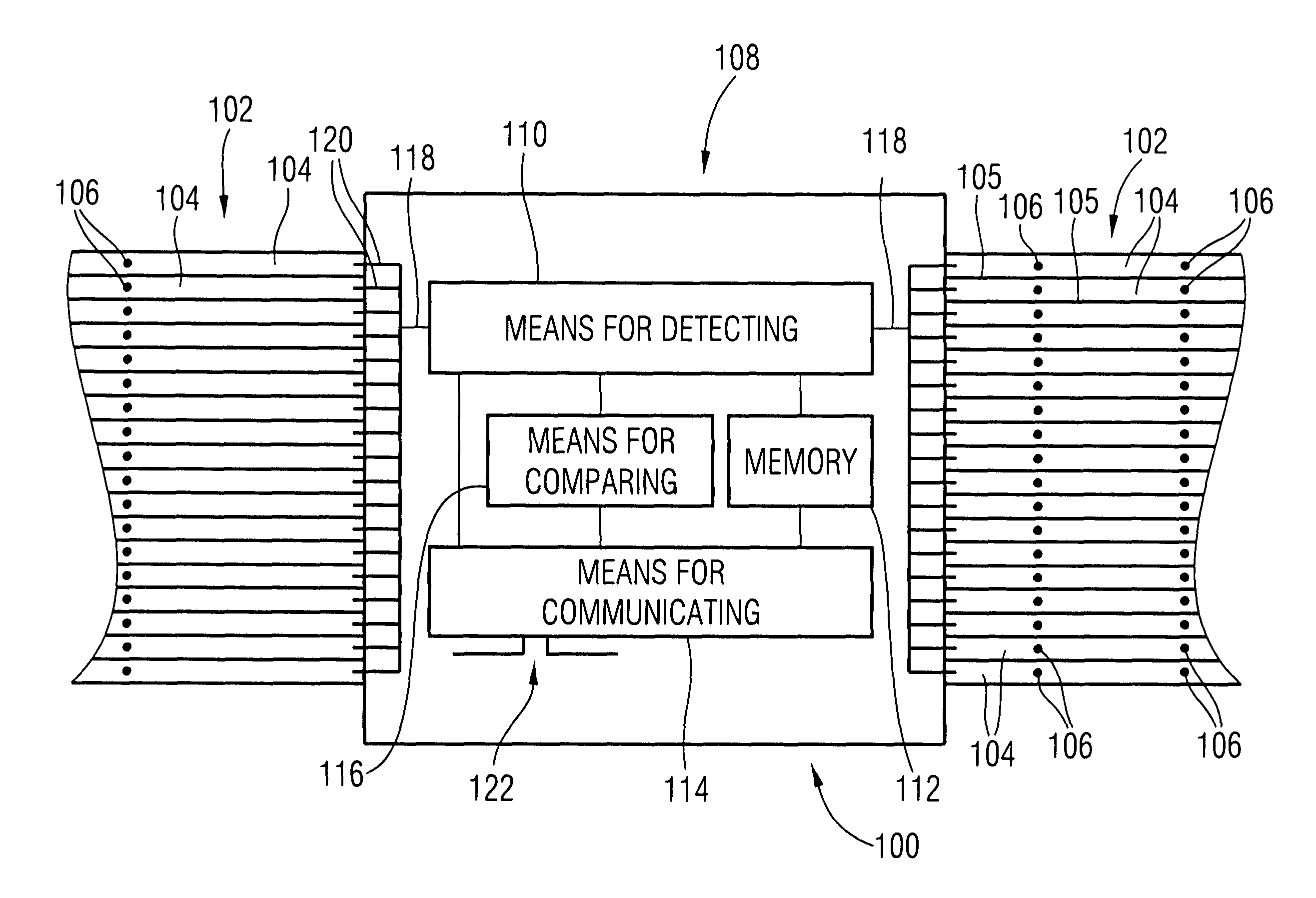
Figure 1 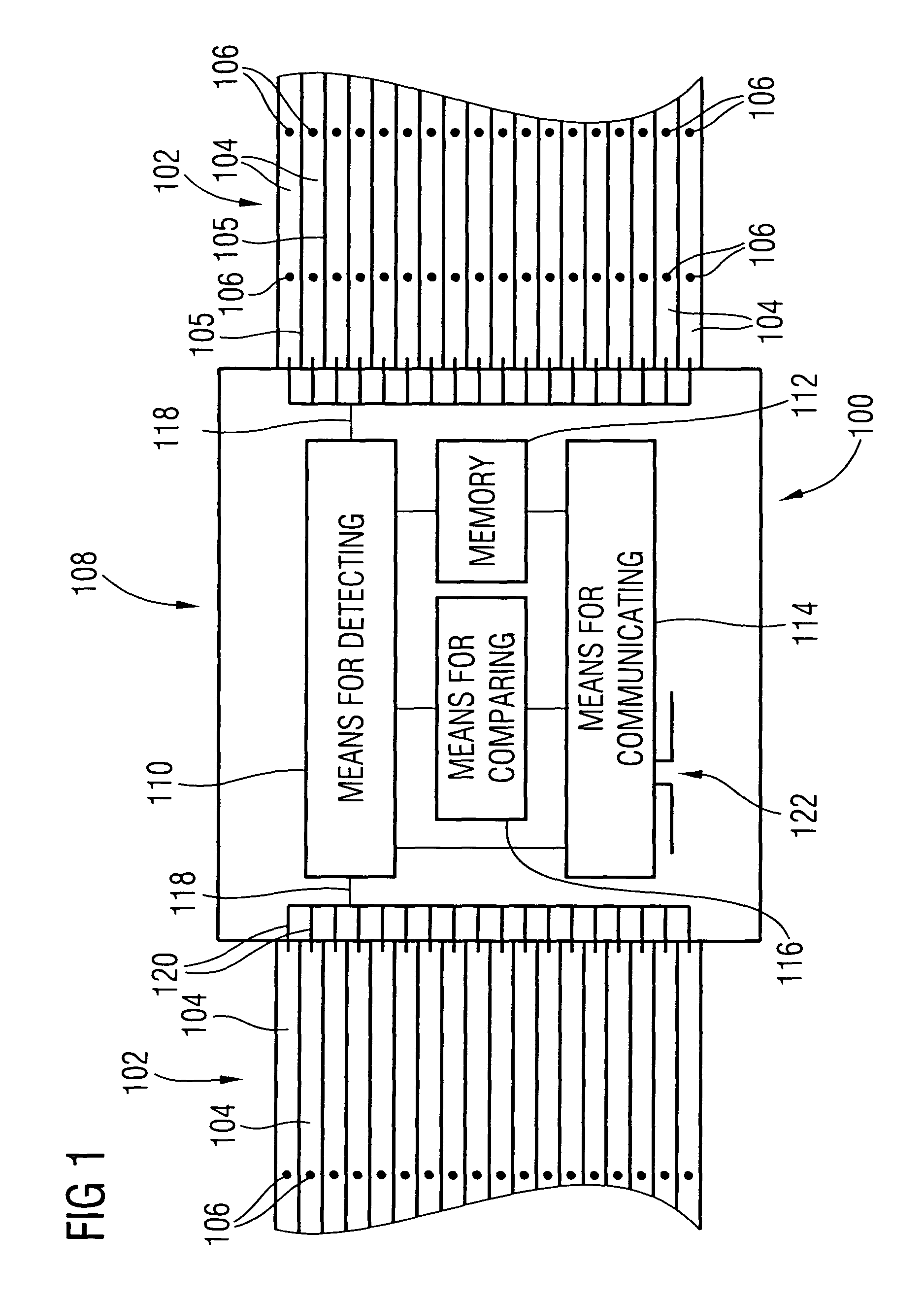
Figure 2 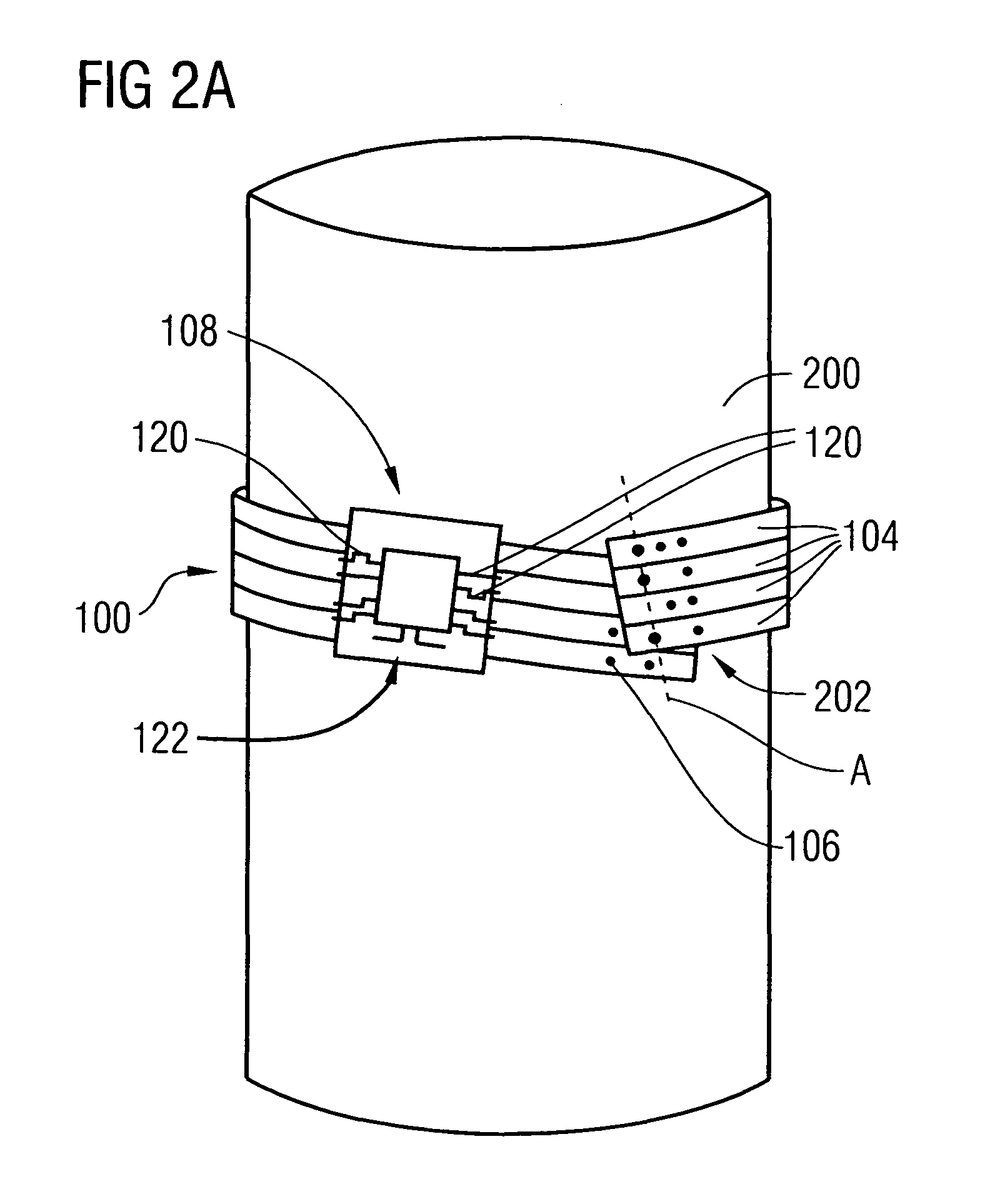
Figure 3
Abstract
Description
CROSS-REFERENCE TO RELATED APPLICATION
[0001] This application claims priority from German Patent Application No. 103 57 196.5, which was filed on Dec. 8, 2003, and is incorporated herein by reference in its entirety.BACKGROUND OF THE INVENTION
[0002] 1. Field of the Invention
[0003] The present invention relates to an authenticity tag by means of which it can be determined whether an original attachment of the authenticity tag has been altered. In particular, the present invention relates to an authenticity tag which can be realized using semiconductor devices.
[0004] 2. Description of Related Art
[0005] In order to protect devices or packages having an identical appearance, so-called “tamper indicating seals” (=protective stickers) have been used until now. Stickers equipped with certain protective features (such as, for example, a holograph, etc.) and which are destroyed when trying to remove the seal, are thus attached to objects. This is mostly achieved by applying differently strong adh...
Examples
Embodiment Construction
[0029]FIG. 1 shows an embodiment of the authenticity tag 100 including a carrier 102 for attachment to an object. The carrier 102 can, for example, include a plastic material (such as, for example, a plastic foil). The object to which the carrier is to be attached can, for example, be an article produced by a manufacturer (such as, for example, brand-name textiles or an original spare part).
[0030]The carrier 102 can also include other materials, such as, for example, paper or a textile material. Furthermore, several electrically conductive areas 104 are arranged at the carrier 102. The electrically conductive areas 104 preferably include a metal material which is arranged on the carrier 102 in stripes. The electrically conductive areas 104 are preferably arranged in parallel to one another and electrically separated from one another by a respective insulation area 105. The electrically conductive areas 104 can also be covered by a plastic foil, which is how they are protected from m...