
Adjuvant compositions for agrochemical applications
The adjuvant composition of tris(2-ethylhexyl) phosphate and ammonium lignosulfonates enhances herbicidal efficacy and reduces salt content in herbicide formulations, addressing the challenges of high application rates and environmental impact.
Patent Information
- Application Number
- PCT/EP2024/086451
- Authority / Receiving Office
- WO · WO
- Patent Type
- Applications
- Current Assignee / Owner
- Priority Date
- 2023-12-21
- Filing Date
- 2024-12-16
- Publication Date
- 2025-06-26
AI Technical Summary
Existing herbicide formulations often require high application rates and high salt content, which can lead to environmental impact and economic inefficiencies, while also compromising herbicidal efficacy and selectivity.
The use of an adjuvant composition comprising tris(2-ethylhexyl) phosphate (TEHP) and ammonium lignosulfonates, which improves the bioavailability and leaf cuticle penetration of herbicides, thereby enhancing efficacy at lower application rates and reducing salt content.
The adjuvant composition achieves improved herbicidal action with reduced salt load, leading to better environmental sustainability and economic benefits by minimizing active ingredient and formulation component usage.
Smart Images
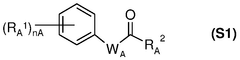
Figure IMGF000006_0001 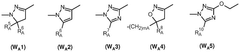
Figure IMGF000006_0002 
Figure IMGF000009_0001
Abstract
Description
[0001] BCS233013-FC STR 1 Bayer AG Adjuvant compositions for agrochemical applications The present invention is in the technical field cr oofp protection and primarily relates to adjuvant compositions comprising tris(2-ethylhexyl) phospeh (aTtEHP) and ammonium lignosulfonates. The adjuvant compositions can be employed as tank mr iinx-c oan and partnered with herbicide formulations, in particular tembotrione containi fnogrmulations. Background The efficacy of herbicide treatment against harm pflaunl ts in crop plants generally depends on the application rate, the formulation in question, h thaermful plants or spectrum of harmful plants to becontrolled, the crop, the climatic conditions, a thned like. In some cases, in order to improve theherbicide selectivity in certain crops, one or m soarefeners (compounds that are applied with herebsicid to protect crops against their injury) are usefru elv oen necessary. In general, however, there resm aain need to achieve the herbicidal action with a lowpli acpation rate of active compounds without compromising the efficacy. Not only does a loweprl aicpation rate reduce the amount of an active compound required for reducing the environmentapla icmt, but, at the same time, it also reduces the amount of other formulation components (auxilia)ri aensd adjuvants which brings additional economic advantages. One possibility of improving the application proefi olf an herbicide can be by combining the herbicidally active compound with one or more ot ahcetrive herbicidal compounds and / or with one or several adjuvants capable of improving the biolaolg aicfficacy by modifying the properties of the herbicide formulation, such as physical and biocloagl pi roperties. WO2009021717 describes different adjuvants, suc ThE aHsP, to be used as tank mix partner.WO2022117515 and WO2022117516 describe composi ctio mnsprising sulfonylurea-based herbicidesin combination with TEHP. WO2020 / 245088 describes a combination of TEHP a wlikthylether phosphate ammonium salts. However, the combined use of a plurality of compdosu mnay cause phenomena of physical and biological incompatibility. What is desired are cboimnations of compounds or compositions thereof having an advantageous activity profile, high slittayb aind an improved herbicidal action. BCS233013-FC STR 2 Next to a proper herbicidal action, it is furtherrmeo desired to generally reduce the salt load obfi hciedral compositions in order to limit the environmentalp iamct of such compositions in the ground and groundwater. Several herbicides require a salatn aks m t ix partner to improve, for example, the upt oafke the herbicide into the leaves of a weed and theus ov therall phytotoxicity of the herbicide. In paurtliacr,ammonium sulfate (AMS) is often used as a comboina ptiartner, e.g. for tembotrione, glyphosate andglufosinate. Providing formulations with less s caoltntent while keeping the herbicidal efficacy and selectivity is needed for economic and environmle rnetaasons. Therefore, the object of the present inventiono i psr tovide adjuvant combinations and herbicidal compositions which show increased bioavailabilintyd a leaf cuticle penetration and thus a better etffec with a lower application rate of active ingredie anntsd less use of ammonium-containing activator. salt Summary of the invention Surprisingly, it has been now found that combinnastio comprising ammonium lignosulfonates and tris(2 -ethylhexyl) phosphate (TEHP) act together in atic pualrarly advantageous manner, when they are employed in combination with herbicidal active iendgirents and lead to an improved effect compared to the individual adjuvants and same or superiore to s tthandard rapeseedoil methylester plus ammoniumsulfate, while requiring less amount otf. sal The invention therefore provides an adjuvant comitipoons comprising tris(2-ethylhexyl) phosphate and at least one ammonium lignosulfonate. The adju cvoamntposition may further comprise at least an emulsifier and / or at least a wetting agent. The invention furthermore provides a combinatiomnp corising a. an adjuvant composition comprising tris(2-ethylhle)pxhyosphate and an ammonium lignosulfonate, and optionally an emulsifier and a / otr least a wetting agent, b. an agrochemically active ingredient, prefera ab hlyerbicide. Ammonium lignosulfonates (CAS No.8061-53-8) are a thmmonium salts of lignin sulfonic acids. The molecular weight of the lignosulfonates may varytw beeen 1 kDa to 400 kDa. Lignosulfonates are known in the art as dispersants or binders in vuasri toechnical fields. It has now been found that ammonium lignosulfona spteescifically improve the efficacy of herbicides in combination with TEHP while reducing the salt lo inad the formulation and thus the environmentalimpact. The ammonium ion content in ammonium ligunlfos nates is typically low, such as 2 to 10 %,calculated on 100 % solids of the ammonium lignfos nualte. In the combination according to the BCS233013-FC STR 3 invention, the ammonium ion content can be surnpgrilsyi lowered compared to known formulations comprising ammonium sulfate (commonly abbreviatAeMdS “ ”) in combination with TEHP without negatively affecting the herbicidal efficacy. The adjuvant composition preferably further comepsris an emulsifier and / or wetting agent, further preferably an emulsifier and a wetting agent. In a further embodiment, the weight of the totalo aumnt of tris(2-ethylhexyl) phosphate to the total amount of the ammonium lignosulfonate is in theg rea onf between 0.5:2 to 2:0.5, based on the total weight of the adjuvant composition or combination. Preferably, the weight of the total amount of t2r-ise(thylhexyl)phosphate to the total amount of the ammonium lignosulfonate is in the range of betw 0e.e7n: 1.3 to 1.3:0.7, based on the total weighth oef t adjuvant composition or combination. Further preferably, the weight of the total amo oufn ttris(2-ethylhexyl)phosphate to the total amo oufntthe ammonium lignosulfonate is in the range of beet nw 0.8: 1.2 to 1.2:0.8, based on the total we oigf htthe adjuvant composition or combination. In a preferred embodiment, tris(2-ethylhexyl) phhoastpe is comprised in the combination in aconcentration of between 0.75 and 10 g / l, furthrer fe prably between 1.5 and 7 g / l, and even furtherpreferably between 3 and 6 g / l. In a preferred embodiment, the ammonium lignosualtfeon is comprised in the combination in aconcentration of between 0.75 and 10 g / l, furthrer fe prably between 1.5 and 8 g / l, even furtherpreferably between 3 and 7 g / l. In an even preferred embodiment, tris(2-ethylhe pxyhlo)sphate is comprised in the combination in a concentration of between 0.75 and 6 g / l, furtherfe prrably between 3 and 6 g / l, and the ammoniumlignosulfonate is comprised in a concentratione otfw been 1.5 and 6 g / l, further preferably betwee an d 36 g / l.The emulsifier may be comprised in the combina itnio an concentration of 0.1 to 2 g / l, preferably t 0o.20.8 g / l.The wetting agent may be comprised in the comboina inti a concentration of 0.1 to 2 g / l, preferab.l2y 0to 0.8 g / l. BCS233013-FC STR 4 A further aspect relates to an agrochemical comtipoons ciomprising an adjuvant composition according to any one of the preceding embodiments, furthemrp croising at least one agrochemically active ingredient, preferably a herbicide. In a preferred embodiment, the agrochemically aec itnivgredient is selected from bicyclopyrone, mesotrione, benazolin, dicamba, glyphosate, glnufaotesi, amidosulfuron, chlorsulfuron, nicosulfuron, rimsulfuron, triasulfuron, mesosulfuron-methyl,o iosdulfuron-methyl, foramsulfuron-methyl, thiencarbazone-methyl, sulcotrione, and tembotr.ione Further preferably, the agrochemically active indgierent is selected from bicyclopyrone, mesotrione, dicamba, benazolin, glyphosate, glufosinate, sruiolcnoet, and tembotrione. Even further preferably, the agrochemically act inivgeredient is selected from tembotrione and mesotrione. Most preferably, the agrochemically active ingrendti ies tembotrione.The present invention also relates to herbicidmalp co sitions suitable for spray application based th oenabove-mentioned adjuvant composition accordinghe to in tvention, and water as filler containing: A) at least one agrochemical active ingredient sedle fcrotem the group comprising the herbicides, safeners, plant growth regulators, B) the adjuvant composition according to the invent aiosn described above. The herbicidal compositions according to the inivoenn atre usually used as so-called self-emulsifiable finished formulations. It is also possible to adodm cponents B) to component A) in a tank mix process. The herbicidal compositions according to the inivoenn utsually contain in the finished diluted combination (e.g. spray mixture) A) at least one active ingredient in a concentratifo pnre oferably 0.1-1.5 g / L, further preferably 0.2- 1.0 g / L and particularly preferably 0.4 - 0.8 g a / Ln,d B) the adjuvant composition in a concentration prebfleyra from 3 - 15 g / L, further preferably 5 - 12 g / L, and particularly preferably 6 – 9 g / L. BCS233013-FC STR 5 In a further embodiment, the agrochemical compoonsi mtiay comprise one or more safeners. Safeners, which are used in an antidotally effective amou rendt,uce the phytotoxic side effects of the herbicides / pesticides employed, for example in eomcoicnally important crops, such as cereals (wheat, barley, rye, maize, rice, millet), sugarbeet, scuagnaer, oilseed rape, cotton and soybeans, preferably cereals. Examples of useful combination partners for theoc ahgermical composition of the invention include the following safeners: S1) Compounds from the group of heterocyclic cayrblicox acid derivatives (formula S1) wherein symbols and indices are defined as follows: nAis an integer value in the range of 0 to 5, praebfelyr 0 to 3; RA1is halogen, (C1-C4)-alkyl, (C1-C4)-alkoxy, nitro or (C1-C4)-haloalkyl; WAis an unsubstituted or substituted divalent hectyecrloic moiety selected from the group of partially unsaturated or aromatic five-membereder hoectycles carrying 1 to 3 hetero ring atoms selected from the group of nitrogen (N) und oxyg (Oe)n, and carrying at least one N-atom andnot more than one O-atom in the ring, preferab fliyve a-membered heterocyclic moiety selected from the group (WA1) to (WA4), mAis 0 or 1; RA2is ORA3, SRA3or NRA3RA4or a saturated or unsaturated 3- to 7-memberedro hceytcle containing at least one N-atom and up to 3 hetoemrosa,t preferably combined with other heteroatoms from the group of O (oxygen) and Sfu (rs)u,l and which is linked to the carbonyl group in (S1) via a nitrogen atom, and which isstu ubnstituted or substituted by moieties selected BCS233013-FC STR 6 from the group of (C1-C4)-alkyl, (C1-C4)-alkoxy or possibly substituted phenyl, prefera OblRyA3, NHRA4oder N(CH3)2, particularly ORA3RA3 is hydrogen or an unsubstituted or substitutepdh al tiic hydrocarbon moiety, preferablycontaining 1 to 18 C-atoms; RA4is hydrogen, (C1-C6)-alkyl, (C1-C6)-alkoxy or substituted or unsubstituted phenyl; RA5is hydrogen, (C1-C8)-alkyl, (C1-C8)-haloalkyl, (C1-C4)-alkoxy-(C1-C8)-alkyl, cyano or COORA9, wherein RA9is hydrogen, (C1-C8)-alkyl, (C1-C8)-haloalkyl, (C1-C4)-alkoxy-(C1-C4)-alkyl, (C1-C6)-hydroxyalkyl, (C3-C12)-cycloalkyl oder tris-(C1-C4)-alkylsilyl;RA6, RA7, RA8 are independently hydrogen,1 (-C 8)-alkyl, (C1-C8)-haloalkyl, (C3-C12)-cycloalkyl orsubstituted or unsubstituted phenyl; RA10is hydrogen, (C3-C12)-cycloalkyl, substituted or unsubstituted phen oyrl, substituted or unsubstituted heteroaryl; S1a) Compounds of the dichlorophenylpyrazoline-3-caxryblioc acid type (S1a), preferably compounds such as 1-(2,4-dichlorophenyl)-5-(ethaorxbyocnyl)-5-methyl-2-pyrazoline-3- carboxylic acid, ethyl 1-(2,4-dichlorophenyl)-5-h(eotxycarbonyl)-5-methyl-2-pyrazoline-3- carboxylate (S1-1) ("mefenpyr-diethyl"), and redlat ceompounds as described in WO-A- 91 / 07874; S1b) Derivatives of dichlorophenylpyrazolecarboxyliccid a (S1b), preferably compounds such as ethyl 1-(2,4-dichlorophenyl)-5-methylpyrazole-3-bcoaxrylate (S1-2), ethyl 1-(2,4- dichlorophenyl)-5-isopropylpyrazole-3-carboxylaSte1 (-3), ethyl 1-(2,4-dichlorophenyl)-5-(1,1- dimethylethyl)pyrazole-3-carboxylate (S1-4) andat re dl compounds as described in EP-A-333131 and EP-A-269806;S1c) Derivatives of 1,5-diphenylpyrazole-3-carboxy alic id (S1c), preferably compounds such asethyl 1-(2,4-dichlorophenyl)-5-phenylpyrazole-3-bcoaxrylate (S1-5), methyl 1-(2- chlorophenyl)-5-phenylpyrazole-3-carboxylate (S1 a-n6d) related compounds as described, for example, in EP-A-268554; S1d) Compounds of the triazolecarboxylic acid typed) (,S p1referably compounds such as fenchlorazole(-ethyl ester), i.e. ethyl 1-(2,4-dloicrhophenyl)-5-trichloromethyl-1H-1,2,4- triazole-3-carboxylate (S1-7), and related composu,n ads described in EP-A-174562 and EP-A- 346620; S1e) Compounds of the 5-benzyl- or 5-phenyl-2-isoxianzeo-l3-carboxylic acid or of the 5,5-diphenyl- 2-isoxazoline-3-carboxylic acid type (eS),1 preferably compounds such as ethyl 5-(2,4- BCS233013-FC STR 7 dichlorobenzyl)-2-isoxazoline-3-carboxylate (S1 o-8r) ethyl 5-phenyl-2-isoxazoline-3- carboxylate (S1-9) and related compounds as desdc irnib WO-A-91 / 08202, or 5,5-diphenyl-2- isoxazolinecarboxylic acid (S1-10) or ethyl 5,5-hdeipnyl-2-isoxazoline-3-carboxylate (S1-11) ("isoxadifen-ethyl") or n-propyl 5,5-diphenyl-2-ixsaozoline-3-carboxylate (S1-12) or ethyl 5-(4- fluorophenyl)-5-phenyl-2-isoxazoline-3-carboxyla (Ste1-13) as described in patent application WO-A-95 / 07897. S1f) compounds of the triazolyloxy acetic acid type1f) (,S preferably compounds such as methyl- {[1,5-bis(4-chloro-2-fluorophenyl)-1H-1,2,4-triaz-o3l-yl]oxy}acetate (S1-14) or {[1,5-Bis(4- chloro-2-fluorophenyl)-1H-1,2,4-triazol-3-yl]oxy}aectic acid (S1-15) or methyl-{[5-(4-chloro- 2-fluorophenyl)-1-(2,4-difluorophenyl)-1H-1,2,4-atrziol-3-yl]oxy}acetate (S1-16) or {[5-(4- chloro-2-fluorphenyl)-1-(2,4-difluorophenyl)-1H-1,,42-triazol-3-yl]oxy}acetic acid (S1-17) or methyl-{[1-(4-chloro-2-fluorophenyl)-5-(2,4-difluorphenyl)-1H-1,2,4-triazol-3-yl]oxy}acetate (S1-18) or {[1-(4-chloro-2-fluorophenyl)-5-(2,4-dluiforophenyl)-1H-1,2,4-triazol-3- yl]oxy}acetic acid (S1-19), as described in pat aepnptlication WO2021105101. S2) Compounds from the group of the 8-quinolinoexyriv datives (S2): S2a) Compounds of the 8-quinolinoxyacetic acid typ2ea) (,S preferably 1-methylhexyl (5-chloro-8- quinolinoxy)acetate ("cloquintocet-mexyl") (S2-1) ,3,-dimethylbut-1-yl (5-chloro-8- quinolinoxy)acetate (S2-2), 4-allyloxybutyl (5-chrolo-8-quinolinoxy)acetate (S2-3), 1- allyloxyprop-2-yl (5-chloro-8-quinolinoxy)acetatSe2 (-4), ethyl (5-chloro-8-quinolinoxy)acetate (S2-5), methyl (5-chloro-8-quinolinoxy)acetate (6S)2,- allyl (5-chloro-8-quinolinoxy)acetate (S2-7), 2-(2-propylideneiminoxy)-1-ethyl (5-chlo8ro-q-uinolinoxy)acetate (S2-8), 2-oxoprop-1- yl (5-chloro-8-quinolinoxy)acetate (S2-9) and reldat compounds, as described in EP-A-86750, EP-A-94349 and EP-A-191736 or EP-A-0492366, alsnod ( a5-chloro-8-quinolinoxy)acetic acid (S2-10), hydrates and salts thereof, for exleam thpe lithium, sodium, potassium, calcium, magnesium, aluminium, iron, ammonium, quaternarym aomnium, sulfonium or phosphonium salts thereof, as described in WO-A-2002 / 34048; S2b) Compounds of the (5-chloro-8-quinolinoxy)malon aiccid type (Sb2), preferably compounds such as diethyl (5-chloro-8-quinolinoxy)malonate, diall (l5y-chloro-8-quinolinoxy)malonate, methyl ethyl (5-chloro-8-quinolinoxy)malonate and rela cteodmpounds, as described in EP-A-0582 198. S3) Active ingredients of the dichloroacetamidee ty (Sp3), which are frequently used as pre- emergence safeners (soil-acting safeners), forp elxeam BCS233013-FC STR 8 "dichlormid" (N,N-diallyl-2,2-dichloroacetamide)3 (S-1), "R-29148" (3-dichloroacetyl-2,2,5-trimethyl-1,3-ozxoalidine) from Stauffer (S3-2), "R-28725" (3-dichloroacetyl-2,2-dimethyl-1,3-oxaizdoinle) from Stauffer (S3-3), "benoxacor" (4-dichloroacetyl-3,4-dihydro-3-meth2yHl--1,4-benzoxazine) (S3-4), "PPG-1292" (N-allyl-N-[(1,3-dioxolan-2-yl)methyl]cdhiloroacetamide) from PPG Industries (S3-5), "DKA-24" (N-allyl-N-[(allylaminocarbonyl)methyl]dichloroacetamide) from Sagro-Chem (S3- 6), "AD-67" or "MON 4660" (3-dichloroacetyl-1-oxa-3-aszpairo[4.5]decane) from Nitrokemia or Monsanto (S3-7), "TI-35" (1-dichloroacetylazepane) from TRI-Chemic RaTl (S3-8), "diclonon" (dicyclonon) or "BAS145138" or "LAB145183" (S3-9) ((RS)-1-dichloroacetyl-3,3,8a-trimethylperhydropoylror[1,2-a]pyrimidin-6-one) from BASF, "furilazole" or "MON 13900" ((RS)-3-dichloroacety5l--(2-furyl)-2,2-dimethyloxazolidine) (S3- 10), and the (R) isomer thereof (S3-11). S4) Compounds from the class of the acylsulfonasm (idSe4): S4a) N-Acylsulfonamides of the formula (Sa)4 and salts thereof, as described in WO-A-97 / 45016, in which RA1is (C1-C6)-alkyl, (C3-C6)-cycloalkyl, where the 2 latter radicals are siutubtsetd by vA substituents from the group of halogen1,-C (C4)-alkoxy, (C1-C6)-haloalkoxy and (C1-C4)- alkylthio and, in the case of cyclic radicals, a blsyo (C1-C4)-alkyl and (C1-C4)-haloalkyl; RA2is halogen, (C1-C4)-alkyl, (C1-C4)-alkoxy, CF3; mA is 1 or 2; BCS233013-FC STR 9 vA is 0, 1, 2 or 3;S4b) Compounds of the 4-(benzoylsulfamoyl)benzamidpe t oyf the formula (Sb4) and salts thereof,as described in WO-A-99 / 16744, in which RB1, RB2 are independently hydrogen,1 (-C 6)-alkyl, (C3-C6)-cycloalkyl, (C3-C6)-alkenyl, (C3-C6)-alkynyl, RB3is halogen, (C1-C4)-alkyl, (C1-C4)-haloalkyl or (C1-C4)-alkoxy and mBis 1 or 2, e.g. those in which RB1= cyclopropyl, RB2= hydrogen and (BR3) = 2-OMe ("cyprosulfamide", S4-1), RB1= cyclopropyl, RB2= hydrogen and (BR3) = 5-Cl-2-OMe (S4-2), RB1= ethyl, RB2= hydrogen and (BR3) = 2-OMe (S4-3), RB1= isopropyl, RB2= hydrogen and (BR3) = 5-Cl-2-OMe (S4-4) and RB1= isopropyl, RB2= hydrogen and (BR3) = 2-OMe (S4-5); S4c) Compounds from the class of the benzoylsulfamhoeynlpylureas of the formula (Sc)4, as described in EP-A-365484, in which RC1, RC2 are independently hydrogen,1- (C 8)-alkyl, (C3-C8)-cycloalkyl, (C3-C6)-alkenyl, BCS233013-FC STR 10 (C3-C6)-alkynyl, RC3is halogen, (C1-C4)-alkyl, (C1-C4)-alkoxy, CF3, and mC is 1 or 2; for example 1-[4-(N-2-methoxybenzoylsulfamoyl)phenyl]-3-methryelua, 1-[4-(N-2-methoxybenzoylsulfamoyl)phenyl]-3,3-dimheylturea, 1-[4-(N-4,5-dimethylbenzoylsulfamoyl)phenyl]-3-meytluhrea; S4d) Compounds of the N-phenylsulfonylterephthalam tyidpee of the formula (Sd4) and salts thereof, which are known, for example, from CN 101838227, in which RD4is halogen, (C1-C4)-alkyl, (C1-C4)-alkoxy, CF3; mD is 1 or 2; RD5is hydrogen, (C1-C6)-alkyl, (C3-C6)-cycloalkyl, (C2-C6)-alkenyl, (C2-C6)-alkynyl, (C5-C6)-cycloalkenyl. S5) Active ingredients from the class of the hydyraorxomatics and the aromatic-aliphatic carboxylic acid derivatives (S5), for example ethyl 3,4,5-cteritaoxybenzoate, 3,5-dimethoxy-4- hydroxybenzoic acid, 3,5-dihydroxybenzoic acid,y 4d-rhoxysalicylic acid, 4-fluorosalicylic acid, 2-hydroxycinnamic acid, 2,4-dichlorocinnamic ac aids, described in WO-A-2004 / 084631, WO-A-2005 / 015994, WO-A-2005 / 016001.S6) Active ingredients from the class of the 1,h2y-di roquinoxalin-2-ones (S6), for example 1-methyl-3-(2-thienyl)-1,2-dihydroquinoxalin-2-one-,m 1ethyl-3-(2-thienyl)-1,2- dihydroquinoxaline-2-thione, 1-(2-aminoethyl)-3-t(h2ie-nyl)-1,2-dihydroquinoxalin-2-one hydrochloride, 1-(2-methylsulfonylaminoethyl)-3-t(h2i-enyl)-1,2-dihydroquinoxalin-2-one, as described in WO-A-2005 / 112630. BCS233013-FC STR 11 S7) Compounds from the class of the diphenylmetahcoextyic acid derivatives (S7), e.g. methyl diphenylmethoxyacetate (CAS Reg. No. 41858-19-79)-1 ()S, ethyl diphenylmethoxyacetate or diphenylmethoxyacetic acid, as described in WO-A / 3-98856.S8) Compounds of the formula (S8), as describe WdO in-A-98 / 27049, in which the symbols and indices are defined alsow fosl: RD1is halogen, (C1-C4)-alkyl, (C1-C4)-haloalkyl, (C1-C4)-alkoxy, (C1-C4)-haloalkoxy, RD2is hydrogen or (C1-C4)-alkyl, RD3is hydrogen, (C1-C8)-alkyl, (C2-C4)-alkenyl, (C2-C4)-alkynyl or aryl, where each of the aforementioned carbon-containing radicals is untsitub tesd or substituted by one ormore, preferably up to three, identical or diffetr reandicals from the group consisting of halogen and alkoxy; or salts thereof, nD is an integer from 0 to 2. S9) Active ingredients from the class of the 3-e(t5r-atzolylcarbonyl)-2-quinolones (S9), for example 1,2-dihydro-4-hydroxy-1-ethyl-3-(5-tetrazolylcarbyol)n-2-quinolone (CAS Reg. No.: 219479- 18-2), 1,2-dihydro-4-hydroxy-1-methyl-3-(5-tetrayzloclarbonyl)-2-quinolone (CAS Reg. No. 95855-00-8), as described in WO-A-1999 / 000020. S10) Compounds of the formulae (Sa)1 o0r (S10b) as described in WO-A-2007 / 023719 and WO-A-20077 / 06243 in which BCS233013-FC STR 12 RE1is halogen, (C1-C4)-alkyl, methoxy, nitro, cyano, C3,F OCF3, YE, ZE are independently O or S, nE is an integer from 0 to 4, RE2is (C1-C16)-alkyl, (C2-C6)-alkenyl, (C3-C6)-cycloalkyl, aryl; benzyl, halobenzyl, RE3is hydrogen or (C1-C6)-alkyl. S11) Active ingredients of the oxyimino compounydpse t (S11), which are known as seed-dressing agents, for example "oxabetrinil" ((Z)-1,3-dioxolan-2-ylmethoxyimino(pehnyl)acetonitrile) (S11-1), which is known as a seed-dressing safener for millet / sorghums atg maientolachlor damage, "fluxofenim" (1-(4-chlorophenyl)-2,2,2-trifluoro-1e-thanone O-(1,3-dioxolan-2-ylmethyl)- oxime) (S11-2), which is known as a seed-dressainfegn ser for millet / sorghum against metolachlor damage, and "cyometrinil" or "CGA-43089" ((Z)-cyanomethoxyimin(pohenyl)acetonitrile) (S11-3), which is known as a seed-dressing safener for millet / sorg ahguaminst metolachlor damage.S12) Active ingredients from the class of the isioocth romanones (S12), for example methyl [(3-oxo-1H-2-benzothiopyran-4(3H)-ylidene)methoxy]acetaCteAS ( Reg. No.205121-04-6) (S12-1) and related compounds from WO-A-1998 / 13361. S13) One or more compounds from group (S13): "naphthalic anhydride" (1,8-naphthalenedicarbox aynlichydride) (S13-1), which is known as a seed-dressing safener for maize against thiocartbea hmearbicide damage, "fenclorim" (4,6-dichloro-2-phenylpyrimidine) (S123)-, which is known as a safener for pretilachlor in sown rice, "flurazole" (benzyl 2-chloro-4-trifluoromethyl-1,t3h-iazole-5-carboxylate) (S13-3), which is known as a seed-dressing safener for millet / sorg ahguaminst alachlor and metolachlor damage, "CL 304415" (CAS Reg. No.31541-57-8) (4-carboxy-3,4-dihydro-2H-1-benzopyran-4-aceticd a)c (Si 13-4) from American Cyanamid, which is known as a safener for maize against daem bayg imidazolinones, BCS233013-FC STR 13 "MG 191" (CAS Reg. No.96420-72-3) (2-dichloromel-th2y-methyl-1,3-dioxolane) (S13-5) from Nitrokemia, which is known as a safener foriz me,a "MG 838" (CAS Reg. No.133993-74-5) (2-propenyl 1-oxa-4-azaspiro[4.5]decane-4-carboiodaitthe) (S13-6) from Nitrokemia "disulfoton" (O,O-diethyl S-2-ethylthioethyl phosoprhodithioate) (S13-7), "dietholate" (O,O-diethyl O-phenyl phosphorothio)a (tSe13-8), "mephenate" (4-chlorophenyl methylcarbamate) (S)1.3-9 S14) Active ingredients which, in addition to hiecridbal action against harmful plants, also have safener action on crop plants such as rice, fomr epxlea "dimepiperate" or "MY-93"S (-1-methyl 1-phenylethylpiperidine-1-carbothioat we)h,ich is known as a safener for rice against damage bye trhbeic hide molinate, "daimuron" or "SK 23" (1-(1-methyl-1-phenylethyl)--p3-tolylurea), which is known as a safener for rice against damage by the herbicide imazosrounlf,u "cumyluron" = "JC-940" (3-(2-chlorophenylmethyl)(-1- methyl-1-phenylethyl)urea, see JP-A-60087254), which is known as a safener for ricein asgta damage by some herbicides, "methoxyphenone" or "NK 049" (3,3'-dimethyl-4-mexthyobenzophenone), which is known as a safener for rice against damage by some herbicides, “CSB" (1-bromo-4-(chloromethylsulfonyl)benzene)m fro Kumiai, (CAS Reg. No.54091-06-4), which is known as a safener against damage by s hoemrbeicides in rice. S15) Compounds of the formula (S15) or tautomeersre tohf as described in WO-A-2008 / 131861 and WO-A-2008 / 163018 BCS233013-FC STR 14 in which RH1is a (C1-C6)-haloalkyl radical and RH2is hydrogen or halogen andRH3, RH4 are independently hydrogen,1- (C 16)-alkyl, (C2-C16)-alkenyl or (C2-C16)-alkynyl,where each of the 3 latter radicals is unsubsdtitu otre substituted by one or more radicals from the group of halogen, hydroxyl, cyano,1- (C 4)-alkoxy, (C1-C4)-haloalkoxy, (C1-C4)-alkylthio, (C1-C4)-alkylamino, di[(C1-C4)-alkyl]amino, [(C1-C4)-alkoxy]carbonyl, [(C1-C4)-haloalkoxy]carbonyl, (C3-C6)-cycloalkyl which is unsubstituted or substituted, phenyl which is unsubstituted or substituted, aentder hocyclyl which is unsubstituted or substituted, or (C3-C6)-cycloalkyl, (C4-C6)-cycloalkenyl, (C3-C6)-cycloalkyl fused on one side of the ring to a 4 to 6-membered saturated or unsatur caatrebdocyclic ring, or (C4-C6)- cycloalkenyl fused on one side of the ring to ao 46- tmembered saturated or unsaturatedcarbocyclic ring, and where each of the 4 latter radicals is unsubsdtitu otre substituted by one or more radicals from the group of halogen, hydroxyl, cyano,1- (C 4)-alkyl, (C1-C4)-haloalkyl, (C1-C4)-alkoxy, (C1-C4)-haloalkoxy, (C1-C4)-alkylthio, (C1-C4)-alkylamino, di[(C1-C4)- alkyl]amino, [(C1-C4)-alkoxy]carbonyl, [(C1-C4)-haloalkoxy]carbonyl, (C3-C6)- cycloalkyl which is unsubstituted or substitutehde,n pyl which is unsubstituted or substituted, and heterocyclyl which is unsubstditu otre substituted, or RH3is (C1-C4)-alkoxy, (C2-C4)-alkenyloxy, (C2-C6)-alkynyloxy or (C2-C4)-haloalkoxy and RH4is hydrogen or (C1-C4)-alkyl or RH3and RH4together with the directly attached nitrogen at roempresent a four- to eight- membered heterocyclic ring which, as well as thtreog nei n atom, may also contain further ring heteroatoms, preferably up to twoh fuert ring heteroatoms from the groupof N, O and S, and which is unsubstituted or sutubtsetdi by one or more radicals from the group of halogen, cyano, nitro,1- (C 4)-alkyl, (C1-C4)-haloalkyl, (C1-C4)-alkoxy,(C1-C4)-haloalkoxy and (C1-C4)-alkylthio. BCS233013-FC STR 15 S16) Active ingredients which are used primarily h aesrbicides but also have safener action on crop plants, for example (2,4-dichlorophenoxy)acetic acid (2,4-D), (4-chlorophenoxy)acetic acid, (R,S)-2-(4-chloro-o-tolyloxy)propionic acid (mecopr), 4-(2,4-dichlorophenoxy)butyric acid (2,4-DB), (4-chloro-o-tolyloxy)acetic acid (MCPA), 4-(4-chloro-o-tolyloxy)butyric acid, 4-(4-chlorophenoxy)butyric acid, 3,6-dichloro-2-methoxybenzoic acid (dicamba), 1-(ethoxycarbonyl)ethyl 3,6-dichloro-2-methoxybeantzeo (lactidichlor-ethyl). Preferably, the safener is selected from mefenpieytrh-ydl, isoxadifen-ethyl, cyprosulfamide, cloquintocet-mexyl, fenchlorazol, and furilazol. In a further embodiment, the agrochemical compoonsi ctiomprises tembotrione in combination with a safener, preferably isoxadifen-ethyl. In a further embodiment, the agrochemical compoonsi mtiay additionally comprise pH adjusters, defoamers, biocides, disintegrants, adhesion preorms,o atntifreezes, preservatives, dyes or fertsili,zer and surfactants. Suitable defoamers are surface-active silicone s-ila onre-based compounds such as the Teg®opren products (Goldschmidt), the S®E products (Wacker), and the Beval®oi (dKemira), Rhodors®il (Solvay) and Silcolaps®e products (Blustar Silicones), preference beingen gi tvo SE®(Wacker), Rhodors®il and Silcolapse®products, particular preference, for example,ro todu pcts such as Silcolap®s 5e020. Suitable antifreezes are those from the groupe of u trheas, diols and polyols, such as ethylene gl ayncdol propylene glycol, glycerol, preferably propyleneyc goll or glycerol. BCS233013-FC STR 16Suitable preservatives are, for example, produucctsh s as Acticid®e MBS (Biozid, Thor Chemie), CIT,MIT or BIT, for instance Proxe®l GXL (BIT), Acticide®SPX (MIT, CIT). Suitable disintegrants may be, for example, sedle fcrotem the group of the modified carbohydrates,h sucas microcrystalline cellulose and crosslinked pionly lvpyrrolidones, for example Avic®el PH 101(microcrystalline cellulose), Agrim®er XLF (crosslinked polyvinylpyrrolidone, Disinte®x 200 (crosslinked polyvinylpyrrolidone). Preference ivse gn to crosslinked polyvinylpyrrolidones, such as Agrimer®XLF. Suitable antifoams may be, for example, selectoemd f trhe group of the esters of phosphoric acid with lower alcohols, C6-C10 alcohols, silicone surfactants (suspoemulsion hsy odfrophobized silica particles in aqueous emulsion concentrates based on liqluicidon sei surfactants), such as polydimethylsiloxane, and the absorbates thereof onto solid carrier miaal,te forr example Rhodors®il 432 (silicone surfactant), butyl phosphate, isobutyl phosphate, n-octanol,k Wera AcSP15 (polydimethylsiloxane, absorbed on solid carrier), Antifoam®SE (polydimethylsiloxane). Preference is givenu tsop soemulsions of hydrophobized silica particles in aqueous emuls cioonncentrates based on liquid silicone surfactants, such as Antifoam®SE (polydimethylsiloxane), and solid antifoamsc,h su as Wacker ASP 15 (polydimethylsiloxane). The emulsifier that may be comprised in the adjutv caonmposition is preferably selected from the gprou of nonionic emulsifiers which include ethoxylateodn nylphenols, ethylene oxide-propylene oxide block copolymers, end-capped and non-end-capped alkoexdyl iantear and branched, saturated and unsaturated alcohols (e.g Butoxypolyethylenepropylene glyco rles)a,ction products of alkylphenols with ethylene oxide and / or propylene oxide, ethylene oxide-preonpeyl oxide block copolymers, polyethylene glycols and polypropylene glycols, further fatty acid es,te fartty acid polyglycol ether esters, alkyl sulafotens, alkyl sulfates, aryl sulfates, ethoxylated arylalplkhyenols, such as tristyryl-phenol-ethoxy lat w aitnh average of 16 ethylene oxide Units per moleculreth,e fur includes ethoxylated and propoxylated arylalkylphenols and sulfated or phosphated arylaplhkenol ethoxylates or ethoxy- and propoxylates. Further preferred are castor oil polyglycol ethsetre ers, for example Lucramul® CO 30.The wetting agent that may be comprised in thev ad njtu composition is preferably selected from thegroup consisting of the alkali metal, alkaline eha mrtetal or ammonium salts of sulfonates and susl,fate in particular of alkyl ether sulfates, more prebfelyra the sodium salts of alkyl ether sulfates, phoasteps,carboxylates and mixtures thereof, such as thse o sfa altlkyl sulfonic acids or alkyl phosphoric ac aidsswell as alkyl sulfonic or alkylaryl phosphoric asc,id diphenyl sulfonates, alpha-olefin sulfonategsn,in li sulfonates, sulfonates of fatty acids and oilsf,o snualtes of ethoxy fused alkylphenols , sulfonatfes o BCS233013-FC STR 17 alkoxylated arylphenols, sulfonates of condensepdht nhaalenes, sulfonates of dodecyl and tridecylbenzenes, sulfonates of naphthalenes and alkylhna lpehntes, sulfosuccinates or sulfosuccinamates, aswell as nonionic wetting agents which are reac ptiroonducts of linear or branched alcohols with etnheyle oxide, these end groups being capped or not Enudp g-craopped can be included, as well as mixtures thereof. Examples of sulfates are sulfates of fatty acidds o ailns, of ethoxylated alkylphenols, of alcoholfs, o ethoxylated alcohols or of fatty acid esters. Exlaemsp of phosphates are phosphate esters. Examples of carboxylates are alkyl carboxylates and carboxdylat lecohol or alkylphenol ethoxylates. Also suita ibsle the group of anionic emulsifiers of the alkali ml,e atalkaline earth metal and ammonium salts of polystyrene sulfonic acids, salts of polyvinyl sounlifc acids, salts of alkylnaphthalenesulfonic a,c sidaslts of alkylnaphthalenesulfonic acid-formaldehyde connsdaetion products, salts of condensation products of naphthalenesulfonic acid, phenolsulfonic acid aonrdm faldehyde. Examples are calcium dodecylbenzenesulfonate such as Rhodocal® 70 / Bva (Sy)o,l phenylsulfonate CA100 (Clariant) or isopropylammonium dodecylbenzenesulfonates suc Ahtlo axs® 3300B (Croda). More preferably, the wetting agent is selected fr thoem group containing the alkali, alkaline earthta ml e or ammonium salts of sulfonates and sulfates als a wse lilnear alcohols with ethylene oxide, particrluyla preferably of alkyl ether sulfates, and very paurltaicrly preferably the sodium salts of Alkyl ether sulfates and linear alcohols with ethylene oxidoer, e fxample Genapol® LRO, Genapol® LRO Paste and Genapol® X-060. Further preferred are sodium salts of alkyl ethuelfra stes, for example Genapol® LRO, Genapol® LRO Paste. The agrochemical compositions of the invention m coamyprise further components, for example plant growth regulators, plant stimulants or other ac itnivgeredients against harmful organisms such as harmful plants, plant-damaging animals or plant-adgaimng fungi, in this case especially active ingredients from the group of herbicides, fungicsi,d iensecticides, acaricides, nematicides, mitic aidneds related substances. Examples of plant growth regulators and plant sltaimntus as possible mixing partners are: Abscisic acid and related analogs [e.g. (2Z,4E6)--5E-t[hynyl-1-hydroxy-2,6-dimethyl-4-oxocyclohex-2- en-1-yl]-3-methylpenta-2,4-dienoic acid, methyl-,(42EZ)-5-[6-ethynyl-1-hydroxy-2,6-dimethyl-4- oxocyclohex-2-en-1-yl]-3-methylpenta-2,4-dienoa (2teZ,,4E)-3-ethyl-5-(1-hydroxy-2,6,6-trimethyl-4- oxocyclohex-2-en-1-yl)penta-2,4-dienoic acid, (2EE),-45-(1-hydroxy-2,6,6-trimethyl-4-oxocyclohex-2- en-1-yl)-3-(trifluoromethyl)penta-2,4-dienoic aci md,ethyl (2E,4E)-5-(1-hydroxy-2,6,6-trimethyl-4- BCS233013-FC STR 18 oxocyclohex-2-en-1-yl)-3-(trifluoromethyl)penta-2-d,4ienoate, (2Z,4E)-5-(2-hydroxy-1,3-dimethyl-5- oxobicyclo[4.1.0]hept-3-en-2-yl)-3-methylpenta-2d,i4e-noic acid], acibenzolar, acibenzolar-S-methyl, S-adenosylhomocysteine, allantoin, 2-Aminoethoxylvgilnycine (AVG), aminooxyacetic acid andrelated esters [e.g. (Isopropylidene)-aminooxyacc aecti d-2-(methoxy)-2-oxoethylester,(Isopropylidene)-aminooxyacetic acid-2-(hexyloxy-)o-x2oethylester, (Cyclohexylidene)-aminooxyacetic acid-2-(isopropyloxy)-2-oxoethylester], 1-aminocoypcrlop-1-yl carboxylic acid and derivatives thereof, e.g. disclosed in DE3335514, EP30287, DE290650 U7S o5r123951, 5-aminolevulinic acid, ancymidol, 6-benzylaminopurine, bikinin, brassinolide, braosslidine-ethyl, L-canaline, catechin and catechine.gs. (e (2S,3R)-2-(3,4-Dihydroxyphenyl)-3,4-dihydro-2H-chmroen-3,5,7-triol), chitooligosaccharides (CO;COs differ from LCOs in that they lack the pend fan ttty acid chain that is characteristic of LCOs.s C,Osometimes referred to as N-acetylchitooligosaccdheasr,i are also composed of GlcNAc residues but have side chain decorations that make them differenmt f crohitin molecules [(C8H13NO5)n, CAS No.1398-61-4] and chitosan molecules5 [H(C11NO4)n, CAS No. 9012-76-4]), chitinous compounds, chlormequat chloride, cloprop, cyclanilide, 3-(Coypcrlop-1-enyl)propionic acid, 1-[2-(4-cyano-3,5- dicyclopropylphenyl)acetamido]cyclohexanecarboxy alcicid, 1-[2-(4-cyano-3- cyclopropylphenyl)acetamido]cyclohexanecarboxyclicid a, daminozide, dazomet, dazomet-sodium, n- decanol, dikegulac, dikegulac-sodium, endothal,o ethnadl-dipotassium, -disodium, and mono(N,N- dimethylalkylammonium), ethephon, flumetralin, felunrol, flurenol-butyl, flurenol-methyl, flurprimid,ol forchlorfenuron, gibberellic acid, inabenfide, inl-d3o-acetic acid (IAA), 4-indol-3-ylbutyric acid, isoprothiolane, probenazole, jasmonic acid, Jascm aocniid or derivatives thereof (e.g. jasmonic acid methyl ester, jasmonic acid ethyl ester), lipo-ocohliitgosaccharides (LCO, sometimes referred to as symbiotic nodulation (Nod) signals (or Nod facto orsr) as Myc factors, consist of an oligosaccharide backbone o βf-l,4-linked N-acetyl-D-glucosamine (“GlcNAc”) residues with an-li Nnked fatty acyl chain condensed at the non-reducing end. As utnodoedrs in the art, LCOs differ in the number of GlcNAc residues in the backbone, in the length d aengdree of saturation of the fatty acyl chain an tdhe in substitutions of reducing and non-reducing sugsairdu rees), linoleic acid or derivatives thereof, leinnoic acid or derivatives thereof, maleic hydrazide, mqueapti chloride, mepiquat pentaborate, 1- methylcyclopropene, 3-methylcyclopropene, 1-ethcyllocpyropene, 1-n-propylcyclopropene, 1- cyclopropenylmethanol, methoxyvinylglycin (MVG),- 3m’ethyl abscisic acid, 1-(4-methylphenyl)-N-(2- oxo-1-propyl-1,2,3,4-tetrahydroquinolin-6-yl)metheasnulfonamide and related substituted tetrahydroquinolin-6-yl)methanesulfonamides, (3ER,,38abS)-3-({[(2R)-4-Methyl-5-oxo-2,5- dihydrofuran-2-yl]oxy}methylen)-3,3a,4,8b-tetrahyod-2rH-indeno[1,2-b]furan-2-one and related lactones as outlined in EP2248421, 2-(1-naphtheytl)aamcide, 1-naphthylacetic acid, 2- naphthyloxyacetic acid, nitrophenolate-mixture,x 4o-O-4[(2-phenylethyl)amino]butyric acid, paclobutrazol, 4-phenylbutyric acid and its rela steadlts (e.g. sodium-4-phenylbutanoate, potassium-4-phenylbutanoate), phenylalanine, N-phenylphthala amci dc, prohexadione, prohexadione-calcium,putrescine, prohydrojasmon, rhizobitoxin, salicy alcicid, salicylic acid methyl ester, sarcosine,u smodi BCS233013-FC STR 19 cycloprop-1-en-1-yl acetate, sodium cycloprop-21-e-ynl- acetate, sodium-3-(cycloprop-2-en-1-yl)propanoate, sodium-3-(cycloprop-1-en-1-yl) prnoopa te, sidefungin, spermidine, spermine,strigolactone, tecnazene, thidiazuron, triacont,a tnrionlexapac, trinexapac-ethyl, tryptophan, tsitfo,de uniconazole, uniconazole-P, 2-fluoro-N-(3-methoxeynpyhl)-9H-purin-6-amine. Fungicidally active compounds that can be usedom inb cination with the herbicide combinations of the invention are preferably standard commercial ac itnivgeredients, for example (analogously to the herbicides, the compounds are generally namede biry c tohmmon names): 1) Ergosterol biosynthesis inhibitors, for exam (p1l.e001) cyproconazole, (1.002) difenoconazole, (1.003) epoxiconazole, (1.004) fenhexamid, (1.0 fe0n5p)ropidin, (1.006) fenpropimorph, (1.007) fenpyrazamine, (1.008) fluquinconazole, (1.009t)ri falufol, (1.010) imazalil, (1.011) imazalil sulfa,te (1.012) ipconazole, (1.013) metconazole, (1.014c)lo mbyutanil, (1.015) paclobutrazole, (1.016) prochloraz, (1.017) propiconazole, (1.018) protohnioaczole, (1.019) pyrisoxazole, (1.020) spiroxamine, (1.021) tebuconazole, (1.022) tetraconazole, (1).0 tr2ia3dimenol, (1.024) tridemorph, (1.025) triticonazole, (1.026) (1R,2S,5S)-5-(4-chloroben)-z2y-l(chloromethyl)-2-methyl-1-(1H-1,2,4-triazol-1- ylmethyl)cyclopentanol, (1.027) (1S,2R,5R)-5-(4-ocrholbenzyl)-2-(chloromethyl)-2-methyl-1-(1H- 1,2,4-triazol-1-ylmethyl)cyclopentanol, (1.028) ()2-2R-(1-chlorocyclopropyl)-4-[(1R)-2,2- dichlorocyclopropyl]-1-(1H-1,2,4-triazol-1-yl)buta-2n-ol, (1.029) (2R)-2-(1-chlorocyclopropyl)-4-[(1-S) 2,2-dichlorocyclopropyl]-1-(1H-1,2,4-triazol-1-ylu)btan-2-ol, (1.030) (2R)-2-[4-(4-chlorophenoxy)-2- (trifluoromethyl)phenyl]-1-(1H-1,2,4-triazol-1-yl)rpopan-2-ol, (1.031) (2S)-2-(1-chlorocyclopropyl)-4-[(1R)-2,2-dichlorocyclopropyl]-1-(1H-1,2,4-triazo1l- yl)butan-2-ol, (1.032) (2S)-2-(1-chlorocyclopropyl)-4-[(1S)-2,2-dichlorocycloprop-y1l]-(1H-1,2,4-triazol-1-yl)butan-2-ol, (1.033) (2S)-2-[4-(4-chlorophenoxy)-2-(trifluoromethyl)phenyl]--(1 H-1,2,4-triazol-1-yl)propan-2-ol, (1.034) (R)-[3(4-chloro-2-fluorophenyl)-5-(2,4-difluorophenyl)-21-,oxazol-4-yl](pyridin-3-yl)methanol, (1.035) (S)- [3-(4-chloro-2-fluorophenyl)-5-(2,4-difluoropheny-1l),2-oxazol-4-yl](pyridin-3-yl)methanol, (1.036)- [3 (4-chloro-2-fluorophenyl)-5-(2,4-difluorophenyl)-21-,oxazol-4-yl](pyridin-3-yl)methanol, (1.037) 1- ({(2R,4S)-2-[2-chloro-4-(4-chlorophenoxy)phenyl]m-4e-thyl-1,3-dioxolan-2-yl}methyl)-1H-1,2,4- triazole, (1.038) 1-({(2S,4S)-2-[2-chloro-4-(4-chrolophenoxy)phenyl]-4-methyl-1,3-dioxolan-2-yl}methyl)-1H-1,2,4-triazole, (1.039) 1-{[3-(2-chrlo phenyl)-2-(2,4-difluorophenyl)oxiran-2-yl]methyl}-1H-1,2,4-triazol-5-yl thiocyanate, (1.04) 1-{[rel(2R,3R)-3-(2-chlorophenyl)-2-(2,4- difluorophenyl)oxiran-2-yl]methyl}-1H-1,2,4-triaz-o5l-yl thiocyanate, (1.041) 1-{[rel(2R,3S)-3-(2- chlorophenyl)-2-(2,4-difluorophenyl)oxiran-2-yl]mheytl}-1H-1,2,4-triazol-5-yl thiocyanate, (1.042) 2- [(2R,4R,5R)-1-(2,4-dichlorophenyl)-5-hydroxy-2,6t,r6im- ethylheptan-4-yl]-2,4-dihydro-3H-1,2,4- triazole-3-thione, (1.043) 2-[(2R,4R,5S)-1-(2,4-hdloicrophenyl)-5-hydroxy-2,6,6-trimethylheptan-4-yl]-2,4-dihydro-3H-1,2,4-triazole-3-thione, (1.044)( 2- R[,4S,5R)-1-(2,4-dichlorophenyl)-5-hydroxy-2,6,6-trimethylheptan-4-yl]-2,4-dihydro-3H-1,2,4-triazo-3le-thione, (1.045) 2-[(2R,4S,5S)-1-(2,4-dichlorophenyl)-5-hydroxy-2,6,6-trimethylheptan-l4]- 2y,4-dihydro-3H-1,2,4-triazole-3-thione, (1.046) BCS233013-FC STR 20 2-[(2S,4R,5R)-1-(2,4-dichlorophenyl)-5-hydroxy-26,-6t,rimethylheptan-4-yl]-2,4-dihydro-3H-1,2,4- triazole-3-thione, (1.047) 2-[(2S,4R,5S)-1-(2,4-hdloicrophenyl)-5-hydroxy-2,6,6-trimethylheptan-4-yl]-2,4-dihydro-3H-1,2,4-triazole-3-thione, (1.048)( 2- S[,4S,5R)-1-(2,4-dichlorophenyl)-5-hydroxy-2,6,6-trimethylheptan-4-yl]-2,4-dihydro-3H-1,2,4-triazo-3le-thione, (1.049) 2-[(2S,4S,5S)-1-(2,4-dichlorophenyl)-5-hydroxy-2,6,6-trimethylheptan-l4]- 2y,4-dihydro-3H-1,2,4-triazole-3-thione, (1.050)2-[1-(2,4-dichlorophenyl)-5-hydroxy-2,6,6-trimethyelptan-4-yl]-2,4-dihydro-3H-1,2,4-triazole-3- thione, (1.051) 2-[2-chloro-4-(2,4-dichlorophenopxhye)nyl]-1-(1H-1,2,4-triazol-1-yl)propan-2-ol,(1.052) 2-[2-chloro-4-(4-chlorophenoxy)phenyl]-1H-(-1 ,2,4-triazol-1-yl)butan-2-ol, (1.053) 2-[4-(4-chlorophenoxy)-2-(trifluoromethyl)phenyl]-1-(1H-1,4,2-triazol-1-yl)butan-2-ol, (1.054) 2-[4-(4- chlorophenoxy)-2-(trifluoromethyl)phenyl]-1-(1H-1,4,2-triazol-1-yl)pentan-2-ol, (1.055) 2-[4-(4- chlorophenoxy)-2-(trifluoromethyl)phenyl]-1-(1H-1,4,2-triazol-1-yl)propan-2-ol, (1.056) 2-{[3-(2- chlorophenyl)-2-(2,4-difluorophenyl)oxiran-2-yl]mheytl}-2,4-dihydro-3H-1,2,4-triazole-3-thione, (1.057) 2-{[rel(2R,3R)-3-(2-chlorophenyl)-2-(2,4f-lduiorophenyl)oxiran-2-yl]methyl}-2,4-dihydro-3H- 1,2,4-triazole-3-thione, (1.058) 2-{[rel(2R,3S)-23--c(hlorophenyl)-2-(2,4-difluorophenyl)oxiran-2- yl]methyl}-2,4-dihydro-3H-1,2,4-triazole-3-thione (1,.059) 5-(4-chlorobenzyl)-2-(chloromethyl)-2- methyl-1-(1H-1,2,4-triazol-1-ylmethyl)cyclopentan,o (1l.060) 5-(allylsulfanyl)-1-{[3-(2-chlorophenyl)- 2-(2,4-difluorophenyl)oxiran-2-yl]methyl}-1H-1,2,t4r-iazole, (1.061) 5-(allylsulfanyl)-1-{[rel(2R,3R3)- (2-chlorophenyl)-2-(2,4-difluorophenyl)oxiran-2-myl]ethyl}-1H-1,2,4-triazole, (1.062) 5-(allylsulfan)y-l 1-{[rel(2R,3S)-3-(2-chlorophenyl)-2-(2,4-difluoropehnyl)oxiran-2-yl]methyl}-1H-1,2,4-triazole, (1.063) N'-(2,5-dimethyl-4-{[3-(1,1,2,2-tetrafluoroethoxyh)penyl]sulfanyl}phenyl)-N-ethyl-N- methylimidoformamide, (1.064) N'-(2,5-dimethyl-43-{-[(2,2,2-trifluoroethoxy)phenyl]sulfanyl}phenyl)- N-ethyl-N-methylimidoformamide, (1.065) N'-(2,5-deimthyl-4-{[3-(2,2,3,3-tetrafluoropropoxy)phenyl]sulfanyl}phenyl)-N-ethyNl- methylimidoformamide, (1.066) N'-(2,5-dimethyl-4-{[3-(pentafluoroethoxy)phenyl]sulfanylh}penyl)-N-ethyl-N-methylimidoformamide, (1.067) N'-(2,5-dimethyl-4-{3-[(1,1,2,2-tetrafluoroethyl)lsfaunyl]phenoxy}phenyl)-N-ethyl-N- methylimidoformamide, (1.068) N'-(2,5-dimethyl-4-{[(32,2,2-trifluoroethyl)sulfanyl]phenoxy}phenyl)- N-ethyl-N-methylimidoformamide, (1.069) N'-(2,5-deimthyl-4-{3-[(2,2,3,3-tetrafluoropropyl)sulfanyl]phenoxy}phenyl)-N-ethyNl- methylimidoformamide, (1.070) N'-(2,5-dimethyl-4-{3-[(pentafluoroethyl)sulfanyl]phenoxyh}penyl)-N-ethyl-N-methylimidoformamide, (1.071) N'-(2,5-dimethyl-4-phenoxyphenyl)-N-ethyl-N-methmyliidoformamide, (1.072) N'-(4-{[3- (difluoromethoxy)phenyl]sulfanyl}-2,5-dimethylpheln)-yN-ethyl-N-methylimidoformamide, (1.073) N'- (4-{3-[(difluoromethyl)sulfanyl]phenoxy}-2,5-dimetyhlphenyl)-N-ethyl-N-methylimidoformamide, (1.074) N'-[5-bromo-6-(2,3-dihydro-1H-inden-2-ylo)x-2y-methylpyridin-3-yl]-N-ethyl-N- methylimidoformamide, (1.075) N'-{4-[(4,5-dichlor1o,-3-thiazol-2-yl)oxy]-2,5-dimethylphenyl}-N- ethyl-N-methylimidoformamide, (1.076) N'-{5-bromo--[(61R)-1-(3,5-difluorophenyl)ethoxy]-2- methylpyridin-3-yl}-N-ethyl-N-methylimidoformamide (,1.077) N'-{5-bromo-6-[(1S)-1-(3,5- difluorophenyl)ethoxy]-2-methylpyridin-3-yl}-N-ethl-yN-methylimidoformamide, (1.078) N'-{5- BCS233013-FC STR 21 bromo-6-[(cis-4-isopropylcyclohexyl)oxy]-2-methylrpidyin-3-yl}-N-ethyl-N-methylimidoformamide, (1.079) N'-{5-bromo-6-[(trans-4-isopropylcyclohex)oyxly]-2-methylpyridin-3-yl}-N-ethyl-N- methylimidoformamide, (1.080) N'-{5-bromo-6-[1-(3-d,5ifluorophenyl)ethoxy]-2-methylpyridin-3-yl}- N-ethyl-N-methylimidoformamide, (1.081) mefentricflounazole, (1.082) ipfentrifluconazole. 2) Inhibitors of the respiratory chain in comple oxr I II, for example (2.001) benzovindiflupyr, (2.20)0 bixafen, (2.003) boscalid, (2.004) carboxin, (2.)0 f0lu5opyram, (2.006) flutolanil, (2.007) fluxapyraodx, (2.008) furametpyr, (2.009) isofetamid, (2.010)p iysroazam (anti-epimeric enantiomer 1R,4S,9S), (2.011) isopyrazam (anti-epimeric enantiomer 1S9,4RR),, (2.012) isopyrazam (anti-epimeric racemate 1RS,4SR,9SR), (2.013) isopyrazam (mixture of thne-e spyimeric racemate 1RS,4SR,9RS and the anti- epimeric racemate 1RS,4SR,9SR), (2.014) isopyra (zsaynm-epimeric enantiomer 1R,4S,9R), (2.015) isopyrazam (syn-epimeric enantiomer 1S,4R,9S),1 (62).0 isopyrazam (syn-epimeric racemate 1RS,4SR,9RS), (2.017) penflufen, (2.018) penthiaodp,y (r2.019) pydiflumetofen, (2.020) pyraziflumid, (2.021) sedaxane, (2.022) 1,3-dimethyl-N-(1,1,m3-etrtihyl-2,3-dihydro-1H-inden-4-yl)-1H-pyrazole-4- carboxamide, (2.023) 1,3-dimethyl-N-[(3R)-1,1,3m-terithyl-2,3-dihydro-1H-inden-4-yl]-1H-pyrazole-4- carboxamide, (2.024) 1,3-dimethyl-N-[(3S)-1,1,3m-terithyl-2,3-dihydro-1H-inden-4-yl]-1H-pyrazole-4- carboxamide, (2.025) 1-methyl-3-(trifluoromethyl)--[2N'-(trifluoromethyl)biphenyl-2-yl]-1H-pyrazole- 4-carboxamide, (2.026) 2-fluoro-6-(trifluorometh-yNl)-(1,1,3-trimethyl-2,3-dihydro-1H-inden-4- yl)benzamide, (2.027) 3-(difluoromethyl)-1-methy-l-(N1,1,3-trimethyl-2,3-dihydro-1H-inden-4-yl)-1H- pyrazole-4-carboxamide, (2.028) 3-(difluorometh1y-lm)-ethyl-N-[(3R)-1,1,3-trimethyl-2,3-dihydro-1H- inden-4-yl]-1H-pyrazole-4-carboxamide, (2.029) 3if-lu(doromethyl)-1-methyl-N-[(3S)-1,1,3-trimethyl- 2,3-dihydro-1H-inden-4-yl]-1H-pyrazole-4-carboxame,id (2.030) 3-(difluoromethyl)-N-(7-fluoro-1,1,3- trimethyl-2,3-dihydro-1H-inden-4-yl)-1-methyl-1H-prayzole-4-carboxamide, (2.031) 3- (difluoromethyl)-N-[(3R)-7-fluoro-1,1,3-trimethyl-,23-dihydro-1H-inden-4-yl]-1-methyl-1H-pyrazole- 4-carboxamide, (2.032) 3-(difluoromethyl)-N-[(3S-)f-lu7oro-1,1,3-trimethyl-2,3-dihydro-1H-inden-4- yl]-1-methyl-1H-pyrazole-4-carboxamide, (2.033)- 5d,i8fluoro-N-[2-(2-fluoro-4-{[4- (trifluoromethyl)pyridin-2-yl]oxy}phenyl)ethyl]quinazolin-4-amine, (2.034) N-(2-cyclopentyl-5- fluorobenzyl)-N-cyclopropyl-3-(difluoromethyl)-5-ufloro-1-methyl-1H-pyrazole-4-carboxamide, (2.035) N-(2-tert-butyl-5-methylbenzyl)-N-cyclopryolp-3-(difluoromethyl)-5-fluoro-1-methyl-1H- pyrazole-4-carboxamide, (2.036) N-(2-tert-butylbyel)n-zN-cyclopropyl-3-(difluoromethyl)-5-fluoro-1- methyl-1H-pyrazole-4-carboxamide, (2.037) N-(5-crohl-o2-ethylbenzyl)-N-cyclopropyl-3- (difluoromethyl)-5-fluoro-1-methyl-1H-pyrazole-4-rcbaoxamide, (2.038) N-(5-chloro-2- isopropylbenzyl)-N-cyclopropyl-3-(difluoromethyl)--f5luoro-1-methyl-1H-pyrazole-4-carboxamide, (2.039) N-[(1R,4S)-9-(dichloromethylene)-1,2,3,4tr-atehydro-1,4-methanonaphthalen-5-yl]-3- (difluoromethyl)-1-methyl-1H-pyrazole-4-carboxam,id (e2.040) N-[(1S,4R)-9-(dichloromethylene)- 1,2,3,4-tetrahydro-1,4-methanonaphthalen-5-yl]-i3fl-u(odromethyl)-1-methyl-1H-pyrazole-4- carboxamide, (2.041) N-[1-(2,4-dichlorophenyl)-1-tmhoexypropan-2-yl]-3-(difluoromethyl)-1-methyl- BCS233013-FC STR 22 1H-pyrazole-4-carboxamide, (2.042) N-[2-chloro-r6if-l(utoromethyl)benzyl]-N-cyclopropyl-3- (difluoromethyl)-5-fluoro-1-methyl-1H-pyrazole-4-rcbaoxamide, (2.043) N-[3-chloro-2-fluoro-6- (trifluoromethyl)benzyl]-N-cyclopropyl-3-(difluoromethyl)-5-fluoro-1-methyl-1H-pyrazole-4- carboxamide, (2.044) N-[5-chloro-2-(trifluorometh)byelnzyl]-N-cyclopropyl-3-(difluoromethyl)-5- fluoro-1-methyl-1H-pyrazole-4-carboxamide, (2.04 N5-)cyclopropyl-3-(difluoromethyl)-5-fluoro-1- methyl-N-[5-methyl-2-(trifluoromethyl)benzyl]-1H-prayzole-4-carboxamide, (2.046) N-cyclopropyl-3- (difluoromethyl)-5-fluoro-N-(2-fluoro-6-isopropylbnezyl)-1-methyl-1H-pyrazole-4-carboxamide, (2.047) N-cyclopropyl-3-(difluoromethyl)-5-fluoro--N(2-isopropyl-5-methylbenzyl)-1-methyl-1H- pyrazole-4-carboxamide, (2.048) N-cyclopropyl-3f-l(udoiromethyl)-5-fluoro-N-(2-isopropylbenzyl)-1- methyl-1H-pyrazole-4-carbothioamide, (2.049) N-coypcrlopyl-3-(difluoromethyl)-5-fluoro-N-(2- isopropylbenzyl)-1-methyl-1H-pyrazole-4-carboxam,i (d2e.050) N-cyclopropyl-3-(difluoromethyl)-5- fluoro-N-(5-fluoro-2-isopropylbenzyl)-1-methyl-1Hy-prazole-4-carboxamide, (2.051) N-cyclopropyl-3- (difluoromethyl)-N-(2-ethyl-4,5-dimethylbenzyl)-5lu-foro-1-methyl-1H-pyrazole-4-carboxamide, (2.052) N-cyclopropyl-3-(difluoromethyl)-N-(2-eth-y5l-fluorobenzyl)-5-fluoro-1-methyl-1H-pyrazole- 4-carboxamide, (2.053) N-cyclopropyl-3-(difluoromhyelt)-N-(2-ethyl-5-methylbenzyl)-5-fluoro-1- methyl-1H-pyrazole-4-carboxamide, (2.054) N-cycoloppyrl-N-(2-cyclopropyl-5-fluorobenzyl)-3- (difluoromethyl)-5-fluoro-1-methyl-1H-pyrazole-4-rcbaoxamide, (2.055) N-cyclopropyl-N-(2- cyclopropyl-5-methylbenzyl)-3-(difluoromethyl)-5u-folro-1-methyl-1H-pyrazole-4-carboxamide, (2.056) N-cyclopropyl-N-(2-cyclopropylbenzyl)-3-(flduioromethyl)-5-fluoro-1-methyl-1H-pyrazole-4- carboxamide. 3) Respiratory chain inhibitors acting on complIeI,x f Ior example (3.001) ametoctradin, (3.002) amisulbrom, (3.003) azoxystrobin, (3.004) coumeythsotrxobin, (3.005) coumoxystrobin, (3.006) cyazofamid, (3.007) dimoxystrobin, (3.008) enoxoabsitnr, (3.009) famoxadon, (3.010) fenamidon, (3.011) flufenoxystrobin, (3.012) fluoxastrobin,.0 (313) kresoxim-methyl, (3.014) metominostrobin, (3.015) orysastrobin, (3.016) picoxystrobin, (3.)0 p1y7raclostrobin, (3.018) pyrametostrobin, (3.019) pyraoxystrobin, (3.020) trifloxystrobin, (3.021)E ()2-2-{2-[({[(1E)-1-(3-{[(E)-1-fluoro-2- phenylvinyl]oxy}phenyl)ethylidene]amino}oxy)methypl]henyl}-2-(methoxyimino)-N-methylacetamide, (3.022) (2E,3Z)-5-{[1-(4-chlorophenyl)-1H-pyrazo-l-y3l]oxy}-2-(methoxyimino)-N,3-dimethylpent-3- enamide, (3.023) (2R)-2-{2-[(2,5-dimethylphenoxy)tmhyel]phenyl}-2-methoxy-N-methylacetamide, (3.024) (2S)-2-{2-[(2,5-dimethylphenoxy)methyl]phyel}n-2-methoxy-N-methylacetamide, (3.025) (3S,6S,7R,8R)-8-benzyl-3-[({3-[(isobutyryloxy)metxhyo]-4-methoxypyridin-2-yl}carbonyl)amino]-6- methyl-4,9-dioxo-1,5-dioxonan-7-yl 2-methylpropanteo,a (3.026) 2-{2-[(2,5- dimethylphenoxy)methyl]phenyl}-2-methoxy-N-methyelatacmide, (3.027) N-(3-ethyl-3,5,5- trimethylcyclohexyl)-3-formamido-2-hydroxybenzam,id (e3.028) (2E,3Z)-5-{[1-(4-chloro-2- fluorophenyl)-1H-pyrazol-3-yl]oxy}-2-(methoxyimino-N),3-dimethylpent-3-enamide, (3.029) methyl {5-[3-(2,4-dimethylphenyl)-1H-pyrazol-1-yl]-2-methlbyenzyl}carbamate. BCS233013-FC STR 23 4) Mitosis and cell division inhibitors, for examep (l4.001) carbendazim, (4.002) diethofencarb, (34).00 ethaboxam, (4.004) fluopicolid, (4.005) pencycur (o4n.0,06) thiabendazole, (4.007) thiophanate-methyl, (4.008) zoxamide, (4.009) 3-chloro-4-(2,6-difluohroepnyl)-6-methyl-5-phenylpyridazine, (4.010) 3- chloro-5-(4-chlorophenyl)-4-(2,6-difluorophenyl)m-6e-thylpyridazine, (4.011) 3-chloro-5-(6- chloropyridin-3-yl)-6-methyl-4-(2,4,6-trifluoropheynl)pyridazine, (4.012) 4-(2-bromo-4-fluorophenyl)- N-(2,6-difluorophenyl)-1,3-dimethyl-1H-pyrazol-5-ainme, (4.013) 4-(2-bromo-4-fluorophenyl)-N-(2- bromo-6-fluorophenyl)-1,3-dimethyl-1H-pyrazol-5-anmei, (4.014) 4-(2-bromo-4-fluorophenyl)-N-(2- bromophenyl)-1,3-dimethyl-1H-pyrazol-5-amine, (45.0)14-(2-bromo-4-fluorophenyl)-N-(2-chloro-6- fluorophenyl)-1,3-dimethyl-1H-pyrazol-5-amine, (146.0) 4-(2-bromo-4-fluorophenyl)-N-(2- chlorophenyl)-1,3-dimethyl-1H-pyrazol-5-amine, (147.0) 4-(2-bromo-4-fluorophenyl)-N-(2- fluorophenyl)-1,3-dimethyl-1H-pyrazol-5-amine, (148.0) 4-(2-chloro-4-fluorophenyl)-N-(2,6- difluorophenyl)-1,3-dimethyl-1H-pyrazol-5-amine,.0 (419) 4-(2-chloro-4-fluorophenyl)-N-(2-chloro-6- fluorophenyl)-1,3-dimethyl-1H-pyrazol-5-amine, (240.0) 4-(2-chloro-4-fluorophenyl)-N-(2- chlorophenyl)-1,3-dimethyl-1H-pyrazol-5-amine, (241.0) 4-(2-chloro-4-fluorophenyl)-N-(2- fluorophenyl)-1,3-dimethyl-1H-pyrazol-5-amine, (242.0) 4-(4-chlorophenyl)-5-(2,6-difluorophenyl)- 3,6-dimethylpyridazine, (4.023) N-(2-bromo-6-fluoprhoenyl)-4-(2-chloro-4-fluorophenyl)-1,3-dimethyl- 1H-pyrazol-5-amine, (4.024) N-(2-bromophenyl)-4c-(h2l-oro-4-fluorophenyl)-1,3-dimethyl-1H-pyrazol- 5-amine, (4.025) N-(4-chloro-2,6-difluorophenyl)(-24--chloro-4-fluorophenyl)-1,3-dimethyl-1H- pyrazol-5-amine. 5) Compounds with multisite activity, for examp5le.0 (01) Bordeaux mixture, (5.002) captafol, (5.003) captan, (5.004) chlorthalonil, (5.005) copper hyxdidroe, (5.006) copper naphthenate, (5.007) copper oxide, (5.008) copper oxychloride, (5.009) copp+e)r( s2ulfate, (5.010) dithianon, (5.011) dodine,1 (52.)0 folpet, (5.013) mancozeb, (5.014) maneb, (5.015t)ira mme, (5.016) zinc metiram, (5.017) copper oxine, (5.018) propineb, (5.019) sulfur and sulfur preptiaornas including calcium polysulfide, (5.020) thira,m (5.021) zineb, (5.022) ziram, (5.023) 6-ethyl-5,io7x-do-6,7-dihydro-5H- pyrrolo[3',4':5,6][1,4]dithiino[2,3-c][1,2]thiazol-e3-carbonitrile. 6) Compounds capable of triggering host defencre e,x foample (6.001) acibenzolar-S-methyl, (6.002) isotianil, (6.003) probenazole, (6.004) tiadinil. 7) Amino acid and / or protein biosynthesis inhibsit,o fror example (7.001) cyprodinil, (7.002) kasugamycin, (7.003) kasugamycin hydrochloridea htyed,r (7.004) oxytetracycline, (7.005) pyrimethanil, (7.006) 3-(5-fluoro-3,3,4,4-tetramyelt-h3,4-dihydroisoquinolin-1-yl)quinoline. 8) ATP production inhibitors, for example (8.001ilt)h siofam. 9) Cell wall synthesis inhibitors, for example (091.0) benthiavalicarb, (9.002) dimethomorph, (9.003) flumorph, (9.004) iprovalicarb, (9.005) mandipropida,m (9.006) pyrimorph, (9.007) valifenalate, (9.0)08 BCS233013-FC STR 24 (2E)-3-(4-tert-butylphenyl)-3-(2-chloropyridin-4-)y-1l -(morpholin-4-yl)prop-2-en-1-one, (9.009) (2Z)- 3-(4-tert-butylphenyl)-3-(2-chloropyridin-4-yl)-1m-(orpholin-4-yl)prop-2-en-1-one. 10) Lipid and membrane synthesis inhibitors, foarm exple (10.001) propamocarb, (10.002) propamocarb hydrochloride, (10.003) tolclofos-methyl. 11) Melanin biosynthesis inhibitors, for example1. (0101) tricyclazole, (11.002) 2,2,2-trifluoroeth{y3l- methyl-1-[(4-methylbenzoyl)amino]butan-2-yl}carbatme.a 12) Nucleic acid synthesis inhibitors, for exam (p1l2e.001) benalaxyl, (12.002) benalaxyl-M (kirala)x,yl (12.003) metalaxyl, (12.004) metalaxyl-M (mefenox).am 13) Signal transduction inhibitors, for example. (01031) fludioxonil, (13.002) iprodione, (13.003) procymidone, (13.004) proquinazid, (13.005) quinfoexny, (13.006) vinclozolin. 14) Compounds that can act as decouplers, for elxea (m14p.001) fluazinam, (14.002) meptyldinocap. 15) Further compounds, for example (15.001) abcsc aicsiid, (15.002) benthiazole, (15.003) bethoxazin, (15.004) capsimycin, (15.005) carvone, (15.006n)o cmhiethionat, (15.007) cufraneb, (15.008) cyflufenamid, (15.009) cymoxanil, (15.010) cyprofasumlide, (15.011) flutianil, (15.012) fosetyl- aluminium, (15.013) fosetyl-calcium, (15.014) foysl-estodium, (15.015) methyl isothiocyanate, (15.016) metrafenon, (15.017) mildiomycin, (15.018) natamny,c (1i5.019) nickel dimethyldithiocarbamate, (15.020) nitrothal-isopropyl, (15.021) oxamocar1b5,. (022) oxathiapiprolin, (15.023) oxyfenthiin, (15.024) pentachlorophenol and salts, (15.025)p phhoonsic acid and salts thereof, (15.026) propamocarb-fosetylate, (15.027) pyriofenone (cahfleanzone), (15.028) tebufloquin, (15.029) tecloftalam, (15.030) tolnifanide, (15.031) 1-(4--[{(45R)-5-(2,6-difluorophenyl)-4,5-dihydro-1,2-oxalz-o 3-yl]-1,3-thiazol-2-yl}piperidin-1-yl)-2-[5-methyl3--(trifluoromethyl)-1H-pyrazol-1-yl]ethanone, (15.032) 1-(4-{4-[(5S)-5-(2,6-difluorophenyl)-4,5ih-dydro-1,2-oxazol-3-yl]-1,3-thiazol-2-yl}piperidin- 1-yl)-2-[5-methyl-3-(trifluoromethyl)-1H-pyrazol-1y-l]ethanone, (15.033) 2-(6-benzylpyridin-2-yl)quinazoline, (15.034) 2,6-dimethyl-1H,5H-[1,4t]hdii no[2,3-c:5,6-c']dipyrrole-1,3,5,7(2H,6H)-tetrone, (15.035) 2-[3,5-bis(difluoromethyl)-1H-payzrol-1-yl]-1-[4-(4-{5-[2-(prop-2-yn-1- yloxy)phenyl]-4,5-dihydro-1,2-oxazol-3-yl}-1,3-thziaol-2-yl)piperidin-1-yl]ethanone, (15.036) 2-[3,5- bis(difluoromethyl)-1H-pyrazol-1-yl]-1-[4-(4-{5-[2c-hloro-6-(prop-2-yn-1-yloxy)phenyl]-4,5-dihydro- 1,2-oxazol-3-yl}-1,3-thiazol-2-yl)piperidin-1-yl]ehtanone, (15.037) 2-[3,5-bis(difluoromethyl)-1H- pyrazol-1-yl]-1-[4-(4-{5-[2-fluoro-6-(prop-2-yn-1-lyoxy)phenyl]-4,5-dihydro-1,2-oxazol-3-yl}-1,3- thiazol-2-yl)piperidin-1-yl]ethanone, (15.038) 2--([36-fluoro-4-methoxyphenyl)-5-methylpyridin-2- yl]quinazoline, (15.039) 2-{(5R)-3-[2-(1-{[3,5-bids(ifluoromethyl)-1H-pyrazol-1-yl]acetyl}piperidin-4- yl)-1,3-thiazol-4-yl]-4,5-dihydro-1,2-oxazol-5-yl3}--chlorophenyl methanesulfonate, (15.040) 2-{(5S)- 3-[2-(1-{[3,5-bis(difluoromethyl)-1H-pyrazol-1-yl]caetyl}piperidin-4-yl)-1,3-thiazol-4-yl]-4,5-dihydr-o BCS233013-FC STR 25 1,2-oxazol-5-yl}-3-chlorophenyl methanesulfonat1e5,. (041) 2-{2-[(7,8-difluoro-2-methylquinolin-3- yl)oxy]-6-fluorophenyl}propan-2-ol, (15.042) 2-{2l-uforo-6-[(8-fluoro-2-methylquinolin-3- yl)oxy]phenyl}propan-2-ol, (15.043) 2-{3-[2-(1-{[35,-bis(difluoromethyl)-1H-pyrazol-1- yl]acetyl}piperidin-4-yl)-1,3-thiazol-4-yl]-4,5-diyhdro-1,2-oxazol-5-yl}-3-chlorophenyl methanesulfonate, (15.044) 2-{3-[2-(1-{[3,5-bis(ludoifromethyl)-1H-pyrazol-1-yl]acetyl}piperidin-4- yl)-1,3-thiazol-4-yl]-4,5-dihydro-1,2-oxazol-5-yl}hpenyl methanesulfonate, (15.045) 2-phenylphenol and salts thereof, (15.046) 3-(4,4,5-trifluoro-3d,i3m-ethyl-3,4-dihydroisoquinolin-1-yl)quinoline, (15.047) 3-(4,4-difluoro-3,3-dimethyl-3,4-dihydroiqsuinolin-1-yl)quinoline, (15.048) 4-amino-5- fluoropyrimidin-2-ol (tautomeric form: 4-amino-5u-folropyrimidin-2(1H)-one), (15.049) 4-oxo-4-[(2- phenylethyl)amino]butyric acid, (15.050) 5-amino3-,14,-thiadiazole-2-thiol, (15.051) 5-chloro-N'- phenyl-N'-(prop-2-yn-1-yl)thiophene 2-sulfonohydirdaez, (15.052) 5-fluoro-2-[(4- fluorobenzyl)oxy]pyrimidin-4-amine, (15.053) 5-flruoo-2-[(4-methylbenzyl)oxy]pyrimidin-4-amine, (15.054) 9-fluoro-2,2-dimethyl-5-(quinolin-3-yl)-32-,dihydro-1,4-benzoxazepine, (15.055) but-3-yn-1-yl {6-[({[(Z)-(1-methyl-1H-tetrazol-5-yl)(phenyl)methlyene]amino}oxy)methyl]pyridin-2-yl}carbamate, (15.056) ethyl (2Z)-3-amino-2-cyano-3-phenylacrey,la (t15.057) phenazine-1-carboxylic acid, (15.058) propyl 3,4,5-trihydroxybenzoate, (15.059) quino8li-no-l, (15.060) quinolin-8-ol sulfate (2:1), (15.0)61 tert-butyl {6-[({[(1-methyl-1H-tetrazol-5-yl)(phenly)methylene]amino}oxy)methyl]pyridin-2- yl}carbamate, (15.062) 5-fluoro-4-imino-3-methyls-1u)lfonyl]-3,4-dihydropyrimidin-2(1H)-one. Preferred fungicides are selected from the grounpsi csoting of benalaxyl, bitertanol, bromuconazole, captafol, carbendazim, carpropamid, cyazofamidr,o ccyopnazole, diethofencarb, edifenphos, fenpropimorph, fentine, fluquinconazole, fosetylul,o froimide, folpet, iminoctadine, iprodionem, iprovalicarb, kasugamycin, maneb, nabam, pencyc,u prroonchloraz, propamocarb, propineb,pyrimethanil, spiroxamine, quintozene, tebucona,z tol leylfluanid, triadimefon, triadimenol,trifloxystrobin, zineb. Insecticidal, acaricidal, nematicidal, miticidald a rnelated active ingredients are, for example (analogously to the herbicides and fungicides, c tohmepounds are, if possible, referred to by their common names): (1) Acetylcholinesterase (AChE) inhibitors, prefbelrya carbamates selected from alanycarb, aldicarb, bendiocarb, benfuracarb, butocarboxim, butoxycairmb,o cxarbaryl, carbofuran, carbosulfan, ethiofencarb, fenobucarb, formetanate, furathio,c iasrobprocarb, methiocarb, methomyl, metolcarb, oxamyl, pirimicarb, propoxur, thiodicarb, thiofan,o trxiazamate, trimethacarb, XMC and xylylcarb; or organophosphates selected from acephate, azamoesth, i apzhinphos-ethyl, azinphos-methyl, cadusafos, chlorethoxyfos, chlorfenvinphos, chlormephos, cphylorirfos-methyl, coumaphos, cyanophos, demeton- S-methyl, diazinon, dichlorvos / DDVP, dicrotophoism,e dthoate, dimethylvinphos, disulfoton, EPN, ethion, ethoprophos, famphur, fenamiphos, feniitoront,h fenthion, fosthiazate, heptenophos, imicyafos, BCS233013-FC STR 26isofenphos, isopropyl O-(methoxyaminothiophosph)o sryal icylate, isoxathion, malathion, mecarbam,methamidophos, methidathion, mevinphos, monocrootso,p nhaled, omethoate, oxydemeton-methyl, parathion-methyl, phenthoate, phorate, phosalohnoes,m pet, phosphamidon, phoxim, pirimiphos-methyl, profenofos, propetamphos, prothiofos, pyraclofoysri,d paphenthion, quinalphos, sulfotep, tebupirimfos, temephos, terbufos, tetrachlorvinphos, thiometroianz,o tphos, triclorfon and vamidothion. (2) GABA-gated chloride channel blockers, prefeyra cbylclodiene-organochlorines selected from chlordane and endosulfan, or phenylpyrazoles (lfeipsr)o selected from ethiprole and fipronil. (3) Sodium channel modulators, preferably pyretdhsro sielected from acrinathrin, allethrin, d-cis-stran allethrin, d-trans allethrin, bifenthrin, bioalleritnh, bioallethrin S-cyclopentenyl isomer, bioresmhreint, cycloprothrin, cyfluthrin, beta-cyfluthrin, cyhahlortin, lambda-cyhalothrin, gamma-cyhalothrin, cypermethrin, alpha-cypermethrin, beta-cyperme,th thrienta-cypermethrin, zeta-cypermethrin, cyphenothrin [(1R)-trans isomer], deltamethrin, emntphrin [(EZ)-(1R) isomer], esfenvalerate, etofenprox, fenpropathrin, fenvalerate, flucythtrein,a flumethrin, tau-fluvalinate, halfenprox, imiprothrin, kadethrin, momfluorothrin, permethri pnh,enothrin [(1R)-trans isomer], prallethrin, pyrethrins (pyrethrum), resmethrin, silafluofenf,lu ttehrin, tetramethrin, tetramethrin [(1R) isomer], tralomethrin and transfluthrin or DDT or methoxyocrh.l (4) Nicotinic acetylcholine receptor (nAChR) comiptiveet modulators, preferably neonicotinoids selected from acetamiprid, clothianidin, dinotenfu,r iamidacloprid, nitenpyram, thiacloprid and thiamethoxam, or nicotine, or sulfoximines selec ftreodm sulfoxaflor, or butenolides selected from flupyradifurone. (5) Nicotinic acetylcholine receptor (nAChR) alleorsict modulators, preferably spinosyns selected from spinetoram and spinosad. (6) Glutamate-gated chloride channel (GluCl) aellorisct modulators, preferably avermectins / milbemycins selected from abamectina,m eemctin benzoate, lepimectin and milbemectin.(7) Juvenile hormone mimics, preferably juvenilerm ho ne analogues selected from hydroprene,kinoprene and methoprene, or fenoxycarb or pyriypfreonx. (8) Miscellaneous non-specific (multi-site) inhiobrist, preferably alkyl halides selected from methyl bromide and other alkyl halides; or chloropicrin s ourlfuryl fluoride or borax or tartar emetic or mhyelt isocyanate generators selected from diazomet antadm m.e(9) Chordotonal organ TRPV channel modulators ste dle fcrom pymetrozine and pyrifluquinazon.(10) Mite growth inhibitors selected from clofenitneez, hexythiazox, diflovidazin and etoxazole. BCS233013-FC STR 27(11) Microbial disruptors of insect midgut membrsan se lected from Bacillus thuringiensis subspeciesisraelensis, Bacillus sphaericus, Bacillus thuringiensis subspeciesaizawai, Bacillus thuringiensis subspecies kurstaki, Bacillus thuringiensis subspecies tenebrionis, and B.t. plant proteins selected from Cry1Ab, Cry1Ac, Cry1Fa, Cry1A.105, Cry2Ab, VIP3A,C mry3A, Cry3Ab, Cry3Bb and Cry34Ab1 / 35Ab1. (12) Inhibitors of mitochondrial ATP synthase, perreafbly ATP disruptors selected from diafenthiuron, or organotin compounds selected from azocyclotyinh,e cxatin and fenbutatin oxide, or propargite or tetradifon. (13) Uncouplers of oxidative phosphorylation viasr duiption of the proton gradient selected from chlorfenapyr, DNOC and sulfluramid. (14) Nicotinic acetylcholine receptor channel bleorcsk selected from bensultap, cartap hydrochloride, thiocyclam, and thiosultap-sodium. (15) Inhibitors of chitin biosynthesis, type 0,e scetled from bistrifluron, chlorfluazuron, diflubenrzoun, flucycloxuron, flufenoxuron, hexaflumuron, lufenunr,o novaluron, noviflumuron, teflubenzuron and triflumuron. (16) Inhibitors of chitin biosynthesis, type 1,e scetled from buprofezin. (17) Molting disruptors (especially in the case D oipftera) selected from cyromazine. (18) Ecdysone receptor agonists selected from cahfreonmozide, halofenozide, methoxyfenozide and tebufenozide.(19) Octopamine receptor agonists selected fromtr a zm.i(20) Mitochondrial complex III electron transponrth i bitors selected from hydramethylnon, acequinocyland fluacrypyrim. (21) Mitochondrial complex I electron transporti ibnihtors, preferably METI acaricides selected from fenazaquin, fenpyroximate, pyrimidifen, pyridab teenb,ufenpyrad and tolfenpyrad, or rotenone (Derris). (22) Voltage-dependent sodium channel blockersct seedle from indoxacarb and metaflumizone. (23) Inhibitors of acetyl-CoA carboxylase, prefelyra tbetronic and tetramic acid derivatives selected from spirodiclofen, spiromesifen and spirotetramat.(24) Mitochondrial complex IV electron transporht i bnitors, preferably phosphines selected fromaluminium phosphide, calcium phosphide, phosphninde z ainc phosphide, or cyanides selected from calcium cyanide, potassium cyanide and sodium cdyea.ni BCS233013-FC STR 28(25) Mitochondrial complex II electron transporht i bnitors, preferably beta-keto nitrile derivativesselected from cyenopyrafen and cyflumetofen, obro cxaarnilides selected from pyflubumide. (28) Ryanodine receptor modulators, preferably didiaems selected from chlorantraniliprole, cyantraniliprole and flubendiamide. (29) Chordotonal organ modulators (with undefinaerdge tt structure) selected from flonicamid. (30) Further active ingredients selected from acnyanpoyr, afidopyropen, afoxolaner, azadirachtin, benclothiaz, benzoximate, benzpyrimoxan, bifena,z bartoeflanilide, bromopropylate, chinomethionat, chloroprallethrin, cryolite, cyclaniliprole, cycloaxprid, cyhalodiamide, dicloromezotiaz, dicofol,i elopns metofluthrin, epsilon momfluthrin, flometoquin,a fluzaindolizine, fluensulfone, flufenerim, flufenoxystrobin, flufiprole, fluhexafon, fluopyra,m flupyrimin, fluralaner, fluxametamide, fufenozi,de guadipyr, heptafluthrin, imidaclothiz, iprodionea,p kpa bifenthrin, kappa tefluthrin, lotilaner, meperfluthrin, oxazosulfyl, paichongding, pyrida,l pyylrifluquinazon, pyriminostrobin, spirobudiclof,en spiropidion, tetramethylfluthrin, tetraniliprolee,t trachlorantraniliprole, tigolaner, tioxazafen, thiofluoximate, triflumezopyrim and iodomethane;d aitidonally preparations based o Bnacillus firmus (I- 1582, BioNeem, Votivo), and the following compou:n 1d-s{2-fluoro-4-methyl-5-[(2,2,2- trifluoroethyl)sulfinyl]phenyl}-3-(trifluoromethyl-)1H-1,2,4-triazole-5-amine (known from WO2006 / 043635) (CAS 885026-50-6), {1'-[(2E)-3-(4l-ocrhophenyl)prop-2-en-1-yl]-5- fluorospiro[indole-3,4'-piperidine]-1(2H)-yl}(2-cholropyridin-4-yl)methanone (known from WO2003 / 106457) (CAS 637360-23-7), 2-chloro-N-[2-[{(12-E)-3-(4-chlorophenyl)prop-2-en-1- yl]piperidin-4-yl}-4-(trifluoromethyl)phenyl]isonicotinamide (known from WO2006 / 003494) (CAS 872999-66-1), 3-(4-chloro-2,6-dimethylphenyl)-4-hroyxdy-8-methoxy-1,8-diazaspiro[4.5]dec-3-en-2- one (known from WO 2010052161) (CAS 1225292-173-0-()4,-chloro-2,6-dimethylphenyl)-8-methoxy- 2-oxo-1,8-diazaspiro[4.5]dec-3-en-4-yl ethylcarbtoen (aknown from EP 2647626) (CAS-1440516-42-6), 4-(but-2-yn-1-yloxy)-6-(3,5-dimethylpiperidin-1-y-l5)-fluoropyrimidine (known from WO2004 / 099160) (CAS 792914-58-0), PF1364 (known from JP2010 / 018)5 (C86AS Reg.No. 1204776-60-2), (3E)-3-[1- [(6-chloro-3-pyridyl)methyl]-2-pyridylidene]-1,1,1tr-ifluoropropan-2-one (known from WO2013 / 144213) (CAS 1461743-15-6), N-[3-(benzylcaamrboyl)-4-chlorophenyl]-1-methyl-3- (pentafluoroethyl)-4-(trifluoromethyl)-1H-pyrazo5le--carboxamide (known from WO2010 / 051926) (CAS 1226889-14-0), 5-bromo-4-chloro-N-[4-chlorom-2e-thyl-6-(methylcarbamoyl)phenyl]-2-(3- chloro-2-pyridyl)pyrazole-3-carboxamide (known fro CmN103232431) (CAS 1449220-44-3), 4-[5-(3,5- dichlorophenyl)-4,5-dihydro-5-(trifluoromethyl)-3s-oixazolyl]-2-methyl-N-(cis-1-oxido-3- thietanyl)benzamide, 4-[5-(3,5-dichlorophenyl)-4d,i5h-ydro-5-(trifluoromethyl)-3-isoxazolyl]-2-methyl- N-(trans-1-oxido-3-thietanyl)benzamide and 4-[(5S-()3-,5-dichlorophenyl)-4,5-dihydro-5- (trifluoromethyl)-3-isoxazolyl]-2-methyl-N-(cis-1-xoido-3-thietanyl)benzamide (known from WO 2013 / 050317 A1) (CAS 1332628-83-7), N-[3-chloro3-1-p-(yridinyl)-1H-pyrazol-4-yl]-N-ethyl-3- BCS233013-FC STR 29 [(3,3,3-trifluoropropyl)sulfinyl]propanamide, (+)--N[3-chloro-1-(3-pyridinyl)-1H-pyrazol-4-yl]-N-ethy-l 3-[(3,3,3-trifluoropropyl)sulfinyl]propanamide an (-d)-N-[3-chloro-1-(3-pyridinyl)-1H-pyrazol-4-yl]-N- ethyl-3-[(3,3,3-trifluoropropyl)sulfinyl]propanameid (known from WO 2013 / 162715 A2, WO 2013 / 162716 A2, US 2014 / 0213448 A1) (CAS 147792-37-)3,75-[[(2E)-3-chloro-2-propen-1- yl]amino]-1-[2,6-dichloro-4-(trifluoromethyl)phen]y-l4-[(trifluoromethyl)sulfinyl]-1H-pyrazole-3- carbonitrile (known from CN 101337937 A) (CAS 1107526-77-2), 3-bromo-N-[4-chloro-2-methyl-6- [(methylamino)thioxomethyl]phenyl]-1-(3-chloro-2-rpidyinyl)-1H-pyrazole-5-carboxamide (Liudaibenjiaxuanan, known from CN 103109816 A) (SCA 1232543-85-9); N-[4-chloro-2-[[(1,1- dimethylethyl)amino]carbonyl]-6-methylphenyl]-1-(c3h-loro-2-pyridinyl)-3-(fluoromethoxy)-1H-pyrazole-5-carboxamide (known from WO 2012 / 0344013) ( ACAS 1268277-22-0), N-[2-(5-amino-1,3,4-thiadiazol-2-yl)-4-chloro-6-methylphenyl]-3r-obmo-1-(3-chloro-2-pyridinyl)-1H-pyrazole-5- carboxamide (known from WO 2011 / 085575 A1) (CAS3182832-22-8), 4-[3-[2,6-dichloro-4-[(3,3- dichloro-2-propen-1-yl)oxy]phenoxy]propoxy]-2-metxhyo-6-(trifluoromethyl)pyrimidine (known from CN 101337940 A) (CAS 1108184-52-6); (2E)- and 22(Z-[)2--(4-cyanophenyl)-1-[3- (trifluoromethyl)phenyl]ethylidene]-N-[4-(difluoromethoxy)phenyl]hydrazinecarboxamide (known from CN 101715774 A) (CAS 1232543-85-9); cyclopropanbeocxayrlic acid 3-(2,2-dichloroethenyl)-2,2- dimethyl-4-(1H-benzimidazol-2-yl)phenyl ester (knnow from CN 103524422 A) (CAS 1542271-46-4); (4aS)-7-chloro-2,5-dihydro-2-[[(methoxycarbonyl)[4- [(trifluoromethyl)thio]phenyl]amino]carbonyl]inden[1o,2-e][1,3,4]oxadiazine-4a(3H)-carboxylic acid methyl ester (known from CN 102391261 A) (CAS 135780-369-2); 6-deoxy-3-O-ethyl-2,4-di-O- methyl-1-[N-[4-[1-[4-(1,1,2,2,2-pentafluoroethoxyh)epnyl]-1H-1,2,4-triazol-3-yl]phenyl]carbamatαe-]- L-mannopyranose (known from US 2014 / 0275503 A1)S (C 1A181213-14-8); 8-(2- cyclopropylmethoxy-4-trifluoromethylphenoxy)-3-(r6if-ltuoromethylpyridazin-3-yl)-3- azabicyclo[3.2.1]octane (CAS 1253850-56-4), (8-)a-8n-t(i2-cyclopropylmethoxy-4- trifluoromethylphenoxy)-3-(6-trifluoromethylpyridainz-3-yl)-3-azabicyclo[3.2.1]octane (CAS 933798- 27-7), (8-syn)-8-(2-cyclopropylmethoxy-4-trifluoroemthylphenoxy)-3-(6-trifluoromethylpyridazin-3- yl)-3-azabicyclo[3.2.1]octane (known from WO 2007002480 A1, WO 2007040282 A1) (CAS 934001- 66-8), N-[3-chloro-1-(3-pyridinyl)-1H-pyrazol-4-y-lN] -ethyl-3-[(3,3,3-trifluoropropyl)thio]propanamide (known from WO 2015 / 058021 A1, WO 2015 / 058028 AC1A) (S 1477919-27-9) and N-[4- (aminothioxomethyl)-2-methyl-6-[(methylamino)carbyol]nphenyl]-3-bromo-1-(3-chloro-2-pyridinyl)- 1H-pyrazole-5-carboxamide (known from CN 1032655 A2)7 (CAS 1452877-50-7), 5-(1,3-dioxan-2-yl)- 4-[[4-(trifluoromethyl)phenyl]methoxy]pyrimidine (nkown from WO 2013 / 115391 A1) (CAS 1449021- 97-9), 3-(4-chloro-2,6-dimethylphenyl)-8-methoxym-1e-thyl-1,8-diazaspiro[4.5]decane-2,4-dione (known from WO 2014 / 187846 A1) (CAS 1638765-58- e8t)h,yl 3-(4-chloro-2,6-dimethylphenyl)-8- methoxy-1-methyl-2-oxo-1,8-diazaspiro[4.5]dec-3-4e-nyl-carboxylate (known from WO 2010 / 066780 A1, WO 2011151146 A1) (CAS 1229023-00-0), 4-[(5S-()3-5,5-dichloro-4-fluorophenyl)-4,5-dihydro-5- BCS233013-FC STR 30 (trifluoromethyl)-3-isoxazolyl]-N-[(4R)-2-ethyl-3-xoo-4-isoxazolidinyl]-2-methylbenzamide (known from WO 2011 / 067272, WO2013 / 050302) (CAS 130995-93-)6.2 Insecticides that can preferably be used togethitehr t whe herbicides are, for example, as follows: acetamiprid, acrinathrin, aldicarb, amitraz, acionsp-hmethyl, cyfluthrin, carbaryl, cypermethrin, deltamethrin, endosulfan, ethoprophos, fenamip fheonsth,ion, fipronil, imidacloprid, methamidophos,methiocarb, niclosamide, oxydemeton-methyl, propth oios, silafluofen, thiacloprid, thiodicarb,tralomethrin, triazophos, trichlorfon, triflumuro tne,rbufos, fonofos, phorate, chlorpyriphos, carbraonfu, tefluthrin. A further aspect relates to a method for contrgoll hinarmful plants which comprises applying the composition as defined above onto the plants, p oafr ptslants, plant seeds or the area where thes plant grow, wherein the application rate of the combionnat iis in the range of from 0.01 to 10 g / L, prefelyrab in the range of from 0.05 to 8 g / L, and more praebfelyr in the range of from 0.1 to 6 g / L, and even further preferably in the range of 0.5 to 6 g / L a mnodst preferably in the range of 3 to 6 g / L. The method may be for the selective control of hfualrm plants in plant crops. The harmful plants may be selected from Alopecu srpups., Apera ssp., Avena spp., Brachiaria spp., Bromus spp., Echinochloa spp., Galium spp., Gemran sipup., Lolium spp., Matricaria spp., Papaver spp., Phalaris spp., Poa spp., Polygonum spp., Setapri.a, V sepronica spp. and Viola spp.. The agrochemical compositions of the invention s aurietable for control of a broad spectrum of weends o uncultivated land, on pathways, on railway trac inks in,dustrial areas (“industrial weed control”) i onr plantation crops, such as temperate, subtropicda tlr aonpical climates or geographies. Examples of plantation crops are oil palms, nuts (e.g. almon hdasz,elnuts, walnuts, macadamia), coconut, berries, rubber trees, citrus (e.g. oranges, lemons, mannsd)a,r biananas, pineapples, cotton, sugarcane, tea, coffee, cacao and the like. They are likewise sbuleita for use in pomiculture (e.g. pomaceous fruuitcsh s as apples, pears, cherries, mangoes and kiwis v)it aicnudlture. The compositions can also be used for preparation for seeding (“burn-down”, “no-till” o “zrero-till” method) or for treatment after harvensgti (“chemical fallow”). The possible uses of the aecti nvgredient combinations also extend to weed coolntr in tree crops, for example young Christmas treeps cr oor eucalyptus crops, in each case before pglantin or after planting (including “over-top” treatment). The agrochemical compositions can also be useodn ttoro cl unwanted plant growth in economically important crop plants such as wheat (hard and w shoeftat), maize, soya, sugarbeet, sugarcane, cotton, BCS233013-FC STR 31 rice, beans (for example, bush beans and broads) b,e flaanx, barley, oats, rye, triticale, potato and millet / sorghum, pastureland and areas of grass / alanwdn plantation crops. Plantation crops a inrtee,r alia, pomaceous fruit (apple, pear, quinc Rei)b,es species (blackberry, raspberry), citr Pursu,nus species (cherries, nectarines, almonds), nuts (walnut,n pe ncuat, hazelnut, cashew, macadamia), mango, cacao, coffee, grapevines (for eating or for making win pea)l,ms (such as oil palms, date palms, coconut palms), eucalyptus, kaki, persimmon, caoutchounce,a ppiple, banana, avocado, lychee, forest crops (Eucalypteae, Piniaceae, Piceae, Meliaceae, etc.). For application, the agrochemical compositions b cean deployed onto the plants (e.g. harmful plants such as mono- or dicotyledonous weeds or unwanrotepd p clants), the seed (e.g. grains, seeds or vegetative propagation organs such as tuberst osr o pfa srhoots having buds), or the area in which the plants grow (e.g. the growing area). The agrochemical compositions can be deployed ptorio sorwing (if appropriate also by incorporation into the soil), prior to emergence or after emecrgee.n Preference is given to use by the early poesdt-insge pre-emergence method or by the post-emergenced m ienth polantation crops against harmful plants thathave not yet emerged or have already emerged.p Tphliec a tion can also be integrated into weedmanagement systems with divided repeated applnicsat (isoequentials). Specific examples of some representatives of thneo m- aond dicotyledonous weed flora which can be controlled by the active ingredient combinationcso ardcing to the invention are as follows, althouhgeh t enumeration is not intended to impose a restric ttoio pnarticular species. Among the monocotyledonous weed species, for exea,m Apelgilops, Agropyron, Agrostis, Alopecurus, Apera, Avena, Brachicaria, Bromus, Cynodon, Dacttyelnoium, Digitaria, Echinochloa, Eleocharis, Eleusine, Eragrostis, Eriochloa, Festuca, Fimblrisis,ty Imperata, Ischaemum, Heteranthera, Imperata, Leptochloa, Lolium, Monochoria, Panicum, Paspal Pumha,laris, Phleum, Poa, Rottboellia, Sagittaria,Scirpus, Setaria, Sorghum, Sphenoclea and Cyppeerucsie s are covered by the annual group.In the case of dicotyledonous weed species, thcetr supme of action extends to species such as, for example, Abutilon, Amaranthus, Ambrosia, Anoda,h Aenmtis, Aphanes, Artemisia, Atriplex, Bellis, Bidens, Capsella, Carduus, Cassia, Centaurea, Cpohdeinuom, Cirsium, Convolvulus, Datura, Desmodium, Emex, Erodium, Erysimum, Euphorbia, Gopasleis, Galinsoga, Galium, Geranium, Hibiscus, Ipomoea, Kochia, Lamium, Lepidium, Linndiear, Matricaria, Mentha, Mercurialis, Mullugo, Myosotis, Papaver, Pharbitis, Plantago, Polygon Puomrt,ulaca, Ranunculus, Raphanus, Rorippa, Rotala, Rumex, Salsola, Senecio, Sesbania, Sida, Sinaoplaisn,u Sm, Sonchus, Sphenoclea, Stellaria, Taraxacum, Thlaspi, Trifolium, Urtica, Veronica, Viola, Xantuhmi . BCS233013-FC STR 32 If the agrochemical compositions of the inventioren a pplied to the soil surface before germination,either the emergence of the weed seedlings isn ptre dve completely or the weeds grow until they havereached the cotyledon stage, but then stop gro awnindg ultimately die completely after three to four weeks have passed. If the agrochemical compositions are applied pomset-regence to the green parts of the plants, growth stops after the treatment, and the harmful plaenmtsa rin at the growth stage at the time of applicna,t oior they die completely after a certain time, and siso e thliminates competition by the weeds, which is harmful to the crop plants, very early and in ata siunsed manner. A further aspect relates to a method of preparin hger abicidal composition, characterized by the following steps: (a) providing a first adjuvant composition comprising TEHP andtio onpally an emulsifier and / or wetting agent; a second adjuvant composition comprising an ammmon liigunosulfonate; and a formulated agrochemically active ingredient,fe prraebly a herbicide, (b) mixing the first adjuvant, the second adjuvan dt the 32ormulated agrochemically active ingredient in water.
[0002] BCS233013-FC STR 33 Examples A. ChemicalsUnless indicated otherwise, all amounts and pearcgen st refer to %w / w.The following materials and abbreviations were u isne tdhe examples below: Material / Abbreviation Ingredient Function Content of Content of (provider) ingredient in ammonium % salt in ammonium lignosulfonate , calculated on 100 % solids basis in % Soberan SC 630 (420+210) Tembotrione, active 42 (Bayer CropScience) Isoxadifen-Ethyl ingredient ready to use formulation Laudis OD 66 (44+22) Tembotrione, active 4.4 Isoxadifen-Ethyl ingredient ready to use formulation Borresperse AM 320 ammonium dispersant 100 5 (Borregaard) lignosulfonate Borresperse AM 870P ammonium dispersant 100 4 (Borregaard) lignosulfonate ARBO-T5 (Rayonier ammonium dispersant 100 5 Advanced materials) lignosulfonate ARBO T11-N5 (Rayonier ammonium dispersant 100 5 Advanced materials) lignosulfonate Disflamoll® TOF Tris(2-ethylhexyl) Plasticizer 100 (Lanxess) phosphat (TEHP) adjuvant BCS233013-FC STR 34 Material / Abbreviation Ingredient Function Content of Content of (provider) ingredient in ammonium % salt in ammonium lignosulfonate , calculated on 100 % solids basis in % TEHP-Premix 10% Genapol® Adjuvant 80 (TEHP) (lab-made, TEHP LRO Paste, 10% premix comprising blend) Lucramul® CO 30, 80% Disflamoll® TOF Vanisperse CB Sodium dispersant 100 (Borregaard) lignosulfonate Borresperse Na Sodium dispersant 100 (Borregaard) lignosulfonate Greensperse S9 Sodium dispersant 100 (Borregaard) lignosulfonate Ufoxane 3A (Borregaard) Sodium dispersant 100 lignosulfonate Reax 825E (Ingevity) Sodium dispersant 100 lignosulfonate Reax 907 (Ingevity) Sodium dispersant 100 lignosulfonate Polyfon H (Ingevity) Sodium dispersant 100 lignosulfonate Reax 100M (Ingevity) Sodium dispersant 100 lignosulfonate AMS (Aldrich) Ammoniumsulfat pH adjuster / 100 e penetration activator Mero® (Bayer) Emulsifiable adjuvant 81.4 concentrate of BCS233013-FC STR 35 Material / Abbreviation Ingredient Function Content of Content of (provider) ingredient in ammonium % salt in ammonium lignosulfonate , calculated on 100 % solids basis in % 81.4% rapeseedoil methylesther Borresperse AM320LIQ, ammonium dispersant 45 2.5 45% (Borregaard) lignosulfonate Borresperse AM875L, 50% ammonium dispersant 50 2 (Borregaard) lignosulfonate B. Test method: Cuticle penetration test Determination of the bioavailability of differenotm cpounds with CUPET (cuticle penetration test).The cuticle penetration test is a membrane penioentra tetst with apple cuticles and is a further doepvel dand adapted version of the test method SOFU (stimionula of foliar uptake) originally described by Schönherr and Baur (Schönherr, J., Baur, P. (19 E9f6fe)c,ts of temperature, surfactants and otheradjuvants on rates of uptake of organic compou Ind :s T.he plant cuticle - an integrated functionalapproach, 134-155. Kerstiens, G. (ed.), BIOS Sicfiicen ptublisher, Oxford); it is well suited for systematic and mechanistic studies on the effefc ftosrm oulations, adjuvants and solvents on the penetration of agrochemicals. In this test, the penetration of active substan thcreosugh enzymatically isolated cuticles of appelee tr leaves was measured. The cuticles represent aelnl g prleant parts, such as leaf blade, petiole, s ttraulnk,k, hypocotyl and many fruits. The principle of the test has been published ( We.Og.2005 / 194844; Baur, 1997; Baur, Grayson and Schönherr 1999; Baur, Bodelon and Lowe, 2012)h,a sot in t the following section only the special conditions are described. BCS233013-FC STR 36 Apple leaf cuticles were isolated from leaves ta fkreomn trees growing in an orchard as described by Schönherr and Riederer [(Schönherr, J., Rieder.e (r1,9 M86), Plant cuticles sorb lipophilic compounds during enzymatic isolation. Plant Cell Environ.495,9-466)]. Only the astomatous cuticular membranes of the upper leaf surface lacking stomatal porerse w oebtained. Discs having diameters of 18 mm were punched out of the leaves and infiltrated withn azny ematic solution of pectinase and cellulase. The cuticular membranes were separated from the didge lesatef cell broth, cleaned by gently washing with water and dried. After storage for about four we tehkes permeability of the cuticles reaches a contstan level and the cuticular membranes are ready fo urs thee in the penetration test. Leaves which were cut off in the stage of full dleovpement of apple trees of the PINOVA variety were used. The isolation of the cuticles was effecte ad m inanner such that first, leaf disks marked on the underside with dye and punched out were filled beyan ms of vacuum infiltration with a pectinase solution (0.2 to 2% strength by weight) buffered a t poH between 3 and 4, sodium azide was then added and the leaf disks thus treated were allowed tnod s utantil disintegration of the original leaf strurcet and detachment of the noncellular cuticle. Thereaf otenrly, those cuticles of the upper sides of the lesavewhich were free of stomata and hairs were furthser d u. They were washed several times alternatelywith water and a buffer solution at pH 7. The cleedan stomata-free cuticles obtained were finally dnrawonto small Teflon plates and smoothed and driedh a wi gtentle air jet. In the next step, the cuticlemembranes thus obtained were placed on stainleesls d siftfusion cells (= transport chambers) for membrane transport investigations. For this pur,p tohsee cuticles were placed by means of forceps centrally on the silicone grease-coated edgese o dfi tfhfusion cells and closed with a likewise gredasering. Tue arrangement was chosen so that the mlor gpihcoal outside of the cuticles faced outward, i.e.toward the air, while the original inside faced i tnhte rior of the diffusion cell. The correct orieantiton isimportant: the inner surface of the cuticle sho fualcde to the inner side of the diffusion vessel. O drnoep of the test solution [spray solution] is placed th oen upper side of a cuticle, and the droplet iesd dr wiith a ventilator. After drying, the diffusion cells a prelaced in thermo-blocks upside down and filled withacceptor solution [water or 30% DEG water at pH] t 5o,5 simulate the apoplast as natural desorptionmedium at the inner surface of the cuticle. The diffusion vessels filled with acceptor andr setrir are in a temperature-controlled stainless sbtleoeclk(6 test lines x 10 repetitions) which ensures nolyt o a well-defined temperature but also a constanthumidity at the cuticle surface with the spray dseitp.o The temperature was kept at 30°C and theiv relathumidity at 60% during the whole test duration4 ohf .2 In different time but intervals aliquots of thee apcctor solution are taken with an autosampler aend th amount of the penetrated [diffused] active ingrnetdi se determined by HPLC-DAD. During the trial, the BCS233013-FC STR 37 relative humidity RH% is hold constant and conterdoll at 56% at a constant temperature of 30°C. The analytical determination via HPLC (1260 II lnfin,it byy Agilent) was done on a Kinetex column 50x2.1 mm, 2.6 µ C18 (Phenomenex), with a flux rate of m 0l. / 8min in Acetonitrile / UWater [Ultrapure water for HPLC] +0,01M H3PO4 as elution medium, where aliquots of 20 µL as sleam wpere used. Thedetection was done with a DAD detector. The va alures geometrical mean values der penetration usedat specific measuring times. Each measurement0 ha redp 1etitions done. The variation coefficient was under 35%, which is a typical value of the bioloagli vcariability for the penetration into differenlta pnts (Baur 1997). Typically, a spray solution of the active ingredtie (0n.5 g active ingredient / L) is prepared. Anu aoliqt of5 µL was applied to the outside of a apple cut aicnlde let dry in the air. The process was repeate xd 10[with the sample spray solution, means 10 repentsitio f the same]. The amount that passed the cuticleand was taken up in the acceptor solution is deinter dm by HPLC as described above. Themeasurements were done after 0, 6, 12, 24h. Aall p doaitnts were finally processed to obtain a penetration kinetic. As the variation in the peanteiotrn barrier of the cuticles can be high, tent rietipoens of each test line were made. C. Formulation Soberan SC 630 is a Bayer CropScience market ptr,o wdausc used as is from direct production. Same applies to Laudis OD 66. D. Cupet penetration tests on the formulation In the experiments always the same formulation u wsaesd: Soberan SC (tembotrione+Isoxadifen-ethyl 420+210 g / L). The active ingredient content (temriboonte) was 0.5 g ai / L. Soberan SC was first diluted in water and then cinoemdb (mixed) with either Additive 1 or with both Additive 1 and 2 as described in the below table. BCS233013-FC STR 38 No. Basic Additive 1 Amount Additive 2 Amount Cuticle penetration in formulation Additive 1 Additive 2 % after 6 h 12 h 24 h 1 Soberan SC TEHP- 6 g / L Borresperse 6 g / L 47 96 100 Premix AM 320 2 Soberan SC TEHP- 6 g / L Borresperse 6 g / L 49 93 100 Premix AM 870P 3 Soberan SC TEHP- 6 g / L ARBO-T5 6 g / L 48 94 100 Premix 4 Soberan SC TEHP- 6 g / L ARBO T11- 6 g / L 48 89 100 Premix N5 5 Soberan SC 0 0 0 6 Soberan SC Mero® 6 g / L 0 2 9 7 Soberan SC Mero® 3 g / L AMS 2 g / L 43 51 54 8 Soberan SC Mero® 6 g / L Borresperse 6 g / L 25 40 47 AM 320 9 Soberan SC Borresperse 6 g / L 0 4 5 AM 320 10 Soberan SC Arbo T5 6 g / L 0 1 2 11 Soberan SC Borresperse 3 g / L 1 3 5 AM 320 12 Soberan SC Borresperse 3 g / L 1 3 6 AM 870P 13 Soberan SC TEHP- 6 g / L 5 9 15 Premix 14 Soberan SC TEHP- 3 g / L 3 8 13 Premix 15 Soberan SC TEHP- 6 g / L Borresperse 3 g / L 48 84 91 Premix AM 320 16 Soberan SC TEHP- 6 g / L Vanisperse 3 g / L 4 8 14 Premix CB BCS233013-FC STR 39 No. Basic Additive 1 Amount Additive 2 Amount Cuticle penetration in formulation Additive 1 Additive 2 % after 6 h 12 h 24 h 17 Soberan SC TEHP- 6 g / L Borresperse 3 g / L 4 7 13 Premix Na 18 Soberan SC TEHP- 6 g / L Greensperse 3 g / L 4 6 12 Premix S9 19 Soberan SC TEHP- 6 g / L Ufoxane 3A 3 g / L 4 7 12 Premix 20 Soberan SC TEHP- 6 g / L Reax 825E 6 g / L 6 13 21 Premix 21 Soberan SC TEHP- 6 g / L Reax 907 6 g / L 4 9 17 Premix 22 Soberan SC TEHP- 6 g / L Polyfon H6 g / L 4 9 14 Premix 23 Soberan SC TEHP- 6 g / L Reax 100M 6 g / L 2 4 7 Premix 24 Soberan SC TEHP- 3 g / LBorresperse3 g / L 39 63 72 Premix AM320LIQ, 45% 25 Soberan SC TEHP- 3 g / LBorresperse3 g / L 55 70 76 Premix AM875L, 50% From the table above examples 1 to 4 show a surp ueprtioake behaviour of inventive adjuvant combination according to this invention and comdpa tore the standard example 7. Example 15 shows that at half of the concentra otifo tnhe lignosulfonate ammonium the effect is still fully present. Examples 16 to 23 show that by exchanging the amiummon with a sodium cation, the synergistic effect on the uptake / penetration of tembotrione is comteplyle lost.Examples 9 to 14 and 6 show that components talkoenne a (vs standard oil Mero® alone, entry no 6)exhibit very limited influence on the uptake of t ahcetive ingredient tembotrione. BCS233013-FC STR 40 Examples 24 and 25 show that with half amount oHf P TE blend and ¼ amount of lignosulfonate ammonium (liquid version) very good uptake perfonrmcea is retained. Spray solution of Soberan SC formulation used a (loenxeample 5) indicates that tembotrione alone does not cross the cuticle barrier. E. Stability of spray solutions stored at 2 weeks 54°C Laudis OD standard formulation spray solution aenwd n prototypes of spray solutions (2%) were compared after 2 weeks 54°C storage. The new prototypes contained TEHP [Tris(2-ethylhl)e pxyhosphate, disflamol TOF] as filler and ammonium lignosulfonate as a replacement for thmeo anmium source. The samples of the 2% spray solution in tap wateerre w visually analyzed after storage for 2 weeks at 54°C (2W54) for sticky / hard sediment, phase saetpioanr, color change. The spray solutions stored at 2W54 with lignosualftoen ammonium as ammonium source replacing ammonium sulfate and TEHP as filler showed morbele st sapray solutions (no creaming on top and emulsion stable, stability checked under micros)co cpoempared to Laudis OD standard. This is a technical advantage during application of the pcrot.du Laudis OD market formulation spray solution sto aretd the same temperature and time showed creaming and emulsion instability. As the previous examples show, the adjuvant comtiboinna ccording to the present invention show very good properties as penetration enhancers for termionbeot used as a suspension concentrate formulation.
Claims
BCS233013-FC STR 41 Claims 1. Combination comprising a. an adjuvant composition comprising tris(2-ethylhle)x pyhosphate and an ammonium lignosulfonate, b. a herbicide.
2. Combination according to claim 1, wherein the weti ogfh the total amount of tris(2-ethylhexyl) phosphate to the total amount of ammonium lignosnualtfe is in the range of between 0.5:2 to 2:0.5, based on the total weight of the combina.tion 3. Combination according to claim 1 or 2, wherein w theeight of the total amount of tris(2- ethylhexyl) phosphate to the total amount of ammumon liignosulfonate is in the range of between 0.6:1.3 to 1.3:0.6, based on the totalh wte oifg the combination.
4. Combination according to any one of the precedlianigm cs, wherein tris(2-ethylhexyl) phosphate is comprised in a concentration of between 0.751 a0n gd / l.
5. Combination according to any one of the precedlianigm cs, wherein tris(2-ethylhexyl) phosphate is comprised in a concentration of between 1.57 a gn / dl.
6. Combination according to any one of the precedlianigm cs, wherein the ammonium lignosulfonate is comprised in a concentratione otfw been 0.75 and 10 g / l.
7. Combination according to any one of the precedlianigm cs, wherein the ammonium lignosulfonate is comprised in a concentratione otfw been 3 and 7 g / l.
8. Combination according to any one of the precedilanigm cs, wherein the agrochemically active ingredient is selected from bicyclopyrone, mesonteri,o benazolin, dicamba, glyphosate, glufosinate, amidosulfuron, chlorsulfuron, nicosuurolfn, rimsulfuron, triasulfuron, mesosulfuron-methyl, iodosulfuron-methyl, foramusurolfn-methyl, thiencarbazone-methyl, sulcotrione, and tembotrione.
9. Combination according to claim 8, wherein the ahgreomcically active ingredient is selected from tembotrione and mesotrione.BCS233013-FC STR 42 10. Combination according to any one of the precedlianigm cs, further comprising a safener, preferably selected from mefenpyr-diethyl, isoxfeand-iethyl, cyprosulfamide, cloquintocet- mexyl, fenchlorazol, and furilazol.
11. Combination according to any one of the precedlianigm cs, comprising tembotrione in combination with a safener, preferably isoxadifethny-le.
12. Combination according to any one of the precedlianigm cs, wherein the adjuvant composition further comprises an emulsifier and / or wetting at.gen 13. A method for controlling harmful plants which comispers applying the combination as defined in one or more of claims 1 to 12 onto the planatsr,ts p of plants, plant seeds or the area where the plants grow.
14. The method according to claim 13, wherein the acpaptiloin rate of the combination is in the range of from 0.01 to 10 g / L, preferably in theg rean of from 0.05 to 8 g / L, and more preferably in the range of from 0.1 to 6 g / L, and even furt phreerferably in the range of 0.5 to 6 g / L and most preferably in the range of 3 to 6 g / L.
15. Method of preparing a combination according to o an ey of claims 1 to 12, characterized by thefollowing steps: (a) providing a first adjuvant composition comprising TEHP andtio onpally an emulgator and / or wetting agent; a second adjuvant comprising an ammonium lignonsualtfeo, and an agrochemically active ingredient, preferablye arb hicide, (b) mixing the first adjuvant composition, the snedco adjuvant and the agrochemically active ingredient.
Citation Information
Patent Citations
N-benz-3-substituted amino pyrazoles compounds with insecticidal activity
CN101337937A
Nitrogen heterocyclic ring dichlorin allyl ether compounds with insecticidal activity
CN101337940A
Preparation and use of compound having insecticidal activity
CN101715774A
Safener of benzamide herbicide
CN101838227A
N-substituted dioxazine compound as well as preparation method and application thereof
CN102391261A