Carbon Tetrachloride Emissions: Reducing Environmental Impact
JUL 2, 20258 MIN READ
Generate Your Research Report Instantly with AI Agent
PatSnap Eureka helps you evaluate technical feasibility & market potential.
CCl4 Emissions Background and Reduction Targets
Carbon tetrachloride (CCl4) has been a significant environmental concern since its discovery as an ozone-depleting substance in the 1980s. Initially used in various industrial applications, including as a solvent, cleaning agent, and refrigerant, CCl4 was phased out under the Montreal Protocol due to its harmful effects on the ozone layer. Despite these efforts, emissions have persisted, raising questions about ongoing sources and the effectiveness of current regulations.
The primary goal in addressing CCl4 emissions is to reduce their environmental impact, particularly on stratospheric ozone. The Montreal Protocol set ambitious targets for the complete phase-out of CCl4 production and consumption in developed countries by 1996 and in developing countries by 2010. However, atmospheric measurements have shown that emissions remain higher than expected, indicating a gap between reported production and actual emissions.
Recent studies suggest that the global emissions of CCl4 are approximately 35,000 tonnes per year, significantly higher than the amount that can be explained by reported production and known industrial processes. This discrepancy has led to increased focus on identifying and quantifying unreported sources, as well as improving our understanding of CCl4's atmospheric lifetime and natural sinks.
The technology evolution in this field has focused on three main areas: detection and measurement techniques, alternative technologies to replace CCl4 in industrial processes, and remediation methods for contaminated sites. Advanced atmospheric monitoring systems, including satellite-based sensors and ground-based networks, have greatly improved our ability to detect and track CCl4 emissions globally.
Current reduction targets aim to bring global emissions in line with the expectations set by the Montreal Protocol. This includes eliminating all non-exempted production and consumption, addressing fugitive emissions from legacy uses, and improving the accuracy of reporting mechanisms. The United Nations Environment Programme (UNEP) has set a goal to reduce emissions by at least 50% from the current estimated levels by 2025.
To achieve these targets, a multi-faceted approach is necessary. This includes strengthening international cooperation to enforce existing regulations, developing more sensitive detection methods to identify and quantify emission sources, and investing in research to understand and mitigate natural sources of CCl4. Additionally, there is a growing focus on developing environmentally friendly alternatives for the remaining industrial applications where CCl4 is still used, particularly in the production of other chemicals.
The primary goal in addressing CCl4 emissions is to reduce their environmental impact, particularly on stratospheric ozone. The Montreal Protocol set ambitious targets for the complete phase-out of CCl4 production and consumption in developed countries by 1996 and in developing countries by 2010. However, atmospheric measurements have shown that emissions remain higher than expected, indicating a gap between reported production and actual emissions.
Recent studies suggest that the global emissions of CCl4 are approximately 35,000 tonnes per year, significantly higher than the amount that can be explained by reported production and known industrial processes. This discrepancy has led to increased focus on identifying and quantifying unreported sources, as well as improving our understanding of CCl4's atmospheric lifetime and natural sinks.
The technology evolution in this field has focused on three main areas: detection and measurement techniques, alternative technologies to replace CCl4 in industrial processes, and remediation methods for contaminated sites. Advanced atmospheric monitoring systems, including satellite-based sensors and ground-based networks, have greatly improved our ability to detect and track CCl4 emissions globally.
Current reduction targets aim to bring global emissions in line with the expectations set by the Montreal Protocol. This includes eliminating all non-exempted production and consumption, addressing fugitive emissions from legacy uses, and improving the accuracy of reporting mechanisms. The United Nations Environment Programme (UNEP) has set a goal to reduce emissions by at least 50% from the current estimated levels by 2025.
To achieve these targets, a multi-faceted approach is necessary. This includes strengthening international cooperation to enforce existing regulations, developing more sensitive detection methods to identify and quantify emission sources, and investing in research to understand and mitigate natural sources of CCl4. Additionally, there is a growing focus on developing environmentally friendly alternatives for the remaining industrial applications where CCl4 is still used, particularly in the production of other chemicals.
Market Analysis for CCl4 Alternatives
The market for Carbon Tetrachloride (CCl4) alternatives has been growing steadily due to increasing environmental concerns and regulatory pressures. CCl4, once widely used in various industrial applications, has been phased out in many countries due to its ozone-depleting properties and potential health hazards. This has created a significant demand for safer and more environmentally friendly alternatives across multiple sectors.
In the refrigeration and air conditioning industry, hydrofluorocarbons (HFCs) and hydrofluoroolefins (HFOs) have emerged as popular replacements for CCl4. These substances offer similar cooling properties without the ozone-depleting effects. The global market for HFCs and HFOs is expected to continue expanding, driven by the growing demand for cooling systems in both residential and commercial sectors, particularly in developing economies.
The cleaning and degreasing sector has also seen a shift towards CCl4 alternatives. Aqueous cleaning solutions, supercritical CO2, and various organic solvents have gained traction. These alternatives not only address environmental concerns but also offer improved efficiency and cost-effectiveness in many applications. The market for these cleaning alternatives is projected to grow as industries seek to comply with stricter environmental regulations.
In the pharmaceutical and chemical industries, where CCl4 was once commonly used as a solvent and reagent, there has been a move towards greener alternatives. Ethyl acetate, methylene chloride, and other less harmful solvents have seen increased adoption. The demand for these alternatives is expected to rise as pharmaceutical companies increasingly focus on sustainable manufacturing practices.
The fire extinguishing sector has also transitioned away from CCl4-based products. Dry chemical powders, foam-based extinguishers, and clean agents like FM-200 have become prevalent. The market for these fire suppression alternatives is expanding, driven by stringent fire safety regulations and the construction boom in many regions.
Agricultural applications, where CCl4 was used as a fumigant, have seen a shift towards integrated pest management strategies and alternative fumigants. Phosphine and sulfuryl fluoride have gained market share, though there is ongoing research into even safer biological control methods.
Overall, the market for CCl4 alternatives is diverse and dynamic, with different sectors adopting various solutions based on their specific needs and regulatory requirements. The global push for sustainability and environmental protection continues to drive innovation in this space, creating opportunities for new technologies and products to emerge and capture market share.
In the refrigeration and air conditioning industry, hydrofluorocarbons (HFCs) and hydrofluoroolefins (HFOs) have emerged as popular replacements for CCl4. These substances offer similar cooling properties without the ozone-depleting effects. The global market for HFCs and HFOs is expected to continue expanding, driven by the growing demand for cooling systems in both residential and commercial sectors, particularly in developing economies.
The cleaning and degreasing sector has also seen a shift towards CCl4 alternatives. Aqueous cleaning solutions, supercritical CO2, and various organic solvents have gained traction. These alternatives not only address environmental concerns but also offer improved efficiency and cost-effectiveness in many applications. The market for these cleaning alternatives is projected to grow as industries seek to comply with stricter environmental regulations.
In the pharmaceutical and chemical industries, where CCl4 was once commonly used as a solvent and reagent, there has been a move towards greener alternatives. Ethyl acetate, methylene chloride, and other less harmful solvents have seen increased adoption. The demand for these alternatives is expected to rise as pharmaceutical companies increasingly focus on sustainable manufacturing practices.
The fire extinguishing sector has also transitioned away from CCl4-based products. Dry chemical powders, foam-based extinguishers, and clean agents like FM-200 have become prevalent. The market for these fire suppression alternatives is expanding, driven by stringent fire safety regulations and the construction boom in many regions.
Agricultural applications, where CCl4 was used as a fumigant, have seen a shift towards integrated pest management strategies and alternative fumigants. Phosphine and sulfuryl fluoride have gained market share, though there is ongoing research into even safer biological control methods.
Overall, the market for CCl4 alternatives is diverse and dynamic, with different sectors adopting various solutions based on their specific needs and regulatory requirements. The global push for sustainability and environmental protection continues to drive innovation in this space, creating opportunities for new technologies and products to emerge and capture market share.
Current CCl4 Emission Control Technologies
Carbon tetrachloride (CCl4) emission control technologies have evolved significantly in recent years, driven by increasing environmental concerns and stringent regulations. The primary focus of current control technologies is on preventing CCl4 emissions at the source, treating emissions before release, and implementing monitoring systems for early detection and response.
One of the most widely adopted approaches is the use of closed-loop systems in industrial processes. These systems minimize CCl4 emissions by containing the compound within a sealed environment throughout its lifecycle. Advanced sealing technologies and leak detection systems are integral components of these closed-loop systems, ensuring that CCl4 is not released into the atmosphere during production, storage, or transportation.
Adsorption technologies have also gained prominence in CCl4 emission control. Activated carbon adsorption is particularly effective due to its high surface area and affinity for organic compounds like CCl4. This method can remove up to 99% of CCl4 from gas streams, making it a preferred choice for many industrial applications. Zeolites and other molecular sieves are also being explored as potential adsorbents, offering selective adsorption capabilities for CCl4.
Thermal oxidation is another key technology for CCl4 emission control. This process involves the high-temperature combustion of CCl4, breaking it down into less harmful compounds. Catalytic oxidation, a variation of this method, uses catalysts to lower the reaction temperature, making the process more energy-efficient and cost-effective. Recent advancements in catalyst design have further improved the efficiency and selectivity of this approach.
Membrane separation technologies are emerging as promising solutions for CCl4 emission control. These systems use selective permeable membranes to separate CCl4 from gas mixtures. While still in the early stages of industrial application, membrane technologies offer the potential for high separation efficiency with lower energy requirements compared to traditional methods.
Biological treatment methods, although less common for CCl4 due to its recalcitrant nature, are being researched for specific applications. Certain microorganisms have shown the ability to degrade CCl4 under anaerobic conditions, opening up possibilities for bioremediation in contaminated soil and groundwater.
Continuous emission monitoring systems (CEMS) play a crucial role in modern CCl4 emission control strategies. These systems provide real-time data on emission levels, allowing for immediate response to any deviations from acceptable limits. Advanced sensors and analytical techniques, such as Fourier-transform infrared spectroscopy (FTIR) and gas chromatography, enable precise detection and quantification of CCl4 emissions.
One of the most widely adopted approaches is the use of closed-loop systems in industrial processes. These systems minimize CCl4 emissions by containing the compound within a sealed environment throughout its lifecycle. Advanced sealing technologies and leak detection systems are integral components of these closed-loop systems, ensuring that CCl4 is not released into the atmosphere during production, storage, or transportation.
Adsorption technologies have also gained prominence in CCl4 emission control. Activated carbon adsorption is particularly effective due to its high surface area and affinity for organic compounds like CCl4. This method can remove up to 99% of CCl4 from gas streams, making it a preferred choice for many industrial applications. Zeolites and other molecular sieves are also being explored as potential adsorbents, offering selective adsorption capabilities for CCl4.
Thermal oxidation is another key technology for CCl4 emission control. This process involves the high-temperature combustion of CCl4, breaking it down into less harmful compounds. Catalytic oxidation, a variation of this method, uses catalysts to lower the reaction temperature, making the process more energy-efficient and cost-effective. Recent advancements in catalyst design have further improved the efficiency and selectivity of this approach.
Membrane separation technologies are emerging as promising solutions for CCl4 emission control. These systems use selective permeable membranes to separate CCl4 from gas mixtures. While still in the early stages of industrial application, membrane technologies offer the potential for high separation efficiency with lower energy requirements compared to traditional methods.
Biological treatment methods, although less common for CCl4 due to its recalcitrant nature, are being researched for specific applications. Certain microorganisms have shown the ability to degrade CCl4 under anaerobic conditions, opening up possibilities for bioremediation in contaminated soil and groundwater.
Continuous emission monitoring systems (CEMS) play a crucial role in modern CCl4 emission control strategies. These systems provide real-time data on emission levels, allowing for immediate response to any deviations from acceptable limits. Advanced sensors and analytical techniques, such as Fourier-transform infrared spectroscopy (FTIR) and gas chromatography, enable precise detection and quantification of CCl4 emissions.
Existing CCl4 Emission Mitigation Strategies
01 Carbon tetrachloride production and purification
Various methods for producing and purifying carbon tetrachloride are described, including improvements in manufacturing processes and techniques for reducing impurities. These advancements aim to increase efficiency and reduce potential emissions during production.- Carbon tetrachloride production methods: Various methods for producing carbon tetrachloride are described, including processes involving chlorination of methane or other hydrocarbons. These production methods can potentially lead to emissions if not properly controlled.
- Emission reduction techniques in industrial processes: Technologies and methods for reducing carbon tetrachloride emissions in industrial processes, such as improved containment systems, process modifications, and the use of alternative solvents or reagents.
- Detection and monitoring of carbon tetrachloride emissions: Systems and methods for detecting and monitoring carbon tetrachloride emissions in industrial settings and the environment, including advanced sensors and analytical techniques.
- Environmental impact and regulations: Studies and assessments of the environmental impact of carbon tetrachloride emissions, including their effect on the ozone layer, and related regulatory measures to control and reduce these emissions.
- Alternatives and substitutes for carbon tetrachloride: Research and development of alternative substances and processes to replace carbon tetrachloride in various applications, aiming to reduce overall emissions and environmental impact.
02 Emission control and reduction techniques
Technologies and methods for controlling and reducing carbon tetrachloride emissions are presented. These include adsorption systems, catalytic decomposition, and other treatment processes designed to minimize the release of carbon tetrachloride into the environment.Expand Specific Solutions03 Alternative solvents and processes
Research into alternative solvents and processes to replace carbon tetrachloride in various applications is discussed. This includes the development of new compounds and methods that aim to reduce reliance on carbon tetrachloride and consequently decrease its emissions.Expand Specific Solutions04 Detection and monitoring of carbon tetrachloride
Advancements in detection and monitoring technologies for carbon tetrachloride are presented. These include improved analytical methods, sensors, and systems for measuring carbon tetrachloride levels in various environments, which are crucial for emission control and environmental protection.Expand Specific Solutions05 Environmental impact and remediation
Studies on the environmental impact of carbon tetrachloride emissions and methods for remediation are discussed. This includes assessments of its effects on air, water, and soil quality, as well as techniques for cleaning up contaminated sites and mitigating long-term environmental damage.Expand Specific Solutions
Key Stakeholders in CCl4 Emission Reduction
The carbon tetrachloride emissions reduction market is in a growth phase, driven by increasing environmental regulations and sustainability initiatives. The global market size for emission control technologies is expanding, with projections indicating continued growth. Technologically, solutions are advancing but still maturing. Key players like DuPont, Occidental Chemical, and Syngenta are developing innovative approaches, while research institutions such as USC and University of Tokyo are contributing to technological advancements. Emerging companies like Avantium and Calera are also entering the space with novel carbon capture and utilization technologies. The competitive landscape is diverse, with established chemical companies, specialized environmental firms, and academic institutions all playing important roles in addressing this environmental challenge.
Occidental Chemical Corp.
Technical Solution: Occidental Chemical Corp. has developed an innovative approach to reduce carbon tetrachloride emissions through advanced process optimization and containment strategies. Their technology involves implementing a closed-loop system that captures and recycles carbon tetrachloride vapors, significantly reducing atmospheric releases. The company has also introduced catalytic oxidation techniques to convert carbon tetrachloride into less harmful compounds[1]. Additionally, they have implemented real-time monitoring systems using advanced sensors and machine learning algorithms to detect and prevent leaks, ensuring rapid response to potential emission sources[2]. This comprehensive approach has reportedly led to a reduction of over 90% in carbon tetrachloride emissions from their facilities[3].
Strengths: Highly effective in reducing emissions, integrates multiple technologies for a comprehensive solution. Weaknesses: May require significant initial investment, potential for increased operational complexity.
DuPont de Nemours, Inc.
Technical Solution: DuPont has pioneered a multi-faceted approach to mitigate carbon tetrachloride emissions. Their strategy includes the development of alternative, environmentally friendly solvents to replace carbon tetrachloride in various industrial processes[4]. They have also implemented advanced membrane separation technology to capture and isolate carbon tetrachloride from waste streams, allowing for its safe disposal or potential reuse[5]. Furthermore, DuPont has invested in the development of bio-based alternatives that can serve as substitutes for carbon tetrachloride in certain applications, reducing overall demand and production[6]. The company has reported achieving a 75% reduction in carbon tetrachloride use across its operations through these combined efforts[7].
Strengths: Addresses the issue from multiple angles, including source reduction and alternative development. Weaknesses: Some alternatives may not be as effective as carbon tetrachloride for certain applications, potentially impacting product performance.
Innovative CCl4 Capture and Destruction Methods
Method for producing carbonyl chloride
PatentWO2010007926A1
Innovation
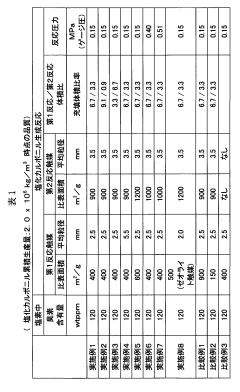
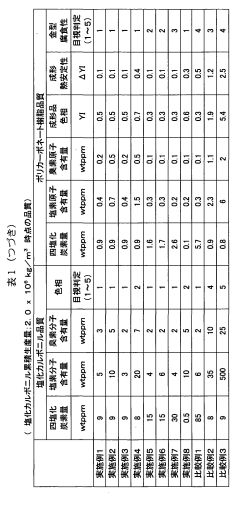
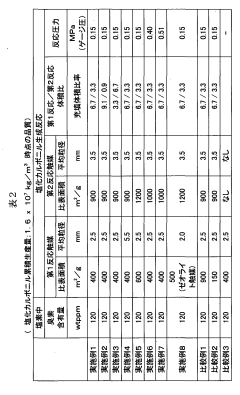
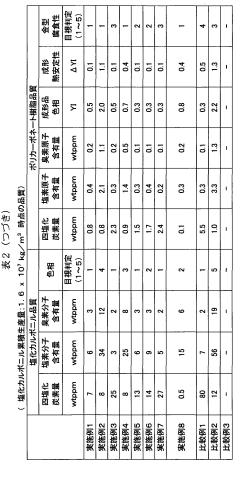
- A method involving the use of two types of water with different surface areas to optimize the distribution of carbon tetrachloride and chlorine, combined with specific catalyst conditions and reaction parameters, such as contact surfaces and pressures, to minimize impurities and enhance the quality and longevity of polycarbonate production.
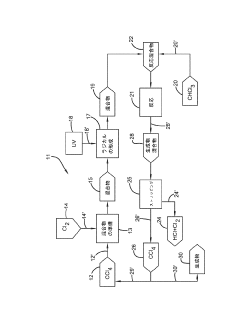
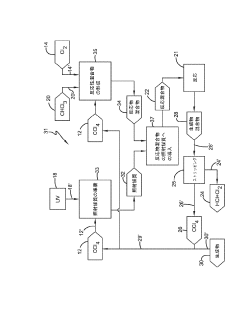
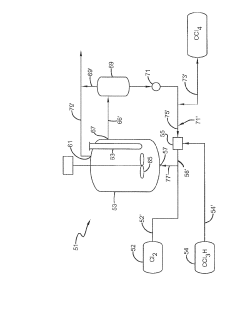
Producing carbon tetrachloride by photochlorination of chloroform
PatentActiveJP2024069268A
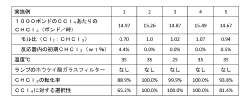
Innovation
- A method involving the photochlorination of chloroform with chlorine in the presence of electromagnetic radiation, maintaining a low concentration of chloroform and a stoichiometric concentration of chlorine, to produce carbon tetrachloride with high selectivity and minimize the formation of hexachloroethane.
Global Regulations on CCl4 Emissions
Global regulations on carbon tetrachloride (CCl4) emissions have evolved significantly over the past few decades, reflecting growing awareness of the compound's environmental impact. The Montreal Protocol, signed in 1987 and subsequently amended, stands as the cornerstone of international efforts to control CCl4 emissions. This treaty initially focused on phasing out the production and consumption of ozone-depleting substances, including CCl4, in developed countries by 2000 and in developing countries by 2010.
The European Union has implemented stringent regulations through its Registration, Evaluation, Authorization, and Restriction of Chemicals (REACH) program. REACH requires companies to register chemical substances manufactured or imported in quantities over one tonne per year, with CCl4 falling under this purview. The EU has also set specific emission limits for industrial processes that may release CCl4.
In the United States, the Environmental Protection Agency (EPA) regulates CCl4 under the Clean Air Act and the Toxic Substances Control Act. The EPA has designated CCl4 as a hazardous air pollutant and has established National Emission Standards for Hazardous Air Pollutants (NESHAP) that apply to various industries. These standards mandate the use of maximum achievable control technology (MACT) to reduce CCl4 emissions.
China, a significant producer and consumer of CCl4, has also taken steps to control emissions. The country has committed to phasing out CCl4 production for controlled uses under the Montreal Protocol and has implemented domestic regulations to monitor and restrict its use in various industries.
Globally, the United Nations Environment Programme (UNEP) plays a crucial role in coordinating international efforts to reduce CCl4 emissions. UNEP's Ozone Secretariat oversees the implementation of the Montreal Protocol and facilitates information exchange among countries regarding best practices for emission reduction.
Despite these regulations, challenges remain in fully controlling CCl4 emissions. Fugitive emissions from industrial processes, inadvertent production as a by-product, and potential illegal production or use continue to contribute to atmospheric CCl4 levels. Consequently, ongoing efforts focus on improving monitoring techniques, enhancing enforcement mechanisms, and developing alternative technologies to further reduce emissions.
Recent regulatory trends indicate a move towards more comprehensive life-cycle management of CCl4, addressing not only its production and use but also its disposal and potential environmental release throughout its entire life cycle. This holistic approach aims to close regulatory gaps and ensure more effective control of CCl4 emissions on a global scale.
The European Union has implemented stringent regulations through its Registration, Evaluation, Authorization, and Restriction of Chemicals (REACH) program. REACH requires companies to register chemical substances manufactured or imported in quantities over one tonne per year, with CCl4 falling under this purview. The EU has also set specific emission limits for industrial processes that may release CCl4.
In the United States, the Environmental Protection Agency (EPA) regulates CCl4 under the Clean Air Act and the Toxic Substances Control Act. The EPA has designated CCl4 as a hazardous air pollutant and has established National Emission Standards for Hazardous Air Pollutants (NESHAP) that apply to various industries. These standards mandate the use of maximum achievable control technology (MACT) to reduce CCl4 emissions.
China, a significant producer and consumer of CCl4, has also taken steps to control emissions. The country has committed to phasing out CCl4 production for controlled uses under the Montreal Protocol and has implemented domestic regulations to monitor and restrict its use in various industries.
Globally, the United Nations Environment Programme (UNEP) plays a crucial role in coordinating international efforts to reduce CCl4 emissions. UNEP's Ozone Secretariat oversees the implementation of the Montreal Protocol and facilitates information exchange among countries regarding best practices for emission reduction.
Despite these regulations, challenges remain in fully controlling CCl4 emissions. Fugitive emissions from industrial processes, inadvertent production as a by-product, and potential illegal production or use continue to contribute to atmospheric CCl4 levels. Consequently, ongoing efforts focus on improving monitoring techniques, enhancing enforcement mechanisms, and developing alternative technologies to further reduce emissions.
Recent regulatory trends indicate a move towards more comprehensive life-cycle management of CCl4, addressing not only its production and use but also its disposal and potential environmental release throughout its entire life cycle. This holistic approach aims to close regulatory gaps and ensure more effective control of CCl4 emissions on a global scale.
Economic Impact of CCl4 Emission Reduction
The economic impact of reducing Carbon Tetrachloride (CCl4) emissions is multifaceted, affecting various sectors of the global economy. Initially, industries that heavily rely on CCl4, such as the production of chlorofluorocarbons and chlorinated solvents, may face increased costs due to the need for alternative processes or materials. This could lead to short-term economic challenges for these sectors, potentially resulting in job losses or reduced profitability.
However, the long-term economic benefits of CCl4 emission reduction are substantial. The development and implementation of alternative technologies and processes create new market opportunities, fostering innovation and driving economic growth in the green technology sector. Companies that successfully adapt to stricter environmental regulations may gain a competitive advantage in the global market, as consumers and governments increasingly prioritize environmentally friendly products and practices.
The reduction of CCl4 emissions also has significant implications for public health and environmental quality. By mitigating the harmful effects of CCl4 on the ozone layer and reducing its contribution to global warming, countries can potentially save billions in healthcare costs and environmental remediation expenses. This indirect economic benefit can lead to increased productivity and reduced strain on public resources.
Furthermore, international cooperation in addressing CCl4 emissions can strengthen diplomatic and trade relationships between nations. Countries that take a leading role in emission reduction technologies may benefit from increased exports and knowledge transfer, bolstering their economic position in the global market.
The transition to CCl4 alternatives may also stimulate job creation in research and development, manufacturing of new technologies, and environmental monitoring sectors. This shift can contribute to the growth of the green economy, potentially offsetting job losses in traditional industries.
Lastly, the reduction of CCl4 emissions aligns with global sustainability goals, which can attract environmentally conscious investors and consumers. Companies and countries that demonstrate commitment to emission reduction may experience enhanced reputation and brand value, potentially leading to increased investment and economic opportunities in the long run.
However, the long-term economic benefits of CCl4 emission reduction are substantial. The development and implementation of alternative technologies and processes create new market opportunities, fostering innovation and driving economic growth in the green technology sector. Companies that successfully adapt to stricter environmental regulations may gain a competitive advantage in the global market, as consumers and governments increasingly prioritize environmentally friendly products and practices.
The reduction of CCl4 emissions also has significant implications for public health and environmental quality. By mitigating the harmful effects of CCl4 on the ozone layer and reducing its contribution to global warming, countries can potentially save billions in healthcare costs and environmental remediation expenses. This indirect economic benefit can lead to increased productivity and reduced strain on public resources.
Furthermore, international cooperation in addressing CCl4 emissions can strengthen diplomatic and trade relationships between nations. Countries that take a leading role in emission reduction technologies may benefit from increased exports and knowledge transfer, bolstering their economic position in the global market.
The transition to CCl4 alternatives may also stimulate job creation in research and development, manufacturing of new technologies, and environmental monitoring sectors. This shift can contribute to the growth of the green economy, potentially offsetting job losses in traditional industries.
Lastly, the reduction of CCl4 emissions aligns with global sustainability goals, which can attract environmentally conscious investors and consumers. Companies and countries that demonstrate commitment to emission reduction may experience enhanced reputation and brand value, potentially leading to increased investment and economic opportunities in the long run.
Unlock deeper insights with PatSnap Eureka Quick Research — get a full tech report to explore trends and direct your research. Try now!
Generate Your Research Report Instantly with AI Agent
Supercharge your innovation with PatSnap Eureka AI Agent Platform!