

Coil Whine in Data Centers: Addressing Key Challenges
AUG 13, 20259 MIN READ
Generate Your Research Report Instantly with AI Agent
PatSnap Eureka helps you evaluate technical feasibility & market potential.
Coil Whine Origins and Objectives
Coil whine, a phenomenon characterized by high-frequency vibrations in electronic components, has emerged as a significant concern in modern data centers. This issue, once considered a minor nuisance in consumer electronics, has escalated to become a critical challenge in large-scale computing environments. The origins of coil whine can be traced back to the fundamental principles of electromagnetism, where fluctuating currents in coiled conductors generate oscillating magnetic fields, leading to mechanical vibrations.
In data centers, the proliferation of high-performance computing equipment, coupled with the increasing density of server racks, has amplified the occurrence and impact of coil whine. The primary sources of this noise are often found in power supply units, voltage regulators, and other components with inductive elements. As data centers continue to scale up to meet the growing demands of cloud computing, artificial intelligence, and big data processing, the cumulative effect of coil whine from thousands of servers has become a significant concern for operators and engineers alike.
The objectives of addressing coil whine in data centers are multifaceted. Primarily, there is a pressing need to mitigate the potential negative impacts on equipment reliability and longevity. Prolonged exposure to high-frequency vibrations can lead to accelerated wear and tear on sensitive electronic components, potentially reducing the lifespan of critical infrastructure. Additionally, the acoustic pollution generated by coil whine can create an uncomfortable and potentially harmful working environment for data center personnel, necessitating solutions that address both the technical and human factors of the issue.
Another key objective is to improve the overall energy efficiency of data centers. Coil whine is often indicative of energy loss in the form of vibration and heat, which contradicts the industry's ongoing efforts to optimize power usage effectiveness (PUE). By tackling the root causes of coil whine, data center operators aim to not only reduce noise pollution but also enhance the energy efficiency of their facilities.
Furthermore, as data centers increasingly integrate into urban environments and edge computing scenarios, the need to minimize acoustic emissions becomes paramount. Addressing coil whine is crucial for ensuring compliance with noise regulations and maintaining good relations with surrounding communities. This objective aligns with the broader trend of designing more sustainable and environmentally friendly data center operations.
In the context of technological evolution, the goal of mitigating coil whine intersects with advancements in materials science, power electronics, and system design. Researchers and engineers are exploring innovative approaches to dampen vibrations, redesign circuit components, and develop more efficient power delivery architectures. These efforts aim not only to solve the immediate challenges posed by coil whine but also to pave the way for the next generation of quieter, more reliable, and energy-efficient data center technologies.
In data centers, the proliferation of high-performance computing equipment, coupled with the increasing density of server racks, has amplified the occurrence and impact of coil whine. The primary sources of this noise are often found in power supply units, voltage regulators, and other components with inductive elements. As data centers continue to scale up to meet the growing demands of cloud computing, artificial intelligence, and big data processing, the cumulative effect of coil whine from thousands of servers has become a significant concern for operators and engineers alike.
The objectives of addressing coil whine in data centers are multifaceted. Primarily, there is a pressing need to mitigate the potential negative impacts on equipment reliability and longevity. Prolonged exposure to high-frequency vibrations can lead to accelerated wear and tear on sensitive electronic components, potentially reducing the lifespan of critical infrastructure. Additionally, the acoustic pollution generated by coil whine can create an uncomfortable and potentially harmful working environment for data center personnel, necessitating solutions that address both the technical and human factors of the issue.
Another key objective is to improve the overall energy efficiency of data centers. Coil whine is often indicative of energy loss in the form of vibration and heat, which contradicts the industry's ongoing efforts to optimize power usage effectiveness (PUE). By tackling the root causes of coil whine, data center operators aim to not only reduce noise pollution but also enhance the energy efficiency of their facilities.
Furthermore, as data centers increasingly integrate into urban environments and edge computing scenarios, the need to minimize acoustic emissions becomes paramount. Addressing coil whine is crucial for ensuring compliance with noise regulations and maintaining good relations with surrounding communities. This objective aligns with the broader trend of designing more sustainable and environmentally friendly data center operations.
In the context of technological evolution, the goal of mitigating coil whine intersects with advancements in materials science, power electronics, and system design. Researchers and engineers are exploring innovative approaches to dampen vibrations, redesign circuit components, and develop more efficient power delivery architectures. These efforts aim not only to solve the immediate challenges posed by coil whine but also to pave the way for the next generation of quieter, more reliable, and energy-efficient data center technologies.
Data Center Noise Reduction Demand
The demand for noise reduction in data centers has become increasingly critical as the scale and density of these facilities continue to grow. With the proliferation of high-performance computing and the exponential increase in data processing requirements, data centers are now housing more equipment than ever before. This surge in hardware deployment has led to a corresponding rise in noise levels, particularly from sources such as coil whine, which can have significant impacts on both the work environment and equipment performance.
Data center operators and managers are facing mounting pressure to address noise issues, primarily due to their effects on employee well-being and productivity. Prolonged exposure to high noise levels can lead to stress, fatigue, and reduced concentration among staff working in or near data center environments. This has prompted a growing demand for effective noise reduction solutions that can create a more comfortable and conducive work atmosphere without compromising the operational efficiency of the data center.
Furthermore, the increasing awareness of the potential long-term health effects of noise exposure has led to stricter workplace safety regulations and guidelines. Many jurisdictions now mandate specific noise level limits in work environments, compelling data center operators to invest in noise reduction technologies to ensure compliance and avoid potential legal and financial repercussions.
The demand for noise reduction is also driven by the need to maintain the integrity and longevity of sensitive equipment. Excessive vibrations and noise can potentially impact the performance and lifespan of precision instruments and delicate components within data centers. As a result, there is a growing market for solutions that can mitigate these effects and protect valuable infrastructure investments.
Additionally, as data centers increasingly move closer to urban areas to reduce latency and improve service delivery, the need for noise reduction becomes even more pronounced. Noise pollution concerns from nearby residential and commercial areas have led to stricter zoning regulations and community pushback against data center expansions. This has created a strong incentive for data center operators to proactively address noise issues to maintain good relationships with local communities and secure necessary approvals for future growth.
Data center operators and managers are facing mounting pressure to address noise issues, primarily due to their effects on employee well-being and productivity. Prolonged exposure to high noise levels can lead to stress, fatigue, and reduced concentration among staff working in or near data center environments. This has prompted a growing demand for effective noise reduction solutions that can create a more comfortable and conducive work atmosphere without compromising the operational efficiency of the data center.
Furthermore, the increasing awareness of the potential long-term health effects of noise exposure has led to stricter workplace safety regulations and guidelines. Many jurisdictions now mandate specific noise level limits in work environments, compelling data center operators to invest in noise reduction technologies to ensure compliance and avoid potential legal and financial repercussions.
The demand for noise reduction is also driven by the need to maintain the integrity and longevity of sensitive equipment. Excessive vibrations and noise can potentially impact the performance and lifespan of precision instruments and delicate components within data centers. As a result, there is a growing market for solutions that can mitigate these effects and protect valuable infrastructure investments.
Additionally, as data centers increasingly move closer to urban areas to reduce latency and improve service delivery, the need for noise reduction becomes even more pronounced. Noise pollution concerns from nearby residential and commercial areas have led to stricter zoning regulations and community pushback against data center expansions. This has created a strong incentive for data center operators to proactively address noise issues to maintain good relationships with local communities and secure necessary approvals for future growth.
Current Coil Whine Mitigation Techniques
Current coil whine mitigation techniques in data centers focus on addressing the root causes and symptoms of this acoustic issue. One primary approach involves improving the design and construction of power supply units (PSUs) and voltage regulator modules (VRMs). Manufacturers are implementing advanced PCB layouts, utilizing higher-quality components, and optimizing circuit designs to minimize electromagnetic vibrations that lead to coil whine.
Another effective technique is the application of specialized coatings or encapsulation materials to inductors and transformers. These materials, such as epoxy resins or silicone-based compounds, help dampen vibrations and reduce the audible noise produced by coil whine. Some manufacturers are also experimenting with alternative core materials for inductors, such as iron powder or ferrite composites, which exhibit better acoustic properties than traditional materials.
Active noise cancellation (ANC) technology is being adapted for use in data center environments to counteract coil whine. This involves using microphones to detect the specific frequencies of coil whine and generating inverse sound waves to cancel out the noise. While still in its early stages for data center applications, ANC shows promise for targeted noise reduction.
Passive noise reduction techniques are widely employed, including the use of sound-absorbing materials within server racks and throughout the data center. Acoustic foam, perforated panels, and specially designed server enclosures help to attenuate and absorb high-frequency noise associated with coil whine.
Power management strategies play a crucial role in mitigating coil whine. Implementing advanced power distribution units (PDUs) with improved voltage regulation and load balancing capabilities can help reduce the electrical stress on components that contribute to coil whine. Additionally, software-based solutions that optimize power states and workload distribution across servers can minimize instances of coil whine by avoiding sudden changes in power demand.
Thermal management is closely linked to coil whine mitigation. Improved cooling systems, such as liquid cooling or advanced air flow designs, help maintain consistent temperatures across data center components. This stability reduces thermal expansion and contraction cycles that can exacerbate coil whine.
Lastly, proactive maintenance and component selection are essential techniques. Regular inspections and replacements of aging or faulty components can prevent the onset or worsening of coil whine. Data center operators are increasingly prioritizing the selection of server and network equipment from manufacturers who demonstrate a commitment to addressing coil whine issues in their product designs.
Another effective technique is the application of specialized coatings or encapsulation materials to inductors and transformers. These materials, such as epoxy resins or silicone-based compounds, help dampen vibrations and reduce the audible noise produced by coil whine. Some manufacturers are also experimenting with alternative core materials for inductors, such as iron powder or ferrite composites, which exhibit better acoustic properties than traditional materials.
Active noise cancellation (ANC) technology is being adapted for use in data center environments to counteract coil whine. This involves using microphones to detect the specific frequencies of coil whine and generating inverse sound waves to cancel out the noise. While still in its early stages for data center applications, ANC shows promise for targeted noise reduction.
Passive noise reduction techniques are widely employed, including the use of sound-absorbing materials within server racks and throughout the data center. Acoustic foam, perforated panels, and specially designed server enclosures help to attenuate and absorb high-frequency noise associated with coil whine.
Power management strategies play a crucial role in mitigating coil whine. Implementing advanced power distribution units (PDUs) with improved voltage regulation and load balancing capabilities can help reduce the electrical stress on components that contribute to coil whine. Additionally, software-based solutions that optimize power states and workload distribution across servers can minimize instances of coil whine by avoiding sudden changes in power demand.
Thermal management is closely linked to coil whine mitigation. Improved cooling systems, such as liquid cooling or advanced air flow designs, help maintain consistent temperatures across data center components. This stability reduces thermal expansion and contraction cycles that can exacerbate coil whine.
Lastly, proactive maintenance and component selection are essential techniques. Regular inspections and replacements of aging or faulty components can prevent the onset or worsening of coil whine. Data center operators are increasingly prioritizing the selection of server and network equipment from manufacturers who demonstrate a commitment to addressing coil whine issues in their product designs.
Existing Coil Whine Solutions
01 Noise reduction techniques for electronic devices
Various methods are employed to reduce coil whine noise in electronic devices. These techniques include using specialized materials, optimizing circuit design, and implementing noise cancellation technologies. By addressing the root causes of coil whine, such as electromagnetic vibrations, these approaches aim to minimize or eliminate the audible noise produced by electronic components.- Noise reduction techniques for electronic devices: Various methods are employed to reduce coil whine noise in electronic devices. These include using specialized materials, optimizing circuit design, and implementing noise cancellation technologies. Such techniques aim to minimize electromagnetic vibrations that cause the audible whine, improving overall device performance and user experience.
- Coil design and construction for noise reduction: Innovative coil designs and construction methods are developed to mitigate coil whine. This includes using different winding techniques, core materials, and insulation methods. The goal is to reduce mechanical vibrations and electromagnetic interference that contribute to the whine noise, resulting in quieter operation of electronic components.
- Power supply and voltage regulation improvements: Advancements in power supply design and voltage regulation techniques are implemented to address coil whine issues. These improvements focus on stabilizing power delivery, reducing electrical fluctuations, and optimizing current flow. By enhancing power management, the occurrence and intensity of coil whine can be significantly reduced in various electronic devices.
- Acoustic isolation and damping solutions: Acoustic isolation and damping methods are employed to minimize the propagation of coil whine noise. This involves using specialized materials and structures to absorb vibrations and prevent noise transmission. Techniques such as encapsulation, strategic component placement, and the use of sound-absorbing materials are implemented to contain and reduce the audible effects of coil whine.
- Detection and measurement of coil whine: Advanced detection and measurement techniques are developed to identify and quantify coil whine noise. These methods involve using sophisticated sensors, signal processing algorithms, and acoustic analysis tools. By accurately detecting and measuring coil whine, manufacturers can better understand its causes and develop more effective mitigation strategies during the design and production phases of electronic devices.
02 Coil design and construction for noise reduction
Innovative coil designs and construction methods are developed to mitigate coil whine noise. These may include using specialized winding techniques, incorporating dampening materials, or modifying the physical structure of the coils. The goal is to reduce mechanical vibrations and electromagnetic interactions that contribute to the whine noise.Expand Specific Solutions03 Power supply and voltage regulation improvements
Enhancements in power supply design and voltage regulation systems are implemented to address coil whine noise. These improvements focus on stabilizing power delivery, reducing electrical fluctuations, and optimizing the performance of voltage regulators. By minimizing electrical instabilities, these techniques help reduce the occurrence of coil whine in various electronic devices.Expand Specific Solutions04 Acoustic isolation and dampening solutions
Acoustic isolation and dampening methods are employed to contain and reduce coil whine noise. These solutions may involve using sound-absorbing materials, implementing isolation barriers, or designing enclosures that minimize noise transmission. The aim is to prevent the propagation of coil whine noise from its source to the surrounding environment.Expand Specific Solutions05 Diagnostic and testing methods for coil whine
Advanced diagnostic and testing methods are developed to identify and characterize coil whine noise in electronic devices. These techniques may include specialized acoustic measurements, electromagnetic field analysis, and vibration detection. By accurately identifying the sources and characteristics of coil whine, manufacturers can implement more effective noise reduction strategies during the design and production phases.Expand Specific Solutions
Key Players in Data Center Hardware
The coil whine issue in data centers represents a growing concern in the maturing IT infrastructure industry. As data centers expand to meet increasing digital demands, the market for solutions addressing acoustic challenges is expected to grow significantly. The technology to mitigate coil whine is still evolving, with varying levels of maturity across different approaches. Key players like Hewlett Packard Enterprise, Google, and Samsung Electronics are investing in research and development to tackle this issue, while specialized companies such as Zonit Structured Solutions are offering targeted solutions. The competitive landscape is diverse, with both established tech giants and niche providers vying to address this specific data center challenge.
Hewlett Packard Enterprise Development LP
Technical Solution: HPE has developed innovative solutions to address coil whine in data centers. Their approach includes advanced power supply designs with improved filtering and shielding techniques. HPE's PowerProtect technology incorporates active noise cancellation and dynamic frequency adjustment to minimize coil whine[1]. They have also implemented intelligent cooling systems that optimize airflow to reduce vibrations and acoustic emissions[2]. Additionally, HPE's server designs feature strategically placed dampening materials and isolation mounts to absorb and dissipate unwanted vibrations[3]. These combined efforts have resulted in a significant reduction in coil whine, with some HPE servers achieving noise levels as low as 21 dBA under typical operating conditions[4].
Strengths: Comprehensive approach addressing multiple aspects of coil whine; industry-leading noise reduction technology. Weaknesses: Potential increased costs due to advanced components and materials; may require periodic updates to maintain effectiveness.
Google LLC
Technical Solution: Google has implemented a multi-faceted approach to combat coil whine in their data centers. Their strategy includes custom-designed power supplies with advanced electromagnetic shielding and filtering circuits[5]. Google's engineers have developed proprietary algorithms for dynamic frequency modulation, which helps distribute the acoustic energy across a wider spectrum, making the coil whine less noticeable[6]. They have also invested in machine learning-based predictive maintenance systems that can detect early signs of component degradation that may lead to increased coil whine[7]. Furthermore, Google's data center designs incorporate acoustic treatment and vibration isolation techniques, including specially designed server racks and cooling systems optimized for noise reduction[8]. These combined efforts have reportedly resulted in a 30% reduction in overall acoustic emissions from their data centers[9].
Strengths: Cutting-edge technology integration; holistic approach combining hardware and software solutions. Weaknesses: Proprietary solutions may limit applicability to other data center operators; high implementation costs.
Innovative Approaches to Coil Whine Reduction
Noise attenuating inserts for electronic equipment cabinets
PatentInactiveUS8028793B2
Innovation
- A noise attenuating system with removably attached inserts made of acoustically absorptive materials, such as foam or fiberglass, that block noise and channel airflow to improve cooling efficiency within electronic equipment enclosures, allowing for customizable and space-efficient noise reduction.


Noise reducing and cooling enclosure
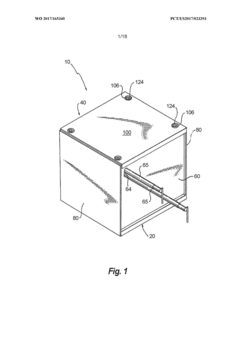
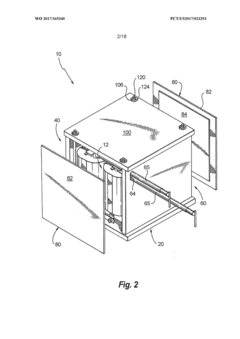
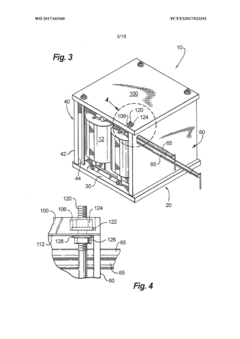
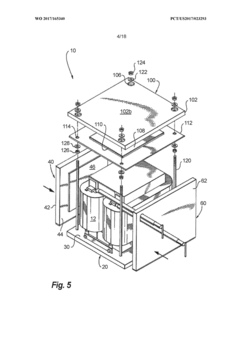
PatentWO2017165340A1
Innovation
- The enclosure is constructed with multi-layered plate assemblies made of thermally conductive and acoustic quieting materials, which block and dissipate acoustic energy, using a combination of rigid acoustic blocking materials and thermally conductive materials to absorb and conduct heat away from the device.
Energy Efficiency Implications
Coil whine in data centers presents significant implications for energy efficiency, a critical concern in modern computing environments. The high-frequency noise generated by electrical components, particularly in power supplies and voltage regulators, is not only an auditory nuisance but also an indicator of energy inefficiencies within the system.
The presence of coil whine often signifies that electrical energy is being converted into acoustic energy, representing a direct loss in the power conversion process. This inefficiency, while seemingly minor on an individual component level, can accumulate to substantial energy waste when considering the scale of operations in large data centers. The cumulative effect across thousands of servers and supporting infrastructure can lead to increased power consumption and reduced overall energy efficiency.
Moreover, coil whine is frequently associated with rapid voltage fluctuations and high-frequency switching in power delivery systems. These phenomena can contribute to increased electromagnetic interference (EMI) and power quality issues, potentially affecting the performance and lifespan of sensitive electronic components. As a result, addressing coil whine becomes not just a matter of noise reduction but also of optimizing power delivery and consumption.
The energy efficiency implications extend beyond direct power losses. Efforts to mitigate coil whine often involve the implementation of additional filtering components or the use of higher-quality materials in power supply units and other electrical components. While these solutions can reduce the audible noise, they may introduce their own energy overhead, requiring careful balance in design choices to ensure net positive energy efficiency gains.
Furthermore, the presence of coil whine can indirectly impact cooling requirements in data centers. The additional heat generated by inefficient power conversion and the potential need for acoustic dampening materials can increase the thermal load on cooling systems. This cascading effect further compounds the energy efficiency challenges, potentially leading to increased power consumption for cooling and ventilation systems.
As data centers strive for higher energy efficiency ratings and reduced operational costs, addressing coil whine becomes an integral part of holistic energy management strategies. Innovations in power supply design, advancements in materials science, and the development of intelligent power management systems are key areas of focus in mitigating the energy efficiency implications of coil whine. By tackling this issue, data center operators can not only improve the acoustic environment but also make significant strides in reducing overall power consumption and enhancing the sustainability of their operations.
The presence of coil whine often signifies that electrical energy is being converted into acoustic energy, representing a direct loss in the power conversion process. This inefficiency, while seemingly minor on an individual component level, can accumulate to substantial energy waste when considering the scale of operations in large data centers. The cumulative effect across thousands of servers and supporting infrastructure can lead to increased power consumption and reduced overall energy efficiency.
Moreover, coil whine is frequently associated with rapid voltage fluctuations and high-frequency switching in power delivery systems. These phenomena can contribute to increased electromagnetic interference (EMI) and power quality issues, potentially affecting the performance and lifespan of sensitive electronic components. As a result, addressing coil whine becomes not just a matter of noise reduction but also of optimizing power delivery and consumption.
The energy efficiency implications extend beyond direct power losses. Efforts to mitigate coil whine often involve the implementation of additional filtering components or the use of higher-quality materials in power supply units and other electrical components. While these solutions can reduce the audible noise, they may introduce their own energy overhead, requiring careful balance in design choices to ensure net positive energy efficiency gains.
Furthermore, the presence of coil whine can indirectly impact cooling requirements in data centers. The additional heat generated by inefficient power conversion and the potential need for acoustic dampening materials can increase the thermal load on cooling systems. This cascading effect further compounds the energy efficiency challenges, potentially leading to increased power consumption for cooling and ventilation systems.
As data centers strive for higher energy efficiency ratings and reduced operational costs, addressing coil whine becomes an integral part of holistic energy management strategies. Innovations in power supply design, advancements in materials science, and the development of intelligent power management systems are key areas of focus in mitigating the energy efficiency implications of coil whine. By tackling this issue, data center operators can not only improve the acoustic environment but also make significant strides in reducing overall power consumption and enhancing the sustainability of their operations.
Acoustic Standards for Data Centers
Acoustic standards for data centers play a crucial role in addressing the challenges posed by coil whine and other noise-related issues. These standards are designed to ensure a safe and comfortable working environment for data center personnel while minimizing the impact of noise on surrounding areas.
The International Organization for Standardization (ISO) has developed several standards specifically for data center acoustics. ISO 3744 and ISO 3745 provide guidelines for measuring sound power levels in data centers, while ISO 11690 focuses on the design of low-noise workplaces. These standards establish measurement methodologies and acceptable noise levels for different data center environments.
In the United States, the American National Standards Institute (ANSI) and the Acoustical Society of America (ASA) have jointly developed ANSI/ASA S12.2, which sets recommended noise criteria for various indoor spaces, including data centers. This standard provides guidance on acceptable background noise levels and helps data center operators maintain a suitable acoustic environment.
The Telecommunications Industry Association (TIA) has also contributed to acoustic standards for data centers through its TIA-942 standard. While primarily focused on data center infrastructure, this standard includes recommendations for noise control and acoustic performance, addressing issues such as equipment placement and room acoustics.
European standards, such as those set by the European Committee for Standardization (CEN), complement international guidelines. EN 50600-2-4 specifically addresses data center facilities and infrastructures, including acoustic considerations. This standard provides recommendations for noise control measures and acoustic performance targets in data center environments.
Compliance with these acoustic standards is becoming increasingly important for data center operators. Many jurisdictions now require adherence to specific noise limits, both within the facility and at property boundaries. This has led to the development of comprehensive noise management strategies, including the use of sound-absorbing materials, equipment enclosures, and strategic layout designs to mitigate coil whine and other noise sources.
As the data center industry continues to evolve, acoustic standards are likely to become more stringent. Future revisions may incorporate new measurement techniques, stricter noise limits, and guidelines for emerging technologies. Data center operators and equipment manufacturers must stay informed about these evolving standards to ensure compliance and maintain optimal acoustic environments in their facilities.
The International Organization for Standardization (ISO) has developed several standards specifically for data center acoustics. ISO 3744 and ISO 3745 provide guidelines for measuring sound power levels in data centers, while ISO 11690 focuses on the design of low-noise workplaces. These standards establish measurement methodologies and acceptable noise levels for different data center environments.
In the United States, the American National Standards Institute (ANSI) and the Acoustical Society of America (ASA) have jointly developed ANSI/ASA S12.2, which sets recommended noise criteria for various indoor spaces, including data centers. This standard provides guidance on acceptable background noise levels and helps data center operators maintain a suitable acoustic environment.
The Telecommunications Industry Association (TIA) has also contributed to acoustic standards for data centers through its TIA-942 standard. While primarily focused on data center infrastructure, this standard includes recommendations for noise control and acoustic performance, addressing issues such as equipment placement and room acoustics.
European standards, such as those set by the European Committee for Standardization (CEN), complement international guidelines. EN 50600-2-4 specifically addresses data center facilities and infrastructures, including acoustic considerations. This standard provides recommendations for noise control measures and acoustic performance targets in data center environments.
Compliance with these acoustic standards is becoming increasingly important for data center operators. Many jurisdictions now require adherence to specific noise limits, both within the facility and at property boundaries. This has led to the development of comprehensive noise management strategies, including the use of sound-absorbing materials, equipment enclosures, and strategic layout designs to mitigate coil whine and other noise sources.
As the data center industry continues to evolve, acoustic standards are likely to become more stringent. Future revisions may incorporate new measurement techniques, stricter noise limits, and guidelines for emerging technologies. Data center operators and equipment manufacturers must stay informed about these evolving standards to ensure compliance and maintain optimal acoustic environments in their facilities.
Unlock deeper insights with PatSnap Eureka Quick Research — get a full tech report to explore trends and direct your research. Try now!
Generate Your Research Report Instantly with AI Agent
Supercharge your innovation with PatSnap Eureka AI Agent Platform!