

Decoding Initial Patient Reactions to PEMF Therapy Interventions
AUG 11, 20259 MIN READ
Generate Your Research Report Instantly with AI Agent
PatSnap Eureka helps you evaluate technical feasibility & market potential.
PEMF Therapy Background and Objectives
Pulsed Electromagnetic Field (PEMF) therapy has emerged as a promising non-invasive treatment modality in recent years. This technology harnesses the power of electromagnetic fields to stimulate cellular repair and regeneration, offering potential benefits across a wide range of medical conditions. The evolution of PEMF therapy can be traced back to the mid-20th century, with significant advancements in understanding and application occurring over the past few decades.
The primary objective of PEMF therapy is to enhance the body's natural healing processes by influencing cellular behavior and metabolism. By generating pulsed electromagnetic fields, PEMF devices aim to improve circulation, reduce inflammation, and promote tissue repair at the cellular level. This approach has garnered attention in various medical fields, including orthopedics, neurology, and pain management.
As the technology has progressed, researchers and clinicians have focused on optimizing PEMF parameters to achieve maximum therapeutic efficacy. This includes investigating the optimal frequency, intensity, and duration of electromagnetic pulses for different medical conditions. The goal is to develop targeted PEMF protocols that can address specific health issues more effectively.
One of the key trends in PEMF therapy development is the miniaturization and portability of devices, making them more accessible for home use and continuous treatment. This shift from clinical-only applications to personal health devices has opened up new possibilities for long-term management of chronic conditions and preventive healthcare.
The current technological landscape of PEMF therapy is characterized by a diverse range of devices, from large, stationary units used in clinical settings to small, wearable devices for targeted treatment. This variety reflects the ongoing efforts to tailor PEMF technology to different medical needs and patient preferences.
As we look towards the future, the objectives of PEMF therapy research and development are multifaceted. There is a growing emphasis on understanding the precise mechanisms of action at the cellular and molecular levels. This knowledge is crucial for refining treatment protocols and expanding the range of conditions that can be effectively addressed with PEMF therapy.
Additionally, there is a push towards integrating PEMF technology with other treatment modalities and digital health platforms. This integration aims to create comprehensive treatment approaches that can be personalized based on individual patient needs and responses. The ultimate goal is to establish PEMF therapy as a mainstream, evidence-based treatment option across various medical specialties.
The primary objective of PEMF therapy is to enhance the body's natural healing processes by influencing cellular behavior and metabolism. By generating pulsed electromagnetic fields, PEMF devices aim to improve circulation, reduce inflammation, and promote tissue repair at the cellular level. This approach has garnered attention in various medical fields, including orthopedics, neurology, and pain management.
As the technology has progressed, researchers and clinicians have focused on optimizing PEMF parameters to achieve maximum therapeutic efficacy. This includes investigating the optimal frequency, intensity, and duration of electromagnetic pulses for different medical conditions. The goal is to develop targeted PEMF protocols that can address specific health issues more effectively.
One of the key trends in PEMF therapy development is the miniaturization and portability of devices, making them more accessible for home use and continuous treatment. This shift from clinical-only applications to personal health devices has opened up new possibilities for long-term management of chronic conditions and preventive healthcare.
The current technological landscape of PEMF therapy is characterized by a diverse range of devices, from large, stationary units used in clinical settings to small, wearable devices for targeted treatment. This variety reflects the ongoing efforts to tailor PEMF technology to different medical needs and patient preferences.
As we look towards the future, the objectives of PEMF therapy research and development are multifaceted. There is a growing emphasis on understanding the precise mechanisms of action at the cellular and molecular levels. This knowledge is crucial for refining treatment protocols and expanding the range of conditions that can be effectively addressed with PEMF therapy.
Additionally, there is a push towards integrating PEMF technology with other treatment modalities and digital health platforms. This integration aims to create comprehensive treatment approaches that can be personalized based on individual patient needs and responses. The ultimate goal is to establish PEMF therapy as a mainstream, evidence-based treatment option across various medical specialties.
Market Analysis for PEMF Therapy Devices
The PEMF (Pulsed Electromagnetic Field) therapy devices market has shown significant growth in recent years, driven by increasing awareness of non-invasive pain management techniques and the rising prevalence of chronic conditions. The global PEMF therapy devices market size was valued at approximately $500 million in 2020 and is projected to reach $1.2 billion by 2027, growing at a CAGR of around 12% during the forecast period.
The market is segmented based on product type, application, end-user, and region. Product types include high-power and low-power devices, with low-power devices currently dominating the market due to their affordability and portability. Applications span a wide range, including pain management, bone healing, neurological disorders, and wound healing. The pain management segment holds the largest market share, attributed to the increasing incidence of chronic pain conditions worldwide.
Key market drivers include the growing aging population, rising prevalence of chronic diseases, and increasing adoption of non-invasive treatment options. The elderly population is more susceptible to conditions such as arthritis, osteoporosis, and chronic pain, which are prime targets for PEMF therapy. Additionally, the shift towards home healthcare and the desire for drug-free pain management solutions are fueling market growth.
Geographically, North America currently leads the PEMF therapy devices market, followed by Europe. This dominance is due to advanced healthcare infrastructure, higher healthcare expenditure, and greater awareness of alternative therapies. However, the Asia-Pacific region is expected to witness the fastest growth during the forecast period, driven by improving healthcare facilities, increasing disposable income, and a large patient pool.
The market faces challenges such as the high cost of advanced PEMF devices and limited reimbursement policies in some regions. However, ongoing technological advancements, including the development of portable and user-friendly devices, are expected to overcome these barriers and drive market expansion.
Key players in the PEMF therapy devices market include OMI, Orthofix Medical Inc., Curatronic Ltd., and Bemer Group. These companies are focusing on product innovation, strategic partnerships, and geographical expansion to strengthen their market position. The competitive landscape is characterized by moderate fragmentation, with both established medical device companies and specialized PEMF therapy providers vying for market share.
In conclusion, the PEMF therapy devices market shows promising growth potential, driven by increasing acceptance of alternative therapies and the growing burden of chronic diseases. As research continues to validate the efficacy of PEMF therapy across various applications, the market is expected to expand further, presenting opportunities for both existing players and new entrants.
The market is segmented based on product type, application, end-user, and region. Product types include high-power and low-power devices, with low-power devices currently dominating the market due to their affordability and portability. Applications span a wide range, including pain management, bone healing, neurological disorders, and wound healing. The pain management segment holds the largest market share, attributed to the increasing incidence of chronic pain conditions worldwide.
Key market drivers include the growing aging population, rising prevalence of chronic diseases, and increasing adoption of non-invasive treatment options. The elderly population is more susceptible to conditions such as arthritis, osteoporosis, and chronic pain, which are prime targets for PEMF therapy. Additionally, the shift towards home healthcare and the desire for drug-free pain management solutions are fueling market growth.
Geographically, North America currently leads the PEMF therapy devices market, followed by Europe. This dominance is due to advanced healthcare infrastructure, higher healthcare expenditure, and greater awareness of alternative therapies. However, the Asia-Pacific region is expected to witness the fastest growth during the forecast period, driven by improving healthcare facilities, increasing disposable income, and a large patient pool.
The market faces challenges such as the high cost of advanced PEMF devices and limited reimbursement policies in some regions. However, ongoing technological advancements, including the development of portable and user-friendly devices, are expected to overcome these barriers and drive market expansion.
Key players in the PEMF therapy devices market include OMI, Orthofix Medical Inc., Curatronic Ltd., and Bemer Group. These companies are focusing on product innovation, strategic partnerships, and geographical expansion to strengthen their market position. The competitive landscape is characterized by moderate fragmentation, with both established medical device companies and specialized PEMF therapy providers vying for market share.
In conclusion, the PEMF therapy devices market shows promising growth potential, driven by increasing acceptance of alternative therapies and the growing burden of chronic diseases. As research continues to validate the efficacy of PEMF therapy across various applications, the market is expected to expand further, presenting opportunities for both existing players and new entrants.
Current PEMF Technology Challenges
Pulsed Electromagnetic Field (PEMF) therapy has shown promising results in various medical applications, yet it faces several significant challenges in its current technological state. One of the primary obstacles is the lack of standardization in PEMF devices and treatment protocols. This inconsistency makes it difficult to compare results across studies and establish definitive guidelines for clinical use.
Another challenge lies in the optimization of PEMF parameters. The efficacy of PEMF therapy depends on various factors such as frequency, intensity, waveform, and duration of exposure. Determining the optimal combination of these parameters for different medical conditions remains a complex task, requiring extensive research and clinical trials.
The miniaturization and portability of PEMF devices present another technological hurdle. While there is a growing demand for home-use PEMF devices, balancing size, power, and effectiveness remains challenging. Engineers must develop compact, energy-efficient solutions without compromising the therapeutic benefits of PEMF.
Ensuring precise and consistent electromagnetic field delivery is another critical challenge. The human body's complex structure and varying tissue properties can affect the penetration and distribution of electromagnetic fields. Developing technologies that can adapt to individual patient characteristics and maintain uniform field strength throughout the target area is crucial for improving treatment outcomes.
The integration of PEMF technology with other therapeutic modalities and diagnostic tools also poses significant challenges. Creating synergistic combinations with other treatments, such as pharmacological interventions or physical therapy, requires a deep understanding of both PEMF mechanisms and the complementary therapies.
Furthermore, there is a need for more sophisticated monitoring and feedback systems in PEMF devices. Current technologies often lack real-time measurement of the actual electromagnetic field delivered to the patient and its physiological effects. Developing advanced sensors and data analysis tools to provide immediate feedback on treatment efficacy could greatly enhance the precision and personalization of PEMF therapy.
Lastly, addressing potential electromagnetic interference with other medical devices and ensuring patient safety in various clinical settings remain ongoing challenges. As PEMF therapy becomes more widespread, developing robust shielding technologies and establishing clear safety protocols become increasingly important to prevent any adverse interactions with other electronic medical equipment.
Another challenge lies in the optimization of PEMF parameters. The efficacy of PEMF therapy depends on various factors such as frequency, intensity, waveform, and duration of exposure. Determining the optimal combination of these parameters for different medical conditions remains a complex task, requiring extensive research and clinical trials.
The miniaturization and portability of PEMF devices present another technological hurdle. While there is a growing demand for home-use PEMF devices, balancing size, power, and effectiveness remains challenging. Engineers must develop compact, energy-efficient solutions without compromising the therapeutic benefits of PEMF.
Ensuring precise and consistent electromagnetic field delivery is another critical challenge. The human body's complex structure and varying tissue properties can affect the penetration and distribution of electromagnetic fields. Developing technologies that can adapt to individual patient characteristics and maintain uniform field strength throughout the target area is crucial for improving treatment outcomes.
The integration of PEMF technology with other therapeutic modalities and diagnostic tools also poses significant challenges. Creating synergistic combinations with other treatments, such as pharmacological interventions or physical therapy, requires a deep understanding of both PEMF mechanisms and the complementary therapies.
Furthermore, there is a need for more sophisticated monitoring and feedback systems in PEMF devices. Current technologies often lack real-time measurement of the actual electromagnetic field delivered to the patient and its physiological effects. Developing advanced sensors and data analysis tools to provide immediate feedback on treatment efficacy could greatly enhance the precision and personalization of PEMF therapy.
Lastly, addressing potential electromagnetic interference with other medical devices and ensuring patient safety in various clinical settings remain ongoing challenges. As PEMF therapy becomes more widespread, developing robust shielding technologies and establishing clear safety protocols become increasingly important to prevent any adverse interactions with other electronic medical equipment.
Current PEMF Intervention Protocols
01 Pain reduction and improved mobility
PEMF therapy has shown positive patient reactions in reducing pain and improving mobility. Patients often report decreased pain levels and increased range of motion after treatment, particularly for conditions such as arthritis, fibromyalgia, and chronic back pain. The therapy's ability to stimulate cellular repair and reduce inflammation contributes to these beneficial outcomes.- Physiological responses to PEMF therapy: PEMF therapy can elicit various physiological responses in patients, including changes in blood flow, tissue oxygenation, and cellular metabolism. These responses may contribute to pain reduction, improved healing, and overall wellness. Patients may experience sensations such as warmth, tingling, or mild muscle contractions during treatment.
- Customization of PEMF treatment parameters: PEMF therapy can be customized based on individual patient reactions and needs. Treatment parameters such as frequency, intensity, and duration can be adjusted to optimize therapeutic effects and minimize any adverse reactions. This personalized approach allows for more effective management of various conditions and improved patient outcomes.
- Monitoring and analysis of patient reactions: Advanced PEMF systems incorporate monitoring and analysis capabilities to track patient reactions during therapy. These systems may use sensors to measure physiological parameters and provide real-time feedback, allowing for adjustment of treatment protocols. Data collected can be used to assess treatment efficacy and guide future therapeutic approaches.
- Combination of PEMF with other therapies: PEMF therapy can be combined with other treatment modalities to enhance patient reactions and outcomes. Integration with techniques such as cognitive behavioral therapy, physical rehabilitation, or pharmacological interventions may lead to synergistic effects and improved management of various conditions. This multi-modal approach can address different aspects of patient health simultaneously.
- Long-term effects and patient adaptation: Patient reactions to PEMF therapy may change over time as the body adapts to treatment. Long-term use of PEMF can lead to cumulative effects on tissue repair, pain management, and overall well-being. Monitoring these changes and adjusting treatment protocols accordingly can help maintain therapeutic efficacy and patient satisfaction over extended periods.
02 Enhanced tissue healing and regeneration
Patients undergoing PEMF therapy have experienced accelerated tissue healing and regeneration. This includes faster wound healing, improved bone repair, and enhanced soft tissue recovery. The therapy's effect on cellular metabolism and blood circulation contributes to these positive reactions, leading to quicker recovery times and improved overall healing outcomes.Expand Specific Solutions03 Reduction in inflammation and swelling
PEMF therapy has demonstrated effectiveness in reducing inflammation and swelling in patients. This anti-inflammatory effect has been particularly beneficial for those with chronic inflammatory conditions, post-surgical swelling, and sports injuries. Patients often report decreased swelling and associated discomfort following PEMF treatments.Expand Specific Solutions04 Improved sleep and stress reduction
Many patients report improved sleep quality and reduced stress levels after undergoing PEMF therapy. The therapy's ability to influence the body's natural electromagnetic fields and promote relaxation contributes to these positive reactions. Patients often experience better sleep patterns, reduced anxiety, and an overall sense of well-being.Expand Specific Solutions05 Enhanced cellular function and energy levels
PEMF therapy has been associated with improved cellular function and increased energy levels in patients. The therapy's ability to stimulate cellular metabolism and ATP production contributes to these effects. Patients often report feeling more energized, experiencing improved mental clarity, and having enhanced overall vitality following PEMF treatments.Expand Specific Solutions
Key PEMF Device Manufacturers
The field of PEMF (Pulsed Electromagnetic Field) therapy interventions is in a growth phase, with increasing market size and technological advancements. The global PEMF therapy market is expanding rapidly, driven by rising awareness of non-invasive treatment options and growing applications in pain management and rehabilitation. Companies like Regenesis Biomedical, SofPulse, and Orthofix US LLC are at the forefront, developing innovative PEMF devices. The technology's maturity varies across applications, with some areas well-established and others still emerging. Research institutions such as the University of Southern California and the National University of Singapore are contributing to the scientific understanding of PEMF therapy, potentially opening new avenues for treatment.
Regenesis Biomedical, Inc.
Technical Solution: Regenesis Biomedical has developed a proprietary PEMF therapy system called Provant® Therapy System. This device utilizes pulsed electromagnetic field technology to promote tissue repair and reduce pain. The system generates a specific pulsed electromagnetic field that penetrates deep into tissue, stimulating cellular repair mechanisms. Clinical studies have shown that Provant® therapy can significantly reduce pain and improve function in patients with various musculoskeletal conditions[1][2]. The device is designed for easy home use, allowing patients to receive consistent treatment without frequent clinic visits. Regenesis has also implemented a patient feedback system to continuously monitor and improve the therapy's effectiveness[3].
Strengths: FDA-cleared device, non-invasive treatment, proven efficacy in pain reduction. Weaknesses: Limited to specific conditions, may require long-term use for optimal results.
Medtronic AF Luxembourg SARL
Technical Solution: Medtronic, through its subsidiary Medtronic AF Luxembourg SARL, has developed advanced PEMF therapy solutions for bone healing and pain management. Their PEMF devices use precisely calibrated electromagnetic fields to stimulate cellular activity and promote healing. The company's technology includes wearable devices that deliver continuous PEMF therapy, allowing for extended treatment periods. Medtronic's systems incorporate smart sensors that adjust the electromagnetic field strength based on the patient's movement and activity levels, ensuring optimal treatment delivery[4]. Additionally, they have integrated data collection and analysis capabilities to track patient progress and treatment adherence[5].
Strengths: Global reach and resources, integration with other medical devices. Weaknesses: Higher cost compared to some competitors, may require professional oversight.
PEMF Bioeffects Research Review
Treatment of conditions susceptible to pulsed electromagnetic field therapy
PatentActiveUS20170354830A1
Innovation
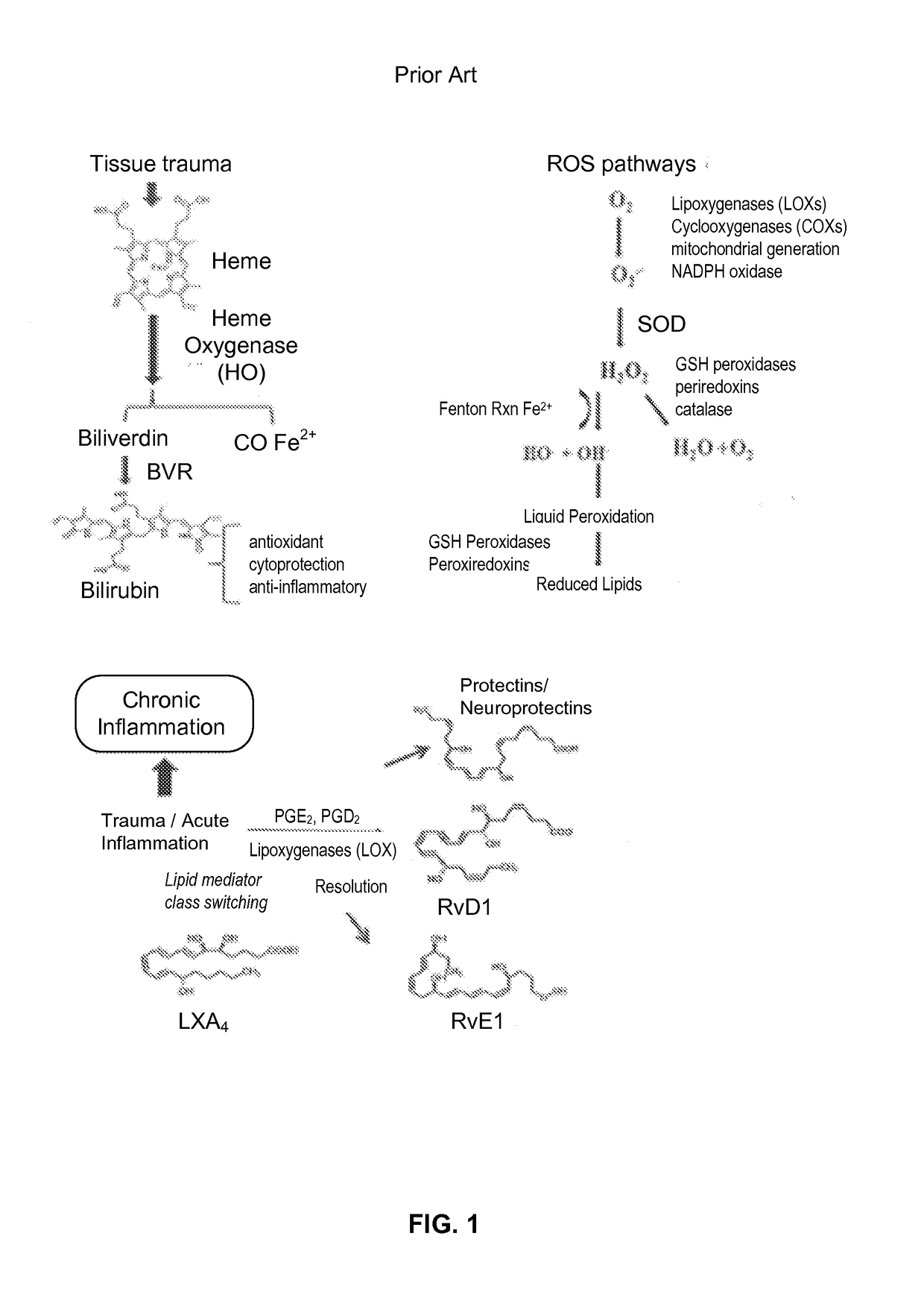
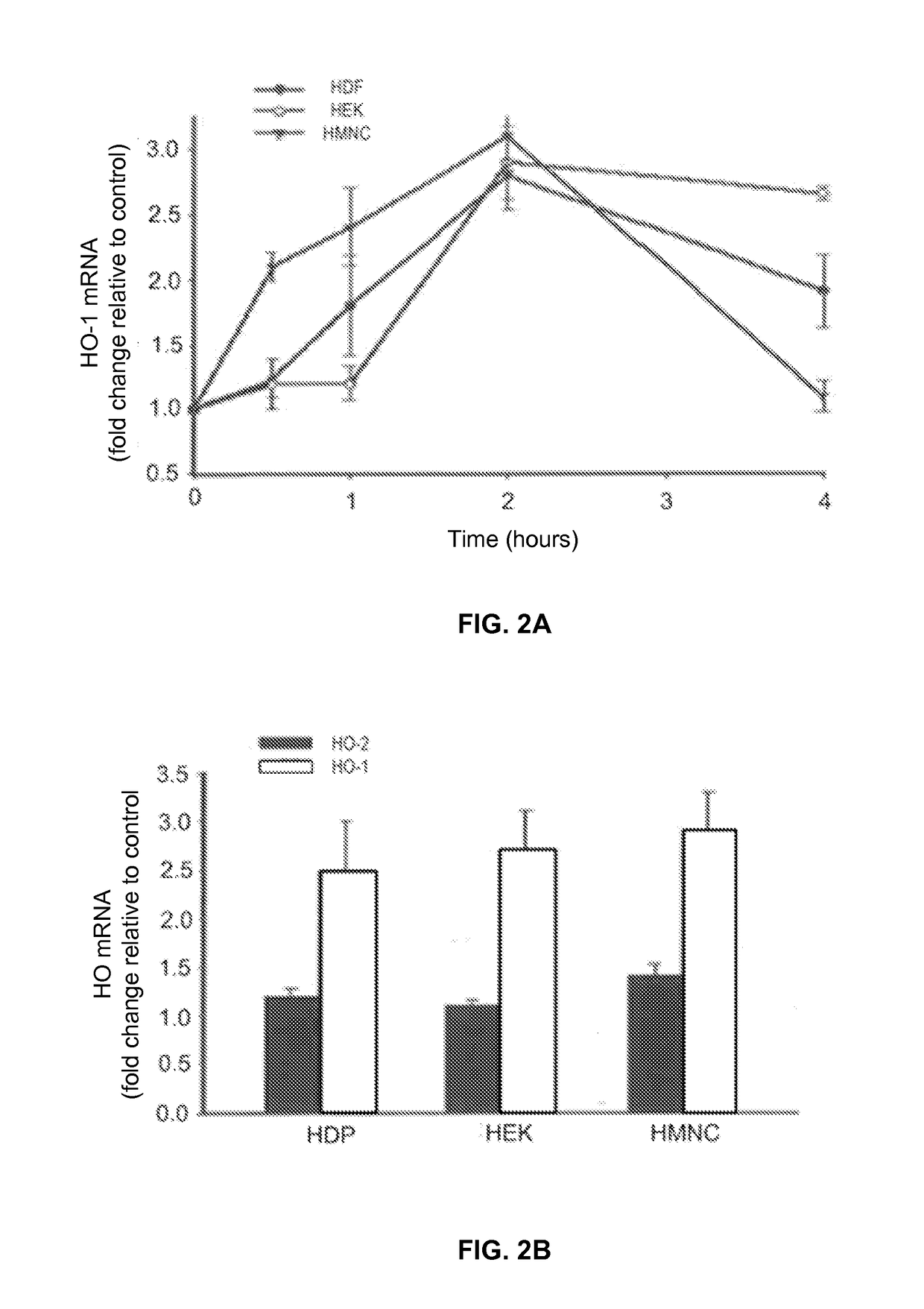
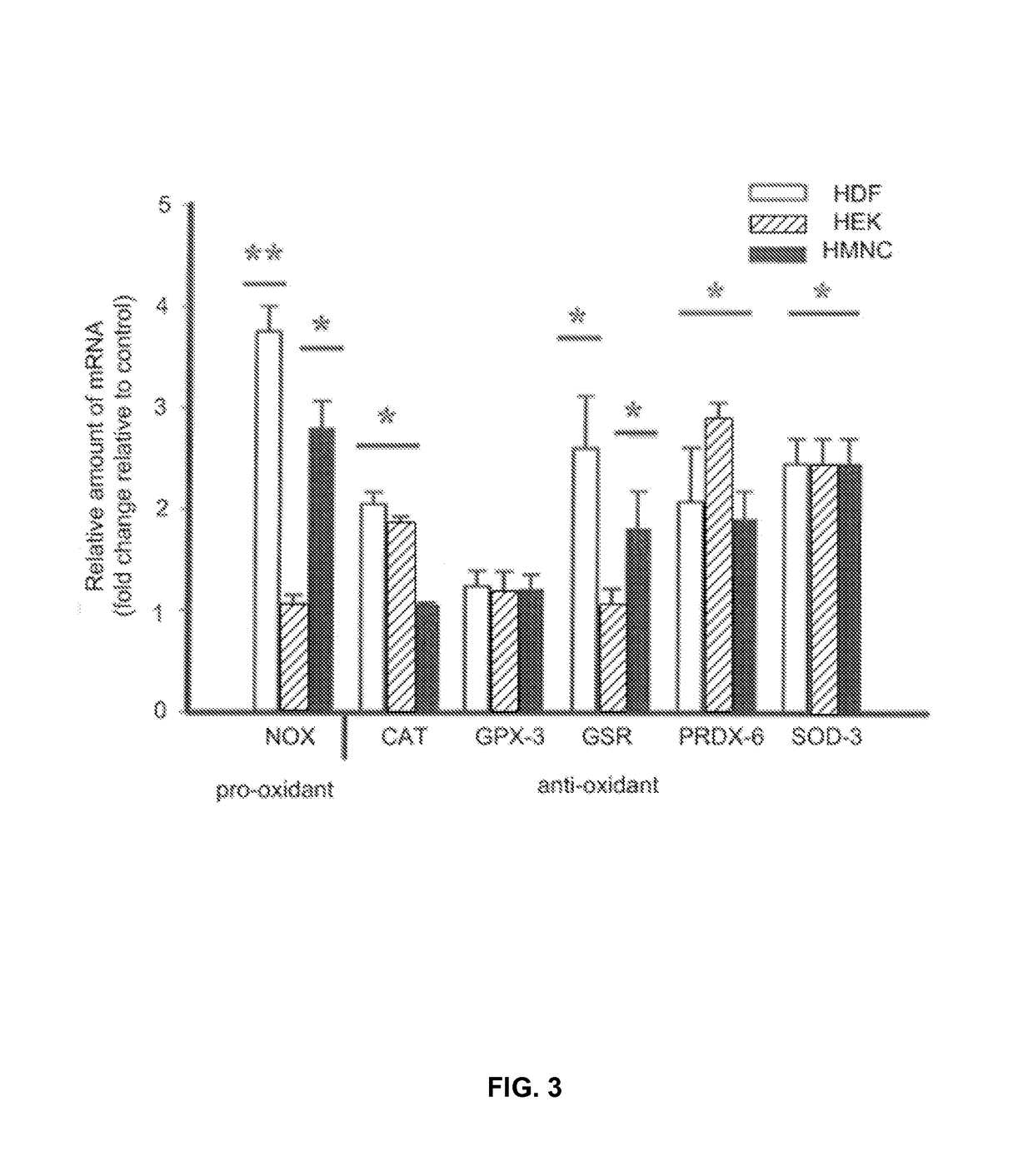
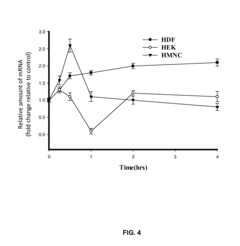
- PEMF therapy is administered to modulate gene expression associated with inflammation pathways, including heme oxygenase, antioxidant enzymes, lipid mediator biosynthesis, and cytokines, using specific parameters such as electric field strength, pulse rate, and duration to produce measurable clinical effects on pain, nerve function, and wound healing.
A pulsed electromagnetic field apparatus and method for generating frequencies
PatentWO2024127242A1
Innovation
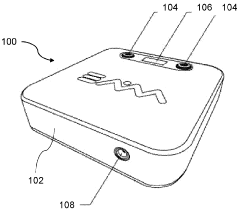
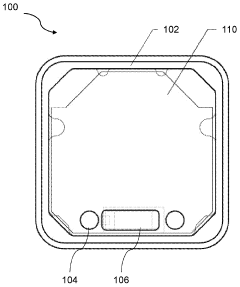
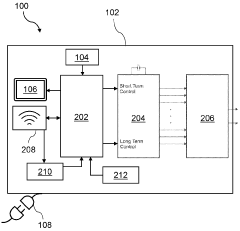
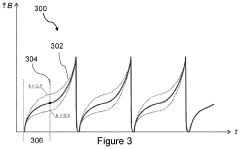
- A PEMF apparatus with a pulse generator and electromagnetic field generation means that uses modified sawtooth waveforms with pre-stress and relaxation periods, and quasi-sine signals with pulse width modulation, along with a feedback circuit for frequency stability and precision, and a bifilar antenna for scalar wave generation.
Patient Response Monitoring Systems
Patient Response Monitoring Systems play a crucial role in decoding initial patient reactions to PEMF (Pulsed Electromagnetic Field) therapy interventions. These systems are designed to capture, analyze, and interpret various physiological and subjective responses from patients undergoing PEMF treatments. By leveraging advanced sensors, data analytics, and machine learning algorithms, these monitoring systems provide valuable insights into the immediate effects of PEMF therapy on patients.
One of the key components of these systems is the integration of real-time biometric sensors. These sensors can measure vital signs such as heart rate, blood pressure, respiratory rate, and skin conductance. By continuously monitoring these parameters during PEMF sessions, healthcare providers can detect subtle changes that may indicate the patient's response to the therapy. This real-time data collection allows for immediate adjustments to the treatment protocol if necessary.
In addition to physiological measurements, Patient Response Monitoring Systems often incorporate subjective feedback mechanisms. These may include digital questionnaires or pain scales that patients can use to report their perceived sensations, discomfort levels, or improvements during and after PEMF therapy sessions. By combining objective biometric data with subjective patient feedback, clinicians can gain a more comprehensive understanding of the therapy's immediate impact.
Advanced data analytics techniques are employed to process the vast amount of information collected by these monitoring systems. Machine learning algorithms can identify patterns and correlations between PEMF parameters and patient responses, potentially uncovering insights that may not be immediately apparent to human observers. This data-driven approach enables the development of personalized treatment protocols and helps predict which patients are likely to respond positively to PEMF therapy.
Interoperability is another crucial aspect of Patient Response Monitoring Systems. These systems are often designed to integrate seamlessly with existing electronic health record (EHR) systems, allowing for the automatic updating of patient records with PEMF therapy data. This integration facilitates long-term tracking of patient progress and enables healthcare providers to make informed decisions about continuing or modifying treatment plans based on historical data.
As PEMF therapy continues to gain traction in various medical fields, the development of sophisticated Patient Response Monitoring Systems becomes increasingly important. These systems not only enhance the safety and efficacy of PEMF treatments but also contribute to the growing body of scientific evidence supporting this therapeutic approach. By providing detailed insights into initial patient reactions, these monitoring systems pave the way for more targeted and effective PEMF interventions in the future.
One of the key components of these systems is the integration of real-time biometric sensors. These sensors can measure vital signs such as heart rate, blood pressure, respiratory rate, and skin conductance. By continuously monitoring these parameters during PEMF sessions, healthcare providers can detect subtle changes that may indicate the patient's response to the therapy. This real-time data collection allows for immediate adjustments to the treatment protocol if necessary.
In addition to physiological measurements, Patient Response Monitoring Systems often incorporate subjective feedback mechanisms. These may include digital questionnaires or pain scales that patients can use to report their perceived sensations, discomfort levels, or improvements during and after PEMF therapy sessions. By combining objective biometric data with subjective patient feedback, clinicians can gain a more comprehensive understanding of the therapy's immediate impact.
Advanced data analytics techniques are employed to process the vast amount of information collected by these monitoring systems. Machine learning algorithms can identify patterns and correlations between PEMF parameters and patient responses, potentially uncovering insights that may not be immediately apparent to human observers. This data-driven approach enables the development of personalized treatment protocols and helps predict which patients are likely to respond positively to PEMF therapy.
Interoperability is another crucial aspect of Patient Response Monitoring Systems. These systems are often designed to integrate seamlessly with existing electronic health record (EHR) systems, allowing for the automatic updating of patient records with PEMF therapy data. This integration facilitates long-term tracking of patient progress and enables healthcare providers to make informed decisions about continuing or modifying treatment plans based on historical data.
As PEMF therapy continues to gain traction in various medical fields, the development of sophisticated Patient Response Monitoring Systems becomes increasingly important. These systems not only enhance the safety and efficacy of PEMF treatments but also contribute to the growing body of scientific evidence supporting this therapeutic approach. By providing detailed insights into initial patient reactions, these monitoring systems pave the way for more targeted and effective PEMF interventions in the future.
PEMF Therapy Safety Regulations
The safety regulations surrounding Pulsed Electromagnetic Field (PEMF) therapy have evolved significantly over the years, reflecting the growing understanding of its potential benefits and risks. Regulatory bodies such as the FDA in the United States and the EMA in Europe have established guidelines to ensure the safe use of PEMF devices in medical settings. These regulations primarily focus on device specifications, treatment protocols, and patient safety measures.
One of the key aspects of PEMF therapy safety regulations is the limitation of electromagnetic field strength and frequency. Most regulatory bodies have set maximum permissible exposure limits to prevent potential adverse effects on human tissue. For instance, the International Commission on Non-Ionizing Radiation Protection (ICNIRP) has established guidelines for electromagnetic field exposure, which many countries have adopted as part of their regulatory framework.
Device manufacturers are required to adhere to strict quality control standards and undergo rigorous testing procedures before their PEMF devices can be approved for medical use. This includes demonstrating the device's electromagnetic compatibility (EMC) to ensure it does not interfere with other medical equipment or electronic devices in the vicinity. Additionally, manufacturers must provide comprehensive documentation on the device's technical specifications, intended use, and potential contraindications.
Patient safety is a paramount concern in PEMF therapy regulations. Healthcare providers are required to conduct thorough patient assessments before initiating treatment, including screening for contraindications such as pregnancy, implanted electronic devices, or certain medical conditions. Informed consent procedures are also mandated, ensuring that patients are fully aware of the potential risks and benefits associated with PEMF therapy.
Regulatory bodies have also established guidelines for treatment protocols, including recommended session durations, frequency of treatments, and appropriate intensity levels for different medical conditions. These protocols are designed to maximize therapeutic benefits while minimizing the risk of adverse effects. Ongoing monitoring and reporting of any adverse events are crucial components of the safety regulations, allowing for continuous assessment and improvement of PEMF therapy practices.
As research in PEMF therapy continues to advance, safety regulations are regularly reviewed and updated to reflect new findings and emerging best practices. This dynamic approach ensures that the regulatory framework remains relevant and effective in safeguarding patient well-being while allowing for the continued development and application of PEMF technology in healthcare settings.
One of the key aspects of PEMF therapy safety regulations is the limitation of electromagnetic field strength and frequency. Most regulatory bodies have set maximum permissible exposure limits to prevent potential adverse effects on human tissue. For instance, the International Commission on Non-Ionizing Radiation Protection (ICNIRP) has established guidelines for electromagnetic field exposure, which many countries have adopted as part of their regulatory framework.
Device manufacturers are required to adhere to strict quality control standards and undergo rigorous testing procedures before their PEMF devices can be approved for medical use. This includes demonstrating the device's electromagnetic compatibility (EMC) to ensure it does not interfere with other medical equipment or electronic devices in the vicinity. Additionally, manufacturers must provide comprehensive documentation on the device's technical specifications, intended use, and potential contraindications.
Patient safety is a paramount concern in PEMF therapy regulations. Healthcare providers are required to conduct thorough patient assessments before initiating treatment, including screening for contraindications such as pregnancy, implanted electronic devices, or certain medical conditions. Informed consent procedures are also mandated, ensuring that patients are fully aware of the potential risks and benefits associated with PEMF therapy.
Regulatory bodies have also established guidelines for treatment protocols, including recommended session durations, frequency of treatments, and appropriate intensity levels for different medical conditions. These protocols are designed to maximize therapeutic benefits while minimizing the risk of adverse effects. Ongoing monitoring and reporting of any adverse events are crucial components of the safety regulations, allowing for continuous assessment and improvement of PEMF therapy practices.
As research in PEMF therapy continues to advance, safety regulations are regularly reviewed and updated to reflect new findings and emerging best practices. This dynamic approach ensures that the regulatory framework remains relevant and effective in safeguarding patient well-being while allowing for the continued development and application of PEMF technology in healthcare settings.
Unlock deeper insights with PatSnap Eureka Quick Research — get a full tech report to explore trends and direct your research. Try now!
Generate Your Research Report Instantly with AI Agent
Supercharge your innovation with PatSnap Eureka AI Agent Platform!