

Understanding Cultural Variations in PEMF Therapy Utilization
AUG 11, 20259 MIN READ
Generate Your Research Report Instantly with AI Agent
PatSnap Eureka helps you evaluate technical feasibility & market potential.
PEMF Therapy Evolution
Pulsed Electromagnetic Field (PEMF) therapy has undergone significant evolution since its inception in the mid-20th century. Initially developed for bone healing applications, PEMF therapy has expanded its reach to various medical and wellness domains. The therapy's evolution can be traced through several key phases, each marked by technological advancements and broadening applications.
In the 1950s, scientists first observed the piezoelectric effect in bones, leading to the development of early PEMF devices for bone healing. The 1970s saw the FDA approval of PEMF devices for non-union fractures, marking a significant milestone in its medical acceptance. This period also witnessed the expansion of PEMF research into other areas, including pain management and tissue repair.
The 1980s and 1990s brought about miniaturization and improved portability of PEMF devices, making them more accessible for home use. This era also saw increased research into the cellular mechanisms of PEMF therapy, enhancing understanding of its biological effects. The turn of the millennium heralded a new phase in PEMF evolution, with the integration of digital technology and more sophisticated waveform generation.
In recent years, PEMF therapy has seen a surge in popularity across various cultural contexts, though adoption rates and applications vary significantly. Western countries, particularly the United States and Germany, have been at the forefront of PEMF research and clinical applications. These regions have focused on using PEMF for chronic pain management, sports medicine, and as an adjunct to conventional treatments.
In contrast, Eastern cultures, such as China and Japan, have integrated PEMF therapy into traditional medicine practices. Here, PEMF is often combined with acupuncture and other holistic approaches, reflecting a more integrated view of health and wellness. This cultural variation in PEMF utilization highlights the therapy's adaptability to different medical philosophies and practices.
The evolution of PEMF therapy has also been influenced by regulatory environments in different countries. While some nations have embraced PEMF as a mainstream medical treatment, others classify it as an alternative or complementary therapy. These regulatory differences have shaped the development and marketing of PEMF devices across various regions.
Looking forward, the evolution of PEMF therapy is likely to continue with advancements in nanotechnology and personalized medicine. Research into optimizing PEMF parameters for specific conditions and individual patient profiles is ongoing, promising more targeted and effective treatments. Additionally, the integration of PEMF with other therapies, such as regenerative medicine and neurostimulation, represents an exciting frontier in its evolution.
In the 1950s, scientists first observed the piezoelectric effect in bones, leading to the development of early PEMF devices for bone healing. The 1970s saw the FDA approval of PEMF devices for non-union fractures, marking a significant milestone in its medical acceptance. This period also witnessed the expansion of PEMF research into other areas, including pain management and tissue repair.
The 1980s and 1990s brought about miniaturization and improved portability of PEMF devices, making them more accessible for home use. This era also saw increased research into the cellular mechanisms of PEMF therapy, enhancing understanding of its biological effects. The turn of the millennium heralded a new phase in PEMF evolution, with the integration of digital technology and more sophisticated waveform generation.
In recent years, PEMF therapy has seen a surge in popularity across various cultural contexts, though adoption rates and applications vary significantly. Western countries, particularly the United States and Germany, have been at the forefront of PEMF research and clinical applications. These regions have focused on using PEMF for chronic pain management, sports medicine, and as an adjunct to conventional treatments.
In contrast, Eastern cultures, such as China and Japan, have integrated PEMF therapy into traditional medicine practices. Here, PEMF is often combined with acupuncture and other holistic approaches, reflecting a more integrated view of health and wellness. This cultural variation in PEMF utilization highlights the therapy's adaptability to different medical philosophies and practices.
The evolution of PEMF therapy has also been influenced by regulatory environments in different countries. While some nations have embraced PEMF as a mainstream medical treatment, others classify it as an alternative or complementary therapy. These regulatory differences have shaped the development and marketing of PEMF devices across various regions.
Looking forward, the evolution of PEMF therapy is likely to continue with advancements in nanotechnology and personalized medicine. Research into optimizing PEMF parameters for specific conditions and individual patient profiles is ongoing, promising more targeted and effective treatments. Additionally, the integration of PEMF with other therapies, such as regenerative medicine and neurostimulation, represents an exciting frontier in its evolution.
Global PEMF Market Analysis
The global PEMF (Pulsed Electromagnetic Field) therapy market has been experiencing significant growth in recent years, driven by increasing awareness of non-invasive treatment options and the rising prevalence of chronic diseases. The market is characterized by a diverse range of applications, including pain management, bone healing, and neurological disorders. However, the adoption and utilization of PEMF therapy vary considerably across different regions and cultures.
In developed markets such as North America and Europe, PEMF therapy has gained substantial traction due to the high healthcare expenditure and greater acceptance of alternative therapies. These regions have witnessed a surge in research and development activities, leading to the introduction of advanced PEMF devices. The United States, in particular, has emerged as a key market, with a growing number of healthcare providers incorporating PEMF therapy into their treatment protocols.
Conversely, in developing regions like Asia-Pacific and Latin America, the PEMF market is still in its nascent stages but shows promising growth potential. Factors such as improving healthcare infrastructure, rising disposable incomes, and increasing awareness about non-pharmacological treatment options are driving market expansion in these areas. However, cultural beliefs and traditional medicine practices in some countries may influence the acceptance and integration of PEMF therapy.
The market landscape is further shaped by regulatory environments, which differ significantly across regions. While some countries have established clear guidelines for PEMF devices, others lack specific regulations, leading to variations in market penetration and product availability. This regulatory disparity also impacts the strategies employed by PEMF device manufacturers and distributors in different markets.
Cultural attitudes towards health and wellness play a crucial role in PEMF therapy utilization. In some Asian countries, there is a strong preference for traditional medicine, which may either complement or compete with PEMF therapy. Similarly, in certain European countries, there is a greater openness to alternative and complementary therapies, potentially facilitating faster adoption of PEMF treatments.
The global PEMF market is also influenced by economic factors and healthcare systems. In countries with well-established public healthcare systems, the integration of PEMF therapy into standard treatment protocols can significantly impact market growth. Conversely, in regions where out-of-pocket healthcare expenses are high, the adoption of PEMF therapy may be limited to more affluent segments of the population.
As the PEMF market continues to evolve, understanding these cultural and regional variations is crucial for stakeholders looking to expand their presence globally. Tailoring marketing strategies, product offerings, and educational initiatives to align with local preferences and healthcare practices will be key to successfully navigating the diverse global PEMF landscape.
In developed markets such as North America and Europe, PEMF therapy has gained substantial traction due to the high healthcare expenditure and greater acceptance of alternative therapies. These regions have witnessed a surge in research and development activities, leading to the introduction of advanced PEMF devices. The United States, in particular, has emerged as a key market, with a growing number of healthcare providers incorporating PEMF therapy into their treatment protocols.
Conversely, in developing regions like Asia-Pacific and Latin America, the PEMF market is still in its nascent stages but shows promising growth potential. Factors such as improving healthcare infrastructure, rising disposable incomes, and increasing awareness about non-pharmacological treatment options are driving market expansion in these areas. However, cultural beliefs and traditional medicine practices in some countries may influence the acceptance and integration of PEMF therapy.
The market landscape is further shaped by regulatory environments, which differ significantly across regions. While some countries have established clear guidelines for PEMF devices, others lack specific regulations, leading to variations in market penetration and product availability. This regulatory disparity also impacts the strategies employed by PEMF device manufacturers and distributors in different markets.
Cultural attitudes towards health and wellness play a crucial role in PEMF therapy utilization. In some Asian countries, there is a strong preference for traditional medicine, which may either complement or compete with PEMF therapy. Similarly, in certain European countries, there is a greater openness to alternative and complementary therapies, potentially facilitating faster adoption of PEMF treatments.
The global PEMF market is also influenced by economic factors and healthcare systems. In countries with well-established public healthcare systems, the integration of PEMF therapy into standard treatment protocols can significantly impact market growth. Conversely, in regions where out-of-pocket healthcare expenses are high, the adoption of PEMF therapy may be limited to more affluent segments of the population.
As the PEMF market continues to evolve, understanding these cultural and regional variations is crucial for stakeholders looking to expand their presence globally. Tailoring marketing strategies, product offerings, and educational initiatives to align with local preferences and healthcare practices will be key to successfully navigating the diverse global PEMF landscape.
Cultural Barriers in PEMF Adoption
Cultural barriers play a significant role in the adoption and utilization of Pulsed Electromagnetic Field (PEMF) therapy across different societies. These barriers stem from diverse cultural beliefs, traditions, and healthcare practices that influence how individuals perceive and accept new medical technologies.
In many Western countries, there is a strong emphasis on evidence-based medicine and scientific validation. This can lead to skepticism towards PEMF therapy, especially if it is perceived as an alternative or complementary treatment. The lack of widespread clinical trials and standardized protocols may further contribute to this hesitation among healthcare professionals and patients alike.
Conversely, in some Eastern cultures, there is a greater acceptance of holistic and energy-based healing practices. This cultural predisposition might facilitate the adoption of PEMF therapy, as it aligns with traditional concepts of energy flow and balance within the body. However, this acceptance may also lead to unrealistic expectations or overreliance on PEMF therapy at the expense of conventional medical treatments.
Religious beliefs can also impact the acceptance of PEMF therapy. In certain conservative religious communities, there may be resistance to technologies that are perceived to interfere with natural healing processes or divine will. This can create barriers to adoption, particularly if PEMF therapy is not endorsed by religious leaders or institutions.
Language barriers and limited access to information in native languages can hinder the understanding and acceptance of PEMF therapy in non-English speaking countries. This can lead to misinterpretation of the technology's benefits and risks, potentially resulting in underutilization or misuse.
Cultural attitudes towards pain management and chronic illness vary widely. In some cultures, there is a stoic approach to pain, which may result in reluctance to seek new treatments like PEMF therapy. Conversely, cultures with a lower pain threshold may be more open to exploring alternative pain management techniques.
The role of traditional medicine in different societies can also influence PEMF therapy adoption. In countries with strong traditional medicine practices, such as Traditional Chinese Medicine or Ayurveda, there may be resistance to adopting Western-developed technologies like PEMF therapy, especially if they are perceived as conflicting with established healing methods.
Socioeconomic factors intertwined with cultural norms can create barriers to PEMF therapy adoption. In some societies, there may be a cultural emphasis on frugality or skepticism towards expensive medical technologies, which could limit the willingness to invest in PEMF devices or treatments.
Addressing these cultural barriers requires a multifaceted approach that includes culturally sensitive education, localized clinical trials, and collaboration with respected community leaders and healthcare providers. By understanding and respecting cultural variations, it becomes possible to develop strategies that promote the appropriate integration of PEMF therapy into diverse healthcare systems and cultural contexts.
In many Western countries, there is a strong emphasis on evidence-based medicine and scientific validation. This can lead to skepticism towards PEMF therapy, especially if it is perceived as an alternative or complementary treatment. The lack of widespread clinical trials and standardized protocols may further contribute to this hesitation among healthcare professionals and patients alike.
Conversely, in some Eastern cultures, there is a greater acceptance of holistic and energy-based healing practices. This cultural predisposition might facilitate the adoption of PEMF therapy, as it aligns with traditional concepts of energy flow and balance within the body. However, this acceptance may also lead to unrealistic expectations or overreliance on PEMF therapy at the expense of conventional medical treatments.
Religious beliefs can also impact the acceptance of PEMF therapy. In certain conservative religious communities, there may be resistance to technologies that are perceived to interfere with natural healing processes or divine will. This can create barriers to adoption, particularly if PEMF therapy is not endorsed by religious leaders or institutions.
Language barriers and limited access to information in native languages can hinder the understanding and acceptance of PEMF therapy in non-English speaking countries. This can lead to misinterpretation of the technology's benefits and risks, potentially resulting in underutilization or misuse.
Cultural attitudes towards pain management and chronic illness vary widely. In some cultures, there is a stoic approach to pain, which may result in reluctance to seek new treatments like PEMF therapy. Conversely, cultures with a lower pain threshold may be more open to exploring alternative pain management techniques.
The role of traditional medicine in different societies can also influence PEMF therapy adoption. In countries with strong traditional medicine practices, such as Traditional Chinese Medicine or Ayurveda, there may be resistance to adopting Western-developed technologies like PEMF therapy, especially if they are perceived as conflicting with established healing methods.
Socioeconomic factors intertwined with cultural norms can create barriers to PEMF therapy adoption. In some societies, there may be a cultural emphasis on frugality or skepticism towards expensive medical technologies, which could limit the willingness to invest in PEMF devices or treatments.
Addressing these cultural barriers requires a multifaceted approach that includes culturally sensitive education, localized clinical trials, and collaboration with respected community leaders and healthcare providers. By understanding and respecting cultural variations, it becomes possible to develop strategies that promote the appropriate integration of PEMF therapy into diverse healthcare systems and cultural contexts.
Cultural-Specific PEMF Solutions
01 PEMF devices for therapeutic applications
Pulsed Electromagnetic Field (PEMF) therapy devices are designed for various therapeutic applications. These devices generate electromagnetic fields to stimulate cellular repair and regeneration, potentially treating conditions such as pain, inflammation, and bone healing. The devices can be configured for different body parts and treatment protocols.- PEMF devices for therapeutic applications: Pulsed Electromagnetic Field (PEMF) therapy devices are designed for various therapeutic applications. These devices generate electromagnetic fields to stimulate cellular repair and improve overall health. They can be used for pain management, tissue healing, and treating various medical conditions.
- PEMF therapy for specific medical conditions: PEMF therapy is utilized to treat specific medical conditions such as osteoarthritis, bone fractures, and neurological disorders. The therapy aims to reduce inflammation, promote tissue regeneration, and alleviate symptoms associated with these conditions. Different frequencies and intensities of electromagnetic fields are used depending on the targeted condition.
- Portable and wearable PEMF devices: Advancements in PEMF technology have led to the development of portable and wearable devices. These compact devices allow for convenient at-home use or continuous therapy throughout the day. They are designed to be user-friendly and can be applied to specific body parts for targeted treatment.
- Combination of PEMF with other therapies: PEMF therapy is often combined with other treatment modalities to enhance therapeutic effects. This may include integration with light therapy, heat therapy, or other forms of electromagnetic stimulation. The synergistic approach aims to provide more comprehensive and effective treatment for various health conditions.
- PEMF technology advancements and applications: Ongoing research and development in PEMF technology have led to new applications and improved treatment protocols. This includes the use of PEMF in veterinary medicine, agriculture, and even in space medicine. Advanced PEMF devices may incorporate features such as programmable treatment schedules, real-time monitoring, and integration with mobile applications for personalized therapy management.
02 PEMF therapy for pain management and tissue healing
PEMF therapy is utilized for pain management and tissue healing. The electromagnetic fields generated by PEMF devices can help reduce pain, decrease inflammation, and promote faster healing of injuries. This non-invasive treatment method is applied to various conditions, including musculoskeletal disorders and chronic pain syndromes.Expand Specific Solutions03 Combination of PEMF with other therapies
PEMF therapy is often combined with other treatment modalities to enhance therapeutic outcomes. This may include integration with light therapy, heat therapy, or other forms of electromagnetic stimulation. The synergistic effects of these combinations can potentially improve treatment efficacy for various health conditions.Expand Specific Solutions04 Portable and wearable PEMF devices
Advancements in PEMF technology have led to the development of portable and wearable devices. These compact units allow for convenient, at-home use and continuous treatment. Wearable PEMF devices can be integrated into clothing or accessories, enabling patients to receive therapy while going about their daily activities.Expand Specific Solutions05 PEMF therapy for specific medical conditions
PEMF therapy is being researched and applied to specific medical conditions beyond general pain and healing. This includes potential applications in neurological disorders, cardiovascular health, and mental health. The therapy's ability to influence cellular processes may offer new treatment avenues for a wide range of health issues.Expand Specific Solutions
Key PEMF Industry Players
The market for PEMF (Pulsed Electromagnetic Field) therapy is experiencing varied adoption rates across different cultures, reflecting a complex competitive landscape. The industry is in a growth phase, with increasing market size driven by rising awareness of non-invasive treatment options. However, cultural differences significantly impact utilization patterns. Technologically, PEMF therapy is maturing, with companies like Venus Concept Ltd., Regenesis Biomedical, Inc., and SofPulse, Inc. leading innovation. Academic institutions such as the National University of Singapore and Swiss Federal Institute of Technology are contributing to research advancements, potentially influencing future market dynamics. The interplay between cultural acceptance, technological progress, and market education will likely shape the industry's trajectory in the coming years.
Venus Concept Ltd.
Technical Solution: Venus Concept has developed a comprehensive approach to PEMF therapy utilization that takes into account cultural variations. Their technology, Venus Pulse, incorporates adjustable parameters to cater to different cultural preferences and beliefs about healing. The system allows for customization of treatment protocols based on regional pain perception thresholds and cultural attitudes towards non-invasive therapies[1]. Venus Concept has also invested in ethnographic research to understand how PEMF therapy is perceived and utilized across various cultures, enabling them to tailor their marketing and education strategies accordingly[3].
Strengths: Culturally adaptive technology, extensive market research. Weaknesses: May require significant resources for localization in each market.
Regenesis Biomedical, Inc.
Technical Solution: Regenesis Biomedical has focused on developing PEMF devices that address cultural variations in therapy utilization through their Provant Therapy System. This system incorporates multi-language interfaces and culturally sensitive treatment protocols. Regenesis has conducted cross-cultural studies to understand how different populations respond to PEMF therapy, both physiologically and psychologically[2]. They have implemented AI-driven algorithms that adjust treatment parameters based on user feedback and cultural data, ensuring optimal outcomes across diverse patient groups[4].
Strengths: AI-driven personalization, cross-cultural research base. Weaknesses: Complexity of implementation may limit adoption in some markets.
PEMF Research Breakthroughs
Treatment of conditions susceptible to pulsed electromagnetic field therapy
PatentActiveUS20170354830A1
Innovation
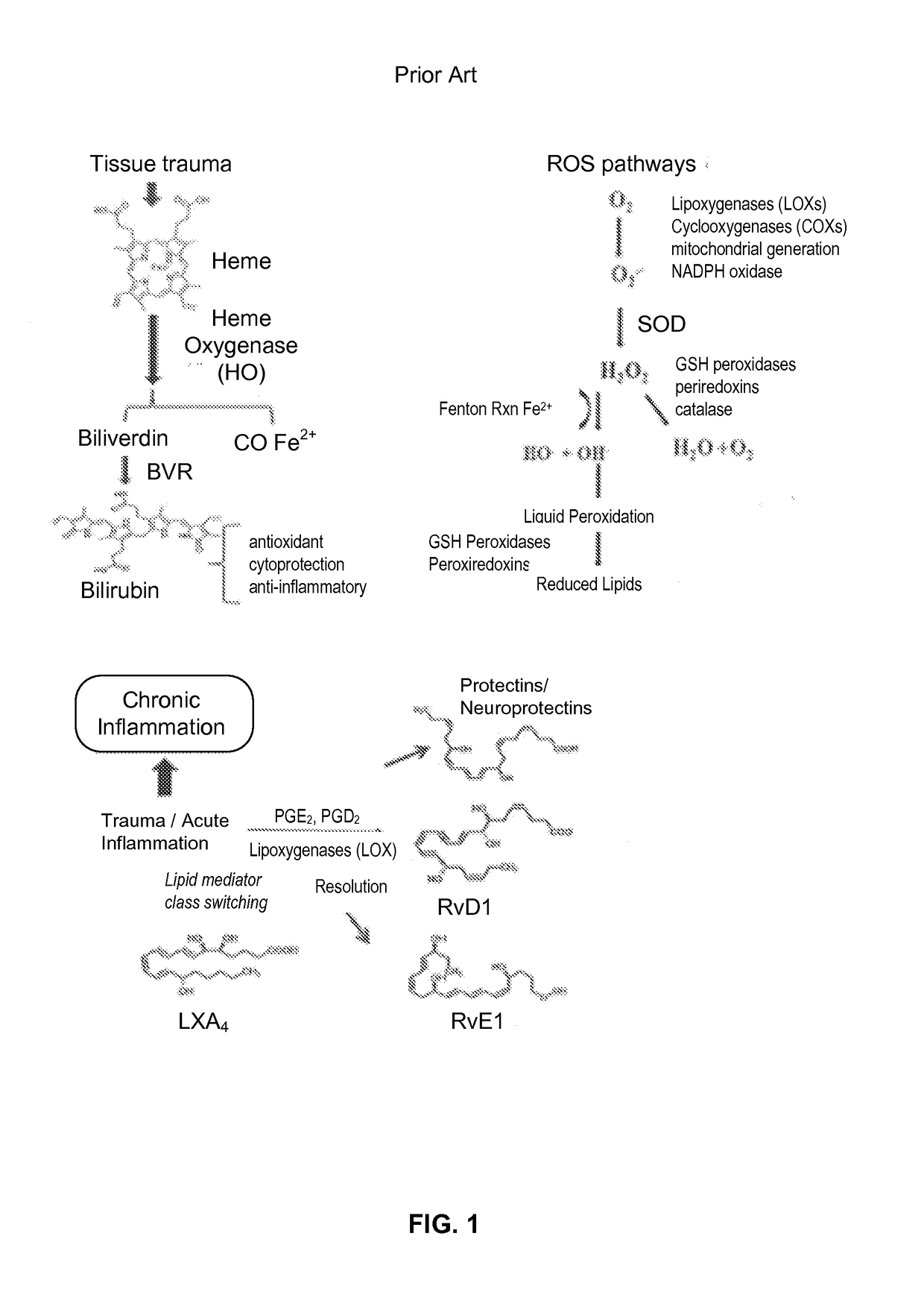
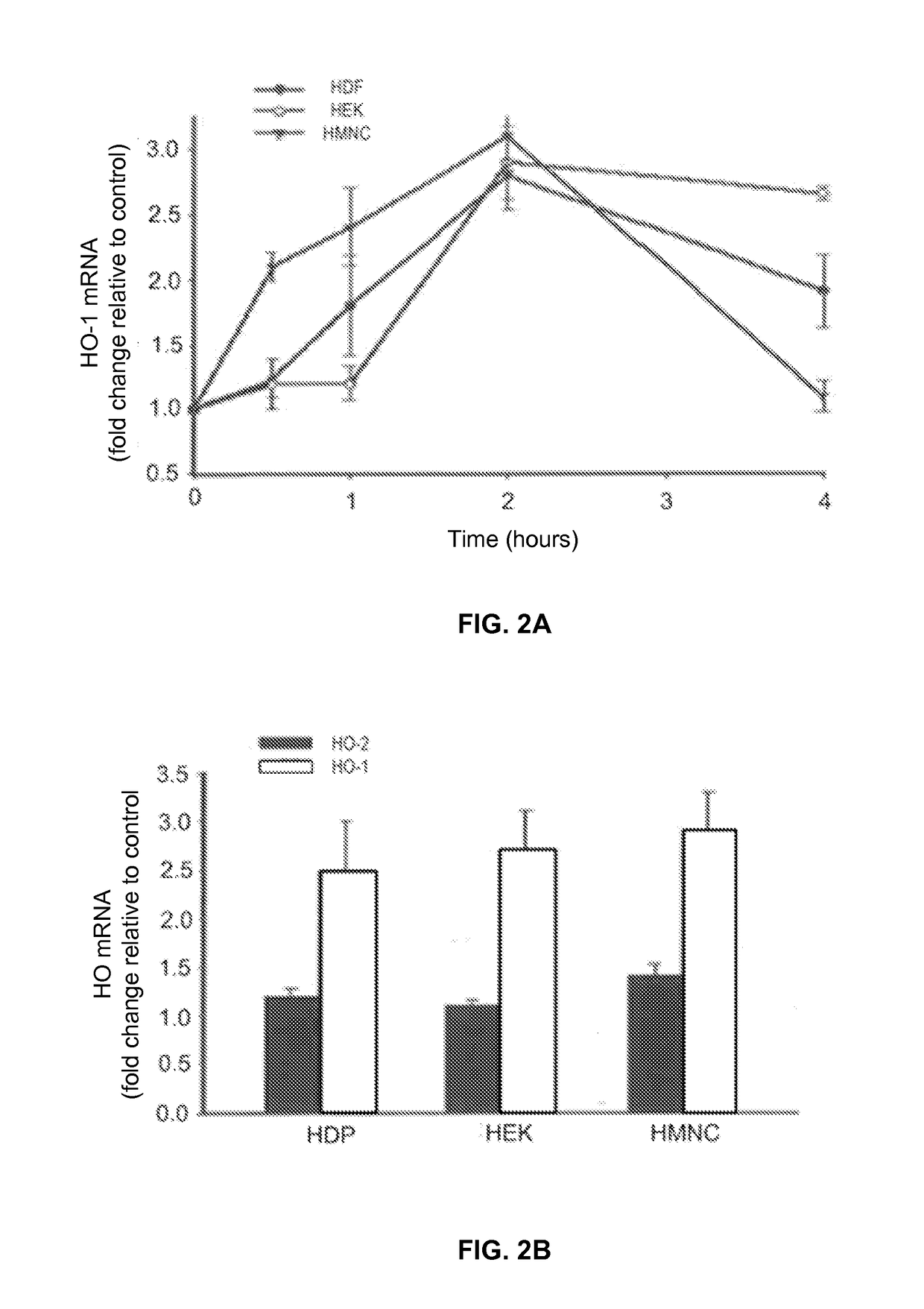
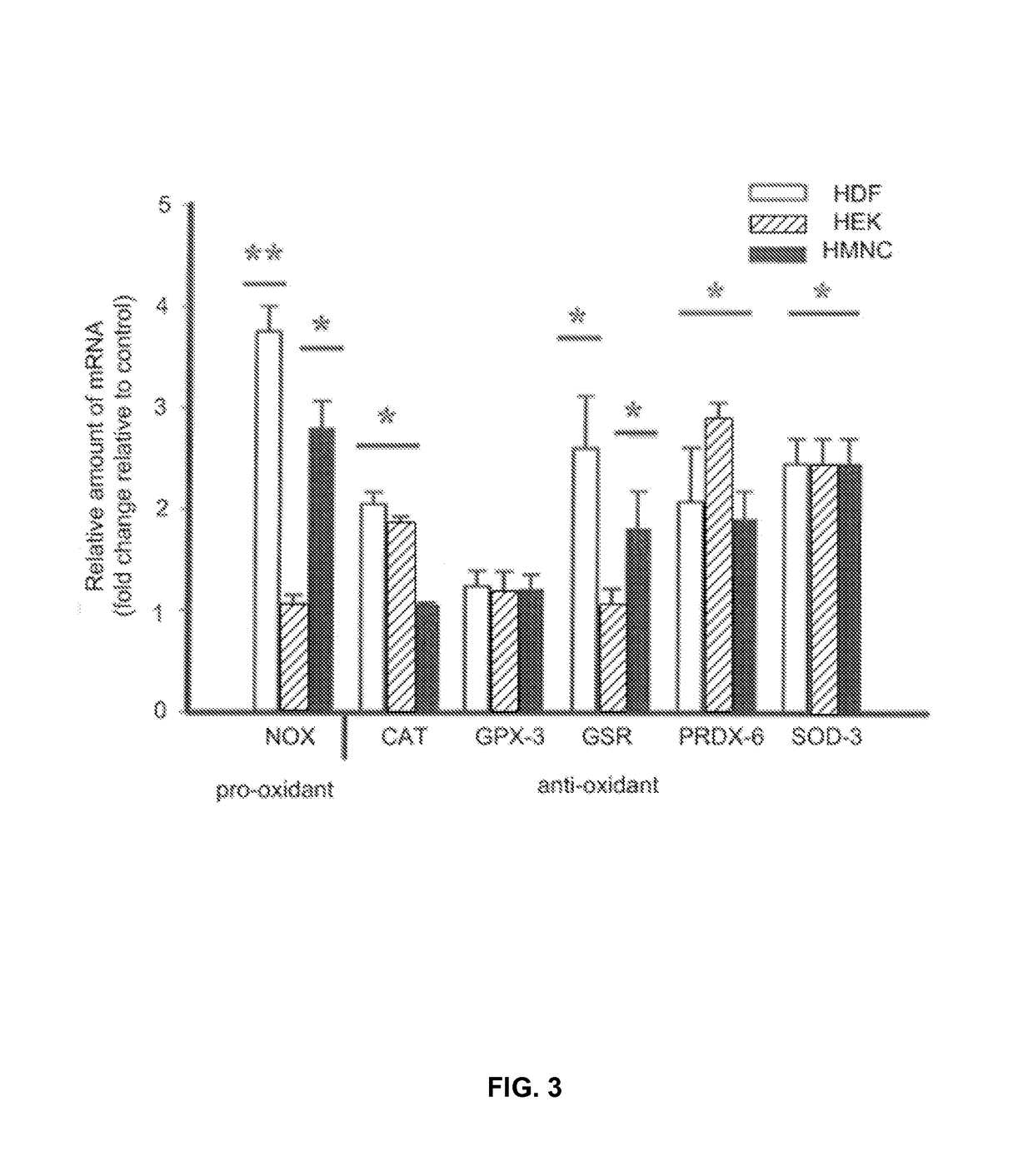
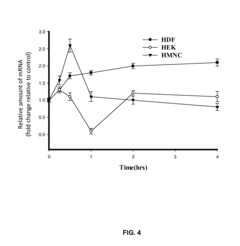
- PEMF therapy is administered to modulate gene expression associated with inflammation pathways, including heme oxygenase, antioxidant enzymes, lipid mediator biosynthesis, and cytokines, using specific parameters such as electric field strength, pulse rate, and duration to produce measurable clinical effects on pain, nerve function, and wound healing.
A pulsed electromagnetic field apparatus and method for generating frequencies
PatentWO2024127242A1
Innovation
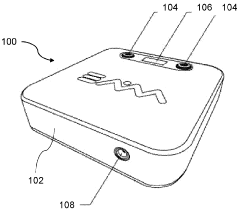
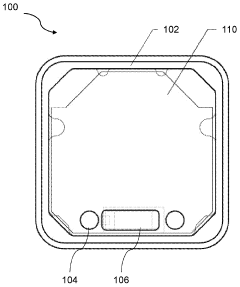
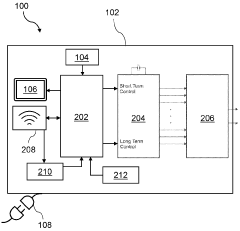
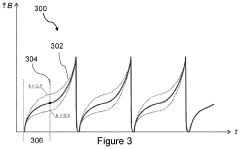
- A PEMF apparatus with a pulse generator and electromagnetic field generation means that uses modified sawtooth waveforms with pre-stress and relaxation periods, and quasi-sine signals with pulse width modulation, along with a feedback circuit for frequency stability and precision, and a bifilar antenna for scalar wave generation.
Regulatory Landscape for PEMF
The regulatory landscape for Pulsed Electromagnetic Field (PEMF) therapy varies significantly across different countries and regions, reflecting diverse cultural attitudes towards alternative therapies and medical device regulations. In the United States, the Food and Drug Administration (FDA) has approved several PEMF devices for specific medical uses, such as bone healing and pain management. However, the regulatory framework remains complex, with different classifications based on intended use and potential risks.
In the European Union, PEMF devices fall under the Medical Device Regulation (MDR), which came into effect in 2021. This regulation has introduced more stringent requirements for clinical evidence and post-market surveillance, potentially impacting the availability and development of PEMF devices in the European market. The CE marking process for PEMF devices involves demonstrating compliance with essential safety and performance requirements.
Asian countries exhibit varying degrees of regulatory oversight for PEMF therapy. Japan, for instance, has a well-established regulatory system for medical devices, including PEMF devices, under the Pharmaceuticals and Medical Devices Agency (PMDA). In contrast, China's regulatory approach to PEMF therapy is still evolving, with recent efforts to streamline the approval process for innovative medical devices.
Developing countries often lack specific regulations for PEMF therapy, leading to a more open market but also potential safety concerns. This regulatory gap can result in the proliferation of unverified PEMF devices and claims, highlighting the need for international standards and guidelines.
The global regulatory landscape for PEMF therapy is further complicated by the diverse range of applications and claims associated with these devices. While some countries strictly limit approved uses to specific medical conditions, others allow broader applications, including wellness and general health promotion. This disparity in regulatory approaches reflects cultural differences in the acceptance of alternative therapies and the balance between innovation and patient safety.
Harmonization efforts, such as the International Medical Device Regulators Forum (IMDRF), aim to align regulatory practices globally. However, significant challenges remain in achieving a unified approach to PEMF therapy regulation, given the cultural and regulatory diversity worldwide. As research in PEMF therapy advances, regulatory frameworks are likely to evolve, potentially leading to more standardized approaches while still accommodating cultural variations in healthcare practices and beliefs.
In the European Union, PEMF devices fall under the Medical Device Regulation (MDR), which came into effect in 2021. This regulation has introduced more stringent requirements for clinical evidence and post-market surveillance, potentially impacting the availability and development of PEMF devices in the European market. The CE marking process for PEMF devices involves demonstrating compliance with essential safety and performance requirements.
Asian countries exhibit varying degrees of regulatory oversight for PEMF therapy. Japan, for instance, has a well-established regulatory system for medical devices, including PEMF devices, under the Pharmaceuticals and Medical Devices Agency (PMDA). In contrast, China's regulatory approach to PEMF therapy is still evolving, with recent efforts to streamline the approval process for innovative medical devices.
Developing countries often lack specific regulations for PEMF therapy, leading to a more open market but also potential safety concerns. This regulatory gap can result in the proliferation of unverified PEMF devices and claims, highlighting the need for international standards and guidelines.
The global regulatory landscape for PEMF therapy is further complicated by the diverse range of applications and claims associated with these devices. While some countries strictly limit approved uses to specific medical conditions, others allow broader applications, including wellness and general health promotion. This disparity in regulatory approaches reflects cultural differences in the acceptance of alternative therapies and the balance between innovation and patient safety.
Harmonization efforts, such as the International Medical Device Regulators Forum (IMDRF), aim to align regulatory practices globally. However, significant challenges remain in achieving a unified approach to PEMF therapy regulation, given the cultural and regulatory diversity worldwide. As research in PEMF therapy advances, regulatory frameworks are likely to evolve, potentially leading to more standardized approaches while still accommodating cultural variations in healthcare practices and beliefs.
Cross-Cultural PEMF Education
Cross-cultural PEMF education plays a crucial role in understanding and addressing the variations in Pulsed Electromagnetic Field (PEMF) therapy utilization across different cultures. The effectiveness of PEMF therapy can be significantly influenced by cultural beliefs, practices, and healthcare systems. To bridge these gaps, a comprehensive educational approach is essential.
Firstly, it is important to recognize that cultural perceptions of health, illness, and treatment modalities vary widely. In some cultures, traditional healing methods may be preferred over modern technologies like PEMF therapy. Therefore, educational programs should be designed to integrate PEMF therapy concepts with existing cultural health beliefs, emphasizing complementarity rather than replacement.
Language barriers often pose significant challenges in disseminating PEMF therapy information. Developing multilingual educational materials and employing local translators can help overcome these obstacles. Additionally, adapting the content to include culturally relevant examples and case studies can enhance understanding and acceptance.
The role of healthcare providers in different cultural contexts should also be considered. In some societies, traditional healers or community leaders may have a strong influence on health decisions. Engaging these influential figures in PEMF education can facilitate broader acceptance and implementation of the therapy.
Cultural attitudes towards technology and electromagnetic fields can vary significantly. Some cultures may have concerns or misconceptions about the safety of PEMF therapy. Addressing these concerns through targeted education, emphasizing scientific evidence and safety studies, is crucial for building trust and acceptance.
Furthermore, the concept of time and treatment duration may differ across cultures. Some may expect immediate results, while others may be more accepting of long-term therapies. Educational programs should address these expectations and explain the typical timeline for PEMF therapy outcomes in a culturally sensitive manner.
Lastly, incorporating diverse learning styles and educational approaches is essential. This may include visual aids, hands-on demonstrations, storytelling, or community-based learning, depending on the cultural context. By tailoring the educational methods to suit different cultural preferences, the effectiveness of PEMF therapy education can be significantly enhanced.
Firstly, it is important to recognize that cultural perceptions of health, illness, and treatment modalities vary widely. In some cultures, traditional healing methods may be preferred over modern technologies like PEMF therapy. Therefore, educational programs should be designed to integrate PEMF therapy concepts with existing cultural health beliefs, emphasizing complementarity rather than replacement.
Language barriers often pose significant challenges in disseminating PEMF therapy information. Developing multilingual educational materials and employing local translators can help overcome these obstacles. Additionally, adapting the content to include culturally relevant examples and case studies can enhance understanding and acceptance.
The role of healthcare providers in different cultural contexts should also be considered. In some societies, traditional healers or community leaders may have a strong influence on health decisions. Engaging these influential figures in PEMF education can facilitate broader acceptance and implementation of the therapy.
Cultural attitudes towards technology and electromagnetic fields can vary significantly. Some cultures may have concerns or misconceptions about the safety of PEMF therapy. Addressing these concerns through targeted education, emphasizing scientific evidence and safety studies, is crucial for building trust and acceptance.
Furthermore, the concept of time and treatment duration may differ across cultures. Some may expect immediate results, while others may be more accepting of long-term therapies. Educational programs should address these expectations and explain the typical timeline for PEMF therapy outcomes in a culturally sensitive manner.
Lastly, incorporating diverse learning styles and educational approaches is essential. This may include visual aids, hands-on demonstrations, storytelling, or community-based learning, depending on the cultural context. By tailoring the educational methods to suit different cultural preferences, the effectiveness of PEMF therapy education can be significantly enhanced.
Unlock deeper insights with PatSnap Eureka Quick Research — get a full tech report to explore trends and direct your research. Try now!
Generate Your Research Report Instantly with AI Agent
Supercharge your innovation with PatSnap Eureka AI Agent Platform!