

Designing Borosilicate Glass Varieties for Specific Industry Needs
JUL 3, 20259 MIN READ
Generate Your Research Report Instantly with AI Agent
PatSnap Eureka helps you evaluate technical feasibility & market potential.
Borosilicate Glass Evolution and Objectives
Borosilicate glass has a rich history dating back to its invention by Otto Schott in the late 19th century. This specialized glass composition, characterized by its high silica and boron oxide content, has evolved significantly over the past century to meet diverse industrial needs. The evolution of borosilicate glass has been driven by the continuous pursuit of enhanced thermal shock resistance, chemical durability, and optical properties.
Initially developed for laboratory glassware and thermometers, borosilicate glass quickly found applications in various industries due to its exceptional properties. The glass's low coefficient of thermal expansion made it ideal for use in high-temperature environments, while its resistance to chemical corrosion opened doors to applications in the chemical and pharmaceutical industries.
As industrial demands grew more sophisticated, the composition and manufacturing processes of borosilicate glass underwent continuous refinement. The addition of various oxides and modifiers allowed for the tailoring of specific properties, such as improved transparency for optical applications or increased electrical resistance for use in electronics.
The objectives of modern borosilicate glass design are multifaceted, aiming to address the specific needs of various industries. In the medical field, there is a growing demand for biocompatible borosilicate glass formulations suitable for implants and drug delivery systems. The aerospace industry requires ultra-lightweight yet durable borosilicate glass varieties for use in aircraft windows and spacecraft components.
In the realm of renewable energy, borosilicate glass plays a crucial role in solar thermal collectors and high-efficiency lighting solutions. The goal is to develop formulations that maximize energy transmission while maintaining structural integrity under extreme conditions. For the electronics industry, the focus is on creating borosilicate glass compositions with enhanced dielectric properties and improved compatibility with semiconductor materials.
The future trajectory of borosilicate glass design is aimed at pushing the boundaries of material performance. This includes the development of nano-engineered borosilicate glasses with unprecedented strength-to-weight ratios, self-healing properties, and adaptive optical characteristics. Additionally, there is a growing emphasis on sustainable manufacturing processes and the incorporation of recycled materials in borosilicate glass production.
As we look ahead, the objectives for borosilicate glass design are centered on creating highly specialized varieties that can meet the exacting requirements of emerging technologies. This involves not only enhancing existing properties but also introducing novel functionalities that can revolutionize industries and enable new applications previously thought impossible with traditional glass materials.
Initially developed for laboratory glassware and thermometers, borosilicate glass quickly found applications in various industries due to its exceptional properties. The glass's low coefficient of thermal expansion made it ideal for use in high-temperature environments, while its resistance to chemical corrosion opened doors to applications in the chemical and pharmaceutical industries.
As industrial demands grew more sophisticated, the composition and manufacturing processes of borosilicate glass underwent continuous refinement. The addition of various oxides and modifiers allowed for the tailoring of specific properties, such as improved transparency for optical applications or increased electrical resistance for use in electronics.
The objectives of modern borosilicate glass design are multifaceted, aiming to address the specific needs of various industries. In the medical field, there is a growing demand for biocompatible borosilicate glass formulations suitable for implants and drug delivery systems. The aerospace industry requires ultra-lightweight yet durable borosilicate glass varieties for use in aircraft windows and spacecraft components.
In the realm of renewable energy, borosilicate glass plays a crucial role in solar thermal collectors and high-efficiency lighting solutions. The goal is to develop formulations that maximize energy transmission while maintaining structural integrity under extreme conditions. For the electronics industry, the focus is on creating borosilicate glass compositions with enhanced dielectric properties and improved compatibility with semiconductor materials.
The future trajectory of borosilicate glass design is aimed at pushing the boundaries of material performance. This includes the development of nano-engineered borosilicate glasses with unprecedented strength-to-weight ratios, self-healing properties, and adaptive optical characteristics. Additionally, there is a growing emphasis on sustainable manufacturing processes and the incorporation of recycled materials in borosilicate glass production.
As we look ahead, the objectives for borosilicate glass design are centered on creating highly specialized varieties that can meet the exacting requirements of emerging technologies. This involves not only enhancing existing properties but also introducing novel functionalities that can revolutionize industries and enable new applications previously thought impossible with traditional glass materials.
Industry-Specific Demand Analysis
The demand for specialized borosilicate glass varieties across various industries has been steadily increasing due to the material's unique properties and versatility. In the pharmaceutical sector, there is a growing need for borosilicate glass containers that can withstand high temperatures and resist chemical interactions with drugs. This demand is driven by the expansion of the biopharmaceutical industry and the development of complex drug formulations that require stable packaging solutions.
The laboratory and scientific equipment industry continues to be a significant consumer of borosilicate glass. The demand is fueled by the expansion of research facilities, academic institutions, and the biotechnology sector. These industries require precision glassware that can withstand thermal shock, maintain chemical inertness, and provide optical clarity for various experimental procedures.
In the solar energy sector, there is an increasing demand for high-quality borosilicate glass tubes used in solar thermal collectors. As renewable energy initiatives gain momentum globally, the market for solar thermal technologies is expanding, driving the need for specialized borosilicate glass components that can withstand high temperatures and maintain efficiency over extended periods.
The electronics industry presents another growing market for borosilicate glass, particularly in the production of display screens and touchscreen devices. The demand for durable, scratch-resistant, and optically clear glass continues to rise as consumer electronics become more prevalent and technologically advanced.
The aerospace and defense sectors have specific requirements for borosilicate glass in applications such as cockpit windows, sensor housings, and optical systems. The demand in these industries is driven by the need for materials that can withstand extreme conditions while maintaining optical clarity and structural integrity.
In the automotive industry, there is a growing interest in using borosilicate glass for advanced lighting systems and heads-up displays. The demand is driven by the trend towards more sophisticated and energy-efficient vehicle designs, as well as the increasing integration of smart technologies in automobiles.
The food and beverage industry continues to be a significant consumer of borosilicate glass, particularly for high-end cookware and storage containers. The demand is driven by consumer preferences for durable, non-reactive, and aesthetically pleasing kitchenware that can withstand temperature fluctuations.
As environmental concerns grow, there is an increasing demand for borosilicate glass in sustainable packaging solutions. Industries are seeking alternatives to plastic packaging, and borosilicate glass offers a recyclable and chemically stable option for various products, from cosmetics to food items.
The laboratory and scientific equipment industry continues to be a significant consumer of borosilicate glass. The demand is fueled by the expansion of research facilities, academic institutions, and the biotechnology sector. These industries require precision glassware that can withstand thermal shock, maintain chemical inertness, and provide optical clarity for various experimental procedures.
In the solar energy sector, there is an increasing demand for high-quality borosilicate glass tubes used in solar thermal collectors. As renewable energy initiatives gain momentum globally, the market for solar thermal technologies is expanding, driving the need for specialized borosilicate glass components that can withstand high temperatures and maintain efficiency over extended periods.
The electronics industry presents another growing market for borosilicate glass, particularly in the production of display screens and touchscreen devices. The demand for durable, scratch-resistant, and optically clear glass continues to rise as consumer electronics become more prevalent and technologically advanced.
The aerospace and defense sectors have specific requirements for borosilicate glass in applications such as cockpit windows, sensor housings, and optical systems. The demand in these industries is driven by the need for materials that can withstand extreme conditions while maintaining optical clarity and structural integrity.
In the automotive industry, there is a growing interest in using borosilicate glass for advanced lighting systems and heads-up displays. The demand is driven by the trend towards more sophisticated and energy-efficient vehicle designs, as well as the increasing integration of smart technologies in automobiles.
The food and beverage industry continues to be a significant consumer of borosilicate glass, particularly for high-end cookware and storage containers. The demand is driven by consumer preferences for durable, non-reactive, and aesthetically pleasing kitchenware that can withstand temperature fluctuations.
As environmental concerns grow, there is an increasing demand for borosilicate glass in sustainable packaging solutions. Industries are seeking alternatives to plastic packaging, and borosilicate glass offers a recyclable and chemically stable option for various products, from cosmetics to food items.
Current Limitations in Borosilicate Glass Technology
Despite the widespread use of borosilicate glass across various industries, several limitations persist in current borosilicate glass technology. These constraints hinder the full exploitation of this versatile material and present challenges for manufacturers and end-users alike.
One of the primary limitations is the difficulty in achieving precise control over thermal expansion coefficients. While borosilicate glass generally has a lower coefficient of thermal expansion compared to soda-lime glass, fine-tuning this property for specific applications remains challenging. This limitation becomes particularly evident in industries requiring extreme temperature resistance or in applications where thermal shock resistance is critical.
Another significant constraint is the complexity of the manufacturing process. The high melting point of borosilicate glass necessitates specialized equipment and energy-intensive processes, leading to increased production costs. This limitation often restricts the widespread adoption of borosilicate glass in cost-sensitive applications, despite its superior properties.
The chemical durability of borosilicate glass, while generally excellent, still faces limitations in certain extreme environments. For instance, in highly alkaline conditions or when exposed to hydrofluoric acid, borosilicate glass can experience degradation. This restricts its use in some chemical processing applications and necessitates the development of more resistant formulations.
Optical properties present another area of limitation. While borosilicate glass offers good transparency, achieving specific refractive indices or enhancing certain optical characteristics without compromising other properties remains challenging. This limitation affects its application in advanced optical systems and specialized lighting solutions.
The strength and toughness of borosilicate glass, although superior to many conventional glasses, still fall short in comparison to some advanced ceramics and composite materials. This limitation becomes apparent in high-stress applications or environments prone to impact, where alternative materials may be preferred.
Formability and workability constraints also pose challenges in borosilicate glass technology. The higher working temperature of borosilicate glass compared to soda-lime glass makes it more difficult to shape and form, limiting design flexibility and increasing production complexity for intricate shapes or thin-walled structures.
Lastly, the recyclability of borosilicate glass presents a limitation from a sustainability perspective. Due to its distinct composition, borosilicate glass cannot be easily recycled with standard glass waste streams, leading to challenges in waste management and circular economy initiatives.
One of the primary limitations is the difficulty in achieving precise control over thermal expansion coefficients. While borosilicate glass generally has a lower coefficient of thermal expansion compared to soda-lime glass, fine-tuning this property for specific applications remains challenging. This limitation becomes particularly evident in industries requiring extreme temperature resistance or in applications where thermal shock resistance is critical.
Another significant constraint is the complexity of the manufacturing process. The high melting point of borosilicate glass necessitates specialized equipment and energy-intensive processes, leading to increased production costs. This limitation often restricts the widespread adoption of borosilicate glass in cost-sensitive applications, despite its superior properties.
The chemical durability of borosilicate glass, while generally excellent, still faces limitations in certain extreme environments. For instance, in highly alkaline conditions or when exposed to hydrofluoric acid, borosilicate glass can experience degradation. This restricts its use in some chemical processing applications and necessitates the development of more resistant formulations.
Optical properties present another area of limitation. While borosilicate glass offers good transparency, achieving specific refractive indices or enhancing certain optical characteristics without compromising other properties remains challenging. This limitation affects its application in advanced optical systems and specialized lighting solutions.
The strength and toughness of borosilicate glass, although superior to many conventional glasses, still fall short in comparison to some advanced ceramics and composite materials. This limitation becomes apparent in high-stress applications or environments prone to impact, where alternative materials may be preferred.
Formability and workability constraints also pose challenges in borosilicate glass technology. The higher working temperature of borosilicate glass compared to soda-lime glass makes it more difficult to shape and form, limiting design flexibility and increasing production complexity for intricate shapes or thin-walled structures.
Lastly, the recyclability of borosilicate glass presents a limitation from a sustainability perspective. Due to its distinct composition, borosilicate glass cannot be easily recycled with standard glass waste streams, leading to challenges in waste management and circular economy initiatives.
Existing Borosilicate Glass Formulations
01 Composition and properties of borosilicate glass
Borosilicate glass is a type of glass with silica and boron trioxide as the main glass-forming constituents. It is known for its low thermal expansion coefficient, high chemical resistance, and excellent thermal shock resistance. These properties make it suitable for various applications in laboratory equipment, cookware, and industrial uses.- Composition and properties of borosilicate glass: Borosilicate glass is a type of glass with silica and boron trioxide as the main glass-forming constituents. It is known for its low thermal expansion coefficient, high chemical resistance, and excellent thermal shock resistance. These properties make it suitable for various applications in laboratory equipment, cookware, and industrial uses.
- Manufacturing processes for borosilicate glass: Various manufacturing processes are employed to produce borosilicate glass, including melting, forming, and annealing. Advanced techniques such as float glass production and precision molding are used to create different forms of borosilicate glass products. The manufacturing process can be optimized to enhance specific properties of the glass.
- Applications of borosilicate glass in laboratory and industrial settings: Borosilicate glass is widely used in laboratory glassware, such as beakers, test tubes, and pipettes, due to its chemical resistance and thermal stability. It is also utilized in industrial applications, including chemical processing equipment, sight glasses, and high-temperature windows. The glass's durability and transparency make it ideal for these demanding environments.
- Borosilicate glass in consumer products: Borosilicate glass is increasingly used in consumer products, particularly in kitchenware and home appliances. Its heat resistance and durability make it suitable for bakeware, storage containers, and coffee makers. The glass's clarity and aesthetic appeal also make it popular in decorative items and lighting fixtures.
- Innovations and modifications in borosilicate glass: Ongoing research and development in borosilicate glass focus on improving its properties and expanding its applications. This includes developing new compositions with enhanced characteristics, such as increased strength or improved optical properties. Innovations also involve surface treatments, coatings, and the incorporation of additional materials to create specialized borosilicate glass products for specific industries.
02 Manufacturing processes for borosilicate glass
Various manufacturing processes are employed to produce borosilicate glass, including melting, forming, and annealing. Advanced techniques such as float glass production and precision molding are used to create different forms of borosilicate glass products. The manufacturing process often involves careful control of temperature and composition to achieve desired properties.Expand Specific Solutions03 Applications of borosilicate glass in laboratory and scientific equipment
Borosilicate glass is widely used in laboratory and scientific equipment due to its chemical inertness and thermal stability. It is commonly used in beakers, test tubes, pipettes, and other laboratory glassware. Its resistance to thermal shock makes it ideal for use in high-temperature applications and in equipment that undergoes rapid temperature changes.Expand Specific Solutions04 Use of borosilicate glass in optical and lighting applications
Borosilicate glass finds applications in optical and lighting industries due to its excellent light transmission properties and thermal resistance. It is used in the manufacture of lenses, mirrors, and other optical components. In lighting, it is used for high-temperature lamp envelopes and specialty lighting fixtures.Expand Specific Solutions05 Innovations in borosilicate glass for specialized applications
Ongoing research and development in borosilicate glass technology have led to innovations for specialized applications. These include the development of borosilicate glass with enhanced properties for use in solar panels, high-performance windows, and advanced electronic displays. New formulations and processing techniques are being explored to expand the range of applications for borosilicate glass.Expand Specific Solutions
Key Manufacturers and Market Landscape
The borosilicate glass industry is in a mature stage, with a global market size estimated to reach $5.7 billion by 2027. The technology for designing specific borosilicate glass varieties is well-established, with ongoing innovations focused on enhancing properties for specialized applications. Key players like SCHOTT AG, Corning, Inc., and Nippon Electric Glass Co., Ltd. lead the market with advanced R&D capabilities and diverse product portfolios. Emerging companies such as SiO2 Medical Products, Inc. are introducing novel hybrid materials, while established firms like AGC, Inc. and LG Chem Ltd. are expanding their presence in high-growth sectors like pharmaceuticals and electronics. The competitive landscape is characterized by a mix of long-standing industry leaders and innovative newcomers, driving continuous improvement in borosilicate glass technologies.
SCHOTT AG
Technical Solution: SCHOTT AG has developed advanced borosilicate glass varieties tailored for specific industry needs. Their DURAN® borosilicate glass 3.3 is engineered for laboratory and industrial applications, offering exceptional thermal shock resistance and chemical durability[1]. For pharmaceutical packaging, SCHOTT has created FIOLAX® borosilicate glass tubing, which provides superior chemical stability and low alkaline ion release, crucial for preserving drug efficacy[2]. In the optics industry, SCHOTT's BOROFLOAT® glass combines optical clarity with thermal and chemical resistance, making it ideal for high-performance optical components[3]. The company has also innovated in the field of fire-resistant glass, developing PYRAN® Platinum, a borosilicate glass-ceramic that meets stringent fire-protection standards while maintaining transparency[4].
Strengths: Diverse portfolio of specialized borosilicate glass products; extensive R&D capabilities; global market presence. Weaknesses: High production costs; reliance on energy-intensive processes; potential vulnerability to fluctuations in raw material prices.
Nippon Electric Glass Co., Ltd.
Technical Solution: Nippon Electric Glass (NEG) has developed specialized borosilicate glass varieties for various industries. Their E-50 series borosilicate glass is designed for pharmaceutical packaging, offering excellent chemical durability and low alkali elution[5]. For the display industry, NEG has created ultra-thin borosilicate glass substrates, enabling the production of flexible and foldable displays[6]. In the field of photovoltaics, NEG's borosilicate cover glass for solar panels provides high transmittance and durability in harsh environmental conditions[7]. The company has also developed borosilicate glass fibers for high-temperature insulation applications, demonstrating thermal stability up to 1000°C[8].
Strengths: Strong focus on innovative applications; expertise in ultra-thin glass technology; diverse product range. Weaknesses: Intense competition in the Asian market; potential challenges in global expansion; dependency on energy-intensive manufacturing processes.
Innovative Compositions and Properties
Low boric acid borosilicate glass and its use
PatentInactiveEP0699636A1
Innovation
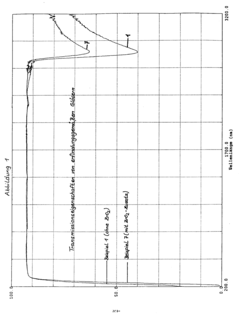
- Developing new borosilicate glass compositions with specific ratios of SiO2, B2O3, Al2O3, Li2O, Na2O, K2O, MgO, CaO, BaO, ZnO, ZrO2, and other oxides, ensuring high alkali resistance (LBK 1), low thermal expansion (4.0-5.3 x 10^-6 K^-1), and high UV transmission, while maintaining mechanical and thermal strength through chemical and thermal toughening.



Borosilicate glass compositions and uses thereof
PatentWO2004050575A1
Innovation
- A borosilicate glass composition with silicon dioxide, boric oxide, aluminum oxide, and at least one alkali oxide, which resists devitrification without the addition of inhibitor oxides, maintaining a suitable coefficient of thermal expansion and mechanical strength.

Environmental Impact and Sustainability
The environmental impact and sustainability of borosilicate glass production and use are critical considerations in designing varieties for specific industry needs. Borosilicate glass offers several advantages in terms of sustainability compared to other materials, particularly in its recyclability and long lifespan. The production process, however, does have significant energy requirements and associated carbon emissions.
Borosilicate glass manufacturing typically involves high-temperature furnaces, which consume substantial amounts of energy. The primary raw materials - silica sand, boric oxide, soda ash, and alumina - are melted at temperatures exceeding 1500°C. This energy-intensive process contributes to the carbon footprint of borosilicate glass production. However, advancements in furnace technology and energy efficiency measures are gradually reducing the environmental impact of this stage.
The durability and chemical resistance of borosilicate glass contribute positively to its sustainability profile. These properties result in products with extended lifespans, reducing the need for frequent replacements and thereby minimizing waste generation. In laboratory and industrial settings, borosilicate glass vessels and components can withstand repeated use and sterilization cycles, further enhancing their environmental benefits.
Recycling is a key factor in the sustainability of borosilicate glass. Unlike some other glass types, borosilicate glass can be fully recycled without loss of quality. This closed-loop recycling potential significantly reduces the demand for raw materials and energy in new glass production. However, the specialized nature of borosilicate glass can sometimes pose challenges in the recycling process, as it needs to be separated from other glass types to maintain its unique properties.
Water consumption in borosilicate glass production is another environmental consideration. The manufacturing process requires water for cooling and cleaning, though advancements in water recycling systems within production facilities are helping to mitigate this impact. Additionally, the inert nature of borosilicate glass means it does not leach chemicals into water or other substances it contains, making it a safer and more environmentally friendly option for many applications.
In terms of end-of-life considerations, borosilicate glass presents minimal environmental hazards. It does not release toxic substances when disposed of in landfills, unlike some plastic alternatives. However, the energy-intensive production process means that maximizing the lifespan and recycling of borosilicate glass products is crucial to optimizing their overall environmental impact.
As industries increasingly prioritize sustainability, the design of borosilicate glass varieties is evolving to further reduce environmental impact. Research is ongoing into lower-temperature production methods, alternative raw materials, and improved recycling technologies. These efforts aim to enhance the already favorable sustainability profile of borosilicate glass, making it an even more attractive option for environmentally conscious industries.
Borosilicate glass manufacturing typically involves high-temperature furnaces, which consume substantial amounts of energy. The primary raw materials - silica sand, boric oxide, soda ash, and alumina - are melted at temperatures exceeding 1500°C. This energy-intensive process contributes to the carbon footprint of borosilicate glass production. However, advancements in furnace technology and energy efficiency measures are gradually reducing the environmental impact of this stage.
The durability and chemical resistance of borosilicate glass contribute positively to its sustainability profile. These properties result in products with extended lifespans, reducing the need for frequent replacements and thereby minimizing waste generation. In laboratory and industrial settings, borosilicate glass vessels and components can withstand repeated use and sterilization cycles, further enhancing their environmental benefits.
Recycling is a key factor in the sustainability of borosilicate glass. Unlike some other glass types, borosilicate glass can be fully recycled without loss of quality. This closed-loop recycling potential significantly reduces the demand for raw materials and energy in new glass production. However, the specialized nature of borosilicate glass can sometimes pose challenges in the recycling process, as it needs to be separated from other glass types to maintain its unique properties.
Water consumption in borosilicate glass production is another environmental consideration. The manufacturing process requires water for cooling and cleaning, though advancements in water recycling systems within production facilities are helping to mitigate this impact. Additionally, the inert nature of borosilicate glass means it does not leach chemicals into water or other substances it contains, making it a safer and more environmentally friendly option for many applications.
In terms of end-of-life considerations, borosilicate glass presents minimal environmental hazards. It does not release toxic substances when disposed of in landfills, unlike some plastic alternatives. However, the energy-intensive production process means that maximizing the lifespan and recycling of borosilicate glass products is crucial to optimizing their overall environmental impact.
As industries increasingly prioritize sustainability, the design of borosilicate glass varieties is evolving to further reduce environmental impact. Research is ongoing into lower-temperature production methods, alternative raw materials, and improved recycling technologies. These efforts aim to enhance the already favorable sustainability profile of borosilicate glass, making it an even more attractive option for environmentally conscious industries.
Regulatory Standards for Specialized Glass
Regulatory standards for specialized glass, particularly borosilicate glass varieties designed for specific industry needs, play a crucial role in ensuring product safety, quality, and performance across various sectors. These standards are established and enforced by regulatory bodies and industry organizations to maintain consistency and reliability in glass manufacturing and application.
In the United States, the Food and Drug Administration (FDA) sets stringent guidelines for borosilicate glass used in pharmaceutical packaging and medical devices. These regulations focus on chemical durability, thermal shock resistance, and biocompatibility. The United States Pharmacopeia (USP) provides additional specifications for glass containers used in drug packaging, including requirements for hydrolytic resistance and chemical composition.
The European Union has implemented harmonized standards through the European Committee for Standardization (CEN). These standards, such as EN ISO 3585, define the properties and testing methods for borosilicate glass used in laboratory glassware and industrial applications. The EU's REACH (Registration, Evaluation, Authorization, and Restriction of Chemicals) regulation also impacts the production and use of borosilicate glass, particularly concerning the presence of potentially hazardous substances.
In the aerospace and automotive industries, borosilicate glass must comply with stringent safety standards. The Federal Aviation Administration (FAA) in the US and the European Union Aviation Safety Agency (EASA) have established regulations for aircraft windows and other glass components. These standards address impact resistance, optical clarity, and thermal stability under extreme conditions.
For the nuclear industry, specialized borosilicate glass used in waste vitrification must meet rigorous standards set by national nuclear regulatory agencies. These standards focus on long-term chemical stability, radiation resistance, and mechanical integrity to ensure safe containment of radioactive materials for thousands of years.
The International Organization for Standardization (ISO) provides global standards for various applications of borosilicate glass. ISO 3585:1998, for example, specifies the properties of borosilicate glass 3.3, a common type used in laboratory glassware and industrial process equipment. These standards ensure consistency in thermal expansion coefficients, chemical composition, and physical properties across international markets.
Compliance with these regulatory standards often requires extensive testing and certification processes. Manufacturers must demonstrate that their borosilicate glass products meet or exceed the specified requirements through rigorous quality control measures and third-party verification. This may involve destructive testing, chemical analysis, and long-term stability studies to ensure the glass performs as intended under various environmental conditions and stress factors.
As new applications for borosilicate glass emerge, regulatory bodies continually update and develop new standards to address evolving industry needs. This ongoing process involves collaboration between manufacturers, researchers, and regulatory agencies to ensure that standards remain relevant and effective in promoting safety and quality across diverse industrial applications.
In the United States, the Food and Drug Administration (FDA) sets stringent guidelines for borosilicate glass used in pharmaceutical packaging and medical devices. These regulations focus on chemical durability, thermal shock resistance, and biocompatibility. The United States Pharmacopeia (USP) provides additional specifications for glass containers used in drug packaging, including requirements for hydrolytic resistance and chemical composition.
The European Union has implemented harmonized standards through the European Committee for Standardization (CEN). These standards, such as EN ISO 3585, define the properties and testing methods for borosilicate glass used in laboratory glassware and industrial applications. The EU's REACH (Registration, Evaluation, Authorization, and Restriction of Chemicals) regulation also impacts the production and use of borosilicate glass, particularly concerning the presence of potentially hazardous substances.
In the aerospace and automotive industries, borosilicate glass must comply with stringent safety standards. The Federal Aviation Administration (FAA) in the US and the European Union Aviation Safety Agency (EASA) have established regulations for aircraft windows and other glass components. These standards address impact resistance, optical clarity, and thermal stability under extreme conditions.
For the nuclear industry, specialized borosilicate glass used in waste vitrification must meet rigorous standards set by national nuclear regulatory agencies. These standards focus on long-term chemical stability, radiation resistance, and mechanical integrity to ensure safe containment of radioactive materials for thousands of years.
The International Organization for Standardization (ISO) provides global standards for various applications of borosilicate glass. ISO 3585:1998, for example, specifies the properties of borosilicate glass 3.3, a common type used in laboratory glassware and industrial process equipment. These standards ensure consistency in thermal expansion coefficients, chemical composition, and physical properties across international markets.
Compliance with these regulatory standards often requires extensive testing and certification processes. Manufacturers must demonstrate that their borosilicate glass products meet or exceed the specified requirements through rigorous quality control measures and third-party verification. This may involve destructive testing, chemical analysis, and long-term stability studies to ensure the glass performs as intended under various environmental conditions and stress factors.
As new applications for borosilicate glass emerge, regulatory bodies continually update and develop new standards to address evolving industry needs. This ongoing process involves collaboration between manufacturers, researchers, and regulatory agencies to ensure that standards remain relevant and effective in promoting safety and quality across diverse industrial applications.
Unlock deeper insights with PatSnap Eureka Quick Research — get a full tech report to explore trends and direct your research. Try now!
Generate Your Research Report Instantly with AI Agent
Supercharge your innovation with PatSnap Eureka AI Agent Platform!