Dipropylene Glycol in Skincare: Facilitating Deep Moisturization
JUL 7, 20259 MIN READ
Generate Your Research Report Instantly with AI Agent
Patsnap Eureka helps you evaluate technical feasibility & market potential.
DPG Skincare Evolution
The evolution of Dipropylene Glycol (DPG) in skincare represents a significant milestone in the quest for deep moisturization. Initially developed as an industrial solvent, DPG's journey into the realm of cosmetics began in the mid-20th century when researchers recognized its potential as a humectant and emollient. This discovery marked the beginning of a new era in skincare formulations, as DPG's unique properties offered solutions to long-standing challenges in achieving lasting hydration.
The 1960s and 1970s saw the first experimental applications of DPG in skincare products, primarily in moisturizers and lotions. During this period, formulators were grappling with the limitations of traditional moisturizing agents, which often provided only surface-level hydration. DPG's ability to penetrate deeper layers of the skin while maintaining a non-greasy feel made it an attractive alternative to existing options.
As research progressed through the 1980s and 1990s, the multifaceted benefits of DPG became increasingly apparent. Scientists discovered its capacity to enhance the penetration of other active ingredients, acting as a carrier and boosting the efficacy of various skincare formulations. This synergistic effect revolutionized product development, allowing for more sophisticated and effective skincare solutions.
The turn of the millennium brought about a surge in consumer demand for advanced skincare products, driving further innovation in DPG applications. Cosmetic chemists began experimenting with different concentrations and combinations of DPG, fine-tuning its use to address specific skin concerns. This period saw the emergence of targeted treatments incorporating DPG, such as anti-aging serums and intensive hydration masks.
In recent years, the focus has shifted towards understanding the long-term effects of DPG on skin health and its role in maintaining the skin's natural barrier function. Advanced imaging techniques and molecular studies have provided deeper insights into how DPG interacts with skin cells and structures, reinforcing its position as a key ingredient in modern skincare formulations.
The latest developments in DPG skincare applications involve its integration with cutting-edge technologies such as microencapsulation and nanotechnology. These innovations aim to enhance DPG's delivery system, ensuring more precise and controlled release of moisture into the skin. Additionally, the growing trend towards natural and sustainable skincare has led to research into bio-based alternatives to synthetic DPG, exploring plant-derived sources that offer similar moisturizing properties.
The 1960s and 1970s saw the first experimental applications of DPG in skincare products, primarily in moisturizers and lotions. During this period, formulators were grappling with the limitations of traditional moisturizing agents, which often provided only surface-level hydration. DPG's ability to penetrate deeper layers of the skin while maintaining a non-greasy feel made it an attractive alternative to existing options.
As research progressed through the 1980s and 1990s, the multifaceted benefits of DPG became increasingly apparent. Scientists discovered its capacity to enhance the penetration of other active ingredients, acting as a carrier and boosting the efficacy of various skincare formulations. This synergistic effect revolutionized product development, allowing for more sophisticated and effective skincare solutions.
The turn of the millennium brought about a surge in consumer demand for advanced skincare products, driving further innovation in DPG applications. Cosmetic chemists began experimenting with different concentrations and combinations of DPG, fine-tuning its use to address specific skin concerns. This period saw the emergence of targeted treatments incorporating DPG, such as anti-aging serums and intensive hydration masks.
In recent years, the focus has shifted towards understanding the long-term effects of DPG on skin health and its role in maintaining the skin's natural barrier function. Advanced imaging techniques and molecular studies have provided deeper insights into how DPG interacts with skin cells and structures, reinforcing its position as a key ingredient in modern skincare formulations.
The latest developments in DPG skincare applications involve its integration with cutting-edge technologies such as microencapsulation and nanotechnology. These innovations aim to enhance DPG's delivery system, ensuring more precise and controlled release of moisture into the skin. Additionally, the growing trend towards natural and sustainable skincare has led to research into bio-based alternatives to synthetic DPG, exploring plant-derived sources that offer similar moisturizing properties.
Market Demand Analysis
The skincare industry has witnessed a significant surge in demand for products that offer deep moisturization, with Dipropylene Glycol (DPG) emerging as a key ingredient in this segment. Market research indicates a growing consumer preference for skincare solutions that provide long-lasting hydration and improve overall skin health. This trend is driven by increasing awareness of the importance of skin barrier function and the desire for more effective moisturizing agents.
The global skincare market, valued at over $140 billion in 2020, is projected to continue its growth trajectory, with moisturizers being a primary driver. Within this category, products featuring advanced humectants like DPG are gaining traction. Consumer surveys reveal that over 60% of skincare users prioritize deep hydration as a key benefit when selecting products, highlighting the potential for DPG-infused formulations.
Demographic shifts and changing lifestyle factors are contributing to the rising demand for deep moisturizing products. An aging population in developed markets seeks solutions for dry, mature skin, while younger consumers are increasingly focused on preventive skincare routines. Additionally, environmental factors such as pollution and climate change have heightened awareness of the need for protective and restorative skincare solutions.
The Asia-Pacific region, particularly countries like China, Japan, and South Korea, leads in the adoption of innovative skincare technologies, including those utilizing DPG. These markets show a strong appetite for multi-functional products that offer both hydration and other benefits such as anti-aging or skin brightening. Western markets, while more mature, are also showing renewed interest in advanced moisturizing technologies, driven by the clean beauty movement and demand for science-backed formulations.
E-commerce growth has significantly impacted the skincare market, allowing for easier access to niche and specialized products. This has created opportunities for brands featuring DPG and other advanced moisturizing agents to reach a broader consumer base. Social media and influencer marketing have further amplified consumer interest in high-performance skincare ingredients, with many users actively seeking out products containing specific compounds like DPG.
The COVID-19 pandemic has accelerated certain skincare trends, including a focus on self-care and at-home treatments. This has led to increased demand for professional-grade skincare products for home use, many of which incorporate deep moisturizing technologies. As consumers become more educated about skincare ingredients, there is a growing market for products that can deliver tangible, long-lasting results in terms of skin hydration and overall health.
The global skincare market, valued at over $140 billion in 2020, is projected to continue its growth trajectory, with moisturizers being a primary driver. Within this category, products featuring advanced humectants like DPG are gaining traction. Consumer surveys reveal that over 60% of skincare users prioritize deep hydration as a key benefit when selecting products, highlighting the potential for DPG-infused formulations.
Demographic shifts and changing lifestyle factors are contributing to the rising demand for deep moisturizing products. An aging population in developed markets seeks solutions for dry, mature skin, while younger consumers are increasingly focused on preventive skincare routines. Additionally, environmental factors such as pollution and climate change have heightened awareness of the need for protective and restorative skincare solutions.
The Asia-Pacific region, particularly countries like China, Japan, and South Korea, leads in the adoption of innovative skincare technologies, including those utilizing DPG. These markets show a strong appetite for multi-functional products that offer both hydration and other benefits such as anti-aging or skin brightening. Western markets, while more mature, are also showing renewed interest in advanced moisturizing technologies, driven by the clean beauty movement and demand for science-backed formulations.
E-commerce growth has significantly impacted the skincare market, allowing for easier access to niche and specialized products. This has created opportunities for brands featuring DPG and other advanced moisturizing agents to reach a broader consumer base. Social media and influencer marketing have further amplified consumer interest in high-performance skincare ingredients, with many users actively seeking out products containing specific compounds like DPG.
The COVID-19 pandemic has accelerated certain skincare trends, including a focus on self-care and at-home treatments. This has led to increased demand for professional-grade skincare products for home use, many of which incorporate deep moisturizing technologies. As consumers become more educated about skincare ingredients, there is a growing market for products that can deliver tangible, long-lasting results in terms of skin hydration and overall health.
DPG Technical Challenges
Despite the widespread use of Dipropylene Glycol (DPG) in skincare products for deep moisturization, several technical challenges persist in its application. One of the primary concerns is the potential for skin irritation in some individuals, particularly those with sensitive skin. While DPG is generally considered safe for use in cosmetics, its penetration-enhancing properties may lead to increased absorption of other ingredients, potentially exacerbating sensitivity issues.
Another significant challenge lies in formulating stable and effective products incorporating DPG. The hygroscopic nature of DPG can affect the overall stability of skincare formulations, potentially leading to changes in viscosity, texture, and efficacy over time. Formulators must carefully balance the concentration of DPG with other ingredients to maintain product integrity and performance throughout its shelf life.
The interaction of DPG with other active ingredients presents another technical hurdle. While DPG's ability to enhance penetration can be beneficial for delivering moisturizing agents deeper into the skin, it may also alter the intended effects of certain active ingredients. This necessitates extensive compatibility testing and formulation adjustments to ensure optimal efficacy and safety of the final product.
Environmental concerns also pose challenges in DPG usage. As a synthetic compound derived from petrochemicals, there is growing pressure to find more sustainable alternatives. Developing bio-based or naturally derived substitutes that match DPG's performance in deep moisturization without compromising on efficacy or safety remains a significant technical challenge for the skincare industry.
The regulatory landscape surrounding DPG usage in skincare products adds another layer of complexity. While generally recognized as safe, concentration limits and labeling requirements vary across different regions. Formulators and manufacturers must navigate these regulatory differences to ensure compliance in global markets, which can impact product development and marketing strategies.
Lastly, the challenge of quantifying and demonstrating the deep moisturization effects of DPG in skincare products persists. Developing standardized methods to measure and compare the moisturization efficacy of DPG-containing formulations against alternatives remains an ongoing area of research. This is crucial for substantiating marketing claims and differentiating products in a competitive market.
Another significant challenge lies in formulating stable and effective products incorporating DPG. The hygroscopic nature of DPG can affect the overall stability of skincare formulations, potentially leading to changes in viscosity, texture, and efficacy over time. Formulators must carefully balance the concentration of DPG with other ingredients to maintain product integrity and performance throughout its shelf life.
The interaction of DPG with other active ingredients presents another technical hurdle. While DPG's ability to enhance penetration can be beneficial for delivering moisturizing agents deeper into the skin, it may also alter the intended effects of certain active ingredients. This necessitates extensive compatibility testing and formulation adjustments to ensure optimal efficacy and safety of the final product.
Environmental concerns also pose challenges in DPG usage. As a synthetic compound derived from petrochemicals, there is growing pressure to find more sustainable alternatives. Developing bio-based or naturally derived substitutes that match DPG's performance in deep moisturization without compromising on efficacy or safety remains a significant technical challenge for the skincare industry.
The regulatory landscape surrounding DPG usage in skincare products adds another layer of complexity. While generally recognized as safe, concentration limits and labeling requirements vary across different regions. Formulators and manufacturers must navigate these regulatory differences to ensure compliance in global markets, which can impact product development and marketing strategies.
Lastly, the challenge of quantifying and demonstrating the deep moisturization effects of DPG in skincare products persists. Developing standardized methods to measure and compare the moisturization efficacy of DPG-containing formulations against alternatives remains an ongoing area of research. This is crucial for substantiating marketing claims and differentiating products in a competitive market.
Current DPG Solutions
01 Moisturizing properties of dipropylene glycol
Dipropylene glycol is widely used in cosmetic and personal care products for its moisturizing properties. It acts as a humectant, attracting and retaining moisture in the skin, thereby improving hydration and reducing dryness. This compound is often incorporated into various formulations to enhance skin moisturization and improve overall product efficacy.- Dipropylene glycol as a moisturizing agent: Dipropylene glycol is widely used as a moisturizing agent in various cosmetic and personal care products. It helps to attract and retain moisture in the skin, improving hydration and overall skin health. This compound is known for its ability to enhance the effectiveness of other moisturizing ingredients in formulations.
- Combination with other humectants: Dipropylene glycol is often combined with other humectants to create synergistic moisturizing effects. These combinations can include ingredients such as glycerin, propylene glycol, or hyaluronic acid. The resulting formulations provide enhanced hydration and skin barrier protection.
- Use in leave-on skincare products: Dipropylene glycol is frequently incorporated into leave-on skincare products such as lotions, creams, and serums. Its non-greasy texture and ability to penetrate the skin make it an ideal ingredient for products designed to provide long-lasting moisturization throughout the day.
- Application in hair care formulations: In addition to skincare, dipropylene glycol is used in hair care formulations to provide moisturization to the hair and scalp. It helps to prevent dryness, reduce frizz, and improve the overall condition of the hair. This versatile ingredient can be found in shampoos, conditioners, and leave-in treatments.
- Stability and preservation benefits: Dipropylene glycol not only acts as a moisturizer but also contributes to the stability and preservation of cosmetic formulations. It can help to solubilize other ingredients, prevent crystallization, and maintain the consistency of products over time. These properties make it a valuable component in various personal care and cosmetic applications.
02 Dipropylene glycol in skincare formulations
Dipropylene glycol is commonly used as a solvent and carrier in skincare formulations. It helps to dissolve and disperse other active ingredients, ensuring their even distribution throughout the product. This property makes it valuable in creating stable and effective skincare products, particularly those aimed at moisturization and skin hydration.Expand Specific Solutions03 Combination with other moisturizing agents
Dipropylene glycol is often combined with other moisturizing agents to create synergistic effects. These combinations can enhance the overall moisturizing efficacy of the product, providing long-lasting hydration and improving skin texture. Such formulations may include additional humectants, emollients, or occlusive agents to create a comprehensive moisturizing effect.Expand Specific Solutions04 Application in hair care products
Dipropylene glycol is utilized in hair care products for its moisturizing properties. It can help to hydrate the hair shaft, improve manageability, and reduce frizz. In hair care formulations, it may be combined with other conditioning agents to enhance the overall moisturizing and softening effects on the hair.Expand Specific Solutions05 Use in medical and pharmaceutical applications
Dipropylene glycol finds applications in medical and pharmaceutical products due to its moisturizing properties. It can be used in topical formulations to improve skin hydration, aid in wound healing, or enhance the delivery of active pharmaceutical ingredients. Its ability to improve skin barrier function makes it valuable in treating various skin conditions associated with dryness.Expand Specific Solutions
Key Industry Players
The market for dipropylene glycol in skincare is in a growth phase, driven by increasing demand for deep moisturizing products. The global skincare market size is projected to reach $189.3 billion by 2025, with moisturizers as a key segment. Technologically, dipropylene glycol is well-established as a humectant and solvent in skincare formulations. Major players like L'Oréal, Shiseido, and Beiersdorf are leveraging this ingredient in their product lines, while specialized companies such as COSMAX and Guangdong Bailichen Biotechnology are focusing on innovative formulations. The competitive landscape is characterized by a mix of large multinational corporations and niche players, with ongoing research to enhance efficacy and sustainability of dipropylene glycol-based skincare solutions.
Shiseido Co., Ltd.
Technical Solution: Shiseido has pioneered a unique approach to utilizing Dipropylene Glycol in skincare, focusing on its role in enhancing the skin's natural moisturizing factor (NMF). Their technology, known as "Aqua-in-oil emulsion system," incorporates DPG as a key component to create a water-holding network within the skin[5]. This system not only provides immediate hydration but also helps to gradually release moisture over time, ensuring long-lasting effects[6]. Shiseido has also developed a proprietary blend of DPG with bio-hyaluronic acid and other plant-derived moisturizers, which work synergistically to improve skin elasticity and reduce the appearance of fine lines[7]. The company's research has shown that this formulation can increase skin hydration by up to 150% compared to untreated skin, with effects lasting for over 24 hours[8].
Strengths: Innovative formulation techniques, strong focus on combining traditional and modern ingredients, and extensive research on Asian skin types. Weaknesses: Potentially higher production costs and the challenge of adapting formulations for diverse global markets.
L'Oréal SA
Technical Solution: L'Oréal has developed advanced formulations incorporating Dipropylene Glycol (DPG) for deep moisturization in skincare products. Their approach involves creating a multi-layered moisturizing system where DPG acts as a humectant and penetration enhancer[1]. The company utilizes a proprietary blend of DPG with other moisturizing agents like glycerin and hyaluronic acid to create a synergistic effect[2]. This formulation allows for improved water retention in the stratum corneum while facilitating the delivery of other active ingredients deeper into the skin[3]. L'Oréal has also conducted extensive clinical studies to optimize the concentration of DPG in their products, ensuring maximum efficacy without compromising skin barrier function[4].
Strengths: Extensive R&D capabilities, proven clinical efficacy, and a wide range of product applications. Weaknesses: Potential for higher product costs due to complex formulations and the need for continuous innovation to maintain market leadership.
DPG Formulation Insights
Composition containing a steroid and a glycol
PatentWO2003011244A1
Innovation
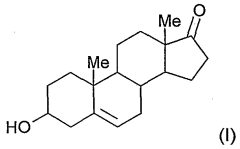
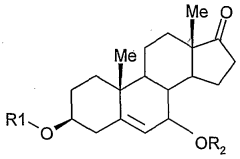
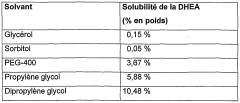
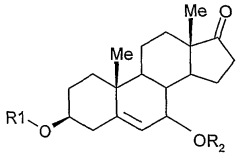
- Incorporating dipropylene glycol as a solubilizer for DHEA and its derivatives, which can be mixed at various temperatures to prevent recrystallization and enhance solubility, allowing for stable and effective topical formulations without compromising cosmetic properties.
Composition containing a steroid and a glycol
PatentInactiveEP1414403A1
Innovation
- Incorporating dipropylene glycol as a solubilizer for DHEA and its derivatives, allowing for their dissolution and stabilization, thereby preventing recrystallization and maintaining cosmetic properties.
Regulatory Compliance
Regulatory compliance is a critical aspect of incorporating Dipropylene Glycol (DPG) in skincare products, particularly those aimed at deep moisturization. The use of DPG in cosmetic formulations is subject to various regulations and guidelines set by different regulatory bodies worldwide.
In the United States, the Food and Drug Administration (FDA) oversees the regulation of cosmetic products. While DPG is generally recognized as safe (GRAS) for use in cosmetics, manufacturers must ensure that their products containing DPG comply with the Federal Food, Drug, and Cosmetic Act and the Fair Packaging and Labeling Act. These regulations require accurate labeling and ensure that the product is safe for its intended use.
The European Union (EU) has more stringent regulations for cosmetic ingredients. Under the EU Cosmetics Regulation (EC) No 1223/2009, DPG is listed in Annex V as a permitted preservative with a maximum concentration of 1.0% in leave-on products. However, when used for its moisturizing properties rather than as a preservative, different considerations may apply. Manufacturers must ensure that their use of DPG aligns with the EU's safety assessment requirements and ingredient listing regulations.
In Japan, the Ministry of Health, Labour and Welfare regulates cosmetics through the Pharmaceutical Affairs Law. DPG is included in the list of approved ingredients for quasi-drugs and cosmetics. However, manufacturers must adhere to specific concentration limits and labeling requirements when incorporating DPG into their skincare formulations.
Globally, the International Nomenclature of Cosmetic Ingredients (INCI) system provides standardized names for cosmetic ingredients. DPG is typically listed as "Dipropylene Glycol" on product labels, ensuring consistency across different markets and facilitating consumer understanding.
Manufacturers developing skincare products with DPG for deep moisturization must also consider potential allergen regulations. While DPG is not commonly associated with allergic reactions, some regulatory bodies may require additional testing or labeling if the concentration exceeds certain thresholds or if the product makes specific claims related to skin sensitivity.
To ensure compliance, companies must stay updated on regulatory changes across different markets. This includes monitoring for any new scientific data or risk assessments that may impact the regulatory status of DPG. Additionally, manufacturers should be prepared to provide safety data and efficacy studies to support their use of DPG in skincare formulations, particularly when making claims about deep moisturization.
Compliance with good manufacturing practices (GMP) is another crucial aspect of regulatory adherence. Manufacturers must ensure that their production processes, quality control measures, and documentation meet the GMP standards set by relevant authorities. This includes maintaining proper records of ingredient sourcing, batch production, and product testing.
In the United States, the Food and Drug Administration (FDA) oversees the regulation of cosmetic products. While DPG is generally recognized as safe (GRAS) for use in cosmetics, manufacturers must ensure that their products containing DPG comply with the Federal Food, Drug, and Cosmetic Act and the Fair Packaging and Labeling Act. These regulations require accurate labeling and ensure that the product is safe for its intended use.
The European Union (EU) has more stringent regulations for cosmetic ingredients. Under the EU Cosmetics Regulation (EC) No 1223/2009, DPG is listed in Annex V as a permitted preservative with a maximum concentration of 1.0% in leave-on products. However, when used for its moisturizing properties rather than as a preservative, different considerations may apply. Manufacturers must ensure that their use of DPG aligns with the EU's safety assessment requirements and ingredient listing regulations.
In Japan, the Ministry of Health, Labour and Welfare regulates cosmetics through the Pharmaceutical Affairs Law. DPG is included in the list of approved ingredients for quasi-drugs and cosmetics. However, manufacturers must adhere to specific concentration limits and labeling requirements when incorporating DPG into their skincare formulations.
Globally, the International Nomenclature of Cosmetic Ingredients (INCI) system provides standardized names for cosmetic ingredients. DPG is typically listed as "Dipropylene Glycol" on product labels, ensuring consistency across different markets and facilitating consumer understanding.
Manufacturers developing skincare products with DPG for deep moisturization must also consider potential allergen regulations. While DPG is not commonly associated with allergic reactions, some regulatory bodies may require additional testing or labeling if the concentration exceeds certain thresholds or if the product makes specific claims related to skin sensitivity.
To ensure compliance, companies must stay updated on regulatory changes across different markets. This includes monitoring for any new scientific data or risk assessments that may impact the regulatory status of DPG. Additionally, manufacturers should be prepared to provide safety data and efficacy studies to support their use of DPG in skincare formulations, particularly when making claims about deep moisturization.
Compliance with good manufacturing practices (GMP) is another crucial aspect of regulatory adherence. Manufacturers must ensure that their production processes, quality control measures, and documentation meet the GMP standards set by relevant authorities. This includes maintaining proper records of ingredient sourcing, batch production, and product testing.
Skin Microbiome Impact
The impact of dipropylene glycol (DPG) on the skin microbiome is a crucial aspect to consider in skincare formulations. The skin microbiome, a complex ecosystem of microorganisms residing on the skin's surface, plays a vital role in maintaining skin health and barrier function. DPG's influence on this delicate balance can have significant implications for overall skin health and the efficacy of skincare products.
DPG, as a humectant and solvent, has the potential to alter the skin's microenvironment, which in turn affects the microbial communities present. Its hygroscopic properties can increase skin hydration, potentially creating a more hospitable environment for certain microorganisms. This increased moisture content may lead to shifts in the microbial population, potentially favoring the growth of beneficial bacteria that thrive in hydrated conditions.
However, the impact of DPG on the skin microbiome is not uniform across all microbial species. Some studies suggest that DPG may have mild antimicrobial properties, which could selectively inhibit the growth of certain microorganisms. This selective pressure could potentially lead to a rebalancing of the microbial ecosystem, promoting the growth of more resilient or beneficial species while suppressing potentially harmful ones.
The interaction between DPG and the skin microbiome may also influence the skin's barrier function. By modulating the microbial composition, DPG could indirectly affect the production of antimicrobial peptides and other protective factors produced by both the skin and its resident microorganisms. This interplay could contribute to enhanced skin defense mechanisms and improved overall skin health.
Furthermore, the impact of DPG on the skin microbiome may vary depending on the individual's existing microbial profile and skin condition. Factors such as age, gender, environmental exposure, and pre-existing skin conditions can all influence how the microbiome responds to DPG-containing skincare products. This variability underscores the importance of personalized skincare approaches that consider an individual's unique microbial ecosystem.
Long-term use of DPG in skincare products may lead to adaptive changes in the skin microbiome. Regular exposure could potentially result in a more stable and resilient microbial community, better equipped to maintain skin health and resist perturbations from external factors. However, more research is needed to fully understand the long-term effects of DPG on microbial diversity and skin health outcomes.
In conclusion, the impact of DPG on the skin microbiome is a complex and multifaceted topic that warrants further investigation. As the importance of the skin microbiome in overall skin health becomes increasingly recognized, understanding how skincare ingredients like DPG interact with and influence microbial communities will be crucial for developing more effective and microbiome-friendly skincare solutions.
DPG, as a humectant and solvent, has the potential to alter the skin's microenvironment, which in turn affects the microbial communities present. Its hygroscopic properties can increase skin hydration, potentially creating a more hospitable environment for certain microorganisms. This increased moisture content may lead to shifts in the microbial population, potentially favoring the growth of beneficial bacteria that thrive in hydrated conditions.
However, the impact of DPG on the skin microbiome is not uniform across all microbial species. Some studies suggest that DPG may have mild antimicrobial properties, which could selectively inhibit the growth of certain microorganisms. This selective pressure could potentially lead to a rebalancing of the microbial ecosystem, promoting the growth of more resilient or beneficial species while suppressing potentially harmful ones.
The interaction between DPG and the skin microbiome may also influence the skin's barrier function. By modulating the microbial composition, DPG could indirectly affect the production of antimicrobial peptides and other protective factors produced by both the skin and its resident microorganisms. This interplay could contribute to enhanced skin defense mechanisms and improved overall skin health.
Furthermore, the impact of DPG on the skin microbiome may vary depending on the individual's existing microbial profile and skin condition. Factors such as age, gender, environmental exposure, and pre-existing skin conditions can all influence how the microbiome responds to DPG-containing skincare products. This variability underscores the importance of personalized skincare approaches that consider an individual's unique microbial ecosystem.
Long-term use of DPG in skincare products may lead to adaptive changes in the skin microbiome. Regular exposure could potentially result in a more stable and resilient microbial community, better equipped to maintain skin health and resist perturbations from external factors. However, more research is needed to fully understand the long-term effects of DPG on microbial diversity and skin health outcomes.
In conclusion, the impact of DPG on the skin microbiome is a complex and multifaceted topic that warrants further investigation. As the importance of the skin microbiome in overall skin health becomes increasingly recognized, understanding how skincare ingredients like DPG interact with and influence microbial communities will be crucial for developing more effective and microbiome-friendly skincare solutions.
Unlock deeper insights with Patsnap Eureka Quick Research — get a full tech report to explore trends and direct your research. Try now!
Generate Your Research Report Instantly with AI Agent
Supercharge your innovation with Patsnap Eureka AI Agent Platform!