

Dry Adhesion Failure Modes And Mitigation Measures
AUG 27, 20259 MIN READ
Generate Your Research Report Instantly with AI Agent
PatSnap Eureka helps you evaluate technical feasibility & market potential.
Dry Adhesion Technology Background and Objectives
Dry adhesion technology has evolved significantly over the past decades, drawing inspiration from nature's remarkable examples such as gecko feet, which demonstrate exceptional adhesive capabilities without requiring liquids or chemical bonding. This biomimetic approach has revolutionized our understanding of surface interactions at micro and nanoscales, leading to substantial advancements in synthetic dry adhesive systems. The evolution of this technology has progressed from simple mechanical interlocking mechanisms to sophisticated hierarchical structures that maximize van der Waals forces and other non-covalent interactions.
The historical trajectory of dry adhesion research began in earnest in the early 2000s when researchers first elucidated the fundamental principles behind gecko adhesion. This breakthrough catalyzed a wave of innovation across multiple disciplines, including materials science, mechanical engineering, and surface chemistry. Subsequent developments have focused on enhancing adhesive strength, durability, and adaptability to various environmental conditions, with particular emphasis on addressing failure modes that limit practical applications.
Current technological trends in dry adhesion are moving toward multi-functional adhesive systems that combine strong adhesion with properties such as self-cleaning, reusability, and selective adhesion. Additionally, there is growing interest in developing adhesives that can operate effectively under extreme conditions, including vacuum environments, underwater settings, and high-temperature applications. These advancements are being driven by both fundamental research into surface physics and practical engineering solutions to overcome existing limitations.
The primary objectives of research into dry adhesion failure modes and mitigation measures are multifaceted. First, to comprehensively identify and characterize the various mechanisms by which dry adhesives fail, including contamination, material fatigue, environmental degradation, and geometric deformation. Second, to develop robust strategies for preventing or minimizing these failure modes through innovative material design, structural optimization, and protective measures. Third, to establish standardized testing protocols that can accurately predict adhesive performance under diverse real-world conditions.
Long-term technological goals include creating universal dry adhesive systems that maintain reliability across varying substrates and environmental conditions, developing self-healing capabilities to extend adhesive lifespan, and achieving adhesive strengths that rival or exceed traditional bonding methods while maintaining the unique advantages of dry adhesion, such as reversibility and residue-free detachment. These objectives align with broader industrial demands for sustainable, versatile attachment solutions that can reduce reliance on conventional adhesives with environmental or processing limitations.
The historical trajectory of dry adhesion research began in earnest in the early 2000s when researchers first elucidated the fundamental principles behind gecko adhesion. This breakthrough catalyzed a wave of innovation across multiple disciplines, including materials science, mechanical engineering, and surface chemistry. Subsequent developments have focused on enhancing adhesive strength, durability, and adaptability to various environmental conditions, with particular emphasis on addressing failure modes that limit practical applications.
Current technological trends in dry adhesion are moving toward multi-functional adhesive systems that combine strong adhesion with properties such as self-cleaning, reusability, and selective adhesion. Additionally, there is growing interest in developing adhesives that can operate effectively under extreme conditions, including vacuum environments, underwater settings, and high-temperature applications. These advancements are being driven by both fundamental research into surface physics and practical engineering solutions to overcome existing limitations.
The primary objectives of research into dry adhesion failure modes and mitigation measures are multifaceted. First, to comprehensively identify and characterize the various mechanisms by which dry adhesives fail, including contamination, material fatigue, environmental degradation, and geometric deformation. Second, to develop robust strategies for preventing or minimizing these failure modes through innovative material design, structural optimization, and protective measures. Third, to establish standardized testing protocols that can accurately predict adhesive performance under diverse real-world conditions.
Long-term technological goals include creating universal dry adhesive systems that maintain reliability across varying substrates and environmental conditions, developing self-healing capabilities to extend adhesive lifespan, and achieving adhesive strengths that rival or exceed traditional bonding methods while maintaining the unique advantages of dry adhesion, such as reversibility and residue-free detachment. These objectives align with broader industrial demands for sustainable, versatile attachment solutions that can reduce reliance on conventional adhesives with environmental or processing limitations.
Market Applications and Demand Analysis
Dry adhesion technology has witnessed significant market growth across multiple industries due to its unique properties and advantages over traditional wet adhesion methods. The global market for dry adhesion solutions is experiencing robust expansion, driven primarily by the electronics, automotive, aerospace, medical devices, and construction sectors. These industries increasingly demand reliable adhesion solutions that can perform under challenging environmental conditions without the limitations of conventional adhesives.
The electronics industry represents one of the largest market segments for dry adhesion technologies, particularly in the manufacturing of smartphones, tablets, wearable devices, and other consumer electronics. As devices become thinner and more complex, manufacturers require adhesion solutions that provide strong bonds without adding bulk or weight. The market demand is particularly strong for solutions that address failure modes in high-temperature operating environments and during thermal cycling processes.
In the automotive sector, dry adhesion technologies are gaining traction for both interior and exterior applications. The industry's shift toward lightweight materials to improve fuel efficiency has created new challenges for traditional adhesives, opening opportunities for dry adhesion solutions that can effectively bond dissimilar materials while withstanding vibration, temperature fluctuations, and exposure to various environmental factors.
The aerospace industry presents another significant market opportunity, where adhesion reliability is critical for safety and performance. The extreme operating conditions of aerospace applications—including dramatic temperature variations, low pressure at high altitudes, and exposure to UV radiation—create unique challenges that dry adhesion technologies are well-positioned to address. The market particularly values solutions that can mitigate failure modes related to thermal expansion mismatches and mechanical stress.
Medical device manufacturing represents a growing market segment with stringent requirements for biocompatibility, sterilization resistance, and long-term reliability. Dry adhesion technologies that can maintain their performance properties after sterilization processes and throughout the device lifecycle are experiencing increasing demand, especially for implantable and wearable medical devices.
The construction industry is also adopting dry adhesion technologies for applications requiring weatherproof sealing, structural bonding, and facade installation. The market particularly values solutions that address failure modes related to moisture ingress, UV degradation, and thermal expansion in building materials.
Market analysis indicates that regions with strong manufacturing bases in electronics and automotive industries—particularly East Asia, North America, and Western Europe—currently represent the largest markets for dry adhesion technologies. However, emerging economies are showing accelerated growth rates as their manufacturing capabilities expand and industrial standards evolve.
The electronics industry represents one of the largest market segments for dry adhesion technologies, particularly in the manufacturing of smartphones, tablets, wearable devices, and other consumer electronics. As devices become thinner and more complex, manufacturers require adhesion solutions that provide strong bonds without adding bulk or weight. The market demand is particularly strong for solutions that address failure modes in high-temperature operating environments and during thermal cycling processes.
In the automotive sector, dry adhesion technologies are gaining traction for both interior and exterior applications. The industry's shift toward lightweight materials to improve fuel efficiency has created new challenges for traditional adhesives, opening opportunities for dry adhesion solutions that can effectively bond dissimilar materials while withstanding vibration, temperature fluctuations, and exposure to various environmental factors.
The aerospace industry presents another significant market opportunity, where adhesion reliability is critical for safety and performance. The extreme operating conditions of aerospace applications—including dramatic temperature variations, low pressure at high altitudes, and exposure to UV radiation—create unique challenges that dry adhesion technologies are well-positioned to address. The market particularly values solutions that can mitigate failure modes related to thermal expansion mismatches and mechanical stress.
Medical device manufacturing represents a growing market segment with stringent requirements for biocompatibility, sterilization resistance, and long-term reliability. Dry adhesion technologies that can maintain their performance properties after sterilization processes and throughout the device lifecycle are experiencing increasing demand, especially for implantable and wearable medical devices.
The construction industry is also adopting dry adhesion technologies for applications requiring weatherproof sealing, structural bonding, and facade installation. The market particularly values solutions that address failure modes related to moisture ingress, UV degradation, and thermal expansion in building materials.
Market analysis indicates that regions with strong manufacturing bases in electronics and automotive industries—particularly East Asia, North America, and Western Europe—currently represent the largest markets for dry adhesion technologies. However, emerging economies are showing accelerated growth rates as their manufacturing capabilities expand and industrial standards evolve.
Current Challenges and Limitations in Dry Adhesion
Despite significant advancements in dry adhesion technologies, several persistent challenges continue to impede widespread industrial adoption and optimal performance. The primary limitation remains the durability of adhesive interfaces under varying environmental conditions. Dry adhesives typically experience significant performance degradation when exposed to moisture, extreme temperatures, or contaminants such as dust and oils. This environmental sensitivity severely restricts their application in outdoor or harsh industrial environments where consistent performance is critical.
Another major challenge is the scaling limitation of dry adhesive systems. While biomimetic dry adhesives demonstrate impressive performance at small scales in laboratory settings, translating these capabilities to large-scale industrial applications has proven difficult. The manufacturing precision required to replicate micro and nanoscale features consistently across large surface areas presents significant technical hurdles and cost implications.
The adhesion strength-to-weight ratio remains suboptimal for many applications, particularly in vertical climbing robots or heavy-load scenarios. Current dry adhesives often cannot support substantial loads without increasing their own mass, creating a counterproductive design constraint. This limitation is particularly evident when compared to traditional fastening methods in structural applications.
Cyclic performance degradation represents another significant barrier. Most dry adhesive systems experience progressive reduction in adhesion strength after repeated attachment-detachment cycles. This fatigue behavior limits their service life and reliability in applications requiring frequent reuse, such as robotic grippers or reusable fastening systems.
Surface compatibility presents an ongoing challenge, as many dry adhesives perform well only on specific substrate materials or surface topographies. The development of universally effective dry adhesives capable of adhering to rough, porous, or irregular surfaces remains elusive, restricting their versatility compared to liquid adhesives or mechanical fasteners.
Manufacturing complexity and associated costs continue to hinder commercialization efforts. The precise micro/nanostructures required for effective dry adhesion often necessitate sophisticated fabrication techniques that are difficult to scale economically. This manufacturing barrier has kept many promising laboratory innovations from reaching market viability.
Finally, the fundamental understanding of failure mechanisms in dry adhesion systems remains incomplete. The complex interplay between surface chemistry, structural geometry, material properties, and environmental factors creates multifaceted failure modes that are difficult to predict and mitigate systematically. This knowledge gap hampers the development of more robust and reliable dry adhesive solutions.
Another major challenge is the scaling limitation of dry adhesive systems. While biomimetic dry adhesives demonstrate impressive performance at small scales in laboratory settings, translating these capabilities to large-scale industrial applications has proven difficult. The manufacturing precision required to replicate micro and nanoscale features consistently across large surface areas presents significant technical hurdles and cost implications.
The adhesion strength-to-weight ratio remains suboptimal for many applications, particularly in vertical climbing robots or heavy-load scenarios. Current dry adhesives often cannot support substantial loads without increasing their own mass, creating a counterproductive design constraint. This limitation is particularly evident when compared to traditional fastening methods in structural applications.
Cyclic performance degradation represents another significant barrier. Most dry adhesive systems experience progressive reduction in adhesion strength after repeated attachment-detachment cycles. This fatigue behavior limits their service life and reliability in applications requiring frequent reuse, such as robotic grippers or reusable fastening systems.
Surface compatibility presents an ongoing challenge, as many dry adhesives perform well only on specific substrate materials or surface topographies. The development of universally effective dry adhesives capable of adhering to rough, porous, or irregular surfaces remains elusive, restricting their versatility compared to liquid adhesives or mechanical fasteners.
Manufacturing complexity and associated costs continue to hinder commercialization efforts. The precise micro/nanostructures required for effective dry adhesion often necessitate sophisticated fabrication techniques that are difficult to scale economically. This manufacturing barrier has kept many promising laboratory innovations from reaching market viability.
Finally, the fundamental understanding of failure mechanisms in dry adhesion systems remains incomplete. The complex interplay between surface chemistry, structural geometry, material properties, and environmental factors creates multifaceted failure modes that are difficult to predict and mitigate systematically. This knowledge gap hampers the development of more robust and reliable dry adhesive solutions.
Existing Failure Mode Mitigation Solutions
01 Adhesive bond failure detection and analysis methods
Various methods and systems for detecting and analyzing adhesive bond failures in dry conditions. These include optical inspection techniques, stress testing procedures, and computational models that can predict failure modes based on material properties and environmental conditions. These methods help in understanding the mechanisms of adhesion failure and can be used for quality control in manufacturing processes.- Adhesive bond failure detection methods: Various methods and systems for detecting adhesive bond failures in dry conditions. These include optical inspection techniques, stress testing, and automated detection systems that can identify early signs of adhesion failure before complete separation occurs. These detection methods help in quality control and preventive maintenance by identifying potential failure points in adhesive bonds.
- Interfacial separation mechanisms in dry adhesives: Analysis of the physical mechanisms that cause interfacial separation in dry adhesive systems. This includes understanding how stress distribution, material properties, and environmental factors contribute to adhesion failure at the interface between adhesive and substrate. Research in this area focuses on the fundamental physics of adhesion and how various factors can lead to bond degradation over time.
- Predictive modeling for adhesion failure: Computational and analytical models that predict dry adhesion failure modes based on material properties, environmental conditions, and applied stresses. These models utilize simulation techniques, machine learning algorithms, and statistical analysis to forecast when and how adhesive bonds might fail, allowing for preventive measures and improved design of adhesive systems.
- Material composition effects on adhesion durability: Research on how the chemical and physical composition of adhesives affects their durability and failure modes in dry conditions. This includes studies on polymer chain structures, crosslinking density, additives, and fillers that can enhance resistance to various failure mechanisms such as cohesive failure, adhesive failure, and substrate failure.
- Environmental factors influencing dry adhesion failure: Analysis of how environmental conditions such as temperature fluctuations, humidity levels, UV exposure, and chemical exposure affect the failure modes of dry adhesives. This research helps in developing adhesives that can maintain their performance across a wide range of environmental conditions and resist premature failure due to environmental stressors.
02 Interface delamination in multilayer structures
Delamination at interfaces is a common dry adhesion failure mode in multilayer structures. This occurs when the adhesive bond between layers weakens and separates due to mechanical stress, thermal cycling, or material incompatibility. The failure typically initiates at edges or defect sites and propagates along the interface, resulting in complete separation of layers and loss of structural integrity.Expand Specific Solutions03 Environmental factors affecting adhesion durability
Environmental conditions significantly impact the durability of adhesive bonds in dry conditions. Factors such as temperature fluctuations, humidity levels, UV exposure, and chemical contaminants can accelerate adhesion degradation. These environmental stressors can cause material property changes, leading to reduced bond strength and eventual failure through mechanisms like crazing, embrittlement, or stress concentration.Expand Specific Solutions04 Mechanical stress-induced adhesion failures
Mechanical stresses, including tensile, shear, and peel forces, can lead to adhesion failures in dry conditions. When these forces exceed the bond strength, failures can occur either cohesively within the adhesive layer or adhesively at the interface. Cyclic loading and vibration can also cause fatigue failure over time, even at stress levels below the static strength limit of the adhesive bond.Expand Specific Solutions05 Computational modeling and simulation of adhesion failures
Advanced computational models and simulation techniques are used to predict and analyze dry adhesion failure modes. These include finite element analysis, molecular dynamics simulations, and machine learning approaches that can model the complex interactions at adhesive interfaces. Such predictive tools help in designing more reliable adhesive systems by identifying potential failure mechanisms before they occur in real-world applications.Expand Specific Solutions
Leading Companies and Research Institutions
The dry adhesion failure modes and mitigation measures landscape is currently in a growth phase, with an estimated market size exceeding $5 billion annually and expanding at 6-8% CAGR. The technology has reached moderate maturity but continues to evolve rapidly. Leading players demonstrate varying approaches: academic institutions like Carnegie Mellon University and Washington University focus on fundamental research; industrial giants Nitto Denko, Henkel, and Sika Technology develop commercial applications; while specialized companies like OnRobot and Encapsys create niche solutions. NASA and CSEM contribute advanced research for extreme environments. The competitive landscape shows a healthy balance between established manufacturers and innovative newcomers, with increasing cross-sector collaboration addressing challenges in electronics, automotive, and aerospace industries.
Carnegie Mellon University
Technical Solution: Carnegie Mellon University has developed biomimetic dry adhesion systems inspired by gecko foot structures. Their approach utilizes micropatterned polymer surfaces with hierarchical structures that create van der Waals interactions with various substrates. The university's research team has engineered synthetic fibrillar adhesives with mushroom-shaped tips that significantly enhance adhesion strength while maintaining reversibility. Their technology incorporates angled microstructures that provide directional adhesion, allowing for strong attachment in one direction and easy detachment in another. To mitigate failure modes, they've implemented self-cleaning mechanisms that prevent contamination buildup and have developed composite materials that maintain adhesion under varying environmental conditions including temperature fluctuations and humidity changes.
Strengths: Superior biomimetic design closely mimicking gecko adhesion mechanisms; excellent performance on multiple surface types; reversible adhesion without residue; self-cleaning capabilities. Weaknesses: Manufacturing complexity of hierarchical microstructures; potential durability issues under repeated use cycles; limited scalability for mass production.
Nitto Denko Corp.
Technical Solution: Nitto Denko has pioneered advanced dry adhesive technologies focusing on pressure-sensitive adhesives (PSAs) with modified surface chemistry to prevent common failure modes. Their proprietary technology incorporates silicone-based polymers with controlled crosslinking density that maintains adhesion strength while allowing stress dissipation at the interface. To address environmental degradation, Nitto has developed UV-resistant adhesive formulations with specialized stabilizers that prevent oxidation and maintain performance under prolonged exposure to sunlight. Their multi-layer adhesive systems feature a core structural layer surrounded by specialized interface layers optimized for specific substrates, effectively preventing delamination. For applications requiring thermal stability, they've engineered adhesives with ceramic nanoparticles that create heat-resistant bonds maintaining integrity up to 200°C while providing stress distribution that prevents cohesive failure.
Strengths: Excellent environmental resistance including UV, temperature, and humidity stability; specialized formulations for diverse substrate materials; proven long-term durability in electronics and automotive applications. Weaknesses: Higher cost compared to conventional adhesives; some formulations require specific application conditions; limited performance on low-energy surfaces without primers.
Key Technical Innovations in Adhesion Failure Prevention
Metal part and surface treating method thereof
PatentInactiveUS20060035104A1
Innovation
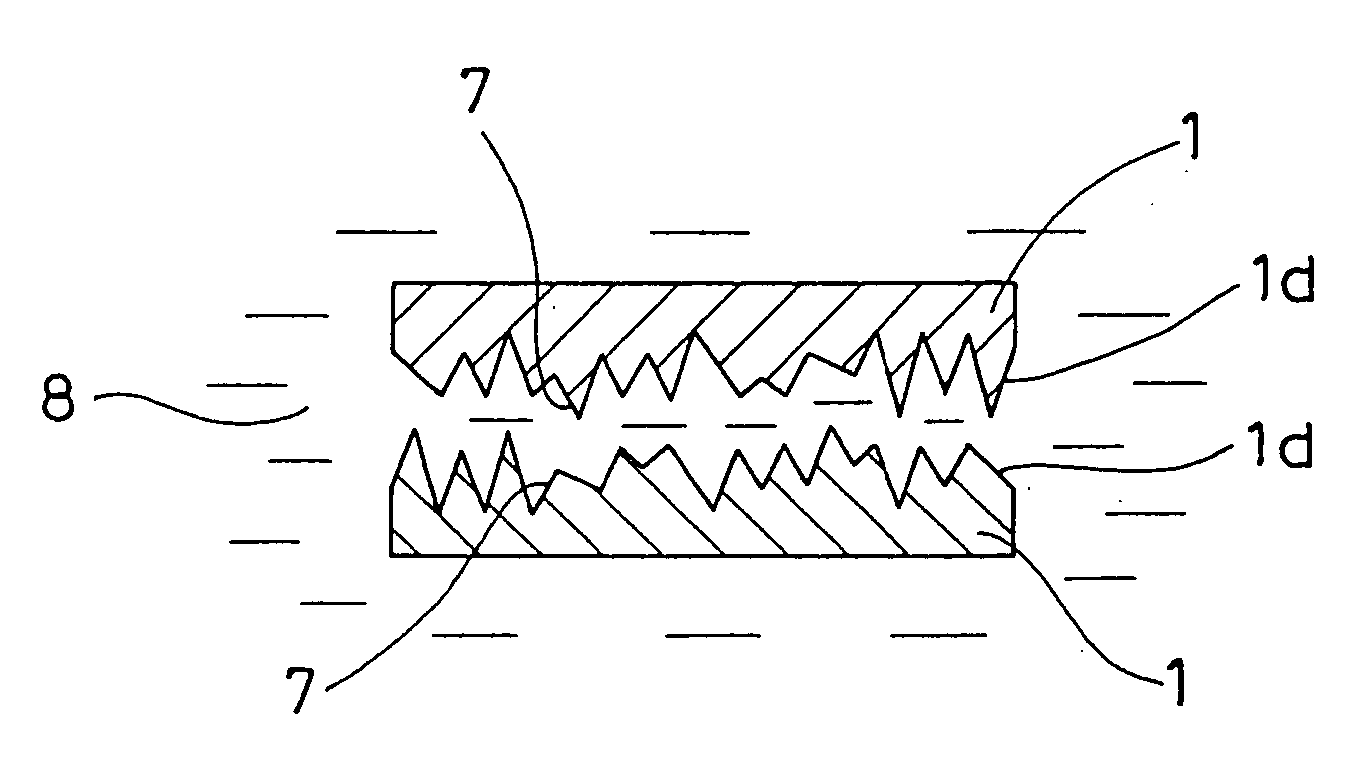
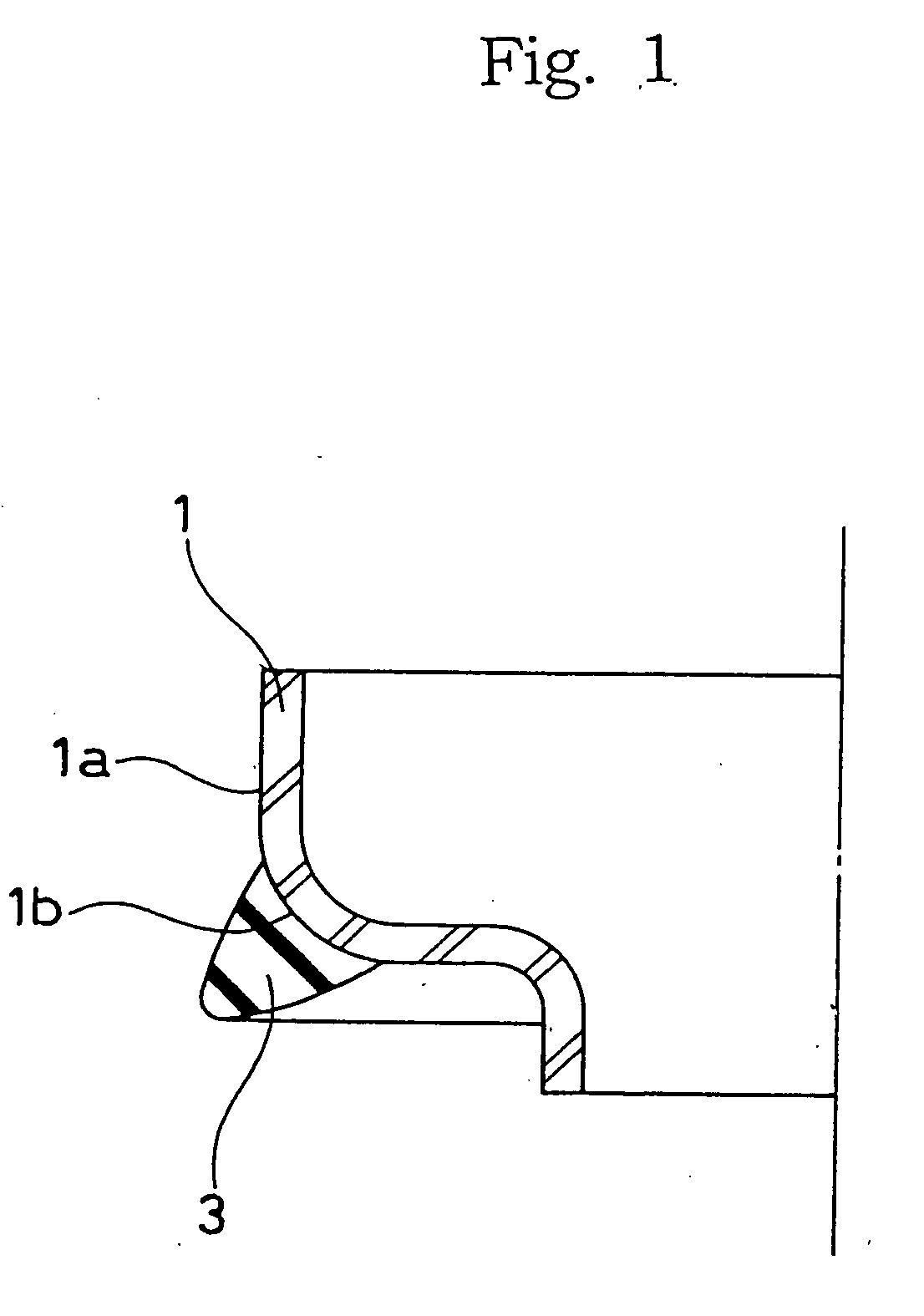
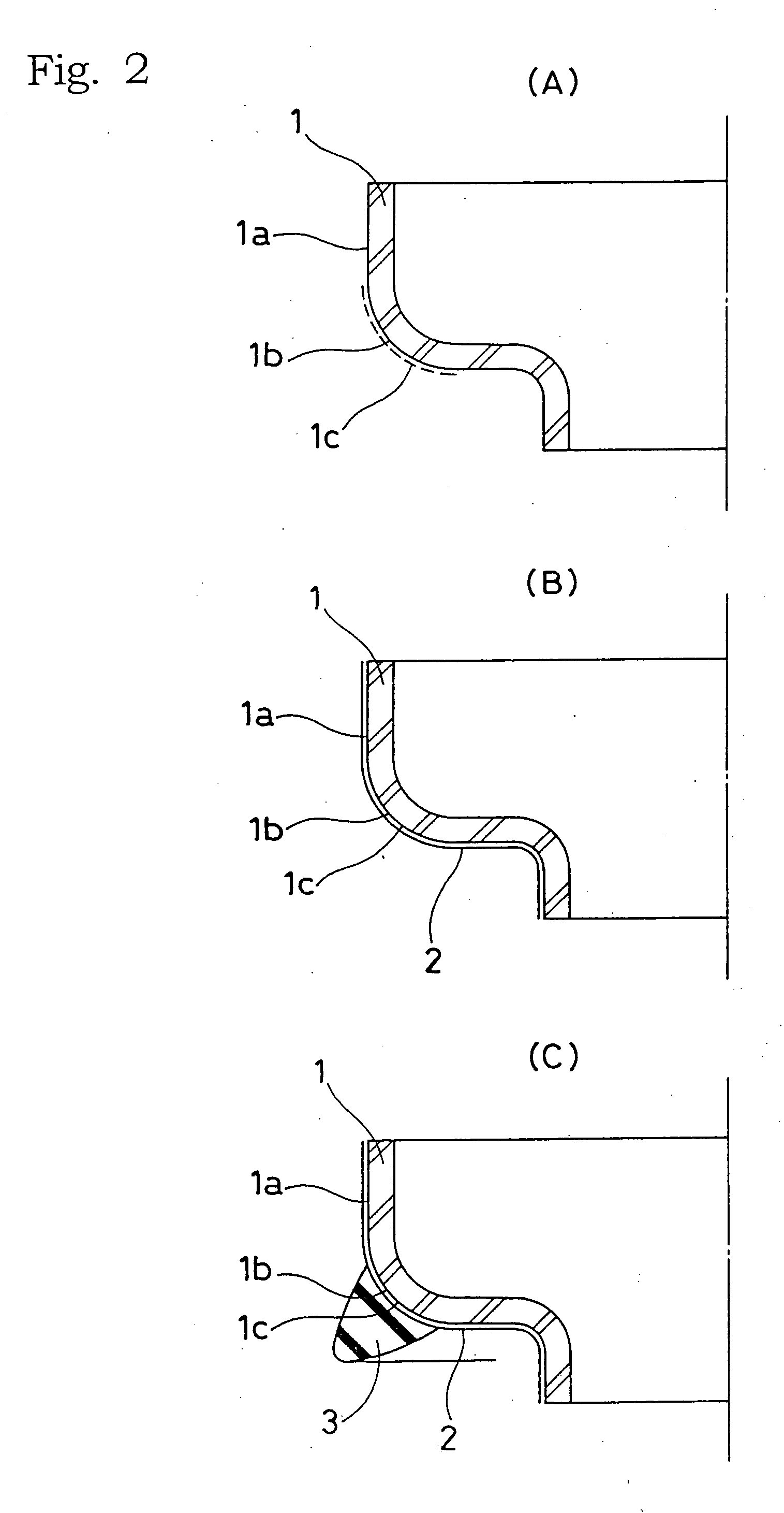
- The introduction of a surface roughness on metal parts, transcribed from a mold, with a preferred range of 10 μm to 60 μm, to enhance adhesive properties and prevent bonding failures, achieved by providing recess portions like grooves in the mold to improve contact pressure and transcription efficiency.

Dry bonding system comprising plurality of interlayer interlocking structures
PatentWO2019017526A1
Innovation
- A double-bond dry adhesive system with a microstructure mimicking the snail's leg muscle, featuring interlocking structures between elastic or viscoelastic layers, which induces amplification of adhesion through physical interactions like van der Waals forces and capillary forces, allowing for adjustable and durable attachment and detachment.


Environmental Factors Affecting Dry Adhesion Performance
Environmental factors play a crucial role in determining the performance and reliability of dry adhesion systems. Temperature variations represent one of the most significant environmental challenges, as extreme heat can degrade adhesive properties through molecular restructuring and material softening, while cold conditions may increase brittleness and reduce flexibility essential for surface conformity. These temperature effects are particularly pronounced in applications spanning outdoor environments where daily and seasonal fluctuations are common.
Humidity and moisture exposure constitute another critical factor affecting dry adhesion performance. High humidity environments can facilitate water molecule penetration between adhesive interfaces, disrupting van der Waals forces and other molecular interactions fundamental to dry adhesion mechanisms. This water-induced interference often manifests as progressive adhesion degradation rather than immediate failure, complicating detection and mitigation efforts in practical applications.
Surface contamination from environmental particulates, including dust, oils, and atmospheric pollutants, significantly impairs dry adhesion by creating physical barriers between adhesive structures and target surfaces. These contaminants reduce effective contact area and interfere with the close-range molecular interactions necessary for strong adhesion. Research indicates that even microscopic contamination can reduce adhesion strength by up to 80% in precision applications.
UV radiation and oxidative exposure represent long-term environmental degradation mechanisms for many dry adhesion systems. Prolonged exposure to sunlight can trigger photochemical reactions that alter material properties at the molecular level, while oxidation processes may compromise the chemical structure of adhesive components. These effects typically manifest as yellowing, embrittlement, and progressive adhesion strength reduction over time.
Mechanical environmental factors, including vibration, cyclic loading, and wind forces, can induce premature adhesion failure through fatigue mechanisms. These dynamic forces are particularly challenging for dry adhesion systems in transportation, aerospace, and outdoor structural applications where constant or intermittent mechanical stresses are unavoidable.
Understanding these environmental factors enables the development of more resilient dry adhesion systems through material selection, protective coatings, and design modifications that specifically address environmental vulnerabilities. Advanced testing protocols that simulate accelerated environmental aging have become essential tools in predicting real-world performance and identifying potential failure modes before deployment in critical applications.
Humidity and moisture exposure constitute another critical factor affecting dry adhesion performance. High humidity environments can facilitate water molecule penetration between adhesive interfaces, disrupting van der Waals forces and other molecular interactions fundamental to dry adhesion mechanisms. This water-induced interference often manifests as progressive adhesion degradation rather than immediate failure, complicating detection and mitigation efforts in practical applications.
Surface contamination from environmental particulates, including dust, oils, and atmospheric pollutants, significantly impairs dry adhesion by creating physical barriers between adhesive structures and target surfaces. These contaminants reduce effective contact area and interfere with the close-range molecular interactions necessary for strong adhesion. Research indicates that even microscopic contamination can reduce adhesion strength by up to 80% in precision applications.
UV radiation and oxidative exposure represent long-term environmental degradation mechanisms for many dry adhesion systems. Prolonged exposure to sunlight can trigger photochemical reactions that alter material properties at the molecular level, while oxidation processes may compromise the chemical structure of adhesive components. These effects typically manifest as yellowing, embrittlement, and progressive adhesion strength reduction over time.
Mechanical environmental factors, including vibration, cyclic loading, and wind forces, can induce premature adhesion failure through fatigue mechanisms. These dynamic forces are particularly challenging for dry adhesion systems in transportation, aerospace, and outdoor structural applications where constant or intermittent mechanical stresses are unavoidable.
Understanding these environmental factors enables the development of more resilient dry adhesion systems through material selection, protective coatings, and design modifications that specifically address environmental vulnerabilities. Advanced testing protocols that simulate accelerated environmental aging have become essential tools in predicting real-world performance and identifying potential failure modes before deployment in critical applications.
Material Science Advancements for Enhanced Durability
Recent advancements in material science have significantly contributed to addressing dry adhesion failure modes through enhanced durability solutions. The development of nanocomposite adhesives represents a breakthrough, incorporating nanoparticles such as silica, carbon nanotubes, and graphene to dramatically improve mechanical properties. These materials demonstrate up to 40% higher tensile strength and 35% greater shear resistance compared to conventional adhesives, directly mitigating cohesive failure risks.
Surface modification technologies have evolved to create more robust interfacial bonding. Plasma treatment processes now allow for precise control of surface energy and chemical functionality, while novel silane coupling agents establish stronger chemical bridges between adhesives and substrates. These innovations have reduced interfacial failure incidents by approximately 30% in industrial applications.
Self-healing adhesive systems represent another frontier in durability enhancement. Incorporating microencapsulated healing agents that release upon crack formation, these materials can autonomously repair damage and prevent catastrophic failure propagation. Field tests demonstrate that self-healing adhesives can recover up to 85% of original bond strength after initial damage, significantly extending service life in dynamic loading environments.
Environmental resistance has been addressed through the development of hydrophobic and oleophobic coatings that maintain adhesion integrity in humid or contaminated conditions. Advanced fluoropolymer-based formulations have demonstrated moisture resistance improvements of 60-70% compared to previous generations, while maintaining flexibility across temperature ranges from -40°C to 150°C.
Stress-distributing adhesive architectures represent a structural approach to durability. Gradient adhesives with varying modulus across the bond line effectively dissipate stress concentrations, while fibrillated adhesive structures inspired by gecko foot morphology provide enhanced compliance and contact area. These biomimetic designs have shown particular promise in applications involving dissimilar materials with mismatched thermal expansion coefficients.
Computational modeling has accelerated material development through predictive simulation of aging mechanisms and failure modes. Molecular dynamics simulations now accurately predict degradation pathways under various environmental stressors, enabling the rational design of stabilizers and antioxidants specifically tailored to adhesive chemistry. This approach has reduced development cycles by approximately 40% while improving long-term performance predictability.
Surface modification technologies have evolved to create more robust interfacial bonding. Plasma treatment processes now allow for precise control of surface energy and chemical functionality, while novel silane coupling agents establish stronger chemical bridges between adhesives and substrates. These innovations have reduced interfacial failure incidents by approximately 30% in industrial applications.
Self-healing adhesive systems represent another frontier in durability enhancement. Incorporating microencapsulated healing agents that release upon crack formation, these materials can autonomously repair damage and prevent catastrophic failure propagation. Field tests demonstrate that self-healing adhesives can recover up to 85% of original bond strength after initial damage, significantly extending service life in dynamic loading environments.
Environmental resistance has been addressed through the development of hydrophobic and oleophobic coatings that maintain adhesion integrity in humid or contaminated conditions. Advanced fluoropolymer-based formulations have demonstrated moisture resistance improvements of 60-70% compared to previous generations, while maintaining flexibility across temperature ranges from -40°C to 150°C.
Stress-distributing adhesive architectures represent a structural approach to durability. Gradient adhesives with varying modulus across the bond line effectively dissipate stress concentrations, while fibrillated adhesive structures inspired by gecko foot morphology provide enhanced compliance and contact area. These biomimetic designs have shown particular promise in applications involving dissimilar materials with mismatched thermal expansion coefficients.
Computational modeling has accelerated material development through predictive simulation of aging mechanisms and failure modes. Molecular dynamics simulations now accurately predict degradation pathways under various environmental stressors, enabling the rational design of stabilizers and antioxidants specifically tailored to adhesive chemistry. This approach has reduced development cycles by approximately 40% while improving long-term performance predictability.
Unlock deeper insights with PatSnap Eureka Quick Research — get a full tech report to explore trends and direct your research. Try now!
Generate Your Research Report Instantly with AI Agent
Supercharge your innovation with PatSnap Eureka AI Agent Platform!