Enhancing Heat Exchanger Efficiency through Surface Coatings
SEP 16, 20259 MIN READ
Generate Your Research Report Instantly with AI Agent
PatSnap Eureka helps you evaluate technical feasibility & market potential.
Heat Exchanger Coating Technology Background & Objectives
Heat exchanger technology has evolved significantly over the past century, with major advancements occurring since the 1950s when industrial applications began to demand more efficient thermal management solutions. The progression from simple shell-and-tube designs to complex plate, spiral, and microchannel configurations represents the industry's response to increasing efficiency requirements across various sectors including power generation, HVAC, petrochemical processing, and food production.
Surface coating technologies for heat exchangers emerged as a distinct field in the 1970s, initially focusing on corrosion resistance. By the 1990s, research expanded to include fouling mitigation coatings, which addressed the persistent challenge of performance degradation due to deposit accumulation. The past two decades have witnessed an acceleration in coating innovation, with the development of advanced hydrophobic, oleophobic, and antimicrobial surfaces that can significantly enhance heat transfer efficiency.
Current technological trends indicate a convergence of materials science, nanotechnology, and surface engineering in the development of next-generation heat exchanger coatings. Particularly promising are nanostructured coatings that can modify surface properties at the molecular level, creating unprecedented combinations of thermal conductivity, fouling resistance, and durability. These innovations are increasingly driven by computational modeling and machine learning approaches that optimize coating formulations for specific operating environments.
The primary objective of heat exchanger coating technology is to overcome the fundamental efficiency limitations imposed by fouling, corrosion, and suboptimal heat transfer characteristics. Specifically, advanced coatings aim to achieve a 15-30% improvement in overall heat transfer efficiency while extending operational lifespans by 2-3 times compared to uncoated systems. Secondary objectives include reducing maintenance frequency, minimizing pressure drops, and enabling operation in more extreme temperature and chemical environments.
Environmental considerations have become increasingly central to coating technology development, with recent regulations driving research toward water-based formulations, VOC-free applications, and non-toxic alternatives to traditional coating materials. The industry is progressively moving away from PFAS-containing coatings despite their excellent non-stick properties, creating opportunities for innovative bio-inspired solutions.
Looking forward, the field is targeting transformative capabilities such as self-healing coatings that can repair microdamage autonomously, stimuli-responsive surfaces that can adapt their properties based on operating conditions, and multifunctional coatings that simultaneously address multiple performance parameters. These ambitious goals represent the frontier of heat exchanger coating technology and form the foundation for current research initiatives.
Surface coating technologies for heat exchangers emerged as a distinct field in the 1970s, initially focusing on corrosion resistance. By the 1990s, research expanded to include fouling mitigation coatings, which addressed the persistent challenge of performance degradation due to deposit accumulation. The past two decades have witnessed an acceleration in coating innovation, with the development of advanced hydrophobic, oleophobic, and antimicrobial surfaces that can significantly enhance heat transfer efficiency.
Current technological trends indicate a convergence of materials science, nanotechnology, and surface engineering in the development of next-generation heat exchanger coatings. Particularly promising are nanostructured coatings that can modify surface properties at the molecular level, creating unprecedented combinations of thermal conductivity, fouling resistance, and durability. These innovations are increasingly driven by computational modeling and machine learning approaches that optimize coating formulations for specific operating environments.
The primary objective of heat exchanger coating technology is to overcome the fundamental efficiency limitations imposed by fouling, corrosion, and suboptimal heat transfer characteristics. Specifically, advanced coatings aim to achieve a 15-30% improvement in overall heat transfer efficiency while extending operational lifespans by 2-3 times compared to uncoated systems. Secondary objectives include reducing maintenance frequency, minimizing pressure drops, and enabling operation in more extreme temperature and chemical environments.
Environmental considerations have become increasingly central to coating technology development, with recent regulations driving research toward water-based formulations, VOC-free applications, and non-toxic alternatives to traditional coating materials. The industry is progressively moving away from PFAS-containing coatings despite their excellent non-stick properties, creating opportunities for innovative bio-inspired solutions.
Looking forward, the field is targeting transformative capabilities such as self-healing coatings that can repair microdamage autonomously, stimuli-responsive surfaces that can adapt their properties based on operating conditions, and multifunctional coatings that simultaneously address multiple performance parameters. These ambitious goals represent the frontier of heat exchanger coating technology and form the foundation for current research initiatives.
Market Demand Analysis for High-Efficiency Heat Exchangers
The global market for high-efficiency heat exchangers is experiencing robust growth driven by increasing energy costs, stringent environmental regulations, and the pursuit of operational efficiency across industries. Current market valuations indicate that the high-efficiency heat exchanger sector reached approximately 16.5 billion USD in 2022 and is projected to grow at a compound annual growth rate of 6.8% through 2030, significantly outpacing traditional heat exchanger technologies.
Industrial sectors, particularly oil and gas, chemical processing, and power generation, represent the largest demand segments, collectively accounting for over 60% of the market share. These industries are increasingly seeking advanced surface coating solutions that can enhance heat transfer efficiency while simultaneously addressing corrosion and fouling issues that plague conventional systems.
The HVAC industry presents another substantial market opportunity, with commercial and residential applications driving demand for compact, high-performance heat exchangers. As building energy codes become more stringent worldwide, the need for systems that can deliver superior thermal performance within smaller footprints has intensified, creating a premium market segment for coated heat exchangers that can deliver 15-30% efficiency improvements.
Geographically, Asia-Pacific represents the fastest-growing market region with China and India leading industrial expansion. North America and Europe maintain significant market shares driven by replacement demand and regulatory pressures to improve energy efficiency in existing facilities. The European market, in particular, shows strong preference for environmentally friendly coating technologies that comply with REACH and other chemical regulations.
Customer surveys indicate that the primary demand drivers for enhanced heat exchanger technologies include energy savings (cited by 78% of respondents), extended equipment lifespan (65%), reduced maintenance requirements (58%), and improved process reliability (52%). The potential for surface coatings to address multiple pain points simultaneously creates a compelling value proposition that customers are increasingly willing to pay premium prices for.
The market for specialized coatings specifically designed for heat exchanger applications is projected to grow at nearly 9% annually, outpacing the broader heat exchanger market. This acceleration reflects growing recognition of coating technologies as cost-effective solutions to improve performance without complete system redesign or replacement.
Emerging market segments include data center cooling applications, renewable energy systems, and advanced manufacturing processes, all of which require high-performance thermal management solutions that can operate reliably under demanding conditions. These applications often justify higher initial investments in premium coated heat exchangers due to the critical nature of their operations and the high cost of downtime.
Industrial sectors, particularly oil and gas, chemical processing, and power generation, represent the largest demand segments, collectively accounting for over 60% of the market share. These industries are increasingly seeking advanced surface coating solutions that can enhance heat transfer efficiency while simultaneously addressing corrosion and fouling issues that plague conventional systems.
The HVAC industry presents another substantial market opportunity, with commercial and residential applications driving demand for compact, high-performance heat exchangers. As building energy codes become more stringent worldwide, the need for systems that can deliver superior thermal performance within smaller footprints has intensified, creating a premium market segment for coated heat exchangers that can deliver 15-30% efficiency improvements.
Geographically, Asia-Pacific represents the fastest-growing market region with China and India leading industrial expansion. North America and Europe maintain significant market shares driven by replacement demand and regulatory pressures to improve energy efficiency in existing facilities. The European market, in particular, shows strong preference for environmentally friendly coating technologies that comply with REACH and other chemical regulations.
Customer surveys indicate that the primary demand drivers for enhanced heat exchanger technologies include energy savings (cited by 78% of respondents), extended equipment lifespan (65%), reduced maintenance requirements (58%), and improved process reliability (52%). The potential for surface coatings to address multiple pain points simultaneously creates a compelling value proposition that customers are increasingly willing to pay premium prices for.
The market for specialized coatings specifically designed for heat exchanger applications is projected to grow at nearly 9% annually, outpacing the broader heat exchanger market. This acceleration reflects growing recognition of coating technologies as cost-effective solutions to improve performance without complete system redesign or replacement.
Emerging market segments include data center cooling applications, renewable energy systems, and advanced manufacturing processes, all of which require high-performance thermal management solutions that can operate reliably under demanding conditions. These applications often justify higher initial investments in premium coated heat exchangers due to the critical nature of their operations and the high cost of downtime.
Current Surface Coating Technologies & Technical Barriers
Surface coating technologies for heat exchangers have evolved significantly over the past decade, with several approaches now established in commercial applications. Hydrophobic coatings, particularly those based on fluoropolymers and silicones, represent one of the most widely adopted solutions. These coatings create water-repellent surfaces that minimize fouling and scaling, thereby maintaining thermal efficiency over extended operational periods. Their implementation has shown efficiency improvements of 15-20% in various industrial settings, though durability remains a concern in high-temperature environments.
Anti-corrosion coatings, including epoxy-phenolic compounds and specialized metal alloys, have gained prominence in harsh chemical environments. These protective layers extend equipment lifespan by 30-50% and maintain consistent heat transfer rates by preventing surface degradation. However, their application often requires precise thickness control to avoid compromising thermal conductivity.
Thermal-conductive coatings represent a more recent innovation, incorporating materials such as diamond particles, graphene, or metallic nanoparticles to enhance heat transfer rates. Laboratory tests demonstrate potential efficiency improvements of 25-40%, though commercial-scale implementation faces challenges related to cost-effectiveness and application uniformity.
Despite these advancements, significant technical barriers persist. Coating adhesion under thermal cycling conditions remains problematic, with delamination occurring after 2,000-3,000 cycles in high-temperature applications. This limitation is particularly acute in industries requiring frequent thermal cycling, such as power generation and chemical processing.
Thermal resistance at the coating-substrate interface presents another major challenge. Even thin coatings (5-20 μm) can introduce thermal barriers that partially offset efficiency gains, particularly in high-flux applications. Current research focuses on minimizing this interface resistance while maintaining protective properties.
Scaling up precision coating technologies from laboratory to industrial scale introduces uniformity challenges. Variations in coating thickness of just 2-3 μm can lead to uneven heat transfer and localized hot spots, potentially compromising system integrity and performance predictability.
Long-term durability under operational conditions remains inadequately characterized. Most coating solutions demonstrate performance degradation of 5-15% annually, necessitating reapplication or maintenance that impacts operational economics. This degradation accelerates in environments with extreme pH values, high-velocity fluids, or abrasive particulates.
Cost-effectiveness represents perhaps the most significant barrier to widespread adoption. Advanced coating materials and application processes can increase heat exchanger costs by 30-60%, requiring clear demonstration of long-term operational benefits to justify implementation. This economic hurdle has limited adoption primarily to high-value applications where efficiency gains directly translate to substantial operational savings.
Anti-corrosion coatings, including epoxy-phenolic compounds and specialized metal alloys, have gained prominence in harsh chemical environments. These protective layers extend equipment lifespan by 30-50% and maintain consistent heat transfer rates by preventing surface degradation. However, their application often requires precise thickness control to avoid compromising thermal conductivity.
Thermal-conductive coatings represent a more recent innovation, incorporating materials such as diamond particles, graphene, or metallic nanoparticles to enhance heat transfer rates. Laboratory tests demonstrate potential efficiency improvements of 25-40%, though commercial-scale implementation faces challenges related to cost-effectiveness and application uniformity.
Despite these advancements, significant technical barriers persist. Coating adhesion under thermal cycling conditions remains problematic, with delamination occurring after 2,000-3,000 cycles in high-temperature applications. This limitation is particularly acute in industries requiring frequent thermal cycling, such as power generation and chemical processing.
Thermal resistance at the coating-substrate interface presents another major challenge. Even thin coatings (5-20 μm) can introduce thermal barriers that partially offset efficiency gains, particularly in high-flux applications. Current research focuses on minimizing this interface resistance while maintaining protective properties.
Scaling up precision coating technologies from laboratory to industrial scale introduces uniformity challenges. Variations in coating thickness of just 2-3 μm can lead to uneven heat transfer and localized hot spots, potentially compromising system integrity and performance predictability.
Long-term durability under operational conditions remains inadequately characterized. Most coating solutions demonstrate performance degradation of 5-15% annually, necessitating reapplication or maintenance that impacts operational economics. This degradation accelerates in environments with extreme pH values, high-velocity fluids, or abrasive particulates.
Cost-effectiveness represents perhaps the most significant barrier to widespread adoption. Advanced coating materials and application processes can increase heat exchanger costs by 30-60%, requiring clear demonstration of long-term operational benefits to justify implementation. This economic hurdle has limited adoption primarily to high-value applications where efficiency gains directly translate to substantial operational savings.
Current Surface Coating Solutions for Heat Transfer Enhancement
01 Hydrophobic and superhydrophobic coatings
Hydrophobic and superhydrophobic coatings can be applied to heat exchanger surfaces to prevent water adhesion and reduce fouling. These coatings create a water-repellent surface that minimizes the formation of scale and biological deposits, thereby maintaining heat transfer efficiency over time. The reduced surface wetting also promotes dropwise condensation rather than film condensation, which significantly enhances heat transfer rates and overall system efficiency.- Anti-fouling and corrosion-resistant coatings: Surface coatings that prevent fouling and corrosion can significantly improve heat exchanger efficiency by maintaining clean heat transfer surfaces. These specialized coatings create a barrier that inhibits the adhesion of deposits and prevents corrosive reactions with the base material. By reducing the buildup of scale, biological growth, and other contaminants, these coatings help maintain optimal thermal conductivity and extend the operational life of heat exchangers.
- Hydrophobic and hydrophilic surface treatments: Surface treatments that modify the wettability characteristics of heat exchanger surfaces can enhance heat transfer efficiency. Hydrophobic coatings repel water and reduce condensation, which is beneficial in certain applications, while hydrophilic coatings promote even water distribution and improved wetting, enhancing evaporative cooling efficiency. These treatments can be applied through various methods including chemical deposition, plasma treatment, or sol-gel processes to create surfaces with optimized water interaction properties.
- Nanostructured and composite coatings: Advanced nanostructured and composite coatings can significantly enhance heat transfer efficiency by modifying surface properties at the nanoscale. These coatings incorporate nanomaterials such as carbon nanotubes, ceramic nanoparticles, or metallic nanostructures to increase surface area and improve thermal conductivity. The engineered surface topography creates turbulence in fluid flow, reducing boundary layer thickness and enhancing convective heat transfer while maintaining resistance to fouling and corrosion.
- Thermal barrier and conductive coatings: Specialized coatings can be applied to heat exchanger surfaces to either enhance thermal conductivity or provide thermal barriers, depending on the application requirements. Thermally conductive coatings typically incorporate metallic or ceramic particles to improve heat transfer rates, while thermal barrier coatings provide insulation where needed. These coatings can be strategically applied to different components of heat exchange systems to optimize overall thermal performance and energy efficiency.
- Application methods and surface preparation techniques: The efficiency of heat exchanger coatings is heavily influenced by application methods and surface preparation techniques. Proper surface cleaning, etching, and priming are essential for coating adhesion and performance. Various application methods including thermal spraying, electroplating, chemical vapor deposition, and sol-gel processes can be employed depending on the coating material and substrate. The uniformity, thickness control, and post-application treatments significantly impact the coating's durability and heat transfer enhancement properties.
02 Anti-corrosion and anti-fouling coatings
Specialized coatings can be applied to heat exchanger surfaces to prevent corrosion and fouling, which are major factors in efficiency degradation. These coatings typically contain corrosion inhibitors, biocides, or other active ingredients that protect the metal substrate from chemical attack and prevent the adhesion of biological materials. By maintaining clean surfaces, these coatings ensure optimal heat transfer and extend the operational life of heat exchangers in aggressive environments.Expand Specific Solutions03 Nanostructured and nanocomposite coatings
Advanced nanostructured and nanocomposite coatings can significantly enhance heat exchanger efficiency. These coatings incorporate nanomaterials such as carbon nanotubes, graphene, or metal nanoparticles to improve thermal conductivity at the surface interface. The nanoscale features also create specific surface textures that can promote turbulence in the fluid boundary layer, enhancing convective heat transfer. Additionally, these coatings often exhibit self-cleaning properties that help maintain performance over time.Expand Specific Solutions04 Thermal barrier and insulating coatings
Thermal barrier coatings can be strategically applied to heat exchanger components to direct heat flow and prevent unwanted thermal losses. These coatings typically consist of ceramic materials or composites with low thermal conductivity. By controlling heat distribution within the system, these coatings improve overall thermal efficiency and reduce energy consumption. They are particularly valuable in high-temperature applications where maintaining thermal gradients is critical for system performance.Expand Specific Solutions05 Surface modification techniques for enhanced wettability control
Various surface modification techniques can be employed to precisely control the wettability of heat exchanger surfaces. These include chemical treatments, plasma processing, laser texturing, and other methods that alter surface energy and topography. By creating patterned surfaces with alternating hydrophilic and hydrophobic regions, heat transfer can be optimized for specific applications. These techniques can promote dropwise condensation in condensers or enhance liquid spreading in evaporators, significantly improving heat transfer coefficients.Expand Specific Solutions
Key Industry Players in Advanced Coating Technologies
The heat exchanger surface coating technology market is currently in a growth phase, with increasing demand driven by energy efficiency requirements across industries. The global market size is estimated to reach $3.5 billion by 2025, growing at a CAGR of approximately 6.8%. From a technological maturity perspective, the landscape shows varying degrees of advancement. Industry leaders like Siemens AG and Samsung Electronics are pioneering advanced nano-coating technologies, while specialized players such as Sanhua Research Institute and DENSO Corp. focus on application-specific innovations for HVAC and automotive sectors. Academic institutions including the University of Tokyo and Fraunhofer-Gesellschaft collaborate with industrial partners like Midea Group and LG Electronics to bridge fundamental research with commercial applications, creating a competitive ecosystem balancing innovation with practical implementation.
Hangzhou Sanhua Research Institute Co., Ltd.
Technical Solution: Sanhua Research Institute has developed innovative nano-ceramic composite coatings specifically designed for refrigeration and air conditioning heat exchangers. Their proprietary technology combines silica nanoparticles with hydrophobic polymers to create surfaces with exceptional water repellency (contact angles >150°), significantly reducing frost formation in refrigeration applications. The institute has pioneered a low-temperature plasma deposition process that enables uniform coating application at temperatures below 80°C, preserving the mechanical integrity of aluminum microchannel heat exchangers. Their latest innovation includes graphene-enhanced ceramic coatings that improve thermal conductivity by up to 25% while providing superior corrosion protection. Sanhua's coatings incorporate self-stratifying technology that automatically forms a multilayer structure during curing, with a hydrophobic outer layer and a corrosion-resistant inner layer, optimizing both performance and protection simultaneously. Field tests have demonstrated that these coatings can extend heat exchanger service life by 3-5 years in corrosive environments.
Strengths: Exceptional anti-frosting capabilities particularly valuable in refrigeration applications; low-temperature application process compatible with delicate components; excellent thermal conductivity enhancement. Weaknesses: Relatively new technology with limited long-term field validation; higher production costs compared to conventional coatings; requires specialized application equipment.
Siemens AG
Technical Solution: Siemens has developed advanced hydrophobic and oleophobic nano-coatings for heat exchangers that significantly reduce fouling and scaling. Their proprietary sol-gel technology creates ultra-thin (100-500nm) ceramic-polymer hybrid coatings that maintain thermal conductivity while providing corrosion resistance. The company's latest innovation includes self-healing coatings with encapsulated healing agents that automatically repair micro-damages, extending heat exchanger lifespan by up to 40%. Siemens has also pioneered thermally conductive diamond-like carbon (DLC) coatings that improve heat transfer coefficients by 15-20% while providing exceptional wear resistance in industrial applications. Their coatings are applied through precision plasma-enhanced chemical vapor deposition (PECVD) processes to ensure uniform coverage even on complex geometries.
Strengths: Superior anti-fouling properties that maintain efficiency over longer operational periods; excellent corrosion resistance in aggressive environments; precision application technology for complex geometries. Weaknesses: Higher initial implementation costs compared to conventional solutions; requires specialized application equipment; some coatings may have temperature limitations in extreme heat applications.
Critical Patents & Research in Heat Transfer Surface Coatings
A coating process of heat transfer surfaces
PatentPendingIN202311036752A
Innovation
- A novel coating process incorporating a carefully formulated composition of base polymers, reinforcing additives, corrosion inhibitors, heat conductive fillers, and surface modifiers, applied using simplified techniques like spray, dip, or roller coating, with emphasis on environmental friendliness and low-VOC solvents, to enhance durability, thermal conductivity, and reduce application complexity and costs.


Surface coating layer and heat exchanger including the surface coating layer
PatentInactiveUS20120181004A1
Innovation
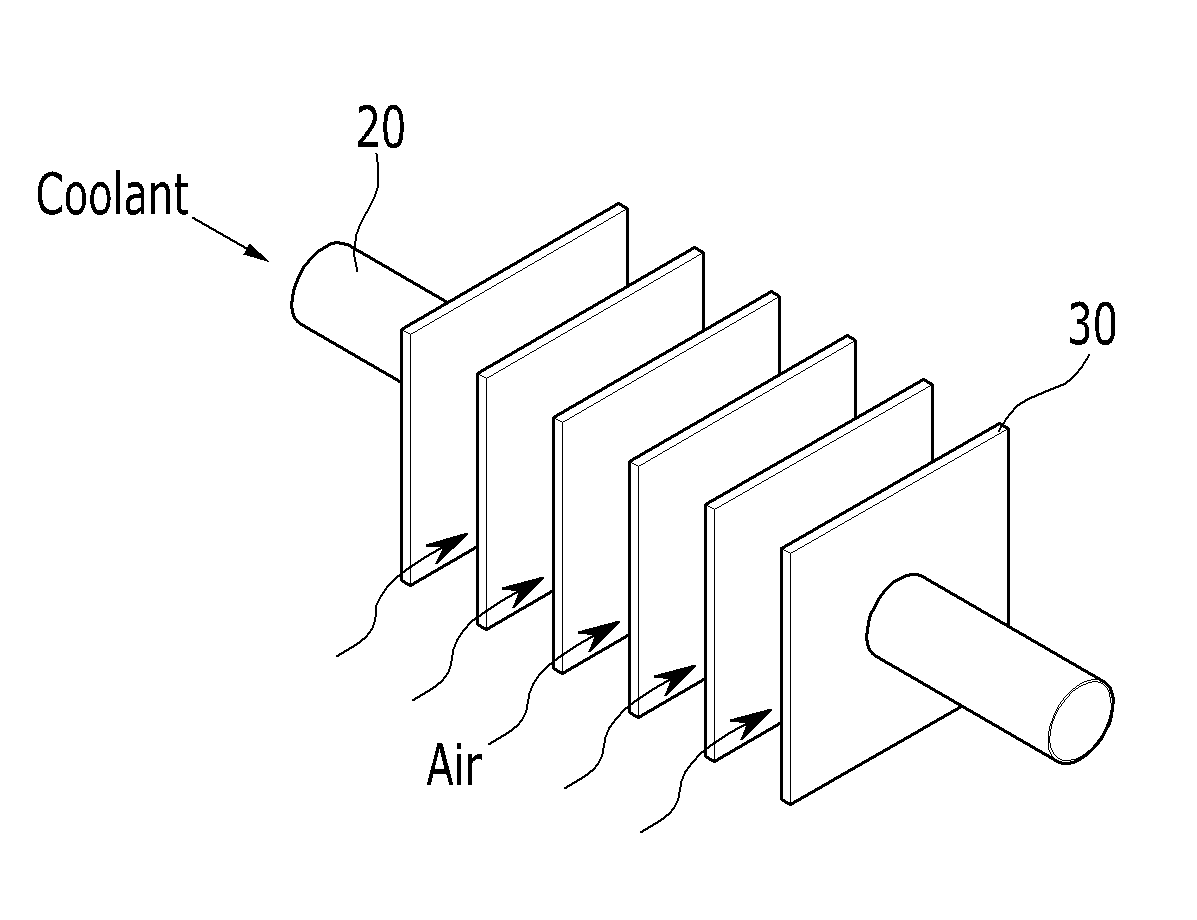
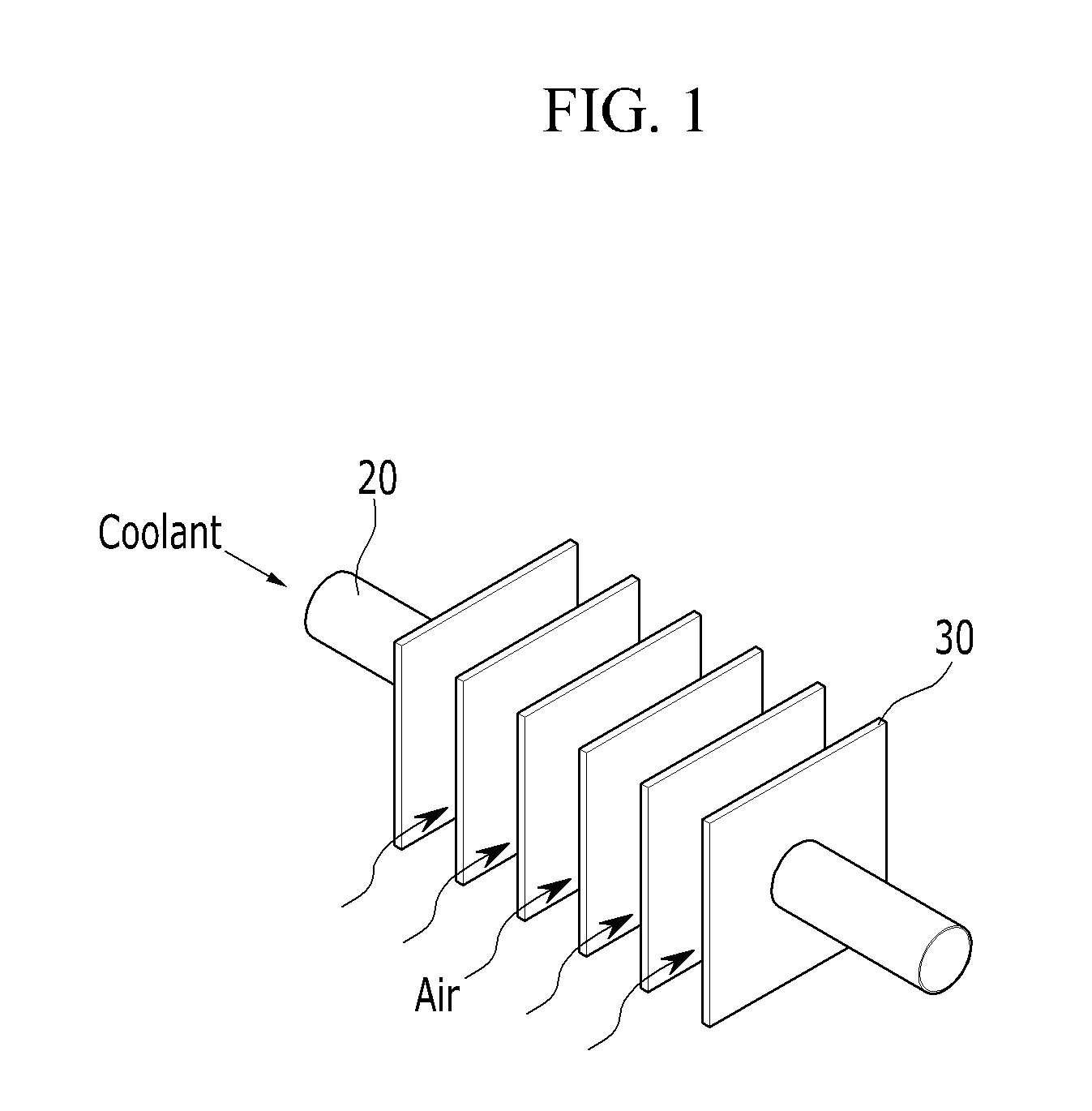
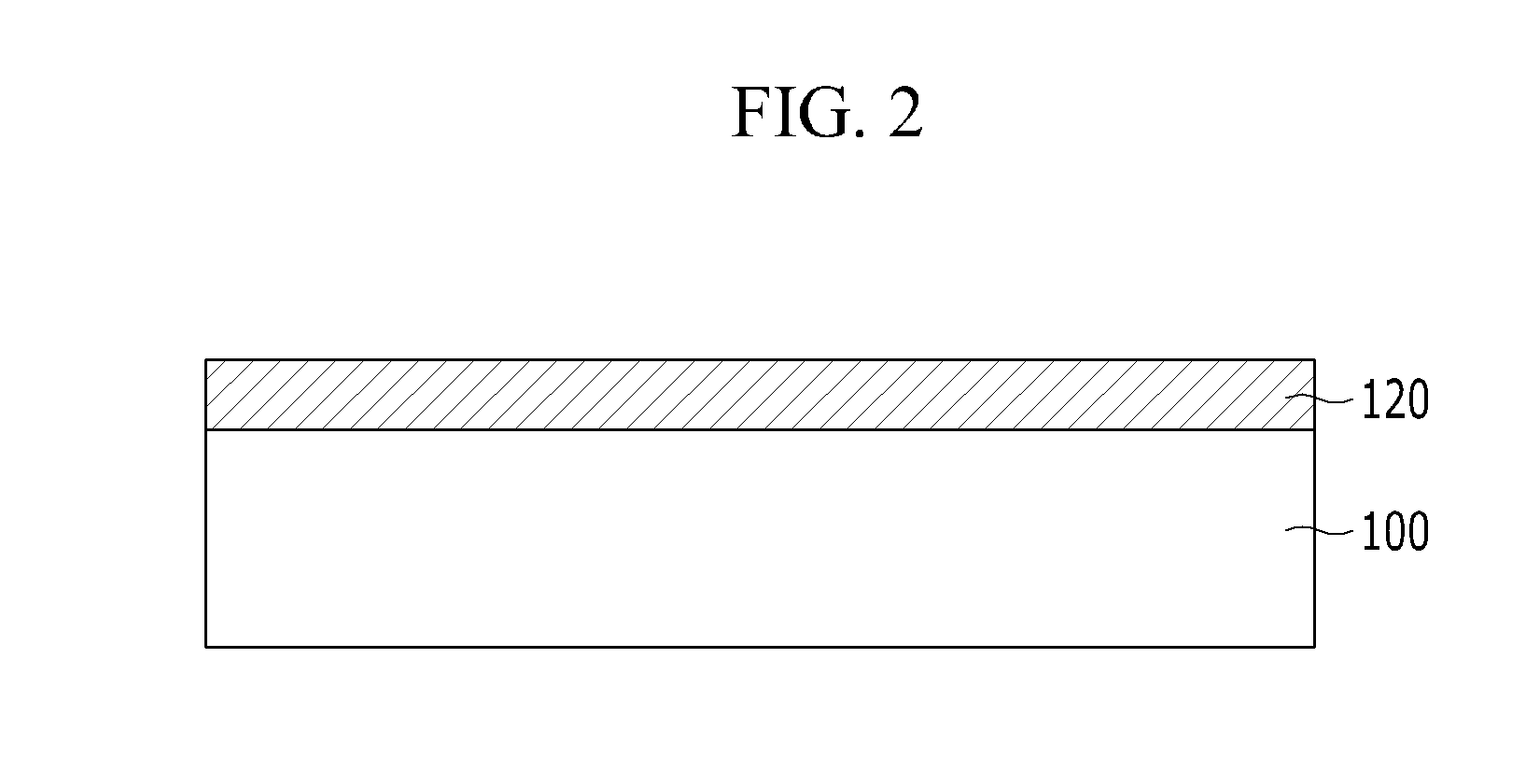
- A surface coating layer with multiple composite layers, including a heat transfer layer and a water-repellent layer, is applied to the heat exchanger. The heat transfer layer has a high thermal conductivity and the water-repellent layer has a high contact angle and low sliding angle, reducing frost formation and facilitating its removal.

Environmental Impact & Sustainability Considerations
The environmental implications of surface coatings for heat exchangers represent a critical dimension in the broader sustainability discourse. Traditional heat exchanger systems often rely on materials and processes that generate significant environmental footprints throughout their lifecycle. Surface coating technologies offer promising pathways to mitigate these impacts while simultaneously enhancing operational efficiency.
When evaluating the environmental impact of coated heat exchangers, lifecycle assessment (LCA) methodologies reveal substantial benefits in terms of reduced energy consumption. Enhanced thermal efficiency translates directly to lower operational energy requirements, with advanced hydrophobic and oleophobic coatings demonstrating potential energy savings of 15-30% compared to uncoated systems. This reduction in energy demand corresponds to proportional decreases in greenhouse gas emissions across various industrial applications.
Material sustainability considerations also favor certain coating technologies. Bio-inspired coatings derived from renewable resources present lower environmental burdens than conventional petroleum-based alternatives. Recent innovations in silica-based sol-gel coatings and graphene-enhanced surfaces demonstrate exceptional durability while utilizing minimal raw materials, thereby reducing resource depletion concerns and minimizing waste generation throughout the product lifecycle.
Water conservation represents another significant environmental benefit of advanced surface coatings. Anti-fouling and anti-scaling properties reduce the frequency and intensity of chemical cleaning processes, decreasing wastewater generation and chemical discharge. Studies indicate that appropriately coated heat exchangers can reduce cleaning-related water consumption by up to 40% while minimizing the release of potentially harmful cleaning agents into aquatic ecosystems.
Regulatory compliance and evolving environmental standards increasingly favor adoption of surface coating technologies. The European Union's Industrial Emissions Directive and similar frameworks worldwide are establishing progressively stringent efficiency requirements that indirectly promote coating adoption. Additionally, restrictions on certain chemical treatments traditionally used in heat exchanger maintenance create market opportunities for environmentally preferable coating alternatives.
End-of-life considerations remain an area requiring further research and development. While some coating technologies facilitate easier material separation and recycling, others may introduce complex composite materials that complicate recovery processes. Emerging design approaches increasingly incorporate principles of circular economy, with modular coating systems that allow for selective replacement and refurbishment rather than complete system disposal.
When evaluating the environmental impact of coated heat exchangers, lifecycle assessment (LCA) methodologies reveal substantial benefits in terms of reduced energy consumption. Enhanced thermal efficiency translates directly to lower operational energy requirements, with advanced hydrophobic and oleophobic coatings demonstrating potential energy savings of 15-30% compared to uncoated systems. This reduction in energy demand corresponds to proportional decreases in greenhouse gas emissions across various industrial applications.
Material sustainability considerations also favor certain coating technologies. Bio-inspired coatings derived from renewable resources present lower environmental burdens than conventional petroleum-based alternatives. Recent innovations in silica-based sol-gel coatings and graphene-enhanced surfaces demonstrate exceptional durability while utilizing minimal raw materials, thereby reducing resource depletion concerns and minimizing waste generation throughout the product lifecycle.
Water conservation represents another significant environmental benefit of advanced surface coatings. Anti-fouling and anti-scaling properties reduce the frequency and intensity of chemical cleaning processes, decreasing wastewater generation and chemical discharge. Studies indicate that appropriately coated heat exchangers can reduce cleaning-related water consumption by up to 40% while minimizing the release of potentially harmful cleaning agents into aquatic ecosystems.
Regulatory compliance and evolving environmental standards increasingly favor adoption of surface coating technologies. The European Union's Industrial Emissions Directive and similar frameworks worldwide are establishing progressively stringent efficiency requirements that indirectly promote coating adoption. Additionally, restrictions on certain chemical treatments traditionally used in heat exchanger maintenance create market opportunities for environmentally preferable coating alternatives.
End-of-life considerations remain an area requiring further research and development. While some coating technologies facilitate easier material separation and recycling, others may introduce complex composite materials that complicate recovery processes. Emerging design approaches increasingly incorporate principles of circular economy, with modular coating systems that allow for selective replacement and refurbishment rather than complete system disposal.
Cost-Benefit Analysis of Advanced Coating Implementation
Implementing advanced surface coatings on heat exchangers requires substantial initial investment, yet offers significant long-term economic benefits. The initial capital expenditure typically ranges from $15,000 to $50,000 per industrial-scale heat exchanger, depending on coating type, application method, and exchanger size. This includes material costs ($5,000-$15,000), specialized application equipment ($3,000-$10,000), and skilled labor ($7,000-$25,000). Additionally, production downtime during coating application represents an indirect cost that varies by industry.
Despite these upfront costs, the return on investment timeline is compelling. Most advanced coatings demonstrate payback periods of 8-24 months in high-intensity industrial applications. Energy efficiency improvements of 15-30% translate to substantial operational savings, with typical industrial facilities reporting annual energy cost reductions of $10,000-$30,000 per coated heat exchanger.
Maintenance economics further strengthen the value proposition. Traditional heat exchangers require cleaning and maintenance every 3-6 months, while coated units extend maintenance intervals to 12-18 months. This reduction in maintenance frequency yields labor savings of $5,000-$15,000 annually and minimizes costly production interruptions. The extended service life of coated heat exchangers—typically 40-60% longer than uncoated units—defers capital replacement costs significantly.
Environmental compliance represents another economic dimension. As regulatory frameworks increasingly penalize carbon emissions and energy inefficiency, coated heat exchangers help organizations avoid compliance penalties while potentially qualifying for energy efficiency incentives and tax benefits in many jurisdictions, ranging from $2,000-$8,000 annually.
Sensitivity analysis reveals that coating economics are most favorable in applications with high thermal transfer requirements, elevated fouling potential, or expensive energy inputs. The ROI accelerates dramatically in continuous process industries where downtime costs exceed $10,000 per hour. Conversely, in intermittent, low-temperature applications, payback periods may extend beyond three years.
When evaluating total cost of ownership over a 10-year operational period, advanced coatings typically reduce lifetime costs by 30-45% compared to uncoated alternatives. This analysis incorporates initial investment, energy savings, maintenance reduction, extended service life, and avoided compliance costs. The most economically advantageous coating technologies currently include hydrophobic fluoropolymers for water-based systems and ceramic-metallic composites for high-temperature applications.
Despite these upfront costs, the return on investment timeline is compelling. Most advanced coatings demonstrate payback periods of 8-24 months in high-intensity industrial applications. Energy efficiency improvements of 15-30% translate to substantial operational savings, with typical industrial facilities reporting annual energy cost reductions of $10,000-$30,000 per coated heat exchanger.
Maintenance economics further strengthen the value proposition. Traditional heat exchangers require cleaning and maintenance every 3-6 months, while coated units extend maintenance intervals to 12-18 months. This reduction in maintenance frequency yields labor savings of $5,000-$15,000 annually and minimizes costly production interruptions. The extended service life of coated heat exchangers—typically 40-60% longer than uncoated units—defers capital replacement costs significantly.
Environmental compliance represents another economic dimension. As regulatory frameworks increasingly penalize carbon emissions and energy inefficiency, coated heat exchangers help organizations avoid compliance penalties while potentially qualifying for energy efficiency incentives and tax benefits in many jurisdictions, ranging from $2,000-$8,000 annually.
Sensitivity analysis reveals that coating economics are most favorable in applications with high thermal transfer requirements, elevated fouling potential, or expensive energy inputs. The ROI accelerates dramatically in continuous process industries where downtime costs exceed $10,000 per hour. Conversely, in intermittent, low-temperature applications, payback periods may extend beyond three years.
When evaluating total cost of ownership over a 10-year operational period, advanced coatings typically reduce lifetime costs by 30-45% compared to uncoated alternatives. This analysis incorporates initial investment, energy savings, maintenance reduction, extended service life, and avoided compliance costs. The most economically advantageous coating technologies currently include hydrophobic fluoropolymers for water-based systems and ceramic-metallic composites for high-temperature applications.
Unlock deeper insights with PatSnap Eureka Quick Research — get a full tech report to explore trends and direct your research. Try now!
Generate Your Research Report Instantly with AI Agent
Supercharge your innovation with PatSnap Eureka AI Agent Platform!