

Fixed Satellite Communication in High-Vibration Environments
MAR 18, 20269 MIN READ
Generate Your Research Report Instantly with AI Agent
PatSnap Eureka helps you evaluate technical feasibility & market potential.
Satellite Communication in High-Vibration Environments Background
Satellite communication technology has evolved significantly since the launch of the first commercial communication satellites in the 1960s. Initially designed for basic voice and data transmission, these systems have progressively advanced to support high-bandwidth applications including internet connectivity, broadcasting, and critical infrastructure communications. The fundamental principle relies on radio frequency signal transmission between ground-based stations and orbiting satellites, enabling global connectivity across vast geographical distances.
The integration of satellite communication systems into high-vibration environments emerged as a critical requirement during the late 20th century, driven primarily by military and industrial applications. Aircraft, naval vessels, ground vehicles, and industrial machinery operating in harsh conditions required reliable communication capabilities despite experiencing significant mechanical stress and environmental disturbances.
Traditional satellite communication systems were primarily developed for stationary or low-vibration installations, such as fixed ground stations and buildings. However, the growing demand for mobile and portable communication solutions necessitated technological adaptations to address vibration-induced challenges. These challenges include antenna pointing accuracy degradation, signal quality deterioration, and mechanical component failure under sustained vibrational stress.
The technological evolution has been marked by several key developmental phases. Early solutions focused on mechanical stabilization systems and ruggedized hardware designs. Subsequently, electronic beam steering and adaptive signal processing techniques emerged to compensate for vibration-induced disturbances. Modern approaches incorporate advanced materials, sophisticated control algorithms, and integrated sensor systems to maintain communication performance under extreme vibrational conditions.
Current objectives in this field center on achieving seamless communication reliability while minimizing system complexity and power consumption. The primary technical goals include maintaining consistent signal quality across varying vibration frequencies, ensuring rapid signal acquisition and tracking capabilities, and developing cost-effective solutions suitable for widespread deployment across diverse high-vibration applications.
The convergence of satellite communication requirements with high-vibration operational environments represents a specialized technological domain that continues to drive innovation in antenna design, signal processing, and mechanical engineering disciplines.
The integration of satellite communication systems into high-vibration environments emerged as a critical requirement during the late 20th century, driven primarily by military and industrial applications. Aircraft, naval vessels, ground vehicles, and industrial machinery operating in harsh conditions required reliable communication capabilities despite experiencing significant mechanical stress and environmental disturbances.
Traditional satellite communication systems were primarily developed for stationary or low-vibration installations, such as fixed ground stations and buildings. However, the growing demand for mobile and portable communication solutions necessitated technological adaptations to address vibration-induced challenges. These challenges include antenna pointing accuracy degradation, signal quality deterioration, and mechanical component failure under sustained vibrational stress.
The technological evolution has been marked by several key developmental phases. Early solutions focused on mechanical stabilization systems and ruggedized hardware designs. Subsequently, electronic beam steering and adaptive signal processing techniques emerged to compensate for vibration-induced disturbances. Modern approaches incorporate advanced materials, sophisticated control algorithms, and integrated sensor systems to maintain communication performance under extreme vibrational conditions.
Current objectives in this field center on achieving seamless communication reliability while minimizing system complexity and power consumption. The primary technical goals include maintaining consistent signal quality across varying vibration frequencies, ensuring rapid signal acquisition and tracking capabilities, and developing cost-effective solutions suitable for widespread deployment across diverse high-vibration applications.
The convergence of satellite communication requirements with high-vibration operational environments represents a specialized technological domain that continues to drive innovation in antenna design, signal processing, and mechanical engineering disciplines.
Market Demand for Vibration-Resistant Satellite Systems
The global satellite communication market is experiencing unprecedented growth driven by increasing demand for reliable connectivity across diverse operational environments. Traditional satellite systems face significant limitations when deployed in high-vibration scenarios, creating substantial market opportunities for vibration-resistant solutions. Industries operating heavy machinery, mobile platforms, and critical infrastructure require uninterrupted satellite connectivity despite challenging mechanical conditions.
Defense and military applications represent the largest market segment for vibration-resistant satellite systems. Military vehicles, naval vessels, aircraft, and mobile command centers require robust communication capabilities that maintain signal integrity during combat operations, transportation, and deployment. The growing emphasis on network-centric warfare and real-time battlefield communications has intensified demand for satellite systems capable of withstanding extreme vibration and shock conditions.
The maritime industry constitutes another significant market driver, particularly for offshore oil and gas operations, commercial shipping, and research vessels. Ocean-going platforms experience continuous vibration from engines, wave action, and operational equipment, necessitating specialized satellite communication solutions that ensure reliable data transmission and voice communications. The expansion of autonomous shipping and remote monitoring systems further amplifies this demand.
Industrial automation and remote monitoring applications are emerging as high-growth market segments. Mining operations, construction sites, and manufacturing facilities increasingly rely on satellite connectivity for equipment monitoring, safety systems, and operational coordination. These environments generate substantial vibration from heavy machinery, requiring satellite systems specifically designed to maintain performance under such conditions.
The transportation sector, including rail, trucking, and emergency services, represents an expanding market opportunity. Fleet management systems, passenger connectivity, and emergency communication networks require satellite solutions that function reliably despite vehicle vibration and movement. The growth of connected vehicle technologies and autonomous transportation systems is expected to drive sustained demand.
Market growth is further supported by increasing regulatory requirements for emergency communications and safety systems across multiple industries. Government mandates for reliable communication capabilities in critical infrastructure and public safety applications are creating consistent demand for vibration-resistant satellite technologies.
The convergence of Internet of Things applications with satellite connectivity is opening new market opportunities in remote sensing, environmental monitoring, and asset tracking. These applications often operate in challenging environments where vibration resistance is essential for long-term reliability and operational effectiveness.
Defense and military applications represent the largest market segment for vibration-resistant satellite systems. Military vehicles, naval vessels, aircraft, and mobile command centers require robust communication capabilities that maintain signal integrity during combat operations, transportation, and deployment. The growing emphasis on network-centric warfare and real-time battlefield communications has intensified demand for satellite systems capable of withstanding extreme vibration and shock conditions.
The maritime industry constitutes another significant market driver, particularly for offshore oil and gas operations, commercial shipping, and research vessels. Ocean-going platforms experience continuous vibration from engines, wave action, and operational equipment, necessitating specialized satellite communication solutions that ensure reliable data transmission and voice communications. The expansion of autonomous shipping and remote monitoring systems further amplifies this demand.
Industrial automation and remote monitoring applications are emerging as high-growth market segments. Mining operations, construction sites, and manufacturing facilities increasingly rely on satellite connectivity for equipment monitoring, safety systems, and operational coordination. These environments generate substantial vibration from heavy machinery, requiring satellite systems specifically designed to maintain performance under such conditions.
The transportation sector, including rail, trucking, and emergency services, represents an expanding market opportunity. Fleet management systems, passenger connectivity, and emergency communication networks require satellite solutions that function reliably despite vehicle vibration and movement. The growth of connected vehicle technologies and autonomous transportation systems is expected to drive sustained demand.
Market growth is further supported by increasing regulatory requirements for emergency communications and safety systems across multiple industries. Government mandates for reliable communication capabilities in critical infrastructure and public safety applications are creating consistent demand for vibration-resistant satellite technologies.
The convergence of Internet of Things applications with satellite connectivity is opening new market opportunities in remote sensing, environmental monitoring, and asset tracking. These applications often operate in challenging environments where vibration resistance is essential for long-term reliability and operational effectiveness.
Current Challenges in High-Vibration Satellite Communication
Fixed satellite communication systems operating in high-vibration environments face multifaceted technical challenges that significantly impact signal integrity and system reliability. These challenges stem from the fundamental incompatibility between precise electromagnetic wave transmission requirements and the dynamic mechanical disturbances inherent in various operational scenarios.
Mechanical vibrations introduce severe pointing accuracy degradation in satellite communication terminals. High-frequency oscillations, typically ranging from 10Hz to 1000Hz, cause antenna misalignment that directly translates to signal attenuation and intermittent connectivity. The problem becomes particularly acute when vibration amplitudes exceed the antenna's half-power beamwidth, resulting in complete signal loss during peak disturbance periods.
Signal quality deterioration represents another critical challenge, manifesting through increased bit error rates and reduced signal-to-noise ratios. Vibration-induced phase noise corrupts carrier signals, while Doppler frequency shifts caused by rapid antenna movement create additional demodulation complexities. These effects are compounded in higher frequency bands, where even minor mechanical displacements result in substantial signal degradation.
Tracking system limitations pose significant operational constraints in high-vibration scenarios. Conventional servo-controlled tracking mechanisms struggle to compensate for rapid, unpredictable movements, leading to tracking lag and overshoot phenomena. The bandwidth limitations of mechanical actuators prevent effective real-time correction of vibration-induced pointing errors, particularly when disturbance frequencies approach or exceed the servo system's response capabilities.
Environmental factors further exacerbate these challenges through temperature variations, electromagnetic interference, and structural resonance effects. Thermal cycling in mobile platforms creates additional mechanical stress, while electromagnetic noise from engines and power systems interferes with sensitive receiver circuits. Structural resonance amplification can transform minor vibration sources into major system disturbances.
Power consumption constraints in mobile applications limit the implementation of sophisticated vibration compensation systems. High-performance inertial measurement units and active stabilization platforms require substantial electrical power, creating trade-offs between communication performance and operational endurance. This challenge is particularly pronounced in battery-powered or fuel-constrained platforms where every watt of power consumption directly impacts mission duration.
Integration complexity with existing platform systems presents additional hurdles, as satellite communication equipment must coexist with other vibration-sensitive systems while maintaining electromagnetic compatibility and mechanical integrity under extreme dynamic conditions.
Mechanical vibrations introduce severe pointing accuracy degradation in satellite communication terminals. High-frequency oscillations, typically ranging from 10Hz to 1000Hz, cause antenna misalignment that directly translates to signal attenuation and intermittent connectivity. The problem becomes particularly acute when vibration amplitudes exceed the antenna's half-power beamwidth, resulting in complete signal loss during peak disturbance periods.
Signal quality deterioration represents another critical challenge, manifesting through increased bit error rates and reduced signal-to-noise ratios. Vibration-induced phase noise corrupts carrier signals, while Doppler frequency shifts caused by rapid antenna movement create additional demodulation complexities. These effects are compounded in higher frequency bands, where even minor mechanical displacements result in substantial signal degradation.
Tracking system limitations pose significant operational constraints in high-vibration scenarios. Conventional servo-controlled tracking mechanisms struggle to compensate for rapid, unpredictable movements, leading to tracking lag and overshoot phenomena. The bandwidth limitations of mechanical actuators prevent effective real-time correction of vibration-induced pointing errors, particularly when disturbance frequencies approach or exceed the servo system's response capabilities.
Environmental factors further exacerbate these challenges through temperature variations, electromagnetic interference, and structural resonance effects. Thermal cycling in mobile platforms creates additional mechanical stress, while electromagnetic noise from engines and power systems interferes with sensitive receiver circuits. Structural resonance amplification can transform minor vibration sources into major system disturbances.
Power consumption constraints in mobile applications limit the implementation of sophisticated vibration compensation systems. High-performance inertial measurement units and active stabilization platforms require substantial electrical power, creating trade-offs between communication performance and operational endurance. This challenge is particularly pronounced in battery-powered or fuel-constrained platforms where every watt of power consumption directly impacts mission duration.
Integration complexity with existing platform systems presents additional hurdles, as satellite communication equipment must coexist with other vibration-sensitive systems while maintaining electromagnetic compatibility and mechanical integrity under extreme dynamic conditions.
Current Solutions for High-Vibration Satellite Communication
01 Satellite beam management and frequency allocation
Technologies for managing satellite beams and allocating frequencies in fixed satellite communication systems to optimize coverage and minimize interference. This includes methods for dynamic beam switching, frequency reuse patterns, and coordination between multiple satellites to ensure efficient spectrum utilization and maintain communication quality across different geographic regions.- Satellite beam management and frequency allocation: Technologies for managing satellite beams and allocating frequencies in fixed satellite communication systems to optimize coverage and minimize interference. This includes methods for dynamic beam switching, frequency reuse patterns, and coordination between multiple satellites to ensure efficient spectrum utilization and maintain communication quality across different geographic regions.
- Ground station antenna systems and tracking mechanisms: Ground-based antenna systems designed for fixed satellite communication, including tracking mechanisms that maintain alignment with satellites in geostationary or non-geostationary orbits. These systems incorporate advanced pointing accuracy, automatic tracking capabilities, and compensation for atmospheric effects to ensure stable and reliable communication links.
- Signal processing and modulation techniques: Advanced signal processing methods and modulation schemes specifically adapted for fixed satellite communication to enhance data transmission rates and signal quality. These techniques include error correction coding, adaptive modulation, and interference mitigation strategies that improve link performance under varying channel conditions and maximize throughput efficiency.
- Network architecture and resource management: System architectures and resource management protocols for fixed satellite communication networks that enable efficient bandwidth allocation, traffic routing, and quality of service provisioning. These solutions address network topology design, gateway coordination, and dynamic resource allocation to support diverse communication services and user requirements while optimizing overall network performance.
- Interference mitigation and coexistence strategies: Techniques for mitigating interference in fixed satellite communication systems and enabling coexistence with other communication services. This includes methods for detecting and suppressing interference from terrestrial systems, adjacent satellites, and other sources, as well as coordination mechanisms to ensure compatible operation in shared frequency bands while maintaining service quality.
02 Ground station antenna systems and tracking mechanisms
Ground-based antenna systems designed for fixed satellite communication, including tracking mechanisms that maintain alignment with satellites in geostationary or non-geostationary orbits. These systems incorporate advanced pointing accuracy, automatic tracking capabilities, and compensation for atmospheric effects to ensure stable and reliable communication links.Expand Specific Solutions03 Signal processing and modulation techniques
Advanced signal processing methods and modulation schemes specifically adapted for fixed satellite communication to enhance data transmission rates and signal quality. These techniques include error correction coding, adaptive modulation, and digital signal processing algorithms that improve bandwidth efficiency and resistance to noise and interference in satellite links.Expand Specific Solutions04 Multi-satellite network architecture and handover
Network architectures that integrate multiple satellites to provide continuous coverage and seamless communication services. This includes protocols for handover between satellites, load balancing across the satellite constellation, and routing strategies that optimize network performance while maintaining service continuity for fixed ground terminals.Expand Specific Solutions05 Interference mitigation and power control
Techniques for mitigating interference in fixed satellite communication systems and controlling transmission power to optimize link performance. These methods include adaptive power control algorithms, interference cancellation techniques, cross-polarization isolation, and coordination mechanisms between adjacent satellite systems to reduce co-channel and adjacent-channel interference.Expand Specific Solutions
Key Players in Satellite Communication and Vibration Control
The fixed satellite communication in high-vibration environments sector represents an emerging niche within the broader satellite communications industry, currently in its early development stage with significant growth potential driven by increasing demand for reliable connectivity in challenging operational conditions. The market encompasses diverse applications from aerospace to maritime and ground-based mobile platforms, with estimated addressable market reaching several billion dollars as industries prioritize robust communication solutions. Technology maturity varies significantly across key players, with established aerospace giants like Boeing, Lockheed Martin, and SpaceX leading in advanced satellite systems integration, while specialized firms such as Hughes Network Systems, ViaSat, and Kymeta focus on innovative antenna and communication technologies. Chinese entities including China Academy of Space Technology and The 54th Research Institute demonstrate strong government-backed R&D capabilities, complemented by academic institutions like MIT and Tsinghua University advancing fundamental research. Component manufacturers like Murata and MediaTek provide critical enabling technologies, while emerging players such as Rovial SAS introduce AI-driven solutions for next-generation space platforms.
Hughes Network Systems
Technical Solution: Hughes develops advanced satellite communication systems with adaptive modulation and coding (ACM) technology that automatically adjusts transmission parameters based on environmental conditions including vibration interference. Their HughesNet platform incorporates sophisticated error correction algorithms and dynamic beam steering capabilities to maintain stable connections in challenging environments. The system utilizes Ka-band and Ku-band frequencies with advanced signal processing techniques to compensate for Doppler shifts and signal degradation caused by mechanical vibrations. Their ground terminals feature ruggedized designs with vibration-dampening mechanisms and adaptive antenna tracking systems that can maintain precise satellite lock even under severe mechanical stress conditions.
Strengths: Market-leading adaptive communication protocols, proven ruggedized hardware designs. Weaknesses: Higher cost compared to standard solutions, complex installation requirements.
ViaSat, Inc.
Technical Solution: ViaSat specializes in high-capacity satellite communication systems with advanced anti-jamming and interference mitigation capabilities specifically designed for mobile and vibration-prone platforms. Their technology employs sophisticated digital signal processing algorithms that can distinguish between intentional signals and vibration-induced noise, automatically compensating for mechanical disturbances. The company's Ka-band satellite terminals incorporate multi-element phased array antennas with electronic beam steering that eliminates the need for mechanical tracking systems vulnerable to vibration. Their proprietary waveform technology includes forward error correction and adaptive coding schemes that maintain communication quality even when experiencing significant mechanical stress and environmental interference.
Strengths: Advanced phased array technology, superior interference mitigation capabilities. Weaknesses: Limited frequency band options, requires specialized maintenance expertise.
Core Technologies in Vibration Isolation and Signal Stability
Frequency conversion module applied to airborne satellite communication
PatentPendingCN118740191A
Innovation
- A frequency conversion module is designed, which adopts the secondary frequency conversion scheme of the transmitter and the primary frequency conversion scheme of the receiver, and uses an anti-seismic crystal oscillator and a double phase-locked loop architecture in the transceiver local oscillator unit to ensure the stability of phase noise in a vibrating environment. sex.


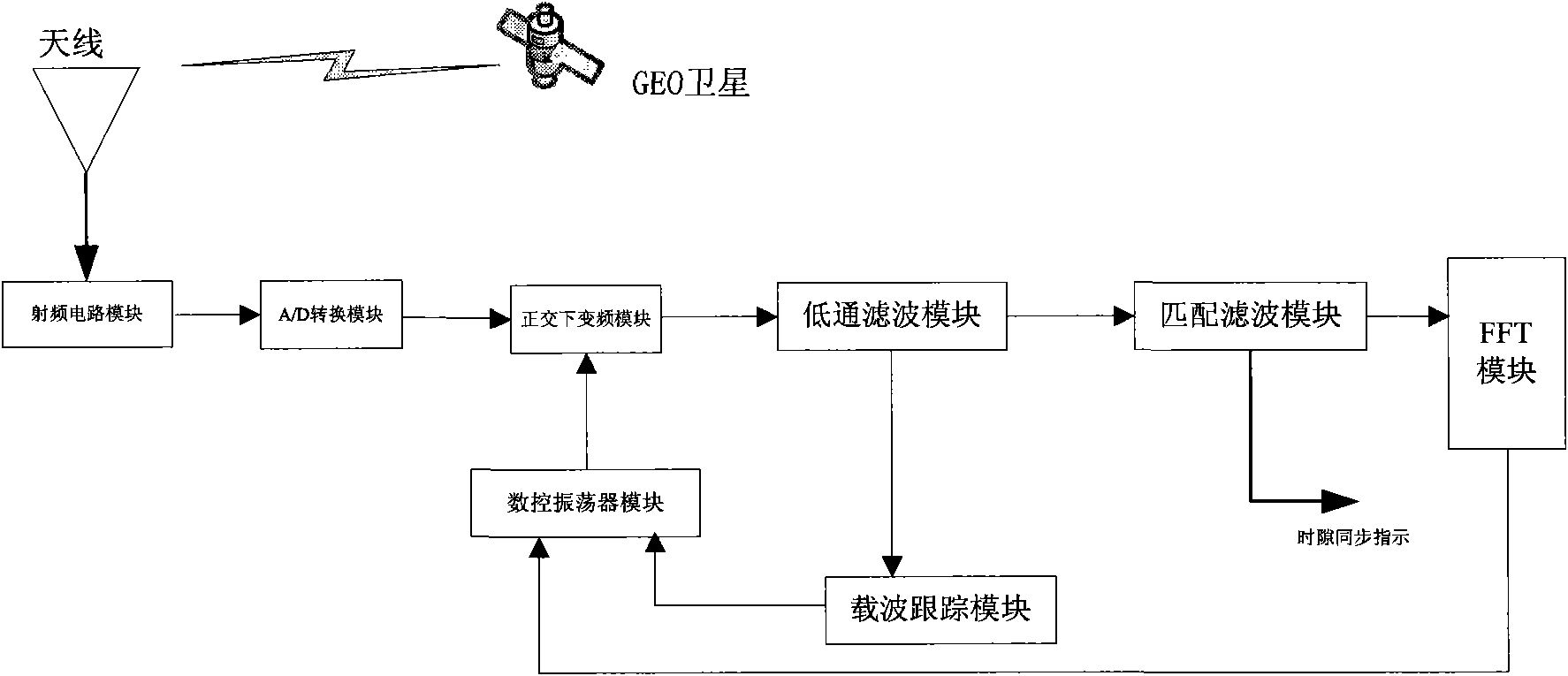
Time slot synchronous system and method of GEO satellite mobile communication based on 3G under high dynamic environment
PatentActiveCN101888258A
Innovation
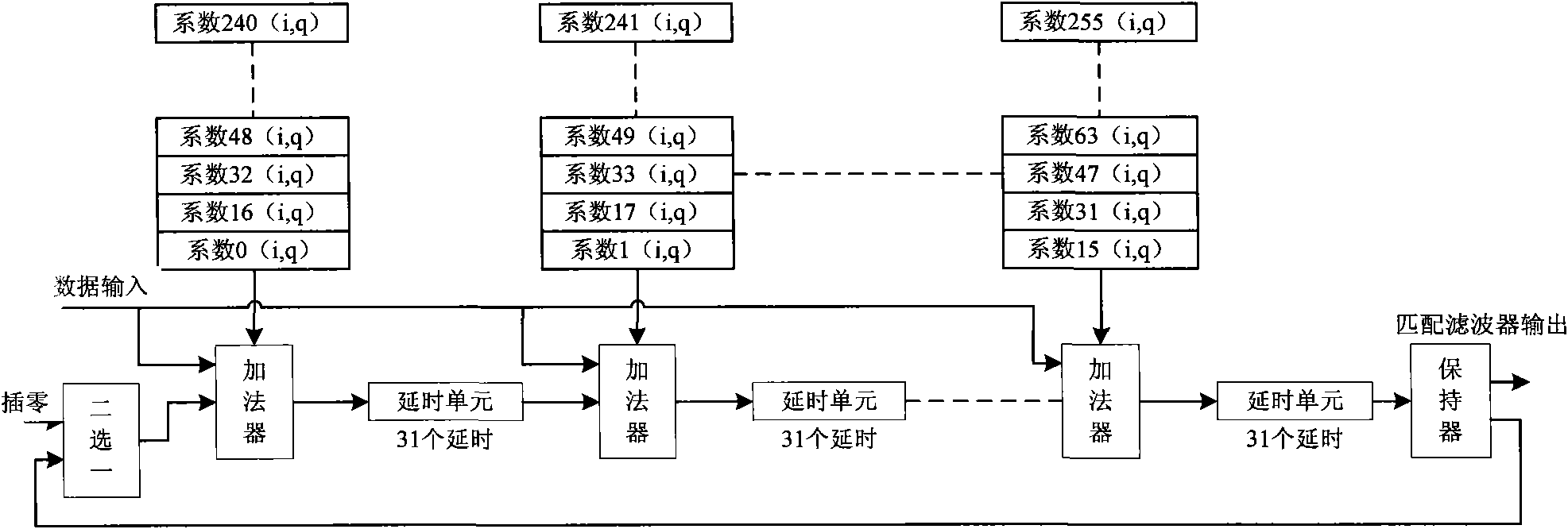
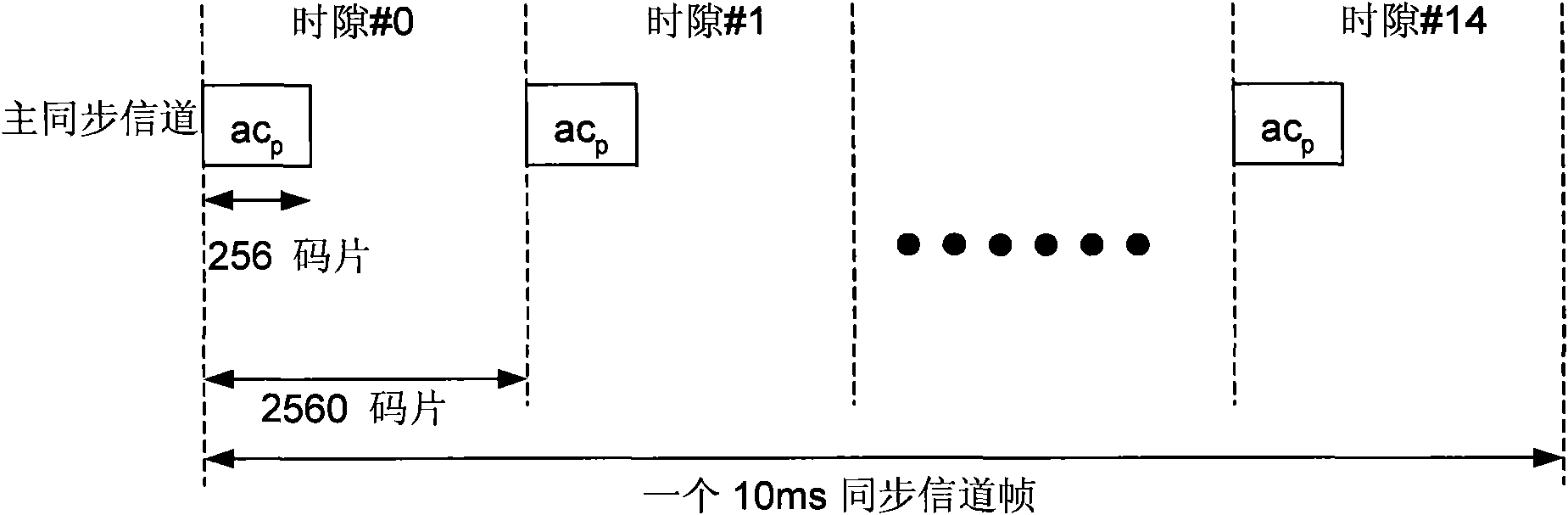
- A system including a matched filter module, an FFT module and a carrier tracking module is designed. The main synchronization code of the satellite downlink channel is quickly captured through the matched filter module. The FFT module estimates the frequency offset. The carrier tracking module tracks the carrier frequency and phase changes. Combined with Frequency-locked loops and phase-locked loops enable fast acquisition and accurate tracking of carrier frequency and phase.

Aerospace Regulatory Standards for Satellite Communication
The aerospace industry operates under a comprehensive framework of regulatory standards that govern satellite communication systems, particularly those deployed in high-vibration environments. These standards are established by multiple international and national regulatory bodies, each addressing specific aspects of satellite communication performance, safety, and interoperability.
The International Telecommunication Union (ITU) serves as the primary global authority, establishing Radio Regulations that define frequency allocations, orbital slot assignments, and interference mitigation requirements for satellite systems. ITU-R Recommendations, particularly those in the S and F series, provide detailed technical specifications for satellite communication equipment operating in challenging environments, including vibration tolerance thresholds and signal quality maintenance standards.
The Federal Aviation Administration (FAA) and European Union Aviation Safety Agency (EASA) enforce stringent airworthiness standards for satellite communication systems installed on aircraft platforms. These regulations mandate compliance with DO-160 environmental testing standards, which include comprehensive vibration testing protocols across multiple frequency ranges and amplitude levels. The standards specify that communication equipment must maintain operational integrity under vibration conditions ranging from 5Hz to 2000Hz with varying acceleration levels.
Military and defense applications are governed by additional standards such as MIL-STD-810 for environmental engineering considerations and MIL-STD-461 for electromagnetic interference requirements. These standards impose more rigorous testing protocols for satellite communication systems deployed in high-vibration military platforms, including ground vehicles, naval vessels, and tactical aircraft.
The Consultative Committee for Space Data Systems (CCSDS) provides internationally recognized standards for space communication protocols and data handling procedures. These standards ensure interoperability between different satellite communication systems while maintaining performance requirements in dynamic operational environments.
Emerging regulatory frameworks are being developed to address next-generation satellite constellations and their unique operational challenges in high-vibration scenarios, reflecting the evolving nature of aerospace communication requirements.
The International Telecommunication Union (ITU) serves as the primary global authority, establishing Radio Regulations that define frequency allocations, orbital slot assignments, and interference mitigation requirements for satellite systems. ITU-R Recommendations, particularly those in the S and F series, provide detailed technical specifications for satellite communication equipment operating in challenging environments, including vibration tolerance thresholds and signal quality maintenance standards.
The Federal Aviation Administration (FAA) and European Union Aviation Safety Agency (EASA) enforce stringent airworthiness standards for satellite communication systems installed on aircraft platforms. These regulations mandate compliance with DO-160 environmental testing standards, which include comprehensive vibration testing protocols across multiple frequency ranges and amplitude levels. The standards specify that communication equipment must maintain operational integrity under vibration conditions ranging from 5Hz to 2000Hz with varying acceleration levels.
Military and defense applications are governed by additional standards such as MIL-STD-810 for environmental engineering considerations and MIL-STD-461 for electromagnetic interference requirements. These standards impose more rigorous testing protocols for satellite communication systems deployed in high-vibration military platforms, including ground vehicles, naval vessels, and tactical aircraft.
The Consultative Committee for Space Data Systems (CCSDS) provides internationally recognized standards for space communication protocols and data handling procedures. These standards ensure interoperability between different satellite communication systems while maintaining performance requirements in dynamic operational environments.
Emerging regulatory frameworks are being developed to address next-generation satellite constellations and their unique operational challenges in high-vibration scenarios, reflecting the evolving nature of aerospace communication requirements.
Environmental Impact Assessment of Satellite Technologies
The deployment and operation of fixed satellite communication systems in high-vibration environments present significant environmental considerations that extend beyond immediate operational challenges. These systems, particularly when installed on offshore platforms, industrial facilities, and transportation infrastructure, interact with surrounding ecosystems in complex ways that require comprehensive assessment.
Electromagnetic emissions from satellite communication equipment operating in high-vibration conditions can experience frequency drift and power fluctuations, potentially affecting local wildlife behavior patterns. Studies indicate that marine mammals and migratory birds may alter their navigation routes when exposed to irregular electromagnetic signatures from unstable communication systems. The intermittent nature of signals caused by vibration-induced equipment instability creates unpredictable electromagnetic environments that differ significantly from steady-state operations.
Ground-based infrastructure supporting these communication systems often requires enhanced structural foundations and vibration dampening systems, leading to increased material consumption and potential habitat disruption. The installation of reinforced mounting systems, shock absorbers, and protective enclosures typically involves concrete foundations with deeper penetration depths, affecting soil composition and local drainage patterns.
Energy consumption patterns in high-vibration environments show marked increases due to additional power requirements for stabilization systems, cooling mechanisms, and redundant equipment operations. Vibration compensation technologies, including active stabilization platforms and gyroscopic systems, can increase overall power consumption by 25-40% compared to standard installations, resulting in higher carbon footprints and increased demand on local power grids.
Maintenance activities in these challenging environments generate additional environmental impacts through increased transportation requirements, specialized equipment deployment, and more frequent component replacements. The accelerated wear rates of electronic components exposed to continuous vibration lead to shortened equipment lifecycles, increasing electronic waste generation and requiring more frequent logistics operations to remote installation sites.
Thermal management becomes particularly critical in high-vibration environments, where mechanical stress generates additional heat loads requiring enhanced cooling systems. These systems often rely on increased air conditioning capacity or liquid cooling solutions, contributing to higher energy consumption and potential refrigerant emissions that impact local air quality and contribute to greenhouse gas emissions.
Electromagnetic emissions from satellite communication equipment operating in high-vibration conditions can experience frequency drift and power fluctuations, potentially affecting local wildlife behavior patterns. Studies indicate that marine mammals and migratory birds may alter their navigation routes when exposed to irregular electromagnetic signatures from unstable communication systems. The intermittent nature of signals caused by vibration-induced equipment instability creates unpredictable electromagnetic environments that differ significantly from steady-state operations.
Ground-based infrastructure supporting these communication systems often requires enhanced structural foundations and vibration dampening systems, leading to increased material consumption and potential habitat disruption. The installation of reinforced mounting systems, shock absorbers, and protective enclosures typically involves concrete foundations with deeper penetration depths, affecting soil composition and local drainage patterns.
Energy consumption patterns in high-vibration environments show marked increases due to additional power requirements for stabilization systems, cooling mechanisms, and redundant equipment operations. Vibration compensation technologies, including active stabilization platforms and gyroscopic systems, can increase overall power consumption by 25-40% compared to standard installations, resulting in higher carbon footprints and increased demand on local power grids.
Maintenance activities in these challenging environments generate additional environmental impacts through increased transportation requirements, specialized equipment deployment, and more frequent component replacements. The accelerated wear rates of electronic components exposed to continuous vibration lead to shortened equipment lifecycles, increasing electronic waste generation and requiring more frequent logistics operations to remote installation sites.
Thermal management becomes particularly critical in high-vibration environments, where mechanical stress generates additional heat loads requiring enhanced cooling systems. These systems often rely on increased air conditioning capacity or liquid cooling solutions, contributing to higher energy consumption and potential refrigerant emissions that impact local air quality and contribute to greenhouse gas emissions.
Unlock deeper insights with PatSnap Eureka Quick Research — get a full tech report to explore trends and direct your research. Try now!
Generate Your Research Report Instantly with AI Agent
Supercharge your innovation with PatSnap Eureka AI Agent Platform!