

Graphene Oxide: Enhancing Green Technology Applications
Graphene Oxide Evolution and Objectives
Graphene oxide has emerged as a revolutionary material in the field of green technology, marking a significant milestone in the evolution of sustainable solutions. Since its discovery in the early 2000s, researchers have been exploring its unique properties and potential applications. The journey of graphene oxide began with the groundbreaking work on graphene by Andre Geim and Konstantin Novoselov, which earned them the Nobel Prize in Physics in 2010.
The evolution of graphene oxide has been characterized by continuous improvements in synthesis methods, purification techniques, and functionalization strategies. Initially, the Hummers method was the primary approach for producing graphene oxide, but over time, modified versions and alternative methods have been developed to enhance yield, reduce environmental impact, and improve the quality of the resulting material.
As research progressed, scientists discovered the exceptional properties of graphene oxide, including its high surface area, excellent mechanical strength, and remarkable electrical and thermal conductivity. These attributes have positioned graphene oxide as a promising candidate for various green technology applications, ranging from water purification and energy storage to environmental remediation and sustainable materials development.
The objectives of graphene oxide research in the context of green technology are multifaceted. One primary goal is to harness its potential for water treatment and desalination, leveraging its ability to effectively remove contaminants and facilitate efficient water purification processes. Another crucial objective is to enhance energy storage systems, particularly in the development of high-performance supercapacitors and batteries, which could revolutionize renewable energy storage solutions.
Furthermore, researchers aim to exploit graphene oxide's properties for environmental remediation, focusing on its capacity to adsorb pollutants and heavy metals from soil and water. The material's potential in developing eco-friendly composites and coatings is also a key area of interest, with objectives centered on creating sustainable alternatives to traditional materials in various industries.
As the field advances, there is a growing emphasis on scaling up production methods to meet industrial demands while maintaining cost-effectiveness and environmental sustainability. This includes exploring green synthesis routes and optimizing processes to minimize the use of harsh chemicals and reduce energy consumption.
The future trajectory of graphene oxide in green technology applications is expected to focus on enhancing its performance, expanding its applicability, and addressing challenges related to large-scale production and integration into existing systems. By achieving these objectives, graphene oxide has the potential to play a pivotal role in advancing sustainable technologies and contributing to global efforts in environmental conservation and resource management.
Green Tech Market Demand Analysis
The global market for green technology applications has been experiencing significant growth, driven by increasing environmental concerns and the push for sustainable development. Graphene oxide, with its unique properties and versatility, is poised to play a crucial role in this expanding sector. The demand for graphene oxide in green technology applications is expected to surge as industries seek innovative solutions to reduce their environmental footprint and improve energy efficiency.
In the renewable energy sector, graphene oxide shows immense potential for enhancing solar cell efficiency and improving energy storage systems. The material's excellent conductivity and large surface area make it an ideal candidate for next-generation solar panels and high-capacity batteries. As countries worldwide set ambitious renewable energy targets, the demand for advanced materials like graphene oxide is projected to grow substantially.
Water treatment is another area where graphene oxide is gaining traction. With water scarcity becoming a global issue, there is a pressing need for more efficient and cost-effective water purification technologies. Graphene oxide-based membranes have demonstrated superior performance in removing contaminants and desalinating seawater, positioning the material as a key component in addressing water-related challenges.
The automotive industry, particularly in the electric vehicle (EV) segment, represents a significant market opportunity for graphene oxide. As automakers strive to develop lighter, more energy-efficient vehicles, graphene oxide's potential in lightweight composites and advanced battery technologies is attracting considerable attention. The growing EV market, coupled with stringent emissions regulations, is expected to drive demand for graphene oxide-enhanced materials and components.
In the construction sector, there is increasing interest in sustainable building materials. Graphene oxide's ability to enhance the strength and durability of concrete while reducing its carbon footprint aligns well with the industry's sustainability goals. As green building practices become more widespread, the demand for graphene oxide in construction materials is anticipated to rise.
The agriculture industry is also exploring graphene oxide applications for sustainable farming practices. From smart sensors for precision agriculture to advanced fertilizers and pesticides, graphene oxide offers potential solutions for improving crop yields while minimizing environmental impact. As the world grapples with food security issues and the need for sustainable agriculture, this sector presents a growing market for graphene oxide-based technologies.
Environmental remediation is another area where graphene oxide shows promise. Its adsorption properties make it effective in removing pollutants from soil and water, offering a potential solution for cleaning up contaminated sites. As environmental regulations become stricter and the focus on ecosystem restoration intensifies, the demand for advanced remediation technologies incorporating graphene oxide is expected to increase.
Graphene Oxide Challenges
Despite the promising potential of graphene oxide in green technology applications, several significant challenges hinder its widespread adoption and implementation. One of the primary obstacles is the high production cost associated with graphene oxide synthesis. Current manufacturing processes are energy-intensive and require expensive precursor materials, making large-scale production economically unfeasible for many applications.
Another major challenge lies in the inconsistent quality and properties of graphene oxide produced through different methods. The lack of standardization in production techniques leads to variations in the material's characteristics, which can significantly impact its performance in various applications. This inconsistency poses difficulties for researchers and industries attempting to develop reliable and reproducible products based on graphene oxide.
The environmental impact of graphene oxide production is also a concern. While the material itself is considered environmentally friendly, the synthesis processes often involve the use of harsh chemicals and generate hazardous waste. This contradiction between the material's green potential and its production methods presents a significant challenge in terms of sustainability and environmental responsibility.
Scalability remains a critical issue in the commercialization of graphene oxide-based technologies. While laboratory-scale production has shown promising results, translating these processes to industrial-scale manufacturing without compromising quality or increasing costs has proven challenging. This scalability gap hinders the material's integration into large-scale green technology applications.
The long-term stability and durability of graphene oxide in various environmental conditions are not yet fully understood. This uncertainty raises concerns about the material's performance and longevity in real-world applications, particularly in harsh or variable environments. Further research is needed to address these stability issues and ensure the reliability of graphene oxide-based technologies over extended periods.
Additionally, the potential health and safety risks associated with graphene oxide nanoparticles are not yet fully elucidated. While initial studies suggest low toxicity, more comprehensive research is required to assess the long-term effects of exposure and establish appropriate safety guidelines for handling and disposal.
Lastly, the integration of graphene oxide into existing manufacturing processes and technologies poses technical challenges. Developing compatible production methods and overcoming issues related to material compatibility and processing techniques are crucial for the successful incorporation of graphene oxide into various green technology applications.
Current Graphene Oxide Solutions
01 Synthesis and production methods of graphene oxide
Various methods for synthesizing and producing graphene oxide are described, including chemical exfoliation, oxidation of graphite, and reduction processes. These techniques aim to create high-quality graphene oxide with controlled properties for different applications.- Synthesis and production methods of graphene oxide: Various methods for synthesizing and producing graphene oxide are described, including chemical exfoliation, oxidation of graphite, and reduction processes. These techniques aim to create high-quality graphene oxide with controlled properties for different applications.
- Applications of graphene oxide in electronics and energy storage: Graphene oxide is utilized in electronic devices and energy storage systems due to its unique properties. It is incorporated into batteries, supercapacitors, and other electronic components to enhance performance and efficiency.
- Functionalization and modification of graphene oxide: Techniques for functionalizing and modifying graphene oxide are explored to tailor its properties for specific applications. This includes chemical treatments, doping, and surface modifications to enhance its performance in various fields.
- Graphene oxide-based composites and materials: The development of graphene oxide-based composites and materials is described, combining graphene oxide with other substances to create novel materials with enhanced properties for applications in areas such as structural materials, coatings, and filters.
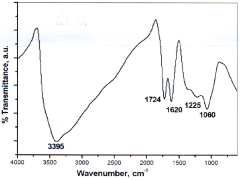
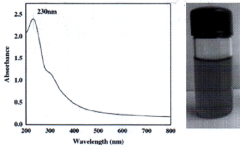
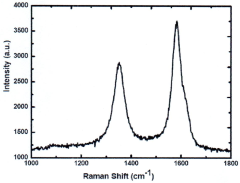
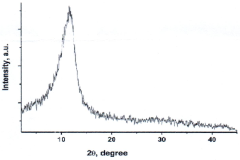
- Characterization and analysis techniques for graphene oxide: Various methods and techniques for characterizing and analyzing graphene oxide are presented, including spectroscopic, microscopic, and electrochemical approaches. These techniques help in understanding the structure, properties, and quality of graphene oxide samples.
02 Applications of graphene oxide in energy storage devices
Graphene oxide is utilized in energy storage devices such as batteries and supercapacitors. Its unique properties, including high surface area and conductivity, make it an excellent material for improving the performance and efficiency of these devices.Expand Specific Solutions03 Functionalization and modification of graphene oxide
Various methods for functionalizing and modifying graphene oxide are explored to enhance its properties and tailor it for specific applications. These modifications can include chemical treatments, doping, and composite formation with other materials.Expand Specific Solutions04 Graphene oxide-based sensors and detection methods
Graphene oxide is used in the development of highly sensitive sensors and detection methods for various analytes. Its unique electronic and optical properties make it suitable for detecting chemicals, biomolecules, and environmental pollutants.Expand Specific Solutions05 Environmental applications of graphene oxide
Graphene oxide is applied in environmental remediation and protection, including water purification, air filtration, and pollutant removal. Its high adsorption capacity and large surface area make it effective for removing contaminants from various media.Expand Specific Solutions
Key Players in Graphene Oxide Industry
The graphene oxide market is in a growth phase, driven by increasing applications in green technology. The global market size is expanding rapidly, with projections indicating significant growth in the coming years. Technologically, graphene oxide is advancing from early-stage research to commercial applications, though challenges in large-scale production and standardization remain. Leading institutions like MIT, Rice University, and CNRS are at the forefront of research, while companies such as Global Graphene Group and Zentek Ltd. are pushing for commercial applications. The competitive landscape is diverse, with academic institutions, established corporations like Corning, Inc., and specialized startups all vying for breakthroughs in this promising field.
William Marsh Rice University
Massachusetts Institute of Technology
Core Graphene Oxide Innovations
- A method involving the conversion of sugarcane bagasse into graphene oxide through heating in a controlled atmosphere and subsequent oxidation with nitric acid, avoiding the use of flake graphite and hazardous agents, while utilizing a renewable and inexpensive carbon source.
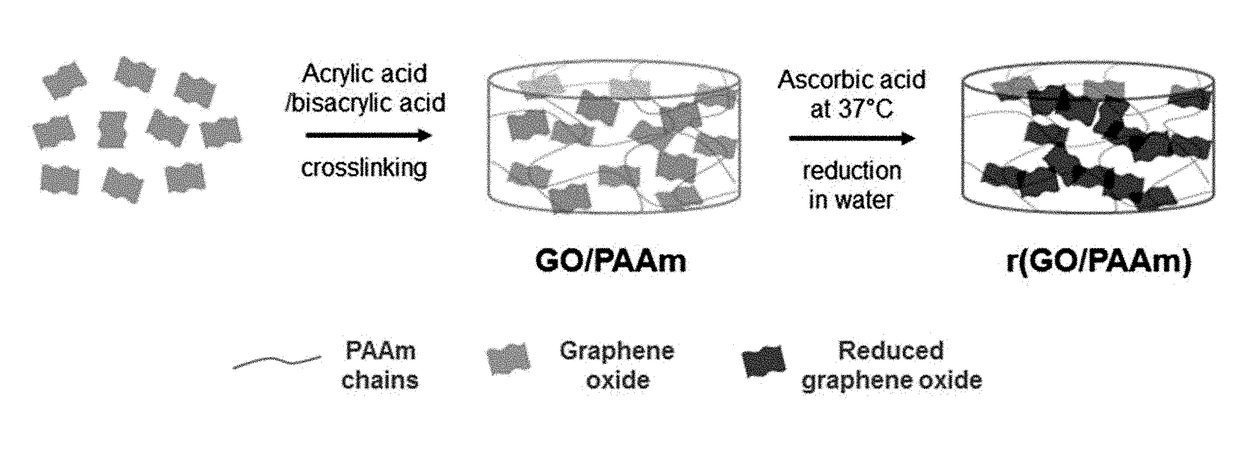
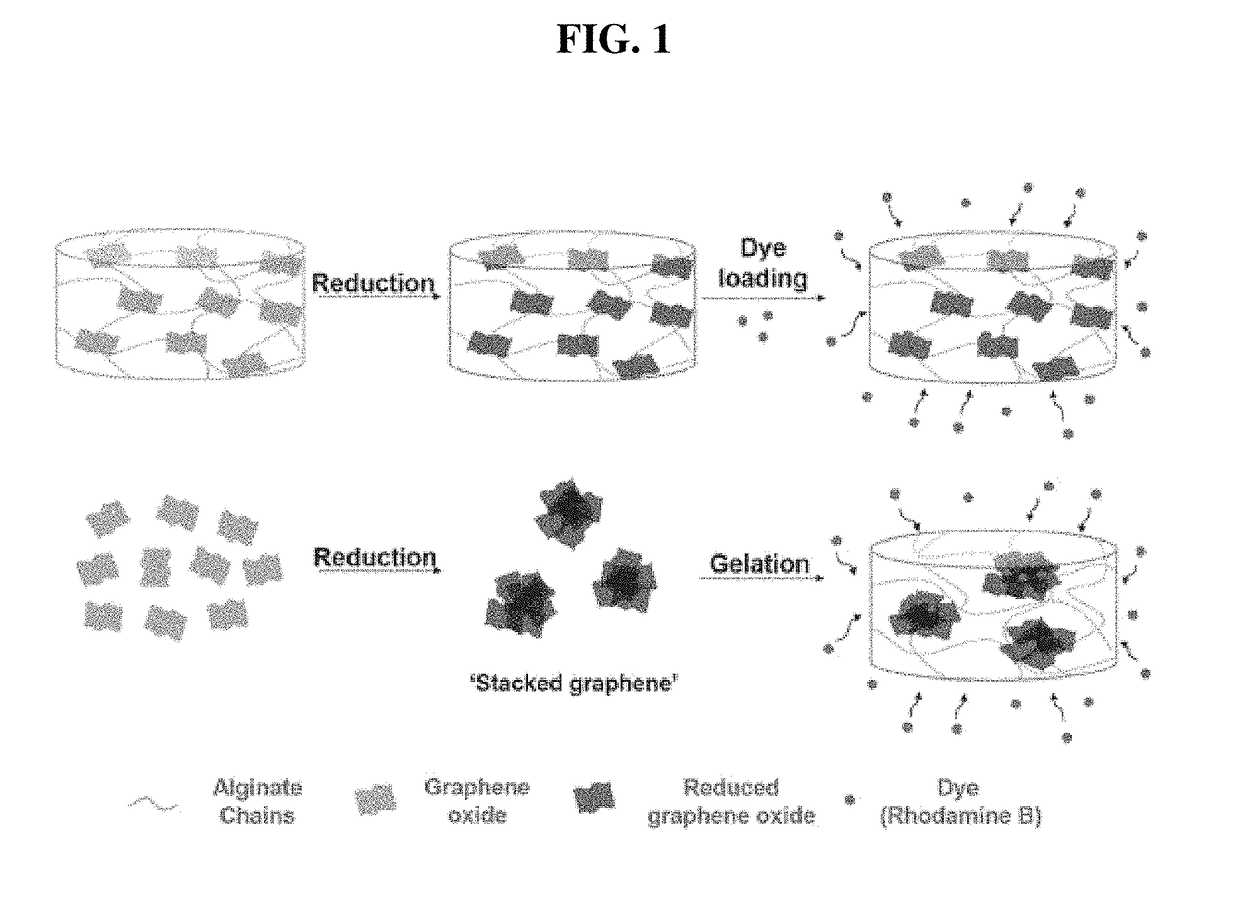
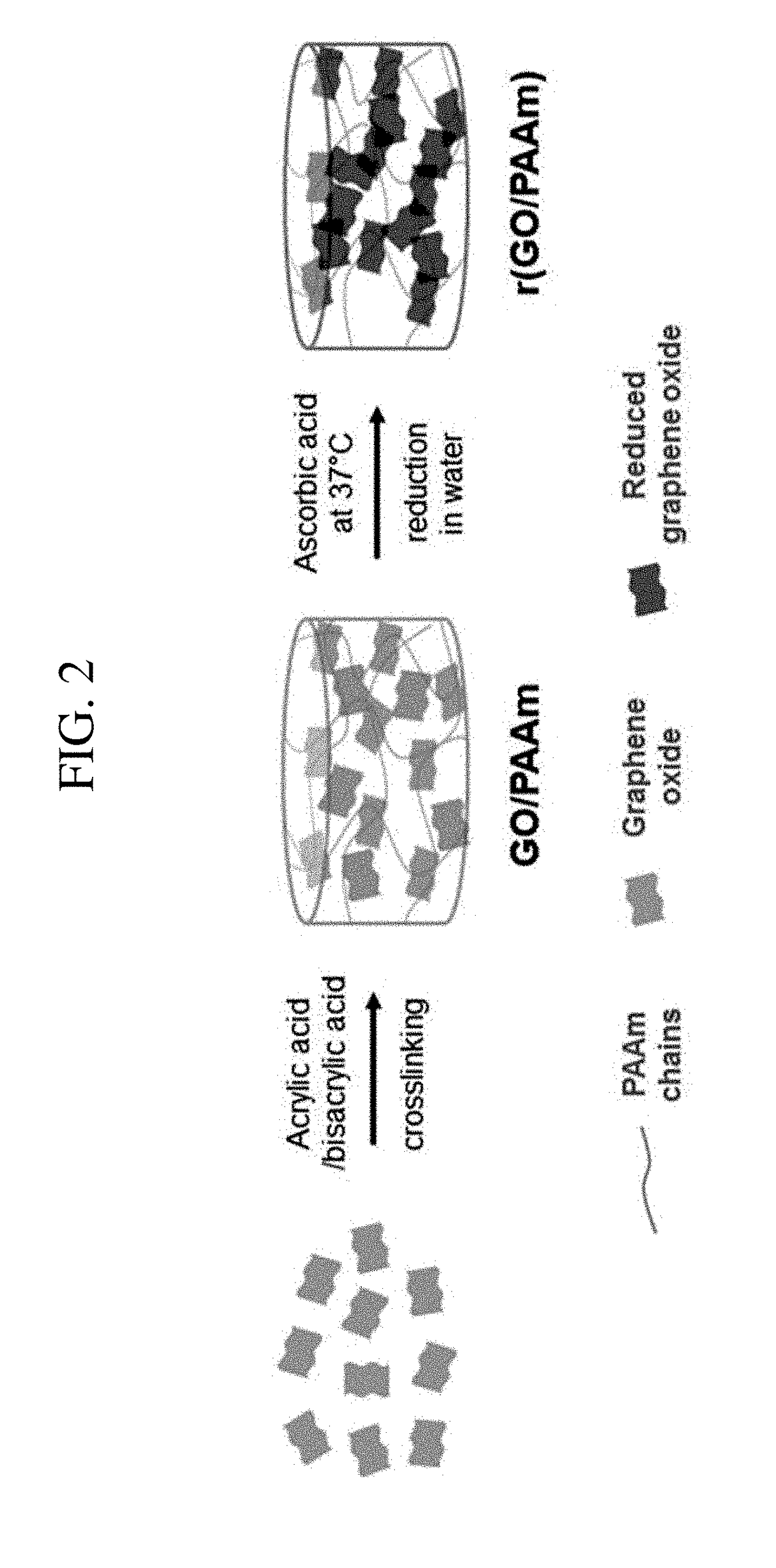
- A method for preparing a reduced graphene oxide-containing hydrogel by mixing graphene oxide with a hydrogel precursor and reducing it, resulting in a composite hydrogel with enhanced adsorption capacity and drug delivery capabilities, using alginic acid or polyacrylamide as the hydrogel precursor and controlling the degree of reduction to optimize physical properties.

Environmental Impact Assessment
The environmental impact assessment of graphene oxide in green technology applications reveals both promising benefits and potential concerns. Graphene oxide's unique properties contribute to enhanced efficiency in various environmental technologies, potentially reducing overall resource consumption and emissions.
In water treatment applications, graphene oxide-based membranes demonstrate superior filtration capabilities, effectively removing contaminants and pollutants from water sources. This technology could significantly improve access to clean water while reducing the energy and chemical inputs required in traditional water treatment processes.
For energy storage and conversion, graphene oxide-enhanced batteries and supercapacitors show improved performance and longevity. This advancement could lead to more efficient energy storage systems, supporting the integration of renewable energy sources and reducing reliance on fossil fuels.
In air purification, graphene oxide-based filters exhibit exceptional adsorption properties for various air pollutants, potentially improving air quality in both indoor and outdoor environments. The high surface area and customizable surface chemistry of graphene oxide make it an effective material for capturing particulate matter and gaseous pollutants.
However, the environmental impact of graphene oxide production and disposal requires careful consideration. The synthesis of graphene oxide often involves the use of strong oxidizing agents and acids, which can generate hazardous waste if not properly managed. Additionally, the potential release of graphene oxide nanoparticles into the environment raises concerns about their long-term effects on ecosystems and human health.
The lifecycle assessment of graphene oxide-enhanced products suggests potential reductions in overall environmental footprint compared to conventional alternatives. However, this benefit must be weighed against the environmental costs of production and end-of-life management.
Efforts to develop more environmentally friendly synthesis methods for graphene oxide are ongoing, with promising advancements in green chemistry approaches. These methods aim to reduce the use of harmful chemicals and minimize waste generation during production.
The biodegradability and environmental fate of graphene oxide remain areas of active research. While some studies indicate potential for biodegradation under certain conditions, the long-term persistence and accumulation of graphene oxide in the environment require further investigation.
In conclusion, the environmental impact assessment of graphene oxide in green technology applications reveals a complex balance of benefits and risks. While its potential to enhance environmental technologies is significant, careful consideration must be given to sustainable production methods and responsible management throughout its lifecycle to maximize its positive environmental impact.
Graphene Oxide Scalability
The scalability of graphene oxide (GO) production is a critical factor in its widespread adoption for green technology applications. Current manufacturing processes have made significant strides in increasing production volumes, but challenges remain in achieving consistent quality and cost-effectiveness at industrial scales.
Large-scale production of GO typically involves the oxidation of graphite using modified Hummers' method or its variations. These processes have been optimized to yield GO in quantities ranging from kilograms to tons. However, the oxidation process can be time-consuming and energy-intensive, which impacts both production costs and environmental sustainability.
Recent advancements in continuous flow reactors and microwave-assisted synthesis have shown promise in improving production efficiency. These methods allow for better control over reaction parameters, resulting in more uniform GO sheets and reduced processing times. Additionally, the use of environmentally friendly oxidants and solvents is being explored to minimize the ecological footprint of GO production.
Despite these improvements, maintaining consistent quality across large batches remains a challenge. The degree of oxidation, sheet size distribution, and the presence of defects can vary significantly, affecting the performance of GO in green technology applications. Developing robust quality control measures and standardization protocols is crucial for ensuring the reliability of GO-based products at scale.
Cost reduction is another key aspect of GO scalability. While production costs have decreased over the years, further optimization is needed to make GO economically competitive with traditional materials in various applications. This includes improving raw material utilization, reducing energy consumption, and streamlining post-processing steps such as purification and functionalization.
The scalability of GO also extends to its integration into existing manufacturing processes for green technologies. For instance, incorporating GO into polymer composites or water treatment membranes at industrial scales requires the development of specialized equipment and techniques. Collaborations between GO producers and end-users are essential for addressing these integration challenges and tailoring GO properties to specific applications.
As demand for GO in green technologies grows, addressing these scalability issues becomes increasingly important. Continued research and development efforts, coupled with industrial partnerships, will be crucial in overcoming current limitations and realizing the full potential of GO in enhancing sustainable technologies.