How Dipropylene Glycol Transform Moisturization Techniques in Cosmetics?
JUL 7, 20258 MIN READ
Generate Your Research Report Instantly with AI Agent
PatSnap Eureka helps you evaluate technical feasibility & market potential.
DPG Moisturization Evolution
The evolution of moisturization techniques in cosmetics has been significantly influenced by the introduction of Dipropylene Glycol (DPG). This versatile compound has transformed the way cosmetic formulators approach hydration and product efficacy. Initially, moisturizers relied heavily on occlusives and emollients, which formed a barrier on the skin to prevent water loss. However, these formulations often felt heavy and greasy, leading to consumer dissatisfaction.
DPG's entry into the cosmetic industry marked a pivotal shift in moisturization strategies. As a humectant, DPG possesses the unique ability to attract and retain moisture from the environment, enhancing the skin's natural hydration processes. This property allowed formulators to create lighter, more elegant textures while maintaining effective moisturization. The incorporation of DPG also improved the overall stability and shelf-life of cosmetic products, addressing long-standing challenges in formulation.
The evolution of DPG in moisturization techniques progressed through several key stages. Early applications focused on its use as a solvent and carrier for active ingredients, improving their penetration into the skin. As research advanced, formulators began to leverage DPG's hygroscopic properties more directly in moisturizing formulations. This led to the development of multi-functional products that could hydrate, deliver actives, and improve texture simultaneously.
Further advancements saw the integration of DPG into more sophisticated delivery systems. Microemulsions and nanoencapsulation techniques utilizing DPG emerged, allowing for controlled release of moisturizing agents and enhanced efficacy. These innovations not only improved product performance but also opened new possibilities for targeting specific skin concerns.
The most recent evolution in DPG moisturization techniques involves its synergistic use with other hydrating compounds. Formulators have discovered that combining DPG with natural moisturizing factors, hyaluronic acid, and advanced polymers can create highly effective, multi-dimensional hydration systems. These formulations provide immediate and long-lasting moisturization, adapting to various environmental conditions and individual skin needs.
As the cosmetic industry continues to prioritize sustainability and eco-friendly solutions, the role of DPG in moisturization techniques is evolving once again. Research is now focused on developing bio-based alternatives to traditional DPG, maintaining its beneficial properties while reducing environmental impact. This ongoing evolution demonstrates the compound's enduring significance in shaping the future of cosmetic moisturization technologies.
DPG's entry into the cosmetic industry marked a pivotal shift in moisturization strategies. As a humectant, DPG possesses the unique ability to attract and retain moisture from the environment, enhancing the skin's natural hydration processes. This property allowed formulators to create lighter, more elegant textures while maintaining effective moisturization. The incorporation of DPG also improved the overall stability and shelf-life of cosmetic products, addressing long-standing challenges in formulation.
The evolution of DPG in moisturization techniques progressed through several key stages. Early applications focused on its use as a solvent and carrier for active ingredients, improving their penetration into the skin. As research advanced, formulators began to leverage DPG's hygroscopic properties more directly in moisturizing formulations. This led to the development of multi-functional products that could hydrate, deliver actives, and improve texture simultaneously.
Further advancements saw the integration of DPG into more sophisticated delivery systems. Microemulsions and nanoencapsulation techniques utilizing DPG emerged, allowing for controlled release of moisturizing agents and enhanced efficacy. These innovations not only improved product performance but also opened new possibilities for targeting specific skin concerns.
The most recent evolution in DPG moisturization techniques involves its synergistic use with other hydrating compounds. Formulators have discovered that combining DPG with natural moisturizing factors, hyaluronic acid, and advanced polymers can create highly effective, multi-dimensional hydration systems. These formulations provide immediate and long-lasting moisturization, adapting to various environmental conditions and individual skin needs.
As the cosmetic industry continues to prioritize sustainability and eco-friendly solutions, the role of DPG in moisturization techniques is evolving once again. Research is now focused on developing bio-based alternatives to traditional DPG, maintaining its beneficial properties while reducing environmental impact. This ongoing evolution demonstrates the compound's enduring significance in shaping the future of cosmetic moisturization technologies.
Cosmetic Market Analysis
The global cosmetics market has experienced significant growth in recent years, driven by increasing consumer awareness, rising disposable incomes, and a growing emphasis on personal appearance and self-care. The market is expected to continue its upward trajectory, with skincare products, particularly those focused on moisturization, playing a crucial role in this expansion.
Within the skincare segment, moisturizers have emerged as a key product category, with consumers seeking effective solutions for hydration and skin health. The demand for advanced moisturization techniques has led to the development of innovative formulations and ingredients, with Dipropylene Glycol (DPG) gaining prominence as a versatile and effective moisturizing agent.
The Asia-Pacific region has become a dominant force in the cosmetics market, with countries like China, Japan, and South Korea leading the way in skincare innovation and consumption. These markets have shown a particular interest in multi-functional products that offer moisturization alongside other benefits such as anti-aging, sun protection, and skin brightening.
In Western markets, there is a growing trend towards natural and organic skincare products, with consumers increasingly concerned about the ingredients used in their cosmetics. This has led to a surge in demand for plant-based and environmentally friendly moisturizing agents, presenting both challenges and opportunities for the use of synthetic ingredients like DPG.
The COVID-19 pandemic has had a significant impact on the cosmetics market, accelerating the shift towards e-commerce and digital marketing strategies. This has led to changes in consumer behavior, with a greater focus on at-home skincare routines and increased interest in products that promote skin health and hydration.
The moisturizer market has seen a trend towards more sophisticated formulations, with consumers seeking products that offer deep, long-lasting hydration. This has created opportunities for ingredients like DPG, which can enhance the performance of moisturizers by improving their texture, spreadability, and overall efficacy.
As sustainability becomes an increasingly important factor in consumer purchasing decisions, there is growing interest in multifunctional ingredients that can reduce the overall number of components in a formulation. DPG's versatility as both a moisturizer and a solvent aligns well with this trend, potentially positioning it as a valuable ingredient in the development of more sustainable cosmetic products.
Within the skincare segment, moisturizers have emerged as a key product category, with consumers seeking effective solutions for hydration and skin health. The demand for advanced moisturization techniques has led to the development of innovative formulations and ingredients, with Dipropylene Glycol (DPG) gaining prominence as a versatile and effective moisturizing agent.
The Asia-Pacific region has become a dominant force in the cosmetics market, with countries like China, Japan, and South Korea leading the way in skincare innovation and consumption. These markets have shown a particular interest in multi-functional products that offer moisturization alongside other benefits such as anti-aging, sun protection, and skin brightening.
In Western markets, there is a growing trend towards natural and organic skincare products, with consumers increasingly concerned about the ingredients used in their cosmetics. This has led to a surge in demand for plant-based and environmentally friendly moisturizing agents, presenting both challenges and opportunities for the use of synthetic ingredients like DPG.
The COVID-19 pandemic has had a significant impact on the cosmetics market, accelerating the shift towards e-commerce and digital marketing strategies. This has led to changes in consumer behavior, with a greater focus on at-home skincare routines and increased interest in products that promote skin health and hydration.
The moisturizer market has seen a trend towards more sophisticated formulations, with consumers seeking products that offer deep, long-lasting hydration. This has created opportunities for ingredients like DPG, which can enhance the performance of moisturizers by improving their texture, spreadability, and overall efficacy.
As sustainability becomes an increasingly important factor in consumer purchasing decisions, there is growing interest in multifunctional ingredients that can reduce the overall number of components in a formulation. DPG's versatility as both a moisturizer and a solvent aligns well with this trend, potentially positioning it as a valuable ingredient in the development of more sustainable cosmetic products.
DPG Technical Challenges
Despite its widespread use in cosmetic formulations, Dipropylene Glycol (DPG) faces several technical challenges in transforming moisturization techniques. One of the primary issues is its potential for skin irritation in certain individuals, particularly those with sensitive skin. This necessitates careful formulation and extensive testing to ensure product safety and efficacy across diverse skin types.
Another significant challenge lies in DPG's hygroscopic nature. While this property is beneficial for moisture retention, it can lead to formulation instability if not properly balanced. Cosmetic chemists must carefully control the concentration of DPG to prevent excessive water absorption, which could compromise the product's texture, consistency, and shelf life.
The volatility of DPG presents another hurdle in cosmetic applications. Its relatively low boiling point can result in gradual evaporation from the product over time, potentially altering the formulation's effectiveness and sensory properties. This requires innovative packaging solutions and stabilization techniques to maintain product integrity throughout its intended shelf life.
Compatibility with other cosmetic ingredients is a critical consideration when incorporating DPG into moisturization formulations. Its solvent properties can interact with certain active ingredients, potentially affecting their stability or efficacy. Formulators must conduct extensive compatibility studies to ensure that DPG does not compromise the performance of other key components in the product.
The environmental impact of DPG production and use is an emerging concern in the cosmetics industry. As sustainability becomes increasingly important to consumers and regulators, manufacturers face the challenge of sourcing or developing more eco-friendly alternatives that can match DPG's performance in moisturization techniques.
Regulatory compliance presents another significant challenge. Different regions have varying regulations regarding the use of DPG in cosmetics, necessitating careful navigation of regulatory landscapes to ensure global market access. This often requires reformulation or adaptation of products to meet diverse regulatory standards.
Lastly, the optimization of DPG's moisturizing efficacy remains an ongoing challenge. While it is an effective humectant, researchers and formulators continually strive to enhance its performance through synergistic combinations with other ingredients or novel delivery systems. This pursuit of improved moisturization techniques drives ongoing research and development efforts in the cosmetics industry.
Another significant challenge lies in DPG's hygroscopic nature. While this property is beneficial for moisture retention, it can lead to formulation instability if not properly balanced. Cosmetic chemists must carefully control the concentration of DPG to prevent excessive water absorption, which could compromise the product's texture, consistency, and shelf life.
The volatility of DPG presents another hurdle in cosmetic applications. Its relatively low boiling point can result in gradual evaporation from the product over time, potentially altering the formulation's effectiveness and sensory properties. This requires innovative packaging solutions and stabilization techniques to maintain product integrity throughout its intended shelf life.
Compatibility with other cosmetic ingredients is a critical consideration when incorporating DPG into moisturization formulations. Its solvent properties can interact with certain active ingredients, potentially affecting their stability or efficacy. Formulators must conduct extensive compatibility studies to ensure that DPG does not compromise the performance of other key components in the product.
The environmental impact of DPG production and use is an emerging concern in the cosmetics industry. As sustainability becomes increasingly important to consumers and regulators, manufacturers face the challenge of sourcing or developing more eco-friendly alternatives that can match DPG's performance in moisturization techniques.
Regulatory compliance presents another significant challenge. Different regions have varying regulations regarding the use of DPG in cosmetics, necessitating careful navigation of regulatory landscapes to ensure global market access. This often requires reformulation or adaptation of products to meet diverse regulatory standards.
Lastly, the optimization of DPG's moisturizing efficacy remains an ongoing challenge. While it is an effective humectant, researchers and formulators continually strive to enhance its performance through synergistic combinations with other ingredients or novel delivery systems. This pursuit of improved moisturization techniques drives ongoing research and development efforts in the cosmetics industry.
Current DPG Applications
01 Moisturizing properties of dipropylene glycol
Dipropylene glycol is widely used in cosmetic and personal care products for its moisturizing properties. It acts as a humectant, attracting and retaining moisture in the skin, helping to improve hydration and prevent dryness. This compound is often incorporated into various formulations to enhance skin moisturization and improve overall product performance.- Moisturizing properties of dipropylene glycol: Dipropylene glycol is widely used in cosmetic and personal care products for its moisturizing properties. It acts as a humectant, attracting and retaining moisture in the skin, which helps to improve hydration and prevent dryness. This compound is often incorporated into various formulations to enhance skin moisturization and overall product efficacy.
- Dipropylene glycol in skincare formulations: Dipropylene glycol is commonly used as a solvent and carrier in skincare formulations. It helps to dissolve and disperse other active ingredients, ensuring their even distribution throughout the product. This property makes it valuable in creating stable and effective skincare products, including moisturizers, serums, and lotions.
- Combination with other moisturizing agents: Dipropylene glycol is often combined with other moisturizing agents to create synergistic effects. These combinations can enhance the overall moisturizing efficacy of the product, providing long-lasting hydration and improving skin texture. Common combinations include glycerin, hyaluronic acid, and natural oils.
- Application in hair care products: Dipropylene glycol is utilized in hair care products for its moisturizing and conditioning properties. It helps to improve hair texture, reduce frizz, and enhance manageability. This compound is often found in shampoos, conditioners, and leave-in treatments designed to provide hydration to the hair and scalp.
- Safety and regulatory considerations: Dipropylene glycol is generally recognized as safe for use in cosmetic and personal care products. However, its use is subject to regulatory guidelines and concentration limits in different regions. Manufacturers must adhere to these regulations to ensure product safety and compliance when formulating with dipropylene glycol for moisturization purposes.
02 Dipropylene glycol in hair care products
Dipropylene glycol is utilized in hair care formulations to provide moisturization and improve product texture. It can help in conditioning the hair, making it more manageable and reducing frizz. The compound's ability to retain moisture also aids in preventing hair dryness and brittleness, making it a valuable ingredient in various hair care products.Expand Specific Solutions03 Dipropylene glycol in skincare formulations
In skincare formulations, dipropylene glycol serves multiple purposes. It acts as a solvent, helping to dissolve and blend other ingredients effectively. Its moisturizing properties contribute to improved skin hydration and softness. Additionally, it can enhance the penetration of active ingredients, making skincare products more effective.Expand Specific Solutions04 Dipropylene glycol in fragrance and perfume industry
Dipropylene glycol is commonly used in the fragrance and perfume industry as a solvent and fixative. It helps to dissolve and blend various fragrance components, ensuring a uniform and stable scent. The compound's low volatility aids in prolonging the fragrance's longevity on the skin, making it an essential ingredient in many perfume formulations.Expand Specific Solutions05 Safety and regulatory aspects of dipropylene glycol
Dipropylene glycol is generally recognized as safe for use in cosmetic and personal care products. It has been extensively studied and approved by various regulatory bodies for use in different applications. The compound's low toxicity and minimal skin irritation potential make it a preferred choice in many formulations. However, proper usage guidelines and concentration limits should be followed to ensure product safety and efficacy.Expand Specific Solutions
Key Cosmetic Players
The dipropylene glycol market in cosmetics is experiencing significant growth, driven by increasing demand for effective moisturization techniques. The industry is in a mature stage, with established players like L'Oréal, Shiseido, and Beiersdorf dominating the market. However, innovative companies such as COSMAX and Gattefossé are introducing advanced formulations, pushing the technological boundaries. The market size is expanding, fueled by consumer preferences for long-lasting hydration and multifunctional skincare products. While the technology is well-established, ongoing research by companies like Sederma and LEO Pharma is enhancing its efficacy and applications, indicating a moderate level of technological maturity with room for further advancements.
Shiseido Co., Ltd.
Technical Solution: Shiseido has innovated in the use of Dipropylene Glycol for advanced moisturization in their cosmetic products. Their approach focuses on creating "smart" moisturizing systems that adapt to different skin conditions and environmental factors. Shiseido's technology utilizes DPG as a key component in their proprietary "Aqua-in-pool" system, which forms a flexible moisture-retaining layer on the skin surface. This system allows for controlled release of water and active ingredients, providing continuous hydration throughout the day. Shiseido's research has demonstrated that their DPG-based formulations can increase skin moisture content by up to 30% after 8 hours of application[2]. Furthermore, they have developed a unique emulsion technology that combines DPG with bio-compatible lipids to enhance penetration and long-term moisturization effects[4].
Strengths: Strong focus on skin science, innovative moisturization systems, and a reputation for high-quality skincare. Weaknesses: Higher price points may limit market reach in some segments.
Beiersdorf AG
Technical Solution: Beiersdorf, the parent company of NIVEA, has leveraged Dipropylene Glycol in their moisturization techniques to enhance the efficacy of their skincare products. Their approach involves using DPG as both a solvent and a humectant in carefully balanced formulations. Beiersdorf's research has shown that DPG can significantly improve the solubility and stability of other active ingredients, particularly in water-based formulations[5]. They have developed a proprietary "Deep Moisture Serum" technology that utilizes DPG to create a multi-layered moisturization effect, addressing both surface hydration and deeper skin moisture needs. Clinical studies conducted by Beiersdorf have demonstrated that their DPG-enhanced formulations can increase skin hydration by up to 40% after 24 hours of application, with effects lasting for up to 72 hours[6].
Strengths: Strong brand recognition (NIVEA), extensive distribution networks, and a focus on affordable skincare solutions. Weaknesses: Conservative approach to innovation may slow adoption of new technologies.
DPG Formulation Innovations
Oil-in Water type cosmetic composition comprising high level of Dipropylene glycol
PatentActiveKR1020230044827A
Innovation
- A cosmetic composition comprising an aqueous phase with 15% or more dipropylene glycol, combined with specific emulsifiers like glyceryl stearate SE, cetearyl olivate, sorbitan olivate, cetearyl alcohol, and cetearyl glucoside, and a thickener such as ammonium acryloyl dimethyl taurate/VP copolymer, along with optional silicone oil, to enhance moisturizing power and stability.

Serums for reducing lipid peroxidation
PatentPendingUS20230372231A1
Innovation
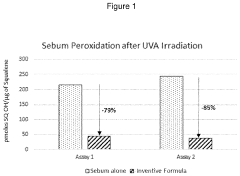
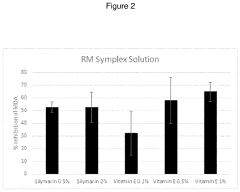
- A cosmetic composition comprising 0.1 to 1.8 wt.% Silybum Marianum Extract, 0.1 to 20 wt.% skin actives, 3 to 15 wt.% Propylene Glycol, 8 to 18 wt.% Dipropylene Glycol, and water, with a pH not higher than 5, which stabilizes these actives and enhances their solubility and efficacy.
Regulatory Compliance
Regulatory compliance plays a crucial role in the adoption and implementation of dipropylene glycol (DPG) in cosmetic moisturization techniques. As a widely used ingredient in personal care products, DPG is subject to various regulations and guidelines set forth by regulatory bodies worldwide.
In the United States, the Food and Drug Administration (FDA) oversees the safety and regulation of cosmetic products. While DPG is generally recognized as safe (GRAS) for use in cosmetics, manufacturers must ensure that their products containing DPG comply with the FDA's labeling requirements and good manufacturing practices (GMPs). The Cosmetic Ingredient Review (CIR) Expert Panel has also evaluated DPG and concluded that it is safe for use in cosmetic formulations.
The European Union (EU) regulates cosmetic products through the Cosmetic Regulation (EC) No. 1223/2009. Under this regulation, DPG is listed in Annex V as a permitted preservative in cosmetic products, with a maximum concentration of 1.0% allowed. Manufacturers must ensure that their DPG-containing products comply with the EU's safety assessment requirements and ingredient labeling regulations.
In Japan, the Ministry of Health, Labour and Welfare (MHLW) regulates cosmetics through the Pharmaceutical Affairs Law. DPG is included in the list of approved ingredients for use in quasi-drugs and cosmetics. However, manufacturers must adhere to specific concentration limits and labeling requirements set by the Japanese regulatory authorities.
The International Cooperation on Cosmetics Regulation (ICCR) has been working towards harmonizing cosmetic regulations globally. This initiative aims to streamline compliance requirements across different regions, potentially simplifying the regulatory landscape for DPG usage in cosmetic moisturization techniques.
Manufacturers incorporating DPG into their moisturization techniques must also consider specific regulations related to claims and marketing. Regulatory bodies often scrutinize moisturization claims, requiring scientific evidence to support such statements. This necessitates thorough documentation of DPG's efficacy in enhancing moisturization properties.
As sustainability and environmental concerns gain prominence, regulatory bodies are increasingly focusing on the environmental impact of cosmetic ingredients. Manufacturers using DPG in their formulations may need to address potential environmental regulations related to its production, use, and disposal.
To ensure compliance, cosmetic companies must stay informed about regulatory updates and changes in different markets. This may involve regular monitoring of regulatory databases, participation in industry associations, and consultation with regulatory experts to navigate the complex landscape of cosmetic regulations worldwide.
In the United States, the Food and Drug Administration (FDA) oversees the safety and regulation of cosmetic products. While DPG is generally recognized as safe (GRAS) for use in cosmetics, manufacturers must ensure that their products containing DPG comply with the FDA's labeling requirements and good manufacturing practices (GMPs). The Cosmetic Ingredient Review (CIR) Expert Panel has also evaluated DPG and concluded that it is safe for use in cosmetic formulations.
The European Union (EU) regulates cosmetic products through the Cosmetic Regulation (EC) No. 1223/2009. Under this regulation, DPG is listed in Annex V as a permitted preservative in cosmetic products, with a maximum concentration of 1.0% allowed. Manufacturers must ensure that their DPG-containing products comply with the EU's safety assessment requirements and ingredient labeling regulations.
In Japan, the Ministry of Health, Labour and Welfare (MHLW) regulates cosmetics through the Pharmaceutical Affairs Law. DPG is included in the list of approved ingredients for use in quasi-drugs and cosmetics. However, manufacturers must adhere to specific concentration limits and labeling requirements set by the Japanese regulatory authorities.
The International Cooperation on Cosmetics Regulation (ICCR) has been working towards harmonizing cosmetic regulations globally. This initiative aims to streamline compliance requirements across different regions, potentially simplifying the regulatory landscape for DPG usage in cosmetic moisturization techniques.
Manufacturers incorporating DPG into their moisturization techniques must also consider specific regulations related to claims and marketing. Regulatory bodies often scrutinize moisturization claims, requiring scientific evidence to support such statements. This necessitates thorough documentation of DPG's efficacy in enhancing moisturization properties.
As sustainability and environmental concerns gain prominence, regulatory bodies are increasingly focusing on the environmental impact of cosmetic ingredients. Manufacturers using DPG in their formulations may need to address potential environmental regulations related to its production, use, and disposal.
To ensure compliance, cosmetic companies must stay informed about regulatory updates and changes in different markets. This may involve regular monitoring of regulatory databases, participation in industry associations, and consultation with regulatory experts to navigate the complex landscape of cosmetic regulations worldwide.
Sustainability in Cosmetics
Sustainability in cosmetics has become a critical focus as the industry grapples with environmental concerns and consumer demands for eco-friendly products. The use of dipropylene glycol (DPG) in moisturization techniques presents an opportunity to address these sustainability challenges while enhancing product performance.
DPG, a synthetic organic compound, offers several advantages in terms of sustainability. Its production process is relatively efficient, requiring less energy and resources compared to some natural alternatives. Additionally, DPG is biodegradable, reducing its environmental impact after use. These characteristics align with the growing trend of green chemistry in cosmetics formulation.
The versatility of DPG in moisturization techniques contributes to sustainability efforts by potentially reducing the number of ingredients needed in a formulation. This simplification can lead to more streamlined manufacturing processes, less packaging, and reduced transportation requirements, all of which contribute to a smaller carbon footprint for cosmetic products.
Furthermore, DPG's ability to enhance the penetration of other active ingredients can lead to more effective formulations. This increased efficacy means that consumers may need to use less product to achieve desired results, potentially reducing overall consumption and waste.
In the context of water conservation, a critical sustainability issue, DPG's hygroscopic properties can help create water-free or water-reduced formulations. These anhydrous or low-water products not only contribute to water conservation efforts but also often require fewer preservatives, aligning with the clean beauty movement and reducing the environmental impact of preservative chemicals.
The stability-enhancing properties of DPG can also extend the shelf life of cosmetic products. Longer-lasting products mean less frequent replacements and, consequently, less waste generated by consumers. This aspect of DPG usage directly addresses the issue of cosmetic waste, which has been a growing concern in the beauty industry's sustainability efforts.
As the cosmetics industry moves towards more sustainable practices, the role of multifunctional ingredients like DPG becomes increasingly important. By serving multiple purposes within a formulation, DPG can help reduce the overall complexity of product compositions, potentially simplifying supply chains and reducing the environmental impact associated with sourcing and transporting numerous individual ingredients.
DPG, a synthetic organic compound, offers several advantages in terms of sustainability. Its production process is relatively efficient, requiring less energy and resources compared to some natural alternatives. Additionally, DPG is biodegradable, reducing its environmental impact after use. These characteristics align with the growing trend of green chemistry in cosmetics formulation.
The versatility of DPG in moisturization techniques contributes to sustainability efforts by potentially reducing the number of ingredients needed in a formulation. This simplification can lead to more streamlined manufacturing processes, less packaging, and reduced transportation requirements, all of which contribute to a smaller carbon footprint for cosmetic products.
Furthermore, DPG's ability to enhance the penetration of other active ingredients can lead to more effective formulations. This increased efficacy means that consumers may need to use less product to achieve desired results, potentially reducing overall consumption and waste.
In the context of water conservation, a critical sustainability issue, DPG's hygroscopic properties can help create water-free or water-reduced formulations. These anhydrous or low-water products not only contribute to water conservation efforts but also often require fewer preservatives, aligning with the clean beauty movement and reducing the environmental impact of preservative chemicals.
The stability-enhancing properties of DPG can also extend the shelf life of cosmetic products. Longer-lasting products mean less frequent replacements and, consequently, less waste generated by consumers. This aspect of DPG usage directly addresses the issue of cosmetic waste, which has been a growing concern in the beauty industry's sustainability efforts.
As the cosmetics industry moves towards more sustainable practices, the role of multifunctional ingredients like DPG becomes increasingly important. By serving multiple purposes within a formulation, DPG can help reduce the overall complexity of product compositions, potentially simplifying supply chains and reducing the environmental impact associated with sourcing and transporting numerous individual ingredients.
Unlock deeper insights with PatSnap Eureka Quick Research — get a full tech report to explore trends and direct your research. Try now!
Generate Your Research Report Instantly with AI Agent
Supercharge your innovation with PatSnap Eureka AI Agent Platform!