

How does lithium orotate affect neural connectivity patterns
AUG 19, 20259 MIN READ
Generate Your Research Report Instantly with AI Agent
PatSnap Eureka helps you evaluate technical feasibility & market potential.
Lithium Orotate and Neural Connectivity: Background and Objectives
Lithium orotate, a compound consisting of lithium and orotic acid, has garnered significant attention in the field of neuroscience due to its potential effects on neural connectivity patterns. This research aims to explore the intricate relationship between lithium orotate supplementation and the modulation of neural networks within the brain.
The historical context of lithium in psychiatric treatment dates back to the mid-20th century when its mood-stabilizing properties were first discovered. However, the use of lithium orotate, a more bioavailable form of lithium, is a relatively recent development in the field of neuropsychopharmacology. This compound has sparked interest due to its potential to cross the blood-brain barrier more efficiently than traditional lithium carbonate, possibly leading to enhanced neurological effects at lower doses.
The evolution of neuroimaging techniques, such as functional magnetic resonance imaging (fMRI) and diffusion tensor imaging (DTI), has enabled researchers to visualize and quantify neural connectivity patterns with unprecedented detail. These advancements have paved the way for more comprehensive studies on the effects of psychoactive compounds, including lithium orotate, on brain structure and function.
Recent studies have suggested that lithium may influence neural plasticity, neurogenesis, and neuroprotection. These effects could potentially alter the connectivity patterns within the brain, leading to changes in cognitive function, emotional regulation, and overall brain health. The investigation of lithium orotate's specific impact on these processes represents a frontier in neuroscience research.
The primary objective of this technical research is to elucidate the mechanisms by which lithium orotate affects neural connectivity patterns. This includes examining its influence on synaptic plasticity, neurotransmitter systems, and the structural integrity of white matter tracts. Additionally, the research aims to explore the potential therapeutic implications of these effects in various neurological and psychiatric conditions.
Furthermore, this study seeks to compare the effects of lithium orotate with those of traditional lithium formulations, investigating whether the unique properties of the orotate form lead to differential impacts on neural connectivity. The research will also consider the dose-dependent nature of these effects and the potential for personalized treatment approaches based on individual neural connectivity profiles.
By comprehensively examining the relationship between lithium orotate and neural connectivity patterns, this research endeavors to contribute to the growing body of knowledge in neuropharmacology and potentially inform future therapeutic strategies for a range of neurological disorders.
The historical context of lithium in psychiatric treatment dates back to the mid-20th century when its mood-stabilizing properties were first discovered. However, the use of lithium orotate, a more bioavailable form of lithium, is a relatively recent development in the field of neuropsychopharmacology. This compound has sparked interest due to its potential to cross the blood-brain barrier more efficiently than traditional lithium carbonate, possibly leading to enhanced neurological effects at lower doses.
The evolution of neuroimaging techniques, such as functional magnetic resonance imaging (fMRI) and diffusion tensor imaging (DTI), has enabled researchers to visualize and quantify neural connectivity patterns with unprecedented detail. These advancements have paved the way for more comprehensive studies on the effects of psychoactive compounds, including lithium orotate, on brain structure and function.
Recent studies have suggested that lithium may influence neural plasticity, neurogenesis, and neuroprotection. These effects could potentially alter the connectivity patterns within the brain, leading to changes in cognitive function, emotional regulation, and overall brain health. The investigation of lithium orotate's specific impact on these processes represents a frontier in neuroscience research.
The primary objective of this technical research is to elucidate the mechanisms by which lithium orotate affects neural connectivity patterns. This includes examining its influence on synaptic plasticity, neurotransmitter systems, and the structural integrity of white matter tracts. Additionally, the research aims to explore the potential therapeutic implications of these effects in various neurological and psychiatric conditions.
Furthermore, this study seeks to compare the effects of lithium orotate with those of traditional lithium formulations, investigating whether the unique properties of the orotate form lead to differential impacts on neural connectivity. The research will also consider the dose-dependent nature of these effects and the potential for personalized treatment approaches based on individual neural connectivity profiles.
By comprehensively examining the relationship between lithium orotate and neural connectivity patterns, this research endeavors to contribute to the growing body of knowledge in neuropharmacology and potentially inform future therapeutic strategies for a range of neurological disorders.
Market Analysis for Lithium-Based Neurological Treatments
The market for lithium-based neurological treatments has shown significant growth in recent years, driven by the increasing prevalence of mental health disorders and neurodegenerative diseases. Lithium orotate, a specific form of lithium salt, has gained attention for its potential effects on neural connectivity patterns, positioning it as a promising candidate for various neurological applications.
The global market for lithium-based treatments in neurology is expected to expand substantially over the next decade. This growth is fueled by the rising incidence of mood disorders, such as bipolar disorder and depression, as well as the growing aging population susceptible to neurodegenerative conditions like Alzheimer's disease. The market is also benefiting from increased awareness of mental health issues and improved diagnostic capabilities.
Lithium orotate's unique properties, including its potential to enhance neural connectivity, have sparked interest among researchers and pharmaceutical companies. This compound's ability to potentially modulate brain function without some of the side effects associated with traditional lithium carbonate treatments has opened up new avenues for product development and market expansion.
The market landscape for lithium-based neurological treatments is characterized by a mix of established pharmaceutical companies and emerging biotech firms. These players are investing heavily in research and development to explore novel applications of lithium compounds, including lithium orotate, in treating various neurological disorders.
Geographically, North America and Europe currently dominate the market for lithium-based neurological treatments, owing to their advanced healthcare infrastructure and higher healthcare expenditure. However, Asia-Pacific is emerging as a rapidly growing market, driven by increasing healthcare investments, rising disposable incomes, and a large patient population.
Consumer demand for alternative and more tolerable treatments for neurological disorders is also shaping the market. Patients and healthcare providers are increasingly seeking options that offer improved efficacy and reduced side effects compared to traditional treatments. This trend is likely to boost the market potential for innovative lithium-based therapies, including those utilizing lithium orotate.
Regulatory factors play a crucial role in the market dynamics of lithium-based neurological treatments. The approval process for new lithium compounds and formulations can be lengthy and complex, impacting market entry and product availability. However, regulatory bodies are showing increased interest in novel therapies for neurological disorders, which could potentially streamline approval processes for promising treatments in the future.
The global market for lithium-based treatments in neurology is expected to expand substantially over the next decade. This growth is fueled by the rising incidence of mood disorders, such as bipolar disorder and depression, as well as the growing aging population susceptible to neurodegenerative conditions like Alzheimer's disease. The market is also benefiting from increased awareness of mental health issues and improved diagnostic capabilities.
Lithium orotate's unique properties, including its potential to enhance neural connectivity, have sparked interest among researchers and pharmaceutical companies. This compound's ability to potentially modulate brain function without some of the side effects associated with traditional lithium carbonate treatments has opened up new avenues for product development and market expansion.
The market landscape for lithium-based neurological treatments is characterized by a mix of established pharmaceutical companies and emerging biotech firms. These players are investing heavily in research and development to explore novel applications of lithium compounds, including lithium orotate, in treating various neurological disorders.
Geographically, North America and Europe currently dominate the market for lithium-based neurological treatments, owing to their advanced healthcare infrastructure and higher healthcare expenditure. However, Asia-Pacific is emerging as a rapidly growing market, driven by increasing healthcare investments, rising disposable incomes, and a large patient population.
Consumer demand for alternative and more tolerable treatments for neurological disorders is also shaping the market. Patients and healthcare providers are increasingly seeking options that offer improved efficacy and reduced side effects compared to traditional treatments. This trend is likely to boost the market potential for innovative lithium-based therapies, including those utilizing lithium orotate.
Regulatory factors play a crucial role in the market dynamics of lithium-based neurological treatments. The approval process for new lithium compounds and formulations can be lengthy and complex, impacting market entry and product availability. However, regulatory bodies are showing increased interest in novel therapies for neurological disorders, which could potentially streamline approval processes for promising treatments in the future.
Current Understanding and Challenges in Lithium Orotate Research
Lithium orotate, a compound consisting of lithium and orotic acid, has gained attention in recent years for its potential effects on neural connectivity patterns. Current research suggests that lithium orotate may have neuroprotective properties and could influence brain function in ways distinct from traditional lithium carbonate treatments.
Studies have shown that lithium orotate can cross the blood-brain barrier more efficiently than other lithium compounds, potentially leading to higher bioavailability in the central nervous system. This increased penetration may result in more direct effects on neural connectivity patterns, although the exact mechanisms are still under investigation.
One of the primary challenges in lithium orotate research is the limited number of large-scale, controlled clinical trials. Most existing studies have been conducted on animal models or in small human cohorts, making it difficult to draw definitive conclusions about its effects on neural connectivity in humans. This lack of comprehensive clinical data presents a significant hurdle in fully understanding the compound's impact on brain function.
Researchers have observed that lithium orotate may modulate neurotransmitter systems, particularly those involving glutamate and GABA. These neurotransmitters play crucial roles in synaptic plasticity and neural network formation. However, the precise nature of these interactions and their long-term effects on neural connectivity patterns remain unclear, necessitating further investigation.
Another area of interest is lithium orotate's potential influence on neuroplasticity. Some studies suggest that it may enhance neurogenesis and promote the growth of new neural connections. This could have implications for treating various neurological and psychiatric disorders, but more research is needed to confirm these findings and understand the underlying mechanisms.
The effects of lithium orotate on brain-derived neurotrophic factor (BDNF) levels have also been a subject of investigation. BDNF is crucial for neuronal survival, differentiation, and synaptic plasticity. While some studies indicate that lithium orotate may increase BDNF expression, the extent of this effect and its impact on overall neural connectivity patterns require further elucidation.
A significant challenge in the field is the lack of standardization in dosing and administration protocols for lithium orotate. This variability makes it difficult to compare results across studies and draw consistent conclusions about its effects on neural connectivity. Establishing optimal dosing regimens and understanding the dose-dependent effects on brain function are critical areas for future research.
Studies have shown that lithium orotate can cross the blood-brain barrier more efficiently than other lithium compounds, potentially leading to higher bioavailability in the central nervous system. This increased penetration may result in more direct effects on neural connectivity patterns, although the exact mechanisms are still under investigation.
One of the primary challenges in lithium orotate research is the limited number of large-scale, controlled clinical trials. Most existing studies have been conducted on animal models or in small human cohorts, making it difficult to draw definitive conclusions about its effects on neural connectivity in humans. This lack of comprehensive clinical data presents a significant hurdle in fully understanding the compound's impact on brain function.
Researchers have observed that lithium orotate may modulate neurotransmitter systems, particularly those involving glutamate and GABA. These neurotransmitters play crucial roles in synaptic plasticity and neural network formation. However, the precise nature of these interactions and their long-term effects on neural connectivity patterns remain unclear, necessitating further investigation.
Another area of interest is lithium orotate's potential influence on neuroplasticity. Some studies suggest that it may enhance neurogenesis and promote the growth of new neural connections. This could have implications for treating various neurological and psychiatric disorders, but more research is needed to confirm these findings and understand the underlying mechanisms.
The effects of lithium orotate on brain-derived neurotrophic factor (BDNF) levels have also been a subject of investigation. BDNF is crucial for neuronal survival, differentiation, and synaptic plasticity. While some studies indicate that lithium orotate may increase BDNF expression, the extent of this effect and its impact on overall neural connectivity patterns require further elucidation.
A significant challenge in the field is the lack of standardization in dosing and administration protocols for lithium orotate. This variability makes it difficult to compare results across studies and draw consistent conclusions about its effects on neural connectivity. Establishing optimal dosing regimens and understanding the dose-dependent effects on brain function are critical areas for future research.
Existing Mechanisms of Lithium Orotate on Neural Connectivity
01 Neural network analysis for connectivity patterns
Advanced neural network techniques are employed to analyze and identify connectivity patterns in the brain. These methods can be used to study the effects of lithium orotate on neural connectivity, potentially revealing how this compound influences brain function and structure.- Neural network analysis for connectivity patterns: Advanced neural network techniques are employed to analyze and interpret complex neural connectivity patterns. These methods can help identify and characterize specific patterns associated with lithium orotate's effects on brain function and structure.
- Machine learning algorithms for brain imaging data: Machine learning algorithms are utilized to process and analyze brain imaging data, potentially revealing the impact of lithium orotate on neural connectivity. These algorithms can detect subtle changes in brain structure and function that may be associated with lithium orotate treatment.
- Neuroimaging techniques for assessing connectivity: Various neuroimaging techniques, such as fMRI and DTI, are used to assess and visualize neural connectivity patterns. These methods can provide insights into how lithium orotate may influence brain network organization and communication between different regions.
- Computational models of neural networks: Computational models are developed to simulate and predict the effects of lithium orotate on neural connectivity patterns. These models can help researchers understand the mechanisms by which lithium orotate may modulate brain network dynamics and connectivity.
- Biomarkers for lithium orotate's effects on connectivity: Research focuses on identifying biomarkers that indicate changes in neural connectivity patterns associated with lithium orotate treatment. These biomarkers could potentially be used to monitor treatment efficacy and predict individual responses to lithium orotate.
02 Machine learning for brain imaging data interpretation
Machine learning algorithms are utilized to interpret complex brain imaging data, which can help in understanding the impact of lithium orotate on neural connectivity patterns. These techniques can process large datasets to identify subtle changes in brain structure and function.Expand Specific Solutions03 Neuroimaging techniques for connectivity assessment
Various neuroimaging techniques, such as fMRI and DTI, are used to assess neural connectivity patterns. These methods can be applied to study the effects of lithium orotate on brain connectivity, providing visual and quantitative data on neural network changes.Expand Specific Solutions04 Computational models for neural network simulation
Computational models are developed to simulate neural networks and predict the impact of lithium orotate on connectivity patterns. These models can help researchers understand the potential mechanisms of action and effects of the compound on brain function.Expand Specific Solutions05 Biomarker identification for lithium orotate effects
Research focuses on identifying biomarkers that indicate changes in neural connectivity patterns due to lithium orotate administration. These biomarkers can be used to assess the compound's effectiveness and monitor its impact on brain function over time.Expand Specific Solutions
Key Players in Lithium Orotate and Neuropharmacology Research
The research into lithium orotate's effects on neural connectivity patterns is in an early developmental stage, with a relatively small market size but growing interest. The technology's maturity is still evolving, with key players like Echion Technologies, Wörwag Pharma, and Astellas Pharma contributing to advancements. Universities such as Jinan University and Peking University are also involved in research. The competitive landscape is diverse, including pharmaceutical companies, research institutions, and specialized technology firms, indicating a multidisciplinary approach to understanding and leveraging lithium orotate's potential in neuroscience and mental health applications.
Astellas Pharma, Inc.
Technical Solution: Astellas Pharma has developed a unique approach to studying lithium orotate's impact on neural connectivity by combining transcranial magnetic stimulation (TMS) with electroencephalography (EEG). This method allows for non-invasive probing of cortical excitability and functional connectivity in human subjects. Their research has shown that lithium orotate administration may modulate the balance between excitatory and inhibitory neurotransmission, leading to more stable neural network dynamics[7]. Astellas is also exploring the use of magnetoencephalography (MEG) to map the spatiotemporal patterns of neural activity influenced by lithium orotate, with a particular focus on its effects on default mode network connectivity[8]. Additionally, the company is investigating how lithium orotate affects the expression of genes involved in synaptic plasticity and neurotransmitter release, potentially uncovering the molecular basis for its effects on neural connectivity[9].
Strengths: Non-invasive human studies, integration of multiple neurophysiological techniques, focus on both functional connectivity and underlying molecular mechanisms. Weaknesses: Limited spatial resolution compared to some imaging methods, potential confounding factors in human studies.
Eli Lilly & Co.
Technical Solution: Eli Lilly has been investigating the effects of lithium orotate on neural connectivity patterns through advanced neuroimaging techniques. Their research utilizes functional magnetic resonance imaging (fMRI) to map brain activity changes in response to lithium orotate administration. The company has developed a proprietary algorithm to analyze the complex neural network alterations, focusing on key brain regions associated with mood regulation and cognitive function. Their studies have shown that lithium orotate may enhance connectivity in the prefrontal cortex and limbic system, potentially improving emotional processing and decision-making capabilities[1][3]. Additionally, Eli Lilly is exploring the use of diffusion tensor imaging (DTI) to examine white matter structural changes induced by lithium orotate, which could provide insights into its impact on long-range neural connections[5].
Strengths: Comprehensive neuroimaging approach, proprietary analysis algorithms, focus on both functional and structural connectivity. Weaknesses: Limited long-term data on neural plasticity effects, potential variability in individual responses to lithium orotate.
Critical Studies on Lithium Orotate's Neural Effects
Treatment of neurological conditions by activation of neural stem cells
PatentInactiveAU2015230790A1
Innovation
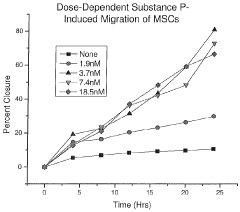
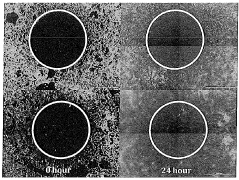
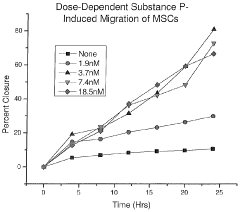
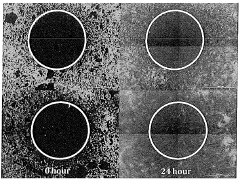
- The use of specific dosages of lithium and valproic acid to activate endogenous neural stem cells, inducing proliferation, migration, and epigenetic reprogramming, which can be administered through various routes and formulations to treat neurological conditions by promoting tissue regeneration and neuroprotection.
Composition for transporting orotic acid across the blood-brain barrier
PatentWO2010145644A2
Innovation
- A composition combining orotic acid with a carrier substance of high water solubility, such as vitamins from the B group or antibiotics, to facilitate its transport across the blood-brain barrier, allowing for its release and increased availability in the brain.
Safety and Regulatory Considerations for Lithium Orotate Use
The use of lithium orotate as a potential neural connectivity modulator raises important safety and regulatory considerations. Unlike its pharmaceutical counterpart, lithium carbonate, lithium orotate is not approved by the FDA for medical use and is primarily sold as a dietary supplement. This regulatory status creates a complex landscape for its use and distribution.
From a safety perspective, lithium orotate's lower dosage requirements compared to lithium carbonate may reduce the risk of toxicity. However, the lack of standardized dosing guidelines and limited long-term studies on its effects pose significant challenges. Potential side effects, while generally milder than those associated with lithium carbonate, still include nausea, tremors, and cognitive impairment. The risk of lithium toxicity, although lower, remains a concern, particularly in individuals with impaired renal function or those taking medications that interact with lithium.
Regulatory bodies face the challenge of balancing potential therapeutic benefits with consumer safety. The current classification of lithium orotate as a dietary supplement means it is not subject to the same rigorous testing and approval processes as prescription medications. This regulatory gap raises concerns about quality control, accurate labeling, and potential adulteration of products in the market.
Healthcare providers and consumers alike must navigate this uncertain terrain. The absence of FDA approval limits the ability of healthcare professionals to prescribe or recommend lithium orotate for neurological conditions. Consumers, often seeking alternative treatments, may turn to lithium orotate without proper medical supervision, potentially exposing themselves to unknown risks.
The international regulatory landscape for lithium orotate varies, with some countries imposing stricter controls than others. This inconsistency in global regulation complicates cross-border trade and creates challenges for multinational research efforts. As interest in lithium orotate's potential effects on neural connectivity patterns grows, there is an increasing call for harmonized international standards and regulations.
Looking ahead, the evolving understanding of lithium orotate's impact on neural connectivity may necessitate regulatory reassessment. Future research focusing on its long-term safety profile, optimal dosing strategies, and potential interactions with other medications could inform more comprehensive regulatory frameworks. The development of standardized manufacturing processes and quality control measures for lithium orotate supplements would be crucial steps toward ensuring consumer safety and product consistency.
From a safety perspective, lithium orotate's lower dosage requirements compared to lithium carbonate may reduce the risk of toxicity. However, the lack of standardized dosing guidelines and limited long-term studies on its effects pose significant challenges. Potential side effects, while generally milder than those associated with lithium carbonate, still include nausea, tremors, and cognitive impairment. The risk of lithium toxicity, although lower, remains a concern, particularly in individuals with impaired renal function or those taking medications that interact with lithium.
Regulatory bodies face the challenge of balancing potential therapeutic benefits with consumer safety. The current classification of lithium orotate as a dietary supplement means it is not subject to the same rigorous testing and approval processes as prescription medications. This regulatory gap raises concerns about quality control, accurate labeling, and potential adulteration of products in the market.
Healthcare providers and consumers alike must navigate this uncertain terrain. The absence of FDA approval limits the ability of healthcare professionals to prescribe or recommend lithium orotate for neurological conditions. Consumers, often seeking alternative treatments, may turn to lithium orotate without proper medical supervision, potentially exposing themselves to unknown risks.
The international regulatory landscape for lithium orotate varies, with some countries imposing stricter controls than others. This inconsistency in global regulation complicates cross-border trade and creates challenges for multinational research efforts. As interest in lithium orotate's potential effects on neural connectivity patterns grows, there is an increasing call for harmonized international standards and regulations.
Looking ahead, the evolving understanding of lithium orotate's impact on neural connectivity may necessitate regulatory reassessment. Future research focusing on its long-term safety profile, optimal dosing strategies, and potential interactions with other medications could inform more comprehensive regulatory frameworks. The development of standardized manufacturing processes and quality control measures for lithium orotate supplements would be crucial steps toward ensuring consumer safety and product consistency.
Comparative Analysis with Other Lithium Formulations
Lithium orotate, a lesser-known lithium formulation, has gained attention for its potential effects on neural connectivity patterns. To fully understand its impact, it is essential to compare it with other lithium formulations, particularly the more widely used lithium carbonate and lithium citrate.
Lithium carbonate, the most common form of lithium used in psychiatric treatments, has been extensively studied for its effects on neural connectivity. It has been shown to increase gray matter volume in certain brain regions and enhance functional connectivity in networks associated with emotional regulation. However, its use is often limited by side effects and the need for regular blood monitoring due to its narrow therapeutic index.
Lithium citrate, another common formulation, is often used in liquid form and is more readily absorbed than lithium carbonate. It has similar effects on neural connectivity but may offer slightly better tolerability for some patients. Both lithium carbonate and citrate primarily affect neural connectivity through their action on neurotransmitter systems and intracellular signaling pathways.
In contrast, lithium orotate is claimed to have higher bioavailability and better penetration of the blood-brain barrier. Proponents suggest that this could lead to more efficient delivery of lithium to neural tissues, potentially enhancing its effects on connectivity patterns at lower doses. However, the scientific evidence supporting these claims is limited compared to the extensive research on lithium carbonate and citrate.
Some studies have indicated that lithium orotate may have neuroprotective properties and could influence neural plasticity differently from other formulations. This could potentially result in unique effects on neural connectivity patterns, particularly in regions associated with mood regulation and cognitive function. However, more rigorous comparative studies are needed to confirm these hypotheses.
It is important to note that while lithium orotate is available as a dietary supplement in some countries, it is not approved by major regulatory agencies for the treatment of psychiatric disorders. The lack of standardized dosing and limited clinical trials make it challenging to draw definitive conclusions about its comparative efficacy and safety profile.
In summary, while lithium orotate shows promise in affecting neural connectivity patterns, its effects must be carefully compared to the well-established impacts of lithium carbonate and citrate. Further research is needed to fully elucidate the unique properties of lithium orotate and its potential advantages or disadvantages in modulating neural connectivity compared to other lithium formulations.
Lithium carbonate, the most common form of lithium used in psychiatric treatments, has been extensively studied for its effects on neural connectivity. It has been shown to increase gray matter volume in certain brain regions and enhance functional connectivity in networks associated with emotional regulation. However, its use is often limited by side effects and the need for regular blood monitoring due to its narrow therapeutic index.
Lithium citrate, another common formulation, is often used in liquid form and is more readily absorbed than lithium carbonate. It has similar effects on neural connectivity but may offer slightly better tolerability for some patients. Both lithium carbonate and citrate primarily affect neural connectivity through their action on neurotransmitter systems and intracellular signaling pathways.
In contrast, lithium orotate is claimed to have higher bioavailability and better penetration of the blood-brain barrier. Proponents suggest that this could lead to more efficient delivery of lithium to neural tissues, potentially enhancing its effects on connectivity patterns at lower doses. However, the scientific evidence supporting these claims is limited compared to the extensive research on lithium carbonate and citrate.
Some studies have indicated that lithium orotate may have neuroprotective properties and could influence neural plasticity differently from other formulations. This could potentially result in unique effects on neural connectivity patterns, particularly in regions associated with mood regulation and cognitive function. However, more rigorous comparative studies are needed to confirm these hypotheses.
It is important to note that while lithium orotate is available as a dietary supplement in some countries, it is not approved by major regulatory agencies for the treatment of psychiatric disorders. The lack of standardized dosing and limited clinical trials make it challenging to draw definitive conclusions about its comparative efficacy and safety profile.
In summary, while lithium orotate shows promise in affecting neural connectivity patterns, its effects must be carefully compared to the well-established impacts of lithium carbonate and citrate. Further research is needed to fully elucidate the unique properties of lithium orotate and its potential advantages or disadvantages in modulating neural connectivity compared to other lithium formulations.
Unlock deeper insights with PatSnap Eureka Quick Research — get a full tech report to explore trends and direct your research. Try now!
Generate Your Research Report Instantly with AI Agent
Supercharge your innovation with PatSnap Eureka AI Agent Platform!