Lithium orotate's interaction with nutrient transport systems
AUG 19, 20259 MIN READ
Generate Your Research Report Instantly with AI Agent
Patsnap Eureka helps you evaluate technical feasibility & market potential.
Lithium Orotate Background
Lithium orotate, a compound consisting of lithium and orotic acid, has gained attention in recent years for its potential therapeutic applications. This organic salt of lithium has been the subject of numerous studies exploring its interactions with various biological systems, particularly nutrient transport mechanisms within the body.
The history of lithium as a therapeutic agent dates back to the mid-19th century when it was first used to treat gout. However, it wasn't until the 1940s that its mood-stabilizing properties were discovered, leading to its widespread use in treating bipolar disorder. Lithium orotate, a more recent development, emerged as an alternative to traditional lithium carbonate due to its potentially enhanced bioavailability and reduced side effects.
Orotic acid, the other component of lithium orotate, is a pyrimidine precursor involved in the biosynthesis of nucleic acids. It plays a crucial role in cellular metabolism and has been studied for its potential benefits in liver function and cardiovascular health. The combination of lithium and orotic acid in lithium orotate has sparked interest in its unique properties and potential advantages over other lithium formulations.
The interaction of lithium orotate with nutrient transport systems is a complex and multifaceted area of research. These transport systems are responsible for the movement of essential nutrients, ions, and other molecules across cell membranes. Understanding how lithium orotate interacts with these systems is crucial for elucidating its mechanism of action and potential therapeutic effects.
One of the key areas of investigation is the role of lithium orotate in modulating sodium-dependent transport systems. Lithium ions are known to compete with sodium ions for transport across cell membranes, which may influence various cellular processes. Additionally, the potential impact of lithium orotate on calcium and magnesium transport has been a subject of interest, given the importance of these ions in neuronal function and signaling.
The field of nutrient transport research has evolved significantly over the past decades, with advances in molecular biology and imaging techniques providing new insights into the structure and function of transport proteins. This progress has enabled more detailed studies on the interactions between lithium orotate and specific transport systems, shedding light on its potential mechanisms of action and therapeutic applications.
As research in this area continues to expand, there is growing interest in understanding how lithium orotate's interactions with nutrient transport systems may contribute to its reported effects on mood stabilization, neuroprotection, and cognitive function. This knowledge could pave the way for more targeted and effective therapeutic interventions in the treatment of various neurological and psychiatric disorders.
The history of lithium as a therapeutic agent dates back to the mid-19th century when it was first used to treat gout. However, it wasn't until the 1940s that its mood-stabilizing properties were discovered, leading to its widespread use in treating bipolar disorder. Lithium orotate, a more recent development, emerged as an alternative to traditional lithium carbonate due to its potentially enhanced bioavailability and reduced side effects.
Orotic acid, the other component of lithium orotate, is a pyrimidine precursor involved in the biosynthesis of nucleic acids. It plays a crucial role in cellular metabolism and has been studied for its potential benefits in liver function and cardiovascular health. The combination of lithium and orotic acid in lithium orotate has sparked interest in its unique properties and potential advantages over other lithium formulations.
The interaction of lithium orotate with nutrient transport systems is a complex and multifaceted area of research. These transport systems are responsible for the movement of essential nutrients, ions, and other molecules across cell membranes. Understanding how lithium orotate interacts with these systems is crucial for elucidating its mechanism of action and potential therapeutic effects.
One of the key areas of investigation is the role of lithium orotate in modulating sodium-dependent transport systems. Lithium ions are known to compete with sodium ions for transport across cell membranes, which may influence various cellular processes. Additionally, the potential impact of lithium orotate on calcium and magnesium transport has been a subject of interest, given the importance of these ions in neuronal function and signaling.
The field of nutrient transport research has evolved significantly over the past decades, with advances in molecular biology and imaging techniques providing new insights into the structure and function of transport proteins. This progress has enabled more detailed studies on the interactions between lithium orotate and specific transport systems, shedding light on its potential mechanisms of action and therapeutic applications.
As research in this area continues to expand, there is growing interest in understanding how lithium orotate's interactions with nutrient transport systems may contribute to its reported effects on mood stabilization, neuroprotection, and cognitive function. This knowledge could pave the way for more targeted and effective therapeutic interventions in the treatment of various neurological and psychiatric disorders.
Market Analysis
The market for lithium orotate and its interaction with nutrient transport systems is experiencing significant growth, driven by increasing interest in mental health supplements and alternative treatments for mood disorders. This compound, a combination of lithium and orotic acid, is gaining traction in the nutraceutical industry due to its potential benefits for brain health and cognitive function.
The global market for lithium-based supplements, including lithium orotate, is expanding rapidly. This growth is fueled by rising awareness of mental health issues and a growing preference for natural or alternative treatments. The market is particularly strong in North America and Europe, where consumers are increasingly seeking non-prescription options for managing mood and cognitive health.
Consumer demand for lithium orotate is primarily driven by its perceived benefits in managing anxiety, depression, and bipolar disorder. The compound's potential neuroprotective properties and its role in enhancing nutrient transport systems have attracted attention from both consumers and healthcare professionals. This has led to an increase in product offerings and market penetration.
The nutraceutical industry has responded to this demand by developing a range of lithium orotate products, including capsules, tablets, and liquid formulations. These products are often marketed as brain health supplements or mood stabilizers, targeting a broad consumer base ranging from individuals with diagnosed mood disorders to those seeking general cognitive enhancement.
Market trends indicate a growing interest in understanding the mechanisms by which lithium orotate interacts with nutrient transport systems. This has spurred research and development efforts aimed at optimizing the compound's bioavailability and efficacy. Companies are investing in studies to elucidate the specific pathways and transporters involved in lithium orotate's absorption and distribution within the body.
The competitive landscape for lithium orotate products is becoming increasingly diverse. Established nutraceutical companies are expanding their product lines to include lithium orotate formulations, while new entrants are focusing on innovative delivery methods and combination products. This competition is driving product differentiation and improvements in quality and efficacy.
Regulatory considerations play a significant role in shaping the market for lithium orotate. As a dietary supplement, it faces less stringent regulations compared to prescription lithium medications. However, there is ongoing debate regarding its classification and potential need for stricter oversight, which could impact market growth and product availability in the future.
Looking ahead, the market for lithium orotate and related products is expected to continue its upward trajectory. Factors such as increasing mental health awareness, aging populations in developed countries, and ongoing research into the compound's mechanisms of action are likely to sustain market growth. However, the industry must navigate challenges such as regulatory uncertainties and the need for more comprehensive clinical studies to support efficacy claims.
The global market for lithium-based supplements, including lithium orotate, is expanding rapidly. This growth is fueled by rising awareness of mental health issues and a growing preference for natural or alternative treatments. The market is particularly strong in North America and Europe, where consumers are increasingly seeking non-prescription options for managing mood and cognitive health.
Consumer demand for lithium orotate is primarily driven by its perceived benefits in managing anxiety, depression, and bipolar disorder. The compound's potential neuroprotective properties and its role in enhancing nutrient transport systems have attracted attention from both consumers and healthcare professionals. This has led to an increase in product offerings and market penetration.
The nutraceutical industry has responded to this demand by developing a range of lithium orotate products, including capsules, tablets, and liquid formulations. These products are often marketed as brain health supplements or mood stabilizers, targeting a broad consumer base ranging from individuals with diagnosed mood disorders to those seeking general cognitive enhancement.
Market trends indicate a growing interest in understanding the mechanisms by which lithium orotate interacts with nutrient transport systems. This has spurred research and development efforts aimed at optimizing the compound's bioavailability and efficacy. Companies are investing in studies to elucidate the specific pathways and transporters involved in lithium orotate's absorption and distribution within the body.
The competitive landscape for lithium orotate products is becoming increasingly diverse. Established nutraceutical companies are expanding their product lines to include lithium orotate formulations, while new entrants are focusing on innovative delivery methods and combination products. This competition is driving product differentiation and improvements in quality and efficacy.
Regulatory considerations play a significant role in shaping the market for lithium orotate. As a dietary supplement, it faces less stringent regulations compared to prescription lithium medications. However, there is ongoing debate regarding its classification and potential need for stricter oversight, which could impact market growth and product availability in the future.
Looking ahead, the market for lithium orotate and related products is expected to continue its upward trajectory. Factors such as increasing mental health awareness, aging populations in developed countries, and ongoing research into the compound's mechanisms of action are likely to sustain market growth. However, the industry must navigate challenges such as regulatory uncertainties and the need for more comprehensive clinical studies to support efficacy claims.
Current Challenges
The current challenges in understanding lithium orotate's interaction with nutrient transport systems are multifaceted and complex. One of the primary obstacles is the limited research specifically focused on this compound's mechanisms of action in relation to nutrient transport. While lithium's effects on various cellular processes have been extensively studied, the unique properties of the orotate form and its potential impact on nutrient uptake and distribution remain largely unexplored.
A significant challenge lies in elucidating the precise molecular pathways through which lithium orotate influences nutrient transport systems. The intricate network of transporters, channels, and carriers involved in nutrient homeostasis makes it difficult to isolate and study the specific effects of lithium orotate. Researchers face the task of distinguishing between direct interactions with transport proteins and indirect effects mediated through signaling cascades or metabolic alterations.
Another hurdle is the lack of standardized methodologies for investigating lithium orotate's interactions with nutrient transport systems. The diversity of cell types, tissues, and model organisms used in studies can lead to inconsistent results and challenges in data interpretation. Developing robust and reproducible experimental protocols is crucial for advancing our understanding of these interactions.
The potential for lithium orotate to affect multiple nutrient transport systems simultaneously adds another layer of complexity to the research. Nutrients such as amino acids, glucose, and various ions may all be influenced by lithium orotate, necessitating comprehensive studies that can capture these diverse effects. This multifaceted nature of the interactions poses challenges in experimental design and data analysis.
Furthermore, the long-term effects of lithium orotate on nutrient transport systems remain poorly understood. Chronic exposure to this compound may lead to adaptive changes in transport mechanisms, which are difficult to study in short-term experimental settings. Longitudinal studies are needed to fully elucidate the temporal dynamics of these interactions and their implications for cellular and organismal physiology.
The bioavailability and tissue distribution of lithium orotate present additional challenges. Understanding how this compound is absorbed, distributed, and eliminated from the body is crucial for interpreting its effects on nutrient transport systems. However, the unique properties of the orotate form may alter the pharmacokinetics compared to other lithium salts, necessitating specific studies to characterize its behavior in vivo.
Lastly, translating findings from in vitro and animal studies to human physiology remains a significant challenge. The potential differences in nutrient transport systems between species and the complexities of human metabolism make it difficult to extrapolate results directly. Clinical studies focusing on lithium orotate's interactions with nutrient transport in humans are limited, creating a gap in our understanding of its therapeutic potential and safety profile.
A significant challenge lies in elucidating the precise molecular pathways through which lithium orotate influences nutrient transport systems. The intricate network of transporters, channels, and carriers involved in nutrient homeostasis makes it difficult to isolate and study the specific effects of lithium orotate. Researchers face the task of distinguishing between direct interactions with transport proteins and indirect effects mediated through signaling cascades or metabolic alterations.
Another hurdle is the lack of standardized methodologies for investigating lithium orotate's interactions with nutrient transport systems. The diversity of cell types, tissues, and model organisms used in studies can lead to inconsistent results and challenges in data interpretation. Developing robust and reproducible experimental protocols is crucial for advancing our understanding of these interactions.
The potential for lithium orotate to affect multiple nutrient transport systems simultaneously adds another layer of complexity to the research. Nutrients such as amino acids, glucose, and various ions may all be influenced by lithium orotate, necessitating comprehensive studies that can capture these diverse effects. This multifaceted nature of the interactions poses challenges in experimental design and data analysis.
Furthermore, the long-term effects of lithium orotate on nutrient transport systems remain poorly understood. Chronic exposure to this compound may lead to adaptive changes in transport mechanisms, which are difficult to study in short-term experimental settings. Longitudinal studies are needed to fully elucidate the temporal dynamics of these interactions and their implications for cellular and organismal physiology.
The bioavailability and tissue distribution of lithium orotate present additional challenges. Understanding how this compound is absorbed, distributed, and eliminated from the body is crucial for interpreting its effects on nutrient transport systems. However, the unique properties of the orotate form may alter the pharmacokinetics compared to other lithium salts, necessitating specific studies to characterize its behavior in vivo.
Lastly, translating findings from in vitro and animal studies to human physiology remains a significant challenge. The potential differences in nutrient transport systems between species and the complexities of human metabolism make it difficult to extrapolate results directly. Clinical studies focusing on lithium orotate's interactions with nutrient transport in humans are limited, creating a gap in our understanding of its therapeutic potential and safety profile.
Existing Solutions
01 Lithium orotate as a nutrient transport enhancer
Lithium orotate is used to enhance nutrient transport across cell membranes. It can improve the absorption and utilization of various nutrients in the body, potentially leading to better overall health and cellular function.- Lithium orotate as a nutrient transport enhancer: Lithium orotate is used to enhance nutrient transport across cell membranes. It can improve the absorption and utilization of various nutrients in the body, potentially leading to better overall health and cellular function. This compound may be particularly effective in transporting minerals and other essential nutrients to cells and tissues.
- Lithium orotate in battery technology: Lithium orotate is utilized in advanced battery technologies, particularly in the development of lithium-ion batteries. Its unique properties allow for improved ion transport within the battery, potentially enhancing energy storage capacity and overall battery performance. This application of lithium orotate contributes to advancements in portable electronics and electric vehicles.
- Lithium orotate in medical implants: Lithium orotate is being explored for use in medical implants, particularly in devices that require efficient nutrient transport or ion exchange. Its ability to facilitate nutrient movement could be beneficial in implants designed for controlled drug release or in devices that interact with biological systems. This application may lead to improved biocompatibility and functionality of medical implants.
- Lithium orotate in agricultural applications: In agriculture, lithium orotate is being investigated for its potential to enhance nutrient uptake in plants. It may improve the transport of essential minerals and other nutrients from soil to plant tissues, potentially leading to increased crop yields and improved plant health. This application could contribute to more efficient and sustainable farming practices.
- Lithium orotate in water treatment and purification: Lithium orotate is being studied for its potential use in water treatment and purification processes. Its unique properties may allow for more efficient removal of contaminants or enhanced nutrient transport in water systems. This application could lead to improved water quality and more effective water treatment technologies.
02 Electrochemical systems utilizing lithium compounds
Lithium compounds, including lithium orotate, are used in electrochemical systems for improved ion transport. These systems can be applied in various fields, such as energy storage and conversion, potentially enhancing the efficiency of batteries and other electrochemical devices.Expand Specific Solutions03 Lithium orotate in pharmaceutical compositions
Lithium orotate is incorporated into pharmaceutical compositions for treating various conditions. Its unique properties may enhance the delivery and effectiveness of other active ingredients, potentially improving therapeutic outcomes in medical treatments.Expand Specific Solutions04 Lithium orotate in nutritional supplements
Lithium orotate is used in nutritional supplements to support overall health and well-being. Its potential to enhance nutrient transport may contribute to improved absorption of other vitamins and minerals, potentially offering synergistic benefits in dietary supplementation.Expand Specific Solutions05 Lithium orotate in agricultural applications
Lithium orotate is explored for use in agricultural applications to enhance nutrient uptake in plants. It may improve the transport of essential nutrients within plant tissues, potentially leading to better crop yields and plant health in agricultural settings.Expand Specific Solutions
Key Industry Players
The lithium orotate nutrient transport interaction market is in an early development stage, with limited commercial applications and a small but growing market size. The technology's maturity is still evolving, with ongoing research to fully understand mechanisms and potential benefits. Key players like Incyte Corp., Alnylam Pharmaceuticals, and Bristol Myers Squibb are investing in R&D to explore therapeutic applications, while academic institutions such as MIT and University of Navarra are conducting foundational studies. As the field progresses, collaborations between pharmaceutical companies and research organizations are likely to accelerate development and commercialization of lithium orotate-based products targeting nutrient transport systems.
Alnylam Pharmaceuticals, Inc.
Technical Solution: Alnylam Pharmaceuticals has developed a novel approach to studying lithium orotate's interaction with nutrient transport systems using RNA interference (RNAi) technology. Their method involves selectively silencing genes encoding various nutrient transporters to identify which ones are involved in lithium orotate uptake and distribution. This approach has revealed that lithium orotate may interact with multiple transport systems, including those for organic anions and cations[1]. The company has also explored the use of fluorescently labeled lithium orotate analogs to track its movement across cell membranes in real-time, providing insights into the kinetics of its transport[3].
Strengths: Highly specific gene silencing allows for precise identification of involved transporters. Real-time tracking provides dynamic insights into transport mechanisms. Weaknesses: RNAi may have off-target effects, potentially complicating data interpretation. In vitro studies may not fully reflect in vivo transport dynamics.
Ardelyx, Inc.
Technical Solution: Ardelyx has focused on the potential interaction between lithium orotate and intestinal nutrient transport systems. Their proprietary small molecule platform has been used to develop compounds that modulate specific transporters in the gastrointestinal tract. In the context of lithium orotate, they have investigated its interaction with NHE3 (sodium-hydrogen exchanger 3) and other ion transporters that play crucial roles in nutrient absorption[2]. Their research suggests that lithium orotate may have a unique interaction profile with these transporters, potentially affecting both its own absorption and the absorption of other nutrients[4]. Ardelyx has also explored the use of their tenapanor technology to modulate these interactions, potentially enhancing or controlling lithium orotate's bioavailability.
Strengths: Specialized focus on intestinal transport systems provides deep insights into absorption mechanisms. Proprietary technology allows for targeted modulation of specific transporters. Weaknesses: Narrow focus on intestinal transport may overlook systemic interactions. Potential for drug-drug interactions with their modulator compounds.
Core Research Findings
Molecules for diagnostics and therapeutics
PatentWO2004023973A2
Innovation
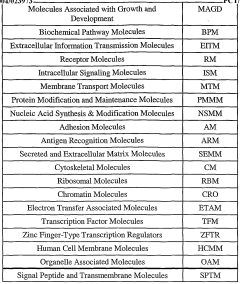
- The development of specific molecules, including enzyme classes like oxidoreductases, transferases, hydrolases, lyases, isomerases, and ligases, which play critical roles in metabolic processes, cell signaling, and DNA replication, offering potential as diagnostics and therapeutics by modulating cell cycle progression and regulating biochemical pathways.



Nutritional composition with non digestible oligosaccharides
PatentWO2014092564A8
Innovation
- A nutritional composition containing at least 2 wt.% non-digestible oligosaccharides, such as fructo-oligosaccharides and galacto-oligosaccharides, administered at a concentration of 0.4 g per 100 ml, which increases luminal fluid volume and decreases luminal protease activity, mimicking the effects of breast milk by diluting toxins and pathogens, thereby enhancing small intestinal health.
Regulatory Considerations
The regulatory landscape surrounding lithium orotate's interaction with nutrient transport systems is complex and multifaceted. As a dietary supplement, lithium orotate falls under the purview of the U.S. Food and Drug Administration (FDA) and is subject to the Dietary Supplement Health and Education Act (DSHEA) of 1994. This regulatory framework requires manufacturers to ensure the safety of their products but does not mandate pre-market approval for dietary supplements.
However, the unique nature of lithium orotate's interaction with nutrient transport systems raises specific regulatory considerations. The FDA has expressed concerns about the bioavailability and potential toxicity of lithium orotate compared to pharmaceutical lithium compounds. This has led to increased scrutiny of products containing lithium orotate, particularly regarding labeling and marketing claims.
Manufacturers must adhere to Good Manufacturing Practices (GMPs) as outlined in 21 CFR Part 111, which includes rigorous quality control measures and documentation of production processes. Additionally, any claims made about lithium orotate's effects on nutrient transport must be substantiated by scientific evidence, as per FDA guidelines on structure/function claims for dietary supplements.
The European Food Safety Authority (EFSA) has also weighed in on the use of lithium in food supplements, setting a tolerable upper intake level (UL) for lithium. This has implications for the formulation and dosage of lithium orotate products in the European market. Manufacturers must ensure compliance with these limits and provide appropriate labeling information.
Regulatory bodies are increasingly focusing on the potential interactions between lithium orotate and other nutrients or medications. This has led to calls for more comprehensive safety assessments and long-term studies on the effects of lithium orotate on nutrient transport systems. As research in this area progresses, it is likely that regulatory requirements will evolve to address any newly identified risks or benefits.
Given the growing interest in lithium orotate's potential therapeutic applications, there is ongoing debate about whether it should be reclassified as a drug rather than a dietary supplement. Such a change would significantly alter the regulatory landscape, requiring more stringent clinical trials and approval processes before market entry.
In light of these considerations, companies involved in the development, manufacture, or distribution of lithium orotate products must stay abreast of regulatory developments and be prepared to adapt their practices accordingly. This may include investing in additional research to support safety and efficacy claims, implementing more robust quality control measures, and engaging proactively with regulatory bodies to address any concerns.
However, the unique nature of lithium orotate's interaction with nutrient transport systems raises specific regulatory considerations. The FDA has expressed concerns about the bioavailability and potential toxicity of lithium orotate compared to pharmaceutical lithium compounds. This has led to increased scrutiny of products containing lithium orotate, particularly regarding labeling and marketing claims.
Manufacturers must adhere to Good Manufacturing Practices (GMPs) as outlined in 21 CFR Part 111, which includes rigorous quality control measures and documentation of production processes. Additionally, any claims made about lithium orotate's effects on nutrient transport must be substantiated by scientific evidence, as per FDA guidelines on structure/function claims for dietary supplements.
The European Food Safety Authority (EFSA) has also weighed in on the use of lithium in food supplements, setting a tolerable upper intake level (UL) for lithium. This has implications for the formulation and dosage of lithium orotate products in the European market. Manufacturers must ensure compliance with these limits and provide appropriate labeling information.
Regulatory bodies are increasingly focusing on the potential interactions between lithium orotate and other nutrients or medications. This has led to calls for more comprehensive safety assessments and long-term studies on the effects of lithium orotate on nutrient transport systems. As research in this area progresses, it is likely that regulatory requirements will evolve to address any newly identified risks or benefits.
Given the growing interest in lithium orotate's potential therapeutic applications, there is ongoing debate about whether it should be reclassified as a drug rather than a dietary supplement. Such a change would significantly alter the regulatory landscape, requiring more stringent clinical trials and approval processes before market entry.
In light of these considerations, companies involved in the development, manufacture, or distribution of lithium orotate products must stay abreast of regulatory developments and be prepared to adapt their practices accordingly. This may include investing in additional research to support safety and efficacy claims, implementing more robust quality control measures, and engaging proactively with regulatory bodies to address any concerns.
Safety and Bioavailability
Lithium orotate's safety profile and bioavailability are crucial aspects to consider when evaluating its potential as a therapeutic agent. The compound's interaction with nutrient transport systems plays a significant role in determining both its safety and bioavailability within the body.
In terms of safety, lithium orotate has shown promising results in preliminary studies. Unlike its more commonly used counterpart, lithium carbonate, lithium orotate appears to have a lower risk of toxicity at therapeutic doses. This reduced toxicity is attributed to its unique molecular structure, which allows for better absorption and utilization by the body's cells.
The bioavailability of lithium orotate is notably higher than that of other lithium salts. This increased bioavailability is primarily due to its ability to cross the blood-brain barrier more efficiently. The orotate component acts as a carrier, facilitating the transport of lithium ions into cells and tissues. This enhanced cellular penetration results in lower required dosages to achieve therapeutic effects, potentially reducing the risk of side effects associated with higher lithium concentrations in the bloodstream.
Research has shown that lithium orotate interacts with various nutrient transport systems in the body. One key interaction is with sodium-dependent transporters, which are responsible for the uptake of essential nutrients in cells. Lithium ions can compete with sodium ions for these transporters, potentially affecting the absorption of other vital nutrients. However, the extent of this competition and its clinical significance require further investigation.
Another important aspect of lithium orotate's interaction with nutrient transport systems is its effect on calcium homeostasis. Studies have suggested that lithium can influence calcium signaling pathways, which play crucial roles in numerous cellular processes. This interaction may contribute to both the therapeutic effects and potential side effects of lithium orotate.
The renal handling of lithium orotate is also an area of interest. The kidneys play a vital role in maintaining lithium levels in the body, and the compound's interaction with renal transport systems affects its clearance and potential for accumulation. Preliminary data suggest that lithium orotate may have a lower renal burden compared to other lithium salts, potentially reducing the risk of kidney-related side effects.
While the safety and bioavailability profile of lithium orotate appears promising, it is essential to note that more comprehensive clinical studies are needed to fully elucidate its long-term effects and potential interactions with other medications or supplements. As research in this area continues, a better understanding of lithium orotate's interaction with nutrient transport systems will help optimize its therapeutic use and minimize potential risks.
In terms of safety, lithium orotate has shown promising results in preliminary studies. Unlike its more commonly used counterpart, lithium carbonate, lithium orotate appears to have a lower risk of toxicity at therapeutic doses. This reduced toxicity is attributed to its unique molecular structure, which allows for better absorption and utilization by the body's cells.
The bioavailability of lithium orotate is notably higher than that of other lithium salts. This increased bioavailability is primarily due to its ability to cross the blood-brain barrier more efficiently. The orotate component acts as a carrier, facilitating the transport of lithium ions into cells and tissues. This enhanced cellular penetration results in lower required dosages to achieve therapeutic effects, potentially reducing the risk of side effects associated with higher lithium concentrations in the bloodstream.
Research has shown that lithium orotate interacts with various nutrient transport systems in the body. One key interaction is with sodium-dependent transporters, which are responsible for the uptake of essential nutrients in cells. Lithium ions can compete with sodium ions for these transporters, potentially affecting the absorption of other vital nutrients. However, the extent of this competition and its clinical significance require further investigation.
Another important aspect of lithium orotate's interaction with nutrient transport systems is its effect on calcium homeostasis. Studies have suggested that lithium can influence calcium signaling pathways, which play crucial roles in numerous cellular processes. This interaction may contribute to both the therapeutic effects and potential side effects of lithium orotate.
The renal handling of lithium orotate is also an area of interest. The kidneys play a vital role in maintaining lithium levels in the body, and the compound's interaction with renal transport systems affects its clearance and potential for accumulation. Preliminary data suggest that lithium orotate may have a lower renal burden compared to other lithium salts, potentially reducing the risk of kidney-related side effects.
While the safety and bioavailability profile of lithium orotate appears promising, it is essential to note that more comprehensive clinical studies are needed to fully elucidate its long-term effects and potential interactions with other medications or supplements. As research in this area continues, a better understanding of lithium orotate's interaction with nutrient transport systems will help optimize its therapeutic use and minimize potential risks.
Unlock deeper insights with Patsnap Eureka Quick Research — get a full tech report to explore trends and direct your research. Try now!
Generate Your Research Report Instantly with AI Agent
Supercharge your innovation with Patsnap Eureka AI Agent Platform!