
How to Align Seamless Rate with Network Demand Dynamics
MAR 2, 20269 MIN READ
Generate Your Research Report Instantly with AI Agent
Patsnap Eureka helps you evaluate technical feasibility & market potential.
Network Rate Alignment Background and Objectives
Network rate alignment represents a critical paradigm in modern telecommunications infrastructure, addressing the fundamental challenge of dynamically matching data transmission rates with fluctuating network demand patterns. This technological domain has evolved from static bandwidth allocation methods to sophisticated adaptive systems capable of real-time optimization. The historical progression began with circuit-switched networks offering fixed capacity allocations, progressed through packet-switched architectures enabling statistical multiplexing, and now encompasses intelligent software-defined networking solutions that leverage machine learning algorithms for predictive rate adjustment.
The evolution of network rate alignment technology reflects the broader transformation from hardware-centric to software-defined networking architectures. Early implementations relied on manual configuration and predetermined traffic engineering rules, which proved inadequate for handling the exponential growth in data traffic and the emergence of diverse application requirements. The introduction of Quality of Service protocols marked a significant milestone, enabling differentiated treatment of traffic flows based on application priorities and performance requirements.
Contemporary network environments face unprecedented challenges in maintaining seamless rate alignment due to the proliferation of bandwidth-intensive applications, including ultra-high-definition video streaming, augmented reality services, and Internet of Things deployments. These applications exhibit highly variable and often unpredictable demand patterns, creating complex optimization problems that traditional static allocation methods cannot effectively address.
The primary objective of seamless rate alignment technology is to establish dynamic equilibrium between available network capacity and instantaneous demand while maintaining service quality guarantees across diverse traffic classes. This involves developing intelligent algorithms capable of predicting traffic patterns, optimizing resource allocation in real-time, and adapting to network topology changes without service disruption.
Key technical goals include minimizing latency variations during rate transitions, maximizing network utilization efficiency, and ensuring fairness in resource distribution among competing traffic flows. Advanced implementations aim to achieve sub-millisecond response times for rate adjustments while maintaining backward compatibility with existing network protocols and infrastructure investments.
The strategic importance of this technology extends beyond performance optimization to encompass economic efficiency and competitive advantage in telecommunications markets. Service providers require sophisticated rate alignment capabilities to deliver differentiated services, optimize infrastructure investments, and meet increasingly stringent service level agreements in an environment of growing traffic diversity and volume.
The evolution of network rate alignment technology reflects the broader transformation from hardware-centric to software-defined networking architectures. Early implementations relied on manual configuration and predetermined traffic engineering rules, which proved inadequate for handling the exponential growth in data traffic and the emergence of diverse application requirements. The introduction of Quality of Service protocols marked a significant milestone, enabling differentiated treatment of traffic flows based on application priorities and performance requirements.
Contemporary network environments face unprecedented challenges in maintaining seamless rate alignment due to the proliferation of bandwidth-intensive applications, including ultra-high-definition video streaming, augmented reality services, and Internet of Things deployments. These applications exhibit highly variable and often unpredictable demand patterns, creating complex optimization problems that traditional static allocation methods cannot effectively address.
The primary objective of seamless rate alignment technology is to establish dynamic equilibrium between available network capacity and instantaneous demand while maintaining service quality guarantees across diverse traffic classes. This involves developing intelligent algorithms capable of predicting traffic patterns, optimizing resource allocation in real-time, and adapting to network topology changes without service disruption.
Key technical goals include minimizing latency variations during rate transitions, maximizing network utilization efficiency, and ensuring fairness in resource distribution among competing traffic flows. Advanced implementations aim to achieve sub-millisecond response times for rate adjustments while maintaining backward compatibility with existing network protocols and infrastructure investments.
The strategic importance of this technology extends beyond performance optimization to encompass economic efficiency and competitive advantage in telecommunications markets. Service providers require sophisticated rate alignment capabilities to deliver differentiated services, optimize infrastructure investments, and meet increasingly stringent service level agreements in an environment of growing traffic diversity and volume.
Market Demand for Dynamic Network Rate Management
The telecommunications industry is experiencing unprecedented demand for dynamic network rate management solutions as digital transformation accelerates across all sectors. Enterprise customers increasingly require network services that can automatically adjust bandwidth allocation and pricing models based on real-time usage patterns and business priorities. This shift from static, predetermined rate structures to dynamic, demand-responsive pricing represents a fundamental evolution in how network services are consumed and monetized.
Cloud service providers and content delivery networks constitute the largest segment driving this market demand. These organizations face highly variable traffic loads throughout different time periods and geographic regions, making traditional fixed-rate contracts economically inefficient. The growing adoption of edge computing and distributed applications further amplifies the need for granular, location-specific rate adjustments that can respond to localized demand spikes within minutes rather than hours.
Financial services and trading platforms represent another critical market segment with stringent requirements for low-latency connectivity and guaranteed bandwidth during peak trading hours. These organizations are willing to pay premium rates for priority access during critical periods while accepting reduced rates during off-peak times. The regulatory compliance requirements in this sector also drive demand for transparent, auditable rate management systems that can demonstrate fair allocation practices.
The emergence of Internet of Things deployments across manufacturing, healthcare, and smart city initiatives creates additional market pressure for sophisticated rate management capabilities. These applications generate highly predictable traffic patterns that can be optimized through intelligent rate scheduling, while also requiring burst capacity for emergency situations or maintenance windows.
Telecommunications carriers themselves face mounting pressure to optimize network utilization and revenue generation. Traditional overprovisioning strategies are becoming economically unsustainable as network infrastructure costs continue rising. Dynamic rate management enables carriers to maximize revenue per bit while maintaining service quality commitments, creating a compelling business case for investment in these technologies.
The market opportunity extends beyond simple bandwidth allocation to encompass quality of service differentiation, multi-tenant resource sharing, and integration with software-defined networking architectures. Organizations are seeking comprehensive solutions that can seamlessly integrate rate management with existing network monitoring and billing systems while providing real-time visibility into cost optimization opportunities.
Cloud service providers and content delivery networks constitute the largest segment driving this market demand. These organizations face highly variable traffic loads throughout different time periods and geographic regions, making traditional fixed-rate contracts economically inefficient. The growing adoption of edge computing and distributed applications further amplifies the need for granular, location-specific rate adjustments that can respond to localized demand spikes within minutes rather than hours.
Financial services and trading platforms represent another critical market segment with stringent requirements for low-latency connectivity and guaranteed bandwidth during peak trading hours. These organizations are willing to pay premium rates for priority access during critical periods while accepting reduced rates during off-peak times. The regulatory compliance requirements in this sector also drive demand for transparent, auditable rate management systems that can demonstrate fair allocation practices.
The emergence of Internet of Things deployments across manufacturing, healthcare, and smart city initiatives creates additional market pressure for sophisticated rate management capabilities. These applications generate highly predictable traffic patterns that can be optimized through intelligent rate scheduling, while also requiring burst capacity for emergency situations or maintenance windows.
Telecommunications carriers themselves face mounting pressure to optimize network utilization and revenue generation. Traditional overprovisioning strategies are becoming economically unsustainable as network infrastructure costs continue rising. Dynamic rate management enables carriers to maximize revenue per bit while maintaining service quality commitments, creating a compelling business case for investment in these technologies.
The market opportunity extends beyond simple bandwidth allocation to encompass quality of service differentiation, multi-tenant resource sharing, and integration with software-defined networking architectures. Organizations are seeking comprehensive solutions that can seamlessly integrate rate management with existing network monitoring and billing systems while providing real-time visibility into cost optimization opportunities.
Current Challenges in Seamless Rate Adaptation
Seamless rate adaptation in modern networks faces significant technical obstacles that impede optimal performance alignment with dynamic demand patterns. The primary challenge stems from the inherent latency between network condition detection and rate adjustment implementation. Traditional feedback mechanisms often operate with delays ranging from hundreds of milliseconds to several seconds, creating a temporal mismatch between actual network capacity and applied transmission rates.
Prediction accuracy represents another critical bottleneck in seamless rate adaptation systems. Current algorithms struggle to accurately forecast short-term network fluctuations, particularly in heterogeneous environments where multiple access technologies coexist. Machine learning models, while promising, require extensive training datasets and computational resources that may not be readily available in real-time scenarios. The complexity increases exponentially when considering multi-path transmission scenarios where different network segments exhibit varying characteristics.
Buffer management complexity poses substantial implementation challenges for seamless rate adaptation mechanisms. Maintaining optimal buffer levels while preventing overflow or underflow requires sophisticated algorithms that can dynamically adjust based on content characteristics, network conditions, and user preferences simultaneously. The trade-off between minimizing latency and ensuring smooth playback becomes particularly acute during rapid network transitions.
Cross-layer optimization difficulties emerge when attempting to coordinate rate adaptation across different protocol layers. The lack of standardized interfaces between application, transport, and network layers creates information silos that prevent holistic optimization. This fragmentation results in suboptimal decisions where individual layers may optimize locally while degrading overall system performance.
Scalability constraints become apparent in large-scale deployments where thousands of concurrent sessions require individualized rate adaptation. The computational overhead of maintaining separate adaptation algorithms for each session can overwhelm network infrastructure, particularly at edge nodes with limited processing capabilities. Resource allocation conflicts arise when multiple adaptation algorithms compete for the same network resources without centralized coordination.
Quality of Experience measurement and integration into adaptation algorithms remains technically challenging. Translating subjective user satisfaction metrics into quantifiable parameters that can guide real-time rate decisions requires sophisticated modeling approaches. The diversity of user devices, viewing conditions, and content types further complicates the development of universal quality assessment frameworks that can operate effectively across different deployment scenarios.
Prediction accuracy represents another critical bottleneck in seamless rate adaptation systems. Current algorithms struggle to accurately forecast short-term network fluctuations, particularly in heterogeneous environments where multiple access technologies coexist. Machine learning models, while promising, require extensive training datasets and computational resources that may not be readily available in real-time scenarios. The complexity increases exponentially when considering multi-path transmission scenarios where different network segments exhibit varying characteristics.
Buffer management complexity poses substantial implementation challenges for seamless rate adaptation mechanisms. Maintaining optimal buffer levels while preventing overflow or underflow requires sophisticated algorithms that can dynamically adjust based on content characteristics, network conditions, and user preferences simultaneously. The trade-off between minimizing latency and ensuring smooth playback becomes particularly acute during rapid network transitions.
Cross-layer optimization difficulties emerge when attempting to coordinate rate adaptation across different protocol layers. The lack of standardized interfaces between application, transport, and network layers creates information silos that prevent holistic optimization. This fragmentation results in suboptimal decisions where individual layers may optimize locally while degrading overall system performance.
Scalability constraints become apparent in large-scale deployments where thousands of concurrent sessions require individualized rate adaptation. The computational overhead of maintaining separate adaptation algorithms for each session can overwhelm network infrastructure, particularly at edge nodes with limited processing capabilities. Resource allocation conflicts arise when multiple adaptation algorithms compete for the same network resources without centralized coordination.
Quality of Experience measurement and integration into adaptation algorithms remains technically challenging. Translating subjective user satisfaction metrics into quantifiable parameters that can guide real-time rate decisions requires sophisticated modeling approaches. The diversity of user devices, viewing conditions, and content types further complicates the development of universal quality assessment frameworks that can operate effectively across different deployment scenarios.
Existing Seamless Rate Alignment Approaches
01 Seamless knitting technology and apparatus
Technologies and apparatus designed for seamless knitting processes that enable continuous production without seams. These systems incorporate specialized needle arrangements, cylinder configurations, and control mechanisms to achieve seamless tubular or flat knitted fabrics with improved production rates and quality consistency.- Seamless knitting technology and apparatus: Technologies and apparatus designed for seamless knitting processes that enable continuous production without seams. These systems incorporate specialized needle arrangements, cylinder configurations, and control mechanisms to achieve seamless tubular or flat knitted fabrics with improved production rates and quality consistency.
- Rate control systems for seamless production: Control systems and methods for regulating production rates in seamless manufacturing processes. These systems monitor and adjust various parameters such as speed, tension, and feed rates to optimize throughput while maintaining product quality. Advanced feedback mechanisms and automated adjustments ensure consistent production rates throughout the seamless manufacturing cycle.
- Seamless tube and pipe production methods: Manufacturing methods and equipment for producing seamless tubes and pipes with enhanced production rates. These techniques involve specialized forming, rolling, and extrusion processes that eliminate welding requirements while achieving high throughput. Process optimization includes temperature control, material flow management, and dimensional accuracy maintenance at increased production speeds.
- Quality monitoring in seamless production: Systems and methods for monitoring quality parameters during seamless production processes to maintain consistent rates without compromising product integrity. These include real-time inspection technologies, defect detection systems, and automated quality control mechanisms that enable high-speed production while ensuring specification compliance.
- Material handling and feeding systems for seamless processes: Advanced material handling and feeding mechanisms designed to support continuous seamless production at optimized rates. These systems ensure consistent material supply, proper tension control, and synchronized feeding to maintain uninterrupted production flow. Integration of automated material management reduces downtime and enhances overall production efficiency.
02 Rate control systems for seamless production
Control systems and methods for regulating production rates in seamless manufacturing processes. These systems monitor and adjust various parameters such as speed, tension, and feed rates to optimize throughput while maintaining product quality. Advanced feedback mechanisms and automated adjustments ensure consistent production rates throughout the seamless manufacturing cycle.Expand Specific Solutions03 Seamless tube and pipe production methods
Manufacturing techniques for producing seamless tubes and pipes with enhanced production efficiency. These methods involve specialized forming, rolling, and extrusion processes that eliminate welding seams while achieving high production rates. Process optimization includes temperature control, material flow management, and dimensional accuracy maintenance.Expand Specific Solutions04 Quality monitoring and defect detection in seamless production
Systems for real-time quality monitoring and defect detection during seamless production processes. These technologies employ sensors, imaging systems, and analytical algorithms to identify irregularities, dimensional variations, and surface defects while maintaining production rates. Automated inspection capabilities enable immediate corrective actions without significant throughput reduction.Expand Specific Solutions05 Material handling and feeding systems for seamless operations
Automated material handling and feeding mechanisms designed to support continuous seamless production. These systems ensure consistent material supply, proper alignment, and controlled feed rates to maintain uninterrupted production flow. Integration of buffer systems, tension control devices, and synchronized feeding mechanisms optimize overall production efficiency.Expand Specific Solutions
Key Players in Network Rate Management Solutions
The competitive landscape for aligning seamless rate with network demand dynamics is characterized by an emerging market in the early development stage, driven primarily by smart grid modernization initiatives. The market demonstrates significant growth potential, particularly in China's power sector, with substantial investments from state-owned enterprises. Technology maturity varies considerably across players, with established infrastructure companies like State Grid Corp. of China, China Southern Power Grid, and Siemens AG leading in grid management solutions, while telecommunications giants such as Huawei Technologies and China Mobile provide advanced networking capabilities. Research institutions including Shanghai Jiao Tong University, Xi'an Jiaotong University, and North China Electric Power University contribute foundational research, though commercial applications remain in pilot phases. The convergence of power grid operators, technology providers, and academic institutions suggests a collaborative ecosystem still defining optimal approaches for dynamic rate alignment with real-time network demands.
State Grid Corp. of China
Technical Solution: State Grid has implemented smart grid technologies with dynamic rate adjustment mechanisms that respond to electricity demand fluctuations and network congestion patterns. Their approach utilizes advanced metering infrastructure (AMI) and real-time data analytics to monitor grid conditions and automatically adjust transmission rates and load distribution. The system employs predictive algorithms that analyze consumption patterns, weather data, and historical demand trends to optimize power flow and prevent network overload. State Grid's solution includes automated switching systems and intelligent load management that can redistribute power flows across different transmission lines based on real-time capacity and demand requirements, ensuring grid stability while maximizing efficiency.
Strengths: Extensive real-world deployment experience with proven scalability across large power networks. Weaknesses: Limited to power grid applications with less flexibility for other network types.
Huawei Technologies Co., Ltd.
Technical Solution: Huawei has developed advanced network slicing and dynamic resource allocation technologies to align network rates with demand dynamics. Their solution leverages AI-driven traffic prediction algorithms and real-time network monitoring to automatically adjust bandwidth allocation, Quality of Service (QoS) parameters, and routing decisions based on current and predicted network demand patterns. The system incorporates machine learning models that analyze historical traffic data, user behavior patterns, and application requirements to proactively scale network resources. Huawei's CloudFabric architecture enables seamless rate adaptation through software-defined networking (SDN) controllers that can dynamically reconfigure network paths and allocate resources across different network segments to maintain optimal performance during varying demand conditions.
Strengths: Comprehensive AI-driven approach with strong integration capabilities across network infrastructure. Weaknesses: High complexity requiring significant technical expertise for deployment and maintenance.
Core Innovations in Dynamic Rate Control Patents
Fast initialization using seamless rate adaptation
PatentInactiveCA2436858C
Innovation
- A method for initializing modems using predetermined parameter values to establish a data communication link quickly, followed by seamless rate adaptation to optimize data rates, allowing for rapid transition to a communication state and minimizing initialization time.


Method for seamless bit rate adaptation for multicarrier DSL
PatentActiveUS7519124B2
Innovation
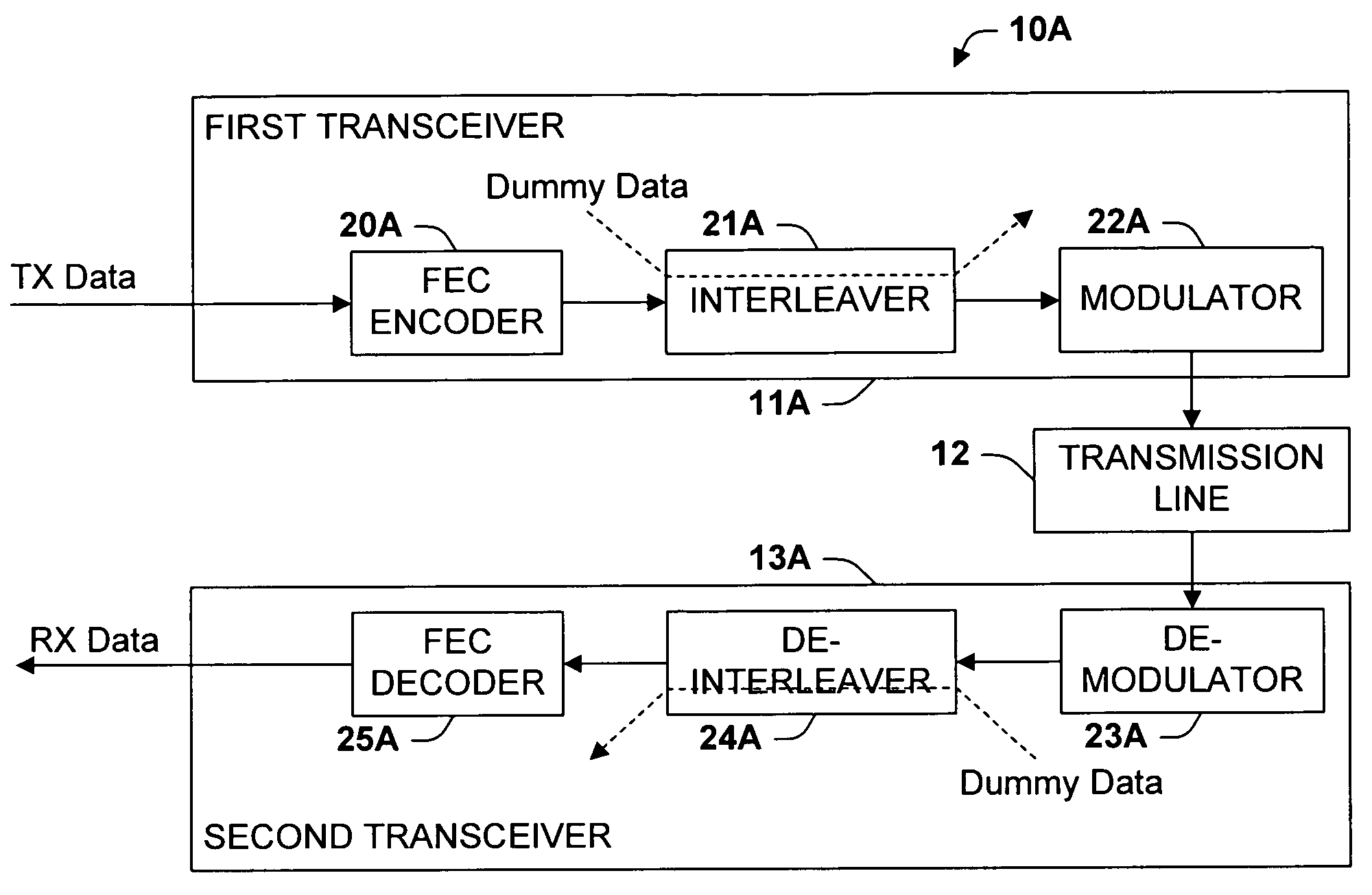
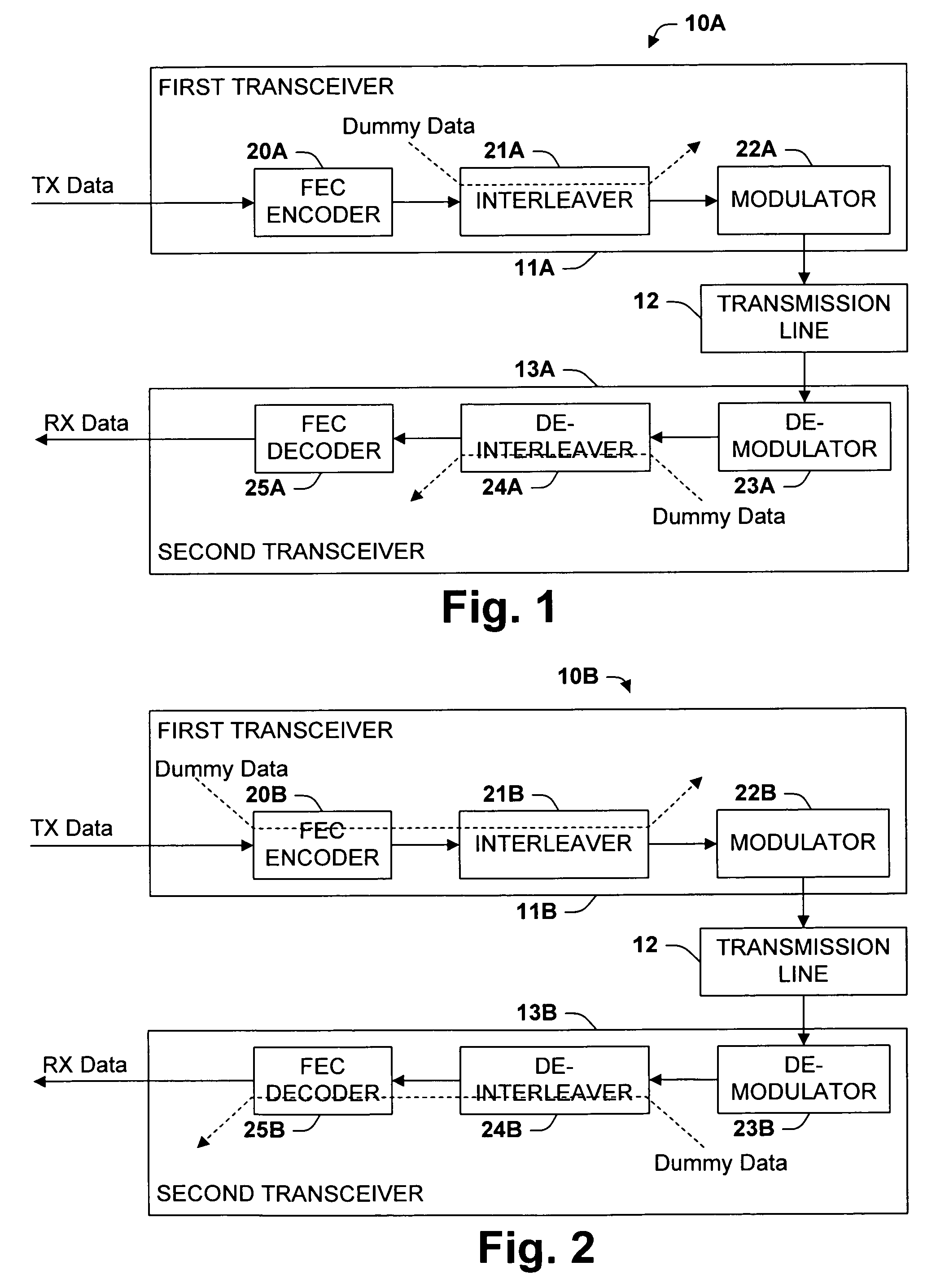
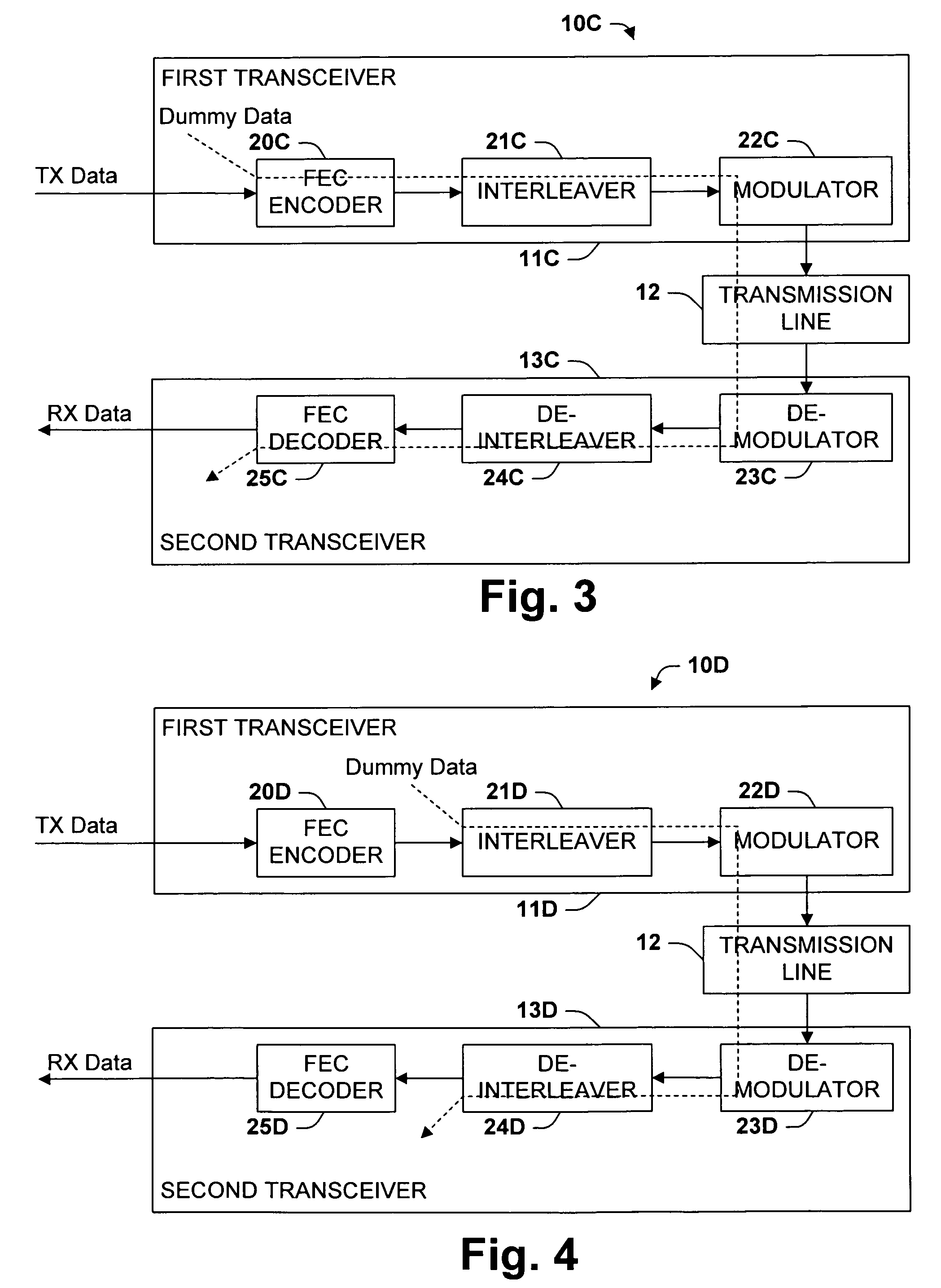
- The method involves interspersing dummy data with genuine data to form a combined data stream, which is processed through electronic subsystems like FEC encoders and interleavers, mitigating delay variations and impulse noise protection issues by adjusting the bit rate and power levels, while ensuring seamless rate adaptation without service disruption.
Network Performance Standards and Compliance
Network performance standards serve as the foundational framework for ensuring seamless rate alignment with dynamic network demands. These standards establish quantitative benchmarks for key performance indicators including latency, throughput, packet loss rates, and jitter tolerance. Industry-standard metrics such as ITU-T recommendations and IEEE specifications provide the baseline requirements that network systems must meet to maintain service quality during varying demand conditions.
Compliance frameworks encompass both regulatory requirements and industry best practices that govern network performance optimization. Telecommunications regulatory bodies worldwide have established specific performance thresholds that network operators must maintain, particularly for critical applications requiring guaranteed service levels. These compliance standards directly impact how seamless rate adaptation mechanisms are designed and implemented.
Quality of Service (QoS) standards play a crucial role in defining acceptable performance boundaries for different traffic classes. The differentiated services model establishes clear performance criteria for voice, video, and data traffic, each requiring distinct rate adaptation strategies. These standards ensure that seamless rate adjustments maintain service quality while accommodating network demand fluctuations across diverse application scenarios.
Service Level Agreement (SLA) compliance represents a critical aspect of network performance standardization. SLAs define contractual obligations for network performance metrics, establishing clear expectations for rate adaptation responsiveness and reliability. Meeting these agreements requires sophisticated monitoring systems that can verify compliance with performance standards in real-time while enabling dynamic rate adjustments.
Measurement and monitoring standards provide the methodological framework for assessing network performance compliance. Standardized testing procedures, including RFC-defined benchmarking methodologies, ensure consistent evaluation of rate adaptation effectiveness across different network environments. These standards enable objective assessment of how well seamless rate mechanisms respond to demand dynamics while maintaining performance thresholds.
Emerging standards for network automation and intent-based networking are reshaping compliance requirements for dynamic rate adaptation. These evolving frameworks emphasize autonomous performance optimization while maintaining strict adherence to established quality metrics, creating new paradigms for seamless rate alignment with network demand patterns.
Compliance frameworks encompass both regulatory requirements and industry best practices that govern network performance optimization. Telecommunications regulatory bodies worldwide have established specific performance thresholds that network operators must maintain, particularly for critical applications requiring guaranteed service levels. These compliance standards directly impact how seamless rate adaptation mechanisms are designed and implemented.
Quality of Service (QoS) standards play a crucial role in defining acceptable performance boundaries for different traffic classes. The differentiated services model establishes clear performance criteria for voice, video, and data traffic, each requiring distinct rate adaptation strategies. These standards ensure that seamless rate adjustments maintain service quality while accommodating network demand fluctuations across diverse application scenarios.
Service Level Agreement (SLA) compliance represents a critical aspect of network performance standardization. SLAs define contractual obligations for network performance metrics, establishing clear expectations for rate adaptation responsiveness and reliability. Meeting these agreements requires sophisticated monitoring systems that can verify compliance with performance standards in real-time while enabling dynamic rate adjustments.
Measurement and monitoring standards provide the methodological framework for assessing network performance compliance. Standardized testing procedures, including RFC-defined benchmarking methodologies, ensure consistent evaluation of rate adaptation effectiveness across different network environments. These standards enable objective assessment of how well seamless rate mechanisms respond to demand dynamics while maintaining performance thresholds.
Emerging standards for network automation and intent-based networking are reshaping compliance requirements for dynamic rate adaptation. These evolving frameworks emphasize autonomous performance optimization while maintaining strict adherence to established quality metrics, creating new paradigms for seamless rate alignment with network demand patterns.
Quality of Service Impact Assessment
The implementation of seamless rate alignment with network demand dynamics introduces significant implications for Quality of Service (QoS) across multiple network layers and service categories. The fundamental challenge lies in maintaining consistent service quality while dynamically adjusting transmission rates to match fluctuating network conditions and user demands.
Real-time applications experience the most pronounced QoS impacts during rate alignment processes. Video streaming services face potential buffer underruns or quality degradation when rate adjustments occur too rapidly, while voice communications may encounter jitter and latency variations that affect call clarity. The temporal mismatch between demand prediction algorithms and actual network state changes creates windows of suboptimal QoS delivery.
Latency-sensitive applications demonstrate varying tolerance levels to seamless rate alignment mechanisms. Interactive gaming and financial trading platforms require sub-millisecond response times, making any rate adjustment process a critical factor in maintaining acceptable performance thresholds. The QoS impact assessment reveals that applications with strict latency requirements may experience service degradation during transition periods between different rate configurations.
Bandwidth allocation fairness emerges as a crucial QoS consideration when implementing dynamic rate alignment. The system must ensure that high-priority traffic maintains its service guarantees while accommodating rate changes for lower-priority flows. This creates complex interdependencies where QoS improvements for one service category may inadvertently impact others.
Network congestion scenarios amplify QoS impacts during rate alignment operations. When multiple users simultaneously trigger rate adjustments in response to network demand changes, the cumulative effect can overwhelm network resources and degrade overall service quality. The assessment indicates that coordinated rate alignment strategies are essential to prevent cascading QoS failures.
Service level agreement compliance becomes increasingly complex when seamless rate alignment is deployed. Traditional QoS metrics such as packet loss, delay, and throughput must be redefined to account for dynamic rate variations. The impact assessment suggests that new QoS measurement frameworks are necessary to accurately evaluate service quality in environments with continuous rate adaptations.
Real-time applications experience the most pronounced QoS impacts during rate alignment processes. Video streaming services face potential buffer underruns or quality degradation when rate adjustments occur too rapidly, while voice communications may encounter jitter and latency variations that affect call clarity. The temporal mismatch between demand prediction algorithms and actual network state changes creates windows of suboptimal QoS delivery.
Latency-sensitive applications demonstrate varying tolerance levels to seamless rate alignment mechanisms. Interactive gaming and financial trading platforms require sub-millisecond response times, making any rate adjustment process a critical factor in maintaining acceptable performance thresholds. The QoS impact assessment reveals that applications with strict latency requirements may experience service degradation during transition periods between different rate configurations.
Bandwidth allocation fairness emerges as a crucial QoS consideration when implementing dynamic rate alignment. The system must ensure that high-priority traffic maintains its service guarantees while accommodating rate changes for lower-priority flows. This creates complex interdependencies where QoS improvements for one service category may inadvertently impact others.
Network congestion scenarios amplify QoS impacts during rate alignment operations. When multiple users simultaneously trigger rate adjustments in response to network demand changes, the cumulative effect can overwhelm network resources and degrade overall service quality. The assessment indicates that coordinated rate alignment strategies are essential to prevent cascading QoS failures.
Service level agreement compliance becomes increasingly complex when seamless rate alignment is deployed. Traditional QoS metrics such as packet loss, delay, and throughput must be redefined to account for dynamic rate variations. The impact assessment suggests that new QoS measurement frameworks are necessary to accurately evaluate service quality in environments with continuous rate adaptations.
Unlock deeper insights with Patsnap Eureka Quick Research — get a full tech report to explore trends and direct your research. Try now!
Generate Your Research Report Instantly with AI Agent
Supercharge your innovation with Patsnap Eureka AI Agent Platform!