
How to Improve Seamless Rate for Distributed Systems
MAR 2, 20269 MIN READ
Generate Your Research Report Instantly with AI Agent
Patsnap Eureka helps you evaluate technical feasibility & market potential.
Distributed Systems Seamless Rate Background and Objectives
Distributed systems have evolved from simple client-server architectures to complex, multi-layered ecosystems that power today's digital infrastructure. The concept of seamless rate emerged as organizations began recognizing the critical importance of maintaining continuous service availability during system updates, scaling operations, and failure recovery scenarios. This metric represents the percentage of operations that complete successfully without user-perceived interruptions or service degradation.
The historical development of distributed systems reveals a progressive shift from monolithic applications to microservices architectures, containerized deployments, and cloud-native solutions. Early distributed systems focused primarily on basic fault tolerance and load distribution. However, as user expectations for always-available services intensified, the industry recognized that traditional approaches to system maintenance and updates were insufficient.
Current technological trends indicate a convergence toward zero-downtime architectures, where seamless rate optimization has become a fundamental design principle rather than an afterthought. The rise of DevOps practices, continuous integration and deployment pipelines, and infrastructure-as-code methodologies has created new opportunities for achieving higher seamless rates while simultaneously introducing novel challenges related to complexity management and coordination overhead.
The primary technical objectives for improving seamless rate encompass several interconnected goals. First, minimizing service interruptions during planned maintenance activities, including software updates, configuration changes, and infrastructure scaling operations. Second, enhancing system resilience against unplanned failures through improved fault detection, isolation, and recovery mechanisms. Third, optimizing resource utilization and load balancing to prevent performance degradation that could impact user experience.
Strategic business objectives align closely with these technical goals, emphasizing the need to maintain competitive advantage through superior service reliability. Organizations seek to reduce revenue loss associated with service outages, improve customer satisfaction metrics, and enable more frequent feature deployments without compromising system stability. The ultimate objective involves achieving seamless rate levels that support business-critical operations while maintaining cost-effectiveness and operational efficiency across distributed system components.
The historical development of distributed systems reveals a progressive shift from monolithic applications to microservices architectures, containerized deployments, and cloud-native solutions. Early distributed systems focused primarily on basic fault tolerance and load distribution. However, as user expectations for always-available services intensified, the industry recognized that traditional approaches to system maintenance and updates were insufficient.
Current technological trends indicate a convergence toward zero-downtime architectures, where seamless rate optimization has become a fundamental design principle rather than an afterthought. The rise of DevOps practices, continuous integration and deployment pipelines, and infrastructure-as-code methodologies has created new opportunities for achieving higher seamless rates while simultaneously introducing novel challenges related to complexity management and coordination overhead.
The primary technical objectives for improving seamless rate encompass several interconnected goals. First, minimizing service interruptions during planned maintenance activities, including software updates, configuration changes, and infrastructure scaling operations. Second, enhancing system resilience against unplanned failures through improved fault detection, isolation, and recovery mechanisms. Third, optimizing resource utilization and load balancing to prevent performance degradation that could impact user experience.
Strategic business objectives align closely with these technical goals, emphasizing the need to maintain competitive advantage through superior service reliability. Organizations seek to reduce revenue loss associated with service outages, improve customer satisfaction metrics, and enable more frequent feature deployments without compromising system stability. The ultimate objective involves achieving seamless rate levels that support business-critical operations while maintaining cost-effectiveness and operational efficiency across distributed system components.
Market Demand for High-Availability Distributed Solutions
The global enterprise software market has witnessed unprecedented growth in demand for high-availability distributed solutions, driven by the digital transformation initiatives across industries. Organizations are increasingly migrating from monolithic architectures to distributed systems to achieve better scalability, fault tolerance, and performance. This shift has created substantial market opportunities for solutions that can maintain seamless operations with minimal downtime.
Financial services sector represents one of the most demanding markets for high-availability solutions, where even microseconds of downtime can result in significant revenue losses. Banks, trading platforms, and payment processors require distributed systems that can maintain continuous operations while handling millions of transactions per second. The regulatory requirements in this sector further amplify the need for robust seamless rate improvements.
E-commerce platforms and digital marketplaces constitute another major demand driver, particularly during peak shopping periods and flash sales events. These platforms must handle sudden traffic spikes while maintaining consistent user experience across geographically distributed user bases. The cost of system failures during high-traffic periods has made seamless rate optimization a critical business requirement rather than a technical preference.
Cloud service providers face intense competitive pressure to deliver superior availability guarantees to their enterprise customers. Major cloud platforms are continuously investing in technologies that can improve seamless rates across their distributed infrastructure. The service level agreements offered by these providers directly correlate with their ability to maintain high seamless rates, making this a key differentiator in the market.
The telecommunications industry has emerged as a significant market segment, especially with the rollout of 5G networks and edge computing infrastructure. Telecom operators require distributed systems that can maintain seamless connectivity across vast geographical areas while supporting real-time applications with strict latency requirements.
Manufacturing and industrial IoT applications represent a growing market segment where seamless distributed operations are becoming mission-critical. Smart factories and industrial automation systems depend on distributed architectures that can maintain continuous operations without interruption, as downtime directly impacts production efficiency and safety protocols.
The market demand is further intensified by the increasing adoption of microservices architectures and containerized deployments, which inherently require sophisticated coordination mechanisms to maintain seamless operations across distributed components.
Financial services sector represents one of the most demanding markets for high-availability solutions, where even microseconds of downtime can result in significant revenue losses. Banks, trading platforms, and payment processors require distributed systems that can maintain continuous operations while handling millions of transactions per second. The regulatory requirements in this sector further amplify the need for robust seamless rate improvements.
E-commerce platforms and digital marketplaces constitute another major demand driver, particularly during peak shopping periods and flash sales events. These platforms must handle sudden traffic spikes while maintaining consistent user experience across geographically distributed user bases. The cost of system failures during high-traffic periods has made seamless rate optimization a critical business requirement rather than a technical preference.
Cloud service providers face intense competitive pressure to deliver superior availability guarantees to their enterprise customers. Major cloud platforms are continuously investing in technologies that can improve seamless rates across their distributed infrastructure. The service level agreements offered by these providers directly correlate with their ability to maintain high seamless rates, making this a key differentiator in the market.
The telecommunications industry has emerged as a significant market segment, especially with the rollout of 5G networks and edge computing infrastructure. Telecom operators require distributed systems that can maintain seamless connectivity across vast geographical areas while supporting real-time applications with strict latency requirements.
Manufacturing and industrial IoT applications represent a growing market segment where seamless distributed operations are becoming mission-critical. Smart factories and industrial automation systems depend on distributed architectures that can maintain continuous operations without interruption, as downtime directly impacts production efficiency and safety protocols.
The market demand is further intensified by the increasing adoption of microservices architectures and containerized deployments, which inherently require sophisticated coordination mechanisms to maintain seamless operations across distributed components.
Current Seamless Rate Challenges in Distributed Architectures
Distributed systems face significant challenges in maintaining seamless operation rates due to their inherently complex and interconnected nature. Network latency represents one of the most persistent obstacles, as communication delays between distributed nodes can cascade into system-wide performance degradation. When services span multiple geographic regions or cloud availability zones, variable network conditions create unpredictable response times that directly impact user experience and system reliability.
Fault tolerance mechanisms, while essential for system resilience, introduce their own seamless rate challenges. Traditional consensus algorithms like Raft or PBFT require multiple rounds of communication between nodes to reach agreement, creating bottlenecks during high-traffic periods. The trade-off between consistency guarantees and performance becomes particularly pronounced when systems must handle thousands of transactions per second while maintaining data integrity across distributed nodes.
Load balancing complexities emerge as another critical challenge in distributed architectures. Uneven traffic distribution can overwhelm certain nodes while leaving others underutilized, creating hotspots that degrade overall system performance. Dynamic scaling decisions must account for startup times, state synchronization, and connection draining, all of which can temporarily reduce seamless operation rates during scaling events.
Data consistency requirements impose additional constraints on seamless rate optimization. Strong consistency models necessitate coordination overhead that increases with system scale, while eventual consistency approaches may compromise user experience through temporary data inconsistencies. The CAP theorem fundamentally limits the ability to simultaneously achieve consistency, availability, and partition tolerance, forcing architectural compromises that affect seamless operation rates.
Service mesh complexity introduces both solutions and challenges for seamless rate improvement. While service meshes provide sophisticated traffic management and observability capabilities, they also add network hops and processing overhead that can impact latency-sensitive applications. Circuit breaker patterns and retry mechanisms, though protective, can create thundering herd problems when multiple services simultaneously attempt recovery operations.
State management across distributed components presents ongoing challenges for maintaining seamless operations. Session affinity requirements can limit load balancing effectiveness, while stateless designs may increase database load and complicate transaction management. The coordination required for distributed transactions often becomes a bottleneck that significantly impacts system throughput and response times.
Fault tolerance mechanisms, while essential for system resilience, introduce their own seamless rate challenges. Traditional consensus algorithms like Raft or PBFT require multiple rounds of communication between nodes to reach agreement, creating bottlenecks during high-traffic periods. The trade-off between consistency guarantees and performance becomes particularly pronounced when systems must handle thousands of transactions per second while maintaining data integrity across distributed nodes.
Load balancing complexities emerge as another critical challenge in distributed architectures. Uneven traffic distribution can overwhelm certain nodes while leaving others underutilized, creating hotspots that degrade overall system performance. Dynamic scaling decisions must account for startup times, state synchronization, and connection draining, all of which can temporarily reduce seamless operation rates during scaling events.
Data consistency requirements impose additional constraints on seamless rate optimization. Strong consistency models necessitate coordination overhead that increases with system scale, while eventual consistency approaches may compromise user experience through temporary data inconsistencies. The CAP theorem fundamentally limits the ability to simultaneously achieve consistency, availability, and partition tolerance, forcing architectural compromises that affect seamless operation rates.
Service mesh complexity introduces both solutions and challenges for seamless rate improvement. While service meshes provide sophisticated traffic management and observability capabilities, they also add network hops and processing overhead that can impact latency-sensitive applications. Circuit breaker patterns and retry mechanisms, though protective, can create thundering herd problems when multiple services simultaneously attempt recovery operations.
State management across distributed components presents ongoing challenges for maintaining seamless operations. Session affinity requirements can limit load balancing effectiveness, while stateless designs may increase database load and complicate transaction management. The coordination required for distributed transactions often becomes a bottleneck that significantly impacts system throughput and response times.
Existing Solutions for Enhancing System Seamless Operations
01 Dynamic rate adaptation mechanisms in distributed systems
Distributed systems can implement dynamic rate adaptation mechanisms to adjust transmission or processing rates based on network conditions, system load, or resource availability. These mechanisms monitor system performance metrics and automatically adjust rates to maintain optimal throughput while preventing congestion. Adaptive algorithms can use feedback loops to continuously optimize rate parameters, ensuring seamless operation across varying conditions.- Dynamic rate adaptation in distributed systems: Techniques for dynamically adjusting transmission rates in distributed systems to maintain seamless performance. The system monitors network conditions and automatically adapts data transfer rates to optimize throughput while preventing congestion. This approach ensures continuous operation without interruption by balancing load across distributed nodes and adjusting rates based on real-time feedback from system components.
- Load balancing and traffic management for seamless rate control: Methods for distributing workload across multiple nodes in a distributed system to achieve consistent processing rates. The system employs intelligent routing algorithms and traffic shaping mechanisms to prevent bottlenecks and ensure uniform data flow. By monitoring resource utilization and redistributing tasks dynamically, the system maintains optimal performance levels across all components.
- Quality of service management in distributed architectures: Approaches for maintaining service quality and consistent rates in distributed computing environments. The system implements priority-based scheduling and resource allocation strategies to guarantee performance levels for critical operations. This includes mechanisms for bandwidth reservation, latency control, and throughput guarantees across distributed components to ensure seamless user experience.
- Adaptive streaming and data synchronization: Technologies for enabling smooth data streaming and synchronization across distributed systems with variable rates. The system adjusts streaming parameters based on available bandwidth and processing capacity to maintain continuous data flow. Synchronization protocols ensure consistency across distributed nodes while accommodating rate variations, preventing data loss or duplication during transmission.
- Congestion control and flow regulation mechanisms: Techniques for preventing congestion and regulating data flow in distributed systems to achieve seamless rate performance. The system implements feedback-based control mechanisms that detect congestion early and adjust transmission rates accordingly. Flow control algorithms coordinate between sender and receiver nodes to maintain optimal data transfer rates while avoiding network saturation and ensuring reliable delivery.
02 Load balancing and traffic distribution for rate optimization
Load balancing techniques distribute workload across multiple nodes or servers in a distributed system to optimize processing rates and prevent bottlenecks. Traffic distribution algorithms can intelligently route requests based on current system capacity, geographic location, or service requirements. These approaches ensure that no single component becomes overloaded, maintaining consistent and seamless rates across the entire distributed infrastructure.Expand Specific Solutions03 Quality of Service (QoS) management and rate control
Quality of Service mechanisms in distributed systems prioritize different types of traffic and allocate bandwidth or processing resources accordingly. Rate control protocols can enforce service level agreements by guaranteeing minimum rates for critical applications while managing overall system capacity. These techniques include token bucket algorithms, leaky bucket methods, and priority queuing systems that ensure seamless rate delivery for high-priority services.Expand Specific Solutions04 Congestion control and flow management protocols
Congestion control protocols prevent network or system overload by regulating data transmission rates between distributed components. Flow management techniques detect congestion signals and adjust sending rates to maintain system stability. These protocols implement windowing mechanisms, acknowledgment systems, and backpressure strategies to ensure smooth data flow and prevent rate degradation during high-load scenarios.Expand Specific Solutions05 Predictive rate scheduling and resource allocation
Predictive scheduling algorithms analyze historical patterns and current trends to proactively allocate resources and adjust rates before demand changes occur. Machine learning models can forecast traffic patterns and system requirements, enabling preemptive rate adjustments. Resource allocation strategies based on prediction ensure that distributed systems maintain seamless rates by anticipating and preparing for workload variations.Expand Specific Solutions
Key Players in Distributed Systems and Cloud Infrastructure
The distributed systems seamless rate improvement market represents a mature, high-growth sector driven by increasing cloud adoption and digital transformation demands. The competitive landscape spans established telecommunications giants like ZTE Corp. and Huawei Cloud Computing Technology, cloud infrastructure specialists including UCloud Technology and Inspur, and emerging software-defined networking innovators such as Saitesi Network Technology. Technology maturity varies significantly across players, with traditional hardware vendors like LG Electronics and IBM leveraging decades of infrastructure experience, while newer entrants like Boliu Intelligent Technology focus on specialized IoT and edge computing solutions. Academic institutions including Fudan University and Wuhan University contribute foundational research, while companies like Meta Platforms and Beijing Tongtech drive middleware and application-layer innovations. The market demonstrates strong consolidation potential as organizations seek comprehensive, integrated solutions for seamless distributed system operations.
ZTE Corp.
Technical Solution: ZTE focuses on telecommunications-grade distributed systems with emphasis on 5G network infrastructure and edge computing integration. Their solution incorporates network function virtualization (NFV) and software-defined networking (SDN) principles to create highly resilient distributed architectures. The platform features intelligent traffic steering, distributed session management, and real-time network optimization algorithms designed to maintain seamless connectivity even during peak usage periods or network disruptions.
Strengths: Strong telecommunications expertise with carrier-grade reliability standards. Weaknesses: Solutions may be overly specialized for telecom applications, limiting broader applicability.
UCloud Technology Co., Ltd.
Technical Solution: UCloud implements a cloud-native distributed system architecture with focus on automated orchestration and intelligent resource allocation. Their solution features dynamic load balancing, distributed storage systems with automatic data replication, and machine learning-based predictive scaling to maintain optimal performance. The platform includes comprehensive monitoring dashboards, automated incident response systems, and seamless disaster recovery capabilities designed to minimize service disruption and ensure continuous availability for enterprise applications.
Strengths: Cost-effective cloud solutions with good automation capabilities. Weaknesses: Limited global presence compared to major cloud providers, potentially affecting international deployments.
Core Innovations in Distributed System Fault Tolerance
Error free dynamic rate change in DSL with constant delay
PatentActiveUS20060150059A1
Innovation
- The method involves changing the interleaver depth proportionally with data rate changes to maintain constant interleaver delay, pausing transmission for a duration equal to the interleaver delay, and coordinating the transmitter and receiver to prevent errors during this transition.


Method for seamless bit rate adaptation for multicarrier DSL
PatentActiveUS7519124B2
Innovation
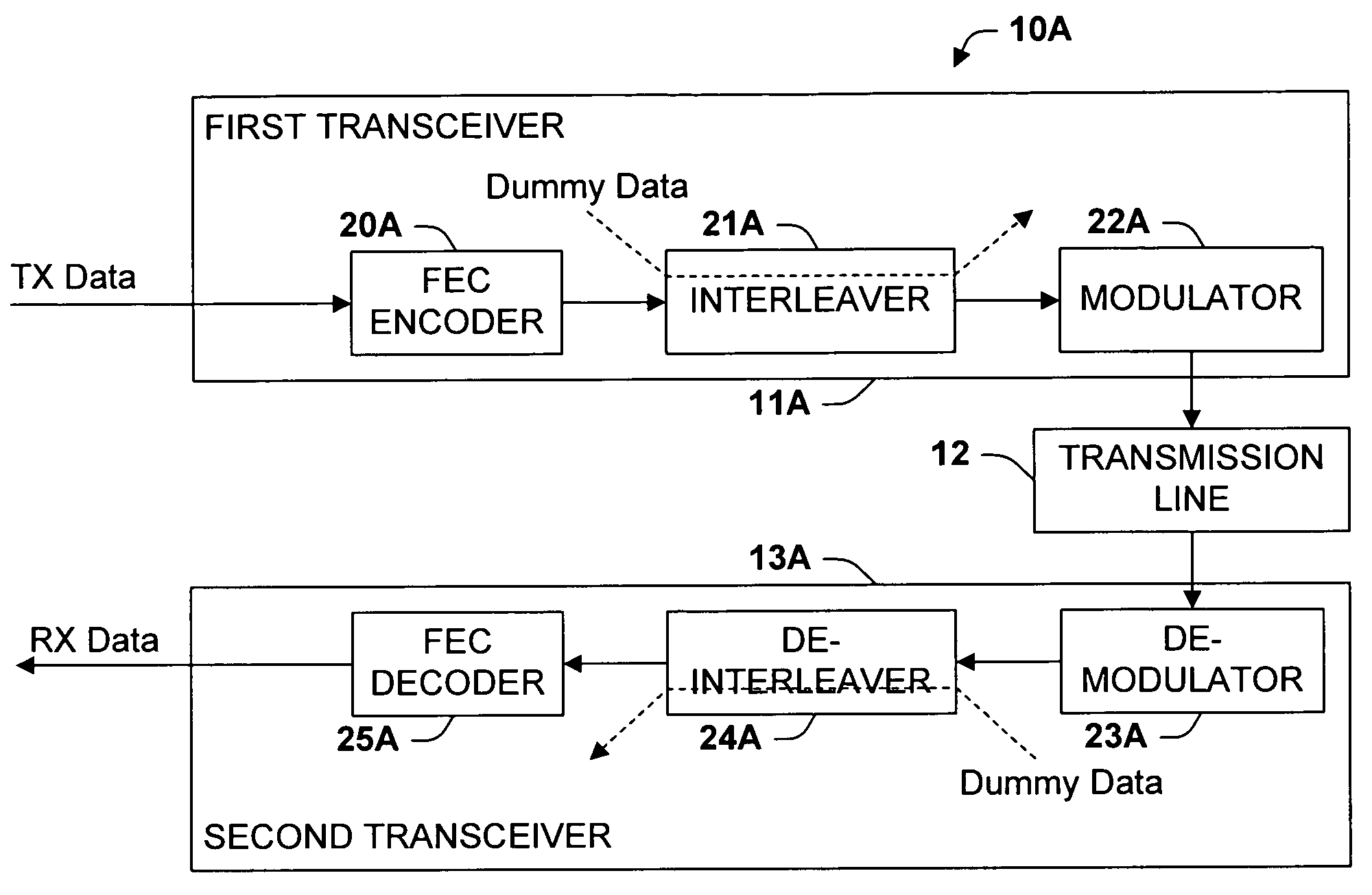
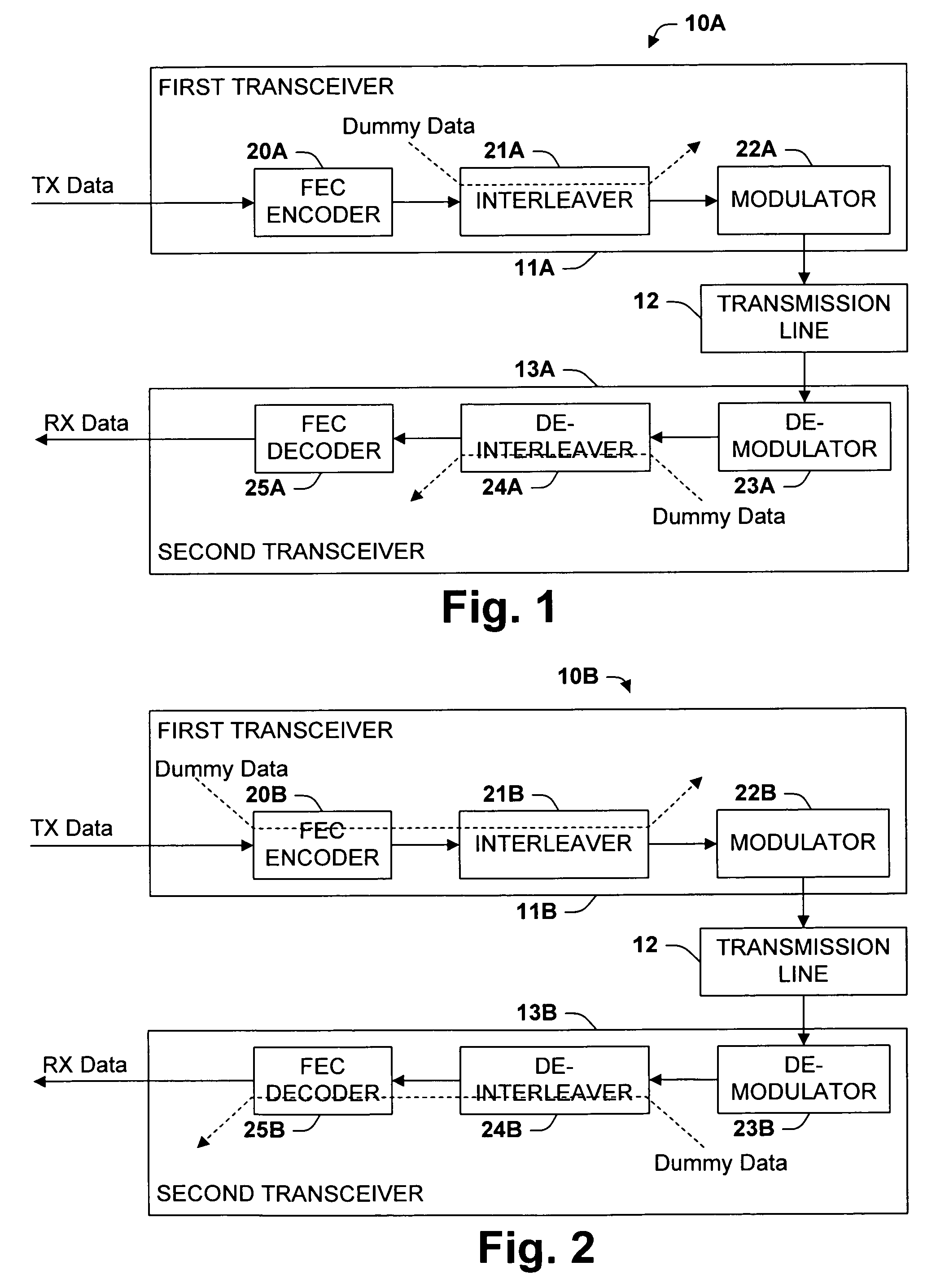
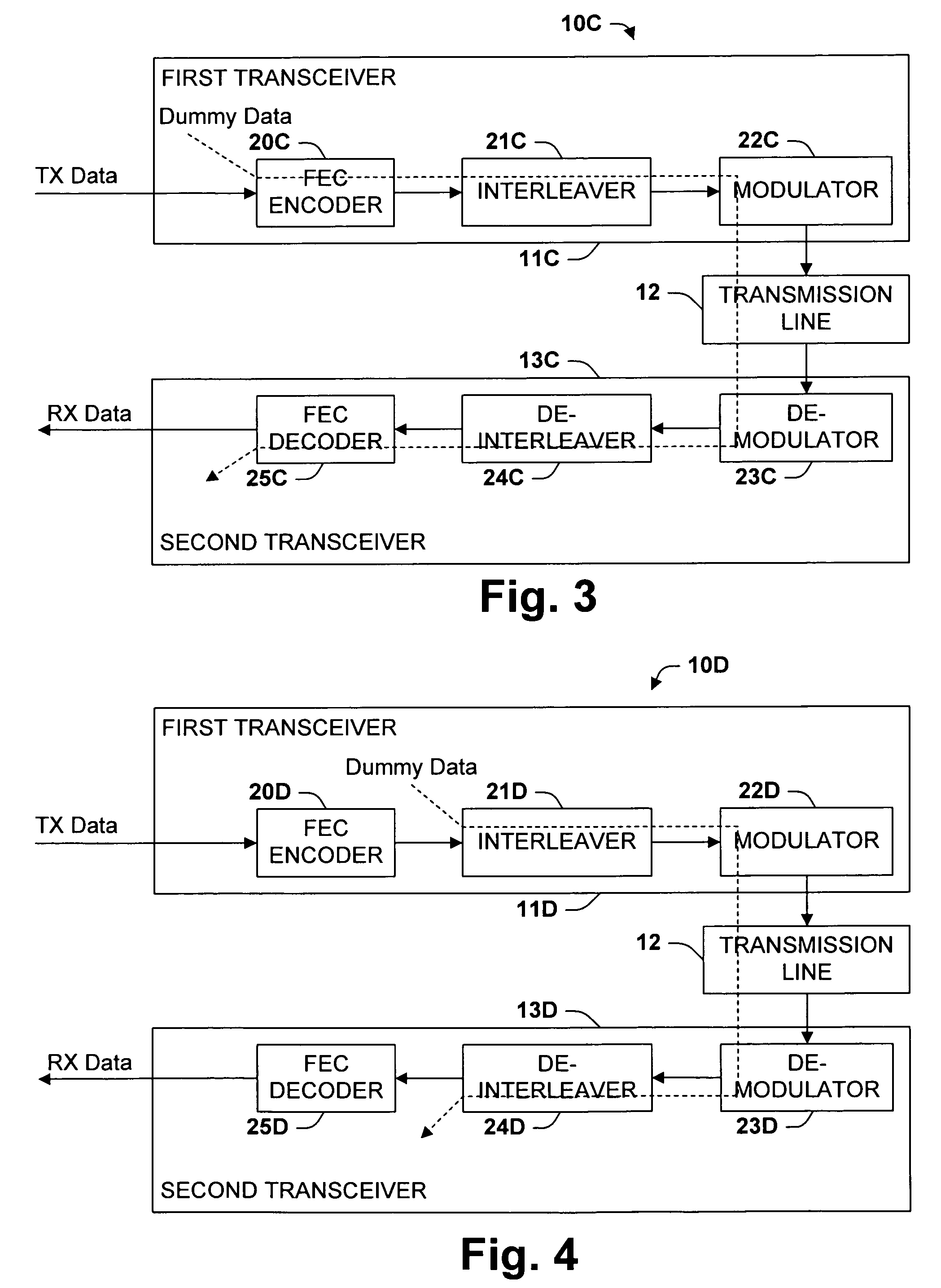
- The method involves interspersing dummy data with genuine data to form a combined data stream, which is processed through electronic subsystems like FEC encoders and interleavers, mitigating delay variations and impulse noise protection issues by adjusting the bit rate and power levels, while ensuring seamless rate adaptation without service disruption.
Service Level Agreement Standards and Compliance
Service Level Agreement (SLA) standards serve as the cornerstone for measuring and maintaining seamless operations in distributed systems. These agreements establish quantifiable metrics such as availability percentages, response times, throughput rates, and error thresholds that directly correlate with system seamlessness. Industry-standard SLAs typically define availability targets ranging from 99.9% to 99.99%, with each additional nine representing exponentially higher reliability requirements and corresponding seamless operation expectations.
The establishment of comprehensive SLA frameworks requires careful consideration of multiple performance dimensions that impact seamless rate. Key metrics include Mean Time Between Failures (MTBF), Mean Time To Recovery (MTTR), and Recovery Point Objectives (RPO), all of which directly influence the continuity of service delivery. Modern SLA standards increasingly incorporate real-time monitoring capabilities and automated alerting mechanisms to ensure proactive identification of potential seamless rate degradation before it impacts end users.
Compliance monitoring represents a critical component of SLA management, requiring sophisticated instrumentation and measurement systems across distributed infrastructure. Organizations must implement comprehensive logging, metrics collection, and distributed tracing capabilities to accurately assess adherence to agreed-upon seamless rate targets. This includes establishing baseline performance measurements, implementing continuous monitoring dashboards, and maintaining historical performance data for trend analysis and capacity planning purposes.
Regulatory compliance adds another layer of complexity to SLA standards, particularly in industries subject to strict availability and data protection requirements. Financial services, healthcare, and telecommunications sectors often mandate specific uptime guarantees and seamless operation standards that exceed typical commercial SLA thresholds. These regulatory frameworks frequently require detailed documentation of system architecture, failover procedures, and incident response protocols to demonstrate compliance with seamless rate objectives.
The enforcement of SLA standards necessitates clear escalation procedures and remediation strategies when seamless rate targets are not met. This includes defining penalty structures, service credits, and improvement action plans that incentivize continuous enhancement of system reliability. Effective SLA governance also requires regular review and adjustment of targets based on evolving business requirements, technological capabilities, and industry benchmarks to ensure standards remain both achievable and meaningful for maintaining optimal seamless rates in distributed environments.
The establishment of comprehensive SLA frameworks requires careful consideration of multiple performance dimensions that impact seamless rate. Key metrics include Mean Time Between Failures (MTBF), Mean Time To Recovery (MTTR), and Recovery Point Objectives (RPO), all of which directly influence the continuity of service delivery. Modern SLA standards increasingly incorporate real-time monitoring capabilities and automated alerting mechanisms to ensure proactive identification of potential seamless rate degradation before it impacts end users.
Compliance monitoring represents a critical component of SLA management, requiring sophisticated instrumentation and measurement systems across distributed infrastructure. Organizations must implement comprehensive logging, metrics collection, and distributed tracing capabilities to accurately assess adherence to agreed-upon seamless rate targets. This includes establishing baseline performance measurements, implementing continuous monitoring dashboards, and maintaining historical performance data for trend analysis and capacity planning purposes.
Regulatory compliance adds another layer of complexity to SLA standards, particularly in industries subject to strict availability and data protection requirements. Financial services, healthcare, and telecommunications sectors often mandate specific uptime guarantees and seamless operation standards that exceed typical commercial SLA thresholds. These regulatory frameworks frequently require detailed documentation of system architecture, failover procedures, and incident response protocols to demonstrate compliance with seamless rate objectives.
The enforcement of SLA standards necessitates clear escalation procedures and remediation strategies when seamless rate targets are not met. This includes defining penalty structures, service credits, and improvement action plans that incentivize continuous enhancement of system reliability. Effective SLA governance also requires regular review and adjustment of targets based on evolving business requirements, technological capabilities, and industry benchmarks to ensure standards remain both achievable and meaningful for maintaining optimal seamless rates in distributed environments.
Cost-Benefit Analysis of Seamless Rate Improvements
The economic evaluation of seamless rate improvements in distributed systems requires a comprehensive assessment of both direct and indirect costs against measurable benefits. Initial investment costs typically include infrastructure upgrades, advanced monitoring tools, redundant system components, and specialized personnel training. These upfront expenses can range from moderate software licensing fees to substantial hardware procurement costs, depending on the chosen improvement strategy.
Operational costs represent a significant ongoing consideration, encompassing increased computational overhead from redundancy mechanisms, enhanced network bandwidth requirements, and additional storage for state synchronization. Load balancing solutions and failover systems introduce complexity that translates to higher maintenance costs and specialized expertise requirements. However, these expenses must be weighed against the substantial costs of system downtime and service interruptions.
The benefits of improved seamless rates manifest primarily through reduced downtime costs, which can be quantified using established metrics such as Recovery Time Objective and Recovery Point Objective. For enterprise systems, each minute of downtime can cost thousands of dollars in lost revenue, productivity, and customer satisfaction. Enhanced seamless rates directly correlate with improved Service Level Agreement compliance, potentially avoiding costly penalty clauses and maintaining competitive positioning.
Customer retention represents another critical benefit dimension, as seamless service delivery significantly impacts user experience and brand loyalty. Studies indicate that users abandon applications experiencing frequent interruptions, leading to measurable revenue loss. Improved seamless rates enhance system reliability, supporting business continuity and enabling organizations to pursue more aggressive growth strategies without infrastructure constraints.
The return on investment calculation should incorporate both quantitative metrics and qualitative factors. While direct cost savings from reduced downtime provide clear financial justification, improved seamless rates also enable new business opportunities, support scalability objectives, and enhance organizational reputation. Long-term benefits include reduced technical debt, improved system maintainability, and enhanced ability to adapt to changing business requirements.
Risk mitigation represents an often-undervalued benefit component. Enhanced seamless rates provide insurance against catastrophic failures, regulatory compliance issues, and competitive disadvantages. The cost of implementing seamless rate improvements should be compared against potential losses from system failures, including legal liabilities, regulatory fines, and permanent customer defection.
Operational costs represent a significant ongoing consideration, encompassing increased computational overhead from redundancy mechanisms, enhanced network bandwidth requirements, and additional storage for state synchronization. Load balancing solutions and failover systems introduce complexity that translates to higher maintenance costs and specialized expertise requirements. However, these expenses must be weighed against the substantial costs of system downtime and service interruptions.
The benefits of improved seamless rates manifest primarily through reduced downtime costs, which can be quantified using established metrics such as Recovery Time Objective and Recovery Point Objective. For enterprise systems, each minute of downtime can cost thousands of dollars in lost revenue, productivity, and customer satisfaction. Enhanced seamless rates directly correlate with improved Service Level Agreement compliance, potentially avoiding costly penalty clauses and maintaining competitive positioning.
Customer retention represents another critical benefit dimension, as seamless service delivery significantly impacts user experience and brand loyalty. Studies indicate that users abandon applications experiencing frequent interruptions, leading to measurable revenue loss. Improved seamless rates enhance system reliability, supporting business continuity and enabling organizations to pursue more aggressive growth strategies without infrastructure constraints.
The return on investment calculation should incorporate both quantitative metrics and qualitative factors. While direct cost savings from reduced downtime provide clear financial justification, improved seamless rates also enable new business opportunities, support scalability objectives, and enhance organizational reputation. Long-term benefits include reduced technical debt, improved system maintainability, and enhanced ability to adapt to changing business requirements.
Risk mitigation represents an often-undervalued benefit component. Enhanced seamless rates provide insurance against catastrophic failures, regulatory compliance issues, and competitive disadvantages. The cost of implementing seamless rate improvements should be compared against potential losses from system failures, including legal liabilities, regulatory fines, and permanent customer defection.
Unlock deeper insights with Patsnap Eureka Quick Research — get a full tech report to explore trends and direct your research. Try now!
Generate Your Research Report Instantly with AI Agent
Supercharge your innovation with Patsnap Eureka AI Agent Platform!