

How to Formulate Solid-State Transformer Heat Exchange Materials
APR 20, 20269 MIN READ
Generate Your Research Report Instantly with AI Agent
PatSnap Eureka helps you evaluate technical feasibility & market potential.
Solid-State Transformer Heat Exchange Background and Objectives
Solid-state transformers represent a paradigm shift in power conversion technology, emerging from the convergence of advanced semiconductor devices, high-frequency magnetic components, and sophisticated control systems. Unlike conventional electromagnetic transformers that rely solely on magnetic coupling, SSTs integrate power electronic converters to achieve voltage transformation, electrical isolation, and enhanced grid functionalities. This revolutionary approach enables bidirectional power flow, reactive power compensation, and seamless integration of renewable energy sources into modern power grids.
The evolution of SST technology has been driven by the increasing demand for more efficient, compact, and intelligent power conversion systems. Traditional transformers, while reliable, suffer from limitations including fixed voltage ratios, inability to provide reactive power support, and substantial physical footprints. The transition toward smart grids, electric vehicle charging infrastructure, and distributed energy resources has necessitated more versatile power conversion solutions that can adapt to dynamic operating conditions.
Heat management emerges as one of the most critical challenges in SST implementation, directly impacting system reliability, efficiency, and operational lifespan. The high-frequency switching operations inherent in SST designs generate significant thermal loads that must be effectively dissipated to maintain optimal performance. Power semiconductor devices, magnetic cores, and passive components all contribute to heat generation, creating complex thermal management requirements that exceed those of conventional transformers.
The primary objective of developing advanced heat exchange materials for SSTs centers on achieving superior thermal conductivity while maintaining electrical insulation properties. These materials must facilitate rapid heat transfer from critical components to heat sinks or cooling systems, preventing thermal runaway conditions that could lead to device failure. Additionally, the materials must exhibit long-term stability under cyclic thermal stresses and maintain their properties across wide temperature ranges.
Secondary objectives include minimizing thermal interface resistance, reducing overall system weight and volume, and ensuring compatibility with existing manufacturing processes. The heat exchange materials must also demonstrate chemical stability, resistance to thermal cycling fatigue, and cost-effectiveness for commercial viability. Integration considerations require materials that can be easily applied or incorporated into existing SST designs without compromising electrical performance or introducing additional failure modes.
The evolution of SST technology has been driven by the increasing demand for more efficient, compact, and intelligent power conversion systems. Traditional transformers, while reliable, suffer from limitations including fixed voltage ratios, inability to provide reactive power support, and substantial physical footprints. The transition toward smart grids, electric vehicle charging infrastructure, and distributed energy resources has necessitated more versatile power conversion solutions that can adapt to dynamic operating conditions.
Heat management emerges as one of the most critical challenges in SST implementation, directly impacting system reliability, efficiency, and operational lifespan. The high-frequency switching operations inherent in SST designs generate significant thermal loads that must be effectively dissipated to maintain optimal performance. Power semiconductor devices, magnetic cores, and passive components all contribute to heat generation, creating complex thermal management requirements that exceed those of conventional transformers.
The primary objective of developing advanced heat exchange materials for SSTs centers on achieving superior thermal conductivity while maintaining electrical insulation properties. These materials must facilitate rapid heat transfer from critical components to heat sinks or cooling systems, preventing thermal runaway conditions that could lead to device failure. Additionally, the materials must exhibit long-term stability under cyclic thermal stresses and maintain their properties across wide temperature ranges.
Secondary objectives include minimizing thermal interface resistance, reducing overall system weight and volume, and ensuring compatibility with existing manufacturing processes. The heat exchange materials must also demonstrate chemical stability, resistance to thermal cycling fatigue, and cost-effectiveness for commercial viability. Integration considerations require materials that can be easily applied or incorporated into existing SST designs without compromising electrical performance or introducing additional failure modes.
Market Demand for Advanced SST Thermal Management Solutions
The global solid-state transformer market is experiencing unprecedented growth driven by the urgent need for efficient power conversion systems across multiple industries. Traditional electromagnetic transformers face significant limitations in high-frequency applications, creating substantial market opportunities for SST technologies that can operate effectively under demanding thermal conditions.
Electric vehicle manufacturers represent the largest demand segment for advanced SST thermal management solutions. The automotive industry's transition toward electrification requires power conversion systems capable of handling rapid charging cycles and sustained high-power operations. Current thermal management inadequacies in SST systems directly impact vehicle performance, charging speeds, and battery longevity, creating urgent market pressure for innovative heat exchange materials.
Renewable energy infrastructure development constitutes another critical demand driver. Solar and wind power installations require robust power conversion systems that maintain efficiency across varying environmental conditions. SST systems in these applications must withstand extreme temperature fluctuations while maintaining consistent performance, necessitating advanced thermal management materials that can ensure reliable operation in harsh outdoor environments.
Data center operators increasingly seek SST solutions to address growing power density requirements and energy efficiency mandates. Modern data centers demand compact, high-efficiency power conversion systems that can operate reliably in thermally challenging environments. The exponential growth in cloud computing and artificial intelligence applications intensifies the need for SST systems with superior thermal management capabilities.
Industrial automation and smart grid applications further expand market demand for advanced SST thermal solutions. Manufacturing facilities require power conversion systems that maintain precise performance under continuous operation, while smart grid infrastructure demands reliable SST systems capable of handling dynamic load variations without thermal degradation.
The aerospace and defense sectors present specialized market opportunities for high-performance SST thermal management materials. These applications require systems that function reliably under extreme temperature conditions while meeting stringent weight and space constraints, driving demand for innovative heat exchange material formulations.
Market research indicates that thermal management represents the primary technical barrier limiting widespread SST adoption across these sectors. Organizations consistently identify inadequate heat dissipation as the critical factor preventing deployment of SST systems in high-power applications, creating substantial market opportunities for breakthrough thermal management solutions.
Electric vehicle manufacturers represent the largest demand segment for advanced SST thermal management solutions. The automotive industry's transition toward electrification requires power conversion systems capable of handling rapid charging cycles and sustained high-power operations. Current thermal management inadequacies in SST systems directly impact vehicle performance, charging speeds, and battery longevity, creating urgent market pressure for innovative heat exchange materials.
Renewable energy infrastructure development constitutes another critical demand driver. Solar and wind power installations require robust power conversion systems that maintain efficiency across varying environmental conditions. SST systems in these applications must withstand extreme temperature fluctuations while maintaining consistent performance, necessitating advanced thermal management materials that can ensure reliable operation in harsh outdoor environments.
Data center operators increasingly seek SST solutions to address growing power density requirements and energy efficiency mandates. Modern data centers demand compact, high-efficiency power conversion systems that can operate reliably in thermally challenging environments. The exponential growth in cloud computing and artificial intelligence applications intensifies the need for SST systems with superior thermal management capabilities.
Industrial automation and smart grid applications further expand market demand for advanced SST thermal solutions. Manufacturing facilities require power conversion systems that maintain precise performance under continuous operation, while smart grid infrastructure demands reliable SST systems capable of handling dynamic load variations without thermal degradation.
The aerospace and defense sectors present specialized market opportunities for high-performance SST thermal management materials. These applications require systems that function reliably under extreme temperature conditions while meeting stringent weight and space constraints, driving demand for innovative heat exchange material formulations.
Market research indicates that thermal management represents the primary technical barrier limiting widespread SST adoption across these sectors. Organizations consistently identify inadequate heat dissipation as the critical factor preventing deployment of SST systems in high-power applications, creating substantial market opportunities for breakthrough thermal management solutions.
Current Thermal Challenges in Solid-State Transformer Systems
Solid-state transformers face significant thermal management challenges that directly impact their operational efficiency, reliability, and lifespan. The primary thermal challenge stems from the high power density inherent in SST designs, where multiple power conversion stages generate substantial heat within compact enclosures. Power semiconductor devices, particularly wide bandgap materials like silicon carbide and gallium nitride, operate at elevated switching frequencies that intensify heat generation while simultaneously demanding precise temperature control to maintain optimal performance characteristics.
The multi-stage power conversion architecture in SSTs creates complex thermal distribution patterns. High-frequency isolation transformers, rectifier circuits, and inverter modules each contribute distinct thermal signatures, leading to localized hotspots that can exceed safe operating temperatures. These thermal gradients become particularly problematic in medium-voltage applications where power levels reach several megawatts, making conventional cooling approaches insufficient.
Thermal cycling represents another critical challenge, as SSTs experience frequent load variations and operational mode changes. The resulting temperature fluctuations induce mechanical stress in semiconductor junctions, solder connections, and packaging materials, potentially leading to thermal fatigue and premature failure. This cyclical thermal stress is exacerbated by the mismatch in thermal expansion coefficients between different materials used in SST construction.
Heat dissipation constraints in SST installations further complicate thermal management. Many applications require compact form factors or operation in confined spaces with limited airflow, restricting the effectiveness of traditional convective cooling methods. The integration of magnetic components with power electronics creates additional thermal coupling effects, where heat generated in one component influences the thermal behavior of adjacent elements.
Current thermal management solutions struggle with the bidirectional power flow capability of SSTs, as thermal loads can shift rapidly between different circuit sections depending on power flow direction. This dynamic thermal behavior requires adaptive cooling strategies that can respond to changing thermal demands in real-time, presenting significant engineering challenges for conventional heat exchange systems.
The multi-stage power conversion architecture in SSTs creates complex thermal distribution patterns. High-frequency isolation transformers, rectifier circuits, and inverter modules each contribute distinct thermal signatures, leading to localized hotspots that can exceed safe operating temperatures. These thermal gradients become particularly problematic in medium-voltage applications where power levels reach several megawatts, making conventional cooling approaches insufficient.
Thermal cycling represents another critical challenge, as SSTs experience frequent load variations and operational mode changes. The resulting temperature fluctuations induce mechanical stress in semiconductor junctions, solder connections, and packaging materials, potentially leading to thermal fatigue and premature failure. This cyclical thermal stress is exacerbated by the mismatch in thermal expansion coefficients between different materials used in SST construction.
Heat dissipation constraints in SST installations further complicate thermal management. Many applications require compact form factors or operation in confined spaces with limited airflow, restricting the effectiveness of traditional convective cooling methods. The integration of magnetic components with power electronics creates additional thermal coupling effects, where heat generated in one component influences the thermal behavior of adjacent elements.
Current thermal management solutions struggle with the bidirectional power flow capability of SSTs, as thermal loads can shift rapidly between different circuit sections depending on power flow direction. This dynamic thermal behavior requires adaptive cooling strategies that can respond to changing thermal demands in real-time, presenting significant engineering challenges for conventional heat exchange systems.
Existing Heat Exchange Material Solutions for SSTs
01 Heat dissipation structures and cooling systems for solid-state transformers
Solid-state transformers require efficient heat dissipation structures to manage thermal loads generated during operation. Various cooling systems including heat sinks, cooling plates, and thermal management assemblies are designed to enhance heat transfer from power electronic components. These structures often incorporate fins, channels, and optimized geometries to maximize surface area and improve convective heat transfer. Advanced cooling solutions may integrate forced air or liquid cooling mechanisms to maintain optimal operating temperatures and ensure reliability of the transformer system.- Heat dissipation structures and cooling systems for solid-state transformers: Solid-state transformers require effective heat dissipation structures to manage thermal loads generated during operation. These structures typically include heat sinks, cooling fins, and thermal management systems designed to enhance convective and conductive heat transfer. Advanced cooling configurations may incorporate forced air cooling, liquid cooling channels, or hybrid systems to maintain optimal operating temperatures and prevent component degradation.
- Thermal interface materials and heat conductive compounds: The application of thermal interface materials between heat-generating components and heat exchangers is critical for efficient thermal management. These materials include thermal pastes, pads, and phase-change materials that minimize thermal resistance at contact interfaces. High thermal conductivity compounds facilitate heat transfer from semiconductor devices to cooling structures, improving overall thermal performance and reliability of the transformer system.
- Liquid cooling and heat exchanger integration: Liquid cooling systems integrated with heat exchangers provide superior thermal management for high-power solid-state transformers. These systems utilize coolant circulation through dedicated channels or plates in direct contact with heat-generating components. The heat exchanger design may incorporate microchannel structures, cold plates, or immersion cooling techniques to maximize heat removal efficiency while maintaining compact form factors.
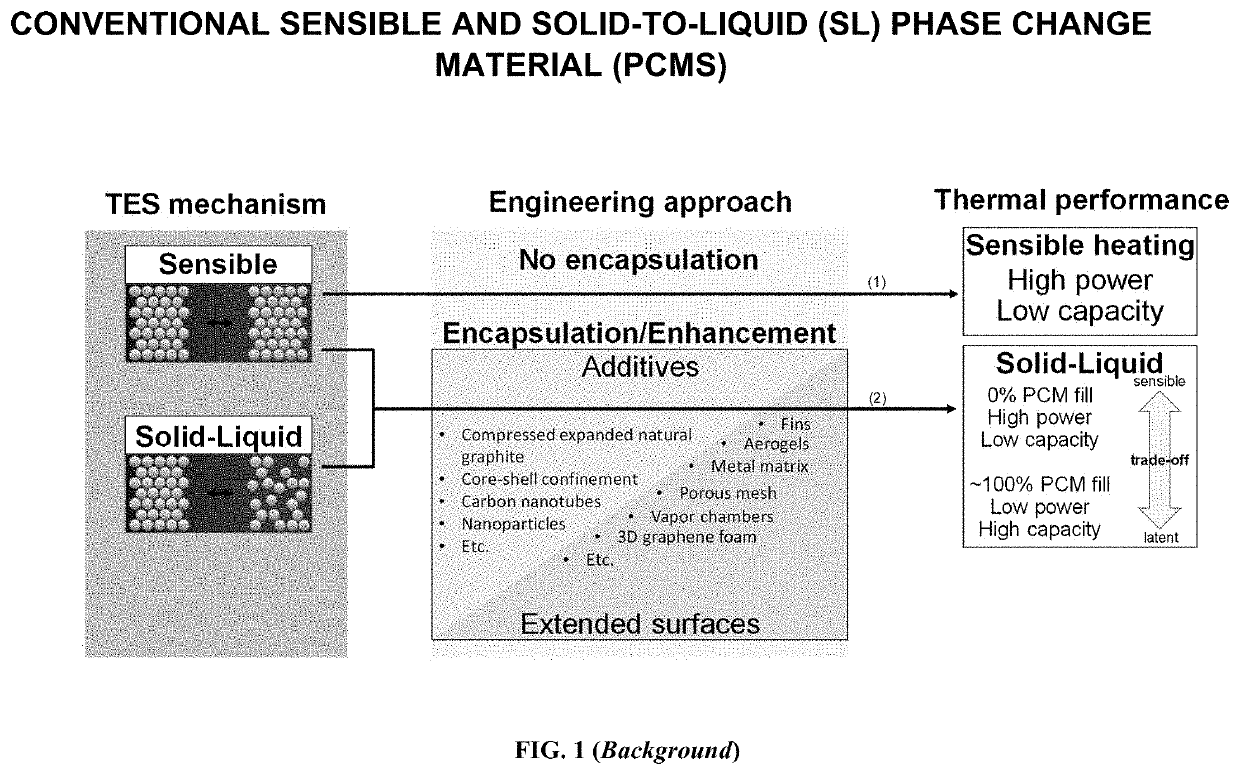
- Phase-change materials and thermal energy storage: Phase-change materials offer passive thermal management solutions by absorbing excess heat through latent heat of fusion during temperature spikes. These materials can be integrated into the transformer housing or heat exchange structures to buffer thermal transients and maintain temperature stability. The selection of appropriate phase-change materials depends on melting point, thermal conductivity, and cycling stability requirements for the specific application.
- Heat pipe technology and vapor chamber applications: Heat pipes and vapor chambers provide efficient heat spreading and transport mechanisms for solid-state transformer thermal management. These passive devices utilize phase-change heat transfer to move thermal energy from hot spots to heat dissipation areas with minimal temperature gradients. Integration of heat pipe technology enables compact designs with enhanced thermal performance, particularly beneficial for high-density power electronic applications where space constraints exist.
02 Thermal interface materials and heat conductive compounds
Effective thermal management in solid-state transformers relies on high-performance thermal interface materials that facilitate heat transfer between components and cooling systems. These materials include thermal pastes, pads, and phase-change materials with enhanced thermal conductivity properties. The selection and application of appropriate thermal interface materials significantly impacts the overall thermal resistance of the system, ensuring efficient heat flow from heat-generating components to heat exchangers or heat sinks.Expand Specific Solutions03 Liquid cooling and heat exchanger integration
Liquid cooling systems provide superior heat removal capabilities for high-power solid-state transformers. Heat exchangers utilizing water, oil, or specialized coolants are integrated into transformer designs to absorb and dissipate thermal energy. These systems may employ cold plates, microchannel heat exchangers, or immersion cooling techniques. The liquid cooling approach enables compact designs while maintaining effective thermal management, particularly important for high-density power conversion applications where air cooling is insufficient.Expand Specific Solutions04 Heat pipe and vapor chamber technologies
Heat pipes and vapor chambers offer passive thermal management solutions for solid-state transformers by utilizing phase-change heat transfer mechanisms. These devices efficiently transport heat from hot spots to cooler regions through evaporation and condensation cycles. The integration of heat pipes or vapor chambers enables uniform temperature distribution across transformer components and facilitates heat transfer to external cooling systems. This technology is particularly valuable for applications requiring low maintenance and high reliability thermal management.Expand Specific Solutions05 Composite materials and thermal management enclosures
Advanced composite materials with enhanced thermal properties are employed in solid-state transformer construction to improve heat exchange performance. These materials may include metal matrix composites, ceramic-filled polymers, or graphene-enhanced compounds that provide both structural support and thermal conductivity. Thermal management enclosures designed with these materials facilitate heat spreading and dissipation while protecting internal components. The strategic use of composite materials enables optimization of weight, thermal performance, and electromagnetic shielding in transformer designs.Expand Specific Solutions
Key Players in SST and Thermal Management Industry
The solid-state transformer heat exchange materials sector represents an emerging technology field currently in its early development stage, with significant growth potential driven by the increasing demand for efficient power conversion systems in renewable energy and electric vehicle applications. The market remains relatively nascent but is experiencing rapid expansion as industries seek more compact and efficient thermal management solutions. Technology maturity varies considerably across market participants, with established industrial giants like Mitsubishi Electric Corp., DENSO Corp., and Toshiba Corp. leading in advanced materials and thermal management systems, while specialized companies such as Buffer Solutions Oy and FuelCell Energy focus on innovative thermal storage solutions. Research institutions including MIT, Xi'an Jiaotong University, and CEA are driving fundamental breakthroughs in heat exchange materials, while automotive suppliers like Sumitomo Chemical and DAIKIN INDUSTRIES are developing application-specific solutions. The competitive landscape shows a mix of mature corporations with extensive R&D capabilities and emerging specialists, indicating a technology transition phase where traditional thermal management approaches are being revolutionized by solid-state innovations.
Toshiba Corp.
Technical Solution: Toshiba has developed innovative phase change materials (PCMs) integrated with graphene-enhanced polymer composites for solid-state transformer thermal management. Their approach combines paraffin-based PCMs with functionalized graphene nanoplatelets to achieve thermal conductivity improvements of 300-400% compared to base materials. The formulation includes thermal stabilizers and anti-oxidants to prevent degradation during repeated phase transitions. Toshiba's materials demonstrate melting points optimized for SST operating temperatures (60-80°C) with latent heat capacity exceeding 150 J/g, enabling effective heat absorption during peak load conditions while maintaining structural integrity.
Strengths: Advanced nanotechnology integration, excellent thermal energy storage capacity. Weaknesses: Limited temperature range effectiveness, potential leakage issues during phase transitions.
Massachusetts Institute of Technology
Technical Solution: MIT researchers have pioneered the development of biomimetic heat exchange materials inspired by natural thermal regulation systems for solid-state transformer applications. Their approach involves creating hierarchical porous structures using 3D printing and chemical vapor deposition techniques, incorporating carbon nanotube forests and graphene aerogels. The formulated materials exhibit anisotropic thermal conductivity with values reaching 15-20 W/mK in preferred directions while maintaining lightweight characteristics (density <2 g/cm³). The research focuses on multi-scale heat transfer mechanisms, combining conduction, convection, and radiation effects through engineered microstructures that adapt to varying thermal loads in SST operations.
Strengths: Cutting-edge research capabilities, innovative structural designs, high thermal performance potential. Weaknesses: Limited commercial scalability, high development costs, unproven long-term reliability.
Core Innovations in SST Thermal Interface Materials
Compositions with nano-particle size diamond powder and methods of using same for transferring heat between a heat source and a heat sink
PatentInactiveUS6858157B2
Innovation
- A heat transfer composition comprising soy-based oil, nano-particle size diamond powder, and a chemical agent like D-sorbitol Hexaacetate, where the mass ratio of the chemical agent to diamond powder is greater than one, forming a stable suspension that increases thermal conductivity.


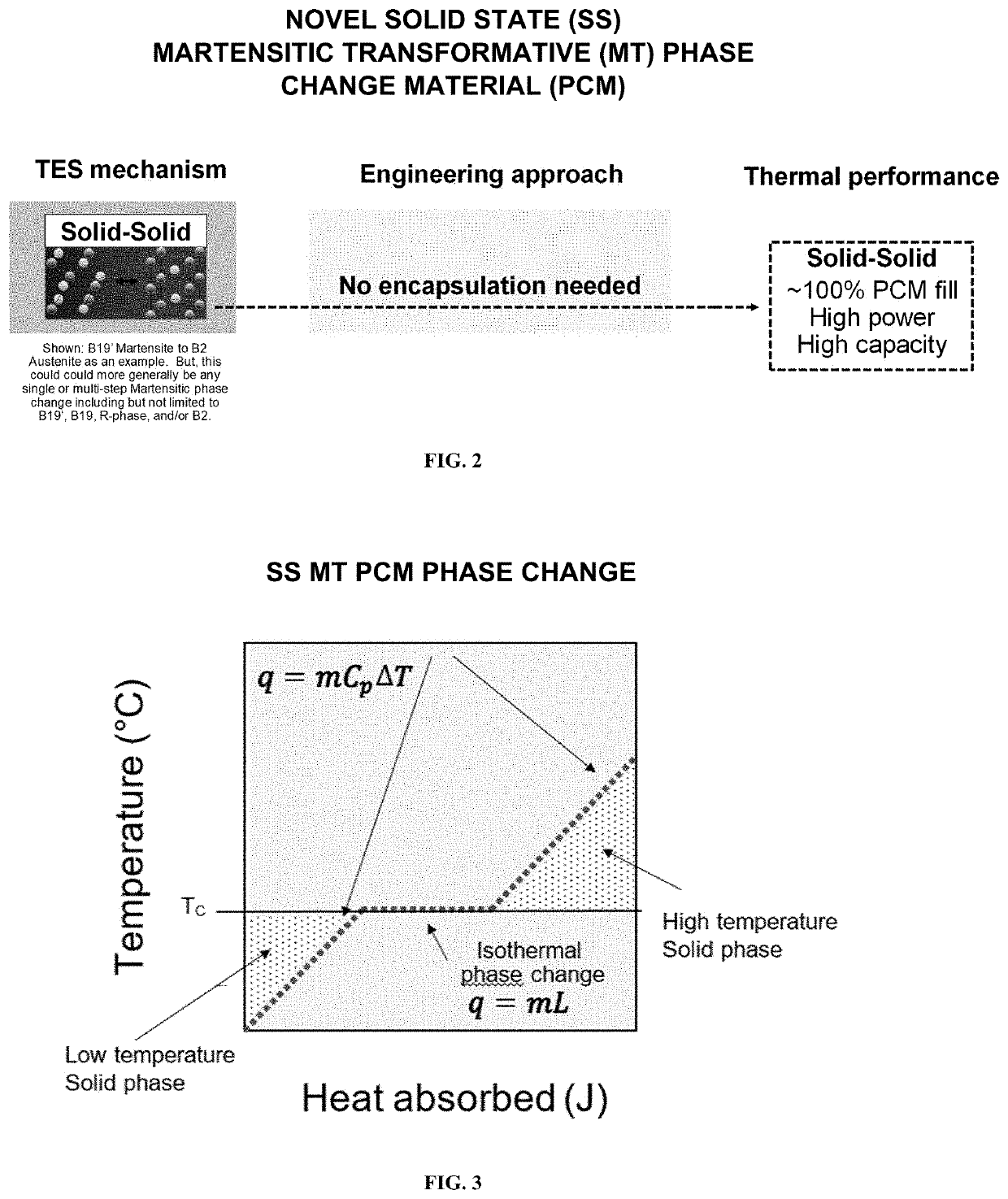
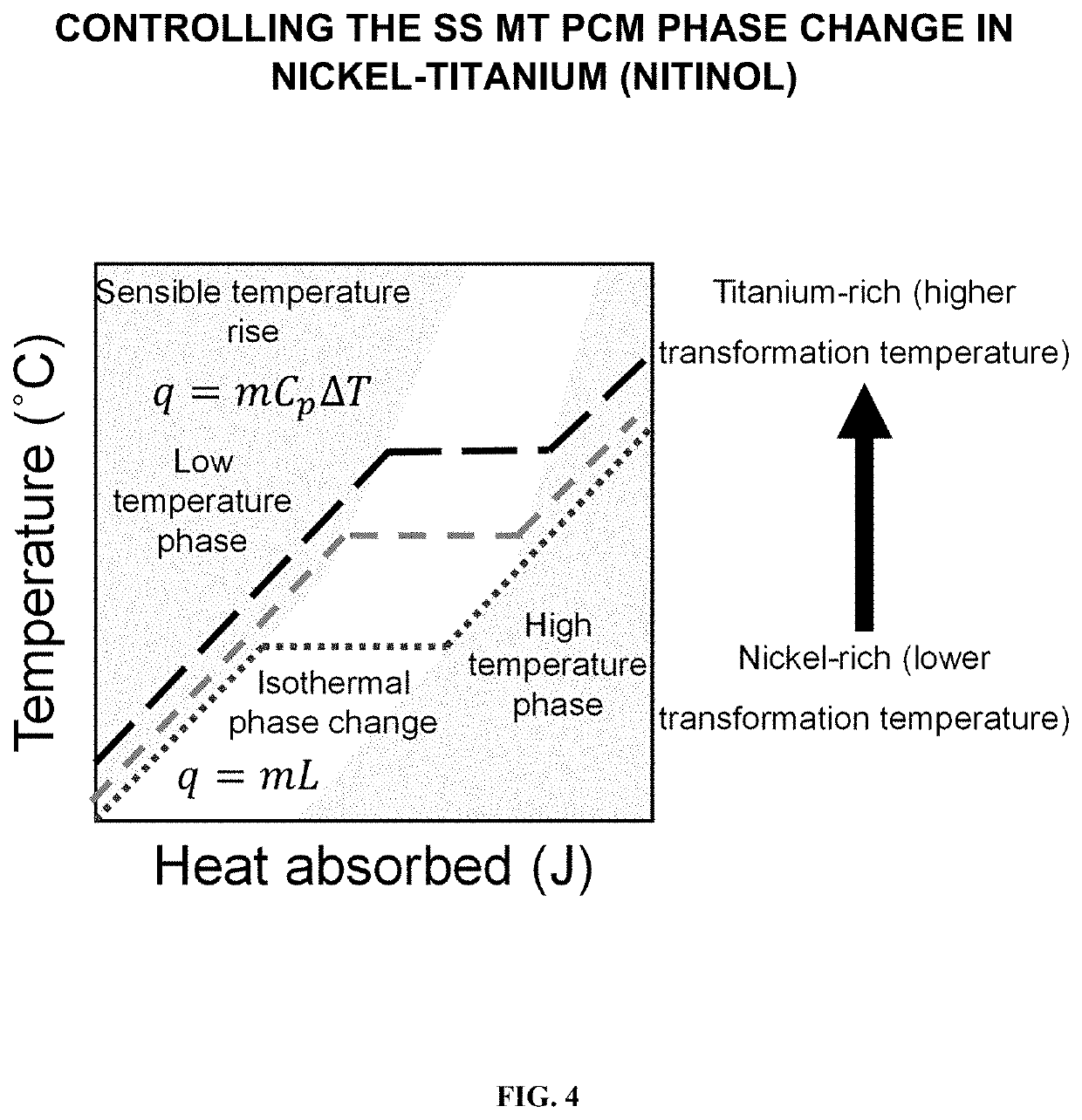
SOLID STATE MARTENSITIC TRANSFORMATION PHASE CHANGE MATERIAL CO'qMPONENTS FOR THERMAL ENERGY STORAGE AND TRANSIENT HEAT TRANSFER SYSTEMS
PatentActiveUS20200407615A1
Innovation
- The use of solid-solid Martensitic transformation phase change materials that undergo a reversible or irreversible transformation from one crystalline structure to another, eliminating the need for encapsulation and enhancing thermal conductivity, allowing for high volumetric latent heat and efficient thermal energy storage.

Safety Standards for High-Voltage Thermal Materials
The development of safety standards for high-voltage thermal materials in solid-state transformers represents a critical regulatory framework that ensures operational reliability and personnel protection. Current international standards such as IEC 60076-16 and IEEE C57.163 provide foundational guidelines for solid-state transformer components, while emerging standards specifically address thermal management materials operating under high-voltage conditions exceeding 1kV.
Dielectric strength requirements constitute the primary safety consideration, mandating that thermal interface materials maintain electrical insulation properties above 15kV/mm while operating at elevated temperatures up to 200°C. These standards specify rigorous testing protocols including partial discharge measurements, dielectric loss factor assessments, and long-term voltage endurance evaluations to ensure material integrity under continuous high-voltage stress.
Thermal performance standards establish minimum thermal conductivity thresholds of 3-5 W/mK for heat exchange materials while maintaining flame retardancy ratings of V-0 according to UL94 specifications. The standards also define maximum operating temperature limits and thermal cycling requirements to validate material stability across operational temperature ranges typically spanning -40°C to 180°C.
Material composition regulations restrict the use of hazardous substances in accordance with RoHS directives while mandating biocompatibility assessments for materials that may be exposed during maintenance operations. Specific attention is given to outgassing characteristics, requiring materials to meet NASA standards for low outgassing to prevent contamination of sensitive electronic components.
Testing and certification protocols demand comprehensive evaluation including accelerated aging tests, humidity resistance assessments, and mechanical stress evaluations. These standards require third-party certification from recognized testing laboratories and mandate periodic re-evaluation of material properties to ensure continued compliance throughout the product lifecycle.
Emerging safety standards are increasingly incorporating requirements for smart monitoring capabilities, mandating integration points for temperature sensors and diagnostic systems that can provide real-time assessment of thermal material performance and early warning of potential failure modes in high-voltage environments.
Dielectric strength requirements constitute the primary safety consideration, mandating that thermal interface materials maintain electrical insulation properties above 15kV/mm while operating at elevated temperatures up to 200°C. These standards specify rigorous testing protocols including partial discharge measurements, dielectric loss factor assessments, and long-term voltage endurance evaluations to ensure material integrity under continuous high-voltage stress.
Thermal performance standards establish minimum thermal conductivity thresholds of 3-5 W/mK for heat exchange materials while maintaining flame retardancy ratings of V-0 according to UL94 specifications. The standards also define maximum operating temperature limits and thermal cycling requirements to validate material stability across operational temperature ranges typically spanning -40°C to 180°C.
Material composition regulations restrict the use of hazardous substances in accordance with RoHS directives while mandating biocompatibility assessments for materials that may be exposed during maintenance operations. Specific attention is given to outgassing characteristics, requiring materials to meet NASA standards for low outgassing to prevent contamination of sensitive electronic components.
Testing and certification protocols demand comprehensive evaluation including accelerated aging tests, humidity resistance assessments, and mechanical stress evaluations. These standards require third-party certification from recognized testing laboratories and mandate periodic re-evaluation of material properties to ensure continued compliance throughout the product lifecycle.
Emerging safety standards are increasingly incorporating requirements for smart monitoring capabilities, mandating integration points for temperature sensors and diagnostic systems that can provide real-time assessment of thermal material performance and early warning of potential failure modes in high-voltage environments.
Environmental Impact of SST Heat Exchange Materials
The environmental implications of solid-state transformer heat exchange materials represent a critical consideration in the development and deployment of next-generation power conversion systems. As SST technology advances toward widespread commercial adoption, the lifecycle environmental impact of thermal management materials becomes increasingly significant for sustainable energy infrastructure development.
Material extraction and processing constitute the primary environmental concerns in SST heat exchange material formulation. Advanced thermal interface materials often rely on rare earth elements, specialized ceramics, and engineered polymers that require energy-intensive manufacturing processes. The carbon footprint associated with producing high-performance thermal conductors, such as diamond-like carbon coatings or graphene-enhanced composites, can be substantial due to complex synthesis requirements and purification processes.
The operational environmental benefits of SST heat exchange materials significantly offset their manufacturing impact through enhanced energy efficiency. Superior thermal management enables SSTs to operate at higher power densities while maintaining lower operating temperatures, resulting in reduced energy losses and extended component lifespans. This improved efficiency translates to decreased overall energy consumption in power grid applications, contributing to reduced greenhouse gas emissions over the system's operational lifetime.
End-of-life considerations present both challenges and opportunities for environmental stewardship. Many advanced heat exchange materials contain valuable elements that can be recovered through specialized recycling processes. However, the complex composite nature of some thermal management solutions complicates separation and recovery efforts. The development of biodegradable thermal interface materials and design-for-disassembly approaches in SST construction represents emerging strategies to minimize long-term environmental impact.
Regulatory frameworks increasingly emphasize environmental compliance in power electronics applications. RoHS directives and REACH regulations influence material selection for SST heat exchange components, driving innovation toward environmentally benign alternatives. The integration of life cycle assessment methodologies in material development processes enables quantitative evaluation of environmental trade-offs between thermal performance and ecological impact, supporting informed decision-making in sustainable SST design.
Material extraction and processing constitute the primary environmental concerns in SST heat exchange material formulation. Advanced thermal interface materials often rely on rare earth elements, specialized ceramics, and engineered polymers that require energy-intensive manufacturing processes. The carbon footprint associated with producing high-performance thermal conductors, such as diamond-like carbon coatings or graphene-enhanced composites, can be substantial due to complex synthesis requirements and purification processes.
The operational environmental benefits of SST heat exchange materials significantly offset their manufacturing impact through enhanced energy efficiency. Superior thermal management enables SSTs to operate at higher power densities while maintaining lower operating temperatures, resulting in reduced energy losses and extended component lifespans. This improved efficiency translates to decreased overall energy consumption in power grid applications, contributing to reduced greenhouse gas emissions over the system's operational lifetime.
End-of-life considerations present both challenges and opportunities for environmental stewardship. Many advanced heat exchange materials contain valuable elements that can be recovered through specialized recycling processes. However, the complex composite nature of some thermal management solutions complicates separation and recovery efforts. The development of biodegradable thermal interface materials and design-for-disassembly approaches in SST construction represents emerging strategies to minimize long-term environmental impact.
Regulatory frameworks increasingly emphasize environmental compliance in power electronics applications. RoHS directives and REACH regulations influence material selection for SST heat exchange components, driving innovation toward environmentally benign alternatives. The integration of life cycle assessment methodologies in material development processes enables quantitative evaluation of environmental trade-offs between thermal performance and ecological impact, supporting informed decision-making in sustainable SST design.
Unlock deeper insights with PatSnap Eureka Quick Research — get a full tech report to explore trends and direct your research. Try now!
Generate Your Research Report Instantly with AI Agent
Supercharge your innovation with PatSnap Eureka AI Agent Platform!