How to Manage Solid-State Transformer Power Bandwidth Constraints
APR 20, 20269 MIN READ
Generate Your Research Report Instantly with AI Agent
PatSnap Eureka helps you evaluate technical feasibility & market potential.
SST Power Bandwidth Evolution and Technical Objectives
Solid-State Transformers have undergone significant evolutionary phases since their conceptual introduction in the 1970s. Initially proposed as an alternative to conventional magnetic transformers, early SST designs focused primarily on basic power conversion capabilities without addressing bandwidth limitations. The technology remained largely theoretical until the 1990s when advances in power semiconductor devices enabled practical implementations.
The first generation of SSTs, developed in the early 2000s, demonstrated fundamental power conversion but suffered from severe bandwidth constraints due to limited switching frequencies and rudimentary control algorithms. These systems typically operated with switching frequencies below 10 kHz, resulting in substantial power bandwidth limitations that restricted their application to low-dynamic load scenarios.
The second generation emerged around 2010, coinciding with the proliferation of wide-bandgap semiconductors such as Silicon Carbide and Gallium Nitride devices. This technological leap enabled switching frequencies exceeding 100 kHz, dramatically expanding power bandwidth capabilities. However, bandwidth management remained a significant challenge due to inadequate control strategies and thermal limitations.
Current third-generation SSTs, developed since 2015, incorporate advanced digital signal processing and sophisticated control algorithms specifically designed to optimize power bandwidth utilization. These systems achieve switching frequencies up to 1 MHz while implementing real-time bandwidth allocation strategies that dynamically adjust to load requirements.
The primary technical objective driving SST power bandwidth evolution centers on achieving seamless power flow management across varying frequency domains. Modern SSTs must accommodate both steady-state power transfer and high-frequency transient responses while maintaining efficiency above 95%. This requires sophisticated bandwidth partitioning techniques that allocate frequency spectrum resources based on real-time system demands.
Future evolutionary targets focus on implementing predictive bandwidth management algorithms that anticipate load changes and pre-allocate frequency resources accordingly. The ultimate objective involves developing self-adaptive SST systems capable of autonomous bandwidth optimization without human intervention, enabling deployment in complex grid applications where power bandwidth requirements fluctuate rapidly and unpredictably across multiple timescales.
The first generation of SSTs, developed in the early 2000s, demonstrated fundamental power conversion but suffered from severe bandwidth constraints due to limited switching frequencies and rudimentary control algorithms. These systems typically operated with switching frequencies below 10 kHz, resulting in substantial power bandwidth limitations that restricted their application to low-dynamic load scenarios.
The second generation emerged around 2010, coinciding with the proliferation of wide-bandgap semiconductors such as Silicon Carbide and Gallium Nitride devices. This technological leap enabled switching frequencies exceeding 100 kHz, dramatically expanding power bandwidth capabilities. However, bandwidth management remained a significant challenge due to inadequate control strategies and thermal limitations.
Current third-generation SSTs, developed since 2015, incorporate advanced digital signal processing and sophisticated control algorithms specifically designed to optimize power bandwidth utilization. These systems achieve switching frequencies up to 1 MHz while implementing real-time bandwidth allocation strategies that dynamically adjust to load requirements.
The primary technical objective driving SST power bandwidth evolution centers on achieving seamless power flow management across varying frequency domains. Modern SSTs must accommodate both steady-state power transfer and high-frequency transient responses while maintaining efficiency above 95%. This requires sophisticated bandwidth partitioning techniques that allocate frequency spectrum resources based on real-time system demands.
Future evolutionary targets focus on implementing predictive bandwidth management algorithms that anticipate load changes and pre-allocate frequency resources accordingly. The ultimate objective involves developing self-adaptive SST systems capable of autonomous bandwidth optimization without human intervention, enabling deployment in complex grid applications where power bandwidth requirements fluctuate rapidly and unpredictably across multiple timescales.
Market Demand for High-Bandwidth SST Solutions
The global energy infrastructure is undergoing a fundamental transformation driven by the proliferation of renewable energy sources, electric vehicle adoption, and smart grid implementations. This transition has created an unprecedented demand for power conversion systems capable of handling higher power densities while maintaining operational flexibility across varying load conditions. Traditional electromagnetic transformers, constrained by their physical limitations and narrow operational bandwidth, are increasingly inadequate for modern applications requiring dynamic power management and rapid response capabilities.
Industrial sectors are experiencing particularly acute bandwidth limitations in their power systems. Manufacturing facilities with variable production loads, data centers with fluctuating computational demands, and renewable energy installations with intermittent generation patterns all require power conversion solutions that can efficiently operate across wide power ranges. The inability of conventional systems to maintain high efficiency during partial load conditions results in significant energy losses and operational inefficiencies.
The electric vehicle charging infrastructure represents one of the most demanding applications for high-bandwidth power systems. Fast-charging stations must accommodate vehicles with varying battery capacities and charging protocols while maintaining grid stability. Current charging systems often operate at suboptimal efficiency levels when serving different vehicle types, highlighting the critical need for adaptive power bandwidth management capabilities.
Renewable energy integration presents another compelling market driver for advanced SST solutions. Solar and wind installations require power conversion systems that can efficiently handle the inherent variability in energy generation while providing grid support services such as voltage regulation and frequency stabilization. The economic viability of renewable projects increasingly depends on maximizing energy conversion efficiency across all operating conditions.
Smart grid modernization initiatives worldwide are creating substantial market opportunities for SST technologies with enhanced bandwidth management capabilities. Utility companies are seeking solutions that can provide real-time power flow control, voltage regulation, and fault isolation while maintaining high efficiency across diverse operating scenarios. The ability to dynamically adjust power bandwidth allocation based on grid conditions represents a critical competitive advantage in this evolving market landscape.
The convergence of these market forces is driving significant investment in SST research and development, with particular emphasis on overcoming power bandwidth constraints that limit current system performance and market adoption.
Industrial sectors are experiencing particularly acute bandwidth limitations in their power systems. Manufacturing facilities with variable production loads, data centers with fluctuating computational demands, and renewable energy installations with intermittent generation patterns all require power conversion solutions that can efficiently operate across wide power ranges. The inability of conventional systems to maintain high efficiency during partial load conditions results in significant energy losses and operational inefficiencies.
The electric vehicle charging infrastructure represents one of the most demanding applications for high-bandwidth power systems. Fast-charging stations must accommodate vehicles with varying battery capacities and charging protocols while maintaining grid stability. Current charging systems often operate at suboptimal efficiency levels when serving different vehicle types, highlighting the critical need for adaptive power bandwidth management capabilities.
Renewable energy integration presents another compelling market driver for advanced SST solutions. Solar and wind installations require power conversion systems that can efficiently handle the inherent variability in energy generation while providing grid support services such as voltage regulation and frequency stabilization. The economic viability of renewable projects increasingly depends on maximizing energy conversion efficiency across all operating conditions.
Smart grid modernization initiatives worldwide are creating substantial market opportunities for SST technologies with enhanced bandwidth management capabilities. Utility companies are seeking solutions that can provide real-time power flow control, voltage regulation, and fault isolation while maintaining high efficiency across diverse operating scenarios. The ability to dynamically adjust power bandwidth allocation based on grid conditions represents a critical competitive advantage in this evolving market landscape.
The convergence of these market forces is driving significant investment in SST research and development, with particular emphasis on overcoming power bandwidth constraints that limit current system performance and market adoption.
Current SST Bandwidth Limitations and Technical Challenges
Solid-state transformers face significant bandwidth limitations that stem from fundamental semiconductor switching constraints and control system response times. Current SST implementations typically operate with switching frequencies ranging from 10 kHz to 100 kHz, which directly impacts their power processing bandwidth and dynamic response capabilities. These frequency limitations create bottlenecks in applications requiring rapid power flow adjustments or high-frequency power quality compensation.
The semiconductor devices used in SST configurations, particularly silicon-based IGBTs and MOSFETs, exhibit inherent switching losses that increase exponentially with frequency. This thermal constraint forces designers to compromise between switching speed and power handling capacity, resulting in bandwidth restrictions that limit SST performance in dynamic grid applications. Wide bandgap semiconductors like SiC and GaN offer improved switching characteristics but introduce new challenges related to gate drive complexity and electromagnetic interference.
Control system latency represents another critical bandwidth limitation in current SST designs. Digital signal processors and control algorithms require finite computation time for power flow calculations, voltage regulation, and protection functions. Typical control loop delays range from 50 to 200 microseconds, which translates to effective bandwidth limitations of 1-5 kHz for closed-loop power control operations.
Communication bandwidth constraints further compound SST performance limitations, particularly in grid-interactive applications. Current communication protocols for grid synchronization and power management operate at relatively low data rates, creating delays in coordinated control actions. This communication latency becomes especially problematic in applications requiring real-time power sharing or fault response coordination across multiple SST units.
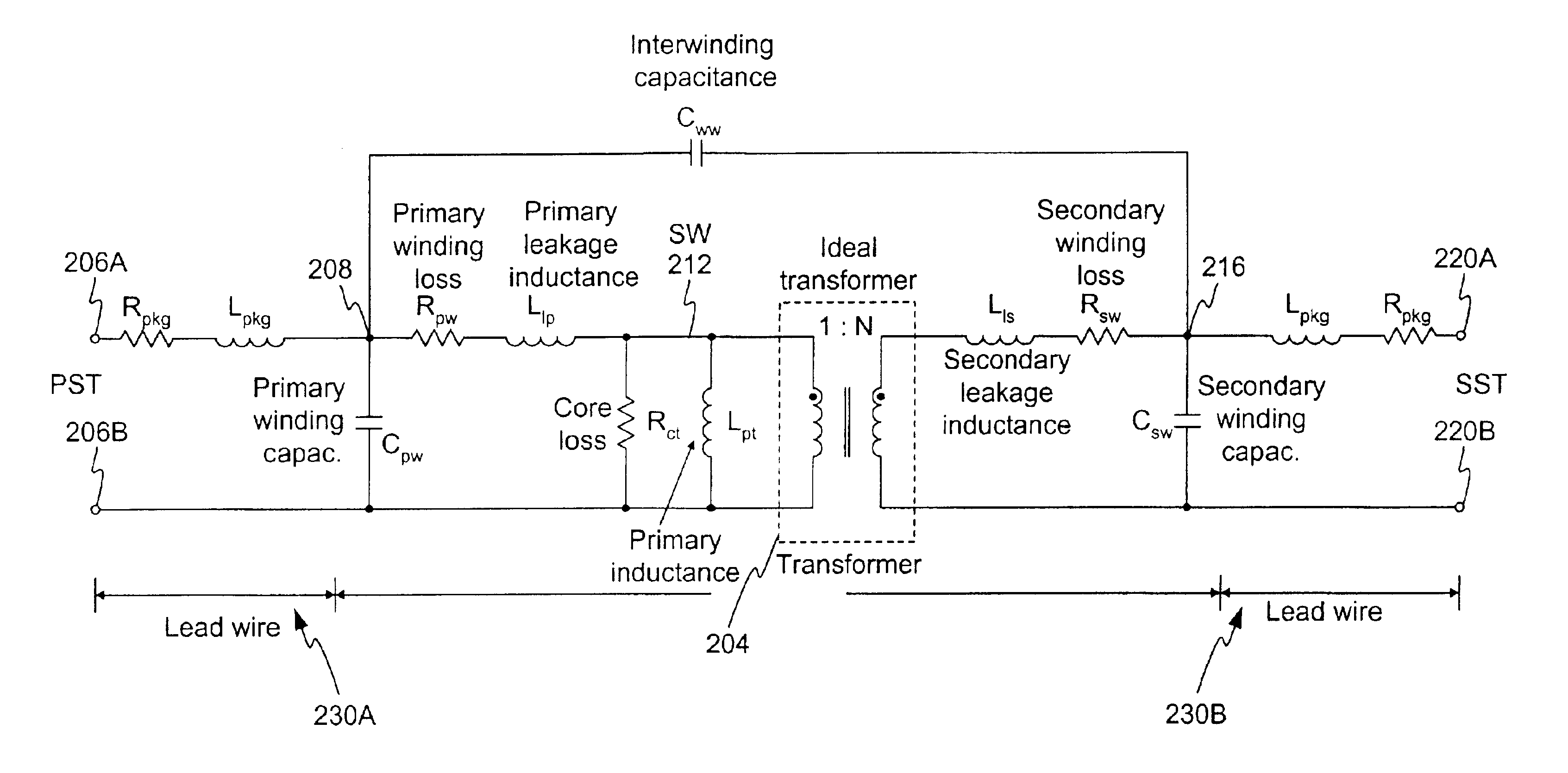
Magnetic component design presents additional bandwidth challenges through parasitic inductances and capacitances in high-frequency transformers. These parasitic elements create resonant behaviors that limit the usable bandwidth and introduce stability concerns in SST control systems. The trade-off between transformer size, efficiency, and bandwidth performance remains a significant design constraint.
Thermal management issues create dynamic bandwidth limitations as SST systems must reduce switching frequencies or power throughput when operating temperatures approach critical thresholds. This thermal derating effectively reduces available bandwidth during peak demand periods, compromising system reliability and performance predictability in demanding applications.
The semiconductor devices used in SST configurations, particularly silicon-based IGBTs and MOSFETs, exhibit inherent switching losses that increase exponentially with frequency. This thermal constraint forces designers to compromise between switching speed and power handling capacity, resulting in bandwidth restrictions that limit SST performance in dynamic grid applications. Wide bandgap semiconductors like SiC and GaN offer improved switching characteristics but introduce new challenges related to gate drive complexity and electromagnetic interference.
Control system latency represents another critical bandwidth limitation in current SST designs. Digital signal processors and control algorithms require finite computation time for power flow calculations, voltage regulation, and protection functions. Typical control loop delays range from 50 to 200 microseconds, which translates to effective bandwidth limitations of 1-5 kHz for closed-loop power control operations.
Communication bandwidth constraints further compound SST performance limitations, particularly in grid-interactive applications. Current communication protocols for grid synchronization and power management operate at relatively low data rates, creating delays in coordinated control actions. This communication latency becomes especially problematic in applications requiring real-time power sharing or fault response coordination across multiple SST units.
Magnetic component design presents additional bandwidth challenges through parasitic inductances and capacitances in high-frequency transformers. These parasitic elements create resonant behaviors that limit the usable bandwidth and introduce stability concerns in SST control systems. The trade-off between transformer size, efficiency, and bandwidth performance remains a significant design constraint.
Thermal management issues create dynamic bandwidth limitations as SST systems must reduce switching frequencies or power throughput when operating temperatures approach critical thresholds. This thermal derating effectively reduces available bandwidth during peak demand periods, compromising system reliability and performance predictability in demanding applications.
Existing SST Bandwidth Management Solutions
01 High-frequency modulation and control strategies for bandwidth enhancement
Advanced modulation techniques and control algorithms are employed in solid-state transformers to increase power bandwidth. These methods include pulse width modulation, phase-shift control, and multi-level conversion strategies that enable faster switching frequencies and improved dynamic response. The control strategies optimize the transformer's ability to handle rapid power fluctuations and maintain stable operation across a wide frequency range.- High-frequency modulation and control strategies for bandwidth enhancement: Solid-state transformers can achieve wider power bandwidth through advanced high-frequency modulation techniques and control strategies. These methods involve optimizing switching frequencies, implementing advanced pulse-width modulation schemes, and utilizing digital control algorithms to improve dynamic response and frequency characteristics. The control strategies enable faster transient response and better power quality across a broader frequency spectrum.
- Multi-stage power conversion topology for extended bandwidth: Multi-stage power conversion architectures in solid-state transformers enable extended power bandwidth by utilizing cascaded converter stages with optimized impedance matching. These topologies incorporate multiple conversion stages that can operate at different frequency ranges, allowing for broader bandwidth coverage. The design includes intermediate DC links and multiple active bridges to handle various frequency components efficiently.
- Wide-bandgap semiconductor devices for improved frequency response: The implementation of wide-bandgap semiconductor materials such as silicon carbide and gallium nitride in solid-state transformers significantly improves power bandwidth capabilities. These devices offer higher switching speeds, lower switching losses, and better thermal performance, enabling operation at higher frequencies. The superior characteristics of these semiconductors allow for reduced filter requirements and improved dynamic bandwidth.
- Resonant converter designs for bandwidth optimization: Resonant converter topologies in solid-state transformers provide optimized power bandwidth through soft-switching techniques and resonant tank circuits. These designs utilize LC resonant networks to achieve zero-voltage or zero-current switching, reducing switching losses and enabling higher frequency operation. The resonant approach allows for natural frequency selectivity and improved bandwidth characteristics across varying load conditions.
- Active filtering and harmonic compensation for bandwidth extension: Active filtering techniques and harmonic compensation methods in solid-state transformers extend effective power bandwidth by suppressing unwanted frequency components and improving power quality. These systems employ real-time harmonic detection and compensation algorithms to maintain stable operation across wide frequency ranges. The integration of active filters enables the transformer to handle non-linear loads and maintain performance across extended bandwidth requirements.
02 Multi-stage power conversion architecture
Solid-state transformers utilize multi-stage power conversion topologies to extend power bandwidth capabilities. These architectures typically include AC-DC, DC-DC, and DC-AC conversion stages that work in coordination to process power across different frequency ranges. The cascaded structure allows for independent optimization of each stage, enabling broader bandwidth operation and improved power quality.Expand Specific Solutions03 Wide bandgap semiconductor devices integration
The incorporation of wide bandgap semiconductor materials such as silicon carbide and gallium nitride enables solid-state transformers to achieve higher switching frequencies and greater power bandwidth. These advanced semiconductor devices offer superior thermal performance, lower switching losses, and faster switching speeds compared to traditional silicon-based components, thereby extending the operational frequency range and power handling capabilities.Expand Specific Solutions04 Resonant converter topologies for bandwidth optimization
Resonant converter designs are implemented in solid-state transformers to achieve soft-switching operation and extended power bandwidth. These topologies utilize resonant tanks with inductors and capacitors to create zero-voltage or zero-current switching conditions, reducing switching losses and enabling operation at higher frequencies. The resonant approach improves efficiency across a wider range of operating conditions and load variations.Expand Specific Solutions05 Digital signal processing and adaptive bandwidth management
Digital signal processors and field-programmable gate arrays are utilized to implement adaptive bandwidth management in solid-state transformers. These digital control systems enable real-time monitoring and adjustment of operating parameters to optimize power bandwidth under varying load conditions. The digital approach facilitates advanced filtering, harmonic compensation, and dynamic response enhancement to maintain stable operation across different frequency ranges.Expand Specific Solutions
Leading SST Manufacturers and Technology Providers
The solid-state transformer (SST) power bandwidth management field represents an emerging technology sector in the early commercialization stage, driven by the global shift toward smart grids and renewable energy integration. The market demonstrates significant growth potential, estimated to reach billions in value as utilities modernize infrastructure. Technology maturity varies considerably across players, with established giants like Siemens AG, ABB Ltd., and Texas Instruments leading in power electronics expertise, while telecommunications leaders such as Huawei Technologies, Qualcomm, and Nokia Technologies leverage their semiconductor capabilities. Chinese entities including State Grid Corp. and research institutions like Shanghai Jiao Tong University are advancing grid-scale implementations. Consumer electronics companies like Apple, Sony Group, and LG Electronics contribute miniaturization innovations, while specialized firms like Ciena Corp. and Mellanox Technologies focus on network integration aspects, creating a diverse competitive landscape spanning multiple technology domains.
State Grid Corp. of China
Technical Solution: State Grid Corporation of China has implemented large-scale solid-state transformer projects with focus on smart grid integration and power bandwidth optimization. Their approach utilizes distributed control systems with AI-based load forecasting to manage power bandwidth constraints across multiple SST units. The technology incorporates energy storage integration capabilities, allowing temporary bandwidth expansion during peak demand periods through battery backup systems. Their SST installations feature modular designs with hot-swappable components and real-time monitoring systems that can predict and prevent bandwidth limitations through proactive load management and grid coordination.
Strengths: Extensive grid operation experience, large-scale deployment capabilities, strong government support. Weaknesses: Technology primarily focused on domestic market, limited international standardization compliance.
Siemens AG
Technical Solution: Siemens has developed advanced solid-state transformer solutions featuring modular multilevel converter (MMC) topology with intelligent power bandwidth management. Their SST systems incorporate dynamic load balancing algorithms that automatically adjust power distribution based on real-time demand analysis. The technology utilizes wide bandgap semiconductors (SiC/GaN) to achieve higher switching frequencies up to 100kHz, enabling better power density and reduced transformer size. Their smart grid integration capabilities include bidirectional power flow control and reactive power compensation, with power ratings ranging from 1MW to 10MW for medium voltage applications.
Strengths: Proven industrial experience, robust grid integration capabilities, high reliability standards. Weaknesses: Higher initial costs, complex control systems requiring specialized maintenance.
Key Patents in SST Power Bandwidth Optimization
Method and apparatus for transformer bandwidth enhancement
PatentInactiveUS6924724B2
Innovation
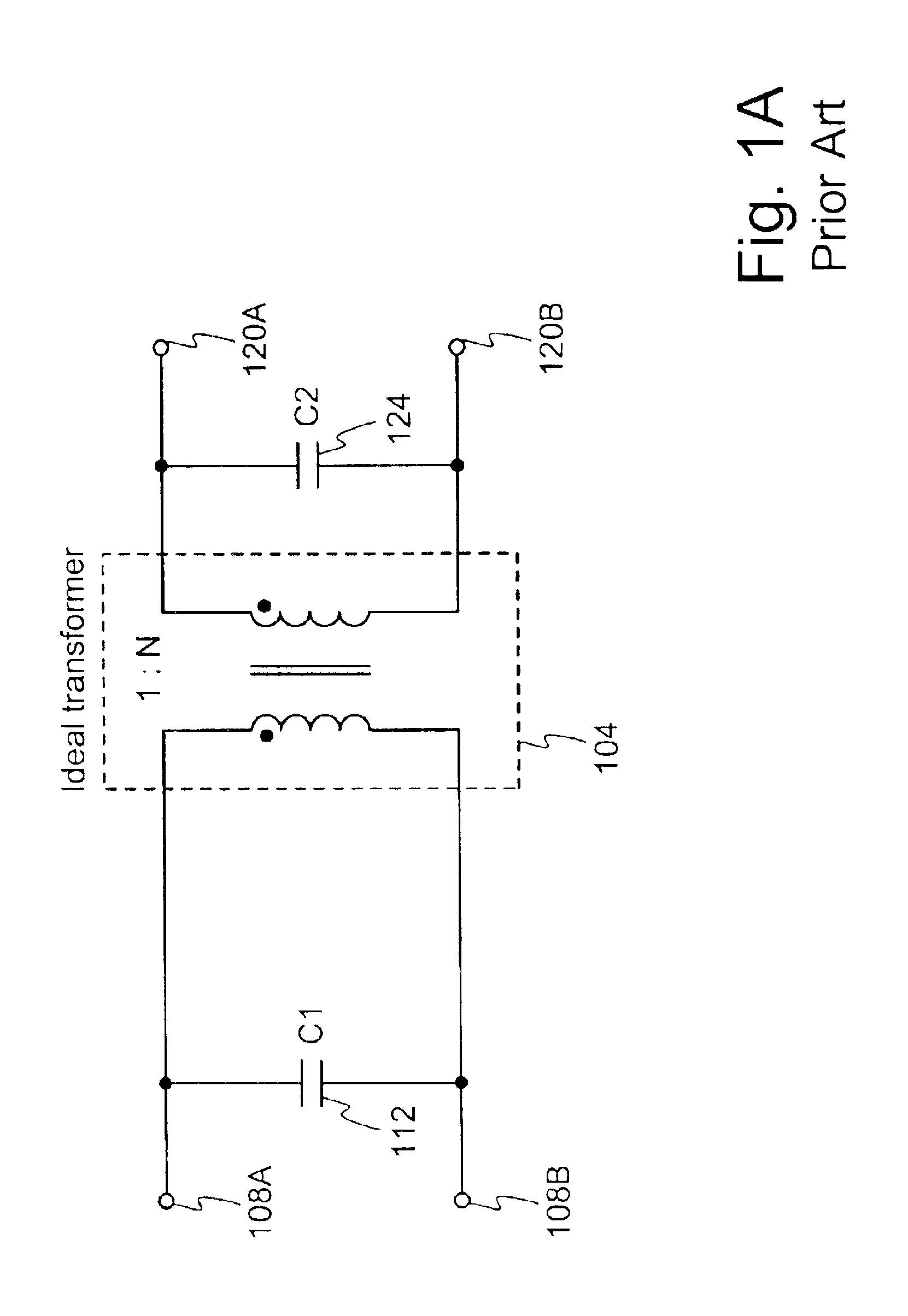
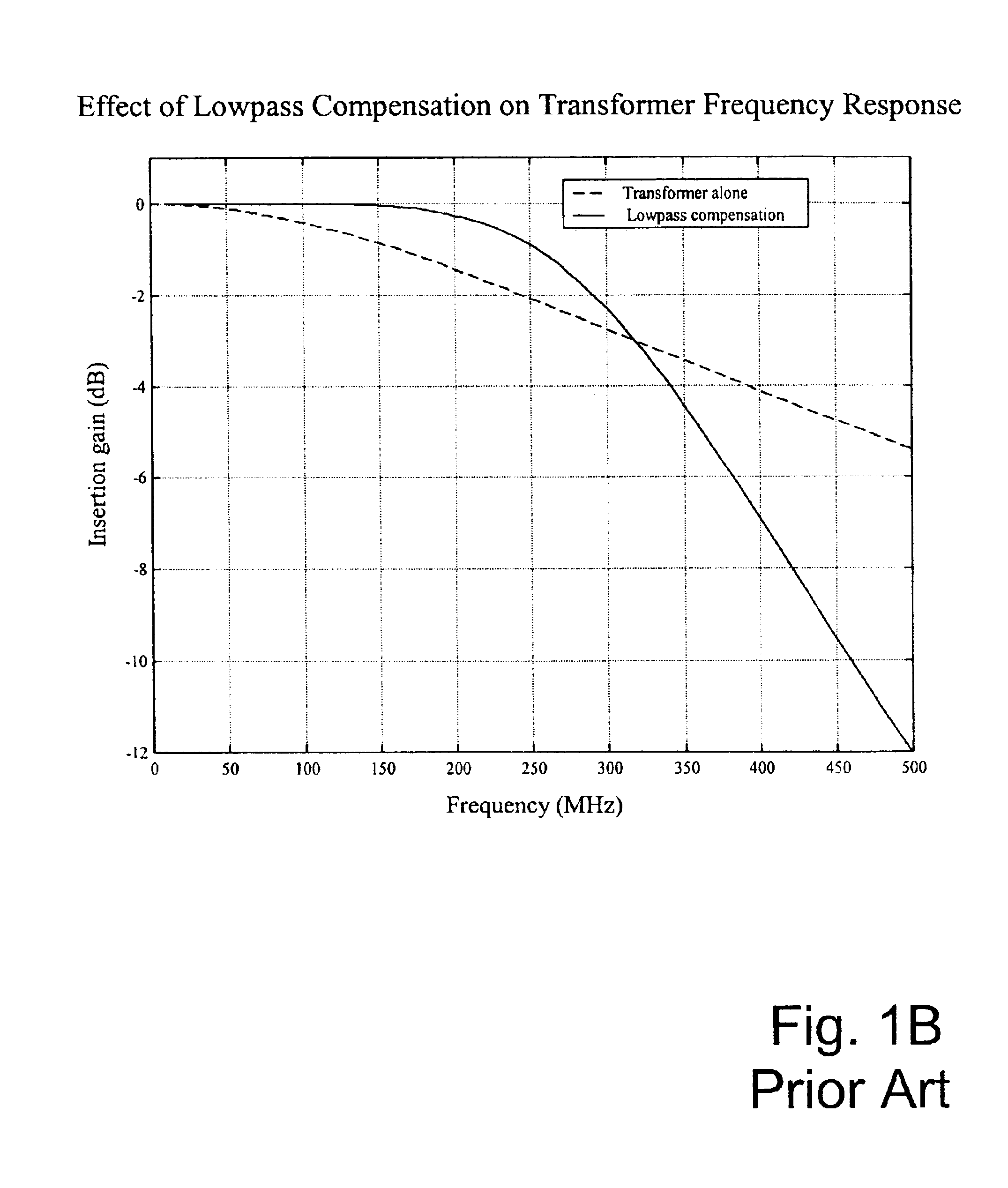
- The solution involves a method and apparatus that increase the bandwidth of transformers by cross-connecting compensation capacitors between the primary and secondary windings, creating a symmetrical lattice all-pass network to compensate for leakage inductance and extend the usable frequency range beyond 200 MHz, while maintaining high-voltage DC isolation and low-frequency common-mode rejection.

Power converter having a solid-state transformer and a half bridge converter stage for each isolated DC output of the solid-state transformer
PatentActiveUS12289044B2
Innovation
- A power converter system comprising a solid-state transformer with multiple isolated DC outputs, half bridge converter stages connected in a cascade configuration, and a shared output inductor, controlled using phase shift control to process full output current while handling only a fraction of the output voltage.


Grid Integration Standards for SST Applications
The integration of Solid-State Transformers into existing power grid infrastructure requires adherence to comprehensive standards that address both technical performance and operational safety requirements. Current grid integration standards for SST applications are primarily governed by IEEE 1547 series standards, which establish interconnection requirements for distributed energy resources, and IEC 61850 communication protocols for power system automation.
IEEE 1547-2018 provides the foundational framework for SST grid integration, specifying voltage and frequency ride-through capabilities, power quality requirements, and islanding detection protocols. These standards mandate that SSTs maintain grid synchronization within specified voltage ranges of 88% to 110% of nominal voltage and frequency deviations of ±0.5 Hz under normal operating conditions. Additionally, the standard requires SSTs to support grid stabilization functions including reactive power compensation and harmonic mitigation.
The IEC 61850 standard series establishes communication requirements for SST integration into smart grid networks. This includes standardized data models for power system equipment, communication protocols for real-time monitoring and control, and cybersecurity frameworks. SSTs must implement Generic Object Oriented Substation Events (GOOSE) messaging for fast protection signaling and Manufacturing Message Specification (MMS) for operational data exchange.
Power quality standards under IEEE 519 specifically address harmonic distortion limits that SSTs must maintain during operation. Total Harmonic Distortion (THD) for voltage must remain below 5% at the point of common coupling, while individual harmonic components are limited to 3%. These requirements directly impact SST power bandwidth management strategies, as harmonic filtering and power quality maintenance consume available processing capacity.
Grid code compliance varies significantly across different regions and utilities. European grid codes such as the Network Code on Requirements for Grid Connection emphasize fault ride-through capabilities and grid support functions. North American standards focus on protection coordination and islanding prevention. These regional variations necessitate adaptive SST control algorithms that can modify operational parameters based on local grid code requirements.
Emerging standards development includes IEEE P2030.13, which specifically addresses grid integration requirements for power electronic-based systems including SSTs. This standard introduces new testing procedures for electromagnetic compatibility, cybersecurity resilience, and interoperability with legacy grid infrastructure. The standard also establishes performance metrics for dynamic grid support functions that SSTs must provide during grid disturbances.
Future standards evolution will likely incorporate artificial intelligence and machine learning capabilities for predictive grid management, requiring SSTs to support advanced communication protocols and real-time data analytics. These developments will further influence power bandwidth allocation strategies as SSTs assume increasingly sophisticated grid management roles.
IEEE 1547-2018 provides the foundational framework for SST grid integration, specifying voltage and frequency ride-through capabilities, power quality requirements, and islanding detection protocols. These standards mandate that SSTs maintain grid synchronization within specified voltage ranges of 88% to 110% of nominal voltage and frequency deviations of ±0.5 Hz under normal operating conditions. Additionally, the standard requires SSTs to support grid stabilization functions including reactive power compensation and harmonic mitigation.
The IEC 61850 standard series establishes communication requirements for SST integration into smart grid networks. This includes standardized data models for power system equipment, communication protocols for real-time monitoring and control, and cybersecurity frameworks. SSTs must implement Generic Object Oriented Substation Events (GOOSE) messaging for fast protection signaling and Manufacturing Message Specification (MMS) for operational data exchange.
Power quality standards under IEEE 519 specifically address harmonic distortion limits that SSTs must maintain during operation. Total Harmonic Distortion (THD) for voltage must remain below 5% at the point of common coupling, while individual harmonic components are limited to 3%. These requirements directly impact SST power bandwidth management strategies, as harmonic filtering and power quality maintenance consume available processing capacity.
Grid code compliance varies significantly across different regions and utilities. European grid codes such as the Network Code on Requirements for Grid Connection emphasize fault ride-through capabilities and grid support functions. North American standards focus on protection coordination and islanding prevention. These regional variations necessitate adaptive SST control algorithms that can modify operational parameters based on local grid code requirements.
Emerging standards development includes IEEE P2030.13, which specifically addresses grid integration requirements for power electronic-based systems including SSTs. This standard introduces new testing procedures for electromagnetic compatibility, cybersecurity resilience, and interoperability with legacy grid infrastructure. The standard also establishes performance metrics for dynamic grid support functions that SSTs must provide during grid disturbances.
Future standards evolution will likely incorporate artificial intelligence and machine learning capabilities for predictive grid management, requiring SSTs to support advanced communication protocols and real-time data analytics. These developments will further influence power bandwidth allocation strategies as SSTs assume increasingly sophisticated grid management roles.
Thermal Management in High-Bandwidth SST Systems
Thermal management represents one of the most critical challenges in high-bandwidth solid-state transformer systems, where increased power processing capabilities generate substantial heat loads that must be effectively dissipated to maintain system reliability and performance. The relationship between power bandwidth and thermal generation is fundamentally nonlinear, as higher switching frequencies and power densities create exponentially increasing thermal stresses on semiconductor devices, magnetic components, and supporting infrastructure.
Advanced cooling architectures have emerged as essential enablers for high-bandwidth SST operation, with liquid cooling systems becoming increasingly prevalent for applications exceeding 1 MW power levels. These systems typically employ direct liquid cooling of power semiconductor modules, utilizing specialized coolants with enhanced thermal conductivity properties. Microchannel heat exchangers integrated directly into power module substrates provide thermal resistance values below 0.1 K/W, enabling operation at switching frequencies above 20 kHz while maintaining junction temperatures within acceptable limits.
Thermal interface materials play a crucial role in high-bandwidth SST thermal management, with phase-change materials and advanced thermal interface compounds offering thermal conductivities exceeding 10 W/mK. These materials must maintain their properties across wide temperature ranges while providing mechanical compliance to accommodate thermal expansion differences between dissimilar materials in the thermal path.
Smart thermal management systems incorporate real-time temperature monitoring and adaptive cooling control to optimize thermal performance across varying operating conditions. These systems utilize distributed temperature sensing networks with response times under 100 microseconds, enabling dynamic adjustment of cooling flow rates and thermal management strategies based on instantaneous power processing demands.
Thermal modeling and simulation capabilities have become indispensable tools for predicting thermal behavior in high-bandwidth SST systems, with computational fluid dynamics models providing detailed thermal maps that guide component placement and cooling system design. These models must account for complex heat transfer mechanisms including conduction, convection, and radiation effects across multiple time constants ranging from microseconds to hours.
The integration of wide-bandgap semiconductors in high-bandwidth SST systems presents unique thermal management challenges, as these devices operate at higher temperatures but require precise thermal control to maintain their superior performance characteristics. Specialized cooling solutions for silicon carbide and gallium nitride devices often incorporate diamond substrates or advanced ceramic materials to provide optimal thermal pathways while maintaining electrical isolation requirements.
Advanced cooling architectures have emerged as essential enablers for high-bandwidth SST operation, with liquid cooling systems becoming increasingly prevalent for applications exceeding 1 MW power levels. These systems typically employ direct liquid cooling of power semiconductor modules, utilizing specialized coolants with enhanced thermal conductivity properties. Microchannel heat exchangers integrated directly into power module substrates provide thermal resistance values below 0.1 K/W, enabling operation at switching frequencies above 20 kHz while maintaining junction temperatures within acceptable limits.
Thermal interface materials play a crucial role in high-bandwidth SST thermal management, with phase-change materials and advanced thermal interface compounds offering thermal conductivities exceeding 10 W/mK. These materials must maintain their properties across wide temperature ranges while providing mechanical compliance to accommodate thermal expansion differences between dissimilar materials in the thermal path.
Smart thermal management systems incorporate real-time temperature monitoring and adaptive cooling control to optimize thermal performance across varying operating conditions. These systems utilize distributed temperature sensing networks with response times under 100 microseconds, enabling dynamic adjustment of cooling flow rates and thermal management strategies based on instantaneous power processing demands.
Thermal modeling and simulation capabilities have become indispensable tools for predicting thermal behavior in high-bandwidth SST systems, with computational fluid dynamics models providing detailed thermal maps that guide component placement and cooling system design. These models must account for complex heat transfer mechanisms including conduction, convection, and radiation effects across multiple time constants ranging from microseconds to hours.
The integration of wide-bandgap semiconductors in high-bandwidth SST systems presents unique thermal management challenges, as these devices operate at higher temperatures but require precise thermal control to maintain their superior performance characteristics. Specialized cooling solutions for silicon carbide and gallium nitride devices often incorporate diamond substrates or advanced ceramic materials to provide optimal thermal pathways while maintaining electrical isolation requirements.
Unlock deeper insights with PatSnap Eureka Quick Research — get a full tech report to explore trends and direct your research. Try now!
Generate Your Research Report Instantly with AI Agent
Supercharge your innovation with PatSnap Eureka AI Agent Platform!