How to Implement Best Practices for Thermite Storage?
JUN 24, 20259 MIN READ
Generate Your Research Report Instantly with AI Agent
PatSnap Eureka helps you evaluate technical feasibility & market potential.
Thermite Storage Background and Objectives
Thermite, a pyrotechnic composition of metal powder fuel and metal oxide, has been widely used in various applications, including welding, incendiary weapons, and thermite reactions. The storage of thermite presents unique challenges due to its highly reactive nature and potential safety hazards. This report aims to explore the best practices for thermite storage, addressing the historical context, technological advancements, and future objectives in this field.
The development of thermite storage techniques can be traced back to the late 19th century when thermite was first discovered by German chemist Hans Goldschmidt. Initially, storage methods were rudimentary, focusing primarily on keeping the components separate until use. As industrial applications for thermite grew, so did the need for more sophisticated storage solutions.
Throughout the 20th century, advancements in materials science and safety engineering led to improved storage containers and handling procedures. The introduction of moisture-resistant packaging and inert gas environments marked significant milestones in thermite storage technology. These innovations addressed the primary concerns of accidental ignition and degradation due to environmental factors.
In recent years, the focus has shifted towards developing smart storage systems that incorporate real-time monitoring and advanced safety features. The integration of IoT sensors and AI-driven predictive maintenance has opened new possibilities for enhancing the safety and efficiency of thermite storage.
The current technological landscape presents both opportunities and challenges for thermite storage. On one hand, advanced materials and digital technologies offer unprecedented control over storage conditions. On the other, increasing regulations and safety standards demand continuous innovation in storage solutions.
Looking ahead, the objectives for thermite storage best practices are multifaceted. First and foremost is the enhancement of safety measures to minimize the risk of accidental ignition or environmental contamination. This includes developing new containment materials that are both chemically inert and mechanically robust.
Another key objective is to improve the longevity and stability of stored thermite. Research is ongoing to create storage environments that can maintain the chemical integrity of thermite over extended periods, even under varying external conditions. This is particularly crucial for applications in remote or harsh environments.
Sustainability is also emerging as a critical goal in thermite storage. Future best practices will likely incorporate eco-friendly materials and energy-efficient storage systems, aligning with global efforts to reduce environmental impact across industries.
As we move forward, the integration of digital technologies in thermite storage will continue to evolve. The development of comprehensive monitoring systems that can detect subtle changes in storage conditions and predict potential issues before they arise is a primary focus. This proactive approach aims to revolutionize thermite storage management, making it safer, more efficient, and more reliable than ever before.
The development of thermite storage techniques can be traced back to the late 19th century when thermite was first discovered by German chemist Hans Goldschmidt. Initially, storage methods were rudimentary, focusing primarily on keeping the components separate until use. As industrial applications for thermite grew, so did the need for more sophisticated storage solutions.
Throughout the 20th century, advancements in materials science and safety engineering led to improved storage containers and handling procedures. The introduction of moisture-resistant packaging and inert gas environments marked significant milestones in thermite storage technology. These innovations addressed the primary concerns of accidental ignition and degradation due to environmental factors.
In recent years, the focus has shifted towards developing smart storage systems that incorporate real-time monitoring and advanced safety features. The integration of IoT sensors and AI-driven predictive maintenance has opened new possibilities for enhancing the safety and efficiency of thermite storage.
The current technological landscape presents both opportunities and challenges for thermite storage. On one hand, advanced materials and digital technologies offer unprecedented control over storage conditions. On the other, increasing regulations and safety standards demand continuous innovation in storage solutions.
Looking ahead, the objectives for thermite storage best practices are multifaceted. First and foremost is the enhancement of safety measures to minimize the risk of accidental ignition or environmental contamination. This includes developing new containment materials that are both chemically inert and mechanically robust.
Another key objective is to improve the longevity and stability of stored thermite. Research is ongoing to create storage environments that can maintain the chemical integrity of thermite over extended periods, even under varying external conditions. This is particularly crucial for applications in remote or harsh environments.
Sustainability is also emerging as a critical goal in thermite storage. Future best practices will likely incorporate eco-friendly materials and energy-efficient storage systems, aligning with global efforts to reduce environmental impact across industries.
As we move forward, the integration of digital technologies in thermite storage will continue to evolve. The development of comprehensive monitoring systems that can detect subtle changes in storage conditions and predict potential issues before they arise is a primary focus. This proactive approach aims to revolutionize thermite storage management, making it safer, more efficient, and more reliable than ever before.
Market Analysis for Thermite Storage Solutions
The market for thermite storage solutions is experiencing significant growth, driven by increasing demand in various industries such as metallurgy, defense, and aerospace. Thermite, a pyrotechnic composition of metal powder fuel and metal oxide, has unique properties that make it valuable for applications ranging from welding to incendiary devices. The global market for thermite and related materials is projected to expand steadily over the next decade.
Key factors influencing market growth include the rising need for high-temperature welding solutions in construction and infrastructure projects, as well as the ongoing development of advanced military and space technologies. The defense sector, in particular, remains a major consumer of thermite-based products for applications such as incendiary grenades and armor-piercing ammunition.
In the industrial sector, thermite is gaining traction for its use in exothermic welding, which is essential for joining railway tracks, pipelines, and electrical connections. This application is expected to see substantial growth as countries invest in upgrading their transportation and energy infrastructure.
The market for thermite storage solutions is characterized by stringent safety regulations and handling requirements. This has led to the development of specialized storage containers and facilities designed to mitigate risks associated with accidental ignition or environmental exposure. Companies that can provide comprehensive storage and handling solutions are likely to gain a competitive edge in the market.
Geographically, North America and Europe currently dominate the thermite storage solutions market, primarily due to their advanced defense and aerospace industries. However, the Asia-Pacific region is emerging as a significant growth area, driven by rapid industrialization and increasing defense spending in countries like China and India.
The market landscape is relatively concentrated, with a few large players holding significant market share. These companies often have vertically integrated operations, handling everything from thermite production to storage and distribution. However, there is also a growing number of specialized firms focusing solely on storage and safety solutions for thermite and other reactive materials.
Technological advancements in storage materials and monitoring systems are expected to play a crucial role in shaping the future of the thermite storage market. Innovations in smart storage solutions, incorporating IoT and AI technologies for real-time monitoring and predictive maintenance, are likely to gain traction among end-users seeking to enhance safety and operational efficiency.
Key factors influencing market growth include the rising need for high-temperature welding solutions in construction and infrastructure projects, as well as the ongoing development of advanced military and space technologies. The defense sector, in particular, remains a major consumer of thermite-based products for applications such as incendiary grenades and armor-piercing ammunition.
In the industrial sector, thermite is gaining traction for its use in exothermic welding, which is essential for joining railway tracks, pipelines, and electrical connections. This application is expected to see substantial growth as countries invest in upgrading their transportation and energy infrastructure.
The market for thermite storage solutions is characterized by stringent safety regulations and handling requirements. This has led to the development of specialized storage containers and facilities designed to mitigate risks associated with accidental ignition or environmental exposure. Companies that can provide comprehensive storage and handling solutions are likely to gain a competitive edge in the market.
Geographically, North America and Europe currently dominate the thermite storage solutions market, primarily due to their advanced defense and aerospace industries. However, the Asia-Pacific region is emerging as a significant growth area, driven by rapid industrialization and increasing defense spending in countries like China and India.
The market landscape is relatively concentrated, with a few large players holding significant market share. These companies often have vertically integrated operations, handling everything from thermite production to storage and distribution. However, there is also a growing number of specialized firms focusing solely on storage and safety solutions for thermite and other reactive materials.
Technological advancements in storage materials and monitoring systems are expected to play a crucial role in shaping the future of the thermite storage market. Innovations in smart storage solutions, incorporating IoT and AI technologies for real-time monitoring and predictive maintenance, are likely to gain traction among end-users seeking to enhance safety and operational efficiency.
Current Challenges in Thermite Storage
Thermite storage presents several significant challenges that require careful consideration and innovative solutions. One of the primary issues is the inherent instability of thermite mixtures, which can be highly reactive and potentially dangerous if not properly contained. This instability necessitates advanced storage techniques to prevent accidental ignition or decomposition, which could lead to catastrophic consequences.
Another major challenge is the sensitivity of thermite to environmental factors such as temperature, humidity, and electromagnetic radiation. Fluctuations in these conditions can affect the chemical composition and reactivity of the thermite, potentially altering its performance characteristics or compromising its safety. Developing storage systems that can maintain a stable environment is crucial for preserving the integrity of the thermite over extended periods.
The long-term storage of thermite also poses difficulties in terms of material degradation. Over time, the components of thermite mixtures may separate or undergo chemical changes, which can impact their effectiveness and reliability. This degradation process is often accelerated by factors such as vibration, temperature cycling, and exposure to atmospheric contaminants, necessitating sophisticated storage solutions that can mitigate these effects.
Furthermore, the storage of large quantities of thermite presents logistical challenges related to space utilization and inventory management. Given the potential hazards associated with thermite, storage facilities must be designed to accommodate safety protocols, emergency response measures, and regulatory compliance requirements. This often results in complex and costly storage infrastructures that must balance safety considerations with operational efficiency.
The transportation and handling of stored thermite also present significant challenges. Moving thermite between storage locations or accessing stored materials for use requires specialized equipment and procedures to minimize the risk of accidents. Developing safe and efficient methods for handling stored thermite is essential for maintaining operational readiness while ensuring personnel safety.
Additionally, the diverse range of thermite compositions used for various applications complicates storage practices. Different thermite formulations may have unique storage requirements, necessitating flexible and adaptable storage solutions that can accommodate a variety of thermite types while maintaining optimal conditions for each.
Lastly, the regulatory landscape surrounding thermite storage is complex and evolving. Compliance with local, national, and international regulations governing the storage of hazardous materials adds another layer of complexity to thermite storage practices. Staying abreast of regulatory changes and implementing compliant storage solutions is an ongoing challenge for organizations dealing with thermite materials.
Another major challenge is the sensitivity of thermite to environmental factors such as temperature, humidity, and electromagnetic radiation. Fluctuations in these conditions can affect the chemical composition and reactivity of the thermite, potentially altering its performance characteristics or compromising its safety. Developing storage systems that can maintain a stable environment is crucial for preserving the integrity of the thermite over extended periods.
The long-term storage of thermite also poses difficulties in terms of material degradation. Over time, the components of thermite mixtures may separate or undergo chemical changes, which can impact their effectiveness and reliability. This degradation process is often accelerated by factors such as vibration, temperature cycling, and exposure to atmospheric contaminants, necessitating sophisticated storage solutions that can mitigate these effects.
Furthermore, the storage of large quantities of thermite presents logistical challenges related to space utilization and inventory management. Given the potential hazards associated with thermite, storage facilities must be designed to accommodate safety protocols, emergency response measures, and regulatory compliance requirements. This often results in complex and costly storage infrastructures that must balance safety considerations with operational efficiency.
The transportation and handling of stored thermite also present significant challenges. Moving thermite between storage locations or accessing stored materials for use requires specialized equipment and procedures to minimize the risk of accidents. Developing safe and efficient methods for handling stored thermite is essential for maintaining operational readiness while ensuring personnel safety.
Additionally, the diverse range of thermite compositions used for various applications complicates storage practices. Different thermite formulations may have unique storage requirements, necessitating flexible and adaptable storage solutions that can accommodate a variety of thermite types while maintaining optimal conditions for each.
Lastly, the regulatory landscape surrounding thermite storage is complex and evolving. Compliance with local, national, and international regulations governing the storage of hazardous materials adds another layer of complexity to thermite storage practices. Staying abreast of regulatory changes and implementing compliant storage solutions is an ongoing challenge for organizations dealing with thermite materials.
Existing Thermite Storage Methods
01 Specialized containers for thermite storage
Specialized containers are designed for safe storage of thermite materials. These containers are engineered to withstand high temperatures and prevent accidental ignition. They often incorporate features such as thermal insulation, moisture barriers, and pressure relief mechanisms to ensure the stability of the stored thermite.- Specialized containers for thermite storage: Specialized containers are designed for safe storage of thermite materials. These containers are typically made of heat-resistant materials and may include features such as double-walled construction, insulation, and pressure relief mechanisms to prevent accidental ignition and contain potential reactions.
- Moisture-proof packaging for thermite: Thermite materials are often stored in moisture-proof packaging to prevent degradation and maintain their effectiveness. This can include sealed containers, desiccants, or special coatings that protect the thermite from humidity and environmental factors.
- Temperature-controlled storage facilities: Dedicated temperature-controlled storage facilities are used for thermite materials to maintain optimal conditions. These facilities may include climate control systems, fire suppression equipment, and monitoring devices to ensure the stability and safety of stored thermite.
- Separation and segregation techniques: Thermite materials are often stored using separation and segregation techniques to minimize risks. This involves keeping thermite components separate until needed, storing different types of thermite materials apart from each other, and isolating thermite from other potentially reactive substances.
- Stabilization additives for long-term storage: Stabilization additives are sometimes incorporated into thermite mixtures to enhance their long-term storage stability. These additives can help prevent premature reactions, reduce sensitivity to environmental factors, and extend the shelf life of thermite materials.
02 Temperature control systems for thermite storage
Advanced temperature control systems are implemented in thermite storage facilities to maintain optimal conditions. These systems may include cooling mechanisms, heat sensors, and automated climate control to prevent premature reactions and ensure the longevity of stored thermite materials.Expand Specific Solutions03 Moisture prevention techniques for thermite storage
Effective moisture prevention techniques are crucial for thermite storage to maintain the reactivity and stability of the material. These may include the use of desiccants, hermetic sealing, and specialized coatings to protect thermite from humidity and atmospheric moisture.Expand Specific Solutions04 Safety protocols and monitoring systems for thermite storage
Comprehensive safety protocols and monitoring systems are implemented in thermite storage facilities. These include regular inspections, real-time monitoring of storage conditions, emergency response plans, and the use of advanced sensors to detect any potential hazards or changes in the stored thermite.Expand Specific Solutions05 Packaging innovations for thermite storage and transport
Innovative packaging solutions are developed for the safe storage and transport of thermite materials. These may include multi-layered containers, shock-absorbing materials, and smart packaging with integrated sensors to monitor the condition of the thermite during storage and transportation.Expand Specific Solutions
Key Players in Thermite Industry
The thermite storage technology market is in its growth phase, with increasing demand for efficient energy storage solutions. The market size is expanding rapidly, driven by the global push for renewable energy integration and grid stability. Technologically, the field is advancing, but still evolving. Companies like Dow Global Technologies LLC, Siemens Gamesa Renewable Energy, and Mitsubishi Power Ltd. are at the forefront, developing innovative solutions. Emerging players such as Rondo Energy, Inc. and Sunamp Ltd. are also making significant contributions. The competition is intensifying as both established corporations and startups vie for market share, focusing on improving safety, efficiency, and scalability of thermite storage systems.
Dow Global Technologies LLC
Technical Solution: Dow Global Technologies LLC has developed advanced thermite storage solutions using proprietary chemical formulations and containment systems. Their approach focuses on maximizing energy density while ensuring safe handling and storage. The company utilizes specialized insulation materials and temperature control mechanisms to maintain thermite stability over extended periods. Additionally, they have implemented rigorous safety protocols and monitoring systems to mitigate risks associated with thermite storage.
Strengths: High energy density, advanced safety features, and extensive chemical expertise. Weaknesses: Potentially higher costs due to specialized materials and systems.
JFE Engineering Corp.
Technical Solution: JFE Engineering Corp. has developed a comprehensive thermite storage solution that integrates advanced materials science with robust engineering practices. Their system employs a multi-layered containment approach, utilizing high-temperature resistant alloys and ceramics to ensure safe storage of thermite materials. JFE's design incorporates sophisticated temperature and pressure monitoring systems, along with automated fire suppression mechanisms. The company has also implemented strict handling procedures and personnel training programs to enhance operational safety.
Strengths: Strong engineering expertise, integrated safety systems, and proven track record in industrial applications. Weaknesses: Potentially limited flexibility for small-scale applications.
Innovative Thermite Storage Technologies
Downhole apparatus and method
PatentActiveUS20240011367A1
Innovation
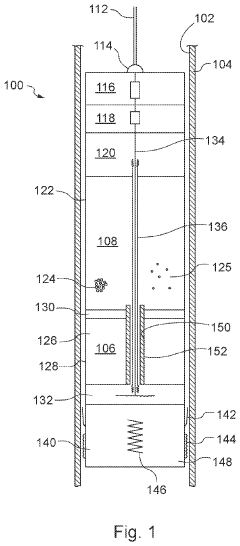
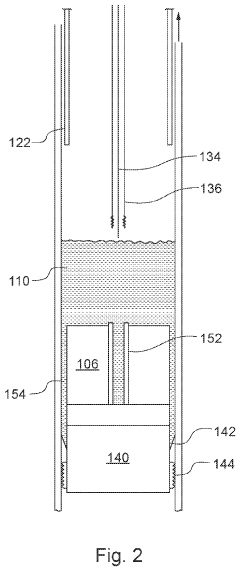
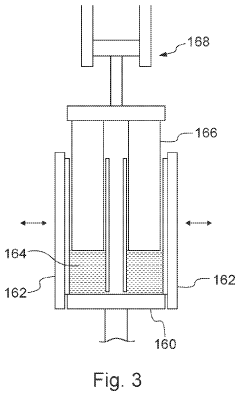
- A downhole apparatus and method utilizing compressed thermite within a container, which reduces porosity and increases density, facilitating efficient heat transfer and reaction, and is combined with a low-melt-point alloy to form a solid plug, allowing for effective sealing without the need for binding agents and maintaining structural strength under pressure.
Assembly for storing heat
PatentInactiveUS20210123688A1
Innovation
- A heat storage system utilizing magmatic rock, specifically magmatite, as the storage material, which excludes quartz, glassy-amorphous components, water-containing minerals, carbonates, sulfates, and other reactive phases to prevent cracking and chemical reactions, ensuring high thermal stability and resistance to oxidation, with air as the heat transfer medium.


Safety Regulations for Thermite Storage
The implementation of safety regulations for thermite storage is crucial to prevent accidents and ensure the protection of personnel, property, and the environment. Regulatory bodies such as the Occupational Safety and Health Administration (OSHA) and the National Fire Protection Association (NFPA) have established guidelines for the safe storage and handling of thermite materials.
One of the primary safety regulations for thermite storage is the requirement for proper containment. Thermite must be stored in sealed, moisture-proof containers made of non-combustible materials. These containers should be clearly labeled with appropriate hazard warnings and stored in a cool, dry location away from sources of heat, sparks, or open flames. The storage area should be well-ventilated and equipped with fire suppression systems.
Access control is another critical aspect of thermite storage safety regulations. Only authorized personnel with proper training should be allowed to handle or access thermite materials. Storage areas must be secured with locks and monitored by surveillance systems to prevent unauthorized entry. Additionally, strict inventory control measures should be implemented to track the quantity and movement of thermite materials.
Regulations also mandate the separation of thermite from incompatible materials. Thermite should not be stored near flammable liquids, oxidizers, or other reactive substances that could potentially interact and cause unintended reactions. Proper segregation and spacing between storage containers are essential to minimize the risk of fire spread in case of an incident.
Personal protective equipment (PPE) requirements are an integral part of safety regulations for thermite storage. Workers handling thermite must wear appropriate PPE, including fire-resistant clothing, safety goggles, and gloves. Respiratory protection may also be necessary when working with fine thermite powders to prevent inhalation of potentially harmful particles.
Emergency response planning is a critical component of thermite storage safety regulations. Facilities must develop and maintain comprehensive emergency action plans that outline procedures for fire suppression, evacuation, and containment of potential spills or releases. Regular drills and training sessions should be conducted to ensure all personnel are familiar with emergency protocols.
Periodic inspections and maintenance of storage facilities are mandated by safety regulations. This includes regular checks of container integrity, ventilation systems, fire suppression equipment, and structural integrity of storage areas. Any deficiencies or potential hazards identified during these inspections must be promptly addressed and documented.
Compliance with transportation regulations is also essential when moving thermite materials to and from storage facilities. Proper packaging, labeling, and documentation are required to ensure safe transport and to inform emergency responders of the potential hazards in case of an accident during transit.
By adhering to these comprehensive safety regulations for thermite storage, organizations can significantly reduce the risks associated with handling and storing this highly reactive material, thereby protecting their workforce, assets, and surrounding communities.
One of the primary safety regulations for thermite storage is the requirement for proper containment. Thermite must be stored in sealed, moisture-proof containers made of non-combustible materials. These containers should be clearly labeled with appropriate hazard warnings and stored in a cool, dry location away from sources of heat, sparks, or open flames. The storage area should be well-ventilated and equipped with fire suppression systems.
Access control is another critical aspect of thermite storage safety regulations. Only authorized personnel with proper training should be allowed to handle or access thermite materials. Storage areas must be secured with locks and monitored by surveillance systems to prevent unauthorized entry. Additionally, strict inventory control measures should be implemented to track the quantity and movement of thermite materials.
Regulations also mandate the separation of thermite from incompatible materials. Thermite should not be stored near flammable liquids, oxidizers, or other reactive substances that could potentially interact and cause unintended reactions. Proper segregation and spacing between storage containers are essential to minimize the risk of fire spread in case of an incident.
Personal protective equipment (PPE) requirements are an integral part of safety regulations for thermite storage. Workers handling thermite must wear appropriate PPE, including fire-resistant clothing, safety goggles, and gloves. Respiratory protection may also be necessary when working with fine thermite powders to prevent inhalation of potentially harmful particles.
Emergency response planning is a critical component of thermite storage safety regulations. Facilities must develop and maintain comprehensive emergency action plans that outline procedures for fire suppression, evacuation, and containment of potential spills or releases. Regular drills and training sessions should be conducted to ensure all personnel are familiar with emergency protocols.
Periodic inspections and maintenance of storage facilities are mandated by safety regulations. This includes regular checks of container integrity, ventilation systems, fire suppression equipment, and structural integrity of storage areas. Any deficiencies or potential hazards identified during these inspections must be promptly addressed and documented.
Compliance with transportation regulations is also essential when moving thermite materials to and from storage facilities. Proper packaging, labeling, and documentation are required to ensure safe transport and to inform emergency responders of the potential hazards in case of an accident during transit.
By adhering to these comprehensive safety regulations for thermite storage, organizations can significantly reduce the risks associated with handling and storing this highly reactive material, thereby protecting their workforce, assets, and surrounding communities.
Environmental Impact Assessment
The environmental impact assessment of thermite storage practices is a critical aspect that requires thorough consideration. Thermite, a pyrotechnic composition of metal powder fuel and metal oxide, poses significant environmental risks if not properly managed. The primary concerns include potential soil contamination, groundwater pollution, and air quality degradation.
Soil contamination is a major risk associated with thermite storage. Improper containment or accidental spills can lead to the release of metal particles and oxides into the surrounding soil. These contaminants may persist in the environment for extended periods, affecting soil chemistry and potentially entering the food chain through plant uptake. Long-term soil contamination can result in reduced biodiversity and compromised ecosystem health in the affected areas.
Groundwater pollution is another significant environmental concern. Leaching of metal compounds from improperly stored thermite can contaminate aquifers and underground water sources. This contamination may have far-reaching consequences, affecting not only local ecosystems but also human populations relying on these water sources for consumption and agriculture. The persistence of metal contaminants in groundwater can lead to long-term environmental and health issues that are challenging and costly to remediate.
Air quality is also at risk during thermite storage and handling. Fine metal particles can become airborne, potentially leading to localized air pollution. Inhalation of these particles can pose health risks to both workers and nearby communities. Additionally, in the event of accidental ignition or improper disposal, thermite reactions can release harmful fumes and particulate matter into the atmosphere, contributing to air pollution and potentially causing respiratory issues in exposed populations.
To mitigate these environmental risks, best practices for thermite storage must include robust containment systems, regular monitoring, and emergency response protocols. Proper storage facilities should be designed with impermeable surfaces, adequate ventilation, and containment measures to prevent any release into the environment. Regular environmental monitoring, including soil and water testing in the vicinity of storage areas, is essential to detect and address any contamination promptly.
Furthermore, the implementation of strict handling procedures and worker training programs is crucial to minimize the risk of accidental releases. Proper disposal methods for expired or unused thermite must also be established to prevent environmental contamination during the end-of-life phase. By adopting these comprehensive environmental protection measures, the potential negative impacts of thermite storage on ecosystems and human health can be significantly reduced, ensuring sustainable and responsible management of this hazardous material.
Soil contamination is a major risk associated with thermite storage. Improper containment or accidental spills can lead to the release of metal particles and oxides into the surrounding soil. These contaminants may persist in the environment for extended periods, affecting soil chemistry and potentially entering the food chain through plant uptake. Long-term soil contamination can result in reduced biodiversity and compromised ecosystem health in the affected areas.
Groundwater pollution is another significant environmental concern. Leaching of metal compounds from improperly stored thermite can contaminate aquifers and underground water sources. This contamination may have far-reaching consequences, affecting not only local ecosystems but also human populations relying on these water sources for consumption and agriculture. The persistence of metal contaminants in groundwater can lead to long-term environmental and health issues that are challenging and costly to remediate.
Air quality is also at risk during thermite storage and handling. Fine metal particles can become airborne, potentially leading to localized air pollution. Inhalation of these particles can pose health risks to both workers and nearby communities. Additionally, in the event of accidental ignition or improper disposal, thermite reactions can release harmful fumes and particulate matter into the atmosphere, contributing to air pollution and potentially causing respiratory issues in exposed populations.
To mitigate these environmental risks, best practices for thermite storage must include robust containment systems, regular monitoring, and emergency response protocols. Proper storage facilities should be designed with impermeable surfaces, adequate ventilation, and containment measures to prevent any release into the environment. Regular environmental monitoring, including soil and water testing in the vicinity of storage areas, is essential to detect and address any contamination promptly.
Furthermore, the implementation of strict handling procedures and worker training programs is crucial to minimize the risk of accidental releases. Proper disposal methods for expired or unused thermite must also be established to prevent environmental contamination during the end-of-life phase. By adopting these comprehensive environmental protection measures, the potential negative impacts of thermite storage on ecosystems and human health can be significantly reduced, ensuring sustainable and responsible management of this hazardous material.
Unlock deeper insights with PatSnap Eureka Quick Research — get a full tech report to explore trends and direct your research. Try now!
Generate Your Research Report Instantly with AI Agent
Supercharge your innovation with PatSnap Eureka AI Agent Platform!